


Apollo redakcijas komandas pārskatīts
Ātra atbilde
Varicocelectomy is surgery to tie off the enlarged veins in the scrotum, called a varicocele, so that blood flows through healthy veins instead. It is offered when a varicocele causes ongoing pain, is linked to fertility problems with abnormal semen tests, or affects the growth of a testicle in a teenager. It can be done by an open, laparoscopic or microsurgical method. Most men go home the same day and recover within a few weeks.
| galvenie fakti | Sīkāka informācija |
|---|---|
| Kas tas ir | Surgery to tie off enlarged veins that drain the testicle |
| Galvenie veidi | Open, laparoscopic and microsurgical varicocelectomy |
| Kas to veic | Urologist, often one with an interest in male fertility (andrology) |
| Vispārējā narkoze | General, spinal or local anaesthesia with sedation, depending on the method |
| Uzturēšanās slimnīcā | Parasti dienas aprūpes procedūra |
| atgūšana | Light activity in a few days; heavy lifting and sport after a few weeks |
| Effect on semen tests | Checked from about three months after surgery |
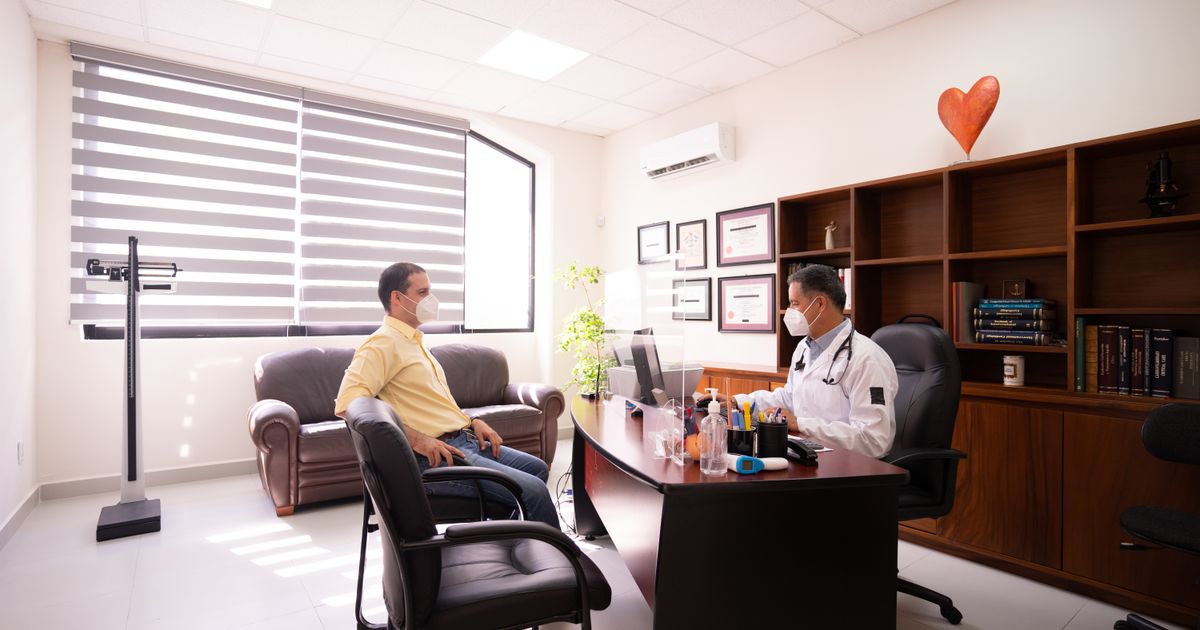
What is varicocelectomy?
A varicocele is a group of swollen veins inside the scrotum, similar to varicose veins in the leg. It forms when the valves in the veins that drain the testicle do not work well, so blood pools instead of flowing back towards the heart. It is more common on the left side. Many varicoceles cause no trouble and need no treatment. Some cause a dull ache, a feeling of heaviness, or a rise in temperature around the testicle that may affect sperm production. In a varicocelectomy, the surgeon finds these veins and ties or clips them, taking care to protect the artery, the lymph channels and the tube that carries sperm.
Other names for varicocelectomy
- Varikoceles operācija
- Varicocele repair
- Varicocele ligation
- Varicocele operation
Types of varicocelectomy
The methods differ in where the cut is made and how the veins are seen. Each has its own detailed page.
| Veids | Kas tas ir | Kad tas tiek lietots |
|---|---|---|
| Open varicocelectomy | The veins are tied through a single small cut in the groin or lower abdomen | A long-established method, used where an operating microscope is not needed or not available |
| Laparoskopiskā varikocelektomija | The veins are clipped inside the abdomen using a camera and instruments passed through keyhole cuts | Often chosen when varicoceles are present on both sides, and in some teenagers |
| Microsurgical varicocelectomy | The veins are tied through a small groin cut under an operating microscope, which helps the surgeon spare the artery and lymph channels | Widely preferred, especially for fertility problems, because recurrence and fluid collection are less common |
A non-surgical alternative is varicocele embolisation, in which an interventional radiologist blocks the veins from inside through a thin tube passed into a vein. Your doctor can tell you whether it is an option for you.
Why is varicocelectomy done?
- Ongoing ache or heaviness in the scrotum that has not eased with supportive underwear and simple pain relief
- A varicocele that can be felt, in a man with abnormal semen tests whose partner has difficulty conceiving (see our page on vīriešu neauglība)
- A testicle that is smaller or growing more slowly on the affected side in a teenager
- A varicocele that has come back after earlier treatment
Surgery is usually not advised for a varicocele that causes no symptoms with normal semen tests, or for one that is found only on a scan and cannot be felt. A varicocele that appears suddenly, or only on the right side, may need further tests before any treatment.
How is varicocelectomy done?
Before surgery you will have an examination, usually a scrotal ultrasound scan, a semen test if fertility is a concern, blood tests and an anaesthesia check. Tell your team about your medicines, especially blood thinners. The general steps are:
- Anestēzija: You are given the type of anaesthesia agreed with your team.
- Iegriezums: The surgeon makes a small cut in the groin or lower abdomen, or several keyhole cuts for laparoscopic surgery.
- Finding the veins: The cord that carries the blood vessels to the testicle is exposed and the enlarged veins are identified, with magnification in the microsurgical method.
- Tying the veins: The veins are tied or clipped and divided, while the artery, lymph channels and sperm tube are kept safe.
- Saknes slēgšana: The cut is closed, usually with stitches that dissolve.
The operation usually takes about one to two hours.
Risks of varicocelectomy
Serious complications are uncommon. Possible problems include:
- Bruising, swelling and soreness of the scrotum or groin
- Infection or bleeding at the wound
- Hydrocele, a collection of fluid around the testicle (see hidrocele)
- Return of the varicocele
- Ongoing pain in a small number of men
- Injury to the artery, which can rarely lead to shrinkage of the testicle
- Numbness of the skin near the cut
- Risks linked to anaesthesia
Surgery does not guarantee better semen results or a pregnancy.
Recovery after varicocelectomy
You can usually go home the same day. Supportive underwear, ice packs over clothing and simple pain relief help in the first few days. Many men return to desk work within a few days. Avoid heavy lifting, strenuous exercise and cycling for about two to four weeks, and ask your surgeon when sexual activity can resume. Because sperm take around three months to form, semen tests are usually repeated from three months onwards.
Kad meklēt medicīnisko palīdzību
- Drudzis vai drebuļi
- Increasing redness, swelling or discharge at the wound
- Rapid or severe swelling of the scrotum
- Sāpes, kas kļūst stiprākas, nevis labākas
- Urīna izdalīšanās grūtības
What is the cost of varicocelectomy in India?
- The method used (open, laparoscopic or microsurgical)
- Whether one or both sides are treated
- Anestēzijas veids
- Dienas aprūpe vai nakšņošana un istabas tips
- Tests before surgery and follow-up semen tests
- Pilsēta un slimnīca
Izmaksas katram cilvēkam ir atšķirīgas. Lūdzu, sazinieties ar slimnīcu, lai uzzinātu faktiskās cenas.
Insurance cover varies, particularly when surgery is done for fertility reasons, so check with your insurer.
Why choose Apollo Hospitals for varicocelectomy?
- Urologists experienced in varicocele surgery and male fertility care
- Ultrasound, laboratory and anaesthesia services in the same hospital
- Advice on whether surgery is needed at all, since many varicoceles can be left alone
- Follow-up with repeat semen testing where relevant
Availability differs between centres. Please check with the hospital. To discuss your symptoms, you can pierakstieties uz urologa konsultāciju Apollo slimnīcās.
Questions to ask your doctor about varicocelectomy
- Do I need treatment, or can my varicocele be watched?
- Kuru metodi jūs man ieteiktu un kāpēc?
- How likely is surgery to help my pain or my semen results?
- What is the chance of the varicocele coming back?
- Kad es varu atgriezties darbā, sportot un iesaistīties seksuālās aktivitātēs?
- When should my semen test be repeated?
Biežāk uzdotie jautājumi
1. Does every varicocele need surgery?
No. Most cause no symptoms and can be left alone. Surgery is considered for pain, for fertility problems with abnormal semen tests, or for reduced testicular growth in teenagers.
2. Which type of varicocelectomy is best?
There is no single answer for everyone. The microsurgical method is widely preferred because recurrence and hydrocele are less common, but the choice depends on your condition and your surgeon's assessment.
3. Will varicocelectomy improve my fertility?
Semen quality improves in many men, but not in all, and pregnancy also depends on other factors in both partners. Your doctor can explain what is realistic for you.
4. How long does it take to see a change in semen tests?
Usually three to six months, because new sperm take about three months to develop.
5. Is varicocelectomy painful?
You will not feel pain during surgery. Soreness afterwards is usually mild to moderate and settles over one to two weeks.
6. Can a varicocele come back after surgery?
Yes, in a small number of men. If it returns and causes problems, repeat surgery or embolisation may be considered.
7. Does varicocelectomy affect testosterone or erections?
The operation does not involve the nerves or structures needed for erections. Some studies suggest testosterone may rise after repair in men with low levels, but this is not a reason on its own to have surgery.
8. Which doctor performs varicocelectomy?
A urologist performs it. For fertility-related cases, a urologist with training in andrology or microsurgery is often involved.
Secinājumi
Varicocelectomy treats a varicocele that is causing pain, fertility problems or poor testicular growth by tying off the enlarged veins. Open, laparoscopic and microsurgical methods are available, and many varicoceles need no treatment at all. Read the page for the method suggested to you and discuss the likely benefit and risks with your urologist.
Šī lapa ir paredzēta vispārīgai informācijai un neaizstāj ārsta padomu. Lēmumi par ārstēšanu jāpieņem kvalificētam speciālistam, kurš pārzina jūsu slimības vēsturi.
Nesen pievienotās


Urologi Apollo slimnīcās





Atruna:
Šajā lapā sniegtā informācija ir paredzēta tikai vispārīgiem informatīviem un izglītojošiem mērķiem. Lai gan mēs pieliekam saprātīgas pūles, lai nodrošinātu, ka informācija ir precīza, uzticama un regulāri pārskatīta, to nevajadzētu uzskatīt par profesionālas medicīniskās konsultācijas, diagnozes vai ārstēšanas aizstājēju.
Medicīniskās procedūras piemērotība, kā arī tās ieguvumi, riski, sagatavošanās, atveseļošanās, iespējamās komplikācijas un sagaidāmie rezultāti var atšķirties atkarībā no cilvēka. Jūsu veselības aprūpes speciālists noteiks, vai procedūra ir piemērota, pamatojoties uz jūsu individuālo stāvokli un slimības vēsturi.
Pirms pieņemt lēmumu par jebkuru medicīnisku procedūru, lūdzu, konsultējieties ar kvalificētu veselības aprūpes speciālistu, lai saņemtu personalizētu padomu.
Lai iegūtu plašāku informāciju par to, kā tiek veidots, pārskatīts, atjaunināts un uzturēts mūsu medicīniskais saturs, lūdzu, izlasiet mūsu [Redakcijas politiku].




