


Apollo redakcijas komandas pārskatīts
Ātra atbilde
Aneurysm surgery repairs a weak, bulging section of an artery before it bursts, or treats it urgently after a leak or rupture. The two main approaches are open surgery, where the weak section is replaced or clipped, and endovascular repair, where a stent graft or coils are placed from inside the vessel through a small puncture. The choice depends on where the aneurysm is, its size and shape, and your general health. Small aneurysms are often monitored and not operated on.
| galvenie fakti | Sīkāka informācija |
|---|---|
| Kas tas ir | Repair of a bulging artery in the aorta, brain or elsewhere |
| Galvenās pieejas | Open surgical repair and endovascular (keyhole, through the vessel) repair |
| Kas to veic | Vascular or cardiothoracic surgeons for the aorta; neurosurgeons and neuro-interventional specialists for the brain |
| Vispārējā narkoze | General anaesthesia for most; some endovascular repairs use regional or local anaesthesia |
| Uzturēšanās slimnīcā | A few days for endovascular repair; about a week or more for open surgery |
| atgūšana | Weeks after endovascular repair; up to a few months after open surgery |
| Follow-up | Regular scans, especially after stent graft or coiling |
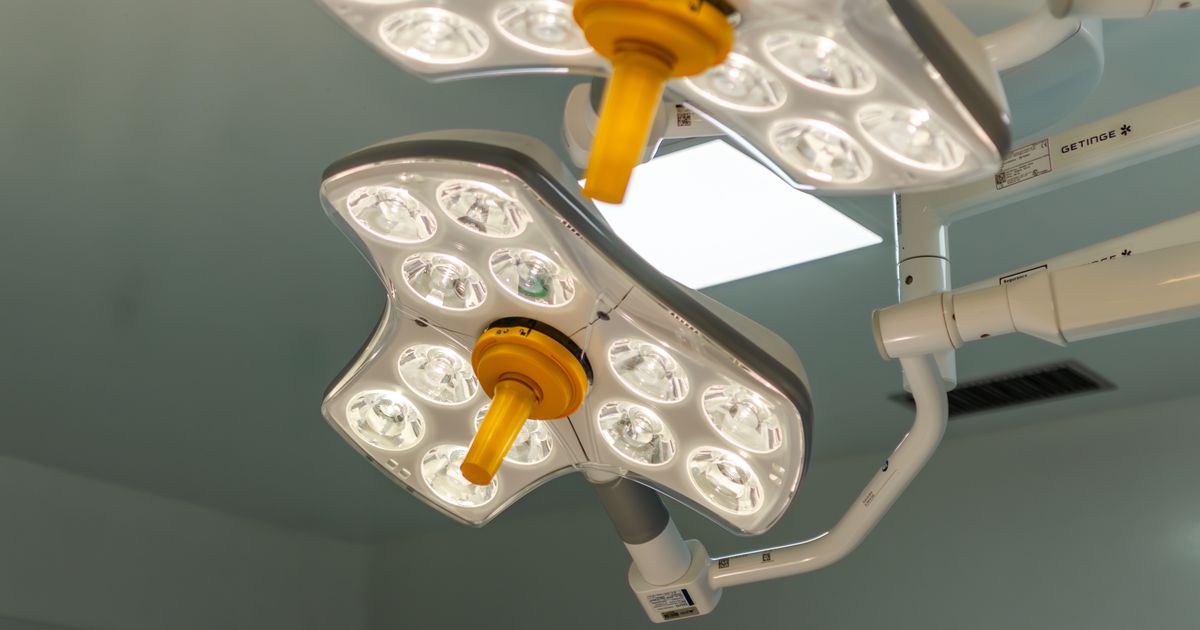
What is aneurysm surgery?
An aneurysm is a balloon-like bulge in the wall of an artery. It usually causes no symptoms while it grows, but a large one can burst and cause life-threatening bleeding. Common sites are the aorta in the abdomen or chest and the arteries at the base of the brain. Limb arteries can also be affected, as in a popliteālās artērijas aneirisma.
Aneurysm surgery covers procedures that strengthen, replace or seal off the weak section.
Other names for aneurysm surgery
- Aneirismas remonts
- Aortic aneurysm repair or AAA repair
- Brain aneurysm surgery or cerebral aneurysm treatment
- Endovascular aneurysm repair
- Aneirismas sagriešana vai spirāle
Types of aneurysm surgery
| Veids | Kas tas ir | Kad tas tiek lietots | Vairāk |
|---|---|---|---|
| Atvērta aortas aneirismas labošana | The weak part of the aorta is replaced with a fabric tube (graft) through a cut in the abdomen or chest | Aortic aneurysms not suited to a stent graft; younger, fitter patients | Atvērta aortas aneirismas labošana |
| EVAR | A stent graft is passed through the groin arteries and opened inside the abdominal aorta | Abdominal aortic aneurysms with suitable anatomy | Endovaskulāras aneirismas labošana (EVAR) |
| TEVAR | A stent graft placed inside the aorta in the chest | Descending thoracic aortic aneurysms and some dissections | Thoracic endovascular aortic repair |
| Bentāla procedūra | Open heart surgery replacing the aortic root, aortic valve and first part of the aorta together | Aneurysm of the aortic root with a diseased valve | Bentāla procedūra |
| Aortas sakņu operācija | Operations on the root of the aorta, including valve-sparing repairs | Root aneurysm, often in inherited conditions | Aortas sakņu operācija |
| Brain aneurysm clipping and coiling | Overview of the two ways of sealing a brain aneurysm | Ruptured or at-risk brain aneurysms | Brain aneurysm clipping and coiling |
| Craniotomy for aneurysm clipping | The skull is opened and a small metal clip is placed across the neck of the aneurysm | Aneurysms whose shape or position suits clipping | Craniotomy for aneurysm clipping |
| Endovaskulārā spole | Soft platinum coils are packed into the aneurysm through a catheter from the groin or wrist | Many brain aneurysms, especially after rupture | Endovaskulārā spole |
A tear in the aortic wall is a related emergency, covered under aortas sadalīšanas remonts.
Why is aneurysm surgery done?
- To prevent rupture when an aneurysm has reached a size, or is growing at a rate, at which the risk of bursting outweighs the risk of repair
- To treat symptoms such as pain or pressure on nearby structures
- As an emergency when an aneurysm has leaked or ruptured, for example bleeding around the brain (subarahnoidāla asiņošana)
Many small aneurysms never need an operation and are watched with regular scans. Read more about krūšu aortas aneirisma un smadzeņu aneirismas.
How is aneurysm surgery done?
Planning starts with imaging, usually CT or MR angiogrāfija, and for the brain often a cerebral angiogram. Heart, lung and kidney function are checked and medicines reviewed.
- Atvērts remonts: under general anaesthesia the surgeon exposes the artery, temporarily stops the blood flow, and either replaces the weak section with a graft or, in the brain, places a clip across the neck of the aneurysm.
- Endovascular repair: through a puncture or small cut at the groin, catheters are guided under X-ray to the aneurysm. A stent graft is opened to line the aorta, or coils and other devices are placed to seal a brain aneurysm.
Not every aneurysm can be treated from inside the vessel, and not every patient is fit for open surgery, so a team of specialists usually decides together.
Risks of aneurysm surgery
The risks vary widely with the site, whether the operation is planned or an emergency, and your health.
- Any repair: bleeding, infection, blood clots, heart attack, stroke, kidney or lung problems, and reactions to anaesthesia or contrast dye
- Aortas remonts: reduced blood flow to the legs, bowel or kidneys; rarely, spinal cord injury causing leg weakness; with stent grafts, leakage around the graft that may need a further procedure
- Brain aneurysm treatment: stroke, bleeding during the procedure, seizures, and with coiling a chance that the aneurysm refills and needs re-treatment
Emergency repair after rupture carries a much higher risk than planned repair.
Recovery after aneurysm surgery
After endovascular repair, most people go home in a few days. After open aortic or brain surgery, you usually spend time in intensive care, stay about a week or longer, and take several weeks to a few months to regain strength. Avoid heavy lifting and driving until your surgeon agrees. Follow-up scans are needed for life after a stent graft and at intervals after coiling.
Kad meklēt medicīnisko palīdzību
- Sudden severe pain in the tummy, back or chest
- A sudden, severe headache, a seizure or loss of consciousness
- Weakness, numbness, trouble speaking or loss of vision
- Bleeding, swelling, redness or discharge from a wound or the groin
What is the cost of aneurysm surgery in India?
Izmaksas ir atkarīgas no:
- The site of the aneurysm and whether repair is open or endovascular
- The stent graft, coils or other implants used
- Planned or emergency surgery
- Length of intensive care and hospital stay, and room category
- Scans, other health conditions and any complications
- Pilsēta un slimnīca
Izmaksas katram cilvēkam ir atšķirīgas. Lūdzu, sazinieties ar slimnīcu, lai uzzinātu faktiskās cenas.
Why choose Apollo Hospitals for aneurysm surgery?
- Vascular, cardiothoracic and neurosurgical teams who offer both open and endovascular repair
- CT, MRI and catheter angiography for planning
- Intensive care and emergency services for ruptured aneurysms
- Pieejamība dažādos centros atšķiras. Lūdzu, sazinieties ar slimnīcu.
For an aortic or limb aneurysm, pierakstīties uz konsultāciju pie asinsvadu ķirurga. For a brain aneurysm, consult a neurosurgeon Apollo slimnīcās.
Questions to ask your doctor about aneurysm surgery
- Does my aneurysm need treatment now, or can it be monitored?
- Am I suitable for endovascular repair, open surgery or both?
- What are the risks of repair compared with waiting?
- Cik ilgi man būs jāpaliek slimnīcā un jāaiziet no darba?
- What follow-up scans will I need?
- Should my close relatives be screened?
Biežāk uzdotie jautājumi
1. Does every aneurysm need surgery?
No. Small aneurysms without symptoms are often monitored with regular scans. Repair is advised when the risk of rupture becomes higher than the risk of the procedure.
2. Is endovascular repair better than open surgery?
Endovascular repair is less invasive with quicker recovery, but it needs suitable anatomy and long-term scans. Open repair is a bigger operation with a durable result. Neither suits everyone.
3. What is the difference between clipping and coiling?
Clipping is open brain surgery in which a clip closes the neck of the aneurysm. Coiling fills the aneurysm from inside the artery through a catheter.
4. How long does aneurysm surgery take?
It varies from about two hours for a straightforward endovascular repair to several hours for open aortic or brain surgery.
5. Can an aneurysm come back after repair?
The repaired section is usually secure, but a coiled aneurysm can refill, a stent graft can leak, and new aneurysms can form elsewhere, so follow-up scans matter.
6. What happens if an aneurysm ruptures?
Rupture is a life-threatening emergency. Go to an emergency department at once.
7. How can I lower my risk while an aneurysm is being monitored?
Do not smoke, keep blood pressure controlled, take prescribed medicines and attend every scan.
8. Which doctor performs aneurysm surgery?
Vascular surgeons and cardiothoracic surgeons repair aortic and limb aneurysms. Neurosurgeons and neuro-interventional specialists treat brain aneurysms.
Secinājumi
Aneurysm surgery covers open and endovascular procedures for the aorta, the brain and other arteries. The right option depends on the aneurysm and on your health, and some aneurysms are safely monitored. Use the links above to read about each procedure, and discuss the choice with your specialist.
Šī lapa ir paredzēta vispārīgai informācijai un neaizstāj ārsta padomu. Lēmumi par ārstēšanu jāpieņem kvalificētam speciālistam, kurš pārzina jūsu slimības vēsturi.
Nesen pievienotās


Vascular and Neurosurgery Specialists at Apollo Hospitals



 Pieejams svētdienās







Atruna:
Šajā lapā sniegtā informācija ir paredzēta tikai vispārīgiem informatīviem un izglītojošiem mērķiem. Lai gan mēs pieliekam saprātīgas pūles, lai nodrošinātu, ka informācija ir precīza, uzticama un regulāri pārskatīta, to nevajadzētu uzskatīt par profesionālas medicīniskās konsultācijas, diagnozes vai ārstēšanas aizstājēju.
Medicīniskās procedūras piemērotība, kā arī tās ieguvumi, riski, sagatavošanās, atveseļošanās, iespējamās komplikācijas un sagaidāmie rezultāti var atšķirties atkarībā no cilvēka. Jūsu veselības aprūpes speciālists noteiks, vai procedūra ir piemērota, pamatojoties uz jūsu individuālo stāvokli un slimības vēsturi.
Pirms pieņemt lēmumu par jebkuru medicīnisku procedūru, lūdzu, konsultējieties ar kvalificētu veselības aprūpes speciālistu, lai saņemtu personalizētu padomu.
Lai iegūtu plašāku informāciju par to, kā tiek veidots, pārskatīts, atjaunināts un uzturēts mūsu medicīniskais saturs, lūdzu, izlasiet mūsu [Redakcijas politiku].




