


Atherectomy at Apollo Hospitals, Gurugram (Gurgaon)
अपोलो संपादकीय टीमद्वारे पुनरावलोकन केलेले · अंतिम पुनरावलोकन नोव्हेंबर २०२६
जलद उत्तर
Atherectomy is a catheter-based procedure that removes or breaks down hard plaque inside a narrowed artery, most often in the heart or the legs. A thin catheter carrying a tiny rotating burr, a spinning crown, a cutting blade or a laser is passed from the wrist or groin to the blockage under X-ray guidance. It is generally used when plaque is so calcified that a balloon or stent cannot cross or expand properly, and is usually followed by balloon angioplasty and often a stent.
मुख्य तथ्य
| कार्यपद्धती | एथेरॅक्टॉमी |
| येथे उपलब्ध | अपोलो हॉस्पिटल्स, गुरुग्राम (गुडगाव) |
| ओपीडीच्या वेळा | 9 मी 4 वाजता आहे |
| नेमणूक | 080 6999 1061 |
आढावा
Atherectomy is a catheter-based procedure that removes or breaks down hard plaque inside a narrowed artery, most often in the heart or the legs. A thin catheter carrying a tiny rotating burr, a spinning crown, a cutting blade or a laser is passed from the wrist or groin to the blockage under X-ray guidance. It is generally used when plaque is so calcified that a balloon or stent cannot cross or expand properly, and is usually followed by balloon angioplasty and often a stent.
Atherectomy may help selected people with coronary artery disease or peripheral artery disease whose blockages are heavily calcified, very tight or have re-narrowed inside an earlier stent. It is not needed for most angioplasty procedures. The interventional cardiologist decides after reviewing the angiogram, and sometimes imaging from inside the artery, to judge how much calcium is present and whether a balloon alone is likely to open the vessel. Bypass surgery or medicines may be more suitable for some patterns of disease.
Book a consultation at Apollo Hospitals, Gurugram to learn whether atherectomy is suitable for you.
Why is Atherectomy Necessary?
Calcium makes plaque rigid, so a balloon may fail to stretch the artery and a stent may not open fully. A poorly expanded stent is more likely to clot or narrow again, and modifying the plaque first helps the artery to respond to treatment.
Conditions That May Require Atherectomy
Atherectomy is considered in the following conditions when the plaque cannot be treated adequately with balloons alone.
- Heavily calcified coronary artery disease: It is used to prepare rigid, calcified narrowings so that a stent can be delivered and expanded fully.
- Blockages that a balloon cannot cross or open: When a balloon will not pass through the narrowing or fails to expand it, atherectomy may create a channel.
- Peripheral artery disease of the legs: Plaque in the thigh, knee or calf arteries may be removed or reduced to improve blood flow to the leg and foot.
- Re-narrowing inside a stent: Tissue or calcium that has built up within an earlier stent may be treated with laser or mechanical atherectomy in selected cases.
पाहण्यासाठी चिन्हे आणि लक्षणे
Symptoms depend on whether the narrowed artery supplies the heart or the legs.
- Chest pain or tightness on exertion: Angina that comes on with effort suggests a narrowing in a coronary artery.
- Breathlessness with activity: Reduced blood flow to the heart may show itself as shortness of breath instead of pain.
- Calf, thigh or buttock pain on walking: Cramping that begins after a set distance and eases with rest is typical of peripheral artery disease.
- Foot pain at rest: Burning or aching in the foot at night that improves when the leg hangs down signals severely reduced circulation.
- Sores on the foot or toes that do not heal: Ulcers or dark patches of skin suggest a critical shortage of blood and need urgent assessment.
जेव्हा इतर उपचार पुरेसे नसतात
Medicines, stopping smoking, supervised walking and control of diabetes, blood pressure and cholesterol are the first line of treatment for artery disease. A procedure is considered when symptoms remain limiting, when the heart muscle or the limb is at risk, or during a heart attack. Standard balloons and stents work for most blockages, and atherectomy is added when calcium prevents them from opening the artery properly.
अॅथेरेक्टॉमीचे प्रकार
Different devices suit different arteries and kinds of plaque.
- रोटेशनल एथेरेक्टॉमी: A diamond-coated burr spinning at high speed grinds calcified plaque into microscopic particles that are carried away in the blood.
- ऑर्बिटल एथेरेक्टॉमी: An off-centre crown rotates in a widening orbit to sand down calcium on the artery wall.
- लेसर अॅथेरेक्टॉमी: Pulses of ultraviolet laser energy delivered through a catheter vaporise plaque or tissue inside an artery or stent.
- डायरेक्शनल अॅथेरेक्टॉमी: A small blade shaves plaque from one side of the artery and collects it in the catheter, mainly in leg arteries.
भारतातील कायदेशीर आणि नैतिक आवश्यकता
उपचारापूर्वी, वैद्यकीय पथक उपचाराची गरज, पर्याय, अपेक्षित फायदे आणि धोके समजावून सांगते आणि लेखी संमती घेते. तुम्ही प्रश्न विचारू शकता, दुसऱ्या तज्ञाचे मत घेऊ शकता आणि निर्णय घेण्यासाठी वेळ घेऊ शकता.
Consult the cardiac team at Apollo Hospitals, Gurugram for an individual assessment.
Risks of Delaying Atherectomy
Delaying treatment of a significant calcified blockage may carry the following risks.
- हृदयविकाराचा झटका: A tight coronary narrowing can block completely and damage the heart muscle.
- अँजिनाचा वाढता त्रास: Chest pain may become more frequent and occur with less exertion or at rest.
- Shorter walking distance: Leg pain from peripheral artery disease may limit walking further over time.
- Non-healing wounds and gangrene: Severely reduced blood flow to the foot can cause tissue loss.
- Risk of amputation: Advanced limb-threatening disease that is not treated in time may end in loss of toes, the foot or part of the leg.
- Harder procedures later: Calcium tends to increase over time, which can make later treatment more complex.
The urgency of treatment depends on your symptoms and on whether the heart or the limb is under threat.
अॅथेरेक्टॉमीचे फायदे
In selected patients with calcified blockages, atherectomy may offer the following.
- Makes stenting possible: Reducing the calcium may allow balloons and stents to reach narrowings that could not otherwise be treated through a catheter.
- Fuller stent expansion: A stent placed after plaque modification is more likely to open evenly against the artery wall.
- Relief of angina or leg pain: Restoring blood flow may ease chest pain or allow longer walking distances.
- Support for wound healing: Improved circulation in the leg may help foot ulcers to heal in suitable patients.
- No open surgery: The procedure is done through a puncture in the wrist or groin under local anaesthesia.
Not every calcified blockage needs atherectomy, and the benefit depends on the artery involved and your general health.
Atherectomy at Apollo Hospitals, Gurugram (Gurgaon)
Why Choose Apollo Hospitals, Gurugram for Atherectomy?
Apollo Hospitals, Gurugram combines specialist assessment with coordinated care for people who need atherectomy.
- तज्ञांचे मूल्यांकन: An interventional cardiologist studies the angiogram and the degree of calcification to decide whether plaque modification is needed.
- Team review of options: Complex coronary and leg artery disease is discussed with cardiac or vascular surgeons to compare catheter treatment with bypass surgery.
- Planned aftercare: Antiplatelet treatment, risk factor control and review visits are arranged to protect the treated artery.
- बहुशाखीय नियोजन: संबंधित विभागांमधील तज्ज्ञ योजनेची शिफारस करण्यापूर्वी गुंतागुंतीच्या प्रकरणांचा एकत्रितपणे आढावा घेतात.
- वैयक्तिकृत उपचार: शिफारसी देताना तुमची लक्षणे, चाचणीचे निकाल, वय, एकंदर आरोग्य आणि पसंती यांचा विचार केला जातो.
- रुग्ण-केंद्रित संवाद: काळजी घेणारी टीम तयारी, अपेक्षित आरोग्यप्राप्ती, औषधे आणि धोक्याची चिन्हे यांबद्दल सोप्या भाषेत समजावून सांगते.
- काळजी सातत्य: पुढील भेटींमुळे प्रकृतीतील सुधारणेचा मागोवा घेतला जातो आणि कालांतराने मूळ आजाराचे व्यवस्थापन करण्यास मदत होते.
Atherectomy Care for Patients in Gurugram and Delhi NCR
Apollo Hospitals, Gurugram is located on Golf Course Road, Sector 28, Gurugram, Haryana 122009. It offers Atherectomy for patients from Gurugram, the wider Delhi NCR and Haryana, with specialist doctors, nursing and diagnostic teams working together from assessment to follow-up.
How to Reach the Atherectomy Team in Gurugram
- पत्ता: अपोलो हॉस्पिटल्स गुरुग्राम, गोल्फ कोर्स रोड, सेक्टर २८, गुरुग्राम, हरियाणा १२२००९
- फोन: 0124-6501600 किंवा 08069991061
- ऑनलाइन बुक करा: Book a Atherectomy consultation in Gurugram
अपोलो हॉस्पिटल्स, गुरुग्राम येथे जाण्याचा मार्ग मिळवा
अपोलो हॉस्पिटल्स, गुरुग्राम हे गोल्फ कोर्स रोड, सेक्टर २८ वर आहे. गुगल मॅप्सवर हॉस्पिटलचे लोकेशन उघडून दिशानिर्देश मिळवा.
जर तुम्ही गुरुग्रामच्या बाहेर राहत असाल तर
If you are travelling from elsewhere in Delhi NCR or Haryana, ask the care team how to plan your consultation, tests and follow-up visits for Atherectomy so that you are not making more trips than needed.
तुमच्या पहिल्या भेटीसाठी काय आणावे
- तुमच्या आजाराशी संबंधित स्कॅन, चाचणी अहवाल आणि पूर्वीच्या वैद्यकीय नोंदी.
- तुम्ही सध्या घेत असलेल्या औषधांची आणि कोणत्याही ॲलर्जींची यादी
- तुमच्याकडे असल्यास, फोटो ओळखपत्र आणि विम्याचा तपशील
अपोलो हॉस्पिटल्स, गुरुग्राम येथे संबंधित आरोग्यसेवा
अपोलो हॉस्पिटल्स, गुरुग्राम येथील कार्डिओलॉजी विभागात उपलब्ध असलेले तज्ञ आणि सेवांविषयी जाणून घेण्यासाठी विभागाला भेट द्या .
एथेरेक्टॉमीची तयारी
क्लिनिकल मूल्यांकन
Your specialist first confirms the diagnosis and whether atherectomy is the right option.
- तुमचा इतिहास सांगा: Describe chest pain, walking distance and any foot wounds, and mention diabetes, kidney disease, smoking, earlier stents and bleeding problems.
- परीक्षेला उपस्थित रहा: The doctor checks heart sounds, blood pressure, pulses in the legs and feet and the condition of the skin on the feet.
- पर्यायांवर चर्चा करा: Ask about medicines and exercise therapy, balloon angioplasty with special balloons, shockwave-based calcium treatment and bypass surgery.
उपचारापूर्वीच्या चाचण्या
These tests define the blockage and check that the procedure can be done safely.
- Coronary or peripheral angiography: Shows where the artery is narrowed, how long the blockage is and how much calcium is visible.
- Imaging from inside the artery: Ultrasound or light-based imaging catheters may be used to measure the depth and extent of calcium.
- Doppler ultrasound and ankle-brachial index: Measure blood flow and pressure in the legs when peripheral artery disease is suspected.
- ECG and echocardiography: Assess heart rhythm and pumping function before a coronary procedure.
- रक्त तपासणी: Check kidney function, blood count, blood sugar and clotting before contrast dye and blood thinners are given.
औषधे आणि ऍलर्जी
औषधोपचारातील बदल केवळ उपचार करणाऱ्या टीमच्या सल्ल्यानुसारच केले पाहिजेत.
- औषधांची यादी द्या. यामध्ये डॉक्टरांनी लिहून दिलेली औषधे, इन्सुलिन, रक्त पातळ करणारी औषधे, सप्लिमेंट्स आणि डॉक्टरांच्या चिठ्ठीशिवाय मिळणारी औषधे यांचा समावेश करा.
- ॲलर्जीबद्दल कळवा: कॉन्ट्रास्ट डाय, औषधे, लेटेक्स किंवा ऍनेस्थेशिया यांच्यामुळे पूर्वी झालेल्या प्रतिक्रियांबद्दल टीमला सांगा.
- दिलेल्या सूचनांचे पालन करा: प्रक्रियेपूर्वी तुम्हाला रक्त पातळ करणारी औषधे किंवा मधुमेहाची औषधे बदलण्यास सांगितले जाऊ शकते.
अन्न आणि व्यावहारिक नियोजन
रुग्णालयाने दिलेल्या वैयक्तिक प्रवेश आणि उपवासाच्या सूचनांचे पालन करा.
- उपवासासंबंधीच्या मार्गदर्शनाचे पालन करा: उपवास करणे आवश्यक असल्यास, सांगितलेल्या वेळी अन्न आणि पेय घेणे थांबवा.
- समर्थनाची व्यवस्था करा: रुग्णालयातून घरी सोडल्यावर तुमच्यासोबत येण्यासाठी आणि मदत करण्यासाठी एका जबाबदार प्रौढ व्यक्तीला सांगा.
- तुमच्या राहण्याची योजना करा: ओळखपत्र, अहवाल, आरामदायक कपडे आणि अत्यावश्यक वैयक्तिक वस्तू सोबत आणा.
संमती आणि अंतिम पुनरावलोकन
उपचारापूर्वी पथक सुरक्षिततेची तपासणी करते आणि प्रश्नांची उत्तरे देते.
- योजना समजून घ्या: अपेक्षित फायदे, मर्यादा, पर्याय आणि संभाव्य गुंतागुंती यांचा आढावा घ्या.
- संमतीची पुष्टी करा: तुम्हाला समजेल अशी माहिती मिळाल्यानंतरच संमती पत्रावर सही करा.
- बदलांचा अहवाल द्या: प्रक्रियेपूर्वी ताप, संसर्ग किंवा कोणतेही नवीन लक्षण आढळल्यास रुग्णालयाला कळवा.
अॅथेरेक्टॉमी नंतर पुनर्प्राप्ती
उपचारानंतर लगेच
प्रक्रिया संपताच देखरेख सुरू होते.
- देखरेख: ECG, blood pressure and, after a leg procedure, the pulses and colour of the foot are checked regularly.
- पंक्चर झालेल्या जागेची काळजी: The wrist band or groin dressing is watched for bleeding, and you lie flat for some hours after a groin puncture.
- Overnight stay: Most patients stay in hospital for a night so that the heart or limb circulation can be observed.
घरी काळजी
तुमच्या परिस्थितीनुसार घरी सोडताना दिलेल्या सल्ल्याचे पालन करा.
- अँटीप्लेटलेट औषधे: Take them every day as prescribed, because they keep the treated artery and any stent from clotting.
- प्रवेश स्थळाचे संरक्षण करा: Avoid heavy lifting, straining and long baths for about a week and keep the area clean.
- Foot care and walking: After a leg procedure, inspect your feet daily, wear well-fitting footwear and build up walking gradually.
औषधे आणि पाठपुरावा
सततची काळजी पुनर्प्राप्तीस मदत करते आणि उपचारांच्या परिणामाची तपासणी करते.
- औषधे योग्य प्रकारे घ्या: डॉक्टरांनी सांगितलेली औषधे घेणे सुरू ठेवा आणि डॉक्टरांच्या सल्ल्याशिवाय ती बंद करू नका.
- पुनरावलोकन दौऱ्यांमध्ये सहभागी व्हा: पुढील तपासणीमध्ये शारीरिक तपासणी आणि पुनरावृत्ती चाचण्यांचा समावेश असू शकतो.
- लक्षणांचा मागोवा घ्या: तुमच्या लक्षणांमध्ये झालेला कोणताही बदल नोंदवा आणि पुनरावलोकनाच्या वेळी सांगा.
नेहमीच्या कामांकडे परतणे
Many people resume light activity within a few days and desk work within about a week after a planned procedure. Driving is usually avoided for about a week, or longer if advised after a heart attack. Avoid heavy lifting and strenuous exercise for one to two weeks. After treatment of a leg artery, regular walking is encouraged once the groin has healed. Recovery is slower when the procedure was done as an emergency or when foot wounds are still healing.
तात्काळ वैद्यकीय उपचारांची गरज असलेली धोक्याची चिन्हे
खालीलपैकी काहीही लक्षणे दिसल्यास त्वरित वैद्यकीय मदत घ्या.
- Chest pain, breathlessness or fainting: Call for emergency help immediately, as the treated coronary artery may need urgent attention.
- Bleeding or a swelling at the puncture site: Press firmly on the area and go to the emergency department straight away.
- A leg or foot that becomes cold, pale, numb or very painful: Seek urgent care, because the artery may have blocked again.
- Fever or redness and discharge at the puncture site: Contact the hospital promptly so that infection can be treated.
- Black stools or blood in urine: Report this to your doctor quickly and do not stop your antiplatelet medicines on your own.
Take the Next Step Towards Atherectomy Care
A specialist consultation can clarify whether atherectomy is right for you and what the alternatives are.
खालील कागदपत्रे उपलब्ध असल्यास सोबत आणा:
- वैद्यकीय नोंदी: मागील तपासणीच्या नोंदी, डिस्चार्ज सारांश आणि औषधचिठ्ठी सोबत ठेवा.
- चाचणी अहवाल: तुमच्या आजाराशी संबंधित स्कॅन, रक्ताचे अहवाल आणि इतर तपासण्या घेऊन या.
- औषधांची यादी: सध्याचे डोस, पूरक आहार आणि ॲलर्जी यांचा समावेश करा.
- ओळख आणि व्याप्ती तपशील: वैध ओळखपत्र, विम्याची कागदपत्रे आणि शिफारसपत्रे सोबत ठेवा.
Book your atherectomy consultation with Apollo Hospitals, Gurugram today.
Frequently Asked Questions About Atherectomy
Is atherectomy the same as angioplasty?
No. Angioplasty uses a balloon to push plaque aside and widen the artery, whereas atherectomy removes or breaks down hard plaque with a burr, blade or laser. The two are usually combined: atherectomy prepares a calcified artery, and a balloon and often a stent are then used to complete the treatment.
What are the risks of atherectomy?
The risks include those of angioplasty, such as bleeding, artery damage, heart attack, kidney strain from contrast dye and re-narrowing. Atherectomy adds a small risk of a tear or perforation of the artery, slow blood flow from plaque debris and a temporary slow heartbeat. The team monitors for these and is prepared to treat them.
एथेरेक्टॉमी प्रक्रियेस किती वेळ लागतो?
It typically takes one to two hours, depending on the artery, the length of the blockage and whether stents are placed. Treatment of several segments or very heavy calcium may take longer. You are usually awake with local anaesthesia and light sedation.
Is atherectomy painful?
Most people feel only the injection of local anaesthetic at the wrist or groin. Brief chest discomfort or a warm sensation may occur while the device is working or when the balloon is inflated. Sedation and pain relief are available, and you should tell the team about any discomfort during the procedure.
Can the blockage come back after atherectomy?
Yes, it can. Arteries may narrow again over months or years, particularly in people with diabetes, kidney disease or continued smoking. Taking antiplatelet and cholesterol-lowering medicines, controlling blood sugar and blood pressure, staying active and attending follow-up all help to lower the chance of recurrence.
Which is the best hospital for Atherectomy in Gurugram?
The right hospital depends on your condition and your doctor's advice. Apollo Hospitals, Gurugram offers specialist assessment, diagnostics and coordinated care for atherectomy. Compare the team's experience, the facilities and the follow-up care on offer before you decide.
How do I book a consultation for Atherectomy at Apollo Hospitals, Gurugram?
तुम्ही या पेजवरील बुकिंग लिंकद्वारे ऑनलाइन बुकिंग करू शकता किंवा 08069991061 या क्रमांकावर कॉल करू शकता. ओपीडीची वेळ सकाळी ९ ते दुपारी ४ पर्यंत आहे. केअर टीम तुम्हाला योग्य तज्ञाकडे जाण्यासाठी मार्गदर्शन करेल.
अपोलो हॉस्पिटल्स, गुरुग्राम कोठे आहे?
अपोलो हॉस्पिटल्स, गुरुग्राम हे गोल्फ कोर्स रोड, सेक्टर २८, गुरुग्राम, हरियाणा १२२००९ येथे आहे.
What should I bring to my first consultation for Atherectomy?
तुमच्या आजाराशी संबंधित कोणतेही स्कॅन आणि चाचणी अहवाल, पूर्वीच्या वैद्यकीय नोंदी, तुम्ही सध्या घेत असलेल्या औषधांची आणि ॲलर्जींची यादी, फोटो ओळखपत्र आणि तुमच्याकडे विमा असल्यास त्याचा तपशील सोबत आणा.
Can patients from outside Gurugram get Atherectomy care at Apollo Hospitals, Gurugram?
होय. दिल्ली एनसीआर, हरियाणा आणि भारतातील इतर भागांतील रुग्ण अपोलो हॉस्पिटल्स, गुरुग्राम येथील टीमशी संपर्क साधू शकतात. बुकिंग करताना तुमचे रिपोर्ट्स शेअर करा, जेणेकरून टीमला तुमच्या भेटीचे नियोजन करता येईल.
वैद्यकीय अस्वीकरण: ही माहिती सामान्य शिक्षणासाठी आहे आणि पात्र डॉक्टरांच्या सल्ल्याची जागा घेऊ शकत नाही. उपचाराचे निर्णय वैयक्तिक मूल्यांकनावर अवलंबून असतात.
अलीकडे जोडलेले


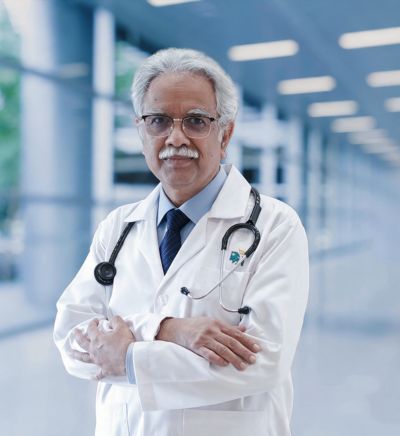
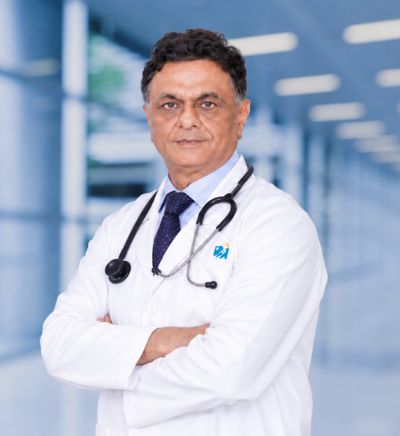
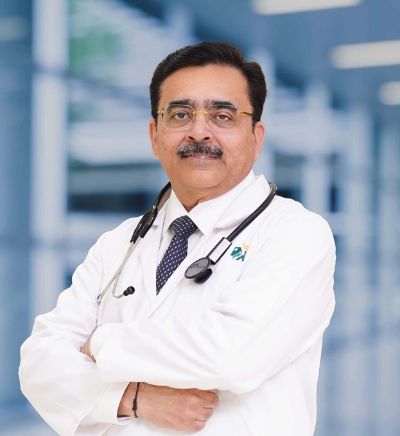
गुरुग्राममध्ये डॉक्टर उपलब्ध आहेत








अस्वीकरण:
या पानावर दिलेली माहिती केवळ सामान्य माहिती आणि शैक्षणिक हेतूंसाठी आहे. ही माहिती अचूक, विश्वसनीय आणि नियमितपणे पुनरावलोकन केलेली असेल याची खात्री करण्यासाठी आम्ही वाजवी प्रयत्न करत असलो तरी, ती व्यावसायिक वैद्यकीय सल्ला, निदान किंवा उपचारांचा पर्याय मानली जाऊ नये.
एखाद्या वैद्यकीय प्रक्रियेची उपयुक्तता, तसेच तिचे फायदे, धोके, तयारी, पुनर्प्राप्ती, संभाव्य गुंतागुंत आणि अपेक्षित परिणाम, हे प्रत्येक व्यक्तीनुसार भिन्न असू शकतात. तुमची वैयक्तिक स्थिती आणि वैद्यकीय इतिहासाच्या आधारावर, एखादी प्रक्रिया योग्य आहे की नाही हे तुमचे आरोग्य व्यावसायिक ठरवतील.
कोणत्याही वैद्यकीय प्रक्रियेबाबत निर्णय घेण्यापूर्वी, वैयक्तिक सल्ल्यासाठी कृपया पात्र आरोग्य तज्ञाचा सल्ला घ्या.
आमची वैद्यकीय सामग्री कशी तयार केली जाते, तिचे पुनरावलोकन कसे केले जाते, ती कशी अद्ययावत केली जाते आणि तिची देखभाल कशी केली जाते याबद्दल अधिक माहितीसाठी, कृपया आमचे [संपादकीय धोरण] वाचा.




