


Apollo redakcijas komandas pārskatīts
Ātra atbilde
Splenectomy is surgery to remove the spleen, an organ under the left ribs that filters blood and helps fight infection. It is done for a ruptured spleen, certain blood disorders, an enlarged spleen causing problems, and some tumours or cysts. It can be done by open or laparoscopic (keyhole) surgery. People can live without a spleen, but they have a lifelong higher risk of some serious infections, so vaccinations and prompt treatment of fever are essential.
| galvenie fakti | Sīkāka informācija |
|---|---|
| Kas tas ir | Surgical removal of all, or sometimes part, of the spleen |
| Galvenie iemesli | Injury, blood disorders, enlarged spleen, cysts, abscess or tumours |
| Galvenie veidi | Atvērts un laparoskopisks |
| Vispārējā narkoze | Vispārējā anestēzija |
| Uzturēšanās slimnīcā | About two days to a week, depending on the method and the reason |
| atgūšana | Around two to six weeks |
| Lifelong care | Vaccinations, quick medical attention for fever, and sometimes preventive antibiotics |
| Izpilda | General, gastrointestinal or trauma surgeon |
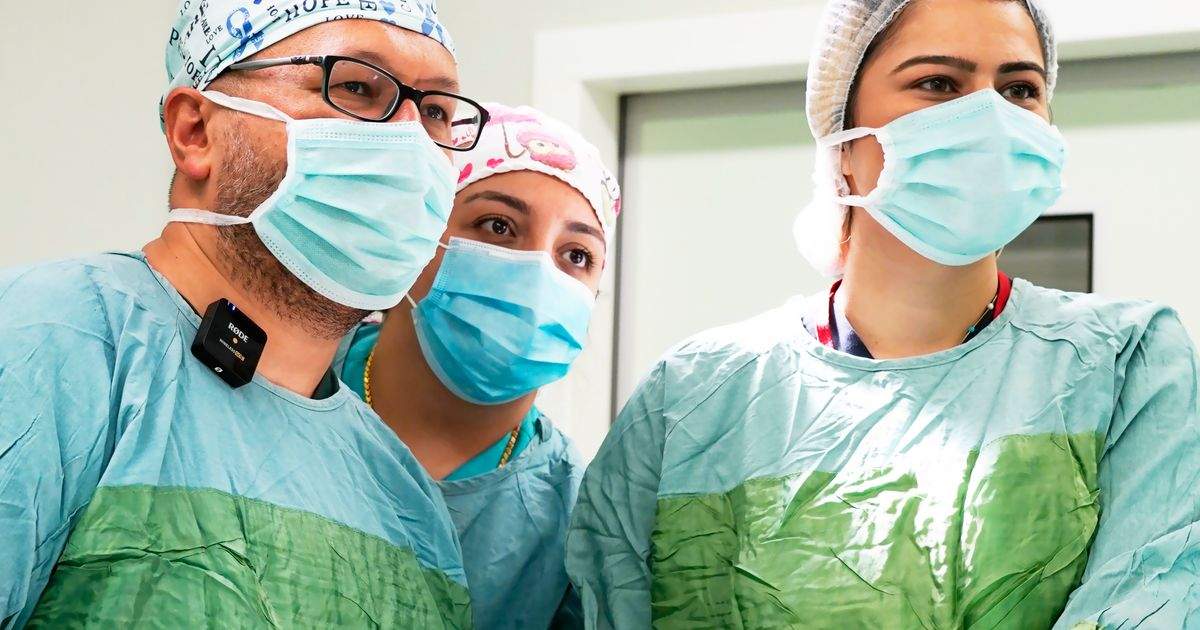
Kas ir splenektomija?
The spleen sits in the upper left abdomen, behind the stomach. It removes old blood cells, stores some blood cells and helps the immune system clear certain bacteria from the blood. In a splenectomy, the surgeon ties off the blood vessels to the spleen and removes it. Other organs, mainly the liver, take over much of its filtering work. In selected cases only part of the spleen is removed (partial splenectomy) to keep some of its immune function.
Other names for splenectomy
- Spleen removal surgery
- Spleen operation
- Total splenectomy
- Partial splenectomy
- Keyhole spleen removal
Types of splenectomy
There are two main approaches. Each has its own detailed page.
| Veids | Kas tas ir | Kad to parasti lieto | Vairāk |
|---|---|---|---|
| atvērts | The spleen is removed through one larger cut in the upper abdomen | Emergencies such as a ruptured spleen with heavy bleeding, a very large spleen, or when keyhole surgery is not safe | Atvērta splenektomija |
| Laparoskopisks | Atslēgas cauruma operācija, veicot dažus nelielus iegriezumus, izmantojot kameru un plānus instrumentus | Most planned operations where the spleen is normal or moderately enlarged | Laparoskopiska splenektomija |
A laparoskopisks operation sometimes has to be changed to an open one during surgery for safety.
Why is splenectomy done?
- traumas: a plīsusi liesa with bleeding that cannot be controlled in other ways
- Asins slimības: piemēram, imūnā trombocitopēnija, iedzimta sferocitoze, and some cases of talasēmija or sirpjveida šūnu slimība, usually when other treatments have not worked
- Enlarged or overactive spleen: splenomegālija or hypersplenism causing pain or low blood counts
- Growths and infection: cysts, abscesses, limfoma and other tumours of the spleen
- As part of another operation: for example, some stomach or pancreas surgery
Because the spleen protects against infection, doctors try to save it where possible. Many spleen injuries are now managed without surgery, and many blood disorders are first treated with medicines.
How is splenectomy done in general?
For planned surgery, you will have blood tests such as a pilnīgs asins skaits, Un ultraskaņa or datortomogrāfija to check the size of the spleen. Vaccinations are ideally given at least two weeks before the operation. Some people need a transfūzija of blood or platelets around the time of surgery.
Operācija tiek veikta saskaņā ar vispārīgiem noteikumiem. anestēziju. The surgeon frees the spleen from the tissues around it, seals and divides its blood vessels, and removes it. In keyhole surgery the spleen is placed in a bag and taken out through one of the small cuts.
Risks of splenectomy
- Asiņošana operācijas laikā vai pēc tās
- Infection of the wound, chest or abdomen
- Injury to nearby organs such as the pancreas, stomach or bowel
- Blood clots, including in the veins near the liver and in the legs or lungs
- A rise in platelet count after surgery, which your doctor will monitor
- Hernia at a wound site and reactions to anaesthesia
- The original blood disorder not improving as hoped
Lifelong infection risk and vaccination
This is the most important long-term point. Without a spleen, the body is less able to fight certain bacteria. Infections such as pneimonija, meningitis and blood poisoning are uncommon, but when they happen they can become severe within hours. The risk is highest in the first few years and in children, but it never fully goes away.
- Have the recommended vaccines: pneumococcal, meningococcal and Hib vaccines, plus a flu vaccine every year. After emergency surgery, they are usually given about two weeks later. Ask about booster doses.
- Some people, especially children, are advised to take a daily preventive antibiotic, or to keep an emergency supply at home.
- Treat any fever as urgent. Go to a doctor or emergency department the same day and say that you have no spleen.
- Carry a card or wear a medical alert stating that your spleen has been removed.
- Get medical advice after an animal bite, and before travel to areas with malārija.
Recovery after splenectomy
After laparoscopic surgery, most people go home in two to three days and return to normal activity in about two to three weeks. After open surgery, the stay is usually up to a week and recovery takes four to six weeks. Walk early, do the breathing exercises you are shown, and avoid heavy lifting until your surgeon clears you.
Kad meklēt medicīnisko palīdzību
- Fever, chills or shivering, at any time in your life after splenectomy
- Pieaugošas sāpes vēderā vai pietūkums
- Bleeding, redness or discharge from a wound
- Breathlessness, chest pain or a persistent cough
- Sāpes vai pietūkums vienā kājā
- Repeated vomiting or inability to eat or drink
What is the cost of splenectomy in India?
Izmaksas ir atkarīgas no vairākiem faktoriem:
- Open or laparoscopic method
- Plānota vai neatliekama operācija
- The underlying condition and size of the spleen
- Need for blood products or intensive care
- Length of stay, type of room and vaccinations
- Pilsēta un slimnīca
Izmaksas katram cilvēkam ir atšķirīgas. Lūdzu, sazinieties ar slimnīcu, lai uzzinātu faktiskās cenas.
Health insurance usually covers medically necessary spleen surgery. Check your policy terms before admission.
Why choose Apollo Hospitals for splenectomy?
- Surgeons experienced in open and laparoscopic spleen surgery
- Emergency and trauma care with blood bank and intensive care support
- Haematology teams for patients with blood disorders
- Vaccination planning and written advice on infection prevention before discharge
To discuss spleen surgery, you can pierakstīties pie vispārējā ķirurga Apollo slimnīcās.
Questions to ask your doctor about splenectomy
- Is removing my spleen the only option, or can it be saved or partly kept?
- Will the surgery be open or laparoscopic, and why?
- Which vaccines do I need, and when?
- Do I need to take preventive antibiotics, and for how long?
- What should I do if I get a fever?
- How will my blood counts be followed afterwards?
Biežāk uzdotie jautājumi
1. Can you live a normal life without a spleen?
Yes. Most people lead a normal, active life after splenectomy. The main difference is a lifelong higher risk of certain serious infections, which is managed with vaccines, awareness and quick treatment of fever.
2. Which vaccines are needed after splenectomy?
Doctors usually recommend pneumococcal, meningococcal and Hib vaccines, along with a yearly flu vaccine. Your doctor will give you a schedule suited to your age and health.
3. Is laparoscopic splenectomy better than open splenectomy?
Keyhole surgery usually means less pain, smaller scars and a faster recovery, so it is preferred for most planned operations. Open surgery is safer in emergencies with heavy bleeding and for very large spleens.
4. Is splenectomy a major surgery?
Yes. It is done under general anaesthesia and involves an organ with a rich blood supply.
5. How long does recovery take after splenectomy?
Around two to three weeks after laparoscopic surgery and four to six weeks after open surgery.
6. Will I need antibiotics for life?
Not everyone does. Daily preventive antibiotics are often advised for children and for the first few years after surgery, and for some adults at higher risk. Many adults are given an emergency supply to start if fever develops.
7. Will splenectomy cure my blood disorder?
It helps many people with conditions such as immune thrombocytopenia and hereditary spherocytosis, but it does not work for everyone. Your haematologist can tell you the likely benefit in your case.
8. Which doctor performs splenectomy?
A general surgeon, gastrointestinal surgeon or trauma surgeon performs splenectomy, often working with a haematologist when the reason is a blood disorder.
Secinājumi
Splenectomy can be life-saving after injury and helpful in several blood and spleen conditions. It can be done by open or laparoscopic surgery. The key to staying well afterwards is lifelong protection against infection: keep your vaccinations up to date and never ignore a fever.
Šī lapa ir paredzēta vispārīgai informācijai un neaizstāj ārsta padomu. Lēmumi par ārstēšanu jāpieņem kvalificētam speciālistam, kurš pārzina jūsu slimības vēsturi.
Nesen pievienotās


Vispārējie ķirurgi Apollo slimnīcās







Atruna:
Šajā lapā sniegtā informācija ir paredzēta tikai vispārīgiem informatīviem un izglītojošiem mērķiem. Lai gan mēs pieliekam saprātīgas pūles, lai nodrošinātu, ka informācija ir precīza, uzticama un regulāri pārskatīta, to nevajadzētu uzskatīt par profesionālas medicīniskās konsultācijas, diagnozes vai ārstēšanas aizstājēju.
Medicīniskās procedūras piemērotība, kā arī tās ieguvumi, riski, sagatavošanās, atveseļošanās, iespējamās komplikācijas un sagaidāmie rezultāti var atšķirties atkarībā no cilvēka. Jūsu veselības aprūpes speciālists noteiks, vai procedūra ir piemērota, pamatojoties uz jūsu individuālo stāvokli un slimības vēsturi.
Pirms pieņemt lēmumu par jebkuru medicīnisku procedūru, lūdzu, konsultējieties ar kvalificētu veselības aprūpes speciālistu, lai saņemtu personalizētu padomu.
Lai iegūtu plašāku informāciju par to, kā tiek veidots, pārskatīts, atjaunināts un uzturēts mūsu medicīniskais saturs, lūdzu, izlasiet mūsu [Redakcijas politiku].




