Direct answer
The Dengue IgM test is a blood test that looks for IgM antibodies made by the immune system after dengue virus infection. These antibodies usually become detectable around day 4 to 5 of fever. A Dengue IgM test done in the first three days of illness is often negative even when dengue is present.
Key takeaways
- Timing decides usefulness: NS1 antigen or dengue RT-PCR suit days 1-5 of fever; the Dengue IgM test becomes more useful from about day 5 onwards.
- A negative Dengue IgM result does not exclude dengue: it may simply be too early, and repeat testing or a different test may be needed.
- A positive Dengue IgM result is supportive, not absolute: cross-reaction with other flaviviruses such as Japanese encephalitis, Zika and chikungunya-era co-circulation, and recent vaccination, can mislead.
- Severity is judged clinically, not by antibodies: the Dengue IgM test does not measure platelet count, haematocrit, plasma leakage or organ involvement.
- Interpretation belongs to the treating doctor, who reads the result alongside the day of illness, examination findings and blood counts. Results vary depending on individual clinical circumstances.
At a glance
| Feature | Detail |
|---|---|
| What it measures | IgM antibodies against dengue virus in blood serum |
| Sample | Small venous blood sample, usually from the arm |
| Blood draw duration | Roughly 5 minutes, including cleaning and bandaging |
| Preparation | No fasting needed for this test alone; follow your unit's instructions if other tests are combined |
| Best window | Generally from about day 5 of fever onwards; may remain positive for weeks to a few months |
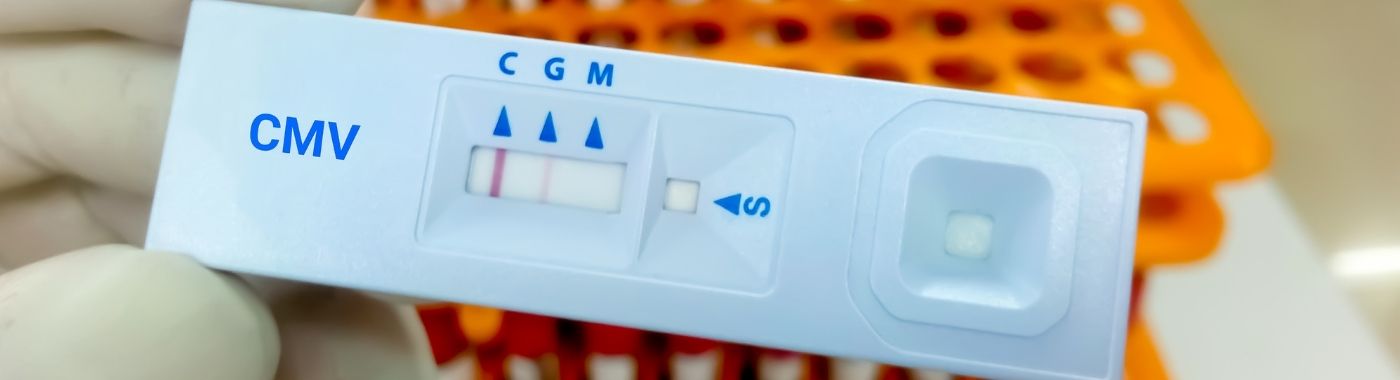
| Common methods | Rapid immunochromatographic card test; MAC-ELISA (more standardised) |
| What it does not do | Does not grade severity, does not identify the dengue serotype, does not confirm cure |
| Report format | Usually reported as reactive/non-reactive or positive/negative, sometimes with an index value |
Also known as
- Dengue IgM antibody test
- Dengue serology (IgM)
- Dengue MAC-ELISA
- Dengue card test (when a rapid kit is used; these kits often test NS1, IgM and IgG together)
- Commonly asked for at the counter as "dengue test", "dengue antibody test" or simply "dengue IgM"
What the Dengue IgM test is
Dengue is caused by a virus spread by Aedes aegypti and Aedes albopictus mosquitoes, which bite mainly in daylight hours. When the dengue virus enters the body, the immune system produces IgM antibodies first. The Dengue IgM test detects these antibodies.
Because antibody production takes days, the Dengue IgM test is an indirect marker. It tells you the immune system has recently met the dengue virus. It does not detect the virus itself. That job belongs to the NS1 antigen test and to dengue RT-PCR.
In a primary dengue infection (first-ever exposure), IgM rises strongly and can stay detectable for weeks to a few months. In a secondary infection (a second exposure to a different serotype), IgM may rise later or more weakly while IgG rises fast, which is one reason a low or negative IgM can be misleading in someone who has had dengue before.
Who should get this test
- People with fever lasting more than about four days in a dengue-endemic area or after travel to one, especially with headache behind the eyes, severe body and joint pain, nausea or rash.
- People who tested NS1-negative early but whose fever continues and in whom dengue is still clinically suspected.
- Anyone with fever plus warning signs: these people need urgent clinical assessment and blood counts, with the Dengue IgM test as one part of the work-up, not the priority.
- Pregnant women with fever in an outbreak setting, because dengue in pregnancy needs closer monitoring.
- Children with undifferentiated fever during a local outbreak, on a doctor's advice.
- Public health surveillance, where IgM positivity in a community helps map dengue transmission.
It is not a useful screening test for people without symptoms, and it should not be ordered as a routine "health package" add-on.
Why the Dengue IgM test is done
- To support a diagnosis of recent dengue when fever has lasted several days and the virus itself may no longer be detectable in blood.
- To help place the illness in time when read together with the Dengue IgG test and the day of fever.
- To help separate dengue from other acute febrile illnesses common in India, such as malaria, typhoid, scrub typhus, leptospirosis, chikungunya, influenza and urinary infection, though it can only point towards dengue, never exclude the others.
- To trigger closer monitoring, since a dengue diagnosis prompts daily platelet and haematocrit checks and warning-sign counselling in appropriate patients.
What the Dengue IgM test cannot detect or exclude
- It cannot exclude dengue. A non-reactive Dengue IgM result in the first few days of fever is expected and means very little. If fever persists, go back to your doctor.
- It cannot prove current active infection. IgM can persist for weeks to a few months, so a positive result in someone with a new fever may reflect an earlier dengue episode.
- It cannot grade severity or predict dengue haemorrhagic fever or dengue shock syndrome. There is no correlation between antibody positivity and how sick a person will become.
- It cannot identify which dengue serotype (DENV-1 to DENV-4) is involved.
- It cannot rule out co-infection. Dengue with malaria, typhoid, chikungunya or scrub typhus occurs; those need their own tests.
- It cannot confirm recovery or clearance. Repeating the Dengue IgM test to "check if dengue is gone" is not clinically useful.
- It cannot replace a complete blood count. Platelet count, haematocrit and white cell count guide management; antibodies do not.
Related but different examinations
| Test | What it detects | Typical useful window | Key limitation |
|---|---|---|---|
| Dengue IgM | Early antibody response | Roughly from day 5 of fever onwards | Often negative early; cross-reacts with other flaviviruses; may persist from a past infection |
| Dengue NS1 antigen | A viral protein, so infection itself | Roughly days 1-5 of fever | Sensitivity falls after the first few days and may be lower in secondary infection; a negative result does not exclude dengue |
| Dengue IgG | Later or past antibody response | Later in illness; also reflects old infection | Alone, cannot distinguish current illness from exposure years ago |
| Dengue RT-PCR | Viral genetic material; can identify serotype | Roughly first 5 days of fever | Limited availability, higher cost, negative once viraemia clears |
| Complete blood count | Platelets, haematocrit, white cells | Throughout illness, often serially | Not dengue-specific; abnormal in many infections |
| Rapid combo card test | NS1, IgM and IgG on one strip | Depends on component | Convenient but generally less standardised than laboratory ELISA; a doubtful result may need ELISA confirmation |
These tests answer different questions. NS1 and RT-PCR ask "is the virus present now?" The Dengue IgM test asks "has the immune system recently responded?" Which is ordered first depends on how many days the fever has lasted, not on one test being superior.
How to prepare
Preparation for the Dengue IgM test is minimal, but collection practices, kit types and sample-handling rules differ between laboratories. Your own laboratory's or hospital's written instructions take precedence over any general advice here.
- Fasting: not required for the Dengue IgM test alone. If your doctor has combined it with tests that need fasting, follow the unit's instruction.
- Tell the staff the day your fever started. This single piece of information changes how the result should be read and sometimes changes which test is done.
- Carry your prescription and previous reports, including any earlier NS1 or dengue antibody results.
- Medicines: continue everything prescribed. Do not stop or change any medicine, including blood thinners, before a blood test, speak to the prescriber first. Tell the phlebotomist if you are on anticoagulants or antiplatelets so extra pressure can be applied after the draw.
- Fluids: being reasonably hydrated makes the vein easier to find. If you have heart failure, advanced chronic kidney disease or any prescribed fluid restriction, do not increase your fluid intake for a blood test; keep to the limit your doctor has set.
If you are pregnant
The blood draw itself is unchanged. Dengue in pregnancy needs closer clinical monitoring, so tell the treating team you are pregnant and how many weeks along you are.
Children
A smaller-volume paediatric tube and a smaller needle are used. A parent may usually stay with the child. Tell the staff about any bleeding disorder or previous fainting.
Older adults and people with diabetes on glucose-lowering treatment
Because no fasting is needed for the Dengue IgM test, there is no reason to skip meals or delay insulin or tablets. If fasting tests are combined, ask the prescriber how to time your diabetes medicines so you do not become hypoglycaemic.
Bleeding tendency or low platelets
If dengue has already lowered your platelet count, or you have a bleeding disorder, mention it. Firm, prolonged pressure over the puncture site reduces bruising.
What happens during the test and how long it takes
- Registration and sample collection: the actual blood draw usually takes about five minutes. Add waiting time at the collection counter, which varies with the day and the centre.
- Method: a vein in the forearm or elbow crease is cleaned, a small needle is inserted, blood is collected into a tube, and a dressing is applied. Most people feel a brief prick.
- Rapid card tests can be read within roughly 15 to 30 minutes of the sample reaching the bench. MAC-ELISA is usually run in laboratory batches, so reporting is scheduled rather than immediate. Ask your laboratory when your report will be ready.
- Afterwards: normal activity can resume at once. Mild tenderness or a small bruise at the site is common and settles in a few days.
Understanding your report
The Dengue IgM test is usually reported qualitatively as reactive/positive or non-reactive/negative. Some ELISA reports add an index or ratio value with a kit-specific cut-off printed on the report. Index numbers are not a measure of how severe the illness is, and they cannot be compared between laboratories or between different kits.
- Non-reactive (negative): no dengue IgM antibodies were detected in this sample. This describes what was found, not what exists. If fever began only a day or two ago, it may be too early. Dengue is not excluded.
- Reactive (positive): dengue IgM antibodies were detected, which supports recent dengue infection. The treating doctor decides whether this fits the current illness or reflects an earlier episode.
- Equivocal or borderline: the result sits near the kit cut-off. Repeat testing after a few days, or a laboratory ELISA if a rapid kit was used, is often advised.
No result from the Dengue IgM test should be self-interpreted. It must be read by the doctor who requested it, alongside the day of illness, examination findings, blood counts and other tests.
When results can be misleading
Falsely negative (dengue present, test negative)
- Tested too early: the commonest reason. IgM generally becomes detectable only around day 4 to 5 of fever.
- Secondary dengue infection: IgM may be low or delayed while IgG dominates.
- Immunosuppression: a weakened antibody response, for example with certain medicines or conditions, can reduce detectable IgM.
- Rapid card tests are generally less sensitive than laboratory ELISA, so a negative card result carries less weight.
Falsely positive or misattributed (test positive, current dengue unlikely)
- Cross-reactivity with other flaviviruses: Japanese encephalitis, Zika and West Nile virus infections, and in some settings prior Japanese encephalitis or yellow fever vaccination, can produce cross-reacting antibodies.
- Persisting IgM from an earlier dengue episode weeks to a few months ago, while the current fever is due to something else entirely.
- Rheumatoid factor and other autoantibodies can interfere with some IgM assays.
- Recent blood product transfusion may transfer antibodies.
Because both directions of error are real, a dengue diagnosis in India is made clinically and supported by tests, not made by a card strip alone.
Risks and safety
Venous blood draw for laboratory ELISA
Risks are small and mostly local: brief pain, bruising, a small haematoma, or light-headedness. Rarely, repeated needle attempts, minor nerve irritation at the puncture site or local infection can occur. Bruising is more likely if platelets are low from dengue itself or if you take anticoagulants or antiplatelets.
Fingerprick sample for a rapid card test
Where a fingerprick is used, discomfort is brief and bleeding minimal. Sensitivity is generally lower than laboratory testing, so a negative or borderline card result in a clinically suspicious case usually needs laboratory confirmation.
Safety of the result itself
The main risk of the Dengue IgM test is misinterpretation, false reassurance from an early negative result, or stopping the search for another cause because of a positive result that reflects an old infection. Results vary depending on individual clinical circumstances.
Red flags
Dengue can worsen around the time the fever settles, typically between day 3 and day 7 of illness. Watch for these regardless of what any test showed.
Emergency now: go to the nearest emergency department
- Bleeding from the gums or nose that does not stop, blood in vomit, black tarry stools, or heavy menstrual bleeding
- Cold, clammy, mottled skin, a weak fast pulse, fainting or collapse
- Severe breathlessness or inability to lie flat
- Drowsiness, confusion, irritability, seizure, or being difficult to wake
- Passing very little or no urine for many hours
- In a child: refusal to feed, persistent vomiting, no tears when crying, or unusual lethargy
Same day: contact your doctor or attend today
- Severe or worsening abdominal pain, especially in the upper right abdomen
- Persistent vomiting that prevents drinking fluids
- New skin bruising or pinpoint red spots
- Fever falling but you feel worse rather than better
- Fever in pregnancy, in an infant, or in someone with diabetes, chronic kidney disease, heart failure or on blood thinners
Routine appointment
- Fever settled but tiredness, low mood or joint aches persist for weeks
- A non-reactive Dengue IgM result with ongoing mild fever, return for reassessment and consideration of repeat or alternative tests
- A positive Dengue IgM result found incidentally, without current symptoms, for interpretation in context
Special situations
Pregnancy
The Dengue IgM test is safe in pregnancy and involves only a blood sample. Dengue in pregnancy can be associated with greater bleeding risk around delivery and needs obstetric input. Do not take medicines such as ibuprofen or aspirin for fever without medical advice during suspected dengue.
Children
Children can deteriorate quickly and with fewer warning symptoms than adults. Fluid balance and serial blood counts matter more than repeating antibody tests. Paediatric sample volumes are small.
Older adults
Fever may be less marked and confusion more prominent. Coexisting heart, kidney or liver disease narrows the safe margin for both dehydration and fluid overload, so fluid advice must be individualised by the treating doctor.
Chronic kidney disease, dialysis or heart failure
General advice to "drink plenty of fluids" during dengue is not safe for everyone. If you have a fluid restriction or take diuretics, ask your treating doctor exactly how much to drink and whether any medicine timing needs review. Never adjust these yourself.
Diabetes on glucose-lowering therapy
Poor oral intake during a febrile illness raises the risk of low blood sugar on insulin or sulfonylureas. Monitor sugars more often and contact the prescriber about dose adjustment; do not self-stop treatment.
People on anticoagulants or antiplatelets
Dengue-related low platelets plus blood thinners increases bleeding risk. Continue the medicine but inform the treating doctor promptly so the need for monitoring or temporary change can be assessed by the prescriber.
Previous dengue infection
A second dengue infection with a different serotype carries a higher risk of severe disease. In this setting the Dengue IgM test may be less sensitive and IgG may rise early, so clinical monitoring carries more weight than serology.
Dengue IgM testing in the Indian context
- Dengue is endemic across most of India, with seasonal peaks during and after the monsoon. The National Center for Vector Borne Diseases Control (NCVBDC), Ministry of Health and Family Welfare, publishes state-wise dengue case and death figures annually; check the current NCVBDC dengue statistics page for the latest year's numbers.
- All four serotypes circulate in different parts of the country, and repeat infection with a different serotype is common, a key reason severe dengue is seen in Indian hospitals every season.
- Government programme practice uses IgM MAC-ELISA at Sentinel Surveillance Hospitals, with kits supplied through the National Institute of Virology, Pune network. NS1 ELISA and MAC-ELISA are the mainstay laboratory confirmations under the national programme.
- Look-alike illnesses matter: in Indian outbreak settings, malaria, typhoid, scrub typhus, leptospirosis, chikungunya and hepatitis A or E can all present with fever and body ache. A positive Dengue IgM result does not stop the search for these when the picture does not fit.
- Chikungunya and dengue share the same mosquito vectors and often circulate together, so dual testing is frequently requested.
- Self-medication is a real hazard. Painkillers of the NSAID class and aspirin bought over the counter can worsen bleeding in dengue. Papaya leaf extract, herbal and AYUSH preparations, and gym supplements are widely used during dengue in India; they have not been shown to change outcomes, some carry a risk of drug-induced liver injury, and they should be discussed with your doctor rather than started on advice from social media.
- Data privacy: laboratory reports and any online booking forms handle personal health data, which is regulated in India under the Digital Personal Data Protection Act, 2023.
Cost and insurance in India
Costs for the Dengue IgM test differ widely across the country, so any figure quoted online should be treated as indicative only. Confirm the current price directly with the laboratory or hospital before testing.
- Method: a rapid card test is usually cheaper than a laboratory MAC-ELISA; RT-PCR costs considerably more.
- Bundling: "dengue profile" panels combining NS1, IgM and IgG, often with a complete blood count, cost more than a single Dengue IgM test.
- Setting: government hospitals and Sentinel Surveillance Hospitals often provide dengue testing free or at nominal cost; private hospital and standalone laboratory pricing varies by city and tier.
- Add-ons: home sample collection, urgent or after-hours processing and doctor consultation are usually charged separately.
- Insurance: outpatient diagnostic tests are frequently not reimbursed unless your policy includes OPD or diagnostic cover. When dengue leads to hospital admission, investigations during the admission are usually covered under inpatient benefits, subject to policy terms, waiting periods and sub-limits. Ask for an itemised bill and keep the prescription for any claim.
- Repeat testing for the same episode adds cost without adding information in most cases; ask the treating doctor whether a repeat is needed before booking one.
Myths and facts
| Myth | Fact |
|---|---|
| A negative Dengue IgM test means I do not have dengue. | It may simply be too early. IgM usually appears around day 4 to 5 of fever. If symptoms continue, return to your doctor. |
| A higher IgM index means more severe dengue. | Index values are kit-specific and do not measure severity. Platelet trend, haematocrit and clinical warning signs do. |
| The Dengue IgM test should be repeated to check if dengue has cleared. | IgM can persist for weeks to months after recovery. Repeating it does not confirm cure. |
| Platelet count is the only thing that matters in dengue. | Plasma leakage, blood pressure, urine output and haematocrit often matter more than the platelet number alone. |
| Papaya leaf juice treats dengue. | It is not an established treatment. Dengue care is supportive, fluids guided by your doctor, rest, paracetamol if advised, and monitoring. |
| One dengue infection makes you immune for life. | Immunity is serotype-specific. A later infection with a different serotype can be more severe. |
| Dengue mosquitoes bite only at night. | Aedes mosquitoes bite mainly during daylight, often early morning and late afternoon, and breed in clean stored water. |
Frequently asked questions
On which day of fever should the Dengue IgM test be done?
Generally from about day 5 of fever, when IgM antibodies are more likely to be detectable. In the first few days, the NS1 antigen test or dengue RT-PCR is usually more informative. Your doctor decides based on how long the fever has lasted and your examination findings.
My NS1 was negative but I still feel unwell. What next?
A negative NS1 does not exclude dengue, particularly after day 5 or in a second dengue infection. Your doctor may repeat testing, add a Dengue IgM test, order a complete blood count, or investigate other causes of fever such as malaria, typhoid or scrub typhus.
Is the rapid dengue card test as good as ELISA?
Rapid card tests are quick and convenient but generally less sensitive and less standardised than laboratory MAC-ELISA. A negative or borderline card result in someone with a clinically convincing illness often needs laboratory confirmation. The treating doctor weighs the method used when reading the report.
Can the Dengue IgM test be positive without dengue?
Yes. Cross-reactivity with other flaviviruses such as Japanese encephalitis or Zika, certain vaccinations, rheumatoid factor interference, and antibodies persisting from a dengue episode months earlier can all produce a positive result that does not explain the current illness.
How soon will I get the report?
The blood draw takes about five minutes. Rapid card tests can be read within roughly 15 to 30 minutes of reaching the bench, while ELISA is run in scheduled laboratory batches. Reporting schedules differ between laboratories, so ask your collection centre directly.
Do I need to fast before the Dengue IgM test?
No fasting is needed for the Dengue IgM test on its own. If your doctor has combined it with tests requiring fasting, follow your laboratory's written instructions. People on insulin or diabetes tablets should ask the prescriber how to time medicines if fasting is required.
Does a positive Dengue IgM result mean I need admission?
No. Many people with dengue are managed at home with oral fluids, rest and paracetamol if advised. Admission depends on warning signs, dehydration, blood count trends, pregnancy, age and other illnesses, not on the antibody result itself.
Can Dengue IgM and IgG both be positive?
Yes, and the pattern helps place the infection in time. IgM with early strong IgG often suggests a secondary dengue infection, while IgM with little or no IgG suggests a first infection. Interpretation needs the day of illness and clinical context.
Can I do the Dengue IgM test at home?
Home sample collection by a trained phlebotomist is widely available, with the sample then processed in a laboratory. Self-testing kits used without medical supervision are not recommended, because timing and interpretation strongly affect whether the result means anything.
Sources
- World Health Organization, Dengue and severe dengue fact sheet, and WHO guidance on dengue diagnosis and clinical management
- National Center for Vector Borne Diseases Control (NCVBDC), Ministry of Health and Family Welfare, Government of India, National Guidelines for Clinical Management of Dengue Fever and dengue situation reports
- Indian Council of Medical Research / National Institute of Virology, Pune, dengue laboratory diagnosis and sentinel surveillance network guidance
- US Centers for Disease Control and Prevention, Dengue: testing guidance for healthcare providers
- Digital Personal Data Protection Act, 2023 (Government of India), handling of personal health data