


Direct answer
The cryptococcal antigen (CrAg) test detects capsular antigen shed by Cryptococcus neoformans and Cryptococcus gattii in blood (serum or plasma) or cerebrospinal fluid. CrAg testing is central to diagnosing cryptococcal meningitis and to screening people with advanced HIV. A negative CrAg does not exclude all forms of cryptococcal disease, particularly isolated lung infection.
Key takeaways
- Main use: CrAg in CSF and serum is the primary test for cryptococcal meningitis, and serum or plasma CrAg is used to screen people with advanced HIV disease.
- Main limitation: CrAg performs poorly for cryptococcal pneumonia confined to the lungs, and a negative blood result does not rule out disease elsewhere.
- Positive is not the whole answer: A positive serum CrAg usually prompts a lumbar puncture to check whether the infection has reached the brain and its coverings.
- Titres are not a report card: Antigen can persist for months after successful treatment, so CrAg titres are a poor day-to-day measure of response.
- Interpretation is clinical: Results must be read alongside CD4 count, symptoms, CSF findings, microscopy and culture by the doctor who requested the test.
At a glance
| Feature | Detail |
|---|---|
| What is measured | Cryptococcal capsular polysaccharide (glucuronoxylomannan) antigen |
| Usual samples | Serum or plasma; cerebrospinal fluid (CSF) via lumbar puncture; occasionally urine (less standardised) |
| Common methods | Lateral flow assay (LFA, point-of-care strip), latex agglutination, enzyme immunoassay |
| Result format | Reactive (positive) or non-reactive (negative); semi-quantitative titre on some methods |
| Sample collection time | Blood draw: a few minutes. Lumbar puncture: usually 20-45 minutes including positioning and recovery |
| Time to result | Lateral flow assays can give a result within about an hour of the sample reaching the laboratory; laboratory-run batched methods take longer. Your laboratory's stated reporting time applies |
| Fasting | Not required |
| Who orders it | Infectious diseases physician, neurologist, physician, intensivist, transplant or haemato-oncology team |
Also known as
- CrAg test
- Cryptococcal antigen latex agglutination test (CALAS)
- CrAg LFA / cryptococcal antigen lateral flow assay
- CSF CrAg, serum CrAg, plasma CrAg
- Commonly asked for in India as "crypto antigen test", "fungal meningitis test" or "CSF fungal antigen"
What the cryptococcal antigen test is
Cryptococcus is an environmental yeast found in soil, decaying wood and bird droppings. Infection begins when spores or yeast cells are inhaled. In most people with intact immunity nothing further happens. When immunity is impaired, the organism can multiply and spread through the bloodstream to the brain and meninges.
The Cryptococcus yeast is surrounded by a thick polysaccharide capsule. Fragments of this capsule are shed into blood and CSF during infection. The cryptococcal antigen test detects those fragments directly, it does not detect the patient's antibodies, and it does not require the organism to grow in culture. That is why CrAg can be positive days to weeks before symptoms in people with advanced HIV.
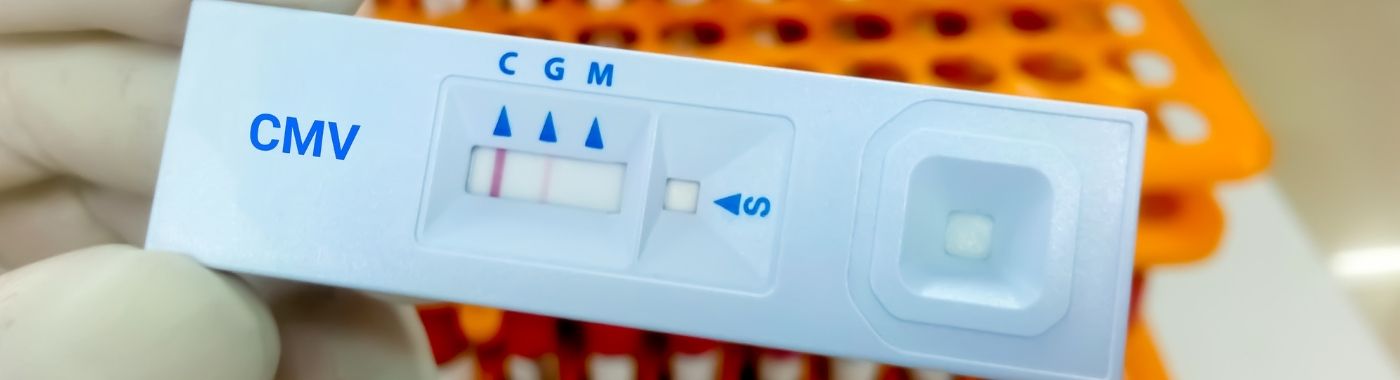
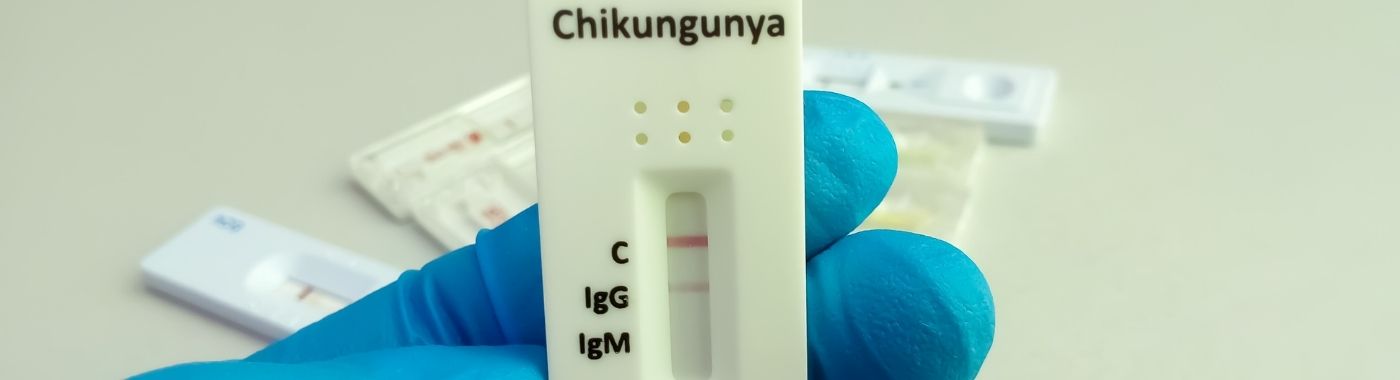
The lateral flow assay format is a strip test that can be read visually, needs no complex equipment, and works on serum, plasma, whole blood and CSF. This is the format that changed cryptococcal screening in resource-limited settings.
Why the cryptococcal antigen test is done
- To diagnose cryptococcal meningitis: in a person with headache, fever, vomiting, confusion, visual change or neck stiffness, especially if immunosuppressed.
- To screen for early cryptococcal disease: blood CrAg in people with advanced HIV disease can identify subclinical infection and allow pre-emptive antifungal treatment before meningitis develops.
- To investigate unexplained fever or disseminated infection in transplant recipients, people on long-term corticosteroids or biologic agents, and those with haematological malignancy.
- To help distinguish cryptococcal meningitis from other causes of subacute meningitis such as tuberculous meningitis, which is common in India and can look clinically identical.
- To support prognostic assessment: very high CSF antigen titres at diagnosis are broadly associated with higher fungal burden.
Who should get this test
- People living with HIV with advanced disease: CrAg screening of blood is recommended at low CD4 counts. Indian national HIV programme guidance and WHO guidance both address this; your treating ART centre applies the current threshold and algorithm.
- Anyone with suspected meningitis or encephalitis who is immunosuppressed, including on steroids, chemotherapy, biologics or after transplant.
- Solid organ transplant recipients with fever, headache, skin nodules, or unexplained lung shadows.
- People with subacute headache lasting more than a week with fever or altered behaviour, where tuberculous meningitis is being considered, CrAg is usually sent alongside TB testing.
- People with known cryptococcal disease where CSF reassessment is clinically indicated.
- Apparently immunocompetent people with compatible illness: C. gattii and sometimes C. neoformans can affect people with no identified immune defect, so the test is not restricted to HIV.
Routine CrAg testing is not useful as a general health check-up item in people with no risk factors and no symptoms.
What the cryptococcal antigen test cannot detect or exclude
- It cannot reliably exclude cryptococcal pneumonia. Serum CrAg is frequently non-reactive when infection is limited to the lungs without spread to the bloodstream. Chest imaging, sputum or bronchoalveolar lavage culture and sometimes lung biopsy are needed.
- It cannot tell you whether the brain and meninges are involved. A reactive blood CrAg says antigen is circulating; only CSF examination, with imaging where indicated, addresses central nervous system disease.
- It cannot measure raised intracranial pressure, which is the main driver of early death in cryptococcal meningitis. That requires CSF opening-pressure measurement at lumbar puncture.
- It cannot identify the species or subtype (C. neoformans versus C. gattii), culture and molecular methods do that.
- It cannot tell live from dead organisms. Antigen persists after the yeast has been killed, so CrAg cannot confirm cure and cannot be used alone to decide treatment duration.
- It cannot exclude other causes of meningitis. A non-reactive CrAg does not exclude tuberculous, bacterial, viral or other fungal meningitis, and co-infection is possible.
- It does not provide antifungal susceptibility information.
A non-reactive result describes what the assay did not find in that sample, at that time. If symptoms persist or worsen despite a negative result, return to your doctor, repeat or different testing may be needed.
Related but different examinations
| Test | Question it answers | Key difference from CrAg |
|---|---|---|
| Serum/plasma CrAg | Is cryptococcal antigen circulating in blood? | Screening and early-detection tool; does not localise disease |
| CSF CrAg | Is there antigen in the fluid around the brain and spinal cord? | Requires lumbar puncture; most directly supports meningitis diagnosis |
| India ink stain of CSF | Are encapsulated yeasts visible on microscopy? | Rapid and cheap but much less sensitive than CrAg; operator-dependent |
| Fungal culture (CSF, blood, respiratory sample) | Can the organism be grown and identified? | Gives species and susceptibility; takes days, may be negative on antifungals |
| CSF cell count, protein, glucose, ADA-related and TB tests (CSF AFB, CSF TB-PCR/NAAT) | What pattern of inflammation is present; is this tuberculosis? | Different targets entirely; often sent with CrAg in India because TB meningitis overlaps clinically |
| Serum cryptococcal antibody tests | Has there been an immune response? | Not used for diagnosis of active disease; CrAg detects antigen, not antibody |
| Serum (1,3)-?D-glucan | Is there a broad fungal signal? | Often unhelpful in cryptococcosis and non-specific; not a substitute |
| MRI or CT brain | Are there structural changes, hydrocephalus, cryptococcomas or raised-pressure signs? | Imaging cannot diagnose cryptococcal infection microbiologically |
Which test comes first depends on the presentation. In suspected meningitis with red-flag neurological features, urgent CSF examination including CrAg leads. In asymptomatic advanced HIV, blood CrAg screening leads. In a lung-limited picture with a nodule or infiltrate, imaging and respiratory sampling lead, because CrAg is often unrevealing.
How to prepare
Preparation is minimal. Fasting is not needed and food or water does not affect antigen detection. Preparation requirements, sample containers and appointment logistics are operational matters that differ between hospitals and laboratories, the instructions given by your own unit take precedence over anything written here.
- Tell the team your medicines, especially blood thinners (warfarin, acenocoumarol, clopidogrel, apixaban, rivaroxaban, heparin), if a lumbar puncture is planned. Do not stop or change any prescribed medicine yourself, the prescriber decides.
- Mention antifungal treatment already started, as it can reduce culture yield.
- Report symptoms honestly, including headache pattern, vision changes, drowsiness and vomiting, as these change urgency.
- Bring previous reports: CD4 count, HIV status, transplant details, prior CrAg titres.
- Arrange an escort if a lumbar puncture is planned, as some units advise rest afterwards.
If you are pregnant
Blood sampling is unaffected by pregnancy. Lumbar puncture can be performed in pregnancy when indicated, with attention to positioning. Antifungal choice in pregnancy needs specialist input, some agents are avoided, particularly in the first trimester.
Children
Blood volumes are weight-based and lumbar puncture in children is usually done with local anaesthesia, sometimes sedation. Paediatric cryptococcal disease is uncommon and should be managed by a paediatric infectious diseases team.
People with bleeding disorders or on anticoagulants
Lumbar puncture carries a higher bleeding risk in this group. The clinical team will check platelet count and coagulation and may modify timing of anticoagulation. This decision belongs with the treating doctor.
People with advanced CKD, heart failure or diabetes on glucose-lowering therapy
No fasting and no fluid loading is required for this test, so the usual hazards of pre-test fasting or forced hydration do not arise. If another test on the same visit calls for fasting or a set water volume, flag your kidney disease, heart failure, fluid restriction or diabetes medicines to the laboratory staff before you comply.
What happens during the test
- Blood sample: a small quantity of blood is drawn from an arm vein. The needle time is under a minute; the whole visit typically takes 10-15 minutes.
- Lumbar puncture for CSF: you sit or lie curled on your side. The lower back is cleaned and local anaesthetic is injected. A fine needle is passed between the lumbar vertebrae, below the level of the spinal cord, and fluid is allowed to drip into sterile tubes. Opening pressure may be measured. Collection itself often takes 10-20 minutes; with preparation and post-procedure observation, expect roughly 30-60 minutes, and longer if therapeutic fluid drainage is needed for raised pressure.
- Urine sample: occasionally collected, though urine CrAg is less standardised than serum or CSF and is not a substitute for them.
Lateral flow strip testing can be performed rapidly once the sample is in the laboratory; other methods may be batched. Your laboratory's stated reporting time applies.
Understanding your report
Most reports give a qualitative answer: reactive/positive or non-reactive/negative. Some laboratories add a semi-quantitative titre such as 1:8 or 1:1024. Titres from different assays and different laboratories are not directly comparable, so serial titres should ideally be compared only within the same laboratory and method.
- Non-reactive: no cryptococcal antigen detected in that specimen. This makes cryptococcal meningitis substantially less likely when CSF is tested, but does not exclude lung-limited disease, very early infection or other causes of the illness.
- Reactive in blood, no symptoms: often indicates subclinical cryptococcal infection in advanced HIV. Standard practice is to assess for meningitis, usually with lumbar puncture, before deciding treatment.
- Reactive in CSF: strongly supports cryptococcal meningitis and normally triggers urgent admission and antifungal therapy, together with management of intracranial pressure.
- Reactive with a high titre: broadly reflects a greater fungal burden. Titre is one input among many and is not a stand-alone measure of severity.
No result should be self-interpreted. The doctor who requested the test reads it against your CD4 count, symptoms, CSF cell counts and pressure, cultures and imaging. Results vary depending on individual clinical circumstances.
When results can be misleading
Falsely reactive (positive when there is no cryptococcal disease)
- Cross-reaction with other organisms: reported with Trichosporon, Capnocytophaga canimorsus and certain other agents, more so with older latex methods.
- Rheumatoid factor and some interfering serum proteins can cause false reactivity with latex agglutination; pre-treatment steps reduce this.
- Prozone (high-dose hook) effect can produce erratic results at extreme antigen concentrations; dilution corrects it, this can cause either a false negative or an unreliable titre.
- Persisting antigen after cured infection: a reactive result months after treatment may reflect residual antigen rather than active disease.
- Sample or strip handling errors, including incorrect read time on lateral flow assays.
Falsely non-reactive (negative despite infection)
- Lung-limited cryptococcosis without dissemination, the commonest reason for a negative serum CrAg in true disease.
- Very early infection with antigen below the detection limit.
- Prozone effect at very high antigen levels on undiluted samples.
- Poorly encapsulated strains, which shed less antigen.
- Testing the wrong compartment: blood negative while CSF is positive, or the reverse.
If the clinical picture and the result disagree, the clinical picture is not dismissed. Repeat testing, testing a different fluid, culture and imaging are the next steps.
Risks and safety
Blood sample
Risks are small: brief pain, bruising, a small haematoma, light-headedness, and rarely local infection. Apply pressure for a couple of minutes and mention a tendency to faint beforehand.
Lumbar puncture
This is a more involved procedure than a blood draw and carries a different risk profile. Recognised effects include post-procedure headache (often positional, usually settling over days), backache at the puncture site, transient nerve-root pain or tingling in a leg, and small risks of local bleeding or infection. Serious complications are uncommon. Lumbar puncture may be deferred or preceded by brain imaging where there is concern about a space-occupying lesion or marked brain shift, or where bleeding risk is high. Therapeutic drainage of CSF to relieve raised intracranial pressure is part of cryptococcal meningitis care and is done under medical supervision.
Urine sample
No physical risk.
Red flags
Emergency now: go to the nearest emergency department
- New confusion, drowsiness, difficulty waking, or unresponsiveness
- Seizure
- Sudden loss or blurring of vision, double vision
- Severe worsening headache with repeated vomiting
- Neck stiffness with fever and altered behaviour
- New weakness or numbness on one side, or difficulty speaking
- Breathlessness at rest, or a resting pulse and breathing rate that feel clearly abnormal
Same day: contact your treating team or ART centre today
- A reactive blood CrAg result received while you have any headache or fever
- Persistent headache over several days in someone immunosuppressed, even if mild
- Fever with skin nodules or ulcers in a transplant recipient
- Severe headache after a lumbar puncture that is not relieved by lying flat and simple analgesia
- Fever, back pain or discharge at the lumbar puncture site
Routine appointment
- Discussing a non-reactive result when symptoms have settled
- Reviewing a persisting low titre after completed treatment
- Planning ongoing antifungal or HIV care and follow-up monitoring
Special situations
People living with HIV
This is the largest group affected. CrAg screening of blood before or at the start of antiretroviral therapy in people with advanced immunosuppression allows pre-emptive treatment. Starting antiretroviral therapy too early after cryptococcal meningitis is associated with worse outcomes, so timing of ART is a specialist decision taken with the ID team.
Transplant recipients and people on immunosuppressants
Presentation may be atypical, with skin lesions, lung involvement or unexplained fever rather than classic meningitis. Immune reconstitution-like deterioration can occur when immunosuppression is reduced, and needs specialist management rather than assumption of treatment failure.
People who are not immunosuppressed
C. gattii and occasionally C. neoformans affect people with no identified immune defect. The test remains valid, but disease is rarer, so a single reactive result in a low-risk person should prompt confirmation before major treatment decisions.
Pregnancy
Diagnosis follows the same pathway. Antifungal selection and duration in pregnancy require obstetric and infectious diseases input.
Children
Uncommon; most reported paediatric cases occur with HIV or other immunodeficiency. Sampling and treatment are weight-based and specialist-led.
Older adults and people with CKD or heart failure
The test itself is unaffected. Treatment, however, matters: amphotericin B formulations can affect kidney function, potassium and magnesium, and require monitoring, and fluid loading during amphotericin therapy needs caution in heart failure and advanced CKD. Flucytosine dosing must be adjusted in renal impairment. These are prescriber decisions.
Cryptococcal antigen testing in the Indian context
- Overlap with tuberculosis dominates practice. Subacute meningitis in India is frequently tuberculous. Because clinical features overlap heavily, CSF CrAg is commonly sent together with CSF AFB smear, mycobacterial culture and TB nucleic acid amplification testing rather than instead of them. Both diagnoses can coexist.
- HIV care pathways: CrAg screening in advanced HIV is part of programme guidance under India's national AIDS control programme, delivered through ART centres alongside WHO recommendations. [Current NACO guideline edition and CD4 threshold, TO BE VERIFIED]
- Lateral flow assays have widened access, including to district-level laboratories, because they need no refrigeration-dependent analyser and can be read visually.
- Steroid and immunosuppressant use without supervision, including over-the-counter steroid courses and unregulated preparations, is a recognised contributor to opportunistic fungal infection risk in India.
- Language used by patients: "fungal meningitis test", "crypto antigen", "CSF fungal test", "spinal fluid test" and "LP test" all refer to parts of this pathway.
- National burden estimates for cryptococcal disease in India vary between studies and surveillance methods. [Indian incidence figure and dated citation, TO BE VERIFIED]
Cost and insurance, and what drives the cost in India
Pricing is not uniform across India and changes over time, so treat any figure you see online as indicative only and confirm with the laboratory before testing. Factors that move the cost include:
- Method used: lateral flow assay versus latex agglutination versus enzyme immunoassay.
- Qualitative versus titred reporting: serial dilutions add cost.
- Sample type: a CSF test carries the additional cost of the lumbar puncture procedure, day-care or bed charges, and operator time.
- Bundled panels: CrAg is often ordered within a meningitis or CSF panel with TB and bacterial testing.
- Urgency: after-hours or stat processing may attract a surcharge.
- Setting: government and programme-supported ART centres, standalone laboratories and corporate hospitals price differently.
Insurance: diagnostics done as part of an inpatient admission are generally covered under most indemnity policies subject to policy terms; outpatient laboratory tests often are not, unless an OPD benefit or health package applies. Ayushman Bharat PM-JAY and state schemes cover care within listed packages at empanelled hospitals. HIV-related testing and cryptococcal screening may be available free of cost through national programme facilities. Confirm coverage with your insurer or the hospital's insurance desk before testing.
Myths and facts
| Myth | Fact |
|---|---|
| A negative blood CrAg means I do not have cryptococcal infection anywhere. | Blood CrAg is frequently non-reactive in lung-limited cryptococcosis. Imaging and respiratory sampling are needed for that question. |
| A falling titre proves I am cured. | Antigen can persist long after organisms are killed, and titres fall unpredictably. Cure is judged clinically, with CSF findings and culture. |
| Only people with HIV get cryptococcosis. | Transplant recipients, people on steroids or biologics, those with haematological cancers, and occasionally people with no identified immune defect are also affected. |
| A positive CrAg means meningitis. | A reactive blood result means circulating antigen. Whether the meninges are involved is answered by CSF examination. |
| Lumbar puncture causes paralysis. | The needle enters below the end of the spinal cord. Paralysis from a correctly performed diagnostic lumbar puncture is not an expected complication; headache and backache are the common effects. |
| Repeated lumbar punctures are always harmful. | In cryptococcal meningitis, repeated CSF drainage is a deliberate part of treatment to relieve raised intracranial pressure and is associated with better outcomes. |
| India ink microscopy is enough. | India ink is quick and cheap but misses many cases. CrAg is considerably more sensitive. |
Frequently asked questions
How is the cryptococcal antigen test different from a fungal culture?
The CrAg test detects shed capsular antigen and can give an answer within hours. Fungal culture grows the organism, which takes days but identifies the species and allows susceptibility testing. Culture may be negative if antifungals have already started, while antigen often remains detectable. The two tests are complementary, not interchangeable.
Can the CrAg test tell cryptococcal meningitis from tuberculous meningitis?
A reactive CSF CrAg strongly supports cryptococcal meningitis, and that helps distinguish it from tuberculous meningitis. However, a non-reactive CrAg does not confirm tuberculosis, and both infections can occur together. Separate TB-specific tests on CSF, smear, culture and nucleic acid amplification, are required alongside.
Why do I need a lumbar puncture if my blood test is already positive?
A reactive blood CrAg shows antigen is circulating but cannot say whether the brain and meninges are involved, or measure intracranial pressure. Treatment intensity, drug choice and duration differ substantially between subclinical infection and meningitis. Lumbar puncture answers both questions, so it is standard after a reactive screen.
How long does the whole process take?
A blood draw takes a few minutes, with the visit usually finishing in 10-15 minutes. A lumbar puncture typically needs 30-60 minutes including consent, positioning and observation. Lateral flow testing can be reported within about an hour of the sample reaching the laboratory; batched methods take longer, and your laboratory's stated reporting time applies.
Do I need to fast or stop my medicines?
Fasting is not required for cryptococcal antigen testing, and food or fluids do not affect the result. Do not stop any prescribed medicine on your own. If a lumbar puncture is planned, tell the team about blood thinners and antiplatelet drugs so the prescriber can decide on timing.
Can the CrAg test be used to monitor my treatment?
Only in a limited way. Antigen persists after the yeast has been cleared, so titres do not track recovery reliably and cannot confirm cure. Treatment response is judged on symptoms, repeat CSF examination including culture, and intracranial pressure. Serial titres are most meaningful when done in the same laboratory using the same method.
Is a positive result possible when I am not actually infected?
Yes, though uncommon. False reactivity has been described with cross-reacting organisms such as Trichosporon, with rheumatoid factor and certain serum interferents on latex methods, and from technical errors including misread strips. Persisting antigen from a previously treated infection can also read as reactive. Confirmation with CSF testing and culture resolves most doubt.
Should I get this test as part of a routine health package?
No. Cryptococcal antigen testing is targeted, not a general screening item. It is appropriate when there are risk factors such as advanced HIV, transplant or sustained immunosuppression, or when symptoms suggest cryptococcal disease. In people with no risk factors and no symptoms, the test adds cost and the chance of a confusing result without useful information.
What happens after a confirmed diagnosis?
Cryptococcal meningitis is usually treated in hospital with combination antifungal therapy in an induction phase, followed by consolidation and maintenance phases, plus repeated therapeutic CSF drainage where intracranial pressure is high. In HIV, antiretroviral therapy timing is carefully sequenced. Regimens and duration are decided by the treating infectious diseases team. Results vary depending on individual clinical circumstances.
Sources
- World Health Organization, Guidelines for diagnosing, preventing and managing cryptococcal disease among adults, adolescents and children living with HIV. [Confirm current edition, TO BE VERIFIED]
- Infectious Diseases Society of America, Clinical practice guidelines for the management of cryptococcal disease. [Confirm current edition, TO BE VERIFIED]
- National AIDS Control Organisation (NACO), Ministry of Health and Family Welfare, India, national guidelines on antiretroviral therapy and management of advanced HIV disease. [Confirm current edition, TO BE VERIFIED]
- WHO, Rapid advice and technical guidance on cryptococcal antigen lateral flow assay use in screening algorithms. [Confirm current edition, TO BE VERIFIED]









 Best Hospital Near me Chennai


