


Recenzováno redakčním týmem Apollo
Rychlá odpověď
A liver biopsy is a short procedure in which a doctor takes a tiny sample of liver tissue with a thin needle so that it can be examined under a microscope. It helps find the cause of a liver problem, shows how much damage or scarring is present, and guides treatment. It is usually done under local anaesthesia as a day-care procedure, and most people go home after a few hours of observation.
| Klíčová fakta | Detaily |
|---|---|
| Účel | To diagnose liver disease, measure inflammation and scarring, and examine liver lumps |
| Typ nemovitosti | Percutaneous (through the skin), transjugular (through a neck vein), laparoscopic and endoscopic ultrasound-guided |
| Anestézie | Local anaesthesia, sometimes with mild sedation |
| Čas | About 15 to 30 minutes. The needle is in the liver for only a second or two |
| Pobyt v nemocnici | Day care, with 2 to 6 hours of observation afterwards |
| výsledky | Usually ready in 3 to 7 days |
| Speciality | Gastroenterology and hepatology, with interventional radiology |
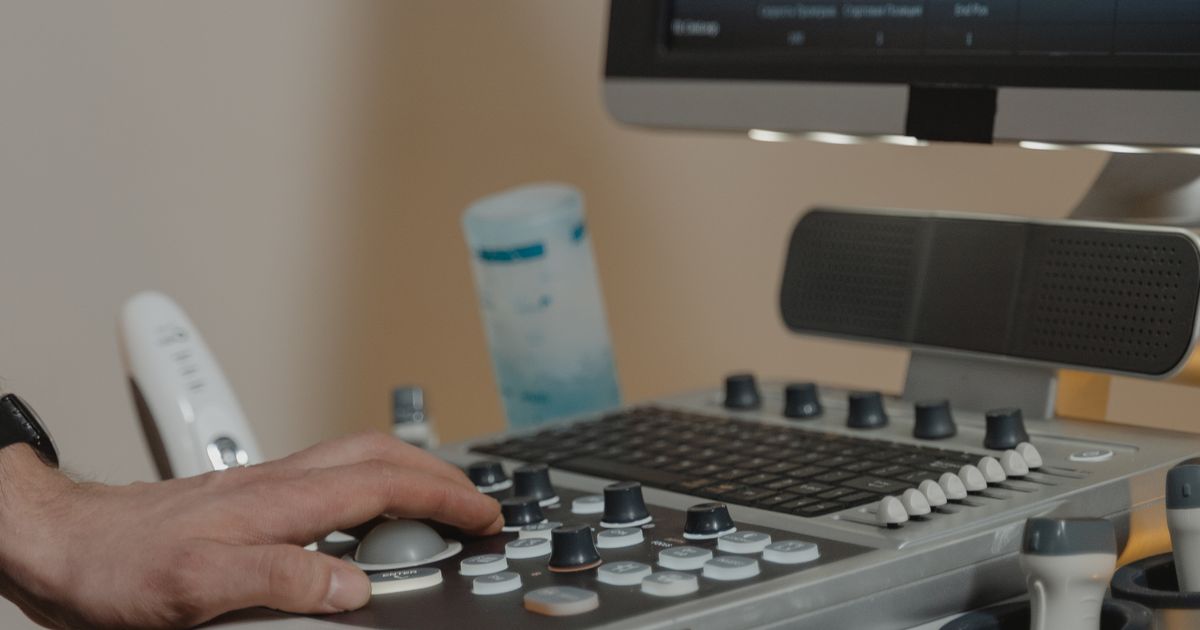
What is a liver biopsy?
The liver sits in the upper right part of the abdomen, tucked under the ribs. It filters the blood, makes bile and proteins, stores energy and breaks down medicines and toxins. Many liver diseases cause no symptoms for years, and blood tests and scans can only tell part of the story.
A liver biopsy gives a direct look at the liver cells. A pathologist studies the sample under a microscope to see whether there is fat, inflammation, scarring, excess iron or copper, infection or abnormal cells. No other test gives this level of detail.
Other names for liver biopsy
- Percutaneous liver biopsy or needle biopsy of the liver
- Ultrasound-guided or CT-guided liver biopsy
- Transjugulární jaterní biopsie (TJLB)
- Liver tissue test or liver histology
- Targeted liver biopsy, when a specific lump is sampled
Why is a liver biopsy done?
Your doctor may recommend a liver biopsy to:
- Find the cause of jaterní testy that stay abnormal without a clear reason
- Confirm and grade fatty liver disease, and tell simple fat apart from the more harmful inflamed form
- Measure the amount of scarring (fibrosis) and check for cirhóza
- Assess liver damage in long-term žloutenka typu B or hepatitis C, and decide when to start treatment
- Diagnostikovat autoimunitní hepatitidu and other immune-related liver conditions
- Look for inherited conditions that cause iron or copper to build up, such as haemochromatosis a Wilsonova nemoc
- Find out whether a lump seen on a scan is cancer or not
- Check for liver injury caused by a medicine or herbal product
- Look for rejection or other problems after a transplantaci jater
- Investigate unexplained jaundice, fever or an enlarged liver
Is a liver biopsy always needed?
No. Many liver conditions can now be assessed without a biopsy. Blood test scores and a painless scan that measures liver stiffness (elastography) can estimate scarring in fatty liver disease and viral hepatitis. Ultrazvuk, CT and MRI can identify many liver lumps with confidence.
A biopsy is advised when these tests give unclear or conflicting answers, when more than one disease may be present, or when the exact diagnosis will change the treatment.
Typy jaterní biopsie
Perkutánní biopsie jater
This is the most common method. A needle is passed through the skin on the right side, between the lower ribs, into the liver. Ultrasound is used to choose a safe path and avoid the lung, gallbladder and large blood vessels.
Transjugulární biopsie jater
A thin tube is passed into a vein in the neck and guided under X-ray into the veins of the liver. The sample is taken from inside the vein, so any bleeding stays within the bloodstream. This method is chosen for people who have a bleeding tendency, a low platelet count or a lot of fluid in the abdomen.
Laparoskopická biopsie jater
The sample is taken during keyhole surgery under general anaesthesia. It is used when the surgeon needs to see the surface of the liver, sample a specific area, or is already operating for another reason.
Endoscopic ultrasound-guided liver biopsy
A flexible endoscope with an ultrasound probe at its tip is passed through the mouth into the stomach, and the needle reaches the liver through the stomach wall. It is done under sedation and allows samples from both sides of the liver.
Targeted biopsy of a liver lump
When the aim is to sample a particular lump, the needle is guided to it with ultrasound or as a CT image-guided biopsy.
| Typ | How the liver is reached | Anestézie | Obvykle se volí, když |
|---|---|---|---|
| Perkutánní | Through the skin between the ribs | Místní | Clotting is normal and there is no fluid in the abdomen |
| Transjugular | Through a vein in the neck | Local, with sedation | There is a bleeding risk or fluid in the abdomen |
| Laparoskopické | Through keyhole cuts in the abdomen | obecně | The liver surface needs to be seen, or surgery is already planned |
| Endoscopic ultrasound-guided | Through the stomach wall | Sedace | An endoscopy is also needed, or both sides of the liver need sampling |
Who may not be suitable for a liver biopsy?
A percutaneous biopsy may be avoided or replaced with another method if:
- Your blood does not clot normally or your platelet count is very low
- There is a large amount of fluid in the abdomen (ascites). This may be drained first by paracentéza, or a transjugular biopsy may be chosen
- You are unable to lie still or hold your breath for a few seconds
- There is an infection in the bile ducts or in the area around the liver
- The bile ducts are blocked and swollen
- A scan suggests a growth made mostly of blood vessels, or a cyst caused by a parasite
How to prepare for a liver biopsy
Tests beforehand
- Blood tests to check your blood count and clotting
- An ultrasound scan to look at the liver and nearby organs
- Blood group testing, in case a transfusion is ever needed
léky
Tell your doctor about every medicine you take, including blood thinners, medicines that affect platelets, painkillers, diabetes medicines and herbal or ayurvedic preparations. Some of these have to be stopped for several days before the biopsy. Do not stop any medicine without medical advice.
V ten den
- Do not eat or drink for 6 to 8 hours beforehand, or as instructed
- Take permitted medicines with a sip of water
- Noste volné, pohodlné oblečení
- Bring your previous reports and scans
- Arrange for an adult to take you home and stay with you overnight
How is a percutaneous liver biopsy performed?
- Polohování. You lie on your back, close to the right edge of the bed, with your right hand resting above your head.
- Finding the spot. The doctor uses ultrasound to mark a safe point on the skin over the liver.
- Numbing. The skin is cleaned and local anaesthetic is injected. This stings for a few seconds and then the area goes numb.
- Taking the sample. A tiny nick is made in the skin. You are asked to breathe out and hold your breath for a few seconds while the needle goes in and out of the liver. You may feel pressure or a dull push. One or two passes are usually enough.
- Obvaz. Firm pressure is applied and a small dressing is placed over the site. No stitches are needed.
The whole procedure takes about 15 to 30 minutes. The sample, a thread of tissue about 2 to 3 cm long, is sent to the laboratory.
Co se stane po biopsii?
- You will be asked to lie on your right side for the first couple of hours. This puts gentle pressure on the biopsy site
- A nurse checks your pulse, blood pressure and the biopsy site at regular intervals
- You stay in bed for 2 to 6 hours
- You can eat and drink once the team is satisfied that all is well
- Most people go home the same day. Some are kept overnight, depending on their health and the type of biopsy
Risks and complications of liver biopsy
Liver biopsy is a safe test, and serious problems are rare.
Common and mild
- Pain or soreness at the biopsy site
- Pain felt in the right shoulder. This comes from irritation of a nerve shared by the liver covering and the shoulder, and usually settles within hours
- A small bruise
Méně časté
- Bleeding from the liver. Significant bleeding happens in fewer than 1 in 500 biopsies and most often shows up within the first few hours, which is why you are observed
- Leakage of bile
- Accidental puncture of the lung, gallbladder, kidney or bowel
- Infekce
- A sample that is too small to give an answer, so that the biopsy has to be repeated
Recovery after a liver biopsy
- Rest at home for the remainder of the day and take it easy the next day
- Avoid heavy lifting, strenuous exercise and contact sports for about a week
- Keep the dressing dry for 24 hours
- Ask your doctor which painkillers are safe. Some can increase the risk of bleeding
- Restart blood thinners only when your doctor tells you to
- Vyvarujte se alkoholu
- Do not drive for 24 hours if you were given sedation
- Avoid air travel and trips to remote places for a few days, in case you need medical attention
Kdy vyhledat lékařskou pomoc
Go to the nearest emergency department if you notice:
- Severe or increasing pain in the abdomen, chest or shoulder
- Dizziness, fainting, a fast heartbeat or cold, clammy skin
- Dýchací potíže
- Bleeding from the biopsy site that does not stop with pressure
- Horečka nebo zimnice
- Black stools or vomiting of blood
- A swollen, hard abdomen
Understanding your liver biopsy results
Results are usually available within 3 to 7 days. Special tests on the sample can take longer. The report describes several things:
- Školní známka. How active the inflammation is. A higher grade means more ongoing damage to liver cells
- Fáze. How much scarring has formed. Many systems use a scale from 0 (no scarring) to 4 (cirrhosis)
- Tlustý. The share of liver cells that contain fat
- Vkladů. Any build-up of iron, copper or other substances
- Cell changes. Whether abnormal or cancerous cells are present, and of what type
Your doctor will explain the report along with your blood tests and scans, and discuss what it means for treatment and follow-up.
Life after a liver biopsy: looking after your liver
The biopsy is a test. What follows depends on what it shows. Whatever the result, these steps help protect the liver:
- Avoid alcohol, or follow your doctor's advice on limits
- Reach and keep a healthy weight
- Eat a balanced diet with plenty of vegetables and fruit, and cut down on sugar, fried food and refined flour
- Cvičit pravidělně
- Keep diabetes, blood pressure and cholesterol under control
- Get vaccinated against hepatitis A and hepatitis B if you are not already immune
- Do not take medicines, supplements or herbal products without checking that they are safe for the liver
- Go for the follow-up tests your doctor recommends
Benefits of a liver biopsy
- Gives a definite diagnosis when other tests cannot
- Shows the exact degree of inflammation and scarring
- Helps decide whether and when treatment is needed
- Can detect two conditions occurring together
- Identifies the type of a liver lump, which guides cancer treatment
- Quick, with a short recovery
What is the cost of a liver biopsy in India?
The cost of a liver biopsy in India depends on:
- The type of biopsy: percutaneous, transjugular, laparoscopic or endoscopic
- The imaging used to guide it
- The laboratory tests done on the sample, including any special stains
- Whether sedation or general anaesthesia is needed
- Day-care or overnight stay, and the type of room
- The city and the hospital
Costs vary from person to person. Please check with the hospital for actual prices.
Liver biopsy is covered by most health insurance policies when it is medically advised. The billing or insurance desk at the Apollo hospital nearest to you can give an estimate.
Why choose Apollo Hospitals for a liver biopsy?
- Gastroenterologists and hepatologists who manage the full range of liver diseases
- Interventional radiologists who perform image-guided and transjugular biopsies
- Pathologists with experience in reporting liver tissue
- Blood bank and emergency support on site
- Advanced liver care, including transplant programmes, at major Apollo hospitals
Book an appointment with a gastroenterologist at Apollo Hospitals to discuss whether you need a liver biopsy. You can also find a specialist in Delhi, Gurugram, Mumbai, Chennai, Hyderabad, Bangalore a Kalkata.
Související čtení
Questions to ask your doctor before a liver biopsy
- Why do I need a biopsy, and what are you looking for?
- Can a scan or blood test give the same information in my case?
- Which type of biopsy do you recommend for me, and why?
- Which of my medicines should I stop, and for how long?
- What are the risks for someone with my health conditions?
- How long will I need to stay in hospital?
- When will the results be ready, and who will explain them to me?
- When can I go back to work, exercise and travel?
Nejčastější dotazy
1. Is a liver biopsy painful?
The local anaesthetic stings briefly. During the biopsy most people feel pressure or a dull ache for a second or two. Mild soreness at the site or in the right shoulder afterwards is common and settles with simple pain relief.
2. How long does a liver biopsy take?
The procedure takes 15 to 30 minutes, and the needle is in the liver for only a second or two. You will then be observed for 2 to 6 hours.
3. Is a liver biopsy safe?
Yes. Serious complications such as significant bleeding are rare, and using ultrasound to guide the needle makes the test safer still.
4. Will I be awake during a liver biopsy?
Usually yes. A percutaneous biopsy is done under local anaesthesia, and you need to hold your breath on request. Sedation is used for some types of biopsy.
5. How long is the recovery after a liver biopsy?
Most people are back to light activity the next day. Avoid heavy lifting and strenuous exercise for about a week.
6. Mohu jít domů tentýž den?
In most cases, yes, after a few hours of observation. You will need someone to take you home.
7. How much of the liver is removed in a biopsy?
Very little. The sample is a thin thread of tissue 2 to 3 cm long. The liver does not miss it and heals quickly.
8. Does a liver biopsy show cancer?
Yes. If a lump is sampled, the pathologist can tell whether it is cancer and what kind, including whether it started in the liver or spread from elsewhere.
9. Can a FibroScan replace a liver biopsy?
Often, yes. A stiffness scan can estimate scarring without a needle and is widely used for fatty liver disease and viral hepatitis. A biopsy is still needed when the cause of liver disease is unclear or when the scan and blood tests do not agree.
10. How should I sleep after a liver biopsy?
In hospital you will be asked to lie on your right side for the first couple of hours. At home you can sleep in any position that is comfortable.
11. What should I avoid after a liver biopsy?
Avoid heavy lifting, strenuous exercise, alcohol and any painkiller or blood thinner your doctor has asked you to hold, for about a week or as advised.
12. When will I get the results of my liver biopsy?
Usually within 3 to 7 days. Additional special tests may take a little longer.
13. Can a liver biopsy be repeated?
Yes. It is sometimes repeated after months or years to see whether a condition has improved or progressed, or if the first sample was not enough.
14. Which doctor performs a liver biopsy?
A gastroenterologist, hepatologist or interventional radiologist performs the biopsy, and a pathologist examines the sample.
Závěr
A liver biopsy remains the most detailed test for understanding what is happening inside the liver. It is quick, done under local anaesthesia in most cases, and has a low risk of complications when performed with image guidance. If your doctor has advised one, ask why it is needed and how the result will change your treatment, and follow the preparation and aftercare advice closely.
This page is for general information and does not replace advice from your doctor. Decisions about tests and treatment should be made with a qualified specialist who knows your medical history.
Nedávno přidané


Gastroenterologists and Hepatologists at Apollo Hospitals






Disclaimer:
Informace uvedené na této stránce jsou určeny pouze pro obecné informační a vzdělávací účely. Přestože vynakládáme přiměřené úsilí, abychom zajistili, že informace jsou přesné, spolehlivé a pravidelně kontrolované, neměly by být považovány za náhradu odborné lékařské rady, diagnózy nebo léčby.
Vhodnost lékařského zákroku, spolu s jeho přínosy, riziky, přípravou, rekonvalescencí, potenciálními komplikacemi a očekávanými výsledky, se může u jednotlivých osob lišit. Váš zdravotnický pracovník určí, zda je zákrok vhodný, na základě vašeho individuálního stavu a anamnézy.
Před rozhodnutím ohledně jakéhokoli lékařského zákroku se prosím poraďte s kvalifikovaným zdravotnickým pracovníkem, který vám poskytne osobní doporučení.
Více informací o tom, jak je náš lékařský obsah vytvářen, kontrolován, aktualizován a udržován, naleznete v našich [Redakčních zásadách].




