


Microneurosurgery at Apollo Hospitals, Gurugram (Gurgaon)
Recenzováno redakčním týmem Apollo · Naposledy recenzováno v listopadu 2026
Rychlá odpověď
Microneurosurgery is surgery on the brain, spinal cord and nerves performed under an operating microscope with very fine instruments. The microscope provides strong magnification and bright light, allowing the surgeon to see tiny blood vessels and nerves clearly and to work between them through a relatively small opening. It is the standard technique for removing many brain and spinal tumours, clipping aneurysms, relieving nerve compression and removing slipped discs.
Klíčová fakta
| Postup | Mikroneurochirurgie |
| Dostupné v | Nemocnice Apollo, Gurugram (Gurgaon) |
| Časování OPD | 9 hod. do 4 hod. |
| Plánování | 080 6999 1061 |
Přehled
Microneurosurgery is surgery on the brain, spinal cord and nerves performed under an operating microscope with very fine instruments. The microscope provides strong magnification and bright light, allowing the surgeon to see tiny blood vessels and nerves clearly and to work between them through a relatively small opening. It is the standard technique for removing many brain and spinal tumours, clipping aneurysms, relieving nerve compression and removing slipped discs.
Microsurgical techniques may help people with brain or spinal cord tumours, aneurysms and vascular malformations, nerve compression syndromes such as trigeminal neuralgia, disc herniation and peripheral nerve injuries. The decision to operate depends on the diagnosis, the size and position of the lesion, the symptoms it causes, your general health and the alternatives, which may include observation, medicines, radiosurgery or endovascular treatment. The surgeon explains what the operation aims to achieve and what risks are specific to the area involved.
Book a consultation at Apollo Hospitals, Gurugram to learn whether microneurosurgery is suitable for you.
Why is Microneurosurgery Necessary?
Structures in the nervous system are delicate and closely packed, and vessels less than a millimetre wide may supply vital areas. Magnification allows the surgeon to treat the problem while handling surrounding tissue as gently as possible.
Conditions That May Require Microneurosurgery
Microneurosurgery may be considered for the following conditions when surgery is indicated.
- Mozkové nádory: Used to remove meningiomas, gliomas, vestibular schwannomas and metastases while aiming to preserve surrounding brain and nerves.
- Brain aneurysms and vascular malformations: Microsurgical clipping of an aneurysm or removal of a malformation may be advised depending on its shape, site and bleeding history.
- Spinal cord and nerve root tumours: Tumours within or beside the spinal cord are separated from it under magnification to relieve pressure.
- Výhřez ploténky a spinální stenóza: Microdiscectomy or microscopic decompression may be recommended when nerve compression persists despite non-surgical treatment.
- Nerve compression and nerve injury: Microvascular decompression for trigeminal neuralgia and repair or grafting of injured peripheral nerves are carried out with microsurgical technique.
Známky a příznaky, které je třeba sledovat
Symptoms vary with the condition, and commonly include the following.
- Progressive headache: Headache that is steadily worsening or accompanied by vomiting may be linked to a mass inside the skull.
- Záchvaty: New seizures in an adult often lead to a scan that shows a tumour or vascular lesion.
- Slabost nebo necitlivost: Loss of power or feeling in the limbs may come from pressure on the brain, spinal cord or a nerve.
- Hearing loss or facial pain: One-sided hearing loss or sharp facial pain can arise from conditions affecting the cranial nerves.
- Difficulty walking or loss of hand dexterity: Stiff legs, imbalance or clumsy hands may suggest compression of the spinal cord.
- Radiating limb pain: Pain travelling down an arm or leg is typical of a compressed nerve root in the spine.
Když jiné léčebné metody již nestačí
Not every lesion needs an operation. Small, symptom-free tumours may be monitored, swelling may be eased with steroids, seizures and nerve pain are treated with medicines, and many disc problems improve with physiotherapy. Surgery is considered when a lesion is growing or causing neurological symptoms, when a diagnosis is required, when an aneurysm or malformation poses a risk of bleeding, or when pain and weakness continue in spite of appropriate non-surgical treatment.
Types of Microneurosurgery
Microsurgical technique is applied across several kinds of operation.
- Microsurgical tumour resection: The tumour is removed piece by piece or in one block through a craniotomy, with careful separation from normal tissue.
- Klipování aneurysmatu: A small metal clip is placed across the neck of the aneurysm to exclude it from the circulation while keeping normal arteries open.
- Mikrovaskulární dekomprese: A blood vessel pressing on a cranial nerve is moved away and cushioned through a small opening behind the ear.
- Spinal microsurgery: Discs, bone spurs or tumours compressing the spinal cord or nerve roots are removed through a limited incision under the microscope.
- Peripheral nerve microsurgery: Injured nerves are released, repaired or bridged with grafts using stitches finer than a human hair.
Právní a etické požadavky v Indii
Před léčbou klinický tým vysvětlí indikaci, alternativy, očekávané přínosy a rizika a získá písemný informovaný souhlas. Můžete klást otázky, vyžádat si druhý názor a nechat si čas na rozhodování.
Pro individuální posouzení se obraťte na neurovědecký tým v nemocnicích Apollo v Gurugramu.
Risks of Delaying Microneurosurgery
Postponing surgery that has been recommended may carry the following risks.
- Growth of the lesion: A larger tumour may be more firmly attached to vital structures and harder to remove safely.
- Irreversible neurological loss: Prolonged pressure on the brain, spinal cord or nerves can cause deficits that do not recover after later surgery.
- Krvácející: An aneurysm or vascular malformation may rupture and cause a sudden, serious haemorrhage.
- Zvýšený intrakraniální tlak: Increasing swelling or blocked fluid flow may cause drowsiness and require emergency treatment.
- Poorer nerve recovery: After a nerve injury, the chance of regaining muscle function falls if repair is delayed for many months.
Discuss with your surgeon how soon the operation should take place and what changes in symptoms to watch for meanwhile.
Benefits of Microneurosurgery
For suitable patients, microsurgical technique may offer the following.
- Precise removal or repair: Magnified vision helps the surgeon distinguish abnormal tissue from normal tissue during the operation.
- Protection of small vessels and nerves: Fine structures can be identified and preserved more reliably than with the naked eye.
- Smaller openings: Good light and magnification allow many operations to be done through limited exposures.
- Relief of pressure symptoms: Removing a mass or freeing a nerve may improve pain, weakness or other symptoms in many patients.
- Tissue for diagnosis: The removed tissue is examined in the laboratory to confirm the diagnosis and guide any further treatment.
- Durable treatment in selected conditions: Complete removal of some benign tumours, or secure clipping of an aneurysm, may provide long-lasting control.
The outcome depends on the nature and location of the condition and on each person's health, and cannot be guaranteed.
Microneurosurgery at Apollo Hospitals, Gurugram (Gurgaon)
Why Choose Apollo Hospitals, Gurugram for Microneurosurgery?
Apollo Hospitals, Gurugram combines specialist assessment with coordinated care for people who need microneurosurgery.
- Specializované posouzení: A neurosurgeon evaluates your symptoms, examination and imaging to decide whether surgery is advisable and what it can realistically achieve.
- Operative planning: The approach, position and any monitoring of nerve function during surgery are planned in advance with the anaesthesia and neurophysiology teams.
- Post-operative care and review: Recovery is supervised by nursing and rehabilitation staff, and the pathology report and further plan are discussed at follow-up.
- Multidisciplinární plánování: Specialisté z příslušných oddělení společně posuzují složité případy, než doporučí plán.
- Individualizovaná léčba: Doporučení zohledňují vaše příznaky, výsledky testů, věk, celkový zdravotní stav a preference.
- Komunikace zaměřená na pacienta: Pečovatelský tým srozumitelným jazykem vysvětlí přípravu, očekávané zotavení, léky a varovné signály.
- Kontinuita péče: Následné návštěvy sledují zotavení a pomáhají v průběhu času zvládat základní onemocnění.
Microneurosurgery Care for Patients in Gurugram and Delhi NCR
Apollo Hospitals, Gurugram is located on Golf Course Road, Sector 28, Gurugram, Haryana 122009. It offers Microneurosurgery for patients from Gurugram, the wider Delhi NCR and Haryana, with specialist doctors, nursing and diagnostic teams working together from assessment to follow-up.
How to Reach the Microneurosurgery Team in Gurugram
- Adresa: Nemocnice Apollo v Gurugramu, Golf Course Road, sektor 28, Gurugram, Harijána 122009
- Telefon: 0124-6501600 nebo 08069991061
- Rezervace online: Book a Microneurosurgery consultation in Gurugram
Získejte pokyny k nemocnicím Apollo v Gurugramu
Nemocnice Apollo v Gurugramu se nacházejí na Golf Course Road, sektor 28. Otevřete umístění nemocnice a získejte pokyny k cestě na Mapách Google.
Pokud žijete mimo Gurugram
If you are travelling from elsewhere in Delhi NCR or Haryana, ask the care team how to plan your consultation, tests and follow-up visits for Microneurosurgery so that you are not making more trips than needed.
Co si s sebou přinést na první konzultaci
- Skeny, zprávy z testů a dřívější lékařské záznamy týkající se vašeho onemocnění
- Seznam vašich současných léků a případných alergií
- Průkaz totožnosti s fotografií a údaje o pojištění, pokud je máte
Související péče v nemocnicích Apollo v Gurugramu
Prozkoumejte oddělení neurověd v nemocnicích Apollo v Gurugramu a seznamte se s dostupnými specialisty a službami.
Preparation for Microneurosurgery
Klinické hodnocení
Your specialist first confirms the diagnosis and whether microneurosurgery is the right option.
- Sdílejte svou historii: Describe how your symptoms began and changed, previous operations or radiotherapy, other illnesses, allergies and all medicines including blood thinners.
- Zúčastněte se zkoušky: A full neurological examination, sometimes with hearing, vision or nerve conduction tests, records your function before surgery.
- Diskutujte alternativy: Ask whether observation, radiosurgery, endovascular treatment or an endoscopic approach could be considered instead of microsurgery.
Testy před léčbou
The following tests are commonly performed before a microneurosurgical operation.
- MRI with contrast: Defines the lesion and its relationship to the brain, spinal cord, nerves and vessels.
- CT vyšetření: Shows bone detail, calcification and any recent bleeding, and helps in planning the bone opening.
- Angiografie: CT, MR or catheter angiography maps the blood vessels when the lesion is vascular or lies next to major arteries.
- Nerve conduction and EMG studies: Assess the site and severity of a peripheral nerve problem before repair or release.
- Blood tests and anaesthetic assessment: Check blood count, clotting, kidney function and overall fitness for a long anaesthetic.
Léky a alergie
Změny léků by měly být prováděny pouze na doporučení ošetřujícího týmu.
- Uveďte seznam léků: Zahrňte léky na předpis, inzulín, léky na ředění krve, doplňky stravy a volně prodejné léky.
- Nahlásit alergie: Informujte tým o předchozích reakcích na kontrastní barvivo, léky, latex nebo anestezii.
- Postupujte podle konkrétních pokynů: Před zákrokem můžete být požádáni o úpravu léků na ředění krve nebo léků na cukrovku.
Jídlo a praktické plánování
Řiďte se individuálními pokyny nemocnice ohledně přijetí a půstu.
- Dodržujte pokyny pro půst: Pokud je nutné se nalačno, přestaňte jíst a pít tekutiny v době, kdy vám to bylo řečeno.
- Zajistit podporu: Požádejte zodpovědnou dospělou osobu, aby vás po propuštění doprovodila a pomohla vám.
- Naplánujte si pobyt: Vezměte si s sebou doklady totožnosti, zprávy, pohodlné oblečení a nezbytné osobní věci.
Souhlas a závěrečné posouzení
Tým provede bezpečnostní kontroly a odpoví na otázky před ošetřením.
- Pochopte plán: Zhodnoťte očekávané přínosy, omezení, alternativy a možné komplikace.
- Potvrdit souhlas: Formulář souhlasu podepište až po obdržení informací, kterým rozumíte.
- Nahlásit změny: Před zákrokem informujte nemocnici o horečce, infekci nebo jakýchkoli nových příznacích.
Recovery After Microneurosurgery
Ihned po ošetření
Monitorování začíná ihned po ukončení procedury.
- Intensive monitoring: After brain surgery you are usually observed in an intensive care or high-dependency area for the first night.
- Neurological checks and imaging: Staff repeatedly assess your alertness and limb strength, and a scan may be done to check the operated area.
- Pain relief and mobilisation: Pain and nausea are treated, and you are helped out of bed as soon as your condition allows.
Péče doma
Řiďte se pokyny k propuštění, které jsou uvedeny pro vaši situaci.
- Péče o rány: Keep the incision clean and dry, avoid scratching it, and return for removal of stitches or clips as advised.
- Léky: Take anti-seizure medicines, steroids and pain relief exactly as prescribed, tapering only on medical advice.
- Graded activity and rest: Expect to tire easily at first, balance short walks with rest, and avoid heavy lifting until permitted.
Léky a následná péče
Průběžná péče podporuje zotavení a kontroluje výsledek léčby.
- Užívejte léky správně: Pokračujte v užívání předepsaných léků a nepřerušujte je bez doporučení lékaře.
- Zúčastněte se kontrolních návštěv: Následná péče může zahrnovat vyšetření a opakované testy.
- Sledování příznaků: Zaznamenejte si jakoukoli změnu vašich příznaků a sdělte ji při hodnocení.
Návrat k obvyklým aktivitám
After a microdiscectomy many people resume desk work in two to four weeks, whereas after brain surgery four to eight weeks or longer is common, depending on the condition and any further treatment. Driving after brain surgery is not permitted until your doctor confirms it is safe, and seizure-related restrictions may apply. Begin with walking and increase activity gradually. Strenuous exercise and contact sports should be discussed with your surgeon before you restart them.
Varovné signály, které vyžadují naléhavou lékařskou pomoc
Pokud se objeví některý z následujících příznaků, vyhledejte okamžitě lékařskou pomoc.
- Severe or worsening headache with vomiting: Attend the emergency department promptly, as this may be due to bleeding or swelling.
- New weakness, numbness, confusion or speech difficulty: Seek urgent assessment and do not wait for a routine appointment.
- Záchvat: Call for emergency help and let your surgical team know as soon as possible.
- Fever, or a red, swollen or leaking wound: Contact the hospital the same day, particularly if clear fluid is draining.
- Leg swelling, chest pain or breathlessness: Seek emergency care, since these may be signs of a blood clot.
Take the Next Step Towards Microneurosurgery Care
A specialist consultation can clarify whether microneurosurgery is right for you and what the alternatives are.
Pokud máte k dispozici následující dokumenty, přineste je:
- Lékařské záznamy: Mějte s sebou záznamy z předchozích konzultací, propouštěcí zprávy a recepty.
- Testovací zprávy: Přineste s sebou ultrazvukové vyšetření, výsledky krevních testů a další vyšetření související s vaším onemocněním.
- Seznam léků: Uveďte aktuální dávky, doplňky stravy a alergie.
- Podrobnosti o identifikaci a krytí: Mějte s sebou platný průkaz totožnosti, doklady o pojištění a doporučení.
Book your microneurosurgery consultation with Apollo Hospitals, Gurugram today.
Frequently Asked Questions About Microneurosurgery
What is the difference between microneurosurgery and conventional neurosurgery?
Microneurosurgery uses an operating microscope and fine instruments, whereas older conventional techniques relied on the naked eye or simple magnifying loupes. The microscope gives a magnified, brightly lit, three-dimensional view that allows more delicate work through smaller openings. Today most operations on the brain, spinal cord and nerves use microsurgical technique.
What are the risks of microneurosurgery?
The risks depend on the operation and the area involved. General risks include bleeding, infection, seizures, leakage of spinal fluid, blood clots and anaesthetic complications. There is also a risk of new or worsened neurological problems such as weakness, speech or vision difficulty. Your surgeon will explain the likelihood for your particular procedure.
How long does a microneurosurgical operation take?
The duration varies widely. A lumbar microdiscectomy often takes about one to two hours, while removal of a brain tumour or clipping of an aneurysm commonly takes three to six hours and occasionally longer for complex cases. Time for anaesthesia, positioning and waking up is in addition.
Jak dlouho zůstanu v nemocnici?
Hospital stay depends on the procedure. After spinal microsurgery many patients go home within one to three days. After brain surgery a stay of about five to seven days is usual, including a period of close observation initially. Some patients need additional time for rehabilitation before they are ready for discharge.
Budu mít po operaci bolesti?
Some pain is expected but is usually manageable. Headache and wound soreness after brain surgery tend to ease over one to two weeks and respond to regular pain relief. After spinal surgery, muscle soreness around the incision is common. Tell the nursing team if pain is not controlled so that medicines can be adjusted.
Which is the best hospital for Microneurosurgery in Gurugram?
The right hospital depends on your condition and your doctor's advice. Apollo Hospitals, Gurugram offers specialist assessment, diagnostics and coordinated care for microneurosurgery. Compare the team's experience, the facilities and the follow-up care on offer before you decide.
How do I book a consultation for Microneurosurgery at Apollo Hospitals, Gurugram?
Rezervaci si můžete provést online prostřednictvím odkazu na této stránce nebo telefonicky na čísle 08069991061. Ordinační hodiny jsou od 9:00 do 16:00. Tým péče vás nasměruje ke správnému specialistovi.
Kde se nachází nemocnice Apollo v Gurugramu?
Nemocnice Apollo v Gurugramu se nacházejí na Golf Course Road, sektor 28, Gurugram, Haryana 122009.
What should I bring to my first consultation for Microneurosurgery?
Přineste si s sebou veškeré snímky a zprávy z testů týkající se vašeho onemocnění, dřívější lékařské záznamy, seznam vašich aktuálně užívaných léků a alergií, průkaz totožnosti s fotografií a údaje o vašem pojištění, pokud je máte.
Can patients from outside Gurugram get Microneurosurgery care at Apollo Hospitals, Gurugram?
Ano. Pacienti z Dillí, Harijány a dalších částí Indie se mohou poradit s týmem v nemocnicích Apollo v Gurugramu. Sdílejte své zkušenosti při rezervaci, aby tým mohl naplánovat vaši návštěvu.
Lékařské upozornění: Tyto informace slouží pro všeobecné vzdělávání a nenahrazují konzultaci s kvalifikovaným lékařem. Rozhodnutí o léčbě závisí na individuálním posouzení.
Nedávno přidané


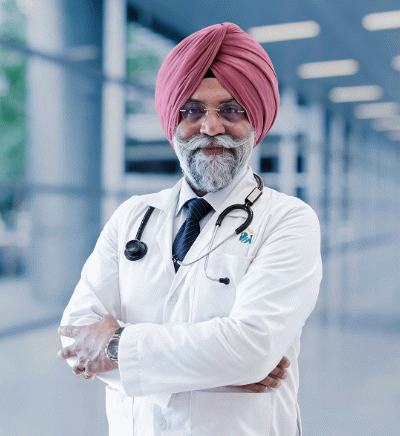
Microneurosurgery Specialists at Apollo Hospitals, Gurugram






Disclaimer:
Informace uvedené na této stránce jsou určeny pouze pro obecné informační a vzdělávací účely. Přestože vynakládáme přiměřené úsilí, abychom zajistili, že informace jsou přesné, spolehlivé a pravidelně kontrolované, neměly by být považovány za náhradu odborné lékařské rady, diagnózy nebo léčby.
Vhodnost lékařského zákroku, spolu s jeho přínosy, riziky, přípravou, rekonvalescencí, potenciálními komplikacemi a očekávanými výsledky, se může u jednotlivých osob lišit. Váš zdravotnický pracovník určí, zda je zákrok vhodný, na základě vašeho individuálního stavu a anamnézy.
Před rozhodnutím ohledně jakéhokoli lékařského zákroku se prosím poraďte s kvalifikovaným zdravotnickým pracovníkem, který vám poskytne osobní doporučení.
Více informací o tom, jak je náš lékařský obsah vytvářen, kontrolován, aktualizován a udržován, naleznete v našich [Redakčních zásadách].




