

- Chennai
- Tractaments i procediments - Hospitals Apollo, Chennai
- Estimulació cerebral profunda a...
Estimulació cerebral profunda als hospitals Apollo, Chennai
Estimulació cerebral profunda
Descripció
Deep Brain Stimulation (DBS) is an advanced neurosurgical procedure that can significantly improve symptoms in certain neurological movement disorders. At Apollo Hospitals Chennai, DBS is delivered through a structured, patient-centric pathway that combines experienced neurosurgeons, movement disorder neurologists, neuroanaesthetists, and specialised programming teams. The goal is simple: to reduce disabling symptoms, improve day-to-day function, and help eligible individuals regain confidence and independence. If you or a loved one has been advised DBS or is exploring options after medicines are no longer giving stable control, our team can guide you from evaluation and counselling to surgery, device programming, and long-term follow-up.
Why Deep Brain Stimulation May Be Needed
DBS is most commonly recommended for people with Parkinson’s disease, essential tremor, and dystonia when symptoms remain troublesome despite optimised medical therapy. In DBS, thin electrodes are placed in specific areas of the brain that control movement. These electrodes are connected to a pulse generator (a small device implanted under the skin, usually in the chest) that delivers carefully calibrated electrical stimulation. This stimulation helps regulate abnormal brain signals that cause tremors, stiffness, slowness of movement, or involuntary muscle contractions.
For the right candidate, DBS is not simply about symptom reduction. It can restore predictability in daily life, reduce “on-off” fluctuations in Parkinson’s disease, improve the ability to perform routine tasks, and support better overall quality of life. The decision is always individual and based on detailed neurological assessment, imaging, and expected benefit.
Risks of Delaying DBS
Delaying DBS when it is clinically indicated may lead to progressive worsening of symptoms, reduced mobility, and increased dependence on others for everyday activities. In some conditions, long-standing severe symptoms may become harder to manage with medication alone, and medication-related side effects can become more problematic over time.
Timely evaluation matters because outcomes depend on several factors, including disease stage, symptom profile, response to medicines, and overall health. Early specialist assessment helps determine whether DBS is appropriate now, later, or not required, and ensures that you do not miss the window where benefit can be maximised.
Beneficis de l'estimulació cerebral profunda
DBS can offer meaningful symptom control in appropriately selected patients. Benefits vary by condition and individual profile, but commonly include:
- Improved symptom control: Reduced tremors, stiffness, slowness, or dystonic movements, improving daily function and comfort.
- Reducció de la càrrega de medicaments: Many patients can reduce the dose or frequency of certain medications, which may decrease medication-related side effects.
- Millor qualitat de vida: Improved mobility and smoother day-to-day symptom control often support better sleep, confidence, and social engagement.
- Adjustable and reversible therapy: DBS settings can be customised and fine-tuned over time. Unlike lesioning procedures, stimulation can be modified as symptoms change.
- Comprehensive care at Apollo Hospitals Chennai: DBS is supported by multidisciplinary expertise, advanced imaging, and long-term programming follow-up for sustained benefit.
Preparació i recuperació
Preparació
- Consulta especialitzada: A detailed evaluation with a movement disorder neurologist and neurosurgeon to confirm diagnosis, symptom pattern, medication response, and suitability for DBS.
- Pre-operative testing: MRI/CT imaging, routine blood tests, cardiac evaluation if needed, and assessment of cognition, mood, and overall fitness for surgery.
- Medication planning: You may be advised to adjust or pause certain medicines before the procedure, based on your doctor’s guidance.
- Care planning: Arrange a family member or caregiver for hospital support and early recovery at home, especially for travel and daily needs.
Recuperació
- Hospital stay and monitoring: Post-surgery monitoring ensures pain control, wound care, and stable neurological status.
- Device activation and programming: DBS is typically fine-tuned over follow-up visits. Settings are adjusted gradually to balance symptom control and side effects.
- Gradual return to routine: Most people resume light activities as advised, while heavy exertion is limited until cleared by the treating team.
- Suport a la rehabilitació: Physiotherapy, speech therapy, or occupational therapy may be recommended to enhance mobility and function.
- Emotional and family support: Adjusting to DBS can involve both physical and emotional adaptation. Guidance, counselling, and caregiver education can be valuable.
Preguntes freqüents
1. Quins són els riscos associats a l'estimulació cerebral profunda?
DBS is a well-established procedure, but like any brain surgery it has risks. These may include bleeding in the brain, infection, stroke-like complications, device-related issues, and side effects related to stimulation such as tingling, speech changes, balance issues, or mood changes. Your care team will explain the risk profile based on your condition, imaging, and health status before proceeding.
2. Quant de temps dura el procediment d'estimulació cerebral profunda?
The duration varies depending on the complexity and whether it is done in stages. Many DBS procedures take several hours. Your surgeon will explain the expected timing, anaesthesia plan, and hospital stay details during pre-operative counselling.
3. Quan puc esperar veure resultats després de DBS?
Some improvements can be noticed soon after activation and initial programming, but optimal results typically develop over weeks to months as stimulation settings are carefully adjusted and medications are optimised. Regular follow-ups are important for best outcomes.
4. How do I schedule a consultation for DBS at Apollo Hospitals Chennai?
You can schedule an appointment through Apollo Hospitals’ official website or by contacting the Apollo Hospitals Chennai appointment desk. The team can guide you on which specialist to consult first and what medical reports to carry for evaluation.
5. Who is an ideal candidate for DBS?
DBS is not suitable for everyone. Candidates are selected based on diagnosis, symptom pattern, response to medication, overall health, brain imaging, and cognitive and mental health screening. A movement disorder specialist and neurosurgeon will jointly determine suitability after a complete evaluation.
Conclusió
Deep Brain Stimulation can be life-changing for people with Parkinson’s disease, essential tremor, or dystonia when symptoms remain disabling despite best medical therapy. With accurate patient selection, expert surgical technique, and long-term programming support, DBS can offer improved symptom control and a better quality of life. At Apollo Hospitals Chennai, our focus is on safe, evidence-based care with clear counselling and personalised planning at every step. If you are considering DBS, a specialist consultation can help you understand whether it is the right option for your condition and goals.

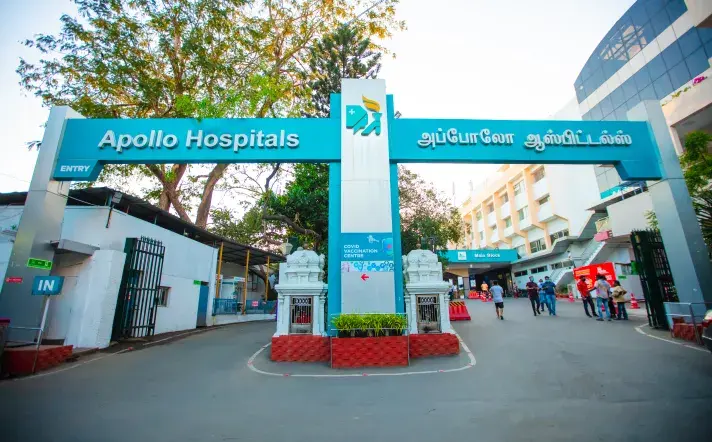


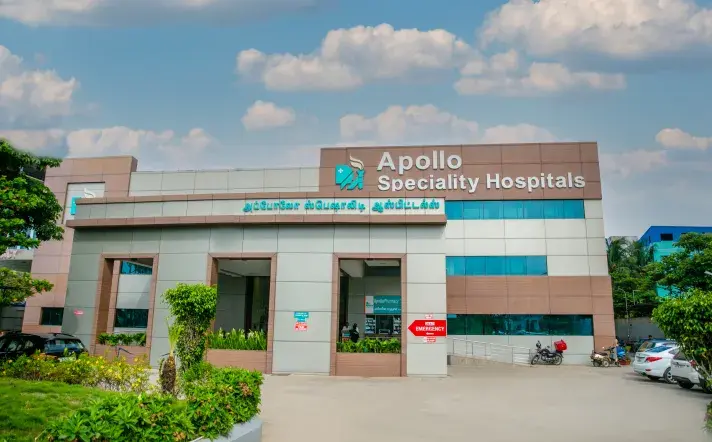
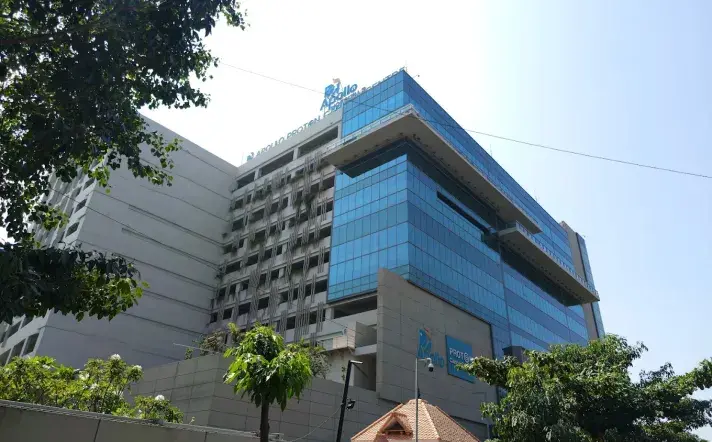





 Millor hospital a prop meu Chennai


