


Ihlolwe liQela labaHleli beApollo
Impendulo ekhawulezayo
Microneedling is a clinic procedure in which very fine needles make tiny, controlled punctures in the skin so that it produces new collagen as it heals. Its best established use is for depressed acne scars, where a course of sessions usually gives partial, gradual improvement. Evidence for wrinkles, pores, stretch marks and hair loss is weaker. It does not erase scars or stop ageing, and darkening of the skin, infection and scarring can occur, so it should be done by a trained doctor.
| Iinyani eziphambili | iinkcukacha |
|---|---|
| Yintoni | Controlled needle punctures of the skin to stimulate collagen |
| Usetyenziso oluphambili | Depressed acne scars and some other scars |
| Apho kwenziwa khona | Ikliniki yesikhumba okanye igumbi lotyando, njengotyelelo losuku |
| Unyango | Numbing cream applied before the session |
| Ixesha elithathiweyo | About 20 to 30 minutes of treatment, plus numbing time |
| Inani leeseshoni | Usually several, about a month or more apart |
| Ukuhlawula | Redness and mild swelling for one to three days |
| Imida ephambili | Improvement is partial and slow. Results differ from person to person |
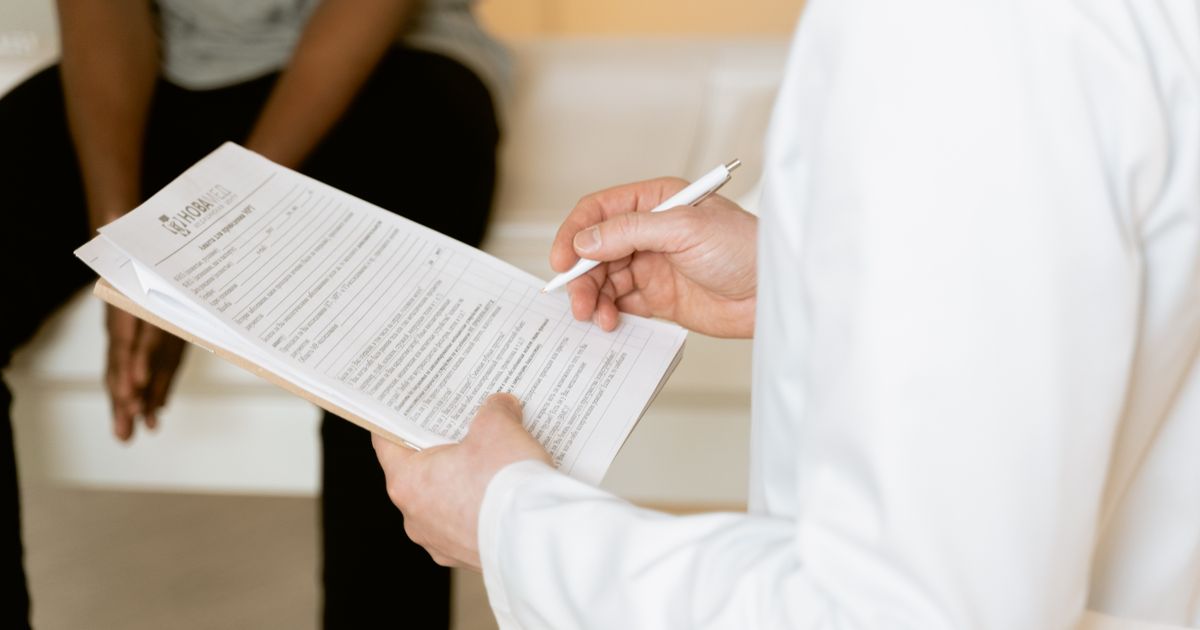
Yintoni i-microneedling?
Microneedling uses a device fitted with many fine, sterile needles. As the device passes over the skin, the needles make thousands of tiny channels that reach the dermis, the layer that gives skin its strength. The surface heals within a day or so. Underneath, the skin responds to these small injuries by laying down new collagen and elastin over the following weeks and months.
Because the needles leave most of the surface intact, healing is quicker than after procedures that remove whole layers of skin, such as i-laser resurfacing or ulusu. The trade-off is that each session produces a modest change, so a course is needed.
Clinic microneedling is a medical procedure. It is different from short-needle rollers sold for home use, which do not reach the same depth.
Other names for microneedling
- Collagen induction therapy
- Skin needling or percutaneous collagen induction
- Dermaroller treatment
- Dermapen or microneedling pen treatment
- Microneedling radiofrequency (MNRF), when heat energy is added
Kwenziwa ntoni?
Uses with reasonable evidence
- Uxinzelelo izikram: shallow, rolling and broad box-shaped scars respond better than narrow, deep "ice pick" scars.
- Other depressed scars: for example after chickenpox, injury or surgery, once fully healed.
Uses where benefit is modest or uncertain
- Imigca emihle kunye imibimbi: some softening of fine lines is possible. Deep folds and loose skin do not respond much.
- Enlarged pores and uneven texture: mild improvement in some people.
- Stretch marks: they may become a little less noticeable but do not disappear. Read about stretch marks in pregnancy.
- Pigmentation such as imelasma: sometimes used with prescribed creams. Evidence is limited and needling can itself trigger darkening.
- Hair thinning: scalp needling is sometimes added to standard hair loss treatment. The evidence is still limited, and it is not a proven treatment on its own.
Microneedling does not treat active intsimbi, raised scars or sagging skin.
Iintlobo kunye neendlela
- Roller devices: a drum covered in needles is rolled across the skin by hand.
- Motorised pen devices: a tip with fine needles moves up and down rapidly. The depth can be adjusted for different areas, and a new sterile tip is used for each patient.
- Radiofrequency microneedling: the needles also deliver heat energy into the deeper skin. It may add tightening, but brings extra risks such as burns.
- Microneedling with platelet-rich plasma: a concentrate prepared from your own blood is applied or injected during the session. Some studies suggest a small added benefit for acne scars, but findings are mixed. See platelet-rich plasma (PRP).
| option | Ingaba isebenza kanjani | Ixesha eliqhelekileyo lokuphumla | Amanqaku anokuqwalaselwa |
|---|---|---|---|
| Kwinto encinci | Needle punctures stimulate collagen | 1 to 3 days of redness | Several sessions. Lower risk of pigment change than many lasers, but not zero |
| Radiofrequency microneedling | Needles plus heat in the deeper skin | Iintsuku ezimbalwa | May suit some scars and laxity. Risk of burns. Availability differs |
| I-laser ye-Fractional CO2 | Removes tiny columns of skin with laser | About a week or more | Stronger effect per session. Higher risk of darkening in brown skin |
| I-Chemical peel | Removes surface layers with a medical solution | Varies with depth | Helps surface marks more than deep scars |
| Subcision or fillers | Releases or lifts scars held down by bands | Bruising for some days | Often combined with needling for tethered scars |
Many people with acne scars have more than one scar type, so the dermatologist may suggest a combination of methods.
Ngubani ofanelekileyo, kwaye ngubani osenokungafaneleki?
Ungafaneleka ukuba
- You have depressed scars or texture changes that bother you, and your acne is under control.
- You are in good general health and your skin heals normally.
- You accept that improvement will be partial and will take months.
Unyango lunokulibaziseka okanye lucetyiswe ukuba
- You have active acne with inflamed spots, or a skin infection such as izilonda zomkhuhlane or warts in the area.
- Unayo i-active Eczema or Psoriasis where the needling is planned.
- Uthanda ukwenza amanxeba aphakamileyo. amanxeba keloid.
- You have a bleeding disorder or take blood thinners.
- You are taking, or have recently finished, acne tablets from the vitamin A family. Your doctor will advise on timing.
- You have poorly controlled diabetes or a weakened immune system, which slow healing.
- You are pregnant. Elective skin procedures are usually postponed.
- There is a mole or patch in the area that has not been checked. See ii-moles kunye naxa zifuna ukujongwa.
- You have recent ukutshiswa lilanga or a tan.
Ukulungiselela
U vavanyo
The dermatologist examines the scars or skin concern, asks about your health, medicines, allergies, past procedures and how your skin has healed before, and explains what can and cannot be achieved. Photographs are usually taken. Blood tests are not routinely needed, but may be requested if you have a medical condition that affects bleeding or healing.
Amayeza kunye nokhathalelo lolusu ekufuneka kuxoxwe ngalo
- Blood thinners, pain relief tablets that affect bleeding, and supplements. Do not stop a prescribed medicine without medical advice.
- Acne treatments, including vitamin A based creams and tablets, and exfoliating acids. Creams are often paused a few days before.
- Any history of cold sores. An antiviral medicine may be prescribed to prevent a flare.
Ngomhla
- Arrive with clean skin and no make-up.
- Eat normally. No fasting is needed.
- You will be asked to sign a consent form after your questions have been answered.
Yenziwa njani?
- Ukucoca: the skin is cleaned thoroughly.
- Ukubala amanani: a numbing cream is applied and left on for 30 to 45 minutes, then removed.
- Antiseptic preparation: the area is wiped with an antiseptic solution.
- Ukuthunga ngenaliti: the doctor passes the device over the skin in several directions. Needle depth is set for each area, shallower over thin skin such as the forehead and deeper over thick scarred cheeks. You feel pressure, vibration and a scratching sensation. Pinpoint bleeding is expected and shows that the right depth has been reached.
- Added treatments, if planned: platelet-rich plasma or a sterile solution may be applied.
- Cleaning and soothing: the skin is cleaned with sterile saline, and a cool compress and a plain moisturiser or ointment are applied.
Only sterile products meant for this purpose should be applied to freshly needled skin. Cosmetic serums pushed into open channels have caused allergic and long-lasting inflammatory reactions.
Kwenzeka ntoni emva koko
You go home soon after the session. The skin looks red and feels tight and warm, like sunburn, for one to three days. Mild swelling, small bruises, dryness and light flaking can follow over the next few days. The next session is usually planned after about four to six weeks, once the skin has recovered.
Izingozi kunye neengxaki
Iqhelekile kwaye idla ngokuba yeyokwexeshana
- Ubomvu, ukudumba kunye nokuthamba
- Pinpoint bleeding and small bruises
- Dryness, tightness and flaking
- A temporary flare of acne or tiny white bumps
Ngokungaqhelekanga
- Darkening of the skin (post-inflammatory uxinzelelo), more likely in darker skin and with sun exposure
- Bacterial infection, or a flare of cold sores (I-herpes elulax)
- Fine linear marks or scarring, usually linked to excessive depth or pressure over bony areas
- Allergic or lumpy inflammatory reactions to products applied during or after needling
- Burns or fat loss under the skin with radiofrequency devices
- Raised scars in people prone to them
- Little or no visible improvement
Infections spread through reused or poorly sterilised needles are a serious risk in unregulated settings. Always check that a new sterile needle cartridge is opened for your treatment.
Iziphumo: isebenza kakuhle kangakanani?
For depressed acne scars, most people who complete a course notice some improvement in depth and texture, but scars rarely vanish. Ice pick scars and scars tied down by bands often need other techniques. Because collagen builds slowly, the change keeps developing for several months after the last session.
For fine lines, pores and stretch marks, changes are usually subtle. For hair thinning and pigmentation, microneedling should be seen as a possible add-on, not a proven treatment. Results cannot be guaranteed, and photographs taken in the same lighting help to judge progress honestly.
ukuchacha
Most people return to desk work the next day, though the face may look flushed. Until the skin has settled:
- Wash with a gentle cleanser and use the moisturiser advised.
- Avoid make-up for at least 24 hours, or as advised.
- Avoid direct sun, and start sunscreen when your doctor says the skin is ready.
- Avoid swimming pools, saunas and heavy sweating for a couple of days.
- Do not use scrubs, acids or vitamin A creams until you are told to restart them.
- Do not pick at flaking skin.
Xa ufuna uncedo lwezonyango
- Redness, pain or swelling that worsens after two to three days
- Pus, yellow crusting or fever
- Clusters of small painful blisters
- Firm lumps, persistent bumps or a rash that does not settle
- Dark patches or new marks in the treated area
Ubomi emva kwenkqubo
- Ukukhuselwa kwelanga: daily sunscreen protects new collagen and lowers the chance of dark marks.
- Keep acne controlled: new breakouts can cause new scars, so continue the acne treatment plan agreed with your doctor.
- Musa ukutshaya: smoking slows skin healing and collagen formation.
- Home rollers: if you use one against advice, never share it. Shallow rollers do not match clinic results, and poorly cleaned devices can cause infection.
- Isondlo: some people have an occasional repeat session, and others need none.
benefits
- Short recovery compared with procedures that remove the skin surface
- Can be used with care in darker skin tones, with a lower risk of pigment change than many heat-based treatments
- Akukho manxeba okanye imithungo
- Can be combined with other scar treatments
- Uses the skin's own healing response
What is the cost of microneedling in India?
Ixabiso lixhomekeke kwi:
- The area treated and the number of sessions
- The type of device, including whether radiofrequency is used
- Whether platelet-rich plasma or other treatments are added
- Consultation fees, medicines and aftercare products
- Isixeko kunye nembindi
Iindleko ziyahluka kumntu nomntu. Nceda ubuze esibhedlele malunga namaxabiso angempela.
Microneedling done for appearance is usually not covered by health insurance, so check your policy beforehand.
Why choose Apollo Hospitals for microneedling?
- Scars and skin concerns are assessed by qualified dermatologists before any procedure is advised.
- Sterile, single-use needle cartridges and hospital infection control practices are followed.
- You are told plainly what improvement is realistic, and when another treatment or no treatment would be the better choice.
- Other scar treatments, including uhlaziyo scar, can be discussed where appropriate.
- Ukufumaneka kwahlukile phakathi kwamaziko. Nceda ubuze esibhedlele.
To find out whether microneedling suits your skin, bhukisha idinga nogqirha wesikhumba kwizibhedlele zeApollo.
Ukufunda okunxulumene noko
Questions to ask your doctor about microneedling
- What type of scars do I have, and will microneedling help them?
- How much improvement is realistic for me?
- How many sessions do you expect, and how far apart?
- Which device and needle depth will you use?
- Would another treatment, or a combination, work better?
- What is my risk of dark marks afterwards?
- Should I stop any creams or medicines beforehand?
- Is adding platelet-rich plasma worthwhile in my case?
- What should I use on my skin afterwards?
FAQs
1. Is microneedling painful?
With numbing cream, most people feel pressure, vibration and mild scratching. Bony areas such as the forehead and upper lip are more sensitive. The skin stings like sunburn for a few hours afterwards.
2. Zingaphi iiseshini ezifunekayo?
For acne scars, a course of several sessions is typical, about four to six weeks apart. The exact number depends on scar type and depth and on how your skin responds.
3. Ndiza kuzibona nini iziphumo?
Skin may look fresher after a couple of weeks, but real change in scars takes time because collagen forms slowly. Improvement is usually judged a few months after starting and continues after the last session.
4. Does microneedling remove acne scars completely?
No. It usually makes depressed scars shallower and the skin smoother, but some scarring remains. Deep, narrow scars respond least and may need other methods.
5. Is microneedling safe for Indian skin?
It is widely used in brown and darker skin because it does not rely on heat or light absorbed by pigment. Dark marks can still occur, especially with sun exposure or aggressive treatment, so sun protection matters.
6. Are home dermarollers as good as clinic treatment?
No. Home rollers have short needles that reach only the surface, so they do not remodel scars in the same way. They also carry a risk of infection and irritation if they are not kept clean or are shared.
7. Lingakanani ixesha lokungasebenzi?
Redness and mild swelling last one to three days for most people. Dryness or light flaking may continue for a few more days.
8. Can microneedling be done with active acne?
Not over inflamed spots. Needling can spread bacteria and worsen breakouts. Acne is treated first, and scars are addressed once it is under control.
9. Does microneedling help hair growth?
Some studies suggest scalp needling may add to the effect of standard hair loss treatments, but the evidence is limited. It is not a replacement for a proper diagnosis and treatment of hair loss.
10. Is microneedling with PRP better?
Some studies show slightly better scar improvement when platelet-rich plasma is added, while others show little difference. Your dermatologist can advise whether it is likely to be worth the added cost for you.
11. What is radiofrequency microneedling?
It uses needles that also deliver heat energy into the deeper skin. It may help some scars and mild looseness, but it adds risks such as burns and is not needed for everyone.
12. Can I wear make-up after microneedling?
It is best to avoid make-up for at least 24 hours, until the tiny channels have closed. Use clean brushes or sponges when you restart.
13. Is microneedling safe during pregnancy?
Elective cosmetic procedures, and the numbing creams used with them, are generally postponed until after pregnancy. Discuss timing with your doctor.
14. Which doctor performs microneedling?
A dermatologist assesses your skin and performs or supervises microneedling. You can dibana ne-dermatologist to discuss whether it is suitable for you.
isiphelo
Microneedling is a reasonable option for depressed acne scars and some texture concerns, with a short recovery and a fairly low risk of pigment change when done properly. Its effects are gradual and partial, several sessions are needed, and it is less convincing for wrinkles, stretch marks, pigmentation and hair loss. Sterile technique and correct depth are what keep it safe. A dermatologist can tell you whether it is likely to help your skin or whether another approach makes more sense.
Eli phepha lelolwazi ngokubanzi kwaye alithathi indawo yeengcebiso ezivela kugqirha wakho. Izigqibo zonyango kufuneka zenziwe yingcali enolwazi olupheleleyo eyaziyo imbali yakho yezonyango.
Kungekudala kungeziwe


Iingcali zesikhumba kwizibhedlele zaseApollo








hlobo:
Ulwazi olunikwe kweli phepha lujoliswe kwiinjongo zolwazi ngokubanzi kunye nezemfundo kuphela. Nangona senza imizamo efanelekileyo yokuqinisekisa ukuba ulwazi luchanekile, luthembekile, kwaye luhlaziywa rhoqo, akufuneki luthathwe njengoluthatha indawo yeengcebiso zonyango zobungcali, ukuxilongwa, okanye unyango.
Ukufaneleka kwenkqubo yezonyango, kunye neenzuzo zayo, iingozi, ukulungiselela, ukuchacha, iingxaki ezinokubakho, kunye neziphumo ezilindelekileyo, zinokwahluka kumntu nomntu. Ingcali yakho yezempilo iya kugqiba ukuba inkqubo ifanelekile na ngokusekelwe kwimeko yakho kunye nembali yakho yezonyango.
Nceda uqhagamshelane nengcali yezempilo efanelekileyo ukuze ufumane ingcebiso elungele wena ngaphambi kokuba wenze izigqibo malunga nayo nayiphi na inkqubo yezonyango.
Ukuze ufumane ulwazi oluthe kratya malunga nendlela umxholo wethu wezonyango odalwa ngayo, ophononongwa ngayo, ohlaziyiweyo, nogcinwa ngayo, nceda ufunde [uMgaqo-nkqubo wethu Wokuhlela].




