

Musculoskeletal chest pain
Musculoskeletal Chest Pain: Understanding the Symptom and How to Manage It
Musculoskeletal chest pain is a common but often misunderstood symptom that involves discomfort in the chest muscles, bones, or cartilage. While chest pain can understandably raise concerns about heart health, musculoskeletal chest pain is typically caused by issues in the muscles, ribs, or joints that support the chest. In this article, we will explore the causes of musculoskeletal chest pain, associated symptoms, when to seek medical attention, and the treatment options available to manage this condition effectively.
What is Musculoskeletal Chest Pain?
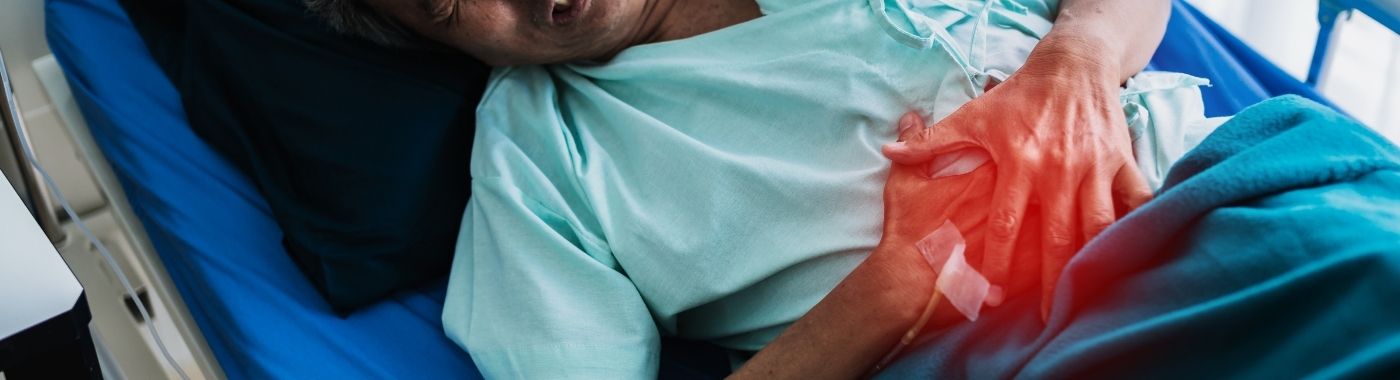
Musculoskeletal chest pain refers to discomfort or pain originating from the muscles, bones, or cartilage in the chest area. This type of pain can vary in intensity, ranging from a mild ache to a sharp, stabbing pain. The pain is often related to specific movements, such as twisting, lifting, or deep breathing, and it typically worsens with physical activity or touch. Musculoskeletal chest pain is not related to heart problems but may mimic heart-related pain, which can sometimes cause confusion and anxiety.
Causes of Musculoskeletal Chest Pain
There are several common causes of musculoskeletal chest pain, most of which are benign. These causes are often related to strain or injury to the muscles, ribs, or cartilage that support the chest. Below are some of the common and less common causes:
Common Causes
- Muscle Strain: Overexertion, repetitive motion, or sudden movements can strain the muscles in the chest, leading to pain. This is one of the most common causes of musculoskeletal chest pain and is often seen in athletes or individuals who engage in heavy lifting or intense physical activities.
- Costochondritis: Costochondritis is inflammation of the cartilage where the ribs meet the sternum (breastbone). This condition can cause sharp, localized chest pain, often exacerbated by deep breathing, coughing, or pressing on the chest.
- Rib Injury or Fracture: Trauma to the chest, such as from a fall, car accident, or sports injury, can cause rib fractures or bruising, leading to chest pain. The pain may worsen with movement, breathing, or pressure on the affected area.
- Intercostal Muscle Spasm: The intercostal muscles, which lie between the ribs, can go into spasm, causing a sharp, stabbing pain in the chest. This can occur due to overuse, poor posture, or excessive coughing.
Less Common Causes
- Osteoarthritis: Osteoarthritis can affect the joints between the ribs and the sternum, causing pain and discomfort in the chest. This condition is more common in older adults and may be associated with stiffness and limited range of motion.
- Shingles: Shingles, a viral infection caused by the varicella-zoster virus, can cause pain and a rash on the chest. The pain may be severe and sharp, and the rash typically appears a few days after the pain starts.
- Scoliosis or Spinal Abnormalities: Structural issues with the spine, such as scoliosis (curvature of the spine), can lead to musculoskeletal pain in the chest area, as the abnormal curvature places stress on the muscles and ligaments of the chest and back.
Associated Symptoms
Musculoskeletal chest pain is often accompanied by additional symptoms that help to differentiate it from heart-related chest pain. These symptoms can include:
- Pain with Movement: The pain may worsen with specific movements, such as twisting the torso, lifting, or deep breathing, which are typical signs of musculoskeletal chest pain.
- Localized Pain: The pain is often localized to a specific area, such as the breastbone, ribs, or back, and may be tender to the touch or with pressure applied to the chest.
- Stiffness: Some individuals with musculoskeletal chest pain experience stiffness in the chest, shoulders, or back, especially after long periods of sitting or certain physical activities.
- Burning or Aching Sensation: In some cases, the pain may be described as burning or aching, particularly in conditions like costochondritis or intercostal muscle strain.
When to Seek Medical Attention
While musculoskeletal chest pain is often benign, there are certain situations where it is important to seek medical attention. If you experience any of the following, it’s important to consult a healthcare provider:
- If the pain is severe or persists for more than a few days without improvement.
- If you experience chest pain along with shortness of breath, dizziness, lightheadedness, or nausea, as these may be signs of a more serious heart condition or other medical emergency.
- If the pain is associated with a history of heart disease or other risk factors for cardiovascular issues.
- If the pain is accompanied by symptoms of infection, such as fever, swelling, or redness, which may suggest a condition like costochondritis or shingles.
- If you notice any unusual changes in your chest pain or experience new symptoms that could indicate a more serious underlying condition.
Diagnosis of Musculoskeletal Chest Pain
Diagnosing musculoskeletal chest pain generally involves a thorough medical history review and a physical examination. The following steps may be included in the diagnostic process:
- Medical History: Your healthcare provider will ask about your symptoms, the onset and duration of the pain, and any activities or injuries that may have triggered it. They may also inquire about any other health conditions or medications you are taking.
- Physical Examination: The doctor will examine the chest, ribs, and back to assess tenderness, muscle stiffness, and any signs of injury or inflammation. They may also ask you to perform certain movements or take deep breaths to evaluate how the pain changes with movement.
- Imaging Tests: In some cases, imaging tests such as X-rays or MRI may be recommended to rule out other causes of chest pain, such as fractures, infections, or issues with the spine or joints.
- Electrocardiogram (ECG): If there is any concern that the chest pain could be heart-related, an ECG may be performed to assess the electrical activity of the heart and rule out cardiovascular issues.
Treatment Options for Musculoskeletal Chest Pain
Treatment for musculoskeletal chest pain is usually aimed at relieving the underlying cause and alleviating discomfort. Depending on the severity of the symptoms and the underlying cause, treatment options may include:
Home Remedies and Lifestyle Changes
- Rest: Taking a break from strenuous physical activities and giving the body time to heal can help alleviate musculoskeletal chest pain, particularly in cases of muscle strain or injury.
- Heat or Cold Therapy: Applying a heating pad or ice pack to the affected area can help reduce pain and inflammation. Heat can relax tense muscles, while cold therapy can reduce swelling.
- Gentle Stretches and Exercises: Gentle stretching or low-impact exercises, as recommended by a healthcare provider or physical therapist, can help improve flexibility and reduce muscle tightness.
- Posture Correction: Maintaining good posture, especially while sitting or lifting, can prevent unnecessary strain on the chest muscles and reduce pain. Ergonomic adjustments to your work environment may also help.
Medical Treatments
- Pain Relievers: Over-the-counter pain medications such as ibuprofen or acetaminophen can help reduce inflammation and relieve pain associated with musculoskeletal chest pain.
- Muscle Relaxants: If muscle spasms are contributing to the pain, your healthcare provider may recommend muscle relaxants to help ease tension and reduce discomfort.
- Physical Therapy: Working with a physical therapist can help improve muscle strength and flexibility, teach posture correction techniques, and reduce the likelihood of future musculoskeletal chest pain.
- Anti-inflammatory Medications: In cases of inflammation, particularly with conditions like costochondritis, nonsteroidal anti-inflammatory drugs (NSAIDs) may be prescribed to reduce swelling and pain.
Myths and Facts About Musculoskeletal Chest Pain
Myth: Chest pain is always related to a heart attack.
Fact: While chest pain can be a sign of a heart attack, musculoskeletal chest pain is common and often caused by muscle strain, injury, or inflammation of the chest cartilage. A thorough examination can help determine the cause.
Myth: Musculoskeletal chest pain only affects older adults.
Fact: Musculoskeletal chest pain can affect people of all ages, particularly those who engage in physical activities, heavy lifting, or poor posture. Younger individuals can experience chest pain due to muscle strain or injury as well.
Complications of Musculoskeletal Chest Pain
If left untreated or poorly managed, musculoskeletal chest pain can lead to several complications, including:
- Chronic Pain: If the underlying cause of the chest pain is not addressed, it can lead to persistent discomfort and potentially long-term pain that interferes with daily activities.
- Decreased Mobility: Unresolved musculoskeletal pain can lead to reduced flexibility, mobility, and strength in the chest, back, and shoulder muscles, which may impact overall physical function.
- Increased Risk of Injury: Continuing to engage in physical activity without addressing the pain can increase the risk of further injury to the chest muscles, ribs, or cartilage.
Frequently Asked Questions (FAQs)
1. What causes musculoskeletal chest pain?
Musculoskeletal chest pain is typically caused by strain, injury, or inflammation in the muscles, ribs, or cartilage of the chest. Common causes include overexertion, poor posture, trauma, or conditions like costochondritis.
2. How can I treat musculoskeletal chest pain at home?
Home remedies for musculoskeletal chest pain include rest, heat or cold therapy, gentle stretches, and posture correction. Over-the-counter pain relievers such as ibuprofen or acetaminophen can also help reduce pain and inflammation.
3. When should I see a doctor for chest pain?
If chest pain is severe, persistent, or accompanied by symptoms like shortness of breath, dizziness, or nausea, seek immediate medical attention. It’s also important to see a doctor if the pain doesn’t improve with home treatments or if you experience new symptoms.
4. Can musculoskeletal chest pain be a sign of a heart attack?
While chest pain can be a symptom of a heart attack, musculoskeletal chest pain is typically related to muscle strain or cartilage inflammation. A healthcare provider will assess your symptoms to rule out heart-related issues and determine the cause of the pain.
5. How long does musculoskeletal chest pain last?
The duration of musculoskeletal chest pain varies depending on the cause. Muscle strain or inflammation may resolve within a few days to weeks with proper treatment, while chronic conditions may require ongoing management.
Conclusion
Musculoskeletal chest pain is a common and often treatable condition caused by muscle strain, injury, or inflammation in the chest area. While it is typically not related to heart disease, it can be uncomfortable and affect daily activities. With proper diagnosis, treatment, and lifestyle adjustments, most individuals can manage musculoskeletal chest pain effectively. If symptoms persist or worsen, it's important to seek medical advice to rule out other potential causes and ensure effective management of the condition.




 Best Hospital Near me Chennai


