


Reviewed by Apollo Editorial Team
Quick answer
Electrosurgery is the use of electrical energy to remove, destroy or seal skin tissue. In skin clinics it is used to treat warts, skin tags, small benign growths, tiny blood vessel spots and some early or pre-cancerous lesions, and to stop bleeding during minor operations. The main forms are electrocautery, electrodesiccation, fulguration, electrocoagulation and electrosection. It is done under a numbing injection or cream in a few minutes, and the treated spot heals with a scab over one to three weeks.
| Key facts | Details |
|---|---|
| What it is | Treatment of skin lesions with heat produced by electrical energy |
| Main forms | Electrocautery, electrodesiccation, fulguration, electrocoagulation, electrosection |
| Common uses | Warts, skin tags, seborrhoeic keratoses, cherry angiomas, small benign growths, control of bleeding |
| Who performs it | Dermatologist; also surgeons during operations |
| Anaesthesia | Numbing injection or cream; very small lesions may need none |
| Hospital stay | None; an outpatient procedure |
| Healing time | About one to three weeks, longer on the legs |
| Important to mention | A pacemaker or any implanted electrical device |
What is electrosurgery?
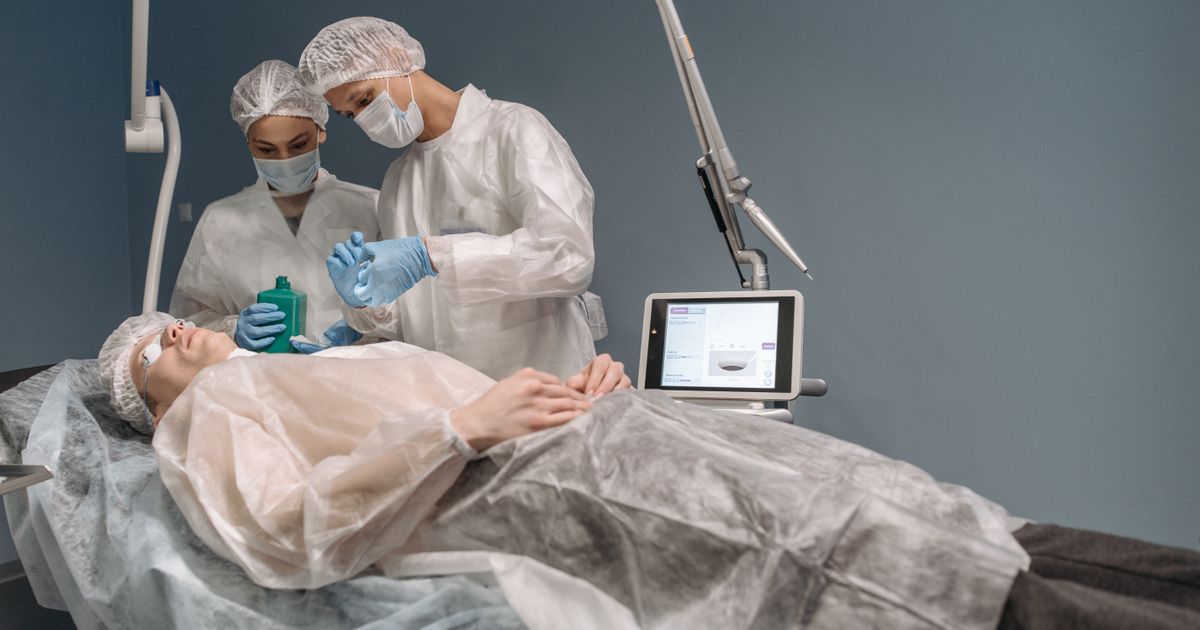
Electrosurgery uses a small machine that converts ordinary electricity into a controlled form of energy delivered through a pen-like handpiece. At the tip, the energy produces heat exactly where it touches or nears the skin. Depending on the setting and the tip, this heat can dry out a surface growth, destroy it, cut through tissue or seal small blood vessels.
Strictly speaking, electrosurgery and electrocautery are different. In electrosurgery, a high-frequency current passes through the tissue and the tissue itself heats up. In electrocautery, the current heats a wire tip, and the hot tip is applied to the skin, so no current enters the body. Patients and many clinics use the words interchangeably, and radiofrequency surgery is a closely related method.
Other names for electrosurgery
- Electrocautery or cautery
- Electrodesiccation
- Fulguration
- Electrocoagulation
- Radiofrequency surgery or radiofrequency ablation of skin lesions
- Curettage and electrodesiccation, or curettage and cautery
- Diathermy
- Wart or skin tag burning
Why is electrosurgery done?
Electrosurgery is chosen for small, superficial skin lesions that can be destroyed or shaved off without a formal operation, and to control bleeding. It is used for:
- Viral warts: common warts, some plantar warts and genital warts, usually when simpler treatments have not worked.
- Skin tags: small, soft flaps of skin on the neck, armpits, eyelids or groin.
- Seborrhoeic keratoses: harmless, stuck-on, warty brown growths. See seborrheic keratosis.
- Small blood vessel lesions: such as a cherry angioma, a pyogenic granuloma or fine spider veins on the face.
- Other benign bumps: including sebaceous hyperplasia, syringoma, milia, molluscum contagiosum and some raised moles after shaving.
- Pre-cancerous and selected early skin cancers: an actinic keratosis, or a small, superficial, low-risk basal cell carcinoma, may be treated by scraping followed by electrodesiccation in suitable cases.
- Bleeding control: sealing small vessels after a skin biopsy, shave removal or other minor surgery.
Electrosurgery is not a treatment for acne scars. Pitted or raised scars need the methods described under acne scar treatment.
Types of electrosurgery
- Electrodesiccation: the tip touches the lesion and a low-power current dries out the surface layers. It is used for small, superficial growths and causes limited damage to deeper skin.
- Fulguration: the tip is held a millimetre or two above the skin and a spark jumps across. The effect is very superficial, with a thin charred layer that protects the tissue below.
- Electrocoagulation: a current that penetrates more deeply is used to clot blood in small vessels and destroy slightly thicker lesions.
- Electrosection: a fine wire or loop cuts through tissue while sealing vessels at the same time. It is used to shave off raised lesions or make an incision with little bleeding.
- Electrocautery: a wire tip heated by electricity is applied to the skin. Because no current passes through the body, it is preferred for people with pacemakers or other implanted devices.
- Curettage and electrodesiccation: the lesion is scraped away with a spoon-shaped instrument called a curette, and the base is then treated with the electrical tip. The cycle may be repeated two or three times.
| Method | How the energy reaches the skin | Depth of effect | Typical use |
|---|---|---|---|
| Electrodesiccation | Tip touches the lesion | Superficial | Small warts, skin tags, keratoses |
| Fulguration | Spark from a tip held just above | Very superficial | Thin surface lesions, base after scraping |
| Electrocoagulation | Tip touches; deeper current | Deeper | Sealing vessels, thicker lesions |
| Electrosection | Fine wire or loop | Cuts through tissue | Shaving raised lesions, incisions |
| Electrocautery | Hot wire tip, no current in the body | Superficial | Small lesions, patients with implanted devices |
Other ways of removing small lesions include freezing with cryotherapy, CO2 laser and cutting out with a blade or punch excision. Your doctor will explain why one is preferred for your lesion.
Who is suitable for electrosurgery?
You may be suitable if:
- You have a small, superficial lesion that a dermatologist has examined and identified.
- The lesion is bothersome, catches on clothing, bleeds, spreads or is a cosmetic concern.
- You understand that a small mark may remain.
Who may not be suitable
- People with a pacemaker, implanted defibrillator, cochlear implant or nerve stimulator. They need a method that does not pass current through the body, or specific precautions agreed with their heart or implant specialist. Read about pacemaker implantation.
- Anyone with a lesion that might be a melanoma or another cancer needing its edges checked. Such lesions should be cut out and examined, not burnt. Some skin cancers are better treated with surgery such as Mohs surgery.
- People who form a keloid scar easily.
- People with an infection at the site, bleeding problems, poor circulation in the legs or poorly controlled diabetes, who need individual advice.
- Lesions very close to the eye, which need extra protection and experience.
How to prepare for electrosurgery
- Consultation: the doctor examines the lesion, sometimes with a magnifying skin scope, and confirms that it is suitable. If there is any doubt about the diagnosis, a sample is taken first.
- Tests: usually none.
- Implanted devices: tell the doctor about a pacemaker, defibrillator, cochlear implant, nerve stimulator or metal implant.
- Medicines to discuss: mention blood thinners and any allergy to numbing injections, antiseptics or dressings. Do not stop prescribed medicines on your own.
- On the day: eat normally. Keep the area free of creams, perfume and make-up. Remove jewellery near the site.
How is electrosurgery performed?
- Positioning: you lie or sit comfortably with the lesion exposed. For some machines, a grounding pad is placed on your skin.
- Cleaning: the skin is cleaned with a non-flammable antiseptic, or an alcohol-based one that is allowed to dry completely.
- Numbing: a numbing injection is given under the lesion, or a numbing cream is applied beforehand. See types of anaesthesia.
- Treatment: the doctor applies the tip to the lesion in short bursts. You may hear a faint buzz or crackle and notice a burning smell. A suction device may be used to draw away the smoke.
- Removal of treated tissue: charred tissue is wiped or scraped away, and the base is treated again if needed.
- Sample, where needed: if the lesion was shaved or scraped off, the tissue may be sent to the laboratory.
- Dressing: an ointment and a small dressing are applied.
A single small lesion takes only a few minutes. Several lesions can usually be treated in one visit.
What happens after electrosurgery?
You can go home straight away. When the numbing wears off, the spot may sting or feel like a small burn for a few hours. A dry scab or crust forms within a day or two. Underneath, new skin grows in from the edges. The scab falls off by itself, usually in one to three weeks, leaving pink skin that gradually takes on normal colour. You will be given instructions on washing, ointment and dressings.
Risks and complications of electrosurgery
Common
- Mild pain, redness and swelling
- Crusting or a little clear oozing
- A flat or slightly depressed mark, often paler or darker than the surrounding skin. See hyperpigmentation.
- Regrowth of the lesion, particularly warts
Uncommon
- Wound infection, such as cellulitis
- Bleeding a few days later when the scab loosens
- A raised scar or keloid
- Slow healing, mainly on the lower legs
- A deeper burn than intended
- Interference with a pacemaker or other implanted device if precautions are not taken
- Allergic reaction to the numbing injection or dressing
- A missed diagnosis if a lesion is destroyed without being tested when testing was needed
Results: how well does electrosurgery work?
For small benign lesions such as skin tags, cherry angiomas and seborrhoeic keratoses, one treatment usually clears the treated lesion. New lesions of the same kind can still appear elsewhere, because the tendency to form them remains.
- Warts are caused by a virus in the skin and can return after any treatment, including electrosurgery. A second treatment is sometimes needed.
- For selected low-risk skin cancers, scraping and electrodesiccation gives good cure rates in the right setting, but it does not allow the edges to be checked under a microscope, so follow-up is required.
- The cosmetic result is usually acceptable, but a small pale, dark or slightly dented mark is common, and results vary with skin type and body site.
Recovery after electrosurgery
Most people return to work or school the same day. Facial sites tend to heal in about a week to ten days, the trunk and arms in two to three weeks, and the lower legs more slowly. Pinkness or a colour difference can take a few months to settle.
When to seek medical help
- Bleeding that does not stop after 15 minutes of firm pressure
- Increasing pain, redness, swelling or warmth after the first two days
- Pus, a bad smell or fever
- A wound that has not healed after about four weeks
- A lesion that grows back, especially if it was treated as pre-cancerous or cancerous
- Palpitations, dizziness or fainting after the procedure if you have a heart device
Life after electrosurgery
- Wash the area gently with soap and water once your doctor allows, and pat dry.
- Apply the advised ointment and keep the wound lightly covered if it rubs on clothing.
- Do not pick the scab. Let it fall off naturally.
- Avoid swimming until the skin has closed.
- Protect the healed area from the sun for a few months to reduce colour change.
- If warts were treated, avoid picking or shaving over them, and do not share towels or razors.
- Collect any laboratory report and attend follow-up if advised.
- Have any new, changing or bleeding skin lesion examined instead of trying home removal.
Benefits of electrosurgery
- Quick outpatient treatment, usually with no stitches
- Little bleeding, because vessels are sealed as tissue is treated
- Several lesions can be treated in one visit
- Precise control over small areas
- Short recovery with simple wound care
What is the cost of electrosurgery in India?
The cost depends on:
- The number, size and site of the lesions
- The type of lesion and the method used
- Whether a numbing injection is needed
- Whether tissue is sent for laboratory testing
- Whether repeat sessions are needed
- The city and the hospital or clinic
Costs vary from person to person. Please check with the hospital for actual prices.
Removal for cosmetic reasons is not usually covered by insurance, while treatment of a medically significant lesion may be, so check with your insurer.
Why choose Apollo Hospitals for electrosurgery?
- Diagnosis of the lesion by a qualified dermatologist before it is treated
- Pathology services to test tissue when the diagnosis needs confirming
- Cardiology and other specialists on hand to advise patients with pacemakers or implanted devices
- Hospital standards for sterile technique and infection control
- Availability differs between centres. Please check with the hospital.
To have a skin growth assessed, book an appointment with a dermatologist.
Related reading
Questions to ask your doctor about electrosurgery
- What is this lesion, and are you certain of the diagnosis?
- Does it need to be tested in the laboratory?
- Why is electrosurgery better for me than freezing, laser or cutting out?
- What kind of mark is it likely to leave on my skin type?
- How likely is it to come back?
- I have a pacemaker or implant. Which method is safe for me?
- How should I look after the wound?
- How many lesions can be treated in one visit?
- When should I come back for review?
FAQs
1. Is electrosurgery painful?
With a numbing injection or cream, you should feel little or no pain during treatment. The injection stings briefly. Afterwards the spot may feel like a mild burn for a few hours.
2. What is the difference between electrosurgery and electrocautery?
In electrosurgery, a high-frequency current passes through the tissue and heats it. In electrocautery, the current heats a wire tip, which is then applied to the skin. In everyday use, both are often called cautery.
3. What is fulguration?
It is a form of electrosurgery in which the tip is held just above the skin and a spark crosses the gap. It treats only the very surface.
4. Will electrosurgery leave a scar?
A small flat mark is common. It may be paler or darker than the surrounding skin and usually becomes less noticeable over months. Raised scars are uncommon.
5. How long does the wound take to heal?
About one to three weeks, depending on the size and site. The face heals fastest and the lower legs slowest.
6. Can warts come back after electrosurgery?
Yes. The wart virus can remain in nearby skin, so warts can recur after any form of treatment. A repeat session may be needed.
7. Is electrosurgery safe if I have a pacemaker?
Tell your doctor before the procedure. True electrocautery with a hot wire tip, or other precautions, can be used so that no current interferes with the device. Your heart specialist may be consulted.
8. Can skin tags be removed by electrosurgery?
Yes. Skin tags are among the most common lesions treated this way. Removal is quick and the tag does not regrow, though new tags may form.
9. Can moles be removed by electrosurgery?
Some raised, clearly benign moles are shaved off and the base treated with the electrical tip. Any mole with worrying features should be cut out whole and tested instead.
10. Is electrosurgery used for skin cancer?
Only for selected small, superficial, low-risk types, combined with scraping. Many skin cancers need surgical removal so that the edges can be checked.
11. How is it different from cryotherapy or laser?
Cryotherapy destroys tissue by freezing, lasers use light energy and electrosurgery uses electrical heat. Each suits different lesions, and the choice depends on the type, size, site and your skin tone.
12. Can several lesions be treated in one sitting?
Usually yes, particularly small skin tags and keratoses. Larger numbers may be spread over more than one visit.
13. Can I remove warts or skin tags at home with a cautery pen?
This is not advised. Home devices can cause burns, infection and scarring, and a lesion that needed testing may be missed.
14. Which doctor performs electrosurgery?
A dermatologist performs electrosurgery for skin lesions. Surgeons of many specialities also use it during operations to control bleeding.
Conclusion
Electrosurgery is a quick and widely used way to remove small skin growths and control bleeding, using electrical heat under local numbing. It works well for many benign lesions, though warts can recur and a small mark is common. The most important step comes before treatment: having the lesion properly identified by a dermatologist, and mentioning any pacemaker or implanted device.
This page is for general information and does not replace advice from your doctor. Treatment decisions should be made with a qualified specialist who knows your medical history.
Recently Added


Dermatologists at Apollo Hospitals




Disclaimer:
The information provided on this page is intended for general informational and educational purposes only. While we make reasonable efforts to ensure that the information is accurate, reliable, and regularly reviewed, it should not be considered a substitute for professional medical advice, diagnosis, or treatment.
The suitability of a medical procedure, along with its benefits, risks, preparation, recovery, potential complications, and expected outcomes, may vary from person to person. Your healthcare professional will determine whether a procedure is appropriate based on your individual condition and medical history.
Please consult a qualified healthcare professional for personalized advice before making decisions regarding any medical procedure.
For more information about how our medical content is created, reviewed, updated, and maintained, please read our [Editorial Policy].
Disclaimer: This information is for educational purposes only and not a substitute for professional medical advice. Always consult your doctor for medical concerns.




