


Reviewed by Apollo Editorial Team
Quick answer
Armpit fat removal reduces a bulge in or beside the armpit using liposuction, surgical removal of tissue, or both. The bulge may be ordinary fat, extra breast tissue that sits in the armpit, loose skin, or a mixture, and the right method depends on which it is. Any lump in the armpit should be examined by a doctor before cosmetic treatment, because swollen glands and breast conditions can look similar. Surgery can improve the contour, but it leaves scars, carries risks, and the fullness can return with weight gain or pregnancy.
| Key facts | Details |
|---|---|
| What it is | Liposuction, excision, or both, to reduce fullness in the armpit area |
| What is removed | Fat, accessory (extra) breast tissue and sometimes loose skin |
| Before treatment | Examination, and often an ultrasound, to find out what the bulge is |
| Anaesthesia | Local anaesthesia with sedation, or general anaesthesia |
| Time taken | About one to two hours for both sides |
| Hospital stay | Usually day care or one night |
| Recovery | Light activity in a few days. Arm movement and lifting are limited for a few weeks |
| Main limits | Scars, possible numbness, and a result that changes with weight and hormones |
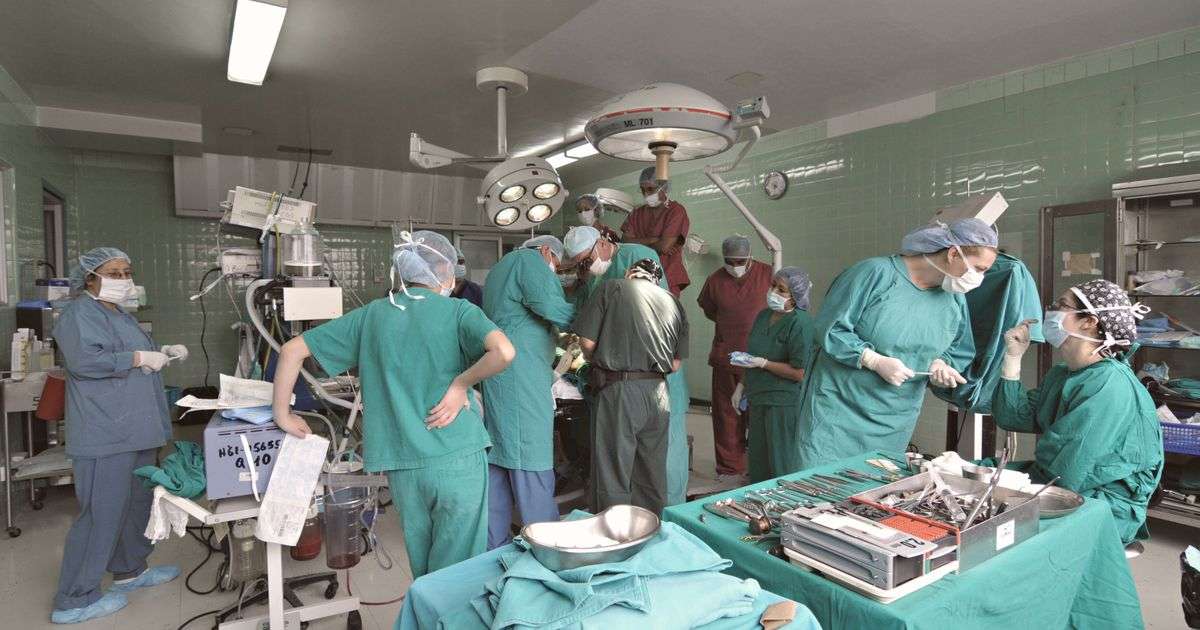
What is armpit fat removal?
Many people notice a soft fold or bulge at the front of the armpit, near the bra line or the edge of the chest. It can be more obvious in sleeveless clothing and may rub or feel uncomfortable. Armpit fat removal is a group of procedures used to reduce it.
The bulge is not always fat. Common causes are:
- Ordinary fat under the skin, which may run in families or follow weight gain.
- Accessory breast tissue, also called axillary breast tissue. This is breast gland tissue that has developed in the armpit. It can swell or become tender before periods, in pregnancy and during breastfeeding.
- Loose skin, often after weight loss or with age.
- Other lumps, such as a lipoma, a cyst or enlarged lymph nodes.
Fat responds to liposuction. Gland tissue is firmer and usually has to be cut out. Loose skin needs skin removal. This is why a proper diagnosis comes before any treatment plan.
Other names for armpit fat removal
- Axillary liposuction or underarm liposuction
- Axillary fat excision
- Accessory breast tissue removal or axillary breast excision
- Underarm fat removal or bra bulge surgery
- Axillary contouring
Why is it done?
- To reduce a bulge that causes self-consciousness or limits clothing choices
- To relieve rubbing, skin irritation or discomfort from a bulky fold
- To remove accessory breast tissue that is painful, swells with the menstrual cycle, or is causing concern
- To remove loose skin left after major weight loss, sometimes together with an arm lift
Why a lump in the armpit must be checked first
The armpit contains lymph nodes that drain the breast and arm. A new, firm, growing or one-sided armpit lump can be caused by infection, by skin conditions such as hidradenitis suppurativa, or less commonly by breast cancer or lymphoma. Accessory breast tissue can also develop the same conditions as the breast itself, including fibroadenomas and, rarely, cancer. For these reasons, any lump should be examined by a doctor, and investigated if needed, before it is treated as a cosmetic problem.
Types and methods
- Liposuction: fat is loosened and suctioned out through one or two small cuts. It suits soft fatty fullness with good skin tone. See liposuction.
- Excision: the surgeon cuts out gland tissue and fat through an incision placed in an armpit crease. It suits accessory breast tissue and firmer lumps.
- Combined liposuction and excision: liposuction reduces the surrounding fat and a smaller cut is used to remove the gland.
- Skin removal: an ellipse of skin is removed with the tissue underneath when the skin is loose.
- Non-surgical fat reduction: cooling devices can reduce small pockets of fat a little. They do not treat gland tissue or loose skin, and results are modest.
| Method | Suits | Scars | Points to consider |
|---|---|---|---|
| Liposuction alone | Soft fat, firm skin | One or two very small scars | Does not remove gland tissue well. Skin may stay loose |
| Excision | Accessory breast tissue, firm lumps | A line in the armpit crease | Tissue can be sent for laboratory examination. Higher chance of fluid collection |
| Combined | Mixed fat and gland | A shorter line plus small scars | Often gives the smoothest contour |
| Excision with skin removal | Loose, hanging skin | A longer scar | Scar may be visible when the arm is raised |
| Weight management or no treatment | General weight-related fullness, mild bulges | None | No surgical risk. Gland tissue will not shrink with diet |
Who is suitable, and who may not be?
You may be suitable if
- The bulge has been examined and found to be fat, accessory breast tissue or loose skin.
- Your weight has been stable for several months.
- You are in good general health and do not smoke, or can stop around surgery.
- You accept scars and understand that perfect symmetry is not possible.
Treatment may be delayed or advised against if
- A lump has not yet been investigated.
- You are pregnant, breastfeeding, or planning a pregnancy soon. Accessory breast tissue changes with pregnancy, and surgery is best planned afterwards.
- You have an active skin infection, boils or a rash in the armpit.
- You have a bleeding disorder, poorly controlled diabetes, or heart or lung disease that makes anaesthesia risky.
- You are actively losing weight. Read about weight loss without surgery.
- You tend to form thick or keloid scars. This does not rule out surgery, but it changes the balance of benefit and harm.
How to prepare
Consultation and tests
The surgeon examines both armpits and breasts with your arms down and raised, and feels for lymph nodes. An ultrasound of the armpit, often with a breast ultrasound, is commonly advised to show whether the bulge is fat or gland. Mammography may be suggested depending on your age and findings. A suspicious lump may need a needle test such as fine needle aspiration or a biopsy. Routine blood tests, including a complete blood count and clotting tests, are done before surgery, with a fitness check for anaesthesia.
Medicines to discuss
- Blood thinners and pain relief tablets that affect bleeding
- Hormonal medicines, including contraceptive pills
- Herbal products and supplements
- Medicines for diabetes and blood pressure
Do not stop a prescribed medicine without your doctor's advice.
Before and on the day
- Stop smoking as advised. Smoking raises the risk of wound problems.
- Do not shave or wax the armpits in the days before, unless you are told to.
- Do not apply deodorant, powder or cream on the day.
- Follow fasting instructions. Read about types of anaesthesia.
- Wear a loose, front-opening top and arrange for someone to take you home.
How is it performed?
- Marking: the surgeon marks the bulge and the planned incision while you are standing or sitting.
- Anaesthesia: local anaesthesia with sedation or general anaesthesia is given.
- Fluid injection: a dilute solution containing a numbing medicine and a medicine that narrows blood vessels is injected into the area to reduce bleeding and pain.
- Liposuction: a thin tube is passed through a small cut and moved through the fat, which is suctioned out.
- Excision, if needed: through a cut in an armpit crease, gland tissue and any extra skin are removed. The surgeon stays in the layer just under the skin, away from the deeper nerves, vessels and lymph nodes.
- Laboratory examination: removed gland tissue is usually sent to the laboratory for examination under a microscope.
- Closure: bleeding is controlled, a small drain may be placed, and the skin is closed in layers.
- Dressing: dressings and a compression garment or bandage are applied.
What happens afterwards
You are observed until you are awake, comfortable and able to drink. Many people go home the same day, and some stay overnight, particularly after excision with drains. The area feels sore, tight and bruised. Blood-stained fluid may leak from liposuction cuts for a day or two. If a drain is placed, it is usually removed within a few days, once the fluid output falls.
Risks and complications
Common and usually temporary
- Bruising, swelling and soreness
- Numbness or tingling of the armpit and inner upper arm
- Tightness when raising the arm
- Firmness or lumpiness under the skin while healing
Uncommon
- Fluid collection (seroma) that needs to be drained with a needle
- Bleeding or a collection of blood (haematoma)
- Wound infection or slow healing, which is more likely in the warm, moist armpit
- Thick, wide or dark scars, or a tight scar band that limits movement
- Uneven contour, dimpling or a difference between the two sides
- Remaining fullness, or return of the bulge
- Lasting numbness or nerve pain along the inner arm
- Persistent swelling of the arm from disturbed lymph drainage, which is rare
- Blood clots in the legs or reactions to anaesthesia
A second procedure is sometimes needed to correct irregularities or remaining tissue.
Results: how well does it work?
When the cause has been identified correctly and the matching method is used, most people get a flatter armpit contour. Liposuction alone can disappoint if the bulge is mainly gland tissue or loose skin. Swelling takes weeks to settle, and the final shape and scar quality are judged after about three to six months.
The result is not guaranteed to last. Fat cells that are removed do not return, but the remaining fat can enlarge with weight gain, and any gland tissue left behind can swell with pregnancy or hormonal changes. Scars fade over a year or more but do not disappear, and scar quality differs from person to person.
Recovery
- First week: rest with short walks. Keep dressings dry. Wear the compression garment as advised, often for a few weeks.
- Arm movement: use your arms gently for daily tasks, but avoid raising them above shoulder height, stretching or lifting heavy objects for two to four weeks, or as your surgeon advises.
- Work: desk work is often possible within a week. Physical jobs need longer.
- Hygiene: avoid deodorant, shaving and waxing until the wounds have healed and you are told it is safe.
- Exercise: return to gym work, swimming and sports gradually after about four to six weeks.
When to seek medical help
- Increasing pain, redness, warmth or pus from the wound
- Fever
- Sudden swelling on one side
- Bleeding that soaks through the dressing
- The wound opening up
- Swelling of the hand or arm that does not settle
- Calf pain or swelling, chest pain or breathlessness
Life after the procedure
- Keep your weight steady through diet and regular exercise.
- Care for the scar as advised, with massage or silicone products once healed, and protect it from the sun.
- Continue routine breast awareness and screening as recommended for your age. This surgery does not change the need for it.
- Report any new lump in the armpit or breast promptly.
- If you become pregnant later, some fullness can return if gland tissue remains.
Benefits
- Smoother armpit and upper chest contour
- Less rubbing and irritation, and easier fit of clothing
- Relief from cyclical pain or swelling of accessory breast tissue
- Removed tissue can be examined in the laboratory, which gives a firm diagnosis
What is the cost of armpit fat removal in India?
The cost depends on:
- The method used: liposuction, excision or both
- Whether one or both sides are treated
- The type of anaesthesia and length of hospital stay
- Scans, blood tests and laboratory examination of the tissue
- Compression garments, medicines and follow-up visits
- The city and the hospital
Costs vary from person to person. Please check with the hospital for actual prices.
Surgery done for appearance is usually not covered by health insurance. Removal of a lump for a medical reason may be treated differently, so check with your insurer.
Why choose Apollo Hospitals for armpit fat removal?
- The bulge is assessed by qualified surgeons, with imaging and breast specialist input available in the same hospital when a lump needs investigation.
- Removed tissue can be examined in the hospital laboratory.
- Surgery is carried out in hospital operating theatres with anaesthesia teams and infection control practices.
- Scars, limits and the chance of recurrence are explained before you decide.
To have an armpit bulge assessed, book a doctor appointment at Apollo Hospitals and ask for a plastic and cosmetic surgery consultation.
Related reading
Questions to ask your doctor about armpit fat removal
- Is my bulge fat, breast tissue, loose skin or something else?
- Do I need an ultrasound or any other test first?
- Which method do you recommend for me, and why?
- Where will the scars be, and how long will they be?
- Will the removed tissue be sent to the laboratory?
- What is the chance of numbness or fluid collection?
- Could the bulge come back?
- How long should I avoid lifting and exercise?
- Should I wait until after I have completed my family?
FAQs
1. What causes armpit fat?
The fullness may be ordinary fat, accessory breast tissue, loose skin, or a combination. Family tendency, weight gain, hormonal changes and pregnancy all play a part. An examination and often an ultrasound are needed to tell them apart.
2. Can exercise or diet remove armpit fat?
Overall weight loss can reduce fat in the area, although no exercise removes fat from one spot. Chest and shoulder exercises improve muscle tone but do not shrink gland tissue or tighten loose skin.
3. What is accessory breast tissue?
It is breast gland tissue that has formed outside the normal breast, most often in the armpit. It is present from birth but may only become noticeable at puberty or in pregnancy. It is usually harmless but can develop the same conditions as the breast.
4. Should an armpit lump be checked before cosmetic treatment?
Yes. Swollen lymph nodes, cysts, infections and, less commonly, cancers can appear as a lump in the armpit. A doctor should examine any lump, and arrange scans or a needle test if needed, before it is treated cosmetically.
5. Is liposuction enough, or will I need excision?
Liposuction works for soft fat with firm skin. If the bulge contains gland tissue or the skin is loose, excision is usually needed, alone or with liposuction. Your surgeon will advise after examination and imaging.
6. Is armpit fat removal painful?
The operation is done under anaesthesia. Afterwards the area is sore and tight for one to two weeks, which is usually controlled with pain relief tablets. Numbness of the inner arm is common and mostly settles over months.
7. Will there be visible scars?
Liposuction leaves very small scars. Excision leaves a line that is usually hidden in an armpit crease when the arm is down, but may be seen when the arm is raised. Scars fade with time but are permanent.
8. How long is the recovery?
Most people manage light daily activity within a few days and desk work within about a week. Lifting, stretching and exercise are limited for several weeks. The final result takes a few months to show.
9. Can armpit fat come back after removal?
It can. Remaining fat can enlarge with weight gain, and remaining gland tissue can swell with pregnancy or hormonal changes. Keeping a stable weight lowers the chance.
10. Does the surgery affect breastfeeding or the lymph nodes?
Surgery limited to the tissue just under the armpit skin does not normally affect the main breast or breastfeeding from it. The surgeon works above the level of the lymph nodes, so lasting arm swelling is rare, though it is a recognised risk.
11. Can it be done in both armpits at once?
Yes. Both sides are commonly treated in one operation. This means both arms have limited movement during early recovery, so plan for help at home.
12. Is non-surgical fat freezing effective for armpit fat?
Cooling treatments can modestly reduce a small pocket of soft fat over a few months. They do not treat accessory breast tissue or loose skin, and the area should still be examined first.
13. When can I use deodorant or shave again?
Wait until the wounds have fully closed and your surgeon confirms it is safe, which is commonly a few weeks. Using products too early can irritate the wound and raise the risk of infection.
14. Which doctor performs armpit fat removal?
A plastic and cosmetic surgeon performs axillary liposuction and excision. If a lump needs investigation, a breast or general surgeon may be involved first. You can book a doctor appointment to start with an assessment.
Conclusion
A bulge in the armpit can be fat, extra breast tissue, loose skin or occasionally something that needs medical treatment, so the first step is always an examination. Once the cause is clear, liposuction, excision or a combination can improve the contour. The trade-offs are scars, temporary limits on arm movement, possible numbness and a result that can change with weight and hormones. A consultation with a qualified surgeon will help you decide whether surgery, another approach, or no treatment suits you.
This page is for general information and does not replace advice from your doctor. Treatment decisions should be made with a qualified specialist who knows your medical history.
Recently Added


Plastic Surgeons at Apollo Hospitals



Disclaimer:
The information provided on this page is intended for general informational and educational purposes only. While we make reasonable efforts to ensure that the information is accurate, reliable, and regularly reviewed, it should not be considered a substitute for professional medical advice, diagnosis, or treatment.
The suitability of a medical procedure, along with its benefits, risks, preparation, recovery, potential complications, and expected outcomes, may vary from person to person. Your healthcare professional will determine whether a procedure is appropriate based on your individual condition and medical history.
Please consult a qualified healthcare professional for personalized advice before making decisions regarding any medical procedure.
For more information about how our medical content is created, reviewed, updated, and maintained, please read our [Editorial Policy].
Disclaimer: This information is for educational purposes only and not a substitute for professional medical advice. Always consult your doctor for medical concerns.




