


ពិនិត្យដោយក្រុមវិចារណកថា Apollo
ចម្លើយរហ័ស
Bronchoscopy is a test in which a doctor passes a thin tube with a camera through the nose or mouth into the windpipe and the airways of the lungs. It is used to find the cause of lung problems, to take samples, and to treat some airway conditions. It usually takes less than an hour, and most people go home the same day.
| អង្គហេតុសំខាន់ៗ | Details |
|---|---|
| តើវាជាអ្វី | A camera examination of the windpipe and airways |
| ការប្រើប្រាស់ចម្បង | Diagnosis, taking samples, clearing or opening airways |
| ឧបករណ៍ | Flexible bronchoscope in most cases; rigid bronchoscope for some treatments |
| ការប្រើថ្នាំសន្លប់ | Numbing spray with sedation, or general anaesthesia |
| ពេលវេលាបានយក | About 20 to 60 minutes; longer for treatments |
| ការស្នាក់នៅមន្ទីរពេទ្យ | ជាធម្មតានីតិវិធីមួយថ្ងៃ |
| សម្តែងដោយ | Pulmonologist (chest physician) trained in bronchoscopy |
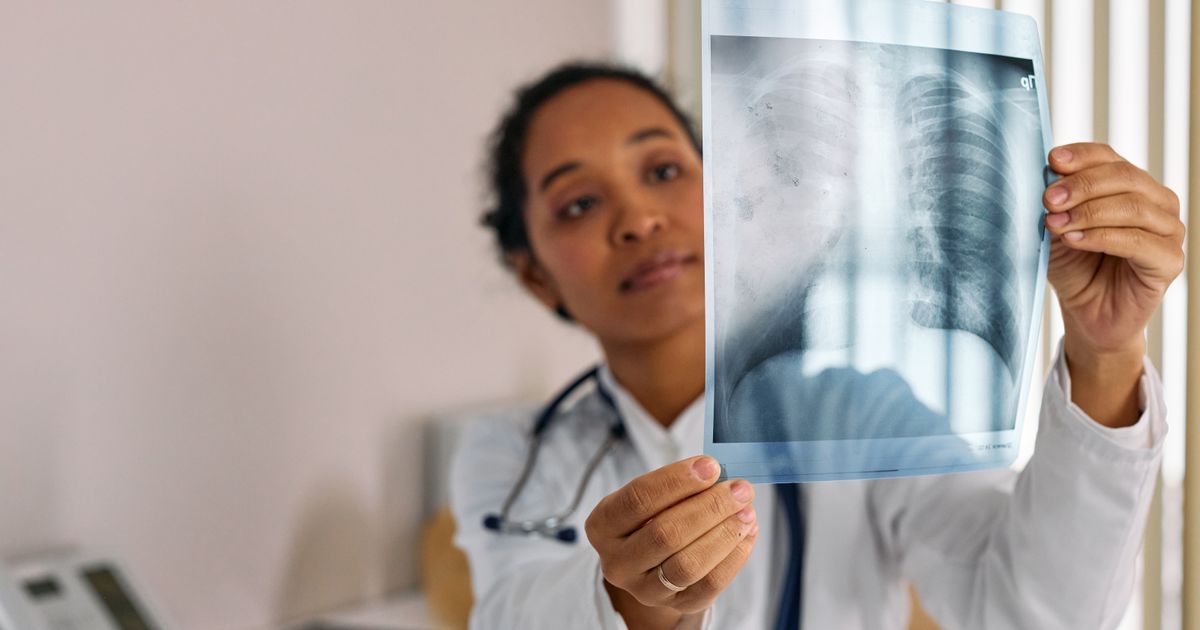
តើអ្វីទៅជា bronchoscopy?
A bronchoscope is a thin tube with a light and a camera at its tip. The doctor guides it through the nose or mouth, past the voice box and into the windpipe (trachea) and its branches (bronchi), and watches the picture on a screen. Small tools can be passed through a channel in the tube to collect fluid or tissue or to carry out treatment.
Most bronchoscopies use a flexible bronchoscope, which bends easily and can be used with sedation. A rigid bronchoscope is a straight metal tube used under general anaesthesia when a wider working space is needed, for example to remove a large object or control bleeding.
Other names for bronchoscopy
- Lung endoscopy
- Airway endoscopy
- Fibreoptic bronchoscopy
- Flexible bronchoscopy or rigid bronchoscopy
Types of bronchoscopy
Bronchoscopy is grouped by its purpose. Each type below has its own page with full details.
| វាយបញ្ចូល | តើវាជាអ្វី | នៅពេលដែលវាត្រូវបានប្រើ | អានបន្ថែម |
|---|---|---|---|
| ការធ្វើរោគវិនិច្ឆ័យ bronchoscopy | Looking inside the airways and taking washings, brushings or small biopsies | Unexplained cough, coughing up blood, a shadow on a scan, suspected infection or cancer | ការធ្វើរោគវិនិច្ឆ័យ bronchoscopy |
| Therapeutic bronchoscopy | Treatment carried out through the bronchoscope | Removing an inhaled object or thick mucus, opening a narrowed airway, placing a stent, controlling bleeding | Therapeutic bronchoscopy |
| អ៊ុលត្រាសោន endobronchial (EBUS) | A bronchoscope with an ultrasound probe that shows structures outside the airway wall and guides a needle | Sampling lymph nodes in the chest, staging lung cancer, checking for conditions such as sarcoidosis or tuberculosis | អ៊ុលត្រាសោន endobronchial (EBUS) |
| ទែរម៉ូផ្លាសស្ទីល ទងសួត | Controlled heat applied to the airway walls through a bronchoscope | Selected adults with severe asthma that is not controlled with standard treatment; offered only in some centres | ទែរម៉ូផ្លាសស្ទីល ទងសួត |
Why is bronchoscopy done?
Your doctor may advise bronchoscopy when symptoms, a កាំរស្មីអ៊ិចទ្រូង ឬ CT ស្កេន point to a problem in the airways or lungs that needs a closer look or a sample. Common reasons include:
- A cough that does not settle, or ក្អកឡើងឈាម
- A lump, shadow or enlarged lymph node on a scan, to check for មហារីកសួត or other causes
- Lung infection that is not improving, such as ជំងឺរលាកសួត or suspected ជំងឺរបេង, when sputum tests have not given an answer
- សង្ស័យ sarcoidosis or other inflammatory lung disease
- A collapsed part of the lung caused by a mucus plug or blockage
- An inhaled foreign body, especially in children
- Narrowing of the windpipe (see tracheal stenosis)
Bronchoscopy does not reach every part of the lung. For some small or outer lung spots, a needle ការធ្វើកោសល្យវិច័យ through the chest wall or a surgical biopsy may be more suitable.
How is bronchoscopy done?
- ការរៀបចំ: you fast for some hours beforehand. Tell your doctor about all your medicines, especially blood thinners, and about allergies, heart disease or breathing difficulty. Blood tests may be done.
- Numbing and sedation: a numbing spray or gel is applied to the nose and throat, and a sedative is given through a vein. Some procedures need general anaesthesia.
- ការឆ្លងកាត់វិសាលភាព៖ the bronchoscope is guided into the airways while your oxygen level, pulse and blood pressure are monitored.
- Samples or treatment: the doctor examines the airways and takes washings, brushings or biopsies, or carries out the planned treatment.
- ការងើបឡើងវិញ: you are observed until the sedation wears off. You must not eat or drink until the numbness in your throat has gone, usually after one to two hours.
តើហានិភ័យនៃការឆ្លុះទងសួតមានអ្វីខ្លះ?
Bronchoscopy is generally safe, and serious problems are uncommon.
- ញឹកញាប់ជាងនេះ៖ sore throat, hoarse voice, cough, mild fever on the same day, and a small amount of blood in the sputum after a biopsy
- មិនធម្មតា៖ heavier bleeding, a fall in oxygen level, a collapsed lung (pneumothorax) after lung biopsy, chest infection, spasm of the airways, irregular heartbeat and reactions to the sedative
The risk is higher in people with severe lung or heart disease or bleeding problems, and your doctor will weigh this before advising the test.
Recovery after bronchoscopy
Most people go home a few hours after the procedure. Because of the sedative, you should have an adult take you home, and you should not drive, operate machinery or sign important documents for the rest of the day. A sore throat and cough usually settle within a day or two. Normal activities can generally be resumed the next day. Biopsy and culture results may take several days, and some culture tests take weeks; your doctor will tell you when to return for the report.
ពេលណាត្រូវរកជំនួយពីគ្រូពេទ្យ
- Coughing up more than a few streaks of blood, or bleeding that continues
- ឈឺទ្រូង ឬ ដង្ហើមខ្លី
- Fever that lasts beyond a day or is high
- Increasing difficulty in swallowing or speaking
What is the cost of bronchoscopy in India?
ការចំណាយអាស្រ័យលើ៖
- Whether the bronchoscopy is diagnostic or a treatment
- Add-on techniques such as EBUS, and any stent or device used
- ថ្នាំងងុយគេង ឬថ្នាំស្ពឹកទូទៅ
- Laboratory tests on the samples
- Day care or hospital stay
- ទីក្រុង និងមន្ទីរពេទ្យ
តម្លៃខុសគ្នាពីមនុស្សម្នាក់ទៅមនុស្សម្នាក់។ សូមពិនិត្យជាមួយមន្ទីរពេទ្យសម្រាប់តម្លៃជាក់ស្តែង។
Health insurance usually covers bronchoscopy that is medically needed; check with your insurer about day care cover.
Why choose Apollo Hospitals for bronchoscopy?
- Pulmonologists trained in diagnostic and interventional bronchoscopy
- Monitoring by trained staff during and after sedation
- Pathology and microbiology laboratories to process samples
- Chest surgery, oncology and intensive care support when needed
Availability differs between centres. Please check with the hospital. To discuss your symptoms or reports, you can កក់ការណាត់ជួបជាមួយគ្រូពេទ្យឯកទេសសួត នៅមន្ទីរពេទ្យ Apollo ។
Questions to ask your doctor about bronchoscopy
- Why do I need a bronchoscopy, and which type will I have?
- Will I be sedated or have general anaesthesia?
- Which of my medicines should I stop, and when?
- What samples will be taken?
- តើខ្ញុំនឹងទទួលបានលទ្ធផលនៅពេលណា?
- What are the alternatives in my case?
សំណួរដែលសួរជាញឹកញាប់
1. Is bronchoscopy painful?
It is not usually painful. The throat is numbed and most people are sedated. You may feel pressure or an urge to cough, and a sore throat afterwards.
2. Will I be awake during bronchoscopy?
With a flexible bronchoscopy you are usually sedated and drowsy but breathing by yourself, and many people remember little of it. Rigid bronchoscopy and some longer procedures are done under general anaesthesia.
3. Can I breathe during the procedure?
Yes. The bronchoscope is narrow and leaves room for air to pass around it. Oxygen is given and your oxygen level is watched throughout.
4. How long does bronchoscopy take?
A diagnostic bronchoscopy often takes 20 to 30 minutes. EBUS and treatment procedures can take an hour or more.
5. Can bronchoscopy detect lung cancer?
It can help diagnose many lung cancers by allowing a biopsy of the growth or of nearby lymph nodes. A normal bronchoscopy does not rule out cancer in parts of the lung the scope cannot reach, so other tests may still be needed.
6. Is bronchoscopy safe for children?
Yes, when it is needed. In children it is commonly done to remove an inhaled object or to study airway problems, and it is performed under general anaesthesia by a trained team.
7. When can I eat after bronchoscopy?
You should wait until the numbness in your throat has worn off, usually one to two hours, to avoid choking. Start with sips of water.
8. Which doctor performs bronchoscopy?
Bronchoscopy is performed by a pulmonologist, also called a chest physician or respiratory specialist. Thoracic surgeons and ENT surgeons also perform it in certain situations.
សន្និដ្ឋាន
Bronchoscopy lets a doctor see inside the airways, collect samples and treat some airway problems without an operation on the chest. It is usually a short day procedure with a low rate of serious problems. Read the page for the type advised for you and discuss the reasons and alternatives with your pulmonologist.
ទំព័រនេះគឺសម្រាប់ព័ត៌មានទូទៅ ហើយមិនជំនួសដំបូន្មានពីគ្រូពេទ្យរបស់អ្នកទេ។ ការសម្រេចចិត្តព្យាបាលគួរតែត្រូវបានធ្វើឡើងជាមួយអ្នកឯកទេសដែលមានសមត្ថភាពដែលដឹងពីប្រវត្តិវេជ្ជសាស្ត្ររបស់អ្នក។
បានបន្ថែមថ្មីនេះ


គ្រូពេទ្យឯកទេសជំងឺសួតនៅមន្ទីរពេទ្យ Apollo


ការមិនទទួលខុសត្រូវ:
ព័ត៌មានដែលផ្តល់ជូននៅលើទំព័រនេះគឺសម្រាប់គោលបំណងផ្តល់ព័ត៌មាន និងអប់រំទូទៅតែប៉ុណ្ណោះ។ ខណៈពេលដែលយើងខិតខំប្រឹងប្រែងសមហេតុផលដើម្បីធានាថាព័ត៌មាននេះមានភាពត្រឹមត្រូវ អាចទុកចិត្តបាន និងត្រូវបានពិនិត្យឡើងវិញជាប្រចាំ វាមិនគួរត្រូវបានចាត់ទុកថាជាការជំនួសដំបូន្មានផ្នែកវេជ្ជសាស្ត្រ ការធ្វើរោគវិនិច្ឆ័យ ឬការព្យាបាលដែលមានជំនាញវិជ្ជាជីវៈនោះទេ។
ភាពសមស្របនៃនីតិវិធីវេជ្ជសាស្ត្រ រួមជាមួយនឹងអត្ថប្រយោជន៍ ហានិភ័យ ការរៀបចំ ការជាសះស្បើយ ផលវិបាកដែលអាចកើតមាន និងលទ្ធផលដែលរំពឹងទុក អាចប្រែប្រួលពីមនុស្សម្នាក់ទៅមនុស្សម្នាក់។ អ្នកជំនាញថែទាំសុខភាពរបស់អ្នកនឹងកំណត់ថាតើនីតិវិធីមួយសមស្របដែរឬទេ ដោយផ្អែកលើស្ថានភាពបុគ្គល និងប្រវត្តិវេជ្ជសាស្ត្ររបស់អ្នក។
សូមពិគ្រោះជាមួយអ្នកជំនាញថែទាំសុខភាពដែលមានសមត្ថភាពដើម្បីទទួលបានដំបូន្មានផ្ទាល់ខ្លួនមុនពេលធ្វើការសម្រេចចិត្តទាក់ទងនឹងនីតិវិធីវេជ្ជសាស្ត្រណាមួយ។
សម្រាប់ព័ត៌មានបន្ថែមអំពីរបៀបដែលខ្លឹមសារវេជ្ជសាស្ត្ររបស់យើងត្រូវបានបង្កើត ពិនិត្យ ធ្វើបច្ចុប្បន្នភាព និងថែទាំ សូមអាន [គោលការណ៍វិចារណកថា] របស់យើង ។




