





Could not find what you are looking for?
All You Need to Know about Cholera
18 February, 2025
Image

With the monsoons come the long-awaited rain showers. However, that is not all, as the monsoon also brings forth a spate of diseases. One such disease is cholera that continues to strike people year after year. It is an infectious disease that is caused by bacteria and the main symptoms of cholera include an upset stomach, uncontrollable vomiting, and watery stools.
Read on to know more about the symptoms of cholera and the steps you can take to keep it at bay:
What is Cholera?
An acute infection of the small intestine, Cholera is characterised by vomiting, abdominal cramps, and watery stools. The bacterium that causes this disease is the Vibrio Cholera. It produces severe diarrhoea by causing an increased release of water in the intestines.
Spread of Cholera
Here are some ways in which cholera can get passed on:
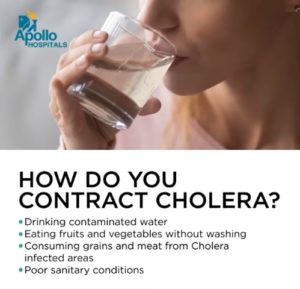
- Bacteria that get excreted through faeces can infect people when they come in contact with drinking water.
- Through fish and shellfish that come from contaminated water.
- When people don’t wash their hands properly after they use the toilet.
Signs and Symptoms of Cholera
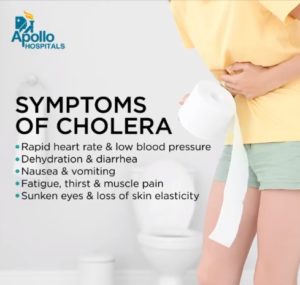
After infecting a person, cholera usually starts to show symptoms in a short time period. In the beginning, a person experiences stomach aches (cramps) but does not feel sick otherwise. Then diarrhoea (rice-water stools) and vomiting take over. After that, the person will experience a mild fever. Fluid loss through diarrhoea can be quite excessive, with people losing up to 1 litre per hour.
Danger Signs
Cholera can turn out to be deadly, if:
- The fluid loss surpasses 5 to 10 litres and is not replaced.
- Especially in children, the electrolyte (salt) imbalance can cause cardiac arrest or convulsions.
- Extensive dehydration can affect the level of consciousness.
Typical Signs of Dehydration
Common signs that a person is a dehydrated include:
- Thirst
- Less or no urine
- Dry skin and mouth
- Rapid pulse
- “Glassy” eyes but no tears
- State of confusion, sleepiness, and lethargy
Diagnosing Cholera
Blood and stool culture are done to diagnose cholera.
Treatment of Cholera
The aim is to replace electrolytes and water that is lost due to vomiting and diarrhoea.
- Oral rehydration with salt and sugar
- In severe cases, lost fluids are replaced intravenously for quick results
- Antibiotics like doxycycline to limit the duration of the disease
As dehydration can also cause death, do not take the symptoms of cholera lightly. Ensure that treatment is begun immediately.
Prevention of Cholera
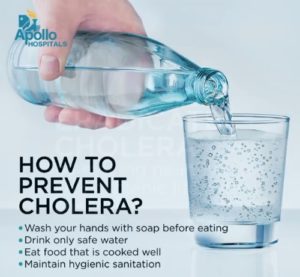
For the prevention of cholera, clean drinking water is key. Here are some simple steps that you can follow in order to protect yourself:
- Drink sterilized or boiled water
- Avoid ice cubes in your drinks
- Eat well-cooked and hot foods
- Avoid raw fish, vegetables, and fruits
- Boil unpasteurized milk

 Best Hospital Near me Chennai


