





Could not find what you are looking for?
Retained Products Of Conception - Causes, Symptoms, Diagnosis, Treatment, and Prevention

Retained Products of Conception: Understanding, Diagnosis, and Management
Introduction
Retained Products of Conception (RPOC) is a medical condition that occurs when tissue from a pregnancy remains in the uterus after a miscarriage, abortion, or childbirth. This condition can lead to various complications, including infection and prolonged bleeding, making it a significant concern for women’s health. Understanding RPOC is crucial for timely diagnosis and effective management, ensuring that women receive the care they need to recover fully.
Definition
What is Retained Products of Conception?
Retained Products of Conception refers to the presence of placental or fetal tissue that remains in the uterus after the termination of a pregnancy. This can occur following a miscarriage, elective abortion, or delivery. The retained tissue can lead to complications such as infection, heavy bleeding, and other health issues if not addressed promptly.
Causes and Risk Factors
Infectious/Environmental Causes
While RPOC is primarily related to the physical aspects of pregnancy termination, certain infections can complicate the situation. For instance, infections such as chorioamnionitis (an infection of the fetal membranes) can lead to retained tissue. Environmental factors, such as exposure to certain chemicals or toxins, may also play a role, although research in this area is still ongoing.
Genetic/Autoimmune Causes
Some women may have genetic predispositions or autoimmune conditions that affect their pregnancies. For example, conditions like antiphospholipid syndrome can lead to pregnancy complications, including miscarriage, which may result in RPOC. Understanding these underlying factors is essential for managing the risk of RPOC in future pregnancies.
Lifestyle and Dietary Factors
Lifestyle choices and dietary habits can influence pregnancy outcomes. Poor nutrition, smoking, and excessive alcohol consumption can increase the risk of complications during pregnancy, including the likelihood of miscarriage and RPOC. Maintaining a healthy lifestyle before and during pregnancy is vital for reducing these risks.
Key Risk Factors
- Age: Women over 35 may have a higher risk of miscarriage, leading to RPOC.
- Previous Miscarriages: A history of miscarriages can increase the risk of retained tissue.
- Underlying Health Conditions: Conditions such as diabetes, thyroid disorders, and autoimmune diseases can complicate pregnancies.
- Geographic Location: Access to healthcare and the prevalence of certain infections can vary by region, influencing RPOC rates.
- Multiple Pregnancies: Women carrying multiples (twins, triplets, etc.) may have a higher risk of complications, including RPOC.
Symptoms
Common Symptoms of Retained Products of Conception
The symptoms of RPOC can vary depending on the amount of retained tissue and the individual’s overall health. Common symptoms include:
- Heavy Bleeding: Prolonged or heavy vaginal bleeding after a miscarriage or delivery.
- Severe Abdominal Pain: Cramping or pain that may be more intense than typical post-pregnancy discomfort.
- Fever: A fever may indicate an infection, which can occur if tissue is retained.
- Foul-Smelling Discharge: Unusual vaginal discharge that has a strong odor can be a sign of infection.
Warning Signs for Immediate Medical Attention
Certain symptoms warrant immediate medical attention, including:
- Severe or worsening abdominal pain that does not improve with over-the-counter pain relief.
- Excessive bleeding (soaking through a pad in an hour or less).
- High fever (over 100.4°F or 38°C) accompanied by chills.
- Signs of shock: such as rapid heartbeat, dizziness, or fainting.
Diagnosis
Clinical Evaluation
The diagnosis of RPOC typically begins with a thorough clinical evaluation. This includes:
- Patient History: Discussing the patient’s pregnancy history, including any miscarriages, abortions, or complications during delivery.
- Physical Examination: A pelvic exam may be performed to assess for tenderness, bleeding, or other abnormalities.
Diagnostic Tests
Several diagnostic tests can help confirm the presence of RPOC:
- Ultrasound: A transvaginal or abdominal ultrasound can visualize the uterus and identify any retained tissue.
- Laboratory Tests: Blood tests may be conducted to check for signs of infection or anemia due to blood loss.
- HCG Levels: Monitoring human chorionic gonadotropin (HCG) levels can help determine if pregnancy tissue is still present.
Differential Diagnosis
It is essential to differentiate RPOC from other conditions that may present with similar symptoms, such as:
- Ectopic Pregnancy: A pregnancy that occurs outside the uterus, which can also cause abdominal pain and bleeding.
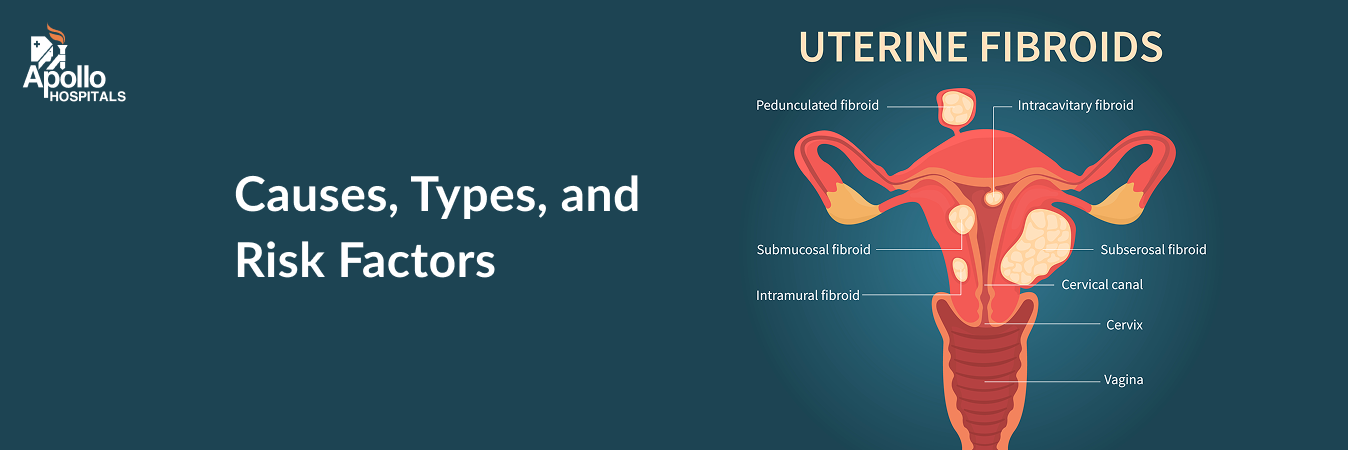
- Uterine Fibroids: Non-cancerous growths in the uterus that can lead to heavy bleeding.
- Endometrial Polyps: Growths on the inner wall of the uterus that can cause abnormal bleeding.
Treatment Options
Medical Treatments
The treatment for RPOC may vary based on the severity of the condition and the patient’s overall health. Options include:
- Medications:
- Misoprostol: This medication can help expel retained tissue by inducing uterine contractions.
- Antibiotics: If there is an infection, antibiotics may be prescribed to prevent complications.
- Surgical Options:
- Dilation and Curettage (D&C): A surgical procedure to remove retained tissue from the uterus.
- Hysteroscopy: A minimally invasive procedure that allows doctors to visualize and remove tissue using a thin, lighted tube.
Non-Pharmacological Treatments
In addition to medical treatments, certain lifestyle modifications can support recovery:
- Rest: Adequate rest is essential for recovery after a miscarriage or delivery.
- Hydration: Staying hydrated can help manage symptoms and support overall health.
- Nutrition: A balanced diet rich in vitamins and minerals can aid recovery and improve overall well-being.
Special Considerations for Different Populations
- Pediatric: RPOC is rare in adolescents but can occur. Careful monitoring and appropriate treatment are essential.
- Geriatric: Older women may have different risk factors and may require tailored treatment approaches.
Complications
Potential Complications of Untreated RPOC
If RPOC is left untreated, it can lead to several complications:
- Infection: Retained tissue can become infected, leading to conditions such as endometritis.
- Heavy Bleeding: Prolonged bleeding can result in anemia and other health issues.
- Uterine Scarring: Surgical interventions may lead to scarring, which can affect future pregnancies.
Short-Term and Long-Term Complications
- Short-Term: Immediate complications include severe pain, heavy bleeding, and infection.
- Long-Term: Women may experience fertility issues or complications in future pregnancies due to scarring or other factors.
Prevention
Strategies for Preventing RPOC
While not all cases of RPOC can be prevented, certain strategies can reduce the risk:
- Regular Prenatal Care: Early and regular check-ups during pregnancy can help identify and manage complications.
- Vaccinations: Staying up-to-date with vaccinations can prevent infections that may complicate pregnancy.
- Hygiene Practices: Maintaining good hygiene during and after pregnancy can reduce the risk of infections.
- Healthy Lifestyle: A balanced diet, regular exercise, and avoiding harmful substances can support a healthy pregnancy.
Prognosis & Long-Term Outlook
Typical Course of the Disease
The prognosis for women with RPOC is generally good with appropriate treatment. Most women recover fully and can go on to have healthy pregnancies in the future.
Factors Influencing Prognosis
Several factors can influence the overall prognosis, including:
- Early Diagnosis: Prompt identification and treatment of RPOC can prevent complications.
- Adherence to Treatment: Following medical advice and treatment plans can improve recovery outcomes.
Frequently Asked Questions (FAQs)
- What are the symptoms of Retained Products of Conception? Symptoms of RPOC include heavy bleeding, severe abdominal pain, fever, and foul-smelling discharge. If you experience these symptoms after a miscarriage or delivery, seek medical attention.
- How is RPOC diagnosed? RPOC is diagnosed through a combination of patient history, physical examination, and diagnostic tests such as ultrasound and blood tests.
- What are the treatment options for RPOC? Treatment options include medications like misoprostol, surgical procedures like D&C, and lifestyle modifications to support recovery.
- Can RPOC affect future pregnancies? While RPOC can lead to complications, most women recover fully and can have healthy pregnancies in the future with proper care.
- What are the risk factors for RPOC? Risk factors include age, previous miscarriages, underlying health conditions, and lifestyle choices.
- How can I prevent RPOC? Preventive measures include regular prenatal care, maintaining good hygiene, and leading a healthy lifestyle.
- When should I seek medical help for RPOC? Seek immediate medical attention if you experience severe abdominal pain, excessive bleeding, or signs of infection such as fever.
- What complications can arise from untreated RPOC? Untreated RPOC can lead to infections, heavy bleeding, and potential fertility issues due to uterine scarring.
- Is RPOC common after a miscarriage? RPOC can occur after a miscarriage, but the frequency varies. Prompt medical evaluation is essential if symptoms arise.
- What lifestyle changes can help after experiencing RPOC? Rest, hydration, and a balanced diet can support recovery after RPOC. Avoiding smoking and alcohol is also recommended.
When to See a Doctor
Seek immediate medical attention if you experience:
- Severe abdominal pain that worsens.
- Heavy bleeding that soaks through a pad in an hour or less.
- High fever accompanied by chills.
- Signs of shock, such as rapid heartbeat or fainting.
Conclusion & Disclaimer
Retained Products of Conception is a significant medical condition that requires prompt diagnosis and treatment to prevent complications. Understanding the symptoms, risk factors, and treatment options is essential for women’s health. If you suspect you may have RPOC, consult a healthcare professional for personalized advice and care.
Disclaimer: This article is for informational purposes only and does not replace professional medical advice. Always consult a healthcare provider for medical concerns or questions.

 Best Hospital Near me Chennai


