


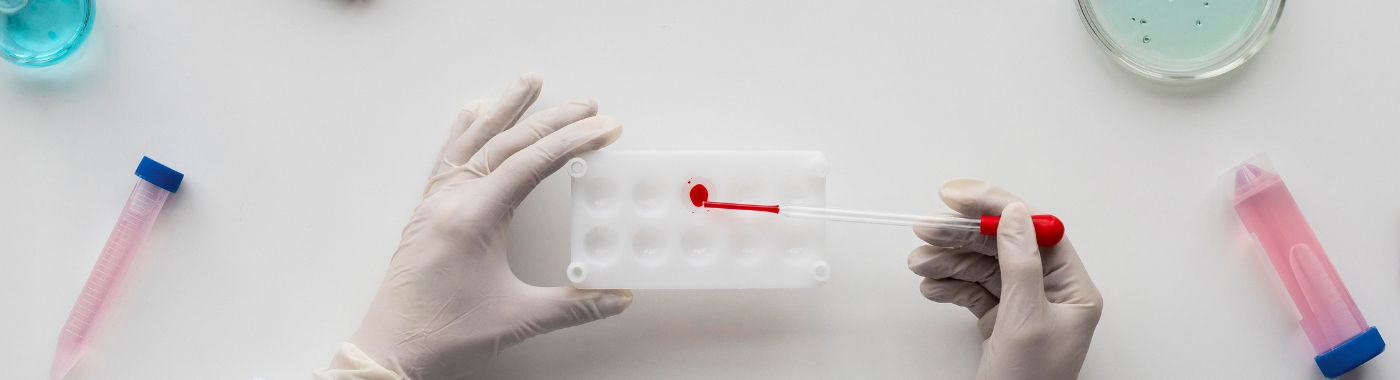
Přímá odpověď
The AEC test, or absolute eosinophil count, is a blood test that measures how many eosinophils, a type of white blood cell, are present in each microlitre of blood. Doctors use the AEC test to help assess allergy, asthma, parasitic worm infection, drug reactions, skin disease and some rarer blood and inflammatory disorders. The AEC test shows the eosinophil number only; it does not name the cause.
Klíčové jídlo s sebou
- The AEC test counts cells, not diseases. A raised count narrows the possibilities but does not identify which condition is responsible.
- A normal AEC test does not exclude allergy or asthma. Many people with allergic disease have counts within the laboratory's reference interval.
- Steroids lower the count quickly. A course of oral or injected corticosteroid can push eosinophils down within hours, masking a genuine eosinophilia.
- Reference intervals differ between laboratories because analysers and populations differ. Read the interval printed on your own report, not one from the internet.
- Interpretation belongs with the doctor who requested the AEC test, alongside your symptoms, examination and other results.
Na první pohled
| vlastnost | Detail |
|---|---|
| Co se měří | Absolute number of eosinophils per microlitre of blood |
| Vzorek | Venous blood in an EDTA tube; heel or finger prick sometimes used in infants |
| Obvykle součástí | Kompletní krevní obraz (CBC) s diferenciálem |
| Půst | Not needed for the AEC test itself; fasting may be required for other tests drawn at the same visit |
| Čas na odběr krve | Typically a few minutes; total visit often 15-30 minutes including registration and waiting |
| Nepohodlí | Krátké vpichnutí jehlou; občasné modřiny |
| Co to nedokáže | Cannot identify the cause, cannot exclude allergy or asthma, cannot assess lung function or tissue eosinophilia |
Také známý jako
- AEC test, AEC blood test
- Absolute eosinophil count
- Eosinophil count, eosinophil blood test
- "Allergy count test", a common but loose lay term in India; the AEC test is not an allergy test as such
- Eosinophil differential percentage (a related but different number, see below)
What the AEC test is
Eosinophils are granulocytes made in the bone marrow. They circulate in small numbers and act mainly in tissue, the airway lining, gut wall, skin and oesophagus, where they take part in defence against parasitic worms and in allergic and other inflammatory responses.
The AEC test reports the absolute number of these cells per microlitre. Most laboratories in India derive the AEC from an automated haematology analyser running a complete blood count with a five-part differential. Some laboratories still confirm or perform the count by manual microscopy on a stained blood film, particularly when the analyser flags an abnormality.
Absolute count versus percentage: a report may show eosinophils as a percentage of total white cells and as an absolute number. The absolute number is the clinically useful one. A percentage can look high simply because the total white cell count is low, and can look normal when the total count is high.
Why the AEC test is done
- Persistent allergic symptoms: long-standing sneezing, nasal blockage, itchy eyes, urticaria or eczema.
- Asthma assessment: the blood eosinophil count is one of the markers used when characterising asthma and when specialists consider whether inflammation is eosinophil-driven.
- Suspected parasitic worm infection: particularly tissue-invasive helminths. Relevant across much of India.
- Unexplained rash, itching or angio-oedema.
- Suspected drug reaction, including drug rash with eosinophilia.
- Unexplained diarrhoea, abdominal pain or difficulty swallowing, where eosinophilic gastrointestinal disease is being considered.
- Suspected systemic inflammatory disease, such as eosinophilic granulomatosis with polyangiitis.
- Monitoring: tracking a known eosinophilia, or response to treatment such as anti-parasitic therapy or biologic therapy in severe asthma.
- Follow-up of an incidental finding: a raised eosinophil count spotted on a routine CBC.
Kdo by měl podstoupit tento test
The AEC test is requested for a reason, not as a general screen. It is reasonable when a doctor is assessing:
- Chronic or seasonal nasal and eye allergy symptoms that are not settling
- Asthma or chronic cough under specialist assessment
- Chronic urticaria, eczema or an unexplained itchy rash
- Possible worm infestation, especially with abdominal symptoms, anaemia or relevant exposure history
- Unexplained eosinophilia already seen on a previous blood count
- Symptoms suggesting eosinophilic oesophagitis or eosinophilic gut disease
- Suspected reaction to a new medicine
- Ongoing treatment that needs monitoring, where the prescriber has asked for repeat counts
A normal AEC test in someone with no symptoms carries little information, and a mildly raised count in someone with no symptoms often needs nothing more than a repeat count after some weeks, decided by the doctor.
What the AEC test cannot detect or exclude
- It cannot name a cause. Allergy, worms, drug reaction, skin disease, adrenal insufficiency and rare blood disorders can all raise eosinophils. The number alone does not distinguish them.
- It cannot exclude allergy. A count inside the reference interval does not rule out allergic rhinitis, asthma or food allergy. Allergy is diagnosed from history, supported where appropriate by specific IgE testing or skin prick testing.
- It is not an asthma diagnosis. Asthma is diagnosed on symptoms plus objective airflow testing such as spirometry with reversibility. The AEC test does not measure lung function.
- It cannot exclude worm infection. Many intestinal worm infections cause little or no rise in blood eosinophils. Stool examination or specific serology may still be needed.
- It does not measure tissue eosinophils. Eosinophilic oesophagitis and some eosinophilic gut and lung diseases can occur with a normal blood count; diagnosis needs biopsy or specialist assessment.
- It does not distinguish reactive from clonal eosinophilia. Separating a reaction from a bone-marrow disorder needs further specialist tests.
- It cannot assess severity of organ damage. Eosinophil-related damage to heart, nerve or lung is assessed with imaging, cardiac tests and other investigations.
A result reported as normal means eosinophils were not raised in that sample at that moment. It does not mean disease has been excluded. If your symptoms continue despite a normal AEC test, go back to your doctor rather than assuming the matter is closed.
Související, ale odlišná vyšetření
| test | Otázka to odpovídá | How it differs from the AEC test |
|---|---|---|
| Eosinophil percentage on the differential | What share of white cells are eosinophils? | A proportion, not a number. Can mislead when the total white cell count is abnormal. |
| Complete blood count (CBC / haemogram) | How are all blood cell lines behaving? | The AEC is one line within the CBC. The CBC also shows anaemia, which often matters in worm infestation. |
| Total serum IgE | Is overall allergic antibody production raised? | A different molecule. Raised in atopy and also in parasitic infection; it does not identify the trigger. |
| Specific IgE (allergen panel) / skin prick test | Which specific allergen is the person sensitised to? | Allergen-directed. Sensitisation is not the same as clinical allergy; results need clinical correlation. |
| Absolutní počet neutrofilů | Infection risk and bacterial infection response | A different white cell line, used mainly in chemotherapy and fever assessment. |
| Stool examination for ova and cysts | Are intestinal parasites present? | Looks directly for the organism. May be positive when the AEC is normal, and negative when it is high. |
| Nasal smear for eosinophils | Is there eosinophilic inflammation in the nasal lining? | Samples tissue surface, not blood. Local and blood findings often disagree. |
| Sputum eosinophil count / exhaled nitric oxide | Is there eosinophilic airway inflammation? | Airway-specific, specialist tests, not interchangeable with blood eosinophils. |
| Vyšetření kostní dřeně | Is the eosinophilia arising from a marrow disorder? | Invasive; reserved for persistent, marked or unexplained eosinophilia. |
| Spirometrie | Is airflow obstructed and reversible? | Measures lung function. Needed for asthma diagnosis; the AEC test cannot substitute. |
Which test comes first depends on the clinical problem. For an itchy nose with clear seasonal triggers, the history and often allergen-specific testing lead. For breathlessness and wheeze, spirometry leads. For abdominal symptoms with possible worm exposure, stool examination may lead. The AEC test supports these; it does not replace them.
Jak se připravit
Preparation instructions are set by the collecting laboratory and by your doctor, and those instructions take precedence over anything written here. Protocols differ between units.
- Půst: the AEC test itself does not require fasting. If lipids, glucose or other fasting tests are drawn in the same sitting, the laboratory may ask you to fast. Ask when booking.
- Léky: bring a written list, including inhalers, nasal sprays, steroid tablets, ointments, antihistamines, anti-parasitic drugs and any AYUSH, herbal or gym supplements. Do not stop or change any prescribed medicine to "improve" the result, speak to the prescriber first.
- Recent steroids: tell the requesting doctor if you have had steroid tablets, injections or a steroid-containing preparation in recent days or weeks.
- načasování: eosinophil counts vary through the day and tend to be lower in the morning. Where serial counts are being compared, the laboratory may suggest a consistent time of day.
- Hydratace: ordinary fluid intake makes the vein easier to find. Anyone on a medically advised fluid restriction, for example in heart failure or advanced kidney disease, should stay within that restriction.
- Allergen exposure: there is no need to engineer a "clean" period before the AEC test. Tell the doctor about recent flare-ups instead, so the number can be read in context.
Pokud jste těhotná
Blood sampling is routine in pregnancy. Mention the pregnancy at collection, and mention any medicine changes. Interpretation of a raised count in pregnancy should be handled by the treating obstetrician together with a physician.
Děti a kojenci
Healthy children often have somewhat higher eosinophil counts than adults, and worm infestation is a common contributor in India. Paediatric collection may use a smaller tube or a heel or finger prick. A numbing plan and a parent's presence help. Never withhold a child's asthma or eczema treatment before a blood test without the paediatrician's instruction.
Starší dospělí a lidé s křehkými žilami
Bruising is more likely on anticoagulants or antiplatelet drugs. Tell the phlebotomist, and press the site firmly for longer afterwards. Do not stop blood thinners for a routine blood test.
Diabetes na léčbě snižující glukózu
If the laboratory has asked you to fast for other tests drawn at the same visit, discuss insulin and tablet timing with your prescriber beforehand, and carry a fast-acting sugar source. Prolonged unplanned fasting on glucose-lowering therapy risks hypoglycaemia.
Chronické onemocnění ledvin, srdeční selhání nebo omezení tekutin
Follow your prescribed fluid limit. Do not "load up" on water before the draw.
What happens during the AEC test
The steps are brief and familiar:
- Identifikace a souhlas: your details are checked against the request.
- Sbírka: a tourniquet is applied, the skin is cleaned, and a small volume of blood is drawn from a vein, usually at the inner elbow, into an EDTA (purple-top) tube.
- Tlak a obvaz: the site is pressed and covered.
- Analýza: the sample runs on a haematology analyser. A blood film may be examined under the microscope if the analyser flags an unusual pattern or if the count is markedly high.
Jak dlouho to trvá: the needle is usually in the vein for well under a minute, and the collection process takes a few minutes. Allow 15-30 minutes for the whole visit including registration. Reporting time depends on the individual laboratory's workflow and whether a manual film review is needed, ask your collection centre what to expect for your sample.
Understanding your AEC test report
Your report will show the absolute eosinophil count in cells per microlitre (cells/礚, also written as ?0?/L in some formats) next to the reference interval used by that laboratory. Compare your value with the interval on your own report. Intervals differ between analysers, methods and populations, so a number labelled high at one laboratory may sit inside the interval at another.
Reading the pattern rather than the single number:
- V rámci referenčního intervalu: no eosinophilia in that sample. Symptoms still need explaining if they persist.
- Mildly above the interval: common and frequently reactive, allergic rhinitis, eczema, asthma, a recent drug exposure, or worm infestation. Often re-checked before extensive investigation.
- Substantially or persistently above the interval: prompts a structured work-up. Depending on history, this may include stool examination, specific serology, imaging, allergy testing, autoimmune tests, or haematology referral.
- Very high counts: raise concern about eosinophil-related organ involvement, including the heart, lungs and nervous system, and about clonal marrow disorders. These need specialist assessment rather than watchful waiting.
- Low or zero eosinophils: often of little significance on its own. It is seen with corticosteroid use, acute stress and acute bacterial infection. In the context of other abnormal counts or unwell patients, it is assessed as part of the whole picture.
The AEC test result is never a diagnosis. Only the doctor who requested the test can interpret it against your symptoms, examination, medicines and other investigations.
When AEC test results can be misleading
Causes of a falsely low or falsely reassuring count
- kortikosteroidy: oral, injected, and sometimes high-dose topical or inhaled, reduce circulating eosinophils rapidly. A single dose before sampling can normalise a genuinely raised count.
- Acute bacterial infection or acute physiological stress, including surgery, trauma and severe illness, temporarily suppresses eosinophils.
- Morning sampling, because of the normal daily rhythm, may give a lower value than an evening sample in the same person.
- Tissue-confined disease: eosinophils recruited into oesophagus, gut, lung or skin may leave the blood count unremarkable.
- Percentage read in isolation when the total white cell count is high can make a meaningful absolute rise look normal.
Causes of a falsely raised or over-interpreted count
- Recent allergen exposure or a flare of eczema, rhinitis or asthma can lift the count transiently, without indicating a new disease.
- Analyser interference: some abnormal cells, nucleated red cells, granulocyte fragments or clumping can be miscategorised as eosinophils; a manual film review clarifies this.
- Delayed transport or an inadequately mixed or clotted EDTA sample can distort the differential and may require a repeat collection.
- Drug effect: many medicines can cause eosinophilia without other signs of illness.
- A single snapshot: eosinophil counts fluctuate. One mildly raised value is often not reproducible on repeat testing.
Rizika a bezpečnost
Venous blood draw (the usual method)
Risks are small but not zero. Expect brief pain at the needle site. Less commonly, there may be bruising, a small haematoma, lightheadedness or fainting, and rarely local infection or transient nerve irritation. Bruising is more likely with anticoagulant or antiplatelet therapy, bleeding disorders, and fragile veins. Tell the phlebotomist if you have fainted during blood tests before, so you can be sampled lying down.
Capillary sampling (heel or finger prick, mainly infants and small children)
Involves a smaller skin puncture with brief discomfort and minor local bruising. Excessive squeezing can affect sample quality and may require a repeat.
Repeat and serial testing
Repeated draws mainly add cumulative discomfort and bruising, not significant blood loss in adults. In neonates and small infants, sampling volumes are deliberately limited and decided by the paediatric team.
Výsledky se liší v závislosti na individuálních klinických okolnostech.
červené vlajky
Emergency now: go to the nearest emergency department or call for help
- Severe breathlessness, inability to speak full sentences, or an asthma attack not relieved by the reliever inhaler
- Swelling of lips, tongue or throat, or a widespread rash with faintness or difficulty breathing after a medicine, food or sting
- Chest pain, palpitations with collapse, or sudden weakness or numbness on one side of the body
- Confusion, new seizure, or rapidly worsening illness with high fever
Lékařská prohlídka v ten samý den
- A markedly raised eosinophil count together with new breathlessness, cough, chest discomfort, swelling, numbness, tingling or muscle weakness
- A new widespread rash with fever after starting a medicine within recent weeks, particularly with facial swelling or unwell feeling
- Fever with weight loss, drenching night sweats, or new lumps in the neck, armpit or groin
- Persistent vomiting, food sticking in the throat, or severe abdominal pain
- Blood in stool, black stool, or worsening pallor and fatigue
Rutinní schůzka
- A mildly raised AEC test result with stable allergy, asthma or eczema symptoms
- Long-standing itching, sneezing, nasal blockage or skin rash without the features above
- A low or zero eosinophil count reported incidentally, with no symptoms
- A normal result but continuing symptoms, this needs review, not dismissal
- Planning repeat testing or treatment monitoring
Zvláštní situace
Těhotenství
Blood counts shift in pregnancy. A raised eosinophil count should be interpreted with the pregnancy in mind, and treatment decisions, especially about steroids or anti-parasitic medicines, require the obstetric team's involvement.
Děti
Higher counts are commoner in childhood, with worm infestation, atopic eczema and asthma among the frequent explanations in India. Deworming and treatment decisions belong with the paediatrician, not with a number alone.
Starší dospělí
New unexplained eosinophilia in later life deserves careful review of every medicine, including recently started drugs and supplements, and consideration of less common causes. Persistent unexplained eosinophilia warrants specialist assessment.
People taking corticosteroids
The count may be suppressed and can look falsely normal. Do not stop or reduce steroids to obtain a "truer" reading; the prescriber decides on timing and on whether the test should be repeated.
People with asthma on biologic therapy
Some biologic treatments for severe eosinophilic asthma deliberately lower blood eosinophils. In this setting a low count may reflect the treatment working as intended and is interpreted by the respiratory team.
Chronic kidney disease, heart failure and immunosuppression
Multiple medicines and intercurrent illness commonly distort white cell counts in these groups. Interpretation needs the full clinical record rather than an isolated AEC test.
The AEC test in the Indian context
- Worm infestation matters here. Soil-transmitted helminth infection remains common in parts of India, which is why an elevated AEC test often leads to a stool examination and an exposure history rather than straight to allergy testing. India runs a National Deworming Day programme under the Ministry of Health and Family Welfare, reflecting that burden.
- Iron-deficiency anaemia frequently travels with worm infestation, so the haemoglobin and red cell indices on the same CBC are read alongside the AEC.
- Allergic rhinitis and asthma are widespread, with air pollution, dust mite exposure and seasonal pollen all contributing in Indian cities.
- Self-medication is common. Over-the-counter steroid-containing tablets, ointments and combination "allergy" preparations, and unlabelled herbal, AYUSH or gym supplements, can both suppress and provoke eosinophilia. Bring the actual packets or strips to the consultation if you can.
- Anti-tubercular therapy and other long-course drugs can cause drug reactions with eosinophilia; report any new rash, fever or unwellness on such treatment promptly rather than waiting for the next scheduled visit.
- Terminologie: patients frequently call this the "allergy count test" or simply "AEC". It is one line in the haemogram or CBC.
- Ochrana dat: laboratory reports and any online booking or report-download form involve personal health data, handled under the Digital Personal Data Protection Act 2023. Ask how your report is stored and shared, and who can access it.
Cena a pojištění v Indii
Costs for an AEC test vary widely, and the price you are quoted depends on several things. Published price lists change, so confirm the current charge with the laboratory before collection.
- Jak se test objednává: a standalone eosinophil count, a full CBC with differential, or a bundled allergy or health-check panel, each is priced differently, and a full CBC is often only marginally more than a single parameter.
- Typ zařízení: government hospital, standalone laboratory, corporate chain or hospital inpatient billing.
- City and locality, with metro pricing typically higher than smaller towns.
- Home collection, which usually adds a visit charge.
- Naléhavost, since expedited or after-hours processing may cost more.
- Add-on testing such as a manual blood film review, total IgE or stool examination.
Pojištění: outpatient diagnostic tests are often not covered under basic indemnity health insurance unless the policy includes an OPD benefit or the test is part of an admission or a covered day-care procedure. When the AEC test is done during an admitted episode, it is usually billed within the investigation component of the claim. Check with your insurer or the hospital's TPA desk before assuming coverage, and keep the doctor's prescription, as claims commonly require evidence that the test was clinically indicated.
Mýty a fakta
| Mýtus | Skutečnost |
|---|---|
| A high AEC means you definitely have an allergy. | Eosinophilia has many causes, worms, drug reactions, skin disease, autoimmune conditions and rarely marrow disorders. The count does not name the cause. |
| A normal AEC rules out allergy and asthma. | Many people with allergic rhinitis, food allergy or asthma have counts within the reference interval. Diagnosis rests on history plus targeted tests. |
| The AEC test can diagnose asthma. | Asthma diagnosis needs symptom assessment and objective airflow testing such as spirometry. The AEC test does not measure breathing. |
| A slightly raised AEC needs immediate strong medicine. | Mild, isolated elevations are common and often reactive. Many are simply re-checked. Treatment addresses the underlying cause. |
| Diet alone will bring the count down. | No diet reliably lowers eosinophils. The count follows the underlying condition. Specific dietary treatment exists only for certain eosinophilic gut conditions, under specialist supervision. |
| Eosinophil percentage and absolute count mean the same thing. | They are different numbers. The absolute count is the clinically meaningful one; the percentage depends on the total white cell count. |
| You must fast for an AEC test. | Fasting is not needed for the AEC test itself. It may be required for other tests drawn at the same visit, confirm with your laboratory. |
| Zero eosinophils means the immune system has failed. | A very low count is common with steroids, acute infection and stress, and on its own is usually not a sign of immune failure. |
Často kladené otázky
Is the AEC test the same as an allergy test?
No. The AEC test counts eosinophils in blood and gives no information about which substance you react to. Allergen-specific IgE blood testing or skin prick testing, read alongside your history, identifies likely triggers. The AEC test can support an allergic picture but cannot confirm or exclude allergy on its own.
My AEC is high but I have no symptoms. What next?
An incidental mild elevation is frequently reactive or transient. Doctors typically review your medicines, supplements, travel and exposure history, then repeat the count after an interval. Further testing depends on how high the count is, whether it persists, and whether any symptoms develop. Do not self-treat with deworming tablets or steroids.
Can worms cause a high AEC even if my stool test is negative?
Yes. Tissue-invasive worms may not shed eggs into stool, and egg shedding is intermittent. A negative stool examination does not exclude helminth infection. Doctors may repeat the stool test, request specific serology, or treat empirically depending on your symptoms and local exposure risk.
Do I need to stop my inhaler or steroid before the test?
Do not change any prescribed medicine yourself. Steroids lower eosinophil counts, so the prescriber may factor this in, adjust the timing of sampling, or interpret the result accordingly. Stopping asthma or eczema treatment to get a "better" number can make you unwell and is not advised.
Jak dlouho celý proces trvá?
The blood draw itself takes a few minutes, and most visits run 15-30 minutes including registration and waiting. Reporting time depends on the individual laboratory and whether a manual blood film review is required. Ask the collection centre what turnaround applies to your sample.
Does time of day affect the result?
Yes, modestly. Eosinophil counts follow a daily rhythm and tend to be lower in the morning and higher later in the day. This rarely changes management for a single test, but when counts are being compared over time, sampling at a consistent time of day is preferable.
Is a low or zero eosinophil count dangerous?
Usually not on its own. Corticosteroid treatment, acute bacterial infection, surgery and severe stress all suppress eosinophils temporarily. A low count matters mainly when other blood lines are abnormal or the person is unwell, in which case the whole blood count and clinical picture guide assessment.
Can children have the AEC test, and are their normal values different?
Yes, children can have the test, sometimes by finger or heel prick. Healthy children often have somewhat higher eosinophil counts than adults, and paediatric laboratories use age-appropriate reference intervals. Compare your child's value with the interval printed on the report and discuss it with the paediatrician.
How often should the AEC test be repeated?
There is no fixed schedule. Repetition depends on why the test was done, confirming a transient elevation, tracking a treated parasitic infection, or monitoring severe asthma on biologic therapy. The requesting doctor sets the interval based on the count, the suspected cause and your symptoms.
Zdroje
- World Health Organization, guidance on soil-transmitted helminth infections and preventive chemotherapy.
- Ministry of Health and Family Welfare, Government of India, National Deworming Day programme documents.
- Global Initiative for Asthma (GINA), strategy report chapters on assessment and severe asthma phenotyping.
- National Institute for Health and Care Excellence (NICE), guidance on asthma diagnosis and monitoring.
- Clinical Laboratory Standards guidance on venous blood collection and EDTA sample handling.
- Standard haematology reference texts on eosinophilia, hypereosinophilic syndromes and differential white cell counting.
- Digital Personal Data Protection Act 2023, Government of India.












 Nejlepší nemocnice poblíž Čennaí


