


Obraz


Living with chronic joint distress can significantly diminish one?s quality of life, turning simple daily movements into painful challenges. For those seeking a definitive solution to debilitating arthritis, choosing the right knee replacement surgery hospital in Lucknow is a critical first step toward mobility. At Apollomedics Super Speciality Hospital, we provide a synthesis of surgical expertise and current technology. As one of the established knee replacement surgery hospitals in Lucknow, we work to help patients overcome mobility barriers through precision-driven interventions, including robotic-assisted knee replacement systems.
Our orthopaedic department is designed to offer more than surgical correction; we focus on improved functionality and durable results. By integrating computer-assisted navigation and robotic-arm technology, we aim for greater accuracy in implant positioning. Published comparative studies suggest this approach may reduce early post-operative pain and swelling and support earlier mobilisation, although long-term functional superiority over well-performed conventional surgery is still being studied. Outcomes vary between individuals, and no surgical procedure can be guaranteed.
Knee arthroplasty is typically recommended when conservative treatments such as physiotherapy, weight optimisation, lifestyle modification, analgesics or intra-articular injections no longer provide adequate relief.
Current Indian and international practice, reflected in the Indian Orthopaedic Association and Indian Society of Hip and Knee Surgeons educational guidance and in the 2019 OARSI and 2020 ACR/Arthritis Foundation osteoarthritis recommendations, is that surgery follows a documented trial of non-surgical care rather than radiology alone. A notable recent shift is the strong emphasis on structured exercise and weight management as core therapy, conditional or negative recommendations for glucosamine and for repeated intra-articular hyaluronic acid in knee osteoarthritis, and the general advice against arthroscopic lavage or debridement purely for degenerative knee arthritis.
At Apollomedics Super Speciality Hospital, the surgical approach is tailored to the anatomical needs and lifestyle goals of each patient.
A complete joint resurfacing procedure. It involves removing damaged bone and cartilage from the surfaces of the tibia and femur and replacing them with high-grade metal and polyethylene components. This remains the standard option for patients with advanced, multi-compartmental damage.
For patients whose damage is localised to one part of the knee, targeted replacement is possible. The procedure preserves healthy bone and ligaments in the rest of the knee, and many patients report a more natural feel and a quicker rehabilitation timeline. Careful patient selection is essential, as revision rates are higher than for total knee replacement in some registry data.
Using robotic systems, surgeons can execute bone cuts to within a narrow planned tolerance. The technology allows personalised alignment planning based on the patient?s own bone anatomy. The intended result is a well-balanced joint; robotic assistance supports the surgeon?s plan and does not replace surgical judgement.
These are observed trends in current literature rather than guaranteed individual outcomes.
Before the procedure we conduct a detailed diagnostic workup. This includes standing weight-bearing X-rays and, where planning requires it, CT or MRI to map the joint. A comprehensive physical assessment, blood tests, ECG, echocardiography where indicated, dental and urinary infection screening and anaesthetic risk evaluation ensure the patient is optimised for surgery.
Under spinal or general anaesthesia, the surgeon uses the robotic interface to execute the pre-planned surgical map. The robotic arm provides feedback that helps keep bone preparation within planned boundaries so that only the intended tissue is removed. Most single-knee procedures take roughly one to two hours of operating time.
Recovery begins in the orthopaedic ward. We prioritise multi-modal pain management, thromboprophylaxis and early mobilisation. Physiotherapists work with patients from day one so the new joint begins moving correctly.
Knee replacement is almost always a planned procedure, so timing can be chosen around family, work and weather. Many Lucknow patients prefer surgery in the cooler months from October to February, when wound care and walking practice are more comfortable, but surgery is performed safely year-round in air-conditioned wards.
voľba | Who it typically suits | Čo to zahŕňa | Hlavné obmedzenia |
|---|---|---|---|
Structured non-surgical care | Mild to moderate arthritis, or patients not yet fit for surgery | Physiotherapy, quadriceps strengthening, weight reduction, analgesics, walking aids, knee braces | Does not reverse cartilage loss; benefit may fade as disease advances |
Intra-articular injections | Painful flares needing short-term relief | Corticosteroid injection; other agents used selectively | Temporary; repeated steroid use is limited; hyaluronic acid is not strongly recommended in recent guidelines |
artroskopia | Mechanical symptoms from a torn meniscus or loose body, in a knee without advanced arthritis | Keyhole surgery, day-care or short stay | Not recommended as a treatment for degenerative arthritis alone |
High tibial osteotomy | Younger, active patients with bow-leg deformity and single-compartment wear | Realigning cut of the shin bone to shift load to healthier cartilage | Longer recovery; may still need replacement years later |
Čiastočná (unikompartmentálna) náhrada kolena | Damage confined to one compartment, intact ligaments | Resurfacing of one compartment only | Strict selection criteria; higher revision rate than TKR in registry data |
Conventional total knee replacement | Advanced multi-compartment arthritis | Manual jigs and instruments, well-validated over decades | Alignment depends more on instrument and surgeon technique |
Computer-navigated total knee replacement | Deformity or unusual anatomy | Optical tracking guides bone cuts | Adds some operating time; no implant-longevity guarantee |
Robotic-arm assisted knee replacement | Patients wanting individualised alignment planning; complex deformity | 3D plan executed with robotic-arm boundary control | Higher technology cost; long-term advantage still under study |
Understanding knee replacement cost requires looking at several clinical variables rather than a single number. Apollomedics maintains a transparent billing policy, and the orthopaedic and billing desks provide a written, itemised estimate after your surgical consultation.
Faktor nákladov | Prečo sa mení celková suma |
|---|---|
One knee or both | Bilateral surgery in one sitting changes implant, theatre and stay costs |
Typ implantátu | Cobalt-chrome, oxidised zirconium, ceramic-coated and high-flexion or rotating-platform designs differ in price and in stated durability |
Fixed-bearing, mobile-bearing or constrained implant | Complex deformity or revision needs costlier constrained or stemmed components |
Robotic or navigated versus conventional | Technology and disposable instrumentation add cost |
Primárna verzus revízna chirurgia | Revision needs longer theatre time, special implants and often bone graft |
Kategória izby | Shared, twin-sharing, private or suite accommodation |
Dĺžka pobytu | Typically around three to five days; comorbidity may extend it |
Anaesthesia and pain protocol | Nerve blocks, catheters and monitoring requirements |
Manažment komorbidít | Diabetes, cardiac, renal or respiratory care, ICU need, blood transfusion |
Predoperačné vyšetrenia | Imaging, cardiac workup, dental clearance |
Physiotherapy and aids | Inpatient sessions, walker, knee immobiliser, ice therapy, home visits |
Odbornosť chirurga | Professional fees vary with seniority and case complexity |
Consumables and medicines | Dressings, thromboprophylaxis, antibiotics |
Please obtain current, procedure-specific pricing directly from the Apollomedics reception, orthopaedic OPD or billing desk. Figures quoted on third-party price-comparison websites are not verified by the hospital.
The success of a knee replacement depends heavily on rehabilitation as well as on the operation itself.
Fázy | Typické zameranie | What most patients can do |
|---|---|---|
Deň 0 na 1 | Pain and swelling control, ankle pumps, static quadriceps, assisted standing | Stand and take a few steps with a walker under supervision |
Day 2 to discharge (about day 3 to 5) | Walking in the corridor, knee bending practice, stair technique, wound care teaching | Walk short distances with a walker, use a Western commode with help |
1 do 2 | Home exercise programme, swelling management, gradual bend improvement | Independent indoor walking with walker; suture or staple review as advised |
3 do 6 | Strengthening, gait normalisation, balance | Many shift from walker to stick; light household tasks; short outdoor walks |
6 do 12 | Endurance, stair climbing, cycling on a stationary bike | Most daily activities; desk work usually resumed; driving as cleared by the surgeon |
3. až 6. mesiac | Peak strength and range-of-motion gains | Longer walks, travel, swimming, temple or market visits with confidence |
6. až 12. mesiac | Consolidation, weight and fitness maintenance | Stable function; residual mild swelling or warmth can persist and usually settles |
Joint-preserving options such as arthroscopy for a specific mechanical problem, high tibial osteotomy for malalignment, or partial replacement are considered first, because a replacement done early is more likely to need revision within the patient?s lifetime. Where arthritis is advanced, replacement may still be appropriate, with a frank discussion about the possibility of future revision surgery.
Age alone is not a barrier. What matters is cardiac, renal, pulmonary and cognitive status, bone quality, nutrition and home support. Additional pre-operative cardiology and anaesthesia assessment, careful anaemia correction, delirium prevention, osteoporosis treatment and a slower, supervised rehabilitation plan are usual. Bilateral single-sitting surgery is offered more cautiously in this group.
Knee replacement is very rarely indicated before skeletal maturity. Children with juvenile idiopathic arthritis, haemophilic arthropathy, tumours or post-infective joint destruction are managed by paediatric orthopaedic and rheumatology teams with medication, physiotherapy, growth-modulating surgery or specialised reconstruction. Any decision about replacement in a young person is made by a multidisciplinary team.
Declining or deferring surgery is a legitimate choice, and many patients manage for years with non-surgical care. It helps to know what usually follows:
If you decide to wait, ask for a structured non-surgical plan: supervised physiotherapy, weight targets, an appropriate walking aid, footwear advice, periodic review and clear triggers that should prompt reconsideration.
If any of these occur, contact the orthopaedic team or attend the emergency department without waiting for your next scheduled appointment.
Apollomedics in Lucknow receives orthopaedic patients from across Uttar Pradesh and neighbouring states, including Kanpur, Unnao, Rae Bareli, Sitapur, Hardoi, Barabanki, Bahraich, Gonda, Balrampur, Shravasti, Faizabad and Ayodhya, Sultanpur, Amethi, Pratapgarh, Basti, Gorakhpur, Azamgarh, Jaunpur, Varanasi, Allahabad and Prayagraj region, Fatehpur, Banda, Jhansi, Lakhimpur Kheri, Shahjahanpur, Bareilly, Moradabad, Bihar districts such as Gopalganj, Siwan and Motihari, and parts of Nepal?s Terai.
detail | informácie |
|---|---|
Nemocnica | Apollomedics Super Speciality Hospital, Lucknow (Apollo Hospitals, Lucknow) |
adresa | KGMU?Sarojini Nagar Road, Kanpur?Lucknow Road, Sector B, LDA Colony, Lucknow, Uttar Prad |


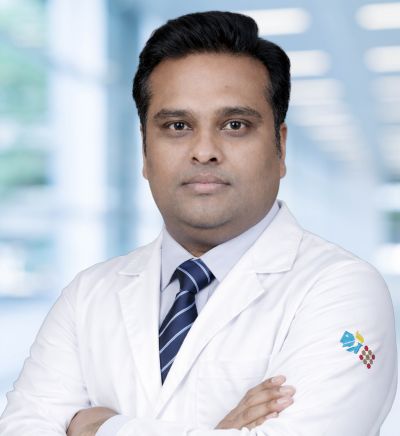
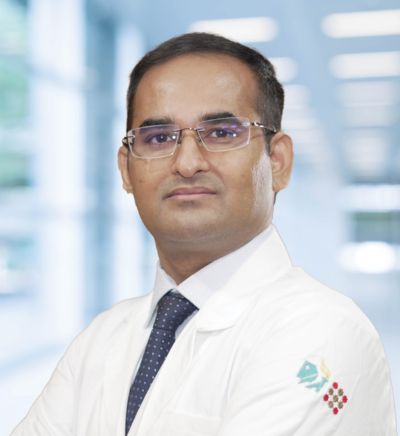
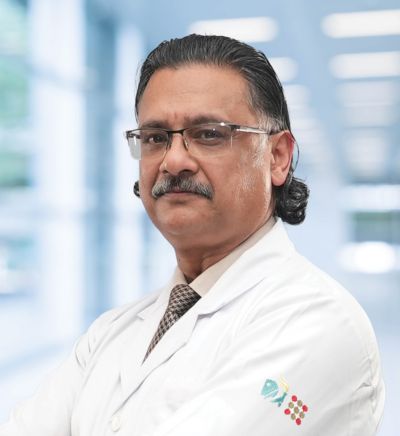
 K dispozícii v nedeľu
Informácie uvedené na tejto stránke slúžia len na všeobecné informačné a vzdelávacie účely. Hoci vynakladáme primerané úsilie, aby sme zabezpečili presnosť, spoľahlivosť a pravidelnú kontrolu informácií, nemali by sa považovať za náhradu odbornej lekárskej pomoci, diagnózy alebo liečby.
Vhodnosť lekárskeho zákroku spolu s jeho výhodami, rizikami, prípravou, rekonvalescenciou, potenciálnymi komplikáciami a očakávanými výsledkami sa môže u jednotlivých osôb líšiť. Váš zdravotnícky pracovník určí, či je zákrok vhodný na základe vášho individuálneho stavu a anamnézy.
Pred rozhodnutím o akomkoľvek lekárskom zákroku sa poraďte s kvalifikovaným zdravotníckym pracovníkom, ktorý vám poskytne osobné poradenstvo.
Viac informácií o tom, ako sa náš lekársky obsah vytvára, kontroluje, aktualizuje a udržiava, nájdete v našich [Redakčných zásadách].



 Najlepšia nemocnica v okolí Chennai
Najlepšia nemocnica v okolí Bangalore
Najlepšia nemocnica v okolí Hyderabad
Najlepšia nemocnica v okolí Bombaj
Najlepšia nemocnica v mojom okolí Dillí
Najlepšia nemocnica v okolí Kalkata
Najlepšia nemocnica v okolí Pune
Najlepšia nemocnica v okolí Ahmadábádu
Najlepšia nemocnica v okolí Bhubaneswar
Najlepšia nemocnica v okolí Bilaspur
Najlepšia nemocnica v okolí Guwahati
Najlepšia nemocnica v mojom okolí v Indore
Najlepšia nemocnica v okolí Kochi
Najlepšia nemocnica v okolí Lucknow
Najlepšia nemocnica v okolí Madurai
Najlepšia nemocnica v okolí Mysore
Najlepšia nemocnica v okolí Nashik
Najlepšia nemocnica v mojom okolí v Noide
Najlepšia nemocnica v mojom okolí Rourkela
Najlepšia nemocnica v mojom okolí Visakhapatnam
Kardiológ v mojom okolí v Chennai
Kardiológ v mojom okolí v Bangalore
Kardiológ v mojom okolí v Hyderabade
Kardiológ v mojom okolí v Bombaji
Kardiológ v mojom okolí v Dillí
Kardiológ v mojom okolí v Kalkate
Kardiológ v mojom okolí v Pune
Kardiológ v mojom okolí v Ahmadábáde
Kardiológ v mojom okolí v Bhubaneswar
Kardiológ v mojom okolí v Bilaspure
Kardiológ v mojom okolí v Guwahati
Kardiológ v mojom okolí v Indore
Kardiológ v mojom okolí v Kochi
Kardiológ v mojom okolí v Lucknow
Kardiológ v mojom okolí v Madurai
Kardiológ v mojom okolí v Mysore
Kardiológ v mojom okolí v Nashiku
Kardiológ v mojom okolí v Noide
Kardiológ v mojom okolí v Rourkela
Kardiológ v mojom okolí vo Visakhapatname
Neurológ v mojom okolí v Chennai
Neurológ v mojom okolí v Bangalore
Neurológ v mojom okolí v Hyderabade
Neurológ v mojom okolí v Bombaji
Neurológ v mojom okolí v Dillí
Neurológ v mojom okolí v Kalkate
Neurológ v mojom okolí v Ahmedabáde
Neurológ v mojom okolí v Bhubaneswar
Neurológ v mojom okolí v Bilaspure
Neurológ v mojom okolí v Guwahati
Neurológ v mojom okolí v Indore
Neurológ v mojom okolí v Kochi
Neurológ v mojom okolí v Lucknow
Neurológ v mojom okolí v Madurai
Neurológ v mojom okolí v Mysore
Neurológ v mojom okolí v Nashiku
Neurológ v mojom okolí v Noide
Neurológ v mojom okolí v Rourkela
Neurológ v mojom okolí vo Visakhapatname
Ortopéd v mojom okolí v Chennai
Ortopéd v mojom okolí v Bangalore
Ortopéd v mojom okolí v Hyderabade
Ortopéd v mojom okolí v Bombaji
Ortopéd v mojom okolí v Dillí
Ortopéd v mojom okolí v Kalkate
Ortopéd v mojom okolí v Pune
Ortopéd v mojom okolí v Ahmedabáde
Ortopéd v mojom okolí v Bhubaneswar
Ortopéd v mojom okolí v Bilaspure
Ortopéd v mojom okolí v Guwahati
Ortopéd v mojom okolí v Indore
Ortopéd v mojom okolí v Kochi
Ortopéd v mojom okolí v Lucknow
Ortopéd v mojom okolí v Madurai
Ortopéd v mojom okolí v Mysore
Ortopéd v mojom okolí v Nashiku
Ortopéd v mojom okolí v Noide
Ortopéd v mojom okolí v Rourkele
Ortopéd v mojom okolí vo Visakhapatname
Onkológ v mojom okolí v Chennai
Onkológ v mojom okolí v Bangalore
Onkológ v mojom okolí v Hyderabade
Onkológ v mojom okolí v Bombaji
Onkológ v mojom okolí v Dillí
Onkológ v mojom okolí v Kalkate
Onkológ v mojom okolí v Pune
Onkológ v mojom okolí v Ahmadábáde
Onkológ v mojom okolí v Bhubaneswar
Onkológ v mojom okolí v Bilaspure
Onkológ v mojom okolí v Guwahati
Onkológ v mojom okolí v Indore
Onkológ v mojom okolí v Kochi
Onkológ v mojom okolí v Lucknow
Onkológ v mojom okolí v Madurai
Onkológ v mojom okolí v Mysore
Onkológ v mojom okolí v Nashiku
Onkológ v mojom okolí v Noide
Onkológ v mojom okolí v Rourkela
Gastroenterológ v mojom okolí v Chennai
Gastroenterológ v mojom okolí v Bangalore
Gastroenterológ v mojom okolí v Hyderabade
Gastroenterológ v mojom okolí v Bombaji
Gastroenterológ v mojom okolí v Dillí
Gastroenterológ v mojom okolí v Kalkate
Gastroenterológ v mojom okolí v Pune
Gastroenterológ v mojom okolí v Ahmedabáde
Gastroenterológ v mojom okolí v Bhubaneswar
Gastroenterológ v mojej blízkosti v Bilaspure
Gastroenterológ v mojom okolí v Guwahati
Gastroenterológ v mojom okolí v Indore
Gastroenterológ v mojom okolí v Kochi
Gastroenterológ v mojom okolí v Lucknow
Gastroenterológ v mojom okolí v Madurai
Gastroenterológ v mojom okolí v Mysore
Gastroenterológ v mojom okolí v Nashiku
Gastroenterológ v mojom okolí v Noide
Gastroenterológ v mojom okolí v Rourkela
Gastroenterológ v mojom okolí vo Visakhapatname
Transplantačný chirurg v mojom okolí v Chennai
Transplantačný chirurg v mojom okolí v Bangalore
Transplantačný chirurg v mojom okolí v Hyderabade
Transplantačný chirurg v mojom okolí v Bombaji
Transplantačný chirurg v mojom okolí v Dillí
Transplantačný chirurg v mojom okolí v Kalkate
Transplantačný chirurg v mojom okolí v Indore
Transplantačný chirurg v mojom okolí v Kochi
Transplantačný chirurg v mojom okolí v Lucknow
Transplantačný chirurg v mojom okolí v Mysore
ORL špecialista v mojom okolí v Chennai
ORL špecialista v mojom okolí v Bangalore
ORL špecialista v mojom okolí v Hyderabade
ORL špecialista v mojom okolí v Bombaji
ORL špecialista v mojom okolí v Dillí
ORL špecialista v mojom okolí v Kalkate
ORL špecialista v mojom okolí v Pune
ORL špecialista v mojom okolí v Ahmedabáde
ORL špecialista v mojom okolí v Bhubaneswar
ORL špecialista v mojej blízkosti v Bilaspure
ORL špecialista v mojom okolí v Guwahati
ORL špecialista v mojom okolí v Indore
ORL špecialista v mojom okolí v Kochi
ORL špecialista v mojom okolí v Lucknow
ORL špecialista v mojom okolí v Madurai
ORL špecialista v mojom okolí v Mysore
ORL špecialista v mojom okolí v Nashiku
ORL špecialista v mojom okolí v Noide
ORL špecialista v mojom okolí v Rourkela
ORL špecialista v mojom okolí vo Visakhapatname
Pneumológ v mojom okolí v Chennai
Pneumológ v mojom okolí v Bangalore
Pneumológ v mojom okolí v Hyderabade
Pneumológ v mojom okolí v Bombaji
Pneumológ v mojom okolí v Dillí
Pneumológ v mojom okolí v Kalkate
Pneumológ v mojom okolí v Ahmedabáde
Pneumológ v mojom okolí v Bhubaneswar
Pneumológ v mojej blízkosti v Bilaspure
Pneumológ v mojom okolí v Guwahati
Pneumológ v mojom okolí v Indore
Pneumológ v mojom okolí v Kochi
Pneumológ v mojom okolí v Lucknow
Pneumológ v mojom okolí v Madurai
Pneumológ v mojom okolí v Mysore
Pneumológ v mojom okolí v Nashiku
Pneumológ v mojom okolí v Noide
Pulmonológ v mojom okolí v Rourkele
Pneumológ v mojom okolí vo Visakhapatname
Zubár v mojom okolí v Chennai
Zubár v mojom okolí v Bangalore
Zubár v mojom okolí v Hyderabade
Zubár v mojom okolí v Dillí
Zubár v mojom okolí v Kalkate
Zubár v mojom okolí v Ahmadábáde
Zubár v mojom okolí v Bhubaneswar
Zubár v mojom okolí v Bilaspure
Zubár v mojom okolí v Guwahati
Zubár v mojom okolí v Kochi
Zubár v mojom okolí v Lucknow
Zubár v mojom okolí v Madurai
Zubár v mojom okolí v Nashiku
Zubár v mojom okolí v Noide
Zubár v mojom okolí v Rourkela
Zubár v mojom okolí vo Visakhapatname
Pediater v mojom okolí v Chennai
Pediater v mojom okolí v Bangalore
Pediater v mojom okolí v Hyderabade
Pediater v mojom okolí v Bombaji
Pediater v mojom okolí v Dillí
Pediater v mojom okolí v Kalkate
Pediater v mojom okolí v Pune
Pediater v mojom okolí v Ahmadábáde
Pediater v mojom okolí v Bhubaneswar
Pediater v mojom okolí v Bilaspure
Pediater v mojom okolí v Guwahati
Pediater v mojom okolí v Indore
Pediater v mojom okolí v Kochi
Pediater v mojom okolí v Lucknow
Pediater v mojom okolí v Madurai
Pediater v mojom okolí v Mysore
Pediater v mojom okolí v Nashiku
Pediater v mojom okolí v Noide
Pediater v mojom okolí vo Visakhapatname
Dermatológ v mojom okolí v Chennai
Dermatológ v mojom okolí v Bangalore
Dermatológ v mojom okolí v Hyderabade
Dermatológ v mojom okolí v Dillí
Dermatológ v mojom okolí v Kalkate
Dermatológ v mojom okolí v Ahmadábáde
Dermatológ v mojom okolí v Bhubaneswar
Dermatológ v mojom okolí v Bilaspure
Dermatológ v mojom okolí v Guwahati
Dermatológ v mojom okolí v Indore
Dermatológ v mojom okolí v Kochi
Dermatológ v mojom okolí v Lucknow
Dermatológ v mojom okolí v Madurai
Dermatológ v mojom okolí v Mysore
Dermatológ v mojom okolí v Noide
Dermatológ v mojom okolí vo Visakhapatname
Urológ v mojom okolí v Chennai
Urológ v mojom okolí v Bangalore
Urológ v mojom okolí v Hyderabade
Urológ v mojom okolí v Dillí
Urológ v mojom okolí v Kalkate
Urológ v mojom okolí v Pune
Urológ v mojom okolí v Ahmadábáde
Urológ v mojom okolí v Bhubaneswar
Urológ v mojej blízkosti v Bilaspure
Urológ v mojom okolí v Guwahati
Urológ v mojom okolí v Indore
Urológ v mojom okolí v Kochi
Urológ v mojom okolí v Lucknow
Urológ v mojom okolí v Madurai
Urológ v mojom okolí v Mysore
Urológ v mojom okolí v Nashiku
Urológ v mojom okolí v Noide
Urológ v mojom okolí v Rourkela
Urológ v mojom okolí vo Visakhapatname
Endokrinológ a diabetológ v mojom okolí v Chennai
Endokrinológ a diabetológ v mojom okolí v Bangalore
Endokrinológ a diabetológ v mojom okolí v Hyderabade
Endokrinológ a diabetológ v mojom okolí v Bombaji
Endokrinológ a diabetológ v mojom okolí v Dillí
Endokrinológ a diabetológ v mojom okolí v Kalkate
Endokrinológ a diabetológ v mojom okolí v Pune
Endokrinológ a diabetológ v mojom okolí v Ahmedabáde
Endokrinológ a diabetológ v mojom okolí v Bhubanesware
Endokrinológ a diabetológ v mojej blízkosti v Bilaspure
Endokrinológ a diabetológ v mojom okolí v Guwahati
Endokrinológ a diabetológ v mojom okolí v Indore
Endokrinológ a diabetológ v mojom okolí v Kochi
Endokrinológ a diabetológ v mojom okolí v Lucknow
Endokrinológ a diabetológ v mojom okolí v Madurai
Endokrinológ a diabetológ v mojom okolí v Mysore
Endokrinológ a diabetológ v mojom okolí v Noide
Endokrinológ a diabetológ v mojom okolí v Rourkela
Endokrinológ a diabetológ v mojom okolí vo Visakhapatname
Gynekológ v mojom okolí v Chennai
Gynekológ v mojom okolí v Bangalore
Gynekológ v mojom okolí v Hyderabade
Gynekológ v mojom okolí v Bombaji
Gynekológ v mojom okolí v Dillí
Gynekológ v mojom okolí v Kalkate
Gynekológ v mojom okolí v Ahmedabáde
Gynekológ v mojom okolí v Bhubaneswar
Gynekológ v mojom okolí v Bilaspure
Gynekológ v mojom okolí v Guwahati
Gynekológ v mojom okolí v Indore
Gynekológ v mojom okolí v Kochi
Gynekológ v mojom okolí v Lucknow
Gynekológ v mojom okolí v Madurai
Gynekológ v mojom okolí v Mysore
Gynekológ v mojom okolí v Nashiku
Gynekológ v mojom okolí v Noide
Gynekológ v mojom okolí v Rourkela
Gynekológ v mojom okolí vo Visakhapatname
Všeobecný lekár v mojom okolí v Chennai
Všeobecný lekár v mojom okolí v Bangalore
Všeobecný lekár v mojom okolí v Hyderabade
Všeobecný lekár v mojom okolí v Bombaji
Všeobecný lekár v mojom okolí v Dillí
Všeobecný lekár v mojom okolí v Kalkate
Všeobecný lekár v mojom okolí v Pune
Všeobecný lekár v mojom okolí v Ahmedabáde
Všeobecný lekár v mojom okolí v Bhubaneswar
Všeobecný lekár v mojej blízkosti v Bilaspure
Všeobecný lekár v mojom okolí v Guwahati
Všeobecný lekár v mojom okolí v Indore
Všeobecný lekár v mojom okolí v Kochi
Všeobecný lekár v mojom okolí v Lucknow
Všeobecný lekár v mojom okolí v Madurai
Všeobecný lekár v mojom okolí v Mysore
Všeobecný lekár v mojom okolí v Nashiku
Všeobecný lekár v mojom okolí v Noide
Všeobecný lekár v mojom okolí vo Visakhapatname
Psychológ v mojom okolí v Chennai
Psychológ v mojom okolí v Bangalore
Psychológ v mojom okolí v Hyderabade
Psychológ v mojom okolí v Bombaji
Psychológ v mojom okolí v Dillí
Psychológ v mojom okolí v Kalkate
Psychológ v mojom okolí v Ahmadábáde
Psychológ v mojom okolí v Bhubaneswar
Psychológ v mojom okolí v Bilaspure
Psychológ v mojom okolí v Guwahati
Psychológ v mojom okolí v Indore
Psychológ v mojom okolí v Kochi
Psychológ v mojom okolí v Lucknow
Psychológ v mojom okolí v Madurai
Psychológ v mojom okolí v Mysore
Psychológ v mojom okolí v Nashiku
Psychológ v mojom okolí v Noide
Psychológ v mojom okolí vo Visakhapatname
Všeobecný chirurg v mojom okolí v Chennai
Všeobecný chirurg v mojom okolí v Bangalore
Všeobecný chirurg v mojom okolí v Hyderabade
Všeobecný chirurg v mojom okolí v Bombaji
Všeobecný chirurg v mojom okolí v Dillí
Všeobecný chirurg v mojom okolí v Kalkate
Všeobecný chirurg v mojom okolí v Pune
Všeobecný chirurg v mojom okolí v Ahmedabáde
Všeobecný chirurg v mojom okolí v Bhubaneswar
Všeobecný chirurg v mojej blízkosti v Bilaspure
Všeobecný chirurg v mojom okolí v Guwahati
Všeobecný chirurg v mojom okolí v Indore
Všeobecný chirurg v mojom okolí v Lucknow
Všeobecný chirurg v mojom okolí v Madurai
Všeobecný chirurg v mojom okolí v Mysore
Všeobecný chirurg v mojom okolí v Nashiku
Všeobecný chirurg v mojom okolí v Noide
Všeobecný chirurg v mojom okolí v Rourkela
Najlepšia nemocnica v Karukutty, Cochin
Najlepšia nemocnica na Greams Road v Chennai
Najlepšia nemocnica v Kuvempunagar, Mysore
Najlepšia nemocnica v meste Vanagaram, Chennai
Najlepšia nemocnica v Teynampet, Chennai
Najlepšia nemocnica v OMR, Chennai
Najlepšia onkologická nemocnica v Bhat, Gandhinagar, Ahmedabad
Najlepšia onkologická nemocnica v Electronic City, Bangalore
Najlepšia onkologická nemocnica v Teynampet, Chennai
Najlepšia onkologická nemocnica v HSR Layout, Bangalore
Najlepšie centrum pre protónovú rakovinu v Chennai
Najlepšia detská nemocnica v Thousand Lights, Chennai
Najlepšia ženská nemocnica v Thousand Lights, Chennai
Najlepšia nemocnica v Paschim Boragaon, Guwahati
Najlepšia nemocnica na PH Road v Chennai
Najlepšie kardiologické centrum v Thousand Lights, Chennai
Najlepšia nemocnica v Jubilee Hills, Hyderabad
Najlepšia nemocnica v Tondiarpet, Chennai
Najlepšia nemocnica v Kotturpurame, Chennai
Najlepšia nemocnica v Kovai Road, Karur
Najlepšia nemocnica v Karapakkame, Chennai
Najlepšia nemocnica v Arilove, Vizag
Najlepšia nemocnica na Kanpur Road v Lucknow
Najlepšia nemocnica v sektore 26 v Noide
Najlepšia nemocnica v Gandhinagar, Ahmedabad
Najlepšia nemocnica v Aragonde, Ándhrapradéš
Najlepšia nemocnica na Bannerghatta Road v Bangalore
Najlepšia nemocnica v Unit-15, Bhubaneswar
Najlepšia nemocnica na Seepat Road, Bilaspur
Najlepšia nemocnica v Ellisbridge, Ahmedabad
Najlepšia nemocnica v Novom Dillí
Najlepšia nemocnica v DRDO, Hyderabad
Najlepšia nemocnica na GS Road v Guwahati
Najlepšia nemocnica v Hydergude, Hyderabad
Najlepšia nemocnica vo Vijay Nagar, Indore
Najlepšia nemocnica na hlavnej ceste Suryaraopeta v Kakinade
Najlepšia nemocnica na Canal Circular Road v Kalkate
Najlepšia nemocnica v CBD Belapur, Navi Mumbai
Najlepšia nemocnica v Panchavati, Nashik
Najlepšia nemocnica v Secunderabade, Hyderabad
Najlepšia nemocnica v Seshadripuram, Bangalore
Najlepšia nemocnica na Waltair Main Road, Visakhapatnam
Najlepšia nemocnica v Subhash Nagar Road, Karimnagar
Najlepšia nemocnica v Managari, Karaikudi
Najlepšia nemocnica v Arepally, Warangal
Najlepšia nemocnica v Arera Colony, Bhopal
Najlepšia nemocnica v Jayanagar, Bangalore
Najlepšia nemocnica v KK Nagar, Madurai
Najlepšia nemocnica v Ramji Nagar, Nellore
Najlepšia nemocnica v sektore 19, Rourkela
Najlepšia nemocnica v Swargate, Pune
Najlepšia onkologická nemocnica pre ženy v južnom Dillí
CABG
CAR T bunková terapia
Laparoskopická cholecystektómia
Hysterektómia
Transplantácia obličky
Mimotelová litotripsia rázovou vlnou
Transplantácia pečene
Transplantácia pľúc
Hip artroskopia
Celková náhrada bedrového kĺbu
Protonová terapia
Minimálne invazívna totálna náhrada kolena Subvastus
Výmena kolena v dennej starostlivosti o zrýchlenú liečbu
Gumová gastroduktómia
Operácia Lasik
Operácia nosa
liposukcia
Koronárny angiogram
Výmena katétra aortálneho ventilu
Oprava ventilu MitraClip
Minimálne invazívna srdcová chirurgia
Katétrová ablácia
Rekonštrukčná chirurgia ACL
Výmena ramenného ramena
Ablácia endometria
Embolizácia maternicových tepien
Cystektómia vaječníkov
Chirurgia rakoviny prsníka
brachyterapia
kolonoskopia
polypektómia
Hlboká stimulácia mozgu
Peritoneálna dialýza
Biopsia obličiek
Paratyroidektómia
Cytoreduktívna chirurgia
Keramická totálna náhrada kolena
ERCP
Najlepšia nemocnica v okolí Chennai
Najlepšia nemocnica v okolí Bangalore
Najlepšia nemocnica v okolí Hyderabad
Najlepšia nemocnica v okolí Bombaj
Najlepšia nemocnica v mojom okolí Dillí
Najlepšia nemocnica v okolí Kalkata
Najlepšia nemocnica v okolí Pune
Najlepšia nemocnica v okolí Ahmadábádu
Najlepšia nemocnica v okolí Bhubaneswar
Najlepšia nemocnica v okolí Bilaspur
Najlepšia nemocnica v okolí Guwahati
Najlepšia nemocnica v mojom okolí v Indore
Najlepšia nemocnica v okolí Kochi
Najlepšia nemocnica v okolí Lucknow
Najlepšia nemocnica v okolí Madurai
Najlepšia nemocnica v okolí Mysore
Najlepšia nemocnica v okolí Nashik
Najlepšia nemocnica v mojom okolí v Noide
Najlepšia nemocnica v mojom okolí Rourkela
Najlepšia nemocnica v mojom okolí Visakhapatnam
Kardiológ v mojom okolí v Chennai
Kardiológ v mojom okolí v Bangalore
Kardiológ v mojom okolí v Hyderabade
Kardiológ v mojom okolí v Bombaji
Kardiológ v mojom okolí v Dillí
Kardiológ v mojom okolí v Kalkate
Kardiológ v mojom okolí v Pune
Kardiológ v mojom okolí v Ahmadábáde
Kardiológ v mojom okolí v Bhubaneswar
Kardiológ v mojom okolí v Bilaspure
Kardiológ v mojom okolí v Guwahati
Kardiológ v mojom okolí v Indore
Kardiológ v mojom okolí v Kochi
Kardiológ v mojom okolí v Lucknow
Kardiológ v mojom okolí v Madurai
Kardiológ v mojom okolí v Mysore
Kardiológ v mojom okolí v Nashiku
Kardiológ v mojom okolí v Noide
Kardiológ v mojom okolí v Rourkela
Kardiológ v mojom okolí vo Visakhapatname
Neurológ v mojom okolí v Chennai
Neurológ v mojom okolí v Bangalore
Neurológ v mojom okolí v Hyderabade
Neurológ v mojom okolí v Bombaji
Neurológ v mojom okolí v Dillí
Neurológ v mojom okolí v Kalkate
Neurológ v mojom okolí v Ahmedabáde
Neurológ v mojom okolí v Bhubaneswar
Neurológ v mojom okolí v Bilaspure
Neurológ v mojom okolí v Guwahati
Neurológ v mojom okolí v Indore
Neurológ v mojom okolí v Kochi
Neurológ v mojom okolí v Lucknow
Neurológ v mojom okolí v Madurai
Neurológ v mojom okolí v Mysore
Neurológ v mojom okolí v Nashiku
Neurológ v mojom okolí v Noide
Neurológ v mojom okolí v Rourkela
Neurológ v mojom okolí vo Visakhapatname
Ortopéd v mojom okolí v Chennai
Ortopéd v mojom okolí v Bangalore
Ortopéd v mojom okolí v Hyderabade
Ortopéd v mojom okolí v Bombaji
Ortopéd v mojom okolí v Dillí
Ortopéd v mojom okolí v Kalkate
Ortopéd v mojom okolí v Pune
Ortopéd v mojom okolí v Ahmedabáde
Ortopéd v mojom okolí v Bhubaneswar
Ortopéd v mojom okolí v Bilaspure
Ortopéd v mojom okolí v Guwahati
Ortopéd v mojom okolí v Indore
Ortopéd v mojom okolí v Kochi
Ortopéd v mojom okolí v Lucknow
Ortopéd v mojom okolí v Madurai
Ortopéd v mojom okolí v Mysore
Ortopéd v mojom okolí v Nashiku
Ortopéd v mojom okolí v Noide
Ortopéd v mojom okolí v Rourkele
Ortopéd v mojom okolí vo Visakhapatname
Onkológ v mojom okolí v Chennai
Onkológ v mojom okolí v Bangalore
Onkológ v mojom okolí v Hyderabade
Onkológ v mojom okolí v Bombaji
Onkológ v mojom okolí v Dillí
Onkológ v mojom okolí v Kalkate
Onkológ v mojom okolí v Pune
Onkológ v mojom okolí v Ahmadábáde
Onkológ v mojom okolí v Bhubaneswar
Onkológ v mojom okolí v Bilaspure
Onkológ v mojom okolí v Guwahati
Onkológ v mojom okolí v Indore
Onkológ v mojom okolí v Kochi
Onkológ v mojom okolí v Lucknow
Onkológ v mojom okolí v Madurai
Onkológ v mojom okolí v Mysore
Onkológ v mojom okolí v Nashiku
Onkológ v mojom okolí v Noide
Onkológ v mojom okolí v Rourkela
Gastroenterológ v mojom okolí v Chennai
Gastroenterológ v mojom okolí v Bangalore
Gastroenterológ v mojom okolí v Hyderabade
Gastroenterológ v mojom okolí v Bombaji
Gastroenterológ v mojom okolí v Dillí
Gastroenterológ v mojom okolí v Kalkate
Gastroenterológ v mojom okolí v Pune
Gastroenterológ v mojom okolí v Ahmedabáde
Gastroenterológ v mojom okolí v Bhubaneswar
Gastroenterológ v mojej blízkosti v Bilaspure
Gastroenterológ v mojom okolí v Guwahati
Gastroenterológ v mojom okolí v Indore
Gastroenterológ v mojom okolí v Kochi
Gastroenterológ v mojom okolí v Lucknow
Gastroenterológ v mojom okolí v Madurai
Gastroenterológ v mojom okolí v Mysore
Gastroenterológ v mojom okolí v Nashiku
Gastroenterológ v mojom okolí v Noide
Gastroenterológ v mojom okolí v Rourkela
Gastroenterológ v mojom okolí vo Visakhapatname
Transplantačný chirurg v mojom okolí v Chennai
Transplantačný chirurg v mojom okolí v Bangalore
Transplantačný chirurg v mojom okolí v Hyderabade
Transplantačný chirurg v mojom okolí v Bombaji
Transplantačný chirurg v mojom okolí v Dillí
Transplantačný chirurg v mojom okolí v Kalkate
Transplantačný chirurg v mojom okolí v Indore
Transplantačný chirurg v mojom okolí v Kochi
Transplantačný chirurg v mojom okolí v Lucknow
Transplantačný chirurg v mojom okolí v Mysore
ORL špecialista v mojom okolí v Chennai
ORL špecialista v mojom okolí v Bangalore
ORL špecialista v mojom okolí v Hyderabade
ORL špecialista v mojom okolí v Bombaji
ORL špecialista v mojom okolí v Dillí
ORL špecialista v mojom okolí v Kalkate
ORL špecialista v mojom okolí v Pune
ORL špecialista v mojom okolí v Ahmedabáde
ORL špecialista v mojom okolí v Bhubaneswar
ORL špecialista v mojej blízkosti v Bilaspure
ORL špecialista v mojom okolí v Guwahati
ORL špecialista v mojom okolí v Indore
ORL špecialista v mojom okolí v Kochi
ORL špecialista v mojom okolí v Lucknow
ORL špecialista v mojom okolí v Madurai
ORL špecialista v mojom okolí v Mysore
ORL špecialista v mojom okolí v Nashiku
ORL špecialista v mojom okolí v Noide
ORL špecialista v mojom okolí v Rourkela
ORL špecialista v mojom okolí vo Visakhapatname
Pneumológ v mojom okolí v Chennai
Pneumológ v mojom okolí v Bangalore
Pneumológ v mojom okolí v Hyderabade
Pneumológ v mojom okolí v Bombaji
Pneumológ v mojom okolí v Dillí
Pneumológ v mojom okolí v Kalkate
Pneumológ v mojom okolí v Ahmedabáde
Pneumológ v mojom okolí v Bhubaneswar
Pneumológ v mojej blízkosti v Bilaspure
Pneumológ v mojom okolí v Guwahati
Pneumológ v mojom okolí v Indore
Pneumológ v mojom okolí v Kochi
Pneumológ v mojom okolí v Lucknow
Pneumológ v mojom okolí v Madurai
Pneumológ v mojom okolí v Mysore
Pneumológ v mojom okolí v Nashiku
Pneumológ v mojom okolí v Noide
Pulmonológ v mojom okolí v Rourkele
Pneumológ v mojom okolí vo Visakhapatname
Zubár v mojom okolí v Chennai
Zubár v mojom okolí v Bangalore
Zubár v mojom okolí v Hyderabade
Zubár v mojom okolí v Dillí
Zubár v mojom okolí v Kalkate
Zubár v mojom okolí v Ahmadábáde
Zubár v mojom okolí v Bhubaneswar
Zubár v mojom okolí v Bilaspure
Zubár v mojom okolí v Guwahati
Zubár v mojom okolí v Kochi
Zubár v mojom okolí v Lucknow
Zubár v mojom okolí v Madurai
Zubár v mojom okolí v Nashiku
Zubár v mojom okolí v Noide
Zubár v mojom okolí v Rourkela
Zubár v mojom okolí vo Visakhapatname
Pediater v mojom okolí v Chennai
Pediater v mojom okolí v Bangalore
Pediater v mojom okolí v Hyderabade
Pediater v mojom okolí v Bombaji
Pediater v mojom okolí v Dillí
Pediater v mojom okolí v Kalkate
Pediater v mojom okolí v Pune
Pediater v mojom okolí v Ahmadábáde
Pediater v mojom okolí v Bhubaneswar
Pediater v mojom okolí v Bilaspure
Pediater v mojom okolí v Guwahati
Pediater v mojom okolí v Indore
Pediater v mojom okolí v Kochi
Pediater v mojom okolí v Lucknow
Pediater v mojom okolí v Madurai
Pediater v mojom okolí v Mysore
Pediater v mojom okolí v Nashiku
Pediater v mojom okolí v Noide
Pediater v mojom okolí vo Visakhapatname
Dermatológ v mojom okolí v Chennai
Dermatológ v mojom okolí v Bangalore
Dermatológ v mojom okolí v Hyderabade
Dermatológ v mojom okolí v Dillí
Dermatológ v mojom okolí v Kalkate
Dermatológ v mojom okolí v Ahmadábáde
Dermatológ v mojom okolí v Bhubaneswar
Dermatológ v mojom okolí v Bilaspure
Dermatológ v mojom okolí v Guwahati
Dermatológ v mojom okolí v Indore
Dermatológ v mojom okolí v Kochi
Dermatológ v mojom okolí v Lucknow
Dermatológ v mojom okolí v Madurai
Dermatológ v mojom okolí v Mysore
Dermatológ v mojom okolí v Noide
Dermatológ v mojom okolí vo Visakhapatname
Urológ v mojom okolí v Chennai
Urológ v mojom okolí v Bangalore
Urológ v mojom okolí v Hyderabade
Urológ v mojom okolí v Dillí
Urológ v mojom okolí v Kalkate
Urológ v mojom okolí v Pune
Urológ v mojom okolí v Ahmadábáde
Urológ v mojom okolí v Bhubaneswar
Urológ v mojej blízkosti v Bilaspure
Urológ v mojom okolí v Guwahati
Urológ v mojom okolí v Indore
Urológ v mojom okolí v Kochi
Urológ v mojom okolí v Lucknow
Urológ v mojom okolí v Madurai
Urológ v mojom okolí v Mysore
Urológ v mojom okolí v Nashiku
Urológ v mojom okolí v Noide
Urológ v mojom okolí v Rourkela
Urológ v mojom okolí vo Visakhapatname
Endokrinológ a diabetológ v mojom okolí v Chennai
Endokrinológ a diabetológ v mojom okolí v Bangalore
Endokrinológ a diabetológ v mojom okolí v Hyderabade
Endokrinológ a diabetológ v mojom okolí v Bombaji
Endokrinológ a diabetológ v mojom okolí v Dillí
Endokrinológ a diabetológ v mojom okolí v Kalkate
Endokrinológ a diabetológ v mojom okolí v Pune
Endokrinológ a diabetológ v mojom okolí v Ahmedabáde
Endokrinológ a diabetológ v mojom okolí v Bhubanesware
Endokrinológ a diabetológ v mojej blízkosti v Bilaspure
Endokrinológ a diabetológ v mojom okolí v Guwahati
Endokrinológ a diabetológ v mojom okolí v Indore
Endokrinológ a diabetológ v mojom okolí v Kochi
Endokrinológ a diabetológ v mojom okolí v Lucknow
Endokrinológ a diabetológ v mojom okolí v Madurai
Endokrinológ a diabetológ v mojom okolí v Mysore
Endokrinológ a diabetológ v mojom okolí v Noide
Endokrinológ a diabetológ v mojom okolí v Rourkela
Endokrinológ a diabetológ v mojom okolí vo Visakhapatname
Gynekológ v mojom okolí v Chennai
Gynekológ v mojom okolí v Bangalore
Gynekológ v mojom okolí v Hyderabade
Gynekológ v mojom okolí v Bombaji
Gynekológ v mojom okolí v Dillí
Gynekológ v mojom okolí v Kalkate
Gynekológ v mojom okolí v Ahmedabáde
Gynekológ v mojom okolí v Bhubaneswar
Gynekológ v mojom okolí v Bilaspure
Gynekológ v mojom okolí v Guwahati
Gynekológ v mojom okolí v Indore
Gynekológ v mojom okolí v Kochi
Gynekológ v mojom okolí v Lucknow
Gynekológ v mojom okolí v Madurai
Gynekológ v mojom okolí v Mysore
Gynekológ v mojom okolí v Nashiku
Gynekológ v mojom okolí v Noide
Gynekológ v mojom okolí v Rourkela
Gynekológ v mojom okolí vo Visakhapatname
Všeobecný lekár v mojom okolí v Chennai
Všeobecný lekár v mojom okolí v Bangalore
Všeobecný lekár v mojom okolí v Hyderabade
Všeobecný lekár v mojom okolí v Bombaji
Všeobecný lekár v mojom okolí v Dillí
Všeobecný lekár v mojom okolí v Kalkate
Všeobecný lekár v mojom okolí v Pune
Všeobecný lekár v mojom okolí v Ahmedabáde
Všeobecný lekár v mojom okolí v Bhubaneswar
Všeobecný lekár v mojej blízkosti v Bilaspure
Všeobecný lekár v mojom okolí v Guwahati
Všeobecný lekár v mojom okolí v Indore
Všeobecný lekár v mojom okolí v Kochi
Všeobecný lekár v mojom okolí v Lucknow
Všeobecný lekár v mojom okolí v Madurai
Všeobecný lekár v mojom okolí v Mysore
Všeobecný lekár v mojom okolí v Nashiku
Všeobecný lekár v mojom okolí v Noide
Všeobecný lekár v mojom okolí vo Visakhapatname
Psychológ v mojom okolí v Chennai
Psychológ v mojom okolí v Bangalore
Psychológ v mojom okolí v Hyderabade
Psychológ v mojom okolí v Bombaji
Psychológ v mojom okolí v Dillí
Psychológ v mojom okolí v Kalkate
Psychológ v mojom okolí v Ahmadábáde
Psychológ v mojom okolí v Bhubaneswar
Psychológ v mojom okolí v Bilaspure
Psychológ v mojom okolí v Guwahati
Psychológ v mojom okolí v Indore
Psychológ v mojom okolí v Kochi
Psychológ v mojom okolí v Lucknow
Psychológ v mojom okolí v Madurai
Psychológ v mojom okolí v Mysore
Psychológ v mojom okolí v Nashiku
Psychológ v mojom okolí v Noide
Psychológ v mojom okolí vo Visakhapatname
Všeobecný chirurg v mojom okolí v Chennai
Všeobecný chirurg v mojom okolí v Bangalore
Všeobecný chirurg v mojom okolí v Hyderabade
Všeobecný chirurg v mojom okolí v Bombaji
Všeobecný chirurg v mojom okolí v Dillí
Všeobecný chirurg v mojom okolí v Kalkate
Všeobecný chirurg v mojom okolí v Pune
Všeobecný chirurg v mojom okolí v Ahmedabáde
Všeobecný chirurg v mojom okolí v Bhubaneswar
Všeobecný chirurg v mojej blízkosti v Bilaspure
Všeobecný chirurg v mojom okolí v Guwahati
Všeobecný chirurg v mojom okolí v Indore
Všeobecný chirurg v mojom okolí v Lucknow
Všeobecný chirurg v mojom okolí v Madurai
Všeobecný chirurg v mojom okolí v Mysore
Všeobecný chirurg v mojom okolí v Nashiku
Všeobecný chirurg v mojom okolí v Noide
Všeobecný chirurg v mojom okolí v Rourkela
Najlepšia nemocnica v Karukutty, Cochin
Najlepšia nemocnica na Greams Road v Chennai
Najlepšia nemocnica v Kuvempunagar, Mysore
Najlepšia nemocnica v meste Vanagaram, Chennai
Najlepšia nemocnica v Teynampet, Chennai
Najlepšia nemocnica v OMR, Chennai
Najlepšia onkologická nemocnica v Bhat, Gandhinagar, Ahmedabad
Najlepšia onkologická nemocnica v Electronic City, Bangalore
Najlepšia onkologická nemocnica v Teynampet, Chennai
Najlepšia onkologická nemocnica v HSR Layout, Bangalore
Najlepšie centrum pre protónovú rakovinu v Chennai
Najlepšia detská nemocnica v Thousand Lights, Chennai
Najlepšia ženská nemocnica v Thousand Lights, Chennai
Najlepšia nemocnica v Paschim Boragaon, Guwahati
Najlepšia nemocnica na PH Road v Chennai
Najlepšie kardiologické centrum v Thousand Lights, Chennai
Najlepšia nemocnica v Jubilee Hills, Hyderabad
Najlepšia nemocnica v Tondiarpet, Chennai
Najlepšia nemocnica v Kotturpurame, Chennai
Najlepšia nemocnica v Kovai Road, Karur
Najlepšia nemocnica v Karapakkame, Chennai
Najlepšia nemocnica v Arilove, Vizag
Najlepšia nemocnica na Kanpur Road v Lucknow
Najlepšia nemocnica v sektore 26 v Noide
Najlepšia nemocnica v Gandhinagar, Ahmedabad
Najlepšia nemocnica v Aragonde, Ándhrapradéš
Najlepšia nemocnica na Bannerghatta Road v Bangalore
Najlepšia nemocnica v Unit-15, Bhubaneswar
Najlepšia nemocnica na Seepat Road, Bilaspur
Najlepšia nemocnica v Ellisbridge, Ahmedabad
Najlepšia nemocnica v Novom Dillí
Najlepšia nemocnica v DRDO, Hyderabad
Najlepšia nemocnica na GS Road v Guwahati
Najlepšia nemocnica v Hydergude, Hyderabad
Najlepšia nemocnica vo Vijay Nagar, Indore
Najlepšia nemocnica na hlavnej ceste Suryaraopeta v Kakinade
Najlepšia nemocnica na Canal Circular Road v Kalkate
Najlepšia nemocnica v CBD Belapur, Navi Mumbai
Najlepšia nemocnica v Panchavati, Nashik
Najlepšia nemocnica v Secunderabade, Hyderabad
Najlepšia nemocnica v Seshadripuram, Bangalore
Najlepšia nemocnica na Waltair Main Road, Visakhapatnam
Najlepšia nemocnica v Subhash Nagar Road, Karimnagar
Najlepšia nemocnica v Managari, Karaikudi
Najlepšia nemocnica v Arepally, Warangal
Najlepšia nemocnica v Arera Colony, Bhopal
Najlepšia nemocnica v Jayanagar, Bangalore
Najlepšia nemocnica v KK Nagar, Madurai
Najlepšia nemocnica v Ramji Nagar, Nellore
Najlepšia nemocnica v sektore 19, Rourkela
Najlepšia nemocnica v Swargate, Pune
Najlepšia onkologická nemocnica pre ženy v južnom Dillí
CABG
CAR T bunková terapia
Laparoskopická cholecystektómia
Hysterektómia
Transplantácia obličky
Mimotelová litotripsia rázovou vlnou
Transplantácia pečene
Transplantácia pľúc
Hip artroskopia
Celková náhrada bedrového kĺbu
Protonová terapia
Minimálne invazívna totálna náhrada kolena Subvastus
Výmena kolena v dennej starostlivosti o zrýchlenú liečbu
Gumová gastroduktómia
Operácia Lasik
Operácia nosa
liposukcia
Koronárny angiogram
Výmena katétra aortálneho ventilu
Oprava ventilu MitraClip
Minimálne invazívna srdcová chirurgia
Katétrová ablácia
Rekonštrukčná chirurgia ACL
Výmena ramenného ramena
Ablácia endometria
Embolizácia maternicových tepien
Cystektómia vaječníkov
Chirurgia rakoviny prsníka
brachyterapia
kolonoskopia
polypektómia
Hlboká stimulácia mozgu
Peritoneálna dialýza
Biopsia obličiek
Paratyroidektómia
Cytoreduktívna chirurgia
Keramická totálna náhrada kolena
ERCP


