Yawunikidwa ndi Gulu Lolemba la Apollo
Yankho lofulumira
Nephrectomy, the surgical removal of a kidney, is a critical procedure that can significantly improve a patient's health and quality of life. At Apollo Hospitals Lucknow, we pride ourselves on our reputation for excellence in healthcare, utilizing cutting-edge technology and advanced surgical techniques.
Mfundo zazikuluzikulu
| Kayendesedwe | Ndondomeko |
| Specialty | Urology |
| Ipezeka pa | Apollo Hospitals, Lucknow |
| Nthawi za OPD | 9 am ku 4 pm |
| Kusankhidwa | 080 6999 1061 |
Why Patients Choose Apollo Hospitals, Lucknow for Nephrectomy
- Gawo la Apollo Hospitals Group, lomwe linakhazikitsidwa mu 1983 ? India's first corporate hospital chain, with over four decades of surgical experience across more than 70 hospitals nationwide and a group-wide history of complex urological and transplant surgery.
- A dedicated multidisciplinary kidney team ? urologists, uro-oncologists, nephrologists, interventional radiologists, pathologists, anaesthesiologists and critical care specialists reviewing cases together, so the decision between partial and radical nephrectomy is not taken by a single doctor alone. The current number of consultants on the Lucknow urology and nephrology roster is best confirmed with the hospital's appointment desk, as panels change.
- Alangizi akuluakulu omwe ali ndi zaka zambiri akugwira ntchito yochita opaleshoni in open, laparoscopic and minimally invasive kidney surgery, supported by fellows and resident cover.
- Diagnostic depth before surgery ? CT urography, contrast-enhanced imaging, nuclear renal scans (DTPA/DMSA) for split kidney function, and image-guided biopsy where indicated, so that a healthy kidney is never removed unnecessarily.
- Minimally invasive options where the tumour or disease allows, with laparoscopic access aiming at smaller incisions, less pain and earlier mobilisation than traditional open surgery.
- Nephron-sparing philosophy ? for small renal masses, partial nephrectomy is considered first wherever technically safe, in line with international and Indian urological guidance, to protect long-term kidney function.
- On-site dialysis and critical care backup, important for patients with reduced function in the remaining kidney, diabetes or hypertension.
- Njira zosamalira anthu zomwe zimakonzedwa malinga ndi zaka zawo ? paediatric kidney surgery (for example, for Wilms tumour or a non-functioning kidney from PUJ obstruction) planned with paediatric surgical and anaesthesia input; separate pre-anaesthetic optimisation for elderly patients with cardiac, diabetic or respiratory comorbidity.
- Structured rehabilitation advice for Indian daily life ? physiotherapy-guided return to squatting, floor sitting, Indian-style toilets, floor sleeping, temple stairs and gradual return to work, gym or field sport.
- Inshuwalansi ndi desiki ya TPA pamalopo for cashless pre-authorisation, plus support for CGHS, ECHS, Ayushman Bharat and corporate panels where applicable; eligibility is confirmed case by case.
- Malo otumizira anthu ku Uttar Pradesh kum'mawa ndi pakati, regularly seeing patients from Kanpur, Barabanki, Sitapur, Hardoi, Unnao, Rae Bareli, Sultanpur, Ayodhya, Gonda, Bahraich, Basti, Gorakhpur, Varanasi, Prayagraj, Jhansi and from Bihar and Nepal.
mwachidule
Nephrectomy, the surgical removal of a kidney, is a critical procedure that can significantly improve a patient's health and quality of life. At Apollo Hospitals Lucknow, we pride ourselves on our reputation for excellence in healthcare, utilizing cutting-edge technology and advanced surgical techniques. Our team of highly skilled surgeons and medical professionals is dedicated to providing personalized care, ensuring that each patient receives the attention and expertise they deserve. With a track record of successful outcomes, Apollo Hospitals Lucknow is one of the trusted hospitals for nephrectomy, where patient trust and satisfaction are paramount.
A nephrectomy may involve removing part of the kidney (partial nephrectomy), the whole kidney (simple nephrectomy), or the kidney along with surrounding fat and sometimes the adrenal gland and lymph nodes (radical nephrectomy). Most people live well with one healthy kidney, though lifelong monitoring of blood pressure, blood sugar, urine protein and creatinine is advised.
Chifukwa Nephrectomy Ndi Yofunika
Nephrectomy ingakhale yofunikira pazachipatala zosiyanasiyana, kuphatikizapo khansa ya impso, kuwonongeka kwakukulu kwa impso, kapena matenda aakulu a impso. Njirayi ingathenso kuchitidwa kuti achotse impso zomwe zimabweretsa zovuta, monga matenda obwerezabwereza kapena miyala ya impso.
The benefits of nephrectomy are substantial. By removing a diseased or dysfunctional kidney, patients can experience relief from symptoms, prevent the progression of disease, and in selected cases protect overall kidney health. In cases of kidney cancer, nephrectomy can be a life-saving intervention, allowing for the removal of cancerous tissue and reducing the risk of spread.
At Apollo Hospitals Lucknow, our kidney specialists work closely with patients to determine the necessity of nephrectomy and to develop a tailored treatment plan that aligns with their individual health needs.
Common indications seen in Indian practice include:
- Renal cell carcinoma and other kidney tumours
- Non-functioning or poorly functioning kidney from long-standing stone disease or PUJ obstruction
- Xanthogranulomatous pyelonephritis and pyonephrosis
- Genitourinary tuberculosis with a destroyed, non-functioning kidney ? still relevant in India
- Severe, uncontrollable renal trauma
- Renin-mediated hypertension from a small scarred kidney, in selected cases
- Donor nephrectomy in living-related kidney transplantation (a separate, healthy-donor pathway)
Zowopsa Zakuchedwa
Kuchedwetsa nephrectomy kungayambitse mavuto aakulu azaumoyo. Kwa odwala khansa ya impso, kuchedwetsa kansaluyo kungathandize kuti khansayo ikule ndi kufalikira, zomwe zimapangitsa kuti mankhwala azikhala ovuta komanso osagwira ntchito. Impso zikawonongeka kwambiri, kuchedwetsa opaleshoni kungayambitse kulephera kwa impso, kufunikira kwa dialysis kapena kumuika impso.
Moreover, chronic conditions such as recurrent infections or kidney stones can worsen over time, leading to increased pain, discomfort, and potential complications. A chronically infected non-functioning kidney can also seed infection elsewhere, and prolonged obstruction can damage the opposite kidney. Timely intervention is important to reduce these risks and to support the best possible outcomes. At Apollo Hospitals Lucknow, we emphasise early diagnosis and prompt treatment, guiding patients through their healthcare journey with expertise and compassion.
Ubwino wa Nephrectomy
- Kuchepetsa Zizindikiro: Many patients experience significant relief from symptoms such as pain, discomfort, and recurrent infections after the removal of a problematic kidney.
- Moyo Wawo Wawongoleredwa: With the resolution of kidney-related issues, patients often report an enhanced quality of life, allowing them to return to daily activities and a more active lifestyle.
- Kusamalira Khansa: For patients with localised kidney cancer, nephrectomy can be potentially curative and is the mainstay of treatment, though outcomes depend on stage, grade and individual factors.
- Kupewa Zovuta: By addressing underlying kidney issues, nephrectomy can help prevent further complications such as spreading infection or damage to the other kidney.
- Kusamalira Kwamakonda: At Apollo Hospitals Lucknow, we provide individualised care plans tailored to each patient's unique needs, aiming for the best achievable outcome.
Kukonzekera ndi Kuchira
Malangizo Okonzekera
- Kukambirana: Schedule a thorough consultation with our specialists to discuss your medical history, current health status, and any concerns about the procedure.
- Mayeso a Preoperative: Undergo necessary preoperative tests, including blood tests, imaging studies, and other evaluations, to assess your overall health and kidney function.
- Kasamalidwe ka Mankhwala: Inform your healthcare team about all medications, as some ? especially blood thinners, certain diabetes drugs and some Ayurvedic or herbal supplements ? may need adjustment or temporary stopping.
- Malingaliro a Zakudya: Follow dietary advice given by your team, which usually includes fasting for a set period before surgery.
Malangizo Obwezeretsa
- Chithandizo cha Postoperative: Follow your surgeon's instructions on wound care, pain management, and activity restrictions.
- Madzi ndi Chakudya: Stay well hydrated and eat a balanced, protein-adequate diet to support healing, within any limits your doctor sets.
- Nthawi Yotsatira: Attend all scheduled reviews so recovery and kidney function can be monitored.
- Kubwerera Pang'onopang'ono ku Zochita: Resume normal activities step by step, as advised, allowing your body time to heal.
Ku Apollo Hospitals Lucknow, tadzipereka kupereka chithandizo chokwanira paulendo wanu wa opaleshoni, kuyambira kukonzekera mpaka kuchira.
Current Guidelines That Shape the Recommendation
Decision-making for kidney surgery in India draws on both Indian and international guidance:
- Urological Society of India (USI) ? USI's guideline and consensus work, presented and updated at its annual conferences, informs Indian practice on renal masses, stone-related non-functioning kidneys and genitourinary tuberculosis, a pattern of disease more common here than in Western series.
- European Association of Urology (EAU) Guidelines on Renal Cell Carcinoma, 2024 edition ? recommends partial nephrectomy in preference to radical nephrectomy for localised T1 tumours wherever technically feasible, to preserve renal function; supports active surveillance for small masses in frail or elderly patients; and advises against routine adrenalectomy or extended lymph node dissection when there is no clinical or radiological suspicion.
- American Urological Association (AUA) Guideline on Renal Mass and Localized Renal Cancer (2017, amended 2021) ? emphasises renal functional assessment before surgery, shared decision-making, and consideration of thermal ablation for selected small tumours.
- Notable recent shift: for high-risk resected renal cell carcinoma, adjuvant immunotherapy with pembrolizumab has been added to guidance after the KEYNOTE-564 trial, replacing the earlier position that no adjuvant treatment was of proven benefit. Whether this applies to you depends on stage and pathology, and is discussed after surgery.
- ISPGHAN/paediatric oncology practice ? for suspected Wilms tumour in children, chemotherapy before surgery is often preferred in the SIOP-style approach used widely in India, rather than immediate nephrectomy.
- Indian Society of Nephrology and NHM guidance stress lifelong surveillance of the solitary remaining kidney, given India's high burden of diabetes and hypertension.
Guidelines describe the average patient. Your surgeon will explain where your case follows the guideline and where it justifiably differs.
Nthawi Yopangira Opaleshoni ndi Gawo Loyamba Kuchitidwa Opaleshoni
- Zadzidzidzi: uncontrolled bleeding after trauma, or overwhelming infection in an obstructed kidney ? surgery or drainage within hours.
- Mwachangu (masiku mpaka masabata awiri): pyonephrosis after initial drainage, rapidly growing tumour, uncontrolled sepsis source.
- Semi-elective (two to six weeks): most localised kidney cancers ? enough time for staging scans, cardiac clearance and insurance approval, without letting the disease progress.
- Elective / planned: non-functioning kidney with mild symptoms, tuberculous autonephrectomy after completing anti-tubercular therapy, living donor nephrectomy after full workup and legal clearance.
The typical pre-procedure phase includes blood counts, kidney and liver function tests, blood sugar and HbA1c, coagulation profile, blood grouping and cross-match, urine culture, chest imaging, ECG and echocardiogram where needed, CT scan of the abdomen with contrast, and a nuclear renal scan to measure how much work each kidney is doing. Smoking should stop at least two to four weeks before surgery; tobacco and gutkha chewing should also stop. Diabetes and blood pressure control are optimised, and any urinary infection is treated first.
Zosankha Zaukadaulo Zoyerekeza
| njira | Zoyenera kwambiri | Nthawi zambiri munthu amakhala kuchipatala | Mfundo zoyezera |
|---|---|---|---|
| Partial nephrectomy (open or laparoscopic) | Small tumours, solitary kidney, both kidneys affected, already reduced function | Usually about 3?6 days | Preserves kidney tissue; small risk of urine leak or bleeding; technically demanding |
| Kuchotsa mphuno ya laparoscopic radical | Localised tumours not suitable for partial surgery | Usually about 3?5 days | Smaller incisions, less pain, faster mobilisation; needs suitable anatomy |
| Kuchotsa mitsempha yotseguka | Large tumours, tumour in the renal vein, previous surgery, dense scarring, severe infection | Usually about 5?8 days | Best control in complex cases; longer incision, slower early recovery |
| Kuchotsa minyewa ya m'mitsempha mosavuta | Non-functioning kidney from stones, infection or tuberculosis | Usually about 4?6 days | Inflammation can make dissection difficult; conversion from laparoscopic to open is possible |
| Robot-assisted nephrectomy | Selected partial nephrectomies where a robotic platform is available | Similar to laparoscopic | Availability and cost differ by centre; ask the Lucknow team what platforms they use |
| Thermal ablation (radiofrequency, cryoablation) | Small tumours in frail or high-risk patients | Kawirikawiri masiku 1?2 | Avoids major surgery; slightly higher local recurrence than surgery |
| Kuyang'anira mwachangu | Very small masses in elderly or unfit patients | Palibe kuloledwa | Needs disciplined repeat scanning; not for fast-growing lesions |
Stay durations above are general patterns, not commitments; your actual stay depends on your surgery and recovery.
Ndondomeko Zomwe Nthawi Zina Zimachitidwa Nthawi Imodzi
- Removal of the adrenal gland, when it is involved or the tumour sits at the upper pole
- Regional lymph node sampling for staging in suspicious cases
- Removal of the whole ureter (nephroureterectomy) with a bladder cuff, for tumours of the renal collecting system
- Stone removal or stenting on the opposite side, if the other kidney is also affected
- Hernia repair, if an incisional or inguinal hernia is present and conditions are clean
- Tumour thrombus removal from the renal vein or inferior vena cava in advanced disease, often with vascular or cardiac surgical support
- Biopsy of the remaining kidney, occasionally, if medical kidney disease is suspected
Gawo-ndi-Phase Recovery Timeline
| Phase | Zomwe zimachitika nthawi zambiri | Udindo wanu |
|---|---|---|
| Tsiku 0 (tsiku la opaleshoni) | Monitoring, pain relief, urinary catheter, sips of water if allowed | Deep breathing exercises, ankle movements in bed |
| Masiku 1?2 | Sitting up, standing, short walks; drains and catheter often removed; light diet started | Walk with help, use the incentive spirometer, report pain honestly |
| Masiku 3?6 | Discharge for most patients after laparoscopic surgery; wound check; medicines explained | Learn wound care, know the warning signs, arrange home help |
| Masabata 1?2 | Walking indoors, self-care, stitch or staple removal, histopathology report discussed | No lifting over 4?5 kg; avoid squatting and deep bending |
| Masabata 3?4 | Longer walks, desk work often possible after laparoscopic surgery | Gradual increase; stop if pain or bulging appears at the wound |
| Masabata 5?8 | Core strength returning; driving usually allowed once pain-free and alert | Begin gentle abdominal strengthening as guided by physiotherapy |
| miyezi 3 | Most restrictions lifted; kidney function of the remaining kidney reassessed | Resume gym, field sport, heavy household work after clearance |
| Miyezi itatu kupita mtsogolo | Cancer surveillance scans as scheduled; blood pressure and creatinine checks | Lifelong follow-up, even when you feel completely well |
Returning to Normal Activity, Indian Daily Life and Sport
Advice is individual, but these are the usual milestones once the wound is healed and pain-free:
- Zimbudzi zokhala pansi ndi zamtundu wa ku India: usually avoided for about four to six weeks after laparoscopic surgery and longer after open surgery. Use a Western commode or a commode chair at home in the early weeks; many families rent one.
- Kukhala pansi mopingasa miyendo: often comfortable again by four to six weeks, but rise using a support rather than twisting through the abdomen.
- Kugona pansi: a bed or a firm mattress on a cot is easier for the first month, as getting up from the floor strains the abdominal wall. If you must sleep on the floor, roll to one side and push up with your arms.
- Ntchito zapakhomo: light cooking and folding clothes from about two weeks; mopping, filling and carrying water buckets, and lifting gas cylinders only after about eight weeks.
- Ulendo: short car journeys after two weeks with breaks; long-distance train or bus travel is easier after three to four weeks.
- Ntchito: desk or teaching work commonly from three to four weeks; farming, construction, loading and driving heavy vehicles usually need eight to twelve weeks.
- Zochita zachipembedzo: temple stairs, kneeling and long periods of floor sitting are best delayed until six weeks; fasting should be discussed with your doctor, especially if you are diabetic.
- Masewera: walking early, swimming once the wound is fully sealed (usually four to six weeks), running and gym from about eight to twelve weeks. Masewera okhudzana ndi kugundana ? cricket as a wicketkeeper or fast bowler, kabaddi, kho-kho, wrestling, judo, boxing, football, hockey ? carries a real risk of injuring the single remaining kidney. Many surgeons advise avoiding these or using protective padding; discuss this individually before returning.
Protecting the Remaining Kidney and Preventing Recurrence
- Keep blood pressure and blood sugar tightly controlled; both are common in India and are the leading threats to a solitary kidney.
- Drink enough water to keep urine pale, especially in the hot Uttar Pradesh summer and if you have a stone-forming tendency.
- Avoid painkiller misuse. Regular NSAIDs such as diclofenac, ibuprofen and combination "body pain" powders can damage the remaining kidney. Ask before taking any.
- Avoid unprescribed herbal, Ayurvedic or "kidney tonic" preparations of uncertain composition, and avoid contrast scans unless clinically necessary.
- Stop smoking and all forms of chewing tobacco ? smoking is an established risk factor for kidney cancer.
- Keep weight, salt intake and cholesterol in check; treat urinary infections promptly.
- For stone formers: metabolic evaluation, dietary salt reduction, adequate citrus intake and follow-up ultrasound of the opposite kidney.
- For cancer patients: keep to the surveillance schedule of scans and blood tests, which typically continues for at least five years and longer in high-risk disease.
Ana ndi Akuluakulu Achikulire
ana
Nephrectomy in children is most often for Wilms tumour, a severely damaged kidney from congenital obstruction or reflux, or a multicystic dysplastic kidney. Care differs in important ways: chemotherapy frequently comes before surgery in Wilms tumour, paediatric anaesthesia and fluid management are specialised, and long-term follow-up must track growth, blood pressure and kidney function into adulthood. Sport counselling matters for a child growing up with one kidney, and school activity should be discussed with the treating team rather than restricted arbitrarily.
Achikulire achikulire
For patients above 70, or those with heart disease, COPD, diabetes or frailty, the balance shifts. Options such as active surveillance or ablation may be safer than major surgery for a small tumour. Pre-anaesthetic assessment, cardiac clearance, nutritional and anaemia correction, delirium prevention, early mobilisation and fall prevention at home all form part of the plan. Baseline kidney function is often already reduced, so nephron-sparing surgery is favoured when feasible.
Ngati Mwasankha Kusachita Opaleshoni
Kukana kapena kuchedwetsa opaleshoni ndi chisankho chovomerezeka, ndipo chiyenera kukhala chodziwitsidwa bwino.
- Khansa ya impso: most tumours grow slowly, but untreated cancer can invade local structures and spread to lung, bone, liver or brain, after which treatment shifts from potentially curative to disease-controlling. Very small masses in elderly or unfit patients may reasonably be watched with scans.
- Infected non-functioning kidney: risk of repeated fever, flank pain, sepsis, and rarely fistula or long-term inflammation; antibiotics alone often only suppress the problem.
- Obstructed or stone-damaged kidney: pain, infection and the risk of stress falling on the opposite kidney.
- Njira zina zoti mukambirane: ablation, embolisation, drainage with a nephrostomy or stent, surveillance imaging, systemic therapy for advanced cancer, or best supportive care with pain management.
Ask your surgeon what is likely to happen over the next six to twelve months without surgery, and what warning signs should bring you back sooner.
What Changes the Cost of Nephrectomy
Apollo Hospitals Lucknow provides a written estimate after consultation and investigations. Published figures on price-comparison websites are unreliable. The factors below explain why two patients can be quoted very differently.
| Zochitika | Momwe zimakhudzira kuyerekezera |
|---|---|
| Mtundu wa opaleshoni | Simple, radical, partial, nephroureterectomy and robotic procedures each carry different operative costs |
| Njira ya opaleshoni | Open, laparoscopic or robot-assisted; consumables and instrument costs differ |
| Gulu la zipinda | Chipinda chogona anthu onse, malo ogawana mapasa, chipinda chimodzi kapena chipinda chimodzi |
| Kutalika kwake | Longer stays and any ICU or HDU time increase the total |
| Kukonza opaleshoni isanayambe | CT, MRI, renal scan, biopsy, cardiac and pulmonary clearance |
| Comorbidity and complexity | Diabetes, cardiac disease, previous surgery, dense adhesions, large tumour or vein involvement |
| Mankhwala a magazi | Cross-matching and any transfusion requirement |
| Histopathology ndi mayeso apadera | Routine pathology plus immunohistochemistry or molecular tests when needed |
| Mavuto | Infection, urine leak, re-exploration or extended ICU care add to cost |
| Chisamaliro chotsatira | Review visits, surveillance scans, and adjuvant treatment if the pathology indicates it |
| Njira yolipirira | Self-pay, cashless insurance, corporate tie-up, or government scheme rates |
For your own figure, and for what is included and excluded, speak to the reception, billing counter or insurance desk at Apollo Hospitals Lucknow.
Inshuwalansi, Chithandizo Chopanda Ndalama ndi Njira ya TPA ku India
- Chophimba cha ngozi chomwe chimakonzedwa motsutsana ndi ngozi: nephrectomy after road trauma is usually treated as an accident claim and is generally payable from day one of the policy. Planned surgery for cancer, stones or infection is subject to your policy's waiting periods.
- Nthawi yodikira:
- Njira yopanda ndalama: the hospital's insurance desk sends a pre-authorisation request with clinical notes, investigations and an estimate to your insurer or TPA. Approval for planned surgery usually takes one to three working days; emergencies are processed faster. Bring your policy number, e-card, Aadhaar and, for some insurers, an employee ID.
- Njira yobwezera ndalama: if cashless is unavailable, pay and claim later, keeping all original bills, discharge summary, investigation reports, implant or consumable stickers and prescriptions.
- Ndalama zomwe anthu ambiri amapeza: room-rent capping above your eligible category, non-medical consumables such as gloves and administrative charges, proportionate deductions, and co-payment clauses common in senior citizen policies.
- Ndondomeko za boma ndi mabungwe: Ayushman Bharat PM-JAY, CGHS, ECHS, state schemes and corporate panels may apply. Empanelment and package eligibility differ by procedure and can change, so confirm current status with the Apollo Lucknow insurance desk before admission.
- Kuchotsedwa kwa minyewa ya m'mimba ya wopereka moyo is generally not covered as the donor's illness; funding usually follows the recipient's transplant arrangements and requires statutory authorisation committee clearance under the Transplantation of Human Organs Act.
Kukonzekera Kulowa Kwanu ndi Zomwe Mubweretse
- All previous prescriptions, discharge summaries, blood reports, and CT or MRI films and CDs ? bring the actual films, not only the reports
- A current list of medicines with doses, including insulin, blood thinners and inhalers
- Photo ID, Aadhaar, insurance card or policy details, and TPA pre-authorisation reference if already obtained
- Loose front-open clothing, a shawl or dupatta, slippers with grip, toiletries, and a mug or bottle for personal use
- Two attendants where the hospital's policy allows ? one for night duty and one for daytime paperwork and pharmacy runs; joint families should decide in advance who signs consents and speaks to the doctor, to avoid mixed messages
- Ready cash or a card for pharmacy and non-covered items even under cashless cover
- Arrange a commode chair, a firm bed, and a bathroom without a wet slippery floor at home before discharge
- Stop smoking and tobacco before admission; follow the fasting instruction exactly, as a wrong meal can postpone your surgery
Zizindikiro Zochenjeza Zomwe Zikufunika Kuwunikidwanso Mwachangu
Contact the hospital or return immediately if you notice:
- Fever above 38?C with chills
- Increasing pain not relieved by prescribed medicine
- Redness, swelling, foul discharge or gaping at the wound
- Passing little or no urine, or urine that becomes deep red
- Breathlessness, chest pain, or coughing up blood
- Kupweteka kwa ng'ombe, kutupa kapena kupweteka mwendo umodzi
- Persistent vomiting, abdominal distension, or no passage of stool or gas
- Sudden weakness, dizziness, or fainting
- A bulge appearing at the incision site on standing or straining
Kwa Odwala Oyenda Kuchokera Kumadera Ena ndi Mizinda Ina
Apollo Hospitals Lucknow regularly cares for patients from across Uttar Pradesh and neighbouring states. Practical suggestions:
- Send scan reports and blood tests ahead by email or the appointment helpline so the team can advise whether further tests are needed before travel.
- Plan for at least two to three days in Lucknow for consultation, imaging, pre-anaesthetic check and insurance approval before surgery, and stay in the city for around a week after discharge for the first wound review.
- Lucknow is well connected ? Charbagh and Gomti Nagar railway stations, Chaudhary Charan Singh International Airport, and road links along the Lucknow?Agra, Purvanchal and Kanpur expressways.
- Patients commonly travel from Kanpur, Unnao, Barabanki, Sitapur, Hardoi, Lakhimpur Kheri, Rae Bareli, Sultanpur, Ayodhya, Gonda, Bahraich, Basti, Gorakhpur, Prayagraj, Varanasi, Jhansi, Bareilly and Moradabad, as well as from Bihar, Uttarakhand, Madhya Pradesh and Nepal.
- For long return journeys, ask for a written discharge summary, a medicine list, a wound-care plan, and the name of the follow-up doctor, so a local physician can help if needed.
- Ask the help desk about nearby guest-house and lodging options for attendants; the hospital does not guarantee accommodation.
Kulumikizana ndi Kukumana
| tsatanetsatane | Information |
|---|---|
| Hospital | Chipatala cha Apollomedics Super Specialty (Chipatala cha Apollo, Lucknow) |
| Address | Kanpur? Lucknow Road, Sector B, LDA Colony, Bargawan, Lucknow, Uttar Pradesh 226012 |
| Nambala yothandizira nthawi yokumana ndi anthu apakati | 1860-500-1066 (Nambala yapakati ya Apollo Hospitals) |
| Kusungitsa pa intaneti | Via the procedure and appointment pages at apollohospitals.com/lucknow |
| ntchito Emergency | Emergency and ambulance services operate round the clock |
| OPD and consultant timings | Individual urology and nephrology consultant clinic timings are not published on the procedure page and are confirmed at the time of booking |
| Email and department extensions | Confirmed at the time of booking through the helpline or the website enquiry form |
| Inshuwalansi ndi desiki ya TPA | Available at the hospital; contact through the main helpline or reception for pre-authorisation |
When you call, keep your reports, insurance details and a short summary of your symptoms ready ? it makes triage and scheduling faster.
Nephrectomy ku Apollo Hospitals, Lucknow
Mafunso Ofunsidwa Kawirikawiri
Ndi zoopsa zotani zomwe zimagwirizanitsidwa ndi nephrectomy?
Nephrectomy, like any surgical procedure, carries risks such as bleeding, infection, and complications related to anaesthesia. Patients may also experience changes in kidney function, especially if there are pre-existing kidney issues. Our surgical team at Apollo Hospitals Lucknow takes precautions to minimise these risks and to keep the procedure as safe as possible.
Kodi njira ya nephrectomy imatenga nthawi yayitali bwanji?
The duration varies with the complexity of the case and the surgical technique used. Generally, the procedure takes about two to four ho


Zangowonjezedwa posachedwa

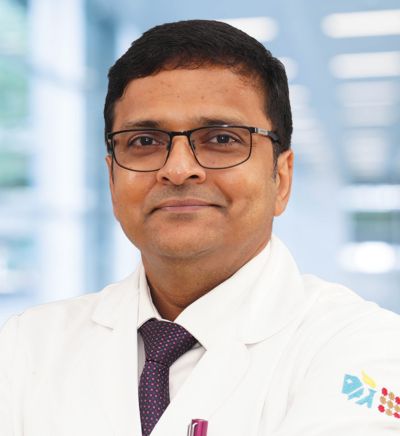
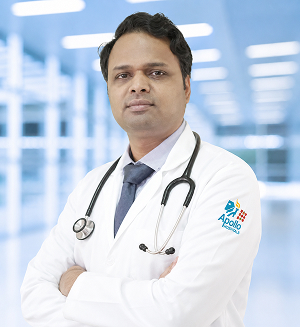
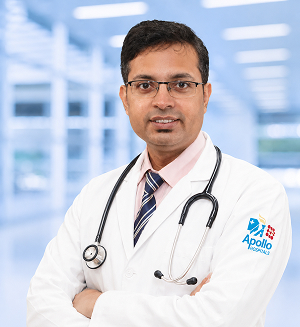
Nephrectomy Specialists at Apollo Hospitals, Lucknow



Likupezeka Lamlungu
Chodzikanira:
Zomwe zaperekedwa patsamba lino cholinga chake ndi kupereka chidziwitso ndi maphunziro okha. Ngakhale tikuyesetsa kuonetsetsa kuti chidziwitsocho ndi cholondola, chodalirika, komanso chowunikidwa nthawi zonse, sichiyenera kuonedwa ngati cholowa m'malo mwa upangiri wa akatswiri azachipatala, matenda, kapena chithandizo.
Kuyenerera kwa njira yachipatala, pamodzi ndi ubwino wake, zoopsa zake, kukonzekera, kuchira, mavuto omwe angakhalepo, ndi zotsatira zomwe zingayembekezeredwe, zingasiyane malinga ndi munthu aliyense. Katswiri wanu wazachipatala adzasankha ngati njirayo ndi yoyenera kutengera momwe mulili komanso mbiri yanu yachipatala.
Chonde funsani katswiri wodziwa bwino ntchito zachipatala kuti akupatseni upangiri musanapange chisankho chokhudza njira iliyonse yachipatala.
Kuti mudziwe zambiri za momwe zinthu zathu zachipatala zimapangidwira, kuunikidwanso, kusinthidwa, ndi kusamalidwa, chonde werengani [Ndondomeko Yolemba] yathu.