


Apollo အယ်ဒီတာအဖွဲ့မှ ပြန်လည်သုံးသပ်ထားသည်
အမြန်ဖြေပါ။
Robotic thyroidectomy removes part or all of the thyroid gland through cuts hidden away from the front of the neck, such as in the armpit, around the breast, behind the ear or inside the lower lip. The surgeon controls robotic instruments from a console. Its main benefit is cosmetic: there is no visible neck scar. It suits only selected people with smaller nodules or early, low risk cancers, takes longer than standard surgery, and is not safer or less invasive than a conventional thyroidectomy.
| အဓိကအချက်အလက်များ | အသေးစိတ် |
|---|---|
| ဒါဘာလဲ | Removal of thyroid tissue through remote, hidden cuts using a robotic system |
| ရွေးချယ်ရတဲ့ အဓိကအကြောင်းရင်းက | Avoiding a scar on the front of the neck |
| မေ့ဆေး | အထွေထွေ မေ့ဆေး |
| Where the cuts are | Armpit, breast and armpit, behind the ear, or inside the lower lip |
| operating အချိန် | Longer than conventional thyroid surgery |
| ဆေးရုံနေ | ပုံမှန်အားဖြင့် တစ်ညမှ သုံးညအထိ |
| အသင့်တော်ဆုံးပါ။ | Smaller benign nodules and selected small, low risk thyroid cancers |
| ဘယ်သူက လုပ်ဆောင်တာလဲ | An endocrine, head and neck or general surgeon trained in robotic thyroid surgery |
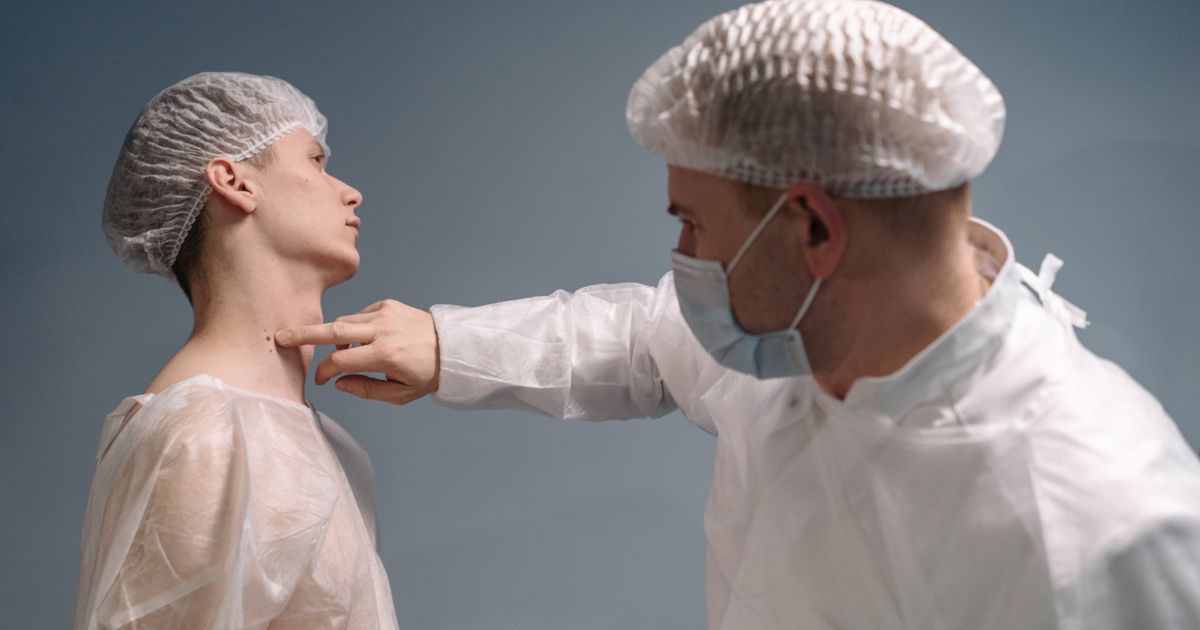
What is robotic thyroidectomy?
The thyroid is a butterfly shaped gland at the front of the neck that makes hormones controlling the body's metabolism. A သိုင်းရွိုက်ဗေဒ is an operation to remove all or part of it. In the conventional operation the surgeon reaches the gland through a cut a few centimetres long in a skin crease low on the front of the neck.
In a robotic thyroidectomy the cut is made somewhere less visible. The surgeon creates a tunnel under the skin from that point to the neck, places a camera and robotic instruments through it, and removes the gland while sitting at a console that shows a magnified three dimensional view. The surgeon controls every movement. The system cannot act by itself. This is often called scarless thyroid surgery, but that is not strictly accurate. There is still a scar, or more than one, in a hidden place. Only the approach through the mouth leaves no scar on the skin.
Other names for robotic thyroidectomy
- Robot-assisted thyroidectomy
- Scarless thyroid surgery
- Remote access thyroidectomy
- Robotic transaxillary thyroidectomy
- Robotic thyroid removal
Why is robotic thyroidectomy done?
The medical reasons are the same as for any thyroid operation. The robotic route is chosen when the person also wishes to avoid a neck scar and the condition is suitable. Reasons for thyroid surgery include:
- A သိုင်းရွိုက် nodule that is growing, causing symptoms, or has an uncertain or suspicious needle test result.
- သိုင်းရွိုက်ကင်ဆာ, in selected small and low risk cases such as early papillary သိုင်းရွိုက်ကင်ဆာ.
- A လည်ပင်းကြီးရောဂါ of modest size that causes pressure or is cosmetically troubling.
- လွန်ကဲသောသိုင်းရွိုက်, for example a single overactive nodule, or ချိုင်းရောဂါ in selected people when other treatments are unsuitable.
Avoiding a neck scar can matter a great deal to some people, particularly those who tend to form thick or raised scars. It is a legitimate personal reason, but it is a cosmetic one. The robotic approach does not treat the thyroid condition any better.
Types of robotic thyroidectomy
The approaches differ in where the cut is placed. How much thyroid is removed is a separate decision: one lobe (a hemithyroidectomy) or the whole gland (a စုစုပေါင်း thyroidectomy).
- Transaxillary approach: a cut in the armpit, with a tunnel over the collarbone to the neck. It gives a good view of the lobe on the same side.
- Breast and armpit approach: small cuts at the edge of the areola of each breast and in each armpit. It gives a central view of both lobes.
- Behind the ear approach: a cut in the crease behind the ear running into the hairline, similar to a facelift cut.
- Transoral approach: three small cuts inside the lower lip, in front of the lower teeth. There is no skin scar. This approach is also commonly done with ordinary keyhole instruments without a robot.
Robotic and conventional thyroidectomy compared
| လက္ခဏာ | Robotic thyroidectomy | Conventional open thyroidectomy |
|---|---|---|
| အမာရွတ် | Hidden in the armpit, breast, hairline or mouth | A fine line in a skin crease on the lower neck |
| Distance to the gland | Longer tunnel under the skin, more tissue lifted | Direct and short |
| operating အချိန် | ပိုရှည် | တိုတောင်းသည် |
| Suitable for large goitres or advanced cancer | ယေဘူယျအားဖြင့်တော့မရှိပါဘူး | Yes |
| Risk to voice nerves and calcium glands | Similar in experienced hands for selected cases | Low in experienced hands |
| Risks specific to the approach | Numbness of the chest, arm or chin, depending on the route | A visible neck scar |
| ပေးရ | ပိုမိုမြင့်မား | အနိမ့် |
ဘယ်သူက သင့်တော်လဲ၊ ဘယ်သူက မဖြစ်နိုင်လဲ။
Careful selection is the most important part of robotic thyroid surgery. You may be suitable if you have a smaller benign nodule, a small low risk thyroid cancer confined to the gland, a slim to average build, no previous neck surgery, and a strong wish to avoid a neck scar.
Robotic thyroidectomy is usually not advised if:
- The nodule or goitre is large, or the gland extends down behind the breastbone.
- The cancer has grown outside the thyroid, has spread widely to the lymph nodes of the neck, or is an aggressive type. These need the wide access of an open operation, sometimes with a လည်ပင်းခွဲစိတ်မှု.
- You have had earlier surgery or radiation to the neck.
- The gland is badly inflamed and stuck to surrounding tissue, as in some long standing thyroid inflammation or a large overactive gland.
- You have significant obesity, or shoulder or neck problems that prevent safe positioning of the arm for the armpit route.
- You are not fit for a longer general anaesthetic.
If you are told you are not suitable, this is a safety judgement. A conventional neck cut placed in a skin crease usually heals to a thin line that becomes hard to see over time.
How to prepare for robotic thyroidectomy
ခွဲစိတ်မှုမပြုလုပ်မီ စစ်ဆေးမှုများ
- သိုင်းရွိုက် function ကိုစမ်းသပ်မှုများ and calcium levels.
- A neck ultrasound to measure the nodule and check the lymph nodes.
- A fine needle test of the nodule (FNC တိုးချဲ့မှု) to look for cancer cells.
- A laryngoscopy စစ်ဆေးခြင်း to check that the vocal cords move normally, particularly if your voice has changed.
- Routine blood tests such as a ပြည့်စုံသောသွေးအရေအတွက်တစ်ဦး ECG where needed, and an anaesthetic review.
ဆွေးနွေးရန်ဆေးဝါးများ
Tell your surgeon about all your medicines. Blood thinners may need to be paused. If your thyroid is overactive, it must be brought under control with medicines before surgery. Do not stop or change any medicine without advice.
ထိုနေ့၌
Do not eat for about six hours before the operation. Clear fluids are usually allowed until nearer the time.
How is robotic thyroidectomy performed?
- မေ့ဆေး- you are given a general anaesthetic. A breathing tube with a sensor may be used so that the voice nerves can be monitored during the operation.
- တည်နေရာ: you lie on your back with the neck gently extended. For the armpit route, the arm on that side is raised and carefully padded.
- The hidden cut: the surgeon makes the cut in the armpit, at the breast, behind the ear or inside the lip.
- Creating the working space: a tunnel is made under the skin to the neck and held open with a retractor or with low pressure gas.
- အထိုင်ချခြင်း- the robotic camera and instruments are placed, and the surgeon moves to the console.
- Removing the thyroid: the surgeon seals the blood vessels to the gland, identifies and protects the nerve to the voice box and the small parathyroid glands that control calcium, and frees the lobe or the whole gland.
- Taking the gland out: the tissue is removed through the same cut, usually in a small bag, and sent to the laboratory.
- ပိတ်ပွဲ: a small drain may be left for a day, and the cut is closed with fine stitches.
The operation often takes two to four hours, which is longer than a conventional thyroidectomy, mainly because of the time needed to create the tunnel and set up the system. If bleeding or difficult anatomy makes the remote route unsafe, the surgeon will change to a standard neck cut.
နောက်မှ ဘာဖြစ်မလဲ။
You wake in the recovery area and are monitored for bleeding, breathing and voice. You can usually drink and eat soft food the same day. After removal of the whole gland, blood calcium is checked, because the parathyroid glands can be stunned for a while. Tingling around the lips or in the fingers should be reported at once. Most people go home in one to three days. If the whole thyroid was removed, you will start thyroid hormone replacement tablets, which are taken for life.
အန္တရာယ်များနှင့်ပြဿနာများ
Risks shared with any thyroid operation
- Hoarseness or a weak voice from bruising or injury of a voice nerve. It is usually temporary and rarely permanent.
- Low blood calcium from disturbance of the parathyroid glands, usually temporary, mainly after total thyroidectomy.
- Bleeding in the neck, which is uncommon but can need an urgent return to theatre.
- Infection or a fluid collection.
- The need for lifelong thyroid hormone tablets after total removal, and sometimes after removal of one lobe.
Risks specific to the remote approach
- Numbness, tightness or discomfort of the skin over the chest, collarbone or neck along the tunnel, which may take months to settle
- Temporary weakness or numbness of the arm from stretching of the nerves at the shoulder in the armpit approach
- Numbness of the chin or lower lip in the approach through the mouth
- Bruising, a small skin burn or injury to the skin over the tunnel
- Conversion to a conventional neck cut
- Rarely, injury to the windpipe or food pipe
ရလဒ်များ- ၎င်းသည် မည်မျှကောင်းမွန်စွာ အလုပ်လုပ်သနည်း။
In well selected people treated by experienced teams, robotic thyroidectomy removes the diseased thyroid as effectively as open surgery, and studies report similar rates of voice and calcium problems. Satisfaction with appearance is generally higher. There are limits to this evidence. Much of it comes from high volume centres and from slimmer patients with small tumours, and results may not be the same elsewhere. For larger or more advanced cancers, open surgery remains the standard. If the laboratory report shows a cancer that needs more treatment, a second operation or further therapy may be advised, as after any thyroid lobe removal.
Recovery after robotic thyroidectomy
- ပထမအပတ်: rest, with gentle walking. Soreness of the chest, armpit or neck, and a feeling of tightness on swallowing, are common. After the mouth approach, eat soft food and use mouth rinses as advised.
- တစ်ပတ်မှ နှစ်ပတ်အထိ: most people return to desk work. Gentle neck and shoulder movements help to prevent stiffness.
- သုံးပတ်မှ လေးပတ်အထိ: avoid heavy lifting, strenuous exercise and overhead arm work until your surgeon agrees.
- နောက်ဆက်တွဲ: a visit to review the laboratory report, with blood tests to adjust the hormone dose if needed.
ဘယ်အချိန်မှာဆေးကုသမှုခံယူရမလဲ
- Swelling of the neck, difficulty breathing or a feeling of pressure in the throat
- Tingling or cramps in the hands, feet or around the mouth
- Fever, or redness, increasing pain or discharge at a wound
- A voice change that is getting worse, or choking when drinking
- New weakness or marked numbness of the arm or hand
Life after robotic thyroidectomy
If the whole gland was removed, take your thyroid hormone tablet every day as directed, usually on an empty stomach, and have blood tests at the intervals your doctor sets. If one lobe was removed, the remaining lobe often makes enough hormone, but this is checked with a blood test some weeks later. People treated for cancer need regular follow-up with blood tests and neck ultrasound. Most people return to a full, normal life, including pregnancy and sport.
Benefits of robotic thyroidectomy
- No scar on the visible front of the neck
- A magnified, steady three dimensional view of the nerves and parathyroid glands
- Fine, wristed instruments that work well in a narrow space
- High satisfaction with appearance among those who are suitable
These should be weighed against the longer operation, the larger area of tissue lifted under the skin, the approach specific risks and the higher cost.
What is the cost of robotic thyroidectomy in India?
ကုန်ကျစရိတ်သည်-
- Whether one lobe or the whole gland is removed
- The approach used and the robotic instruments needed
- Theatre time and length of hospital stay
- Nerve monitoring, laboratory tests and scans
- အခန်းအမျိုးအစား၊ မြို့နှင့် ဆေးရုံ
- Any further treatment needed after the laboratory report
ကုန်ကျစရိတ်များသည် လူတစ်ဦးနှင့်တစ်ဦး မတူညီပါ။ အမှန်တကယ်ဈေးနှုန်းများအတွက် ဆေးရုံနှင့် စစ်ဆေးပါ။
Insurance usually covers medically necessary thyroid surgery, but some policies limit payment for robotic procedures, so confirm the details with your insurer in advance.
Why choose Apollo Hospitals for robotic thyroidectomy?
- Surgeons who perform conventional and remote access thyroid surgery, so the advice is based on what is safest for your condition
- Endocrinologists, radiologists and pathologists who work with the surgical team on diagnosis and follow-up
- Anaesthesia and monitoring support for longer operations
- Honest counselling when the robotic route is not suitable
- ရရှိနိုင်မှုသည် စင်တာများအလိုက် ကွဲပြားပါသည်။ ဆေးရုံနှင့် စစ်ဆေးပါ။
To find out whether you are a candidate, book a consultation with a surgeon at Apollo Hospitals.
ဆက်စပ်စာဖတ်ခြင်း
- ပြန်ရည်ကျိတ်ခွဲစိတ်မှုပါဝင်သည်ဖြစ်စေ မပါဝင်သည်ဖြစ်စေ သိုင်းရွိုက်ဖယ်ရှားခြင်း
- သိုင်းရွိုက်ဂလင်း အလုံးစုံဖြတ်တောက်ခွဲစိတ်မှု
- Parathyroidectomy နည်း
- Follicular သိုင်းရွိုက်ကင်ဆာ
- သိုင်းရွိုက်စကင်
Questions to ask your doctor about robotic thyroidectomy
- Do I need thyroid surgery, and how much of the gland should be removed?
- Am I a suitable candidate for the robotic route, and why or why not?
- Which approach would you use, and where will my scars be?
- How many robotic thyroid operations have you performed?
- What are my risks of voice change, low calcium and numbness?
- What is the chance of changing to a neck cut during surgery?
- Will I need thyroid hormone tablets afterwards?
- What is the additional cost, and is it covered by insurance?
အမေးအဖြေများ
1. Is robotic thyroidectomy really scarless?
Not entirely. It avoids a scar on the front of the neck, but there is a scar in the armpit, at the breast or behind the ear. Only the approach through the mouth leaves no skin scar.
2. Is robotic thyroidectomy less invasive than open surgery?
No. The surgeon has to lift more tissue to reach the gland from a distance.
3. Who is a good candidate for robotic thyroidectomy?
People with smaller benign nodules or small, low risk cancers confined to the thyroid, who have a slim to average build, no previous neck surgery and a strong wish to avoid a neck scar.
4. Who should not have robotic thyroidectomy?
It is generally unsuitable for large goitres, glands extending into the chest, cancers that have spread beyond the thyroid, and people with earlier neck surgery or radiation.
5. How long does robotic thyroidectomy take?
Often two to four hours. It takes longer than conventional thyroid surgery because of the time needed to create the tunnel and connect the robotic system.
6. Is robotic thyroidectomy safe?
In experienced hands and in properly selected people, complication rates are similar to open surgery. It adds some risks of its own, such as numbness of the chest, arm or chin.
7. Will my voice change after surgery?
Mild hoarseness or voice tiredness is fairly common for a few weeks and usually recovers. Permanent voice change is uncommon with any thyroid operation.
8. Can thyroid cancer be treated with robotic thyroidectomy?
Selected small, low risk cancers can be. Larger tumours, or cancers that have spread to many lymph nodes or nearby structures, are better treated through an open neck cut.
၁၀။ ဆေးရုံမှာ ဘယ်လောက်ကြာကြာနေရမလဲ။
Usually one to three nights, depending on how much of the gland was removed and whether calcium levels need monitoring.
10. Will I need medicine for life after the operation?
If the whole thyroid is removed, yes, you will need daily thyroid hormone replacement. After removal of one lobe, many people do not, but a blood test will confirm this.
11. How does the neck scar from open surgery usually heal?
It is placed in a natural skin crease and usually fades to a thin line over six to twelve months.
12. ဘယ်အချိန်မှာ အလုပ်ပြန်လုပ်နိုင်မလဲ။
Most people return to desk work in one to two weeks. Heavy physical work and overhead arm activity usually need three to four weeks.
13. Is the transoral approach the same as robotic thyroidectomy?
It is one of the remote access approaches.
14. Which doctor performs robotic thyroidectomy?
An endocrine surgeon, head and neck surgeon, surgical oncologist or general surgeon with specific training in robotic thyroid surgery performs it.
ကောက်ချက်
Robotic thyroidectomy offers a way to remove thyroid disease without a visible neck scar. For the right person and in experienced hands it is as effective as conventional surgery, but it is a longer and more costly operation with risks of its own, and it is not suitable for large goitres or advanced cancer. A frank discussion with a thyroid surgeon who offers both methods is the best way to decide.
ဤစာမျက်နှာသည် အထွေထွေအချက်အလက်အတွက်ဖြစ်ပြီး သင့်ဆရာဝန်ထံမှ အကြံဉာဏ်ကို အစားမထိုးပါ။ ကုသမှုဆုံးဖြတ်ချက်များကို သင့်ဆေးမှတ်တမ်းကို သိရှိသော အရည်အချင်းပြည့်မီသော အထူးကုဆရာဝန်တစ်ဦးနှင့် ပြုလုပ်သင့်သည်။
Recently Added


Surgeons at Apollo Hospitals







မသက်ဆိုင်ကြောင်းရှင်းလင်းချက်:
ဤစာမျက်နှာတွင် ပေးထားသော အချက်အလက်များသည် အထွေထွေ သတင်းအချက်အလက်နှင့် ပညာရေးဆိုင်ရာ ရည်ရွယ်ချက်များအတွက်သာ ရည်ရွယ်ပါသည်။ အချက်အလက်များသည် တိကျမှန်ကန်ကြောင်း၊ ယုံကြည်စိတ်ချရကြောင်းနှင့် ပုံမှန်ပြန်လည်သုံးသပ်ကြောင်း သေချာစေရန် ကျွန်ုပ်တို့ ကျိုးကြောင်းဆီလျော်သော ကြိုးပမ်းအားထုတ်မှုများ ပြုလုပ်သော်လည်း၊ ၎င်းကို ပရော်ဖက်ရှင်နယ် ဆေးဘက်ဆိုင်ရာ အကြံဉာဏ်၊ ရောဂါရှာဖွေခြင်း သို့မဟုတ် ကုသမှုအတွက် အစားထိုးအဖြစ် မယူဆသင့်ပါ။
ဆေးဘက်ဆိုင်ရာ လုပ်ထုံးလုပ်နည်းတစ်ခု၏ သင့်လျော်မှုနှင့်အတူ ၎င်း၏ အကျိုးကျေးဇူးများ၊ အန္တရာယ်များ၊ ပြင်ဆင်မှု၊ ပြန်လည်ကောင်းမွန်လာမှု၊ ဖြစ်နိုင်ချေရှိသော နောက်ဆက်တွဲပြဿနာများနှင့် မျှော်မှန်းထားသော ရလဒ်များသည် လူတစ်ဦးနှင့်တစ်ဦး ကွဲပြားနိုင်သည်။ သင့်ကျန်းမာရေးစောင့်ရှောက်မှုပေးသူသည် သင်၏တစ်ဦးချင်းစီ၏ အခြေအနေနှင့် ဆေးမှတ်တမ်းအပေါ် အခြေခံ၍ လုပ်ထုံးလုပ်နည်းတစ်ခု သင့်လျော်မှုရှိမရှိကို ဆုံးဖြတ်ပေးပါလိမ့်မည်။
မည်သည့်ဆေးဘက်ဆိုင်ရာလုပ်ထုံးလုပ်နည်းနှင့်မဆို ပတ်သက်၍ ဆုံးဖြတ်ချက်များမချမီ ပုဂ္ဂိုလ်ရေးသီးသန့်အကြံဉာဏ်အတွက် အရည်အချင်းပြည့်မီသော ကျန်းမာရေးစောင့်ရှောက်မှုပညာရှင်နှင့် တိုင်ပင်ပါ။
ကျွန်ုပ်တို့၏ ဆေးဘက်ဆိုင်ရာ အကြောင်းအရာများကို မည်သို့ ဖန်တီးသည်၊ ပြန်လည်သုံးသပ်သည်၊ အပ်ဒိတ်လုပ်သည်နှင့် ထိန်းသိမ်းသည်အကြောင်း ပိုမိုသိရှိလိုပါက ကျွန်ုပ်တို့၏ [အယ်ဒီတာ့အာဘော်မူဝါဒ] ကို ဖတ်ရှုပါ ။




