


Image


Extracorporeal Shock Wave Lithotripsy (ESWL) is a non-invasive, day-care treatment for kidney and upper ureteric stones that uses focused shock waves to break stones into fragments small enough to pass in the urine. At Apollo Hospitals Lucknow (Apollomedics Super Speciality Hospital, Kanpur?Lucknow Road), ESWL is offered within a full-service Urology and Nephrology programme, so that if a stone turns out to be unsuitable for shock wave treatment, RIRS, ureteroscopy or PCNL can be arranged in the same institution without a second referral.
Extracorporeal Shock Wave Lithotripsy (ESWL) is a non-invasive procedure designed to treat kidney stones effectively. At Apollo Hospitals Lucknow, we aim for high standards in stone care, using current lithotripsy technology and structured protocols to give patients the best reasonable chance of a good outcome. Our urologists provide individualised care and explain each step of the treatment journey, including what ESWL can and cannot achieve, so that decisions are made with full information rather than expectation.
ESWL is performed without any cut on the body. The patient lies on a lithotripsy table, the stone is located using X-ray (fluoroscopy) or ultrasound, and shock waves generated outside the body are focused on the stone. Around 2,000?4,000 shocks are usually delivered in one sitting. Sedation or analgesia is generally used; general anaesthesia is more common in children.
Kidney stones can cause severe pain and discomfort, and can lead to complications if left untreated. ESWL uses shock waves to break stones into smaller fragments that can pass more easily through the urinary tract. Its main advantages are:
At Apollo Hospitals Lucknow, our urologists assess each case individually to confirm whether ESWL is the most suitable option for that particular stone, or whether an endoscopic procedure would be more reliable.
Postponing treatment of an obstructing or growing stone can lead to significant problems:
Timely assessment matters. If you have flank pain, blood in the urine, burning urination with fever, or a stone already reported on ultrasound, consult a urologist rather than waiting for symptoms to settle on their own.
Treatment selection at Apollo Hospitals Lucknow follows internationally recognised urolithiasis guidance, read alongside Indian practice:
Where the evidence is uncertain, such as the exact number of sessions any individual will need, we say so and review after each sitting.
| Usually suitable | Usually not suitable |
|---|---|
| Renal pelvis or upper calyx stones up to about 20 mm | Stones larger than 20 mm, or staghorn stones (PCNL preferred) |
| Upper ureteric stones, especially 5?10 mm | Very hard stones (high Hounsfield units, cystine or some calcium oxalate monohydrate stones) |
| Stones visible on X-ray or ultrasound for targeting | Pregnancy (absolute contraindication) |
| Patients preferring to avoid anaesthesia or endoscopy | Untreated urinary tract infection or urosepsis |
| Children with small stones, using adapted settings | Uncorrected bleeding disorder or patients on blood thinners that cannot be stopped |
| Single kidney, in selected cases with careful monitoring | Obstruction below the stone, or an anatomically abnormal outflow that will block fragment passage |
| Patients medically unfit for prolonged anaesthesia | Severe obesity where skin-to-stone distance exceeds machine focus, or uncontrolled hypertension |
| Option | How it is done | Best suited for | Anaesthesia | Typical stay | Key limitation |
|---|---|---|---|---|---|
| ESWL | Shock waves focused from outside the body | Stones under about 20 mm, softer, in renal pelvis or upper ureter | Sedation/analgesia; GA in children | Day care | May need repeat sessions; fragments must still pass |
| URSL (semi-rigid ureteroscopy) | Scope passed through urethra to the ureter, laser fragmentation | Mid and lower ureteric stones | Spinal or general | Day care to 1 day | Stent often needed; transient burning and urgency |
| RIRS (flexible ureteroscopy laser) | Flexible scope into the kidney, laser dusting | Lower-pole stones, 10?20 mm renal stones, hard stones, failed ESWL | General | 1 day | Higher cost; stent and equipment dependent |
| PCNL / mini-PCNL | Small track through the flank into the kidney | Stones over 20 mm, staghorn stones | General | 2?4 days | Bleeding risk; more invasive |
| Medical expulsive therapy | Alpha-blocker tablets, fluids, analgesia | Distal ureteric stones roughly 5?10 mm, no infection or obstruction | None | Outpatient | Only for small stones; requires close follow-up |
| Observation | Watchful waiting with periodic imaging | Small, non-obstructing, asymptomatic calyceal stones | None | Outpatient | Stone may grow or become symptomatic |
ESWL is a planned procedure in most cases. A typical pathway at Apollo Hospitals Lucknow is:
| Phase | What usually happens | What you can do | Cautions |
|---|---|---|---|
| First 6 hours | Observation, fluids, pain relief; blood-tinged urine | Walk, eat light food once alert | Do not drive; have someone with you |
| Day 1?3 | Colicky pain as fragments move; sand-like particles in urine | Desk work, light household tasks, short walks | Avoid heavy lifting, long two-wheeler rides |
| Day 4?7 | Pain settles; most fragments begin clearing | Return to office and normal routine | Continue high fluid intake; strain urine if advised |
| Week 2 | Review consultation, X-ray or ultrasound | Resume moderate exercise, driving | Report persistent pain or fever |
| Week 3?4 | Assessment for a repeat session if fragments remain; stent removal if placed | Gym, cycling, gradual return to sport | Avoid contact sport until cleared |
| Month 3 | Imaging to confirm clearance; metabolic results reviewed | Full activity in most cases | Begin long-term prevention plan |
Stone recurrence is common ? a substantial proportion of stone formers develop another stone within five to ten years. Uttar Pradesh lies within India's stone belt, where heat, sweating and low fluid intake add to the risk. Practical prevention includes:
ESWL is often the preferred first choice in children because their ureters clear fragments efficiently and stone burden is usually small. General anaesthesia is commonly used to keep the child still and to protect the targeting, and lower energy settings with lung shielding are used. Every child with a stone should have a metabolic evaluation, since an underlying metabolic or genetic cause is more likely than in adults.
Age itself is not a barrier. What matters is control of diabetes and blood pressure, kidney function, and management of anticoagulants and antiplatelets, which usually need a pause coordinated with a cardiologist or physician. Older patients may clear fragments more slowly and are more likely to need a stent. Cardiac pacemakers and implanted defibrillators are not an absolute contraindication, but require prior cardiology assessment and device checks.
Declining treatment is a legitimate choice for a small, non-obstructing, asymptomatic calyceal stone, provided you agree to periodic imaging. For a stone that is obstructing, growing, infected, or causing repeated pain, the likely course without treatment includes:
If you decide to wait, ask for a written surveillance plan and clear instructions on the symptoms that mean you should come in immediately.
We do not publish figures here, because the final estimate depends on your clinical situation. Please ask the Apollo Hospitals Lucknow reception or billing desk for a written estimate for your case.
| Factor | Why it changes the estimate |
|---|---|
| Number of sessions | Large or hard stones often need two or three sittings |
| Stone size, density and location | Determines shock count, session length and likelihood of adjunctive surgery |
| Anaesthesia type | Sedation costs less than general anaesthesia, which is usual in children |
| DJ stent | Stent placement and later removal are separate procedures |
| Pre-procedure investigations | CT KUB, urine culture, coagulation and cardiac clearance |
| Day care versus admission | Overnight stay, room category and nursing charges |
| Comorbidity management | Diabetes, cardiac disease or reduced kidney function may need extra review |
| Complication management | Steinstrasse, infection or a failed session may require ureteroscopy |
| Follow-up imaging and metabolic workup | Repeat X-ray/ultrasound, stone analysis, 24-hour urine studies |
| Payment route | Cash, insurance tariff, corporate or government panel rates differ |
Apollo Hospitals Lucknow receives stone patients from across central and eastern Uttar Pradesh and neighbouring states, including Kanpur, Unnao, Barabanki, Sitapur, Hardoi, Rae Bareli, Sultanpur, Ayodhya (Faizabad), Gonda, Bahraich, Basti, Gorakhpur, Pratapgarh, Jaunpur, Varanasi, Prayagraj, Bareilly and parts of Bihar and Nepal.
| Detail | Information |
|---|---|
| Hospital | Apollo Hospitals Lucknow (Apollomedics Super Speciality Hospital) |
| Address | Kanpur?Lucknow Road, Sector B, LDA Colony, Lucknow, Uttar Pradesh 226012 |
| Appointments | Book online through the official Apollo Hospitals Lucknow website procedure page, or through the Apollo 24|7 app; walk-in registration is also available at the OPD reception |
| Helpline | Please use the contact number listed on the official Apollo Hospitals Lucknow website, as helpline numbers are updated periodically |
| Confirmed at the time of booking through the hospital's enquiry form | |
| Emergency | Emergency and critical care services operate 24x7 |
| Urology OPD timings | Consultant-wise OPD timings are not published as a fixed schedule; confirmed at the time of booking |
| Visiting hours | Not published; confirmed at the time of admission |
| Insurance and TPA desk | Available on site for cashless pre-authorisation and reimbursement documentation |
ESWL, or Extracorporeal Shock Wave Lithotripsy, is a non-invasive procedure that uses focused shock waves generated outside the body to break kidney stones into smaller fragments. These fragments then pass out through the urinary tract in the urine over the following days to weeks. At Apollo Hospitals Lucknow, imaging is used to target the stone precisely throughout the session.
ESWL is generally safe, but possible effects include blood in the urine, flank bruising, colicky pain as fragments pass, infection, and occasionally a perirenal haematoma. Sometimes the stone does not fragment fully and another session or an endoscopic procedure is needed. Your urologist will discuss these risks with you before you consent.
The session itself usually takes about 45 minutes to an hour. Total time in hospital is longer ? commonly four to six hours ? because of registration, preparation and post-procedure observation.
Most people resume routine activities within a few days. Strenuous activity and heavy lifting are best avoided for about a week, or longer if a stent is in place. Your team will give you guidance based on your stone and your work.
You can book online through the official Apollo Hospitals Lucknow website or the Apollo 24|7 app, or call the helpline number listed on the official site. Walk-in registration at the OPD reception is also possible.
Many small stones clear after one session, but larger or harder stones often need two or three. The exact number cannot be predicted in advance, which is why we reassess with imaging after each sitting. Most guidelines suggest reconsidering the plan if there is no meaningful progress after about three sessions.
You will feel repetitive tapping or thumping over the flank, which most adults tolerate with sedation and painkillers. The more uncomfortable part is usually the colicky pain over the next few days as fragments move down the ureter. Children are usually given general anaesthesia.
No procedure can guarantee that. Reported stone-free rates vary widely ? better for small, soft, well-positioned stones and poorer for large, hard or lower-pole stones. Some patients have small residual fragments that need follow-up or further treatment.
Not always. Stents are usually placed for larger stones, a solitary kidney, existing obstruction, or if you have had an episode of infection. A stent protects drainage but often causes urinary urgency, burning and flank discomfort, which settle once it is removed.
Yes, provided both are reasonably controlled. Uncontrolled hypertension increases the risk of bleeding around the kidney, so blood pressure is checked and optimised before the procedure. Bring your current prescriptions to the pre-procedure consultation.
Antiplatelet and anticoagulant medicines usually need to be stopped for a defined period before ESWL because of bleeding risk. This must be planned jointly by your urologist and your cardiologist or physician ? never stop these medicines on your own. If they cannot safely be stopped, ureteroscopy may be a better option.
No. Pregnancy is an absolute contraindication for ESWL.



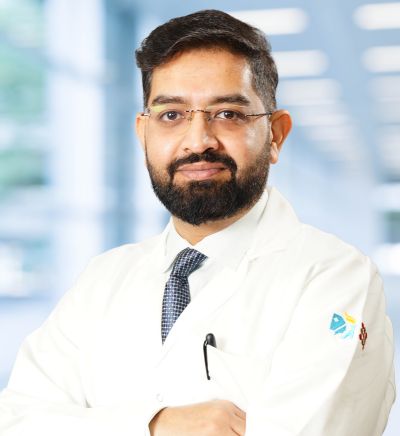
 Available on sunday

The information provided on this page is intended for general informational and educational purposes only. While we make reasonable efforts to ensure that the information is accurate, reliable, and regularly reviewed, it should not be considered a substitute for professional medical advice, diagnosis, or treatment.
The suitability of a medical procedure, along with its benefits, risks, preparation, recovery, potential complications, and expected outcomes, may vary from person to person. Your healthcare professional will determine whether a procedure is appropriate based on your individual condition and medical history.
Please consult a qualified healthcare professional for personalized advice before making decisions regarding any medical procedure.
For more information about how our medical content is created, reviewed, updated, and maintained, please read our [Editorial Policy].



 Best Hospital Near me Chennai
Best Hospital Near me Bangalore
Best Hospital Near me Hyderabad
Best Hospital Near me Mumbai
Best Hospital Near me Delhi
Best Hospital Near me Kolkata
Best Hospital Near me Pune
Best Hospital Near me Ahmedabad
Best Hospital Near me Bhubaneswar
Best Hospital Near me Bilaspur
Best Hospital Near me Guwahati
Best Hospital Near me Indore
Best Hospital Near me Kochi
Best Hospital Near me Lucknow
Best Hospital Near me Madurai
Best Hospital Near me Mysore
Best Hospital Near me Nashik
Best Hospital Near me Noida
Best Hospital Near me Rourkela
Best Hospital Near me Visakhapatnam
Cardiologist Near me in Chennai
Cardiologist Near me in Bangalore
Cardiologist Near me in Hyderabad
Cardiologist Near me in Mumbai
Cardiologist Near me in Delhi
Cardiologist Near me in Kolkata
Cardiologist Near me in Pune
Cardiologist Near me in Ahmedabad
Cardiologist Near me in Bhubaneswar
Cardiologist Near me in Bilaspur
Cardiologist Near me in Guwahati
Cardiologist Near me in Indore
Cardiologist Near me in Kochi
Cardiologist Near me in Lucknow
Cardiologist Near me in Madurai
Cardiologist Near me in Mysore
Cardiologist Near me in Nashik
Cardiologist Near me in Noida
Cardiologist Near me in Rourkela
Cardiologist Near me in Visakhapatnam
Neurologist Near me in Chennai
Neurologist Near me in Bangalore
Neurologist Near me in Hyderabad
Neurologist Near me in Mumbai
Neurologist Near me in Delhi
Neurologist Near me in Kolkata
Neurologist Near me in Ahmedabad
Neurologist Near me in Bhubaneswar
Neurologist Near me in Bilaspur
Neurologist Near me in Guwahati
Neurologist Near me in Indore
Neurologist Near me in Kochi
Neurologist Near me in Lucknow
Neurologist Near me in Madurai
Neurologist Near me in Mysore
Neurologist Near me in Nashik
Neurologist Near me in Noida
Neurologist Near me in Rourkela
Neurologist Near me in Visakhapatnam
Orthopedician Near me in Chennai
Orthopedician Near me in Bangalore
Orthopedician Near me in Hyderabad
Orthopedician Near me in Mumbai
Orthopedician Near me in Delhi
Orthopedician Near me in Kolkata
Orthopedician Near me in Pune
Orthopedician Near me in Ahmedabad
Orthopedician Near me in Bhubaneswar
Orthopedician Near me in Bilaspur
Orthopedician Near me in Guwahati
Orthopedician Near me in Indore
Orthopedician Near me in Kochi
Orthopedician Near me in Lucknow
Orthopedician Near me in Madurai
Orthopedician Near me in Mysore
Orthopedician Near me in Nashik
Orthopedician Near me in Noida
Orthopedician Near me in Rourkela
Orthopedician Near me in Visakhapatnam
Oncologist Near me in Chennai
Oncologist Near me in Bangalore
Oncologist Near me in Hyderabad
Oncologist Near me in Mumbai
Oncologist Near me in Delhi
Oncologist Near me in Kolkata
Oncologist Near me in Pune
Oncologist Near me in Ahmedabad
Oncologist Near me in Bhubaneswar
Oncologist Near me in Bilaspur
Oncologist Near me in Guwahati
Oncologist Near me in Indore
Oncologist Near me in Kochi
Oncologist Near me in Lucknow
Oncologist Near me in Madurai
Oncologist Near me in Mysore
Oncologist Near me in Nashik
Oncologist Near me in Noida
Oncologist Near me in Rourkela
Gastroenterologist Near me in Chennai
Gastroenterologist Near me in Bangalore
Gastroenterologist Near me in Hyderabad
Gastroenterologist Near me in Mumbai
Gastroenterologist Near me in Delhi
Gastroenterologist Near me in Kolkata
Gastroenterologist Near me in Pune
Gastroenterologist Near me in Ahmedabad
Gastroenterologist Near me in Bhubaneswar
Gastroenterologist Near me in Bilaspur
Gastroenterologist Near me in Guwahati
Gastroenterologist Near me in Indore
Gastroenterologist Near me in Kochi
Gastroenterologist Near me in Lucknow
Gastroenterologist Near me in Madurai
Gastroenterologist Near me in Mysore
Gastroenterologist Near me in Nashik
Gastroenterologist Near me in Noida
Gastroenterologist Near me in Rourkela
Gastroenterologist Near me in Visakhapatnam
Transplant Surgeon Near me in Chennai
Transplant Surgeon Near me in Bangalore
Transplant Surgeon Near me in Hyderabad
Transplant Surgeon Near me in Mumbai
Transplant Surgeon Near me in Delhi
Transplant Surgeon Near me in Kolkata
Transplant Surgeon Near me in Indore
Transplant Surgeon Near me in Kochi
Transplant Surgeon Near me in Lucknow
Transplant Surgeon Near me in Mysore
ENT Specialist Near me in Chennai
ENT Specialist Near me in Bangalore
ENT Specialist Near me in Hyderabad
ENT Specialist Near me in Mumbai
ENT Specialist Near me in Delhi
ENT Specialist Near me in Kolkata
ENT Specialist Near me in Pune
ENT Specialist Near me in Ahmedabad
ENT Specialist Near me in Bhubaneswar
ENT Specialist Near me in Bilaspur
ENT Specialist Near me in Guwahati
ENT Specialist Near me in Indore
ENT Specialist Near me in Kochi
ENT Specialist Near me in Lucknow
ENT Specialist Near me in Madurai
ENT Specialist Near me in Mysore
ENT Specialist Near me in Nashik
ENT Specialist Near me in Noida
ENT Specialist Near me in Rourkela
ENT Specialist Near me in Visakhapatnam
Pulmonologist Near me in Chennai
Pulmonologist Near me in Bangalore
Pulmonologist Near me in Hyderabad
Pulmonologist Near me in Mumbai
Pulmonologist Near me in Delhi
Pulmonologist Near me in Kolkata
Pulmonologist Near me in Ahmedabad
Pulmonologist Near me in Bhubaneswar
Pulmonologist Near me in Bilaspur
Pulmonologist Near me in Guwahati
Pulmonologist Near me in Indore
Pulmonologist Near me in Kochi
Pulmonologist Near me in Lucknow
Pulmonologist Near me in Madurai
Pulmonologist Near me in Mysore
Pulmonologist Near me in Nashik
Pulmonologist Near me in Noida
Pulmonologist Near me in Rourkela
Pulmonologist Near me in Visakhapatnam
Dentist Near me in Chennai
Dentist Near me in Bangalore
Dentist Near me in Hyderabad
Dentist Near me in Delhi
Dentist Near me in Kolkata
Dentist Near me in Ahmedabad
Dentist Near me in Bhubaneswar
Dentist Near me in Bilaspur
Dentist Near me in Guwahati
Dentist Near me in Kochi
Dentist Near me in Lucknow
Dentist Near me in Madurai
Dentist Near me in Nashik
Dentist Near me in Noida
Dentist Near me in Rourkela
Dentist Near me in Visakhapatnam
Pediatrician Near me in Chennai
Pediatrician Near me in Bangalore
Pediatrician Near me in Hyderabad
Pediatrician Near me in Mumbai
Pediatrician Near me in Delhi
Pediatrician Near me in Kolkata
Pediatrician Near me in Pune
Pediatrician Near me in Ahmedabad
Pediatrician Near me in Bhubaneswar
Pediatrician Near me in Bilaspur
Pediatrician Near me in Guwahati
Pediatrician Near me in Indore
Pediatrician Near me in Kochi
Pediatrician Near me in Lucknow
Pediatrician Near me in Madurai
Pediatrician Near me in Mysore
Pediatrician Near me in Nashik
Pediatrician Near me in Noida
Pediatrician Near me in Visakhapatnam
Dermatologist Near me in Chennai
Dermatologist Near me in Bangalore
Dermatologist Near me in Hyderabad
Dermatologist Near me in Delhi
Dermatologist Near me in Kolkata
Dermatologist Near me in Ahmedabad
Dermatologist Near me in Bhubaneswar
Dermatologist Near me in Bilaspur
Dermatologist Near me in Guwahati
Dermatologist Near me in Indore
Dermatologist Near me in Kochi
Dermatologist Near me in Lucknow
Dermatologist Near me in Madurai
Dermatologist Near me in Mysore
Dermatologist Near me in Noida
Dermatologist Near me in Visakhapatnam
Urologist Near me in Chennai
Urologist Near me in Bangalore
Urologist Near me in Hyderabad
Urologist Near me in Delhi
Urologist Near me in Kolkata
Urologist Near me in Pune
Urologist Near me in Ahmedabad
Urologist Near me in Bhubaneswar
Urologist Near me in Bilaspur
Urologist Near me in Guwahati
Urologist Near me in Indore
Urologist Near me in Kochi
Urologist Near me in Lucknow
Urologist Near me in Madurai
Urologist Near me in Mysore
Urologist Near me in Nashik
Urologist Near me in Noida
Urologist Near me in Rourkela
Urologist Near me in Visakhapatnam
Endocrinologist and Diabetologist Near me in Chennai
Endocrinologist and Diabetologist Near me in Bangalore
Endocrinologist and Diabetologist Near me in Hyderabad
Endocrinologist and Diabetologist Near me in Mumbai
Endocrinologist and Diabetologist Near me in Delhi
Endocrinologist and Diabetologist Near me in Kolkata
Endocrinologist and Diabetologist Near me in Pune
Endocrinologist and Diabetologist Near me in Ahmedabad
Endocrinologist and Diabetologist Near me in Bhubaneswar
Endocrinologist and Diabetologist Near me in Bilaspur
Endocrinologist and Diabetologist Near me in Guwahati
Endocrinologist and Diabetologist Near me in Indore
Endocrinologist and Diabetologist Near me in Kochi
Endocrinologist and Diabetologist Near me in Lucknow
Endocrinologist and Diabetologist Near me in Madurai
Endocrinologist and Diabetologist Near me in Mysore
Endocrinologist and Diabetologist Near me in Noida
Endocrinologist and Diabetologist Near me in Rourkela
Endocrinologist and Diabetologist Near me in Visakhapatnam
Gynecologist Near me in Chennai
Gynecologist Near me in Bangalore
Gynecologist Near me in Hyderabad
Gynecologist Near me in Mumbai
Gynecologist Near me in Delhi
Gynecologist Near me in Kolkata
Gynecologist Near me in Ahmedabad
Gynecologist Near me in Bhubaneswar
Gynecologist Near me in Bilaspur
Gynecologist Near me in Guwahati
Gynecologist Near me in Indore
Gynecologist Near me in Kochi
Gynecologist Near me in Lucknow
Gynecologist Near me in Madurai
Gynecologist Near me in Mysore
Gynecologist Near me in Nashik
Gynecologist Near me in Noida
Gynecologist Near me in Rourkela
Gynecologist Near me in Visakhapatnam
General Physician Near me in Chennai
General Physician Near me in Bangalore
General Physician Near me in Hyderabad
General Physician Near me in Mumbai
General Physician Near me in Delhi
General Physician Near me in Kolkata
General Physician Near me in Pune
General Physician Near me in Ahmedabad
General Physician Near me in Bhubaneswar
General Physician Near me in Bilaspur
General Physician Near me in Guwahati
General Physician Near me in Indore
General Physician Near me in Kochi
General Physician Near me in Lucknow
General Physician Near me in Madurai
General Physician Near me in Mysore
General Physician Near me in Nashik
General Physician Near me in Noida
General Physician Near me in Visakhapatnam
Psychologist Near me in Chennai
Psychologist Near me in Bangalore
Psychologist Near me in Hyderabad
Psychologist Near me in Mumbai
Psychologist Near me in Delhi
Psychologist Near me in Kolkata
Psychologist Near me in Ahmedabad
Psychologist Near me in Bhubaneswar
Psychologist Near me in Bilaspur
Psychologist Near me in Guwahati
Psychologist Near me in Indore
Psychologist Near me in Kochi
Psychologist Near me in Lucknow
Psychologist Near me in Madurai
Psychologist Near me in Mysore
Psychologist Near me in Nashik
Psychologist Near me in Noida
Psychologist Near me in Visakhapatnam
General Surgeon Near me in Chennai
General Surgeon Near me in Bangalore
General Surgeon Near me in Hyderabad
General Surgeon Near me in Mumbai
General Surgeon Near me in Delhi
General Surgeon Near me in Kolkata
General Surgeon Near me in Pune
General Surgeon Near me in Ahmedabad
General Surgeon Near me in Bhubaneswar
General Surgeon Near me in Bilaspur
General Surgeon Near me in Guwahati
General Surgeon Near me in Indore
General Surgeon Near me in Lucknow
General Surgeon Near me in Madurai
General Surgeon Near me in Mysore
General Surgeon Near me in Nashik
General Surgeon Near me in Noida
General Surgeon Near me in Rourkela
Best Hospital in Karukutty, Cochin
Best Hospital in Greams Road, Chennai
Best Hospital in Kuvempunagar, Mysore
Best Hospital in Vanagaram, Chennai
Best Hospital in Teynampet, Chennai
Best Hospital in OMR, Chennai
Best Cancer Hospital in Bhat, Gandhinagar, Ahmedabad
Best Cancer Hospital in Electronic City, Bangalore
Best Cancer Hospital in Teynampet, Chennai
Best Cancer Hospital in HSR Layout, Bangalore
Best Proton Cancer Centre in Chennai
Best Children's Hospital in Thousand Lights, Chennai
Best Women’s Hospital in Thousand Lights, Chennai
Best Hospital in Paschim Boragaon, Guwahati
Best Hospital in P H Road, Chennai
Best Heart Centre in Thousand Lights, Chennai
Best Hospital in Jubilee Hills, Hyderabad
Best Hospital in Tondiarpet, Chennai
Best Hospital in Kotturpuram, Chennai
Best Hospital in Kovai Road, Karur
Best Hospital in Karapakkam, Chennai
Best Hospital in Arilova, Vizag
Best Hospital in Kanpur Road, Lucknow
Best Hospital in Sector-26, Noida
Best Hospital in Gandhinagar, Ahmedabad
Best Hospital in Aragonda, Andhra Pradesh
Best Hospital in Bannerghatta Road, Bangalore
Best Hospital in Unit-15, Bhubaneswar
Best Hospital in Seepat Road, Bilaspur
Best Hospital in Ellisbridge, Ahmedabad
Best Hospital in New Delhi
Best Hospital in DRDO, Hyderabad
Best Hospital in G S Road, Guwahati
Best Hospital in Hyderguda, Hyderabad
Best Hospital in Vijay Nagar, Indore
Best Hospital in Suryaraopeta Main Road, Kakinada
Best Hospital in Canal Circular Road, Kolkata
Best Hospital in CBD Belapur, Navi Mumbai
Best Hospital in Panchavati, Nashik
Best Hospital in secunderabad, Hyderabad
Best Hospital in Seshadripuram, Bangalore
Best Hospital in Waltair Main Road, Visakhapatnam
Best Hospital in Subhash Nagar Road, Karimnagar
Best Hospital in Managari, Karaikudi
Best Hospital in Arepally, Warangal
Best Hospital in Arera Colony, Bhopal
Best Hospital in Jayanagar, Bangalore
Best Hospital in KK Nagar, Madurai
Best Hospital in Ramji Nagar, Nellore
Best Hospital in Sector-19, Rourkela
Best Hospital in Swargate, Pune
Best Women’s Cancer Hospital in South Delhi
CABG
CAR T Cell Therapy
Laparoscopic Cholecystectomy
Hysterectomy
Kidney Transplant
Extracorporeal Shockwave Lithotripsy
Liver Transplant
Lung Transplant
Hip Arthroscopy
Total Hip Replacement
Proton Therapy
Minimally Invasive Subvastus Total Knee Replacement
Fast Track Daycare Knee Replacement
Sleeve Gastrectomy
Lasik Surgery
Rhinoplasty
Liposuction
Coronary Angiogram
Transcatheter Aortic Valve Replacement
MitraClip Valve Repair
Minimally Invasive Cardiac Surgery
Catheter Ablation
ACL Reconstruction Surgery
Reverse Shoulder Replacement
Endometrial Ablation
Uterine Artery Embolization
Ovarian Cystectomy
Breast Cancer Surgery
Brachytherapy
Colonoscopy
Polypectomy
Deep Brain Stimulation
Peritoneal Dialysis
Kidney Biopsy
Parathyroidectomy
Cytoreductive Surgery
Ceramic Total Knee Replacement
ERCP
Best Hospital Near me Chennai
Best Hospital Near me Bangalore
Best Hospital Near me Hyderabad
Best Hospital Near me Mumbai
Best Hospital Near me Delhi
Best Hospital Near me Kolkata
Best Hospital Near me Pune
Best Hospital Near me Ahmedabad
Best Hospital Near me Bhubaneswar
Best Hospital Near me Bilaspur
Best Hospital Near me Guwahati
Best Hospital Near me Indore
Best Hospital Near me Kochi
Best Hospital Near me Lucknow
Best Hospital Near me Madurai
Best Hospital Near me Mysore
Best Hospital Near me Nashik
Best Hospital Near me Noida
Best Hospital Near me Rourkela
Best Hospital Near me Visakhapatnam
Cardiologist Near me in Chennai
Cardiologist Near me in Bangalore
Cardiologist Near me in Hyderabad
Cardiologist Near me in Mumbai
Cardiologist Near me in Delhi
Cardiologist Near me in Kolkata
Cardiologist Near me in Pune
Cardiologist Near me in Ahmedabad
Cardiologist Near me in Bhubaneswar
Cardiologist Near me in Bilaspur
Cardiologist Near me in Guwahati
Cardiologist Near me in Indore
Cardiologist Near me in Kochi
Cardiologist Near me in Lucknow
Cardiologist Near me in Madurai
Cardiologist Near me in Mysore
Cardiologist Near me in Nashik
Cardiologist Near me in Noida
Cardiologist Near me in Rourkela
Cardiologist Near me in Visakhapatnam
Neurologist Near me in Chennai
Neurologist Near me in Bangalore
Neurologist Near me in Hyderabad
Neurologist Near me in Mumbai
Neurologist Near me in Delhi
Neurologist Near me in Kolkata
Neurologist Near me in Ahmedabad
Neurologist Near me in Bhubaneswar
Neurologist Near me in Bilaspur
Neurologist Near me in Guwahati
Neurologist Near me in Indore
Neurologist Near me in Kochi
Neurologist Near me in Lucknow
Neurologist Near me in Madurai
Neurologist Near me in Mysore
Neurologist Near me in Nashik
Neurologist Near me in Noida
Neurologist Near me in Rourkela
Neurologist Near me in Visakhapatnam
Orthopedician Near me in Chennai
Orthopedician Near me in Bangalore
Orthopedician Near me in Hyderabad
Orthopedician Near me in Mumbai
Orthopedician Near me in Delhi
Orthopedician Near me in Kolkata
Orthopedician Near me in Pune
Orthopedician Near me in Ahmedabad
Orthopedician Near me in Bhubaneswar
Orthopedician Near me in Bilaspur
Orthopedician Near me in Guwahati
Orthopedician Near me in Indore
Orthopedician Near me in Kochi
Orthopedician Near me in Lucknow
Orthopedician Near me in Madurai
Orthopedician Near me in Mysore
Orthopedician Near me in Nashik
Orthopedician Near me in Noida
Orthopedician Near me in Rourkela
Orthopedician Near me in Visakhapatnam
Oncologist Near me in Chennai
Oncologist Near me in Bangalore
Oncologist Near me in Hyderabad
Oncologist Near me in Mumbai
Oncologist Near me in Delhi
Oncologist Near me in Kolkata
Oncologist Near me in Pune
Oncologist Near me in Ahmedabad
Oncologist Near me in Bhubaneswar
Oncologist Near me in Bilaspur
Oncologist Near me in Guwahati
Oncologist Near me in Indore
Oncologist Near me in Kochi
Oncologist Near me in Lucknow
Oncologist Near me in Madurai
Oncologist Near me in Mysore
Oncologist Near me in Nashik
Oncologist Near me in Noida
Oncologist Near me in Rourkela
Gastroenterologist Near me in Chennai
Gastroenterologist Near me in Bangalore
Gastroenterologist Near me in Hyderabad
Gastroenterologist Near me in Mumbai
Gastroenterologist Near me in Delhi
Gastroenterologist Near me in Kolkata
Gastroenterologist Near me in Pune
Gastroenterologist Near me in Ahmedabad
Gastroenterologist Near me in Bhubaneswar
Gastroenterologist Near me in Bilaspur
Gastroenterologist Near me in Guwahati
Gastroenterologist Near me in Indore
Gastroenterologist Near me in Kochi
Gastroenterologist Near me in Lucknow
Gastroenterologist Near me in Madurai
Gastroenterologist Near me in Mysore
Gastroenterologist Near me in Nashik
Gastroenterologist Near me in Noida
Gastroenterologist Near me in Rourkela
Gastroenterologist Near me in Visakhapatnam
Transplant Surgeon Near me in Chennai
Transplant Surgeon Near me in Bangalore
Transplant Surgeon Near me in Hyderabad
Transplant Surgeon Near me in Mumbai
Transplant Surgeon Near me in Delhi
Transplant Surgeon Near me in Kolkata
Transplant Surgeon Near me in Indore
Transplant Surgeon Near me in Kochi
Transplant Surgeon Near me in Lucknow
Transplant Surgeon Near me in Mysore
ENT Specialist Near me in Chennai
ENT Specialist Near me in Bangalore
ENT Specialist Near me in Hyderabad
ENT Specialist Near me in Mumbai
ENT Specialist Near me in Delhi
ENT Specialist Near me in Kolkata
ENT Specialist Near me in Pune
ENT Specialist Near me in Ahmedabad
ENT Specialist Near me in Bhubaneswar
ENT Specialist Near me in Bilaspur
ENT Specialist Near me in Guwahati
ENT Specialist Near me in Indore
ENT Specialist Near me in Kochi
ENT Specialist Near me in Lucknow
ENT Specialist Near me in Madurai
ENT Specialist Near me in Mysore
ENT Specialist Near me in Nashik
ENT Specialist Near me in Noida
ENT Specialist Near me in Rourkela
ENT Specialist Near me in Visakhapatnam
Pulmonologist Near me in Chennai
Pulmonologist Near me in Bangalore
Pulmonologist Near me in Hyderabad
Pulmonologist Near me in Mumbai
Pulmonologist Near me in Delhi
Pulmonologist Near me in Kolkata
Pulmonologist Near me in Ahmedabad
Pulmonologist Near me in Bhubaneswar
Pulmonologist Near me in Bilaspur
Pulmonologist Near me in Guwahati
Pulmonologist Near me in Indore
Pulmonologist Near me in Kochi
Pulmonologist Near me in Lucknow
Pulmonologist Near me in Madurai
Pulmonologist Near me in Mysore
Pulmonologist Near me in Nashik
Pulmonologist Near me in Noida
Pulmonologist Near me in Rourkela
Pulmonologist Near me in Visakhapatnam
Dentist Near me in Chennai
Dentist Near me in Bangalore
Dentist Near me in Hyderabad
Dentist Near me in Delhi
Dentist Near me in Kolkata
Dentist Near me in Ahmedabad
Dentist Near me in Bhubaneswar
Dentist Near me in Bilaspur
Dentist Near me in Guwahati
Dentist Near me in Kochi
Dentist Near me in Lucknow
Dentist Near me in Madurai
Dentist Near me in Nashik
Dentist Near me in Noida
Dentist Near me in Rourkela
Dentist Near me in Visakhapatnam
Pediatrician Near me in Chennai
Pediatrician Near me in Bangalore
Pediatrician Near me in Hyderabad
Pediatrician Near me in Mumbai
Pediatrician Near me in Delhi
Pediatrician Near me in Kolkata
Pediatrician Near me in Pune
Pediatrician Near me in Ahmedabad
Pediatrician Near me in Bhubaneswar
Pediatrician Near me in Bilaspur
Pediatrician Near me in Guwahati
Pediatrician Near me in Indore
Pediatrician Near me in Kochi
Pediatrician Near me in Lucknow
Pediatrician Near me in Madurai
Pediatrician Near me in Mysore
Pediatrician Near me in Nashik
Pediatrician Near me in Noida
Pediatrician Near me in Visakhapatnam
Dermatologist Near me in Chennai
Dermatologist Near me in Bangalore
Dermatologist Near me in Hyderabad
Dermatologist Near me in Delhi
Dermatologist Near me in Kolkata
Dermatologist Near me in Ahmedabad
Dermatologist Near me in Bhubaneswar
Dermatologist Near me in Bilaspur
Dermatologist Near me in Guwahati
Dermatologist Near me in Indore
Dermatologist Near me in Kochi
Dermatologist Near me in Lucknow
Dermatologist Near me in Madurai
Dermatologist Near me in Mysore
Dermatologist Near me in Noida
Dermatologist Near me in Visakhapatnam
Urologist Near me in Chennai
Urologist Near me in Bangalore
Urologist Near me in Hyderabad
Urologist Near me in Delhi
Urologist Near me in Kolkata
Urologist Near me in Pune
Urologist Near me in Ahmedabad
Urologist Near me in Bhubaneswar
Urologist Near me in Bilaspur
Urologist Near me in Guwahati
Urologist Near me in Indore
Urologist Near me in Kochi
Urologist Near me in Lucknow
Urologist Near me in Madurai
Urologist Near me in Mysore
Urologist Near me in Nashik
Urologist Near me in Noida
Urologist Near me in Rourkela
Urologist Near me in Visakhapatnam
Endocrinologist and Diabetologist Near me in Chennai
Endocrinologist and Diabetologist Near me in Bangalore
Endocrinologist and Diabetologist Near me in Hyderabad
Endocrinologist and Diabetologist Near me in Mumbai
Endocrinologist and Diabetologist Near me in Delhi
Endocrinologist and Diabetologist Near me in Kolkata
Endocrinologist and Diabetologist Near me in Pune
Endocrinologist and Diabetologist Near me in Ahmedabad
Endocrinologist and Diabetologist Near me in Bhubaneswar
Endocrinologist and Diabetologist Near me in Bilaspur
Endocrinologist and Diabetologist Near me in Guwahati
Endocrinologist and Diabetologist Near me in Indore
Endocrinologist and Diabetologist Near me in Kochi
Endocrinologist and Diabetologist Near me in Lucknow
Endocrinologist and Diabetologist Near me in Madurai
Endocrinologist and Diabetologist Near me in Mysore
Endocrinologist and Diabetologist Near me in Noida
Endocrinologist and Diabetologist Near me in Rourkela
Endocrinologist and Diabetologist Near me in Visakhapatnam
Gynecologist Near me in Chennai
Gynecologist Near me in Bangalore
Gynecologist Near me in Hyderabad
Gynecologist Near me in Mumbai
Gynecologist Near me in Delhi
Gynecologist Near me in Kolkata
Gynecologist Near me in Ahmedabad
Gynecologist Near me in Bhubaneswar
Gynecologist Near me in Bilaspur
Gynecologist Near me in Guwahati
Gynecologist Near me in Indore
Gynecologist Near me in Kochi
Gynecologist Near me in Lucknow
Gynecologist Near me in Madurai
Gynecologist Near me in Mysore
Gynecologist Near me in Nashik
Gynecologist Near me in Noida
Gynecologist Near me in Rourkela
Gynecologist Near me in Visakhapatnam
General Physician Near me in Chennai
General Physician Near me in Bangalore
General Physician Near me in Hyderabad
General Physician Near me in Mumbai
General Physician Near me in Delhi
General Physician Near me in Kolkata
General Physician Near me in Pune
General Physician Near me in Ahmedabad
General Physician Near me in Bhubaneswar
General Physician Near me in Bilaspur
General Physician Near me in Guwahati
General Physician Near me in Indore
General Physician Near me in Kochi
General Physician Near me in Lucknow
General Physician Near me in Madurai
General Physician Near me in Mysore
General Physician Near me in Nashik
General Physician Near me in Noida
General Physician Near me in Visakhapatnam
Psychologist Near me in Chennai
Psychologist Near me in Bangalore
Psychologist Near me in Hyderabad
Psychologist Near me in Mumbai
Psychologist Near me in Delhi
Psychologist Near me in Kolkata
Psychologist Near me in Ahmedabad
Psychologist Near me in Bhubaneswar
Psychologist Near me in Bilaspur
Psychologist Near me in Guwahati
Psychologist Near me in Indore
Psychologist Near me in Kochi
Psychologist Near me in Lucknow
Psychologist Near me in Madurai
Psychologist Near me in Mysore
Psychologist Near me in Nashik
Psychologist Near me in Noida
Psychologist Near me in Visakhapatnam
General Surgeon Near me in Chennai
General Surgeon Near me in Bangalore
General Surgeon Near me in Hyderabad
General Surgeon Near me in Mumbai
General Surgeon Near me in Delhi
General Surgeon Near me in Kolkata
General Surgeon Near me in Pune
General Surgeon Near me in Ahmedabad
General Surgeon Near me in Bhubaneswar
General Surgeon Near me in Bilaspur
General Surgeon Near me in Guwahati
General Surgeon Near me in Indore
General Surgeon Near me in Lucknow
General Surgeon Near me in Madurai
General Surgeon Near me in Mysore
General Surgeon Near me in Nashik
General Surgeon Near me in Noida
General Surgeon Near me in Rourkela
Best Hospital in Karukutty, Cochin
Best Hospital in Greams Road, Chennai
Best Hospital in Kuvempunagar, Mysore
Best Hospital in Vanagaram, Chennai
Best Hospital in Teynampet, Chennai
Best Hospital in OMR, Chennai
Best Cancer Hospital in Bhat, Gandhinagar, Ahmedabad
Best Cancer Hospital in Electronic City, Bangalore
Best Cancer Hospital in Teynampet, Chennai
Best Cancer Hospital in HSR Layout, Bangalore
Best Proton Cancer Centre in Chennai
Best Children's Hospital in Thousand Lights, Chennai
Best Women’s Hospital in Thousand Lights, Chennai
Best Hospital in Paschim Boragaon, Guwahati
Best Hospital in P H Road, Chennai
Best Heart Centre in Thousand Lights, Chennai
Best Hospital in Jubilee Hills, Hyderabad
Best Hospital in Tondiarpet, Chennai
Best Hospital in Kotturpuram, Chennai
Best Hospital in Kovai Road, Karur
Best Hospital in Karapakkam, Chennai
Best Hospital in Arilova, Vizag
Best Hospital in Kanpur Road, Lucknow
Best Hospital in Sector-26, Noida
Best Hospital in Gandhinagar, Ahmedabad
Best Hospital in Aragonda, Andhra Pradesh
Best Hospital in Bannerghatta Road, Bangalore
Best Hospital in Unit-15, Bhubaneswar
Best Hospital in Seepat Road, Bilaspur
Best Hospital in Ellisbridge, Ahmedabad
Best Hospital in New Delhi
Best Hospital in DRDO, Hyderabad
Best Hospital in G S Road, Guwahati
Best Hospital in Hyderguda, Hyderabad
Best Hospital in Vijay Nagar, Indore
Best Hospital in Suryaraopeta Main Road, Kakinada
Best Hospital in Canal Circular Road, Kolkata
Best Hospital in CBD Belapur, Navi Mumbai
Best Hospital in Panchavati, Nashik
Best Hospital in secunderabad, Hyderabad
Best Hospital in Seshadripuram, Bangalore
Best Hospital in Waltair Main Road, Visakhapatnam
Best Hospital in Subhash Nagar Road, Karimnagar
Best Hospital in Managari, Karaikudi
Best Hospital in Arepally, Warangal
Best Hospital in Arera Colony, Bhopal
Best Hospital in Jayanagar, Bangalore
Best Hospital in KK Nagar, Madurai
Best Hospital in Ramji Nagar, Nellore
Best Hospital in Sector-19, Rourkela
Best Hospital in Swargate, Pune
Best Women’s Cancer Hospital in South Delhi
CABG
CAR T Cell Therapy
Laparoscopic Cholecystectomy
Hysterectomy
Kidney Transplant
Extracorporeal Shockwave Lithotripsy
Liver Transplant
Lung Transplant
Hip Arthroscopy
Total Hip Replacement
Proton Therapy
Minimally Invasive Subvastus Total Knee Replacement
Fast Track Daycare Knee Replacement
Sleeve Gastrectomy
Lasik Surgery
Rhinoplasty
Liposuction
Coronary Angiogram
Transcatheter Aortic Valve Replacement
MitraClip Valve Repair
Minimally Invasive Cardiac Surgery
Catheter Ablation
ACL Reconstruction Surgery
Reverse Shoulder Replacement
Endometrial Ablation
Uterine Artery Embolization
Ovarian Cystectomy
Breast Cancer Surgery
Brachytherapy
Colonoscopy
Polypectomy
Deep Brain Stimulation
Peritoneal Dialysis
Kidney Biopsy
Parathyroidectomy
Cytoreductive Surgery
Ceramic Total Knee Replacement
ERCP


