


아폴로 편집팀 검토 완료
빠른 답변
Corpus callosotomy is an epilepsy operation in which a neurosurgeon cuts part or all of the corpus callosum, the band of nerve fibres that connects the two halves of the brain. This stops seizure activity from spreading quickly from one side to the other. It is used mainly to reduce drop attacks, the sudden falls that cause injuries, in people whose seizures are not controlled by medicines. It does not cure epilepsy. Other seizure types usually continue, and anti-seizure medicines are still needed.
| 중요한 사실 | 세부 정보 |
|---|---|
| 그것이 무엇인지 | Surgical division of the corpus callosum to limit the spread of seizures |
| 주요 목표 | Fewer and milder drop attacks and fewer injuries from falls |
| 그것이 아닌 것 | A cure for epilepsy |
| 누구를 위한 것인가 | Children and adults with drug-resistant epilepsy and drop attacks, with no single removable seizure focus |
| 마취 | 전신 마취 |
| 런닝타임 | 몇 시간 |
| 입원 | About one week in most cases |
| 누가 수행합니까? | Neurosurgeon trained in epilepsy surgery, working with an epilepsy team |
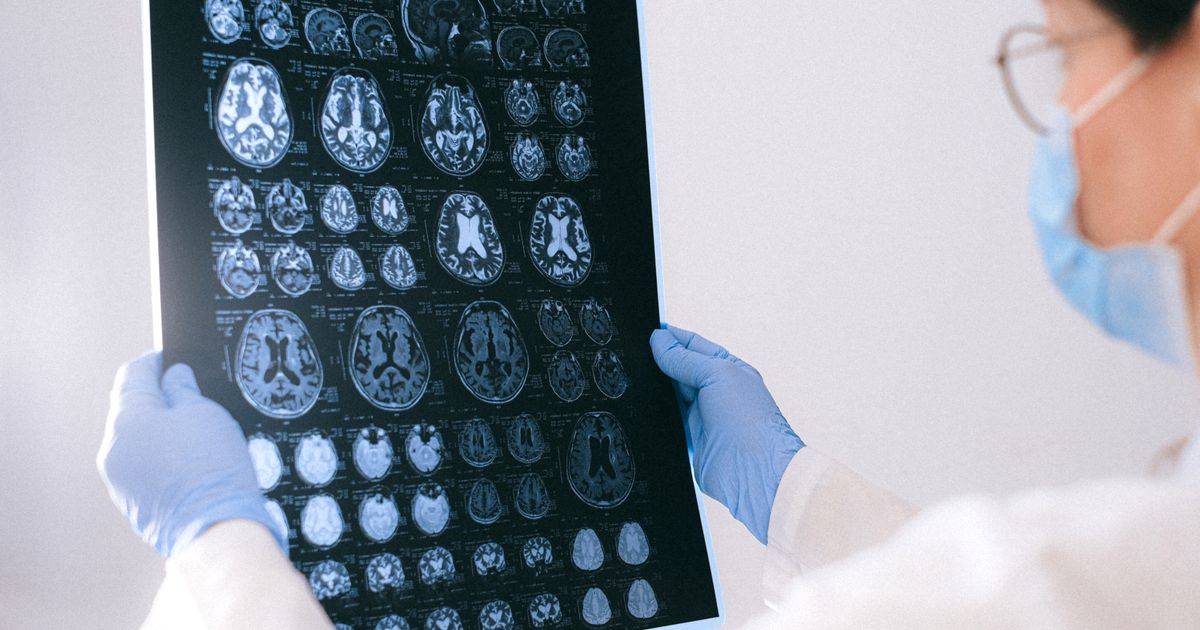
What is corpus callosotomy?
The brain has two halves, called hemispheres. They exchange information through a thick bridge of nerve fibres in the middle of the brain, the corpus callosum. In some forms of 간질, abnormal electrical activity that begins on one side crosses this bridge within a fraction of a second and involves the whole brain. When that happens, the person may suddenly lose muscle tone or stiffen and fall without warning.
In a corpus callosotomy, the surgeon divides this bridge, either the front two-thirds or its full length. Nothing is removed from the brain. The seizure activity can still start, but it is far less able to spread to both sides at once, so the sudden, violent falls become less frequent or less severe.
Doctors call this a palliative operation. That means it is intended to reduce the most harmful seizures and improve safety and daily life, not to stop epilepsy altogether.
Other names for corpus callosotomy
- 뇌량절개술
- Callosal section or callosal disconnection
- Split-brain surgery (an older, informal term)
- Anterior callosotomy and complete callosotomy
- Disconnection surgery for epilepsy
Why is corpus callosotomy done?
The main reason is drop attacks that continue despite adequate trials of anti-seizure medicines. Drop attacks are usually 무긴장성 발작, in which the muscles suddenly go limp, or tonic seizures, in which the body suddenly stiffens. The person falls in an instant and cannot protect themselves. Repeated injuries to the head, face and teeth are common, and many children need to wear a helmet.
The operation is considered in conditions such as:
- Lennox-Gastaut syndrome, a severe childhood-onset epilepsy with several seizure types
- Other generalised or multifocal epilepsies with frequent drop attacks
- Epilepsy that followed 유아 경련, brain infection such as 뇌염, or widespread brain injury around birth
- Some people with generalised tonic-clonic seizures that begin on one side and spread rapidly, or with repeated episodes of prolonged seizures (간질 발작 상태)
It is chosen when tests show that the seizures do not arise from one small area that could be removed. If such an area is found, an operation that removes or destroys it offers a better chance of stopping seizures. Those operations are described on our 간질 수술 페이지를 확인하시기 바랍니다.
Types of corpus callosotomy
How much is divided
- Anterior (front two-thirds) callosotomy: The back part of the bridge, which carries visual and sensory information, is left intact. This lowers the risk of disconnection symptoms and is often preferred in older children and adults with good language and thinking skills.
- 완전 뇌량절제술: The whole length is divided in one operation. It is more effective against drop attacks and is often chosen for younger children and for people with severe developmental disability.
- 단계적 뇌량절제술: The front part is divided first. If drop attacks continue, the remaining part is divided in a second operation.
수행 방법
- Open microsurgery: The standard method, through an opening in the skull (개두술) using an operating microscope.
- Endoscope-assisted surgery: A smaller opening and a thin camera are used at some centres.
- MRI-guided 레이저 절제: Thin laser fibres are passed through small holes to divide the fibres with heat. It is offered at a limited number of centres.
- 정위 방사선 외과: Focused radiation is occasionally used. Its effect is delayed and the evidence is limited.
Corpus callosotomy compared with other options for drop attacks
| 선택권 | 그것이 포함하는 것 | 전형적인 효과 | 고려해야 할 사항 |
|---|---|---|---|
| 뇌량절제술 | Brain operation that divides the connecting fibres | Often a marked reduction in drop attacks | Open brain surgery. Risk of disconnection symptoms. Cannot be reversed. |
| 미주 신경 자극 | A small device under the skin of the chest sends regular pulses to a nerve in the neck | Gradual reduction in seizures in some people. Generally less effective for drop attacks. | No brain surgery. Adjustable and removable. Battery needs replacing. |
| Dietary therapy | A strict medically supervised ketogenic diet | Helps some children | Demanding to follow. Needs a dietitian and monitoring. |
| Resective or ablative surgery | Removing or destroying a single seizure focus | Can stop seizures | Possible only when one focus is found |
Other forms of brain stimulation, such as 깊은 두뇌 자극, are used for selected people with drug-resistant epilepsy. The epilepsy team will explain which options apply.
누가 적합하고, 누가 적합하지 않을까요?
You or your child may be suitable if:
- Epilepsy is drug-resistant, meaning seizures continue despite proper trials of at least two suitable anti-seizure medicines
- Drop attacks are the most disabling seizure type
- A full evaluation has found no single focus that can be removed
- The family understands that the goal is fewer falls, not freedom from seizures
다음과 같은 경우에는 권장되지 않을 수 있습니다.
- A removable seizure focus is found
- Drop attacks are rare or mild and other seizure types are the main problem, since these respond less well
- Episodes turn out not to be epileptic
- General health makes a long brain operation unsafe
준비 방법
Evaluation before surgery
- Review by an epilepsy specialist of seizure types, medicines tried and development
- Video EEG monitoring in hospital to record typical seizures
- 뇌 MRI using an epilepsy protocol
- A PET 검사 or other functional imaging in selected cases
- Assessment of memory, language and development by a neuropsychologist. A 와다 테스트 is occasionally used to check which side controls language.
- Discussion of the findings at an epilepsy surgery team meeting
- Blood tests and a pre-anaesthetic check-up
논의할 약
Anti-seizure medicines are continued unless the team gives other instructions. Tell the doctors about every other medicine, especially blood thinners. Some anti-seizure medicines affect blood clotting, and the team may check this before surgery.
당일
- Follow the fasting instructions, and give morning medicines with a sip of water if told to
- A strip of hair may be clipped in theatre
- For a child, bring a comfort object and plan for a parent to stay
How is corpus callosotomy performed?
- 마취 및 자세: General anaesthesia is given. The head is held steady in a frame, and an image-guidance system may be used to plan the route.
- Skin incision and bone opening: A cut is made on the top of the head behind the hairline, and a window of bone is removed.
- Reaching the midline: The covering of the brain is opened. The surgeon gently eases one hemisphere aside to work in the natural gap between the two halves, protecting the veins and arteries that run there.
- Dividing the corpus callosum: Under the microscope, the white band of fibres is identified and divided from front to back for the planned length.
- 확인 중: The extent of division is confirmed, and any bleeding is controlled.
- 폐쇄 : The brain covering is closed, the bone is fixed back in place and the skin is stitched.
그 이후에는 무슨 일이 일어나나요?
The first night is usually spent in an intensive care unit. Headache, nausea and sleepiness are common in the first days. Anti-seizure medicines are continued. A scan may be done to check the result. Some people are quiet, slow to speak or reluctant to move one side for a few days. Physiotherapists, occupational therapists and speech therapists begin work early. Most people go home after about a week.
위험과 합병증
More common, usually temporary
- Headache, tiredness and nausea
- Reduced speech or slow responses for days to weeks
- Weakness, clumsiness or neglect of one side, often the non-dominant leg or hand
- Difficulty controlling bladder for a short time
단절 증후군
Because the two hemispheres can no longer share information fully, some people have trouble with tasks that need both sides to work together. Examples are difficulty naming an object felt in the left hand with eyes closed, or one hand acting at cross purposes with the other. These effects are more likely after a complete callosotomy in older children and adults. They usually improve over weeks to months, and young children adapt well. A few people have lasting difficulties.
드물지만 심각한 문제
- Infection of the wound or the brain coverings
- Bleeding or brain swelling
- Stroke from injury to nearby blood vessels
- Build-up of fluid in the brain that needs treatment
- Lasting problems with speech, memory or coordination
- Risks of general anaesthesia, and very rarely death
Some families notice that focal seizures become more obvious after surgery. This is usually because seizures that once spread across the brain now stay on one side.
결과: 얼마나 효과적인가?
Most people who are selected carefully have a worthwhile reduction in drop attacks, and in a good proportion the drop attacks stop or become rare. Complete division gives better control of drop attacks than division of the front part alone. Generalised tonic-clonic seizures often improve as well. Focal seizures and absence-type seizures respond less.
Complete freedom from all seizures is uncommon, and families should not expect it. Benefit can lessen over the years in some people. Anti-seizure medicines are continued, although the team may later simplify them. Families often report fewer injuries, less need for a helmet, better alertness and more confidence in daily activities, but improvement in learning and behaviour varies and cannot be promised.
회복
- 병원에서: About a week, including a day or two of close monitoring.
- 첫 달: Rest at home with gentle activity. Tiredness and headaches ease gradually. Stitches or clips are removed at around ten to fourteen days.
- 1~3개월: Return to school or work in stages. Therapy continues if there is weakness or speech difficulty.
- 후속 조치 : Regular reviews with the epilepsy team to track seizures and adjust medicines.
의학적 도움을 구할 때
- Fever, neck stiffness, or redness, swelling or discharge from the wound
- Severe or worsening headache, or repeated vomiting
- Increasing drowsiness or confusion
- New weakness, or loss of speech after it had started to recover
- A seizure lasting more than five minutes, or seizures coming one after another
- Clear fluid leaking from the wound or nose
Life after corpus callosotomy
- Give anti-seizure medicines exactly as prescribed. Do not stop or reduce them without advice.
- Keep a seizure diary that notes the type and number of seizures, so that the benefit can be measured
- Continue safety precautions, such as supervision near water and heights and a helmet if advised, until the team confirms that drop attacks are controlled
- Attend physiotherapy, occupational therapy and speech therapy as recommended
- Keep regular sleep, since lack of sleep can trigger seizures
- Driving rules for people with epilepsy still apply
- Ask about support for learning and for carers
장점
- Fewer and less severe drop attacks
- Fewer head and facial injuries and hospital visits
- Often fewer generalised tonic-clonic seizures
- More independence and easier care at home and school
- No device to maintain or replace
What is the cost of corpus callosotomy in India?
비용은 다음에 따라 달라집니다.
- The pre-surgical evaluation, including video EEG monitoring, MRI and other scans
- Anterior, complete or staged surgery, and the technique used
- Days in intensive care and total length of stay
- Room category, operating theatre and anaesthesia charges
- Rehabilitation therapy after surgery
- Other medical conditions and any complications
비용은 개인마다 다릅니다. 정확한 가격은 병원에 문의하십시오.
Many health insurance policies cover epilepsy surgery when it is medically necessary. Confirm the details with your insurer.
Why choose Apollo Hospitals for corpus callosotomy?
- Neurosurgeons and neurologists who assess people with drug-resistant epilepsy together before recommending surgery
- EEG, MRI and other imaging services within the hospital network for pre-surgical evaluation
- Intensive care and paediatric support after surgery
- Physiotherapy, occupational therapy and speech therapy for rehabilitation
- Laser and endoscopic techniques and full epilepsy surgery programmes are not offered at every hospital. Availability differs between centres. Please check with the hospital.
To discuss whether epilepsy surgery is an option, you can book an appointment with a neurosurgeon 아폴로 병원에서.
관련 독서
Questions to ask your doctor about corpus callosotomy
- Has the evaluation ruled out a seizure focus that could be removed?
- Which of the seizure types are likely to improve, and which are not?
- Do you advise an anterior or a complete callosotomy, and why?
- How does it compare with vagus nerve stimulation in this case?
- What disconnection symptoms should we expect, and for how long?
- How long will the hospital stay and rehabilitation be?
- Will the medicines change after surgery?
- What happens if drop attacks continue?
자주 묻는 질문
1. Does corpus callosotomy cure epilepsy?
No. It reduces the spread of seizures between the two sides of the brain and is aimed mainly at drop attacks. Other seizures usually continue and medicines are still needed.
2. What are drop attacks?
Drop attacks are seizures in which a person suddenly falls, either because the muscles go limp or because the body stiffens. They last seconds but often cause injuries.
3. Is it the same as split-brain surgery?
Yes, that is an older popular name for the same operation. The two halves of the brain remain in place and continue to work. Only the main connection between them is divided.
4. Will the person's personality or intelligence change?
Lasting changes in personality or intelligence are not expected. Temporary slowness, reduced speech or coordination problems can occur and usually improve. Some families notice better alertness once falls reduce.
5. What is the difference between anterior and complete callosotomy?
Anterior callosotomy divides the front two-thirds and has a lower risk of disconnection symptoms. Complete callosotomy divides the full length and controls drop attacks better.
6. What is the best age for this surgery?
There is no single best age. It is done in children and adults. Younger children tend to adapt more easily, and earlier control of drop attacks may limit injuries and disruption to development.
7. 수술은 얼마나 걸리나요?
It usually takes several hours, including anaesthesia and positioning.
8. Will anti-seizure medicines be stopped afterwards?
No. Medicines are continued. Over time the team may be able to reduce the number or dose, depending on seizure control.
9. Can the corpus callosum be rejoined later?
No. The division is permanent, which is why careful evaluation and counselling come first.
10. Is vagus nerve stimulation a better choice?
It is less invasive and reversible, but it is generally less effective for drop attacks. Some people have one treatment and later the other. The choice depends on seizure type, age and family preference.
11. 이 수술은 성인에게도 시행되나요?
Yes. Adults with drug-resistant epilepsy and disabling drop attacks can benefit. An anterior callosotomy is often preferred first to limit disconnection symptoms.
12. 회복에는 얼마나 걸리나요?
Hospital stay is about a week. Most people return to their usual routine within one to three months, with therapy if needed.
13. What if the seizures do not improve?
If the front part alone was divided, completing the division may help. Other options include nerve stimulation, dietary therapy and changes in medicines.
14. Which doctor performs corpus callosotomy?
A neurosurgeon with training in epilepsy surgery performs it. The decision is made with neurologists who specialise in epilepsy, along with neuropsychologists and rehabilitation therapists.
맺음말
Corpus callosotomy is an established operation for people with drug-resistant epilepsy whose drop attacks cause repeated injuries. It lowers the number and force of these falls in most carefully chosen patients, but it does not cure epilepsy and it carries the risks of brain surgery. A thorough evaluation by an epilepsy team is the first step in deciding whether it is right for you or your child.
이 페이지는 일반적인 정보를 제공하기 위한 것이며 의사의 진료를 대체할 수 없습니다. 치료 결정은 환자의 병력을 잘 아는 자격을 갖춘 전문의와 상의하여 내려야 합니다.
최근에 추가


아폴로 병원의 신경외과 의사들




부인 성명:
이 페이지에 제공된 정보는 일반적인 정보 제공 및 교육 목적으로만 사용됩니다. 당사는 정보의 정확성, 신뢰성 및 정기적인 검토를 위해 합리적인 노력을 기울이지만, 전문적인 의료 조언, 진단 또는 치료를 대신하는 것으로 간주해서는 안 됩니다.
의료 시술의 적합성, 이점, 위험, 준비 과정, 회복 과정, 잠재적 합병증 및 예상 결과는 개인마다 다를 수 있습니다. 의료 전문가는 환자의 개별적인 상태와 병력을 바탕으로 시술이 적절한지 여부를 판단할 것입니다.
어떠한 의료 시술과 관련된 결정을 내리기 전에 반드시 자격을 갖춘 의료 전문가와 상담하여 개인적인 조언을 받으시기 바랍니다.
저희 의료 콘텐츠의 제작, 검토, 업데이트 및 관리 방식에 대한 자세한 내용은 [편집 정책] 을 참조하십시오.




