


직접 답변
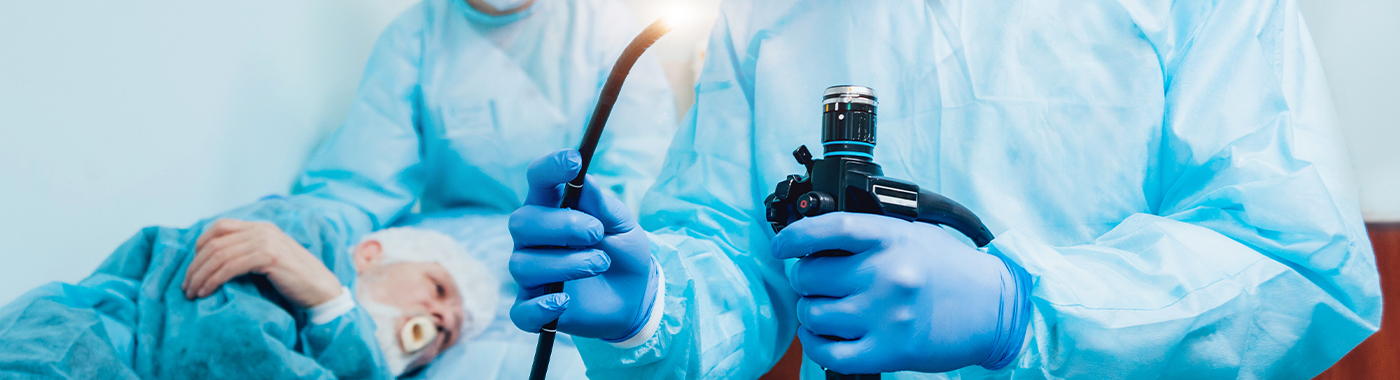
Endoscopy is a procedure in which a thin, flexible tube carrying a camera and light is passed into the body, usually through the mouth or rectum, so a doctor can see the lining of hollow organs directly. Endoscopy can also take biopsies and treat bleeding or polyps. Endoscopy views surfaces only, not organ depth or structures outside the lumen.
주요 테이크 아웃
- Endoscopy is a direct-vision test: it shows the inner lining of an organ, not what lies beneath or behind it.
- Endoscopy is both diagnostic and therapeutic: biopsies, polyp removal, bleeding control and stent placement are all possible during the same session.
- "Endoscopy" is a family of procedures, not one test; gastroscopy, colonoscopy, bronchoscopy, cystoscopy and ERCP carry different preparations and different risk profiles.
- A normal endoscopy does not exclude every disease: pancreatic, small-bowel and deep-wall disease can be missed and may need CT, MRI or capsule studies.
- Preparation is set by the performing unit: fasting times, bowel preparation and medicine adjustments differ between hospitals and between procedures.
한눈에
| 제품 특장점 | 세부 |
|---|---|
| 이 책은 무엇을 분석하는가? | Lining of hollow organs (food pipe, stomach, duodenum, colon, airways, bladder) or, in some forms, body cavities and joints |
| 수행 방법 | Flexible or rigid scope through a natural opening, or through small cuts for laparoscopy and arthroscopy |
| 진정 작용 | Throat spray, conscious sedation or general anaesthesia, depending on procedure and patient |
| Typical procedure time | Diagnostic gastroscopy often about 5-15 minutes; diagnostic colonoscopy often about 20-45 minutes; ERCP and therapeutic procedures longer |
| Typical total hospital time | Commonly 2-4 hours including check-in, sedation and recovery; varies by unit |
| 입학 | Usually day-care; overnight stay occasionally needed after complex therapeutic procedures |
| 결과 | Visual findings usually explained the same day; biopsy (histopathology) reports take longer and are issued separately |
| 해석 | Findings must be read together with your symptoms, examination and other tests by the doctor who requested the procedure |
라고도
- Endoscopy test, scopy: common usage in Indian hospitals
- Upper GI endoscopy / OGD / EGD / gastroscopy: the mouth-route examination of food pipe, stomach and duodenum
- 대장 내시경 검사,라고도 lower GI scopy
- Dooerbeen / camera test, pet ki camera jaanch: informal descriptions patients often use
- S 상 결장경 검사: limited examination of the left colon and rectum
What endoscopy is
An endoscope is a tube containing a light source, a camera chip or fibre-optic bundle, channels for air, water and suction, and a working channel through which instruments can be passed. The camera sends live images to a screen, so the doctor sees the mucosal surface magnified and illuminated.
Because instruments can pass down the working channel, endoscopy is often therapeutic as well as diagnostic. In the same sitting a doctor may take pinch biopsies, remove a polyp, clip a bleeding ulcer, band oesophageal varices, dilate a narrowing, place a stent or retrieve a swallowed object.
Endoscopy is not a single examination. The scope, the route, the preparation, the sedation and the risks all change with the organ being studied. A gastroscopy and an ERCP are performed with similar-looking equipment but are very different in complexity and in complication rate.
Why endoscopy is done
- Upper GI symptoms: persistent heartburn or indigestion not responding to treatment, difficulty or pain on swallowing, repeated vomiting, suspected ulcer disease, unexplained iron-deficiency anaemia.
- 위장관 출혈: vomiting blood, black tarry stools, or bleeding per rectum, both to find the source and to treat it.
- Lower GI symptoms: change in bowel habit, chronic diarrhoea, blood in stool, suspected inflammatory bowel disease, abnormal imaging of the colon.
- Cancer detection and surveillance: assessment of suspicious lesions, colon polyp removal, follow-up of Barrett's oesophagus, coeliac disease or previous polyps.
- Biliary and pancreatic disease: ERCP for bile duct stones, blocked ducts and jaundice needing drainage.
- Airway and urinary problems: bronchoscopy for persistent cough with abnormal chest imaging or coughing blood; cystoscopy for visible blood in urine or bladder symptoms.
Who should consider an endoscopy
Endoscopy is requested by a doctor after clinical assessment, it is not a walk-in screening test for everyone with an upset stomach. Referral is commonly considered for:
- Adults with difficulty swallowing, food sticking, or painful swallowing at any age.
- Adults with unintentional weight loss, persistent vomiting, or an abdominal mass alongside dyspepsia.
- Adults with iron-deficiency anaemia without an obvious cause.
- Adults with dyspepsia that persists despite an adequate trial of treatment, or that begins in later adult life.
- Anyone with visible or suspected GI bleeding.
- People with rectal bleeding, a persistent change in bowel habit, or a strong family history of colorectal cancer or polyps, colonoscopy rather than gastroscopy.
- People with known coeliac disease, Barrett's oesophagus, cirrhosis with varices, or previous polyps, on a surveillance interval set by their gastroenterologist.
Whether an endoscopy is the right next step, and which endoscopy, depends on the specific problem. Results vary depending on individual clinical circumstances.
What endoscopy cannot detect or exclude
Endoscopy is a surface examination. Its blind spots matter:
- It does not see through the wall. Tumour depth, lymph nodes and spread beyond the organ are not assessed by standard endoscopy; that needs endoscopic ultrasound (EUS), CT or MRI.
- Gastroscopy does not assess the pancreas, gallbladder, liver parenchyma or aorta. A normal gastroscopy does not exclude gallstone disease, pancreatitis or pancreatic cancer.
- 소장의 대부분은 손이 닿지 않는 곳에 있습니다. Standard gastroscopy reaches the duodenum; colonoscopy reaches the last part of the ileum. Disease in between may need capsule endoscopy, enteroscopy or MR enterography.
- Colonoscopy is not perfect. Flat lesions, small polyps and lesions behind folds can be missed, particularly if the bowel preparation is poor or the caecum is not reached.
- Gastroscopy does not diagnose cardiac chest pain. Chest pain that could be cardiac needs cardiac assessment, not reassurance from a normal scopy.
- Functional disorders show nothing. Irritable bowel syndrome, functional dyspepsia and many motility problems produce a normal-looking lining. A normal report does not mean symptoms are imaginary.
- Biopsy sampling is selective. A negative biopsy means the tissue taken showed no abnormality; it does not prove the whole organ is normal.
A finding that is "not identified" at endoscopy has not been excluded. If symptoms continue or worsen despite a normal report, go back to your doctor rather than assuming nothing more can be wrong.
관련은 있지만 서로 다른 시험들
| 순서 | 질문에 대한 답변 | 중요한 차이점 |
|---|---|---|
| Gastroscopy (upper GI endoscopy) | Is there ulcer, inflammation, varices, narrowing or a growth in the food pipe, stomach or duodenum? | Reaches only to the duodenum; does not assess colon, pancreas or small bowel beyond |
| 대장 내시경 검사 | Is there polyp, cancer, inflammation or bleeding source in the colon and rectum? | Requires full bowel preparation; usually needs sedation |
| 유연한 구불창자 내시경 | Is there disease in the rectum and left colon? | Limited reach; lighter preparation; does not assess the right colon |
| 캡슐 내시경 | Is there bleeding or inflammation in the small bowel? | Swallowed camera; cannot take biopsies or treat; unsuitable if a stricture is suspected |
| 내시경 초음파(EUS) | How deep is a lesion, and what lies in the wall, pancreas or nearby nodes? | Combines endoscopy with ultrasound; allows fine-needle sampling |
| ERCP | Can a blocked bile or pancreatic duct be cleared or stented? | Mainly therapeutic; highest complication rate in the GI endoscopy family, including post-ERCP pancreatitis |
| MRCP | What do the bile and pancreatic ducts look like? | Non-invasive MRI scan; imaging only, no treatment possible |
| 기관지 내시경 검사 | What is inside the airways, infection, tumour, bleeding, foreign body? | Respiratory procedure; different team, different risks including hypoxia |
| 방광경 검사 | Is there a bladder or urethral cause for blood in urine? | Urological procedure; may be rigid or flexible |
| 복강경 검사 | What does the outside of the abdominal organs and the peritoneum look like? | Surgical procedure through skin incisions under general anaesthesia, not a natural-orifice endoscopy |
| 관절 경 검사 | What is the state of the cartilage, ligaments and joint lining? | Orthopaedic operating-theatre procedure |
| CT 복부 | Are there abnormalities of solid organs, wall thickness or spread outside the bowel? | Cross-sectional imaging; cannot biopsy mucosa or treat bleeding |
No single procedure is superior across the board. These tests answer different questions, and the right first test depends entirely on the presenting problem, bleeding, jaundice, cough and dysphagia each lead to a different starting point.
준비 방법
Preparation is operational and varies between hospitals, between endoscopists and between procedures. The written instruction sheet from the unit performing your procedure takes precedence over any general advice, including this page. 일반적인 패턴:
- 금식: solid food is usually stopped several hours before sedation, and clear fluids are stopped closer to the procedure. Exact times are set by the unit and the anaesthetist.
- 장 준비: required for colonoscopy and sigmoidoscopy. This involves a laxative solution, sometimes split into two doses, plus dietary restriction for a day or more before.
- 의약품 : tell the team about every medicine and supplement, especially blood thinners, antiplatelet drugs, insulin and other diabetes medicines, iron tablets and acid-suppressing drugs. Do not start, stop or change any prescribed medicine on your own, ask the prescriber or the endoscopy team.
- 호송 및 운송: if sedation is planned, a responsible adult should accompany you home. Do not drive, ride a two-wheeler or operate machinery for the rest of that day.
- Consent and history: declare heart or lung disease, sleep apnoea, previous anaesthetic problems, allergies, pregnancy, artificial heart valves, implanted devices and previous abdominal surgery.
당뇨병이 있고 혈당 강하 치료를 받고 있다면
Fasting and bowel preparation can cause low blood sugar. Insulin and sulfonylurea doses often need planned adjustment, and SGLT2 inhibitors may need temporary interruption before prolonged fasting. This must be arranged in advance with your prescriber, never adjusted by yourself.
If you have heart failure or advanced chronic kidney disease
Large-volume bowel preparations can cause fluid and electrolyte shifts. Tell the unit about heart failure, dialysis, advanced CKD, cirrhosis with ascites or any fluid restriction so an appropriate preparation and monitoring plan can be chosen.
If you are on blood thinners or antiplatelet drugs
Decisions balance bleeding risk during biopsy or polyp removal against clotting risk if the drug is paused, particularly with recent coronary stents, mechanical valves or atrial fibrillation. The plan is individual and must come from the prescriber together with the endoscopist.
임신 중이거나 수유 중인 경우
Endoscopy in pregnancy is done only when clearly needed, commonly for significant bleeding, and is planned jointly with the obstetric team. Sedation choice, positioning, timing in pregnancy and avoidance of radiation-based procedures such as ERCP where possible are all specifically considered.
어린이
Paediatric endoscopy uses smaller scopes, paediatric-specific fasting rules and usually general anaesthesia or deep sedation with a paediatric anaesthetist. Weight-based bowel preparation regimens differ from adult ones and must be prescribed by the paediatric team.
고령자
Sedation is often given in reduced doses, and frailty, dehydration risk during bowel preparation and interacting medicines need review before the procedure.
What happens during endoscopy
- 체크인: identity, consent, fasting status and medicines are confirmed. A cannula is placed for sedation, and monitoring of pulse, blood pressure and oxygen is attached.
- Numbing or sedation: for gastroscopy a local anaesthetic throat spray may be used, with or without intravenous sedation. Colonoscopy is usually done under sedation. Some procedures need general anaesthesia.
- Passing the scope: you lie on your left side for GI endoscopy. A mouthguard protects the teeth for gastroscopy. Air or carbon dioxide is used to open the lumen, which can cause bloating or an urge to belch or pass wind, this is expected.
- 검사 및 치료: the endoscopist inspects systematically, photographs findings and takes biopsies if needed. Biopsy itself is not painful, as the lining has no pain nerve endings of that kind.
- 회복: you rest in a recovery area until alert. You may be offered fluids once the throat spray has worn off and swallowing is safe.
- 방출: the endoscopist usually explains visual findings the same day and gives a written report. Biopsy results follow separately.
프로세스가 걸리는 시간
- Diagnostic gastroscopy: commonly about 5-15 minutes of scope time.
- 진단용 대장내시경 검사: commonly about 20-45 minutes, longer if polyps are removed or the colon is difficult to navigate.
- ERCP, EUS and complex therapeutic procedures: often 45 minutes to over an hour.
- Whole hospital visit: usually a few hours, allowing for registration, pre-procedure checks and recovery from sedation.
- 장 준비: adds roughly a day of dietary restriction and laxative use before a colonoscopy.
Actual scheduling and recovery-bay times differ between units and depend on the day's case mix.
보고서 이해하기
An endoscopy report describes what was seen, where, and what was done. Common elements include the extent reached, the quality of the view or bowel preparation, descriptions of the lining, photographs, biopsy sites, and any therapy performed.
- "Normal study": the areas seen looked normal. This is reassuring for structural disease in that region but does not explain every symptom, and does not cover organs outside the scope's reach.
- Inflammation, erosions, gastritis, oesophagitis: descriptive terms. Visual appearance alone does not identify the cause; biopsies, Helicobacter pylori testing and clinical history are needed.
- 궤양: needs a cause to be established. Gastric ulcers are usually biopsied and often re-examined later.
- Polyp: most colonic polyps are benign. The tissue report determines type and whether surveillance is needed.
- 정맥류: enlarged veins, usually related to liver disease; need specialist management.
- "Suspicious lesion" or "growth": a visual impression, not a diagnosis. Only the histopathology report can confirm or refute cancer.
- Incomplete study: if the caecum was not reached or the preparation was inadequate, a repeat or alternative test may be advised.
Grading terms used for oesophagitis, gastritis or haemorrhoids are descriptive and partly observer-dependent. A "grade" does not by itself indicate how serious your condition is, and two endoscopists may grade the same appearance slightly differently. Do not act on a report without having it interpreted by the doctor who requested it.
결과가 오해를 불러일으킬 수 있는 경우
Findings that may be falsely reassuring (disease under-called)
- Poor bowel preparation hides polyps and small lesions during colonoscopy.
- Incomplete examination: scope not advanced to the caecum, or a stricture preventing passage.
- Recent or ongoing acid-suppressing therapy can heal surface changes and can also make H. pylori의 tests taken at endoscopy falsely negative.
- 최근 항생제 또는 비스무트 similarly reduce the yield of H. pylori의 biopsy-based tests.
- Blood or food residue obscuring the view during a bleeding episode.
- Disease outside reach: small-bowel, pancreatic or extraluminal disease will simply not appear.
- Sampling error: biopsies taken away from the abnormal area.
Findings that may look worse than they are (disease over-called)
- Scope trauma can cause small linear abrasions or minor mucosal tears that look like disease.
- Suction artefact and air insufflation can create redness or pseudo-lesions.
- Bowel preparation itself can cause mild mucosal changes resembling colitis.
- Non-specific "mild gastritis" is very commonly reported and often has little bearing on symptoms.
- 철제 정제 can darken the lining and mimic pathology.
위험 및 안전
Serious complications from diagnostic endoscopy are uncommon, but they are not zero, and risk differs sharply across the endoscopy family. Risk rises with therapeutic procedures, urgent bleeding cases, and in people with significant heart, lung, liver or kidney disease.
Diagnostic gastroscopy
Common and minor: sore throat, bloating, temporary hoarseness. Uncommon: bleeding after biopsy, reaction to sedation, low oxygen levels, aspiration. Rare: perforation of the food pipe or stomach.
대장내시경 및 용종절제술
Common: cramping, bloating, small amount of blood after biopsy or polyp removal. Uncommon to rare: significant bleeding after polyp removal (which can occur days later), perforation, post-polypectomy burn syndrome, complications of bowel preparation such as dehydration or electrolyte disturbance.
ERCP
Carries the highest complication rate of the routine GI endoscopic procedures. Recognised risks include pancreatitis after the procedure, bleeding after sphincterotomy, infection of the bile ducts and perforation. ERCP uses X-rays, so pregnancy must be declared.
기관지 내시경 검사
Cough, transient fall in oxygen, minor bleeding after biopsy; less commonly fever, bleeding needing intervention, or pneumothorax after lung biopsy.
방광경 검사
Burning on passing urine, small amount of blood, urinary infection; rarely urinary retention or urethral injury.
진정 및 마취
Risks include breathing depression, low blood pressure, aspiration and drug reactions. These risks are higher in obstructive sleep apnoea, obesity, significant heart or lung disease, frailty and in emergency procedures. Monitored sedation by trained staff reduces but does not remove this risk.
Results vary depending on individual clinical circumstances. Ask your endoscopist to quantify your own risk for the specific procedure planned.
Red flags after endoscopy
응급 상황: 즉시 진료를 받으십시오.
- Severe or worsening abdominal or chest pain, especially with a rigid or very tender abdomen
- Vomiting blood, or passing large amounts of fresh blood or clots rectally
- 블랙, 타르 변
- Breathlessness, severe difficulty swallowing, or new neck swelling and crackling under the skin
- Fainting, near-collapse, cold clammy skin or a racing pulse
- High fever with shaking chills, especially after ERCP
Same day: contact the endoscopy unit or attend urgently
- 지속적인 구토 또는 체액 유지 불능
- Fever without chills, or feeling increasingly unwell
- Abdominal bloating and pain that is not settling after several hours
- Inability to pass urine after cystoscopy
- Small but repeated episodes of rectal bleeding after polyp removal
정기 진료
- Mild sore throat, bloating or wind that is improving
- A single small streak of blood after biopsy that does not recur
- To discuss biopsy results and the next steps
- Symptoms that persist or return despite a normal endoscopy report
특별한 상황
임신
Endoscopy is deferred unless the indication is strong. Gastroscopy for significant bleeding is the commonest reason. Radiation-based procedures are avoided or shielded and minimised, and the obstetric team is involved in planning.
어린이
Paediatric endoscopy is performed by paediatric gastroenterologists with paediatric anaesthetic support. Indications differ from adults and include suspected coeliac disease, food-related inflammation of the food pipe, suspected foreign body and chronic diarrhoea with growth faltering.
고령자
Sedation doses are typically reduced, bowel preparation may need to be modified to avoid dehydration, and the benefit of surveillance procedures is weighed against overall health and life expectancy.
혈당 강하 치료를 받는 당뇨병 환자
Fasting and bowel preparation raise the risk of hypoglycaemia. A medicine and monitoring plan should be agreed with the prescriber before the procedure date. Carry glucose monitoring equipment and treatment for low sugar to the hospital.
만성 신장 질환 및 심부전
Preparation choice, fluid volumes and electrolyte monitoring need tailoring. Declare dialysis schedules so timing can be coordinated.
Liver disease and cirrhosis
Endoscopy is used to look for and treat oesophageal varices. Clotting abnormalities, low platelets and sedation sensitivity in advanced liver disease all need specific planning.
Implanted devices and prosthetic valves
Pacemakers and implantable defibrillators affect the use of electrosurgical instruments during polyp removal, so declare them. Antibiotic cover before endoscopy is not routine for most patients; the decision is individual.
Endoscopy in the Indian context
- Common indications reflect local disease patterns. Acid peptic disease and Helicobacter pylori-associated gastritis are frequent reasons for gastroscopy. Gastrointestinal tuberculosis is an important differential for ileocaecal ulceration and can closely mimic Crohn's disease, and colonoscopic biopsies with tissue testing are often central to telling them apart.
- Chronic liver disease is a major driver of endoscopy for variceal screening and banding, including alcohol-related and metabolic dysfunction-associated steatotic liver disease (MASLD, the term that replaced NAFLD; MASH replaced NASH, with MetALD describing coexisting metabolic and alcohol-related contributions).
- Drug-induced liver and gut injury from anti-tubercular therapy, non-steroidal painkillers bought over the counter, and some AYUSH, herbal and gym supplement preparations is a recognised concern; declare everything you take, including non-prescription remedies.
- Corrosive ingestion and foreign body removal remain frequent emergency endoscopy indications, particularly in children.
- Vernacular usage matters. Patients and referral letters may say "scopy", "camera test", "upper GI scopy" or "pet ki jaanch", all generally refer to the procedures described here, but confirm which organ is being examined.
- 데이터 보호. Endoscopy images, videos and reports are sensitive personal health data; handling of consent and digital records is governed by the Digital Personal Data Protection Act, 2023, alongside professional confidentiality obligations under National Medical Commission conduct rules.
- Advertising rules. Claims that any procedure cures disease are prohibited under the Drugs and Magic Remedies (Objectionable Advertisements) Act, 1954; be sceptical of packages promising guaranteed outcomes.
인도의 비용 및 보험
Costs differ widely between cities, between government and private facilities, and between diagnostic and therapeutic procedures. Prices quoted anywhere should be treated as indicative only and confirmed with the facility in writing before the procedure.
가격 변동 요인:
- 절차 유형: diagnostic gastroscopy is the least expensive of the group; colonoscopy, EUS and ERCP cost progressively more.
- 진정 또는 마취: throat spray only, conscious sedation, or general anaesthesia with an anaesthetist, each adds a different amount.
- Therapeutic add-ons: polypectomy snares, clips, banding kits, stents, dilators, injection agents and retrieval devices are charged as consumables.
- 조직병리학: biopsy processing is billed per specimen block, plus any special stains, immunohistochemistry or tissue testing for tuberculosis.
- Day-care versus inpatient: recovery bay, room category and any overnight stay.
- Facility type and city: tier of city, accreditation status and whether the unit is government, trust-run or corporate.
- Emergency out-of-hours procedures usually cost more than planned lists.
보험 확인 사항: many indemnity policies cover endoscopy when it is part of a covered admission or day-care procedure, but purely outpatient diagnostic endoscopy may be excluded. Verify day-care procedure coverage, cashless network status, pre-authorisation requirements, waiting periods for pre-existing disease, and whether consumables and histopathology are payable. Government schemes such as Ayushman Bharat PM-JAY cover specified packages at empanelled hospitals, eligibility and package inclusions should be confirmed with the hospital's insurance desk.
신화와 사실
| 신화 | 사실 |
|---|---|
| Endoscopy is extremely painful | Most people find it uncomfortable rather than painful. Throat spray or sedation is used. Bloating and gagging are the commonest complaints. |
| A normal endoscopy means nothing is wrong | Endoscopy examines only the areas the scope reaches, and only the surface. Functional disorders, small-bowel disease and pancreatic disease can all coexist with a normal report. |
| Biopsy spreads cancer | There is no good evidence that taking an endoscopic biopsy spreads cancer. Biopsy is usually the only way to confirm a diagnosis and choose correct treatment. |
| Endoscopy can look at the whole digestive tract in one go | No single scope covers the whole gut. The small bowel in particular needs capsule endoscopy or specialised enteroscopy. |
| You can drive home yourself after sedation | Sedation impairs reaction time and judgement for hours. Arrange an escort and do not drive or ride that day. |
| Endoscopy is a screening test anyone can book for general health | Endoscopy is an invasive procedure with real risks. It should follow clinical assessment and a defined indication, or an established surveillance protocol. |
| "Grade 1 gastritis" means early cancer | Grading terms are descriptive and observer-dependent. They do not indicate stages of cancer. |
자주하는 질문
Will I be awake during an endoscopy?
That depends on the procedure and unit. Gastroscopy is often done with throat spray alone or with light sedation, so you may be drowsy but rousable. Colonoscopy is usually done under sedation. Some procedures, and most paediatric endoscopies, need general anaesthesia. Discuss your preference and fitness beforehand.
Can endoscopy tell me straight away whether I have cancer?
Endoscopy can show a lesion that looks suspicious, and the endoscopist may say so on the day. Confirmation requires histopathology of the biopsy, which is reported separately. Staging, how deep and how far spread, usually needs additional tests such as endoscopic ultrasound, CT or PET-CT.
Do I need a colonoscopy if my gastroscopy was normal?
Not automatically. Gastroscopy and colonoscopy answer different questions about different parts of the gut. A colonoscopy is considered when symptoms, bleeding, anaemia, family history or surveillance requirements point to the colon. The decision belongs to the doctor assessing you.
How soon can I eat and go back to work?
After a straightforward diagnostic procedure with sedation, most people eat once fully awake and swallowing safely, and resume usual activity the next day. Avoid driving, machinery and important decisions for the rest of the day. Therapeutic procedures may carry longer dietary and activity restrictions.
Is endoscopy safe if I have heart or lung disease?
Endoscopy is often still possible, but sedation risk is higher and needs planning. Tell the team about angina, recent heart attack, heart failure, arrhythmia, stents, COPD, asthma, oxygen use or sleep apnoea. Monitoring, sedation choice and sometimes anaesthetist involvement are adjusted accordingly.
Why do I have to take such a large bowel preparation for colonoscopy?
Polyps and early cancers are small and easy to hide behind stool. A clean colon directly improves detection and reduces the chance of a repeat procedure. If you have kidney disease, heart failure, a fluid restriction or diabetes, ask the unit for a preparation regimen suited to your condition.
What if my symptoms continue after a normal endoscopy?
Return to the doctor who requested the procedure. Ongoing symptoms may reflect a condition endoscopy cannot show, such as a motility or functional disorder, gallbladder or pancrea








 첸나이에서 가장 가까운 최고의 병원


