


아폴로 편집팀 검토 완료
빠른 답변
Chelation therapy is a medical treatment that removes excess metals from the body. A chelating medicine binds to a metal such as iron, lead, mercury, arsenic or copper in the blood and tissues, and the body then passes it out in urine or stool. It is a proven treatment for heavy metal poisoning, for iron overload caused by repeated blood transfusions, and for Wilson's disease. It is not a proven treatment for heart disease or for general "detox".
| 중요한 사실 | 세부 정보 |
|---|---|
| 이 제품이 치료하는 것 | Iron overload, lead poisoning, mercury and arsenic poisoning, and copper build-up in Wilson's disease |
| 어떻게 주어지는가 | Tablets, a drip into a vein, a slow infusion under the skin with a small pump, or injections |
| 환경 | Hospital admission for poisoning. Day care or home treatment for long-term iron overload |
| 런닝타임 | Days to weeks for metal poisoning. Months to years, often lifelong, for iron overload and Wilson's disease |
| 모니터링 | Regular blood and urine tests, kidney and liver checks, and hearing and eye tests |
| 전문 | Haematology, paediatrics, hepatology and toxicology |
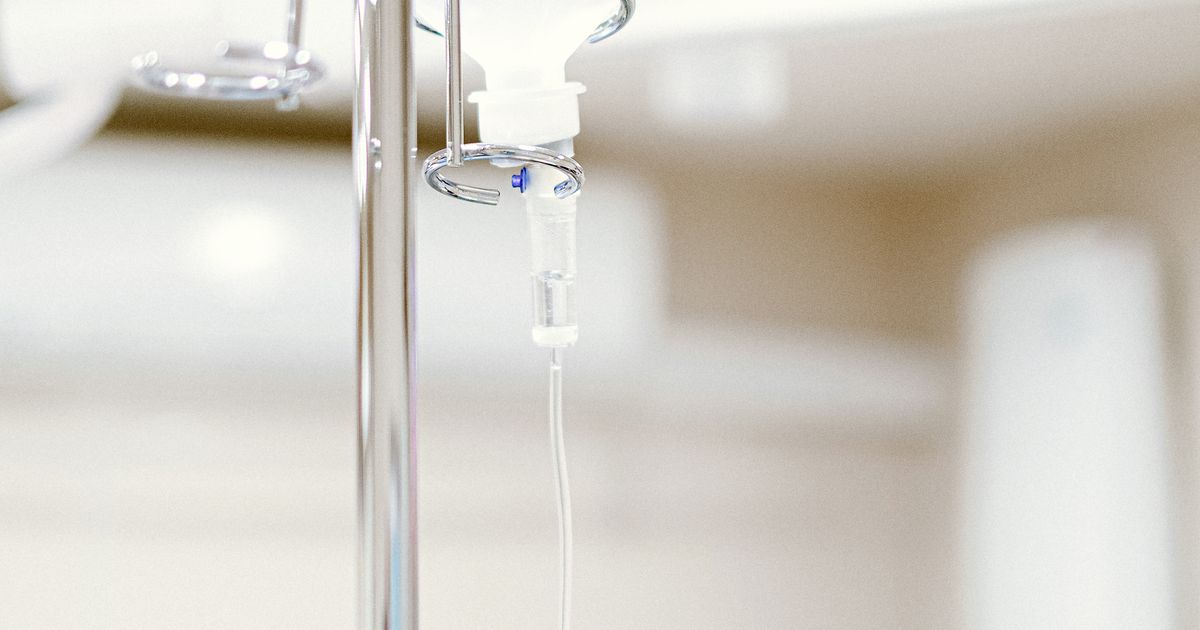
킬 레이션 요법이란 무엇입니까?
The word chelation comes from the Greek word for claw. A chelating medicine works like a claw: it grips a metal particle and holds it tightly, forming a compound that dissolves in water. The body cannot easily get rid of metals such as iron or lead by itself, but it can flush out this compound through the kidneys or the gut.
Different chelating medicines are used for different metals. The choice depends on which metal is involved, how much of it is in the body, the person's age and how well the kidneys and liver are working. Chelation therapy is a prescription treatment that needs medical supervision and regular monitoring.
Other names for chelation therapy
- Iron chelation therapy, when it is used for iron overload
- Chelation treatment or chelating therapy
- Heavy metal chelation or metal detoxification therapy
- Copper chelation, in Wilson's disease
- Lead chelation, in lead poisoning
Why is chelation therapy done?
Iron overload from blood transfusions
Every unit of blood carries iron, and the body has no natural way of removing the extra. People who need regular 수혈 slowly collect iron in the heart, liver and hormone-producing glands. Without treatment this can lead to heart failure, liver scarring, diabetes and delayed growth and puberty in children. Iron chelation is a routine, life-protecting part of care for:
- 지중해빈혈특히, beta thalassaemia 주요한
- 겸상 적혈구 빈혈 treated with regular transfusions
- 골수이 형성 증후군
- 재생 불량성 빈혈 and other long-term anaemias that depend on transfusions
Inherited iron overload
In 혈색소 침착증, the body absorbs too much iron from food. The usual treatment is to remove blood at regular intervals. Chelation is used for people who cannot have blood removed, for example because of anaemia or heart problems.
납 중독
납 중독 can harm the brain, nerves, kidneys and blood, and children are affected the most. Old paint, contaminated water, battery work, some traditional remedies and some imported cosmetics are known sources. Chelation is given when the lead level in the blood is high or when there are symptoms.
Mercury, arsenic and other metal poisoning
Chelation is also used for 수은 중독 비소 중독, and occasionally for other metals, after exposure at work, through contaminated food or water, or by accident.
윌슨 병
윌슨 병 is an inherited condition in which copper builds up in the liver, brain and eyes. Copper chelation removes the excess and is continued for life to stop it collecting again.
Is chelation therapy useful for heart disease?
Chelation has been promoted as a way of clearing blocked arteries, on the theory that it removes calcium from the deposits in the artery wall. The evidence does not support this. Large clinical trials have given mixed results, and the most recent major trial found no reduction in heart attacks, strokes or deaths. Cardiology guidelines do not recommend chelation for 관상 동맥 질환.
There is also no reliable evidence that chelation helps in autism, Alzheimer's disease, diabetes or as a general cleansing treatment. Using it without a proven need exposes a person to side effects, some of them serious, for no benefit. If you have heart disease, speak to a cardiologist about treatments that are known to work.
Who needs chelation therapy?
Your doctor will advise chelation only after tests confirm that a metal is present at a harmful level.
- Iron overload. Treatment usually starts after about 10 to 20 transfusions, or when the blood ferritin level stays above 1,000 nanograms per millilitre on repeated tests. An MRI scan may be used to measure iron in the liver and heart
- Lead and other metals. The decision depends on the level of the metal in blood or urine, the symptoms and the person's age
- Wilson's disease. Treatment begins as soon as the diagnosis is made
적합하지 않을 수 있는 사람은 누구일까요?
- People with severe kidney disease, since many chelating medicines are cleared by the kidneys. The dose or the medicine may need to be changed
- Women who are pregnant or planning a pregnancy. Some chelating medicines are not safe for the baby, so the plan is reviewed by a specialist
- People who have had a serious allergic reaction to a chelating medicine
- People with very low blood counts, for certain medicines
- Anyone without a confirmed metal overload
How is chelation therapy given?
| 방법 | 전달 방법 | 어디에 | 일반적으로 사용 |
|---|---|---|---|
| 정제 | Taken once or several times a day | 집에서 | Long-term iron overload, Wilson's disease, milder lead poisoning |
| Infusion under the skin | A small battery-operated pump delivers the medicine through a fine needle over 8 to 12 hours, usually overnight, on most nights of the week | At home, after training | Long-term iron overload |
| Drip into a vein | The medicine runs in slowly over several hours | Hospital or day-care unit | Severe iron overload affecting the heart, severe metal poisoning |
| Injection into a muscle | Given at set intervals over a few days | 병원 | Some types of metal poisoning |
Sometimes two chelating medicines are combined when one alone is not bringing the metal level down quickly enough.
How to prepare for chelation therapy
Tests before starting
- Blood tests for the metal concerned, such as a ferritin test for iron or a blood lead level
- 완전한 혈구 수
- 신장 기능 검사 간 기능 검사
- 소변 검사
- 기준선 청력 테스트 and eye examination before long-term treatment
- MRI of the heart and liver to measure iron, where needed
- Height and weight in children, to follow growth
치료 전
- Give your doctor a full list of your medicines, vitamins and supplements
- Tell the team if you are pregnant, planning a pregnancy or breastfeeding
- In metal poisoning, the source of exposure must be found and removed. Treatment will not hold if the exposure continues
- If you will be using a pump at home, a nurse will teach you or a family member how to set it up, where to place the needle and how to keep the skin healthy
치료 중에는 무슨 일이 일어나나요?
For metal poisoning
You are usually admitted to hospital. The chelating medicine is given as a drip, injections or tablets in a course lasting several days. Blood and urine tests are repeated to see how much metal is being removed. After a break, the level is checked again, because metal stored in the bones and tissues can move back into the blood. A second or third course may be needed.
For iron overload
Treatment is long-term. Most people take tablets every day or use a pump at home on most nights. You will visit the clinic regularly so that the dose can be adjusted to your iron levels, weight and test results. People with very high iron levels in the heart may be admitted for a continuous drip.
For Wilson's disease
Chelation tablets are started at a low dose and increased slowly. Once copper levels are under control, a lower maintenance dose is continued for life.
Side effects and risks of chelation therapy
Chelating medicines are strong. Most side effects are mild and manageable, but monitoring matters because a few can be serious.
일반적인
- Nausea, vomiting, stomach pain or loose stools
- 피부 발진
- Redness, swelling or soreness where the needle is placed
- Headache or tiredness
- A change in the colour of urine
- 관절통
Less common but important
- 신장 기능의 변화
- A rise in liver enzymes
- A fall in white blood cells, which raises the risk of infection. A fever or sore throat during treatment needs urgent attention
- 청력 상실 또는 귀 울림
- Blurred vision or changes in colour vision
- Loss of useful minerals such as zinc and calcium. A sudden drop in calcium can be dangerous, which is one reason chelation must never be taken without supervision
- 알레르기 반응
- Slower growth in children if the dose is too high for the amount of iron present
Monitoring during chelation therapy
- Ferritin or metal levels every 1 to 3 months
- Blood counts, kidney tests and liver tests at regular intervals, more often with some medicines
- 소변 검사
- Hearing and eye tests once a year
- MRI of the heart and liver every 1 to 2 years in iron overload
- Growth and puberty checks in children and teenagers
These results tell your doctor whether to raise, lower or pause the dose. Taking too little allows the metal to keep building up. Taking too much when levels are already low increases side effects.
How well does chelation therapy work?
- Iron overload. Regular chelation has changed the outlook for people with thalassaemia. Those who take their treatment consistently have far fewer heart and liver complications and can expect a much longer life
- Lead and other metal poisoning. Chelation lowers the level of metal in the blood and relieves many symptoms. Damage that has already happened to the brain or nerves may not fully reverse, which is why early treatment and prevention matter
- Wilson's disease. Liver function often improves over months. Nerve-related symptoms improve more slowly and sometimes only partly
The single biggest factor in success with long-term chelation is taking it regularly, exactly as prescribed.
Living with long-term chelation therapy
- Make it part of the routine. Link tablets to a fixed time of day. If you use a pump, set it up at the same time each evening
- Rotate needle sites to avoid sore or hard patches of skin
- Drink enough fluids, unless your doctor has asked you to limit them
- Check before taking supplements. People with iron overload should not take iron tablets or high-dose vitamin C unless advised
- Follow dietary advice. People with Wilson's disease are usually asked to limit foods that are very high in copper, such as liver, shellfish, nuts and chocolate
- Report fever, a change in hearing or vision, or reduced urine 지체없이
- Plan pregnancy with your doctor, since treatment may need to change
- Keep every monitoring appointment, even when you feel well
- 지원을 요청하십시오. Daily treatment can be tiring, especially for children and teenagers. Counselling and patient groups can help
Benefits of chelation therapy
- Removes metals that the body cannot clear by itself
- Protects the heart, liver and glands from iron damage
- Allows people who depend on transfusions to live longer and healthier lives
- Can be life-saving in severe metal poisoning
- Stops copper from building up in Wilson's disease
- Tablet options make long-term treatment easier
What is the cost of chelation therapy in India?
The cost of chelation therapy in India depends on:
- The condition being treated and the medicine chosen
- How it is given: tablets, pump, drip or injections
- The dose, which is based on body weight and metal levels
- How long treatment continues
- The tests and scans needed for monitoring
- Hospital admission, if required
- 도시와 병원
비용은 개인마다 다릅니다. 정확한 가격은 병원에 문의하십시오.
Many health insurance policies and government schemes for thalassaemia and other blood disorders cover part of the cost. The billing or insurance desk at the Apollo hospital nearest to you can guide you.
Why choose Apollo Hospitals for chelation therapy?
- Haematologists and paediatric haematologists who look after people with thalassaemia and other transfusion-dependent conditions
- Day-care units for transfusion and infusion
- MRI-based measurement of iron in the heart and liver
- Liver and nerve specialists for Wilson's disease
- Emergency and intensive care for poisoning
- 골수 이식 programmes for people who may be cured of the underlying blood disorder
Book an appointment with a haematologist at Apollo Hospitals to discuss whether you or your child needs chelation therapy.
관련 독서
Questions to ask your doctor about chelation therapy
- Which metal is high in my body, and how high is it?
- Why do I need chelation, and what happens if I do not have it?
- Which form of treatment do you recommend for me: tablets, a pump or a drip?
- 치료 기간은 얼마나 되나요?
- What side effects should I watch for, and when should I call you?
- Which tests will I need, and how often?
- Are there foods, medicines or supplements I should avoid?
- 복용량을 놓친 경우 어떻게해야합니까?
- Is the treatment safe if I want to have a baby?
자주 묻는 질문
1. What is chelation therapy used for?
It is used to remove excess iron in people who need regular blood transfusions, to treat poisoning with lead, mercury or arsenic, and to remove copper in Wilson's disease.
2. Is chelation therapy safe?
Yes, when it is prescribed for a proven need and monitored with regular tests. It is not safe to take chelating medicines without medical supervision.
3. Does chelation therapy clear blocked arteries?
There is no reliable proof that it does. Major studies have not shown a clear benefit, and it is not recommended as a treatment for heart disease.
4. How long does chelation therapy take?
For metal poisoning, a course lasts days to weeks and may be repeated. For iron overload and Wilson's disease, treatment continues for years and is often lifelong.
5. What are the side effects of chelation therapy?
Common ones are nausea, stomach upset, rash and soreness at the needle site. Less common effects involve the kidneys, liver, blood counts, hearing and vision, which is why regular tests are needed.
6. Is chelation therapy painful?
Tablets are painless. With a pump, you may feel a small prick when the needle goes in and some soreness at the site. A drip involves a needle in a vein.
7. Can children have chelation therapy?
Yes. Children with thalassaemia usually start iron chelation after the first one to two years of regular transfusions, and children with lead poisoning are treated when levels are high.
8. When should iron chelation be started in thalassaemia?
Usually after about 10 to 20 transfusions or when ferritin stays above 1,000 nanograms per millilitre. Your haematologist will decide based on test results.
9. Can I stop chelation when my iron level comes down?
Do not stop on your own. If you are still having transfusions, iron will build up again. Your doctor may lower the dose or pause treatment when levels are low.
10. What foods should be avoided during iron chelation?
Avoid iron supplements and high-dose vitamin C unless prescribed. Your doctor or dietitian may give more specific advice based on your condition.
11. Can chelation therapy be taken during pregnancy?
Some chelating medicines are not safe in pregnancy. If you are pregnant or planning to be, your specialist will review and adjust the treatment.
12. Is chelation therapy a detox treatment?
No. It is a prescription treatment for confirmed metal overload. Using it for general cleansing has no proven benefit and can cause harm.
13. What happens if iron overload is not treated?
Iron collects in the heart, liver and glands. Over time this can cause heart failure, abnormal heart rhythms, liver scarring, diabetes, thyroid problems and delayed puberty.
14. Which doctor gives chelation therapy?
A haematologist or paediatric haematologist manages iron chelation. Metal poisoning is treated by physicians and emergency or critical care teams, and Wilson's disease by liver and nerve specialists.
맺음말
Chelation therapy is a reliable way of removing harmful metals from the body when there is a clear medical reason to do so. For people with thalassaemia and other transfusion-dependent conditions, it protects vital organs and adds years of healthy life. For metal poisoning and Wilson's disease, it is an essential part of treatment. It works best when taken regularly and monitored closely, and it should never be used without a confirmed diagnosis.
이 페이지는 일반적인 정보를 제공하기 위한 것이며 의사의 진료를 대체할 수 없습니다. 치료 결정은 환자의 병력을 잘 아는 자격을 갖춘 전문의와 상의하여 내려야 합니다.
최근에 추가


Haematologists at Apollo Hospitals




 일요일에 이용 가능합니다




부인 성명:
이 페이지에 제공된 정보는 일반적인 정보 제공 및 교육 목적으로만 사용됩니다. 당사는 정보의 정확성, 신뢰성 및 정기적인 검토를 위해 합리적인 노력을 기울이지만, 전문적인 의료 조언, 진단 또는 치료를 대신하는 것으로 간주해서는 안 됩니다.
의료 시술의 적합성, 이점, 위험, 준비 과정, 회복 과정, 잠재적 합병증 및 예상 결과는 개인마다 다를 수 있습니다. 의료 전문가는 환자의 개별적인 상태와 병력을 바탕으로 시술이 적절한지 여부를 판단할 것입니다.
어떠한 의료 시술과 관련된 결정을 내리기 전에 반드시 자격을 갖춘 의료 전문가와 상담하여 개인적인 조언을 받으시기 바랍니다.
저희 의료 콘텐츠의 제작, 검토, 업데이트 및 관리 방식에 대한 자세한 내용은 [편집 정책] 을 참조하십시오.




