


アポロ編集チームによるレビュー
素早い回答
Tumour resection is surgery to remove a tumour, usually with a rim of healthy tissue around it. It is used for many cancers and for non-cancerous tumours that cause symptoms or may turn harmful. The operation differs greatly depending on the organ involved, so each type has its own page. For cancer, surgery is often combined with chemotherapy, radiotherapy or other treatment, and the plan is made by a team of specialists.
| 主な事実 | Details |
|---|---|
| それは何ですか | Surgical removal of a tumour, in whole or in part |
| に使用 | Cancerous (malignant) and non-cancerous (benign) tumours |
| Main aims | Cure, control of the disease, relief of symptoms, or diagnosis |
| アプローチ | Open, keyhole or robotic, and endoscopic surgery |
| 麻酔 | Usually general anaesthesia |
| 入院と回復 | Varies widely with the organ and the size of the operation |
| によって演奏された | Surgical oncologist or an organ-specific surgeon |
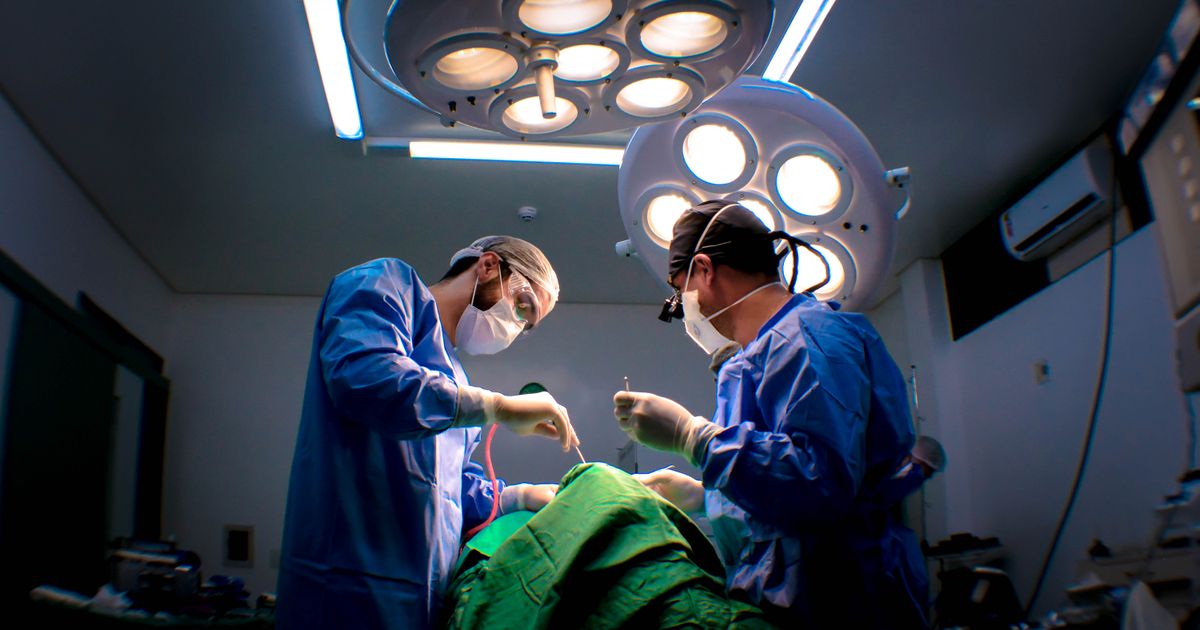
What is tumour resection?
A tumour is a lump formed by cells that grow more than they should. Some are 良性 and do not spread. Others are cancers that can invade nearby tissue and spread to other parts of the body. Resection means cutting out. In a tumour resection, the surgeon removes the tumour and, for cancers, a margin of normal tissue around it. Nearby lymph nodes may be removed too, to check whether the disease has spread.
Other names for tumour resection
- Tumour removal surgery
- Tumour excision
- Cancer surgery or oncosurgery
- 外科的切除
- Tumor resection (American spelling)
Types of tumour resection
Tumour surgery is usually named after the organ or area treated. The table lists common types, with links to the detailed pages.
| エリア | 何が行われるか | 使用される場合 | 続きを読む |
|---|---|---|---|
| 脳 | The tumour is removed through an opening in the skull or through the nose | Brain and pituitary tumours that can be reached safely | Craniotomy for tumour, Pituitary tumour surgery |
| Brain, in children | Tumour removal planned for a growing child | Childhood brain tumours | Paediatric brain tumour resection |
| 脊髄 | The tumour is freed from the cord and nerves | Tumours pressing on the spinal cord | Spinal cord tumour surgery |
| 骨と軟部組織 | The tumour is removed and the limb is rebuilt where possible | Bone tumours and sarcomas | 骨腫瘍切除, 肉腫切除 |
| 胸部(縦隔) | A tumour between the lungs is removed | Thymus and other mediastinal tumours | Mediastinal tumour resection |
| 膀胱 | The tumour is removed through the urine passage with a telescope | Diagnosis and treatment of bladder tumours | ターン |
| 膵臓 | The tumour alone, or part of the pancreas, is removed | Hormone-producing and other pancreatic tumours | Pancreatic endocrine tumour resection |
| 肝臓 | The part of the liver holding the tumour is removed | Liver cancer and some tumours that have spread to the liver | 肝切除 |
| 副腎 | The affected adrenal gland is removed | 副腎腫瘍 | 副腎切除 |
| 胸 | The lump or the breast is removed | 乳癌 | 乳がん手術 |
| Children's tumours | Removal of solid tumours in children | Tumours of the kidney, abdomen and other sites in childhood | Paediatric tumour surgery |
When a cancer cannot be removed completely, the surgeon may remove as much as is safe. This is called 減量手術.
Why is tumour resection done?
- To cure: when a cancer is confined to one area and can be removed completely
- To control: to reduce the amount of tumour so that other treatments work better
- 症状を緩和するには: such as pain, bleeding, blockage or pressure on an organ
- 診断するには: when removing the lump is the best way to find out what it is
- To prevent harm: for benign tumours that are growing or could become cancerous
Surgery is not right for every tumour. Blood cancers, cancers that have spread widely and tumours in places where removal would cause serious harm are usually treated in other ways, such as 化学療法放射線療法、 ターゲット療法 or 免疫療法.
How is tumour resection done in general?
The tumour is first studied with scans such as CT, MRI or a PET-CTスキャン、そして通常は 生検. For cancer, a team of surgeons, oncologists, radiologists and pathologists agrees on the plan. Some people have treatment before surgery to shrink the tumour, or afterwards to lower the chance of it returning. See 補助化学療法および術前化学療法.
麻酔, the surgeon reaches the tumour by an open cut, by keyhole or ロボットの surgery, or with an endoscope. The tumour is removed with a margin of healthy tissue where possible, and the area is repaired or reconstructed. A pathologist examines the tissue. The report shows the exact type of tumour and whether the edges are free of tumour cells, which guides further treatment.
Risks of tumour resection
Risks depend on the organ, the size of the operation and your general health. In general they include:
- Bleeding, sometimes needing a blood transfusion
- Infection of the wound or chest
- 脚や肺の血栓
- Damage to nearby organs, nerves or blood vessels
- Loss of some function of the organ operated on
- 麻酔に対する反応
- Tumour cells left behind, or the tumour coming back later
Recovery after tumour resection
Recovery ranges from a day or two after a small endoscopic procedure to several weeks after major surgery. Follow-up visits and scans are needed to review the pathology report, plan any further treatment and watch for recurrence.
いつ医療支援を求めるべきか
- 発熱または悪寒
- Bleeding, redness, swelling or discharge from the wound
- Pain that is getting worse
- 息切れまたは胸痛
- 片足の痛みまたは腫れ
- Repeated vomiting, or being unable to eat or drink
What is the cost of tumour resection in India?
コストはいくつかの要因によって異なります。
- The organ involved and the size of the operation
- Open, keyhole, robotic or endoscopic approach
- Need for reconstruction, implants or intensive care
- Scans, biopsy and pathology tests
- 滞在期間と部屋の種類
- Other cancer treatments given before or after surgery
費用は個人によって異なります。正確な料金については病院にお問い合わせください。
Health insurance usually covers medically necessary tumour surgery. Check your policy terms before admission.
Why choose Apollo Hospitals for tumour resection?
- Surgical oncologists and organ-specific surgeons working in one team
- Tumour boards where each cancer case is discussed by several specialists
- Imaging, pathology, chemotherapy and radiotherapy services alongside surgery
- Keyhole and robotic surgery at selected centres. Availability differs between centres. Please check with the hospital.
To discuss treatment for a tumour, you can 腫瘍専門医との予約を取る アポロ病院にて。
Questions to ask your doctor about tumour resection
- Is my tumour benign or cancerous, and what stage is it?
- Is the aim of surgery to cure, to control or to relieve symptoms?
- Can the whole tumour be removed?
- Will I need treatment before or after surgery?
- How will the operation affect the way the organ works?
- どのようなフォローアップが必要ですか?
よくあるご質問
1. Is tumour resection the same as cancer surgery?
Not always. Tumour resection includes surgery for cancers and for benign tumours.
2. What does a clear margin mean?
The surgeon removes a rim of normal tissue around a cancer. If the pathologist finds no tumour cells at the edge of this tissue, the margin is called clear or negative.
3. Can every tumour be removed by surgery?
No. Some tumours are too widespread, too close to essential structures, or better treated with medicines or radiotherapy.
4. Will I need chemotherapy or radiotherapy after tumour resection?
It depends on the type and stage of the tumour and the pathology report. Many benign tumours need no further treatment. Many cancers are treated with a combination of surgery and other therapy.
5. Can a tumour come back after it is removed?
Yes, some tumours can return in the same place or elsewhere. The risk varies with the type of tumour and how completely it was removed.
6. What is the difference between resection and debulking?
Resection aims to remove the whole tumour. Debulking removes as much as can be done safely when complete removal is not possible, to ease symptoms or help other treatments work.
7. How long does recovery take after tumour resection?
It can be a few days after a small procedure or several weeks after a major operation.
8. Which doctor performs tumour resection?
A surgical oncologist or a surgeon who specialises in the affected organ, such as a neurosurgeon, urologist, orthopaedic oncologist or gastrointestinal surgeon.
結論
Tumour resection is a central part of treatment for many tumours, but the operation is very different from one organ to another. Use the links above to read about the surgery that applies to you, and discuss the aim, risks and follow-up plan with your treating team.
このページは一般的な情報提供を目的としており、医師の診察に代わるものではありません。治療に関する決定は、あなたの病歴を把握している資格のある専門医と相談の上で行ってください。
最近追加された


アポロ病院の癌専門医



お断り:
このページに掲載されている情報は、一般的な情報提供および教育目的のみを意図したものです。情報の正確性、信頼性、定期的な更新に努めておりますが、専門的な医学的助言、診断、治療に代わるものではありません。
医療処置の適性、その利点、リスク、準備、回復、起こりうる合併症、そして期待される結果は、人によって異なります。担当の医療専門家は、あなたの個々の状態と病歴に基づいて、その処置が適切かどうかを判断します。
医療処置に関する決定を下す前に、必ず資格のある医療専門家にご相談の上、個別の助言を受けてください。
医療コンテンツの作成、レビュー、更新、および維持管理方法の詳細については、[編集方針]をお読みください。




