

Percutaneous Coronary Intervention - Procedures, Preparation, Cost, and Recovery
What is PCI?
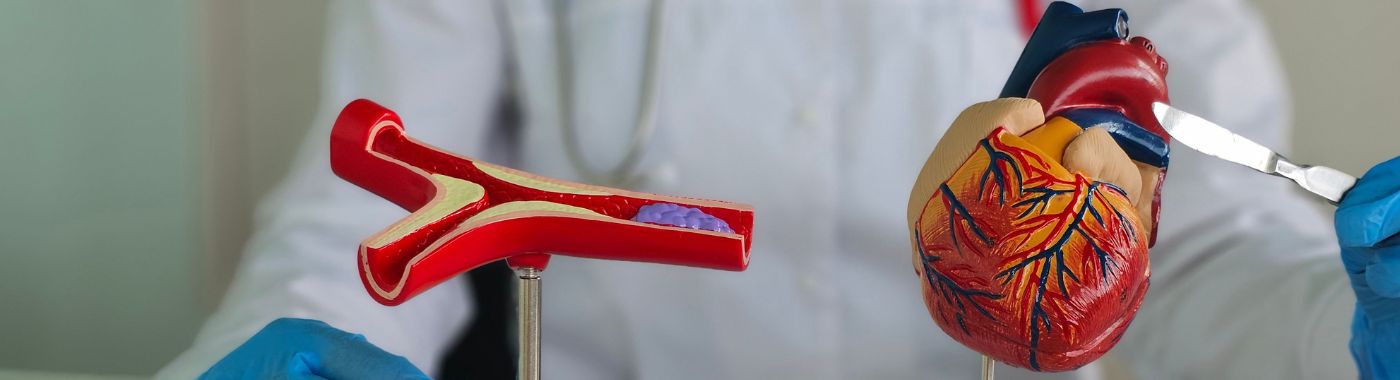
PCI (PCI) is a minimally invasive medical procedure used to treat narrowed or blocked coronary arteries, which supply blood to the heart muscle. The primary goal of PCI is to restore adequate blood flow to the heart, thereby alleviating symptoms and reducing the risk of heart-related complications. This procedure is often referred to as coronary angioplasty, and it may involve the placement of a stent to keep the artery open after the blockage has been cleared.
During the PCI procedure, a thin, flexible tube called a catheter is inserted into a blood vessel, usually in the groin or wrist, and guided to the coronary arteries. A contrast dye is injected through the catheter to visualize the arteries on X-ray images, allowing the physician to identify the location and severity of blockages. Once the blockage is located, a small balloon at the tip of the catheter is inflated to compress the plaque against the artery walls, widening the artery and improving blood flow. In many cases, a stent—a small mesh tube—is placed in the artery to help keep it open and prevent future blockages.
PCI is primarily performed in patients with coronary artery disease (CAD), a condition characterized by the buildup of plaque in the coronary arteries, which can lead to chest pain (angina), heart attacks, and other serious cardiovascular issues. By restoring blood flow, PCI can significantly improve a patient's quality of life and reduce the risk of severe heart complications.
Why is PCI Done?
PCI is typically recommended for patients experiencing symptoms of coronary artery disease or those who have been diagnosed with significant blockages in their coronary arteries. The most common symptoms that may lead to the recommendation of PCI include:
- Chest Pain (Angina): This is often described as a feeling of pressure, squeezing, or fullness in the chest. Angina can occur during physical activity or emotional stress and may subside with rest or medication.
- Shortness of Breath: Patients may have trouble breathing, especially during exertion, which can indicate that the heart is not receiving enough blood and oxygen.
- Heart Attack Symptoms: In some cases, PCI is performed as an emergency procedure during a heart attack to quickly restore blood flow to the heart muscle and minimize damage.
- Abnormal Stress Test Results: If a patient undergoes a stress test that shows significant ischemia (reduced blood flow) to the heart, PCI may be recommended to address the underlying blockages.
PCI is often considered when lifestyle changes and medications alone are insufficient to manage symptoms or when there is a high risk of heart attack due to severe blockages. The decision to proceed with PCI is made after careful evaluation of the patient's overall health, the severity of their condition, and the potential benefits and risks of the procedure.
The patients must adhere to DAPT (dual antiplatelet therapy) after stent placement, especially after drug-eluting stents, to prevent stent thrombosis.
Indications for PCI
Several clinical situations and diagnostic findings can indicate the need for PCI. These include:
- Significant Coronary Artery Disease: Patients with one or more coronary arteries that are significantly narrowed (typically 70% or more) may be candidates for PCI. This is often determined through coronary angiography, a procedure that visualizes the coronary arteries.
- Unstable Angina: Patients experiencing unstable angina, which is chest pain that occurs at rest or with minimal exertion and is not relieved by medication, may require PCI to prevent a heart attack.
- Acute Myocardial Infarction (Heart Attack): In cases of ST-elevation myocardial infarction (STEMI), where there is a complete blockage of a coronary artery, PCI is often performed as an emergency intervention to restore blood flow as quickly as possible. However, certain very high-risk post-MI cases may require timing considerations.
- Chronic Stable Angina: For patients with chronic stable angina who do not respond adequately to medical therapy, PCI may be recommended to improve symptoms and enhance quality of life.
- Positive Stress Test Results: If a patient has a positive result on a stress test indicating significant ischemia, PCI may be indicated to address the underlying blockages.
- Left Main Coronary Artery Disease: Patients with significant narrowing of the left main coronary artery, which supplies a large portion of the heart, may be candidates for PCI due to the high risk associated with blockages in this artery. PCI may also be considered in selected cases, particularly when CABG is not feasible or in lower SYNTAX score lesions.
- Recurrent Symptoms After Bypass Surgery: Patients who have previously undergone coronary artery bypass grafting (CABG) and experience recurrent symptoms may benefit from PCI to treat new blockages in the grafts or native coronary arteries.
In summary, the decision to perform PCI is based on a combination of clinical symptoms, diagnostic test results, and the overall health of the patient. It is essential for patients to discuss their individual circumstances with their healthcare provider to determine the most appropriate treatment plan.
Types of PCI
While the term "Percutaneous Coronary Intervention" encompasses various techniques, the most recognized subtype is coronary angioplasty with stenting. Here are the primary approaches within PCI:
- Balloon Angioplasty: This is the foundational technique of PCI, where a balloon catheter is used to open narrowed arteries. The balloon is inflated at the site of the blockage, compressing the plaque against the artery walls and widening the artery.
- Stent Placement: In most cases, a stent is placed during balloon angioplasty to keep the artery open. Stents can be bare-metal or drug-eluting, the latter of which releases medication to help prevent re-narrowing of the artery.
- Rotational Atherectomy: This technique is used for heavily calcified lesions that are difficult to treat with standard balloon angioplasty. A specialized catheter with a rotating diamond-coated tip is used to grind away the plaque.
- Intravascular Ultrasound (IVUS): While not a treatment technique per se, IVUS is often used during PCI to provide real-time imaging of the artery, helping physicians assess the severity of blockages and the effectiveness of the procedure.
- Optical Coherence Tomography (OCT): Similar to IVUS, OCT is an imaging technique that provides high-resolution images of the artery, allowing for detailed assessment of plaque characteristics and stent placement
These techniques are tailored to the individual needs of the patient and the specific characteristics of their coronary artery disease. The choice of approach depends on factors such as the location and severity of the blockage, the patient's overall health, and the presence of other medical conditions.
In conclusion, PCI is a vital procedure for treating coronary artery disease, aimed at restoring blood flow to the heart and alleviating symptoms. Understanding the indications, purpose, and types of PCI can empower patients to make informed decisions about their heart health and treatment options.
Contraindications for PCI
While PCI is a widely used and effective treatment for coronary artery disease, certain conditions or factors may make a patient unsuitable for this procedure. Understanding these contraindications is crucial for both patients and healthcare providers to ensure safety and optimal outcomes.
- Severe Allergies: Patients with a known allergy to contrast dye or any medications used during the procedure may be at risk. Alternative imaging techniques or premedication strategies may be considered in such cases.
- Uncontrolled Bleeding Disorders: Individuals with conditions that predispose them to excessive bleeding, such as thrombocytopenia or hemophilia, may not be suitable candidates for PCI due to the risk of complications during and after the procedure.
- Severe Heart Failure: Patients with advanced heart failure may not tolerate the procedure well. The risks associated with PCI may outweigh the potential benefits in these cases.
- Recent Myocardial Infarction: If a patient has had a recent heart attack, particularly within the last few days, the timing of PCI may be critical. In some instances, immediate intervention may not be advisable.
- Severe Peripheral Vascular Disease: Patients with significant vascular disease may have difficulty accessing the coronary arteries through the femoral or radial arteries, which can complicate the procedure.
- Infection: Active infections, particularly in the area where the catheter will be inserted, can pose a significant risk. In such cases, the procedure may need to be postponed until the infection is resolved.
- Non-compliance with Medications: Patients who are unable or unwilling to adhere to post-procedure medication regimens, such as antiplatelet therapy, may not be ideal candidates for PCI, as this can increase the risk of complications.
- Severe Kidney Dysfunction: Patients with significant renal impairment may be at risk for contrast-induced nephropathy, a condition that can worsen kidney function following the use of contrast dye during PCI.
- Anatomical Considerations: Certain anatomical features, such as heavily calcified arteries or complex coronary anatomy, may make PCI technically challenging or less likely to succeed.
- Patient Preference: Ultimately, a patient’s personal choice and understanding of the risks and benefits play a crucial role. If a patient is not comfortable with the procedure, alternative treatment options should be discussed.
How to Prepare for PCI?
Preparation for PCI is essential to ensure a smooth procedure and optimal recovery. Here are the key steps and considerations for patients:
- Pre-Procedure Consultation: Before the procedure, patients will meet with their cardiologist to discuss the details of PCI, including the risks, benefits, and what to expect. This is a good time to ask any questions.
- Medical History Review: Patients should provide a comprehensive medical history, including any allergies, medications, and previous heart conditions. This information helps the healthcare team tailor the procedure to the patient’s needs.
- Medications: Patients may be instructed to stop certain medications, particularly blood thinners, a few days before the procedure. It’s important to follow these instructions carefully to minimize bleeding risks.
- Pre-Procedure Tests: Several tests may be conducted before PCI, including blood tests, an electrocardiogram (ECG), and imaging studies like echocardiograms or stress tests. These help assess heart function and the severity of coronary artery disease.
- Fasting: Patients are typically advised to fast for several hours before the procedure. This means no food or drink, usually starting the night before. Clear liquids may be allowed, but it’s essential to follow specific instructions from the healthcare provider.
- Transportation Arrangements: Since PCI is often performed on an outpatient basis, patients should arrange for someone to drive them home after the procedure. Sedation may be used, and patients will not be able to drive themselves.
- Clothing and Personal Items: Patients should wear comfortable clothing and may be asked to remove jewelry and other personal items before the procedure. Hospitals often provide gowns for the procedure.
- Discussing Concerns: Patients should feel free to discuss any concerns or anxieties with their healthcare team. Understanding the procedure can help alleviate fears and promote a sense of control.
- Post-Procedure Care Instructions: Patients will be given clear post-procedure instructions, including signs of complications to watch for and when to follow up with their healthcare provider.
- Support System: Having a support system in place, whether it’s family or friends, can be beneficial for emotional support and assistance during recovery.
PCI: Step-by-Step Procedure
Understanding the PCI process can help demystify the experience for patients. Here’s a step-by-step overview of what happens before, during, and after the procedure:
- Arrival and Preparation: Upon arrival at the hospital or outpatient center, patients will check in and may undergo a brief assessment. They will then change into a hospital gown and have an intravenous (IV) line placed for medication administration.
- Sedation: Patients are typically given a sedative to help them relax. Local anesthesia is applied to the area where the catheter will be inserted, usually in the groin or wrist.
- Accessing the Artery: The cardiologist will make a small incision in the skin to access the femoral or radial artery. A sheath is inserted to allow for the introduction of the catheter.
- Catheter Insertion: A thin, flexible tube (catheter) is threaded through the sheath and guided through the blood vessels to the coronary arteries. This is done using fluoroscopy, a type of real-time X-ray imaging.
- Contrast Dye Injection: Once the catheter is in place, a contrast dye is injected to visualize the coronary arteries. This helps the cardiologist identify blockages or narrowing.
- Balloon Angioplasty: If a blockage is found, a small balloon attached to the catheter is inflated at the site of the blockage. This compresses the plaque against the artery walls, widening the artery and improving blood flow.
- Stent Placement: In many cases, a stent (a small mesh tube) is placed in the artery to keep it open. The stent may be drug-eluting, meaning it releases medication to help prevent re-narrowing of the artery.
- Monitoring: After the procedure, patients are moved to a recovery area where they are monitored for several hours. Vital signs are checked regularly, and patients may be given fluids and medications as needed.
- Post-Procedure Instructions: Once stable, patients will receive instructions on activity restrictions, medication adherence, and signs of complications to watch for. They may also schedule a follow-up appointment.
- Recovery: Most patients can go home the same day or the next day, depending on their individual circumstances. Recovery times vary, but many people can return to normal activities within a week.
Risks and Complications of PCI
Like any medical procedure, PCI carries certain risks. While many patients experience successful outcomes, it’s important to be aware of both common and rare complications.
Common Risks:
- Bleeding: The most common complication is bleeding at the catheter insertion site. This can usually be managed with pressure and monitoring.
- Infection: There is a small risk of infection at the insertion site. Proper care and hygiene can help minimize this risk.
- Allergic Reactions: Some patients may experience allergic reactions to the contrast dye used during the procedure. This can range from mild to severe.
- Blood Vessel Damage: The catheter can cause damage to the blood vessels, leading to complications such as hematoma (a localized collection of blood outside of blood vessels).
- Arrhythmias: Some patients may experience irregular heartbeats during or after the procedure, which are usually temporary and resolve on their own.
Rare Risks:
- Heart Attack: Although PCI is performed to relieve blockages, there is a small risk of a heart attack occurring during or shortly after the procedure.
- Stroke: In rare cases, a stroke can occur due to a blood clot or dislodging during the procedure.
- Kidney Damage: Patients with pre-existing kidney issues may be at risk for contrast-induced nephropathy, which can worsen kidney function.
- Stent Thrombosis: A rare but serious complication where a blood clot forms on the stent, potentially leading to a heart attack.
- Death: While extremely rare, there is a small risk of mortality associated with PCI, particularly in patients with significant comorbidities.
In conclusion, while PCI is a valuable tool in treating coronary artery disease, understanding the contraindications, preparation steps, procedure details, and potential risks is essential for patients. Open communication with healthcare providers can help ensure a safe and effective experience.
Recovery After Percutaneous Coronary Intervention
Recovery after PCI is a crucial phase that can significantly impact your overall health and well-being. Understanding the expected recovery timeline, aftercare tips, and when you can resume normal activities is essential for a smooth transition back to your daily life.
Expected Recovery Timeline
Immediately after the PCI procedure, you will be monitored in a recovery area for several hours. Most patients can go home the same day or the next day, depending on their individual health status and the complexity of the procedure. Here’s a general timeline of what to expect:
- First 24 Hours: You may experience some discomfort at the catheter insertion site, which is normal. Pain management will be provided as needed. You will be encouraged to rest and limit physical activity.
- 1 Week Post-Procedure: Many patients can return to light activities, such as walking and basic household tasks. However, it’s essential to avoid heavy lifting or strenuous exercise during this time.
- 2-4 Weeks Post-Procedure: Most patients can gradually resume normal activities, including work, as long as they feel comfortable. It’s advisable to consult your healthcare provider before returning to more vigorous activities.
- 1-3 Months Post-Procedure: Full recovery can take several weeks to months. Regular follow-up appointments will help monitor your heart health and ensure that you are healing properly.
Aftercare Tips
To promote a smooth recovery after your PCI, consider the following aftercare tips:
- Follow Medical Advice: Adhere to your doctor’s instructions regarding medications, lifestyle changes, and follow-up appointments.
- Monitor Your Symptoms: Keep an eye on your incision site for signs of infection, such as increased redness, swelling, or discharge. Report any unusual symptoms to your healthcare provider.
- Healthy Diet: Focus on a heart-healthy diet rich in fruits, vegetables, whole grains, and lean proteins. Limit saturated fats, trans fats, and sodium.
- Stay Active: Engage in light physical activity, such as walking, as recommended by your doctor. Gradually increase your activity level as you feel more comfortable.
- Avoid Smoking and Alcohol: If you smoke, seek help to quit. Limit alcohol consumption, as it can interfere with your recovery.
- Manage Stress: Practice relaxation techniques such as deep breathing, meditation, or yoga to help manage stress levels.
- Cardiac Rehabilitation: You are encouraged to enroll in a cardiac rehab for long-term benefit.
When Normal Activities Can Resume
Most patients can return to their normal daily activities within a few weeks after PCI. However, it’s essential to listen to your body and consult your healthcare provider before resuming any high-impact activities or sports. Each patient’s recovery is unique, and your doctor will provide personalized guidance based on your health status.
Benefits of PCI
PCI offers numerous benefits that can significantly improve your health and quality of life. Understanding these advantages can help you make informed decisions about your heart health.
- Improved Blood Flow: PCI effectively opens blocked or narrowed coronary arteries, restoring blood flow to the heart. This can alleviate symptoms such as chest pain (angina) and shortness of breath.
- Reduced Risk of Heart Attack: By addressing blockages in the arteries, PCI can lower the risk of a heart attack, which is crucial for patients with significant coronary artery disease.
- Minimally Invasive Procedure: PCI is less invasive than traditional open-heart surgery, resulting in shorter recovery times, less pain, and minimal scarring.
- Quick Recovery: Most patients can return home within a day or two after the procedure, allowing for a faster return to daily activities compared to surgical options.
- Enhanced Quality of Life: Many patients report an improved quality of life after PCI, with increased energy levels and the ability to engage in physical activities they previously avoided due to heart-related symptoms.
- Long-Term Management: PCI can be part of a comprehensive heart health strategy, including lifestyle changes and medication management, to help prevent future heart issues.
- Lower Healthcare Costs: Compared to more invasive surgical options, PCI often results in lower overall healthcare costs due to shorter hospital stays and quicker recovery times.
What is the Cost of a PCI in India?
The cost of a PCI (PCI) in India typically ranges from ₹1,00,000 to ₹2,50,000. Several factors can influence the overall cost, including:
- Hospital Choice: Different hospitals may have varying pricing structures based on their facilities, expertise, and reputation.
- Location: The cost of PCI can vary significantly between urban and rural areas, with metropolitan hospitals generally charging more.
- Room Type: The type of accommodation you choose during your hospital stay can affect the total cost. Private rooms tend to be more expensive than shared accommodations.
- Complications: If any complications arise during or after the procedure, additional treatments may be required, increasing the overall cost.
Apollo Hospitals’ Advantages
Apollo Hospitals is renowned for its advanced cardiac care and state-of-the-art facilities. Patients can benefit from:
- Highly skilled cardiologists with extensive experience in PCI.
- Comprehensive pre- and post-procedure care.
- Access to cutting-edge technology and equipment.
- A patient-centric approach that prioritizes comfort and recovery.
For exact pricing and personalized care options, we encourage you to contact Apollo Hospitals. Compared to Western countries, the cost of PCI in India is significantly more affordable, making it an attractive option for patients seeking high-quality cardiac care.
Frequently Asked Questions about PCI
What dietary changes should I make before my PCI?
Before your PCI, it’s essential to follow a heart-healthy diet. Focus on consuming fruits, vegetables, whole grains, and lean proteins. Avoid high-fat and high-sugar foods. Discuss any specific dietary restrictions with your healthcare provider.
Can I eat normally after my PCI?
After your PCI, you should continue to follow a heart-healthy diet especially limiting foods high in saturated fats, trans fats, and sodium. Your doctor may provide specific dietary guidelines tailored to your recovery.
How should elderly patients prepare for PCI?
Elderly patients should discuss their medical history and any medications with their healthcare provider before the PCI. It’s crucial to have a caregiver or family member available to assist during recovery.
Is PCI safe for pregnant women?
If you are pregnant or planning to become pregnant, discuss your situation with your healthcare provider. While PCI can be performed during pregnancy, it requires careful consideration of risks and benefits.
Can children undergo PCI?
PCI is generally safe for children with specific heart conditions. Pediatric cardiologists will evaluate the child’s health and determine the best course of action.
What should I do if I have obesity and need a PCI?
If you are obese, it’s essential to discuss your weight with your healthcare provider before the PCI. They may recommend a weight management plan to improve your overall health and reduce surgical risks.
How does diabetes affect my PCI?
Diabetes can increase the risk of complications during and after PCI. It’s crucial to manage your blood sugar levels and discuss your diabetes management plan with your healthcare provider.
What precautions should I take if I have hypertension before my PCI?
If you have hypertension, it’s essential to manage your blood pressure effectively before your PCI. Your healthcare provider may adjust your medications to ensure optimal control.
Can I take my regular medications before the PCI?
Discuss all medications, including over-the-counter drugs and supplements, with your healthcare provider before the PCI. Some medications may need to be adjusted or temporarily stopped.
What are the signs of complications after my PCI?
After your PCI, watch for signs of complications, such as increased pain at the insertion site, fever, or unusual swelling. Contact your healthcare provider immediately if you experience any concerning symptoms.
How long will I need to stay in the hospital after my PCI?
Most patients can expect to stay in the hospital for a few hours to a day after their PCI. Your healthcare provider will determine the appropriate length of stay based on your recovery.
When can I return to work after my PCI?
Many patients can return to work within a week or two after their PCI, depending on their job and recovery progress. Consult your healthcare provider for personalized advice.
Is it safe to exercise after my PCI?
Light exercise, such as walking, is encouraged after your PCI. However, avoid strenuous activities until your healthcare provider gives you the green light.
What lifestyle changes should I consider after my PCI?
After your PCI, consider adopting a heart-healthy lifestyle, including a balanced diet, regular exercise, and stress management. Avoid smoking and limit alcohol consumption.
How often will I need follow-up appointments after my PCI?
Follow-up appointments after your PCI will typically be scheduled within a few weeks and then periodically thereafter. Your healthcare provider will determine the frequency based on your recovery.
Can I travel after my PCI?
Most patients can travel after their PCI, but it’s essential to consult your healthcare provider first. They can provide guidance on when it’s safe to travel and any precautions to take.
What should I do if I have a history of heart surgery before my PCI?
If you have a history of heart surgery, inform your healthcare provider before your PCI. They will consider your surgical history when planning your treatment.
How does the quality of PCI in India compare to other countries?
The quality of PCI in India is on par with international standards, with highly skilled cardiologists and advanced technology. Additionally, the cost is significantly lower than in Western countries, making it an accessible option for many patients.
What are the long-term outcomes of PCI?
Long-term outcomes of PCI are generally positive, with many patients experiencing improved heart function and quality of life. Regular follow-up care and lifestyle changes are essential for maintaining these benefits.
How can I prepare mentally for my PCI?
Preparing mentally for your PCI involves understanding the procedure, discussing any concerns with your healthcare provider, and seeking support from family and friends. Consider relaxation techniques to help manage anxiety.
Conclusion
PCI is a vital procedure that can significantly improve heart health and quality of life for many patients. Understanding the recovery process, benefits, and potential costs can empower you to make informed decisions about your heart health. If you have any questions or concerns, we encourage you to speak with a medical professional who can provide personalized guidance and support. Your heart health is essential, and taking proactive steps can lead to a healthier, more fulfilling life.









 Best Hospital Near me Chennai


