



Could not find what you are looking for?
Pediatric Proton Therapy in India – A New Era of Precision Cancer Care for Children
30 July, 2025
Image

Introduction
A cancer diagnosis in a child can be one of the most devastating experiences for any parent. The journey is not just about fighting the disease but also about safeguarding the child’s future — their growth, development, and quality of life. Traditional cancer treatments, while effective, often come with significant long-term side effects, especially when applied to young, developing bodies.
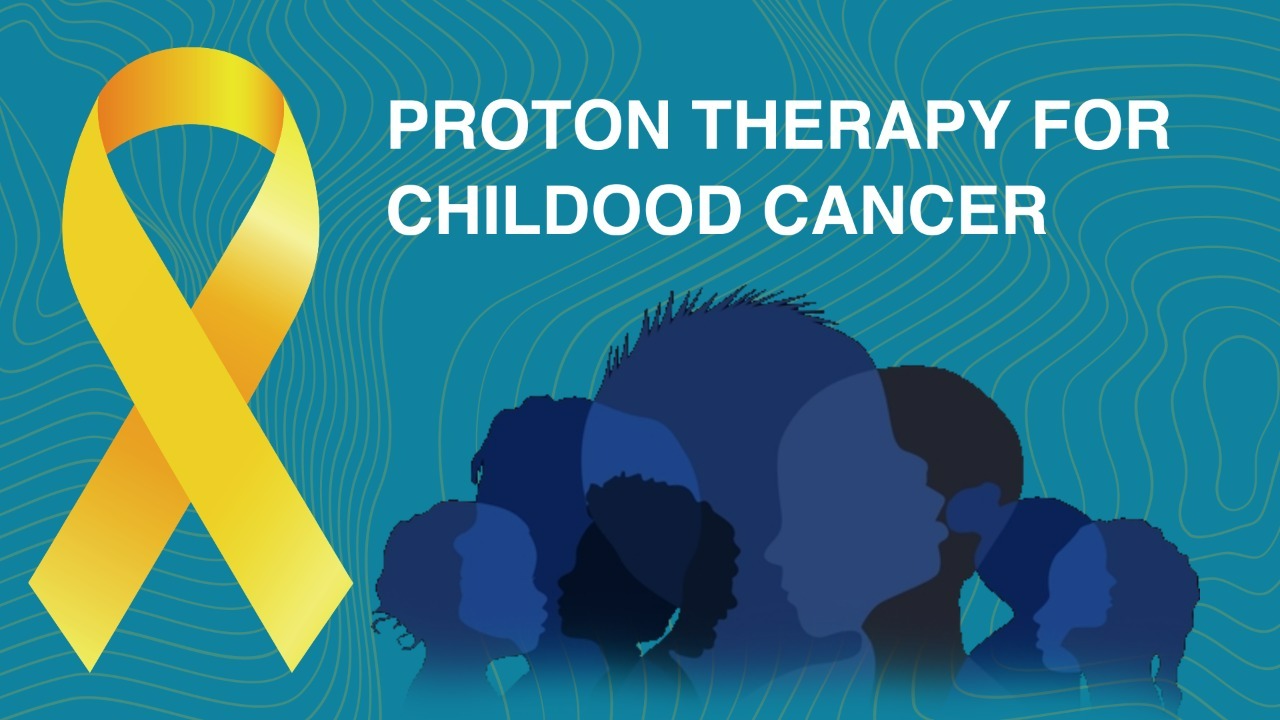
In this context, Pediatric Proton Therapy has emerged as a breakthrough, offering the ability to treat cancers with high precision while minimizing damage to surrounding healthy tissues. India has now joined the ranks of advanced countries providing this therapy, with the Apollo Proton Cancer Centre (APCC) in Chennai pioneering this treatment in South Asia.
What is Pediatric Proton Therapy?
Pediatric Proton Therapy is a form of advanced radiation treatment that uses protons (positively charged particles) to target and destroy cancer cells. Unlike conventional X-ray radiation (photon therapy), protons have a unique physical property known as the Bragg Peak. This allows them to release most of their energy precisely at the tumor site and stop there, sparing surrounding healthy tissue from unnecessary radiation.
This makes proton therapy exceptionally well-suited for children, who are more susceptible to the long-term side effects of radiation. Traditional radiation can harm growing organs, lead to developmental delays, impact hormonal balance, and even increase the risk of secondary cancers later in life. Proton therapy significantly reduces these risks, making it one of the most child-friendly cancer treatments available today.
Why is Proton Therapy Ideal for Children?
Children’s bodies are still developing; their brains, bones, organs, and endocrine systems are far more vulnerable than those of adults. When exposed to radiation, these growing structures can suffer long-term damage that may manifest years later.
Here’s why proton therapy is particularly beneficial for pediatric patients:
- Minimizes exposure to healthy tissues, especially vital for sensitive areas like the brain, spine, and eyes.
- Reduces risk of developmental problems, such as stunted growth, hearing loss, and cognitive impairment.
- Lowers the likelihood of secondary cancers caused by radiation later in life.
- Enables higher treatment precision, which is crucial for tumors located near critical organs.
- Improves overall quality of life and recovery, allowing children to resume school and normal activities faster.
In short, proton therapy does more than treat cancer — it helps protect a child’s future.
Types of Pediatric Cancers Treated with Proton Therapy
Proton therapy is not used for every type of cancer. It is most beneficial for solid tumors located near vital structures and in areas where conventional radiation could cause serious damage.
Common pediatric cancers that are effectively treated with proton therapy include:
1. Brain Tumors
Such as medulloblastoma, ependymoma, gliomas, and craniopharyngiomas, where protecting the developing brain is critical.
2. Spinal Cord Tumors
Including astrocytomas and ependymomas along the spinal column. Proton therapy reduces radiation exposure to the spinal cord and vertebrae.
3. Retinoblastoma
A rare eye cancer that typically affects infants and toddlers. Proton therapy helps preserve vision while targeting the tumor effectively.
4. Sarcomas
Such as rhabdomyosarcoma and osteosarcoma, which can occur near bones, muscles, or connective tissues.
5. Neuroblastoma
A cancer that develops in immature nerve cells and can affect multiple areas of the body in children under five.
6. Lymphomas
In cases where tumors are located near the chest or neck, proton therapy helps limit damage to the heart and lungs.
7. Recurrent or Previously Treated Tumors
For children who have already undergone radiation therapy, proton therapy can safely retreat the area with lower cumulative exposure.
How the Treatment Works – Step-by-Step Journey for a Child
Getting started with proton therapy involves a carefully planned process to ensure maximum accuracy and safety. Here’s how a typical pediatric treatment journey unfolds:
1. Initial Consultation
A pediatric oncologist evaluates the child’s condition, scans, and medical history to determine if proton therapy is the right choice. The case is reviewed by a multidisciplinary team.
2. Simulation and Planning
Once approved, a simulation is conducted using CT or MRI scans. A custom mold or mask is made to help the child stay still during treatment. Radiation oncologists use this data to precisely map out the tumor and surrounding anatomy.
3. Treatment Sessions
Proton therapy is typically delivered once a day, five days a week, over several weeks. Each session lasts around 30 to 45 minutes, although the actual radiation delivery takes only a few minutes. In some cases, younger children may need light sedation or anesthesia to keep still.
4. Supportive Care
Children are closely monitored throughout the treatment. Nutrition, psychological support, play therapy, and schooling assistance are all part of the care ecosystem.
5. Recovery and Follow-up
After completing treatment, the child returns for regular scans and evaluations. The care team provides long-term support to monitor development and manage any delayed side effects.
Why Apollo Proton Cancer Centre (APCC) is a Leader in Pediatric Proton Therapy?
Apollo Proton Cancer Centre (APCC), located in Chennai, is the first and only proton therapy center in South Asia. It has treated hundreds of pediatric patients from across India, the Middle East, Africa, and Southeast Asia, with exceptional outcomes.
Here’s what sets APCC apart:
- World-class Proton Therapy Facility equipped with advanced technologies like Pencil Beam Scanning and Intensity-Modulated Proton Therapy (IMPT).
- Child-friendly environment, including colorful treatment rooms, child-life specialists, and activities that reduce fear and anxiety.
- Specialized pediatric oncology team consisting of radiation oncologists, anesthetists, surgeons, nurses, psychologists, and physiotherapists trained in pediatric care.
- Integrated Support Services such as pediatric nutrition, educational counseling, art/music therapy, and family accommodation assistance.
- Global standards of quality and safety, including treatment protocols validated by international cancer centers.
Families don’t just receive medical treatment at Apollo — they experience compassionate, holistic care designed for the needs of children.
How is Proton Therapy Better Than Conventional Radiation?
Traditional radiation (photon therapy) has been a mainstay in pediatric oncology for decades. However, its use often comes with a trade-off: while it targets cancer cells, it also delivers radiation to healthy tissues in front of and behind the tumor. This exposure can be especially harmful for children.
Proton therapy, on the other hand, stops precisely at the tumor site — reducing or even eliminating radiation exposure to healthy organs and tissues. This translates into significant long-term benefits for pediatric patients.
Key Differences at a Glance
| Feature | Conventional Radiation | Proton Therapy |
|---|---|---|
| Beam Type | Photons (X-rays) | Protons |
| Dose Beyond Tumor | Continues beyond tumor | Stops at tumor site |
| Damage to Healthy Tissue | Higher | Minimal |
| Risk of Developmental Side Effects | High | Significantly Lower |
| Long-Term Toxicity | Possible | Dramatically Reduced |
| Suitability for Re-Irradiation | Limited | Safer and Feasible |
| Ideal for Tumors Near Vital Organs | Sometimes Risky | Highly Suitable |
This precision becomes especially valuable for tumors near the brain, eyes, spine, heart, or reproductive organs — areas critical for a child’s growth and long-term functioning.
The Pediatric Multidisciplinary Team at Apollo
Treating pediatric cancer requires more than a single specialist — it demands a cohesive, collaborative team of experts who understand not just the disease, but the unique needs of children and families.
At Apollo Proton Cancer Centre, pediatric proton therapy is delivered by a team that includes:
- Pediatric Oncologists – Lead the treatment planning and oversee the overall care journey.
- Radiation Oncologists – Specialize in proton therapy planning and beam delivery with sub-millimeter accuracy.
- Pediatric Surgeons – For cases that require tumor removal before or after radiation.
- Pediatric Anesthesiologists – Manage sedation safely for younger children during sessions.
- Radiologists & Nuclear Medicine Experts – Interpret diagnostic and follow-up scans.
- Child Psychologists & Counselors – Help young patients cope with fear, anxiety, and emotional stress.
- Nutritionists – Ensure children get the nutrients they need during and after treatment.
- Physiotherapists & Rehabilitation Experts – Help children regain strength and normal activity.
- Child Life Specialists – Use play, music, and storytelling to prepare children for therapy.
This family-centered care model ensures that parents are involved, empowered, and supported throughout the journey.
Cost of Pediatric Proton Therapy in India
One of the biggest concerns for families considering proton therapy is the cost. Globally, proton therapy can be significantly more expensive than traditional radiation, due to the specialized equipment and infrastructure involved.
What Influences the Cost in India?
- Type and Stage of Cancer
- Number of Treatment Sessions (Fractions)
- Need for Anesthesia or Sedation
- Pre-treatment Diagnostics and Imaging
- Hospital Stay (if required)
- Supportive Therapies (e.g., nutrition, rehab)
Estimated Cost Range (India)
While costs may vary based on individual treatment plans, pediatric proton therapy at Apollo typically ranges from ₹20 lakhs to ₹50 lakhs.
Compared to countries like the U.S. or the U.K., where costs can exceed ₹70 to ₹100 lakhs, India offers world-class proton therapy at nearly 50% less, without compromising on quality or safety.
Insurance and Financial Support
Many Indian and international insurance providers have started recognizing the long-term value of proton therapy and now offer partial or full coverage. Apollo’s financial coordinators assist families with:
- Insurance pre-authorization
- Third-party payer coordination
- Medical necessity documentation
- Payment plans and NGO referrals (if applicable)
Families are encouraged to discuss insurance eligibility early in the consultation process.
India as a Global Destination for Pediatric Proton Therapy
India, and especially Apollo Hospitals, has emerged as a preferred destination for pediatric oncology patients from across:
- South Asia
- Middle East and GCC countries
- Africa
- Southeast Asia
Families choose India not only for cost-effective care but for the clinical expertise, modern infrastructure, and compassionate support they receive.
Apollo’s International Patient Division offers:
- End-to-end travel coordination
- Visa and documentation assistance
- Accommodation and language support
- Family counseling and concierge services
Parents don’t have to navigate this journey alone — Apollo’s team is with them at every step.
When Should a Family Consider Proton Therapy?
Proton therapy is not automatically recommended for every child with cancer. It is most beneficial in the following situations:
- Tumors located near vital structures (e.g., brainstem, spinal cord, eyes)
- Very young children, especially under age 6
- Cases requiring high-dose radiation, where tissue-sparing is critical
- Patients who have previously received radiation and need re-treatment
- Children with genetic syndromes or predispositions to secondary cancers
Parents should speak with their child’s oncologist to explore whether proton therapy is appropriate — and whether a referral to Apollo Proton Cancer Centre is advisable.
Frequently Asked Questions (FAQs)
1. Is proton therapy safe for children?
Yes. Proton therapy is among the safest forms of radiation for children. It reduces long-term risks and is delivered under the supervision of pediatric specialists.
2. Will my child need anesthesia during treatment?
Younger children may require light sedation or anesthesia to remain still during sessions. Older children often complete treatment while awake.
3. How many sessions are needed?
Most treatment courses involve 25–35 sessions, spread over 5–7 weeks, depending on the tumor type and location.
4. Can my child attend school during treatment?
In many cases, yes. Apollo supports schooling during treatment with flexible schedules and onsite child-life support.
5. Will my insurance cover the treatment?
Coverage depends on your provider and policy. Apollo’s financial counselors will help with documentation, pre-approvals, and claims.
6. Is proton therapy available in cities other than Chennai?
The actual treatment happens at Apollo Proton Cancer Centre in Chennai. However, initial consultations, diagnostics, and follow-up care can be conducted at Apollo Hospitals in cities like Delhi, Mumbai, Bangalore, Hyderabad, and Kolkata.
7. What are the long-term benefits of proton therapy?
Better protection for the brain, heart, endocrine system, and other vital organs; reduced chance of secondary cancers; and improved quality of life.
Conclusion: A Safer, Brighter Tomorrow for Children with Cancer
Pediatric cancer is a difficult battle — but today, it’s a battle we can fight more gently and more precisely. Proton therapy gives children a chance not just to survive, but to thrive. It respects their growing bodies, their developing minds, and their futures.
At Apollo Proton Cancer Centre in Chennai, we combine state-of-the-art technology with compassionate care, giving families from India and across the world the best possible start on their child’s healing journey.

 Best Hospital Near me Chennai


