


Why Patients Choose Apollo Hospitals Lucknow for Hysteroscopy
- 1983 yılında kurulan Apollo Hastaneler Grubu'nun bir parçasıdır. by Dr. Prathap C. Reddy as India's first corporate healthcare chain, now operating a network of hospitals, clinics and pharmacies across India and abroad.
- Apollo Hastaneleri Lucknow (Kanpur Yolu), büyük, çok branşlı, dördüncü basamak sağlık hizmeti sunan bir tesistir. serving Uttar Pradesh and neighbouring states, with a dedicated Obstetrics and Gynaecology department supported by on-site critical care, blood bank, radiology and laboratory services.
- A multi-member gynaecology team including consultants with post-graduate qualifications (MS/MD/DNB in Obstetrics and Gynaecology) and fellowship or focused training in minimal access gynaecological surgery. The exact number of consultants on the panel and their individual years of experience change over time, so the current team profile is best confirmed from the hospital's doctor listing or the appointment desk.
- Modern endoscopic infrastructure ? rigid and flexible hysteroscopes in varying diameters, high-definition camera and light systems, automated fluid management for distension media, bipolar resectoscopy and, where indicated, hysteroscopic tissue removal (morcellation) systems. Availability of a specific device on the day of surgery is confirmed at the time of surgical planning.
- Diagnostic office (see-and-treat) hysteroscopy pathways for suitable patients, alongside full operative hysteroscopy in a modular theatre with anaesthesia cover, so small polyps or biopsies can often be handled without a long admission.
- Integrated care for the reasons hysteroscopy is done ? abnormal uterine bleeding, infertility, recurrent pregnancy loss, retained products, misplaced IUCD and suspected endometrial pathology ? with in-house fertility, endocrinology, oncology and pathology inputs when needed.
- Tailored pathways by age group: adolescents with congenital uterine anomalies, women of reproductive age planning pregnancy, and post-menopausal women needing endometrial assessment each follow a different work-up and consent discussion.
- Şirket bünyesinde Sigorta ve Üçüncü Taraf Yönetimi (TPA) masası bulunmaktadır. Nakit gerektirmeyen ön onay işlemleri ve Lucknow dışından gelen hastalara yönelik yardım.
No hospital can guarantee a particular result. What a high-volume, well-equipped unit can offer is careful case selection, standardised safety checks and prompt management if a complication occurs.
Genel Bakış
Histeroskopi, doktorların histeroskop adı verilen ince, ışıklı bir tüp kullanarak uterusun içini incelemelerine olanak tanıyan minimal invaziv bir cerrahi işlemdir. Apollo Hospitals Lucknow'da, hastalarımız için en iyi sonuçları garantilemek için son teknoloji ve gelişmiş teknikleri kullanarak jinekolojik bakımda mükemmellik konusundaki itibarımızla gurur duyuyoruz. Son derece yetenekli uzmanlardan oluşan ekibimiz, kişiselleştirilmiş bakım sağlamaya kendini adamıştır ve bu da bizi bölgedeki en iyi histeroskopi hastanelerinden biri yapar. Hasta güvenine ve memnuniyetine odaklanarak, tedavi yolculuğunuzun her adımında size rehberlik etmeye kararlıyız.
Histeroskopi Neden Gereklidir?
Histeroskopi çeşitli rahim rahatsızlıklarının teşhisi ve tedavisi için olmazsa olmazdır. Genellikle anormal kanama, pelvik ağrı veya kısırlık sorunları yaşayan kadınlara önerilir. Prosedür rahim boşluğunun doğrudan görüntülenmesini sağlayarak şu gibi rahatsızlıkların tanımlanmasını sağlar:
- Rahim fibroidleri
- Polipler
- Rahim septumu
- Endometriyal hiperplazi
- Intrauterine adhesions (Asherman's syndrome)
Histeroskopinin faydaları tanı koymanın ötesine geçer; aynı zamanda terapötik de olabilir. İşlem sırasında belirlenen birçok durum aynı anda tedavi edilebilir ve bu da daha invaziv cerrahilere olan ihtiyacı azaltır. Apollo Hospitals Lucknow'u seçerek, doğru tanı ve etkili tedaviler sağlamak için uzmanlığı ileri teknolojiyle birleştiren bir tesisi tercih etmiş olursunuz.
Gecikmenin Riskleri
Histeroskopiyi ertelemek önemli sağlık risklerine yol açabilir. Miyom veya polip gibi durumlar zamanla kötüleşebilir ve ağır kanama, kronik ağrı veya hatta kısırlık gibi komplikasyonlara yol açabilir. Bu komplikasyonları önlemek ve üreme sağlığını korumak için erken müdahale çok önemlidir. Apollo Hospitals Lucknow'da, durumunuzun aciliyetini anlıyor ve sağlığınızı ve iyiliğinizi sağlamak için zamanında konsültasyonlara ve prosedürlere öncelik veriyoruz.
Histeroskopinin Faydaları
Histeroskopi yaptırmanın çok sayıda faydası vardır, bunlar arasında şunlar yer alır:
- Minimal İnvaziv: The procedure is performed through the vagina, eliminating the need for large incisions and reducing recovery time.
- Hızlı düzelme: Most patients can return to their normal activities within a few days, making it a convenient option for busy women.
- Doğru Tanı: Hysteroscopy provides a clear view of the uterine cavity, allowing for precise diagnosis and treatment.
- Terapötik Seçenekler: Many conditions can be treated during the procedure, reducing the need for additional surgeries.
- İyileştirilmiş Yaşam Kalitesi: By addressing underlying issues, hysteroscopy can alleviate symptoms and improve overall health and well-being.
Apollo Hastaneleri Lucknow'da mükemmelliğe olan bağlılığımız, en yüksek standartta bakım almanızı, başarılı sonuçlara ulaşmanızı ve yaşam kalitenizin artmasını sağlar.
Hazırlık ve Kurtarma
Histeroskopiye Hazırlık
Histeroskopiye hazırlanmak basittir. Sorunsuz bir deneyim sağlamak için bazı pratik ipuçları şunlardır:
- Danışma: Schedule a thorough consultation with your gynecologist at Apollo Hospitals Lucknow to discuss your medical history and any concerns.
- İlaçlar: Inform your doctor about any medications you are taking. You may be advised to stop certain medications, especially blood thinners, before the procedure.
- Oruç: Depending on the type of anesthesia used, you may be instructed to fast for a specific period before the procedure.
- Destek: Arrange for someone to accompany you to the hospital, as you may feel groggy after the procedure.
Histeroskopi Sonrası İyileşme
Histeroskopi sonrası iyileşme süreci genellikle hızlıdır, ancak aşağıdaki ipuçlarını takip etmek sürecin sorunsuz geçmesini sağlayabilir:
- Dinlenme: İşlemden sonraki ilk birkaç gün rahat olun. Yorucu aktivitelerden ve ağır kaldırmaktan kaçının.
- Hidrasyon: Susuz kalmamak için bol sıvı tüketin.
- Acı Yönetimi: Over-the-counter pain relievers can help manage any discomfort. Consult your doctor for recommendations.
- Takip et: İyileşmenizi izlemek ve endişelerinizi gidermek için planlanmış takip randevularına katılın.
Apollo Hastaneleri Lucknow'da, özel ekibimiz size kişiselleştirilmiş iyileşme planları sunacak ve refahınızı garanti altına alacak destek sağlayacaktır.
İşlemin Arkasındaki Güncel Klinik Kılavuz
Recommendations for hysteroscopy in India draw on FOGSI (Federation of Obstetric and Gynaecological Societies of India) and its Indian Association of Gynaecological Endoscopists (IAGE) guidance, together with international standards from RCOG/BSGE and AAGL. Points that have shifted in recent years and that patients should know about:
- Outpatient hysteroscopy is now the default for diagnosis. FOGSI's Good Clinical Practice guidance on abnormal uterine bleeding (AUB) and the RCOG/BSGE Green-top Guideline No. 59 on best practice in outpatient hysteroscopy (2011, with subsequent BSGE updates) both support office hysteroscopy with a small-diameter scope, using vaginoscopy (no speculum, no tenaculum) as the preferred entry technique because it reduces pain.
- "Blind" dilatation and curettage has been largely abandoned as a diagnostic test for AUB. FOGSI-aligned Indian practice and the FIGO PALM-COEIN classification (2011, revised 2018) favour ultrasound plus hysteroscopy with directed biopsy, because D&C misses focal lesions such as polyps and submucous fibroids.
- Bipolar (saline) energy has largely replaced monopolar resection with glycine, cutting the risk of dilutional hyponatraemia. Strict fluid-deficit limits are part of AAGL guidance on hysteroscopic fluid management (2013), and Indian units follow the same thresholds.
- Routine antibiotic prophylaxis is not recommended for straightforward diagnostic hysteroscopy in low-risk women; it is reserved for selected cases.
- Cervical preparation with misoprostol is not routine, but may be considered in post-menopausal women or where cervical stenosis is expected.
- Menopoz sonrası kanama requires endometrial assessment; hysteroscopy with biopsy is preferred where imaging is inconclusive or a focal lesion is suspected.
- Histeroskopik septum rezeksiyonu is offered selectively ? mainly for recurrent miscarriage or infertility ? as evidence of benefit in asymptomatic women is limited. This is an area where guidance has become more cautious rather than more aggressive.
Your surgeon will explain which parts of this guidance apply to your particular indication.
İşlemin Zamanlaması ve İşlem Öncesi Aşama
- Döngünün en iyi zamanı: for women who still menstruate, the proliferative phase (roughly days 5?12 after the period starts) gives the clearest view, because the endometrium is thin. Hysteroscopy is avoided during active heavy bleeding.
- Menopoz sonrası kadınlar: can be scheduled any time.
- Pregnancy must be excluded ? use contraception or abstain from the start of the cycle in which the procedure is planned.
- Work-up usually ordered first: transvaginal ultrasound (with saline infusion sonography in some cases), haemoglobin and blood counts, blood sugar, thyroid profile where relevant, viral markers, and an ECG or anaesthetic review if general anaesthesia is planned. Older patients or those with heart, lung, kidney or diabetes issues get a pre-anaesthetic check.
- İlaç ayarlamaları: blood thinners (aspirin, clopidogrel, warfarin, newer oral anticoagulants), some diabetes medicines and herbal supplements may need timed stopping. Never stop a cardiac or anticoagulant medicine on your own ? ask the treating team.
- Başvurmak İçin Önemli Süreler: a diagnostic office hysteroscopy often takes 5?15 minutes. Operative procedures such as polypectomy, septum resection, adhesiolysis or submucous fibroid resection commonly run 30?60 minutes, occasionally longer for large fibroids.
Teknik ve Anestezi Seçeneklerinin Karşılaştırılması
| Opsiyon | Nasıl yapılır | Genellikle şunlara uygundur: | Tartılması gereken noktalar |
|---|---|---|---|
| Office / outpatient diagnostic hysteroscopy (vaginoscopy) | Thin scope, saline distension, no speculum, usually no anaesthesia or local only | Assessing AUB, infertility, thin endometrium, small polyps, lost IUCD, biopsy | Fastest turnaround, go home the same hour; some cramping; not suitable if cervix is very stenosed or a large lesion is expected |
| Operative hysteroscopy under general or regional anaesthesia | Larger resectoscope or morcellator in a theatre; cervix dilated | Submucous fibroids, large or multiple polyps, uterine septum, dense adhesions | Needs fasting and a day-care or short admission; anaesthetic risk discussed separately |
| Bipolar resectoscopy | Electrical loop in normal saline | Fibroids, septum, resistant adhesions | Safer fluid profile than older monopolar/glycine systems; some thermal effect on nearby endometrium |
| Mechanical hysteroscopic tissue removal (morcellation) | Rotating blade removes and suctions tissue, no electricity | Polyps, retained products, selected type 0/1 fibroids | No thermal injury, quick, clear view; device availability and consumable cost are confirmed at booking |
| Ultrasound plus endometrial sampling only (no hysteroscopy) | Pipelle or aspiration biopsy in clinic | Suspected diffuse endometrial disease, poor fitness for any procedure | Cheaper and quicker, but can miss focal polyps and fibroids |
| Laparoscopy combined with hysteroscopy | Both cavities assessed in one anaesthetic | Infertility work-up, suspected endometriosis or tubal disease, complex anomalies | More complete information; longer procedure, small abdominal ports |
| Histerektomi | Rahmin çıkarılması | Failed conservative treatment, confirmed malignancy, no desire for fertility | Definitive but major surgery; not reversible; usually considered only after lesser options |
İşlemler Bazen Aynı Seans İçinde Tamamlanır
- Endometrial biopsy or directed sampling for histopathology
- Polypectomy or submucous fibroid resection once the lesion is seen
- Adhesiolysis for Asherman's syndrome, sometimes with an intrauterine device or gel to reduce re-adhesion
- Removal of a displaced or embedded copper-T / hormonal IUCD, or insertion of a new one
- Tubal ostia assessment or hysteroscopic tubal cannulation in selected infertility cases
- Diagnostic laparoscopy and chromopertubation (dye test) for tubal patency
- Endometrial ablation for heavy bleeding in women who have completed their family
- Cervical dilatation for stenosis, or evacuation of retained products of conception under vision
Anything additional is discussed and consented before you go into theatre, including what will be done if an unexpected finding appears.
Aşama Aşama Kurtarma Zaman Çizelgesi
| Aşama Aşama | Ne bekleyebileceğinizi | Ne yapalım |
|---|---|---|
| İlk 2-6 saat | Cramping like period pain, drowsiness if anaesthesia was used, light spotting | Observation in day-care, sips of fluids then light food, pass urine before discharge |
| 1. Gün?2 | Mild cramps, watery or blood-stained discharge, shoulder-tip discomfort in some cases | Rest at home, simple painkillers as prescribed, avoid driving on day of anaesthesia |
| 3. Gün?7 | Discharge tapering off; energy returning after diagnostic procedures | Desk work and light household activity usually fine; no tampons, douching or intercourse |
| Hafta 2 | Most spotting settled; histopathology report generally available | Follow-up visit to discuss findings and next steps; resume normal diet and walking |
| 3-4. Haftalar | After operative procedures such as fibroid or septum resection, healing of the cavity continues | Intercourse and heavier work resumed on your doctor's advice; hormonal therapy if prescribed |
| 6-8 hafta | First period after the procedure may be heavier, lighter or slightly delayed | Repeat ultrasound or check hysteroscopy in selected cases, especially after adhesiolysis |
| 3 ay sonra | Symptom improvement assessed; fertility attempts often cleared around this point | Plan conception or contraception as advised |
Normal Aktivitelere, İşe ve Egzersize Dönüş
These are general markers, not fixed rules; your own clearance depends on what was done inside the uterus.
- Çömelerek kullanılan ve Hint tarzı tuvaletler: usually manageable within 2?3 days after diagnostic hysteroscopy, but deep squatting can worsen cramping in the first days. After a fibroid or septum resection, use a Western commode or a raised stool for about a week if you can.
- Yere bağdaş kurarak oturmak ve yerde uyumak: generally safe once cramping settles. Get up using your hands rather than straining the abdomen for the first few days.
- Mutfak ve ev işleri: light cooking from day 2. Avoid lifting heavy vessels, water buckets, gas cylinders or grinding stones for about a week, longer after operative procedures.
- Office and travel: desk work in 2?3 days; long train or bus journeys are better deferred by 48 hours after anaesthesia.
- Gym, yoga, running, swimming: walking from day 1; gentle yoga (avoiding strong abdominal compression) after about a week; running and weights after 2 weeks for diagnostic cases and only on clearance after resection. Swimming and tub baths are avoided until discharge stops, to reduce infection risk.
- Cinsel ilişki: typically avoided until bleeding stops and your doctor confirms it is safe ? often 1?2 weeks, longer after major intrauterine surgery.
- Religious fasting (Navratri, Ramzan, Karva Chauth) and temple visits: discuss with the team, especially if you are on iron tablets, antibiotics or diabetes medication.
Tekrarlama İhtimalini Azaltmak
- Endometrial polyps and fibroids can recur; ultrasound surveillance as advised, rather than waiting for symptoms, is the practical safeguard.
- Treat the underlying driver where one exists ? obesity, insulin resistance, PCOS, thyroid disorder, unopposed oestrogen use ? since these influence endometrial regrowth.
- Correct anaemia with iron and diet; heavy menstrual loss is common in North Indian women and is often under-treated.
- After adhesiolysis, follow the prescribed oestrogen course and attend the check hysteroscopy if advised, as adhesions reform in a proportion of cases.
- A levonorgestrel intrauterine system or other medical therapy may be recommended to control heavy bleeding long-term.
- Post-menopausal women on tamoxifen or hormone therapy should report any fresh bleeding immediately rather than waiting for the next review.
- Do not defer follow-up ultrasound simply because symptoms have improved.
Adolescents, Older Women and Other Special Situations
- Adolescents and unmarried young women: hysteroscopy is used sparingly, mainly for suspected congenital anomalies, obstructed menstruation or persistent bleeding not responding to medicines. Consent involves the parent or guardian for minors, hymen-sparing techniques and narrow scopes are used where possible, and privacy concerns are taken seriously.
- Hamilelik planlayan kadınlar: timing is coordinated with fertility treatment so IVF or ovulation induction cycles are not disrupted.
- Post-menopausal and elderly women: cervical stenosis is common, so cervical preparation or gentle dilatation may be needed; anaesthetic assessment matters more because of hypertension, diabetes, kidney and heart conditions. Any post-menopausal bleeding is treated as a red flag until histopathology is clear.
- Women with obesity or diabetes: positioning, anaesthesia planning and sugar control are addressed before the date is fixed.
- Kan sulandırıcı kullanan veya kanama bozukluğu olan kadınlar: a joint plan with the physician or haematologist is made in advance.
- Aile içi ortak bakım verme: because recovery is short, one attendant is usually enough. Arrange in advance who will manage cooking, small children and elders for two to three days ? this is often the practical bottleneck rather than the surgery itself.
Eğer bu işlemi yaptırmamayı tercih ederseniz
Declining or deferring is a legitimate choice, and it should be an informed one. Depending on your indication:
- The cause of abnormal bleeding remains unconfirmed, so treatment stays empirical and may not work.
- Heavy bleeding can continue and worsen anaemia, causing fatigue, breathlessness and reduced ability to work.
- Polyps, submucous fibroids or adhesions may keep interfering with conception or implantation, and repeated failed fertility cycles cost time and money.
- In post-menopausal bleeding, deferring assessment risks delayed diagnosis of endometrial hyperplasia or cancer ? this is the situation where waiting carries the most weight.
- A misplaced or embedded IUCD left in place can cause pain, bleeding or, rarely, perforation.
Alternatives such as medical therapy, hormonal IUCD, tranexamic acid, iron replacement and ultrasound surveillance can be discussed. Ask for a written summary of the reasoning so you can revisit the decision later.
Maliyeti Değiştiren Faktörler
Hysteroscopy is not a single-price procedure. The hospital's billing and insurance desk will give you a written estimate for your specific plan; published figures from price-comparison websites are often out of date and are not used here.
| faktör | Tahmini neden etkiliyor? |
|---|---|
| Diagnostic vs operative | An office diagnostic scope uses far fewer resources than a resection or morcellation |
| Anestezi türü | No anaesthesia, local, regional or general ? each adds different professional and drug charges |
| Gündüz bakım hizmeti ile gece yatılı bakım hizmeti karşılaştırması | Room category and length of stay are among the biggest variables |
| Seçilen oda kategorisi | Sharing, single or deluxe rooms also change linked package rates in many plans |
| Sarf malzemeleri ve cihazlar | Morcellator blades, bipolar loops, anti-adhesion gel, IUCD, fluid management sets |
| Extent of pathology | Multiple or large fibroids, dense adhesions or a septum lengthen theatre time |
| Combined laparoscopy | Adds surgical, anaesthesia and consumable components |
| Ameliyat öncesi incelemeler | Ultrasound, blood tests, pre-anaesthetic review, ECG, chest imaging where needed |
| histopatolojisi | Biopsy reporting, and immunohistochemistry if the pathologist advises it |
| Eşlik eden hastalık | Diabetes, cardiac or renal disease may need physician input or closer monitoring |
| Olası komplikasyonlar | Rare, but perforation or bleeding needing extended care changes the final bill |
| Takip planı | Review consultations, repeat scan or check hysteroscopy, medicines |
Hindistan'da Sigorta, Nakitsiz Tedavi ve TPA Süreci
- Planlı kaza sigortası ile kaza sigortası arasındaki farklar: hysteroscopy is almost always a planned procedure, so accident-only or personal-accident policies will not cover it. You need an indemnity health insurance or corporate group mediclaim policy.
- Bekleme süreleri önemlidir. Most Indian retail health policies impose an initial waiting period of about 30 days for illness, and a specific waiting period ? commonly 24 months, sometimes 36 or 48 ? for named conditions such as uterine fibroids, polyps, dysfunctional uterine bleeding and endometriosis. Pre-existing disease waiting periods, capped at 36 months under IRDAI's 2024 health insurance master circular, may also apply. Check your policy's exact clause before booking.
- Gündüz bakım hizmeti kapsamı: hysteroscopy is often completed within a few hours, so confirm your policy covers listed day-care procedures rather than requiring 24-hour hospitalisation. Most modern policies do; older ones may not.
- Nakitsiz rota: submit your policy or e-card, photo ID and the doctor's advice note to the insurance desk at least 3?5 working days before the date. The desk raises a pre-authorisation request with your insurer or TPA; approvals are usually decided within a working day or two, but the insurer sets the timeline.
- Geri ödeme yöntemi: if cashless is not approved or your insurer is not empanelled, pay and claim later. Keep the discharge summary, itemised final bill, all payment receipts, investigation reports, histopathology report and prescriptions.
- Genel indirimler: non-medical consumables, room-rent capping, proportionate deductions if you upgrade the room, and co-payment clauses for senior citizens.
- Devlet planları: if you hold Ayushman Bharat PM-JAY, CGHS, ECHS, state scheme or a corporate tie-up card, ask the desk whether it applies at this hospital for your specific procedure, as empanelment and package rules vary.
- If the procedure is for infertility evaluation, be aware that many Indian policies exclude infertility-related treatment; clarify this before assuming coverage.
Kayıt İşlemlerinizi Planlamak ve Yanınızda Ne Getirmeniz Gerekiyor?
- Doctor's advice note, all previous ultrasound and MRI films, earlier biopsy or operative reports, and a written list of current medicines with doses
- Photo ID (Aadhaar or similar), insurance card or policy copy, TPA details, and the employer letter if it is a corporate claim
- Fasting as instructed ? usually no solid food for 6?8 hours and clear fluids stopped 2 hours before anaesthesia; confirm exact times with the team
- Remove nail polish, jewellery and contact lenses; leave valuables at home
- Sanitary pads (not tampons), loose cotton clothing, a shawl or dupatta, slippers, toothbrush and a phone charger
- One responsible adult attendant who can sign consent documents if needed and take you home
- Arrange transport in advance ? do not plan to drive or ride a two-wheeler yourself on the day of anaesthesia
- Tell the team if you have any drug allergy, previous reaction to anaesthesia, loose or capped teeth, asthma, or a pacemaker or other implant
- If you are diabetic, ask specifically how to adjust insulin or tablets on the morning of the procedure
Acil Olarak Gözden Geçirilmesi Gereken Uyarı İşaretleri
Contact the hospital or return for assessment if you develop:
- Heavy vaginal bleeding ? soaking a pad an hour, or passing large clots
- Fever above 100.4?F (38?C), chills or a foul-smelling vaginal discharge
- Severe or worsening lower abdominal pain not relieved by prescribed painkillers
- Persistent vomiting, abdominal distension or inability to pass urine or stool
- Fainting, giddiness, breathlessness, racing heartbeat or extreme weakness
- Chest pain, or pain and swelling in one calf
- No period for more than eight weeks after the procedure, or unexpectedly scanty periods after adhesiolysis
Do not wait for the scheduled follow-up date if any of these occur; use the emergency route.
Yakın İlçelerden ve Şehirlerden Gelen Hastalar İçin
Apollo Hospitals Lucknow on Kanpur Road is reached easily from Charbagh railway station, Alambagh bus terminal and Chaudhary Charan Singh International Airport, and receives patients from across Awadh, Purvanchal, Bundelkhand and beyond.
- Genellikle şu bölgelerden seyahat edilir: Kanpur, Unnao, Barabanki, Sitapur, Hardoi, Rae Bareli, Amethi, Sultanpur, Ayodhya (Faizabad), Gonda, Bahraich, Balrampur, Shravasti, Basti, Lakhimpur Kheri, Pratapgarh, Jaunpur, Azamgarh, Fatehpur, Banda, Chitrakoot, Jhansi, Gorakhpur, Varanasi, Prayagraj, and parts of Bihar, Nepal border districts, Uttarakhand and Madhya Pradesh.
- Ziyaretlerinizi sıkıştırın: ask the appointment desk to cluster the consultation, ultrasound, blood tests and pre-anaesthetic check on the same day or consecutive days.
- Carry originals of all earlier reports and imaging films; repeating scans wastes a trip.
- Raporları önceden gönderin. by email or WhatsApp where the department allows it, so the plan is ready when you arrive.
- Plan to stay in Lucknow for at least one night after an operative hysteroscopy before a long road journey, and ideally a few days if you have travelled from far. Guest-house and hotel options near Kanpur Road and Alambagh are plentiful; the front desk can point you to nearby stay options.
- Histopathology usually takes several working days. Ask whether the report can be shared digitally and whether the follow-up discussion can be done by teleconsultation, so you do not travel twice.
- Insurance paperwork: start pre-authorisation before you travel, not on arrival.
- Bring one attendant who can stay for the whole visit rather than rotating family members mid-way, since consent and discharge instructions are given to the accompanying person.
İletişim ve Randevular
| Detay | Bilgi |
|---|---|
| Hastane | Apollomedics Super Speciality Hospital / Apollo Hospitals, Lucknow |
| Adres | Kanpur-Lucknow Yolu, B Sektörü, Bargawan, LDA Kolonisi, Lucknow, Uttar Pradesh 226012 |
| Randevular ve sorular | Apollo's national appointment helpline 1860-500-1066, or the Lucknow hospital board number listed on the official Apollo Hospitals Lucknow website |
| Online rezervasyon | Book a gynaecology consultation through the Apollo Hospitals Lucknow website or the Apollo 24|7 app |
| E-posta | Written enquiries can be sent through the enquiry form on the official Apollo Hospitals Lucknow page; a procedure-specific email ID is not published, so confirm the correct address with the front desk |
| Acil Servis | Emergency and casualty services operate 24x7; ambulance support is available through the hospital's emergency number |
| Poliklinik ve ziyaret saatleri | Consultant-wise OPD timings and visiting hours are not published for this procedure page and are confirmed at the time of booking |
| Sigorta ve TPA masası | Available on site for cashless pre-authorisation and empanelment queries; approach it before your admission date |
Please verify the current numbers and department extensions on the official Apollo Hospitals Lucknow website before travelling, as helpline routing can change.
Sıkça Sorulan Sorular
Histeroskopinin riskleri nelerdir?
Histeroskopi genellikle güvenli olsa da, olası riskler arasında enfeksiyon, kanama ve rahim veya çevre organlarda yaralanma yer alır. Apollo Hospitals Lucknow'da deneyimli cerrahlarımız bu riskleri en aza indirmek ve güvenli bir prosedür sağlamak için her türlü önlemi alır.
Histeroskopi işlemi ne kadar sürer?
Histeroskopinin süresi, vakanın karmaşıklığına bağlı olarak değişebilir. Genellikle, prosedür 30 dakika ile bir saat arasında sürer. Apollo Hospitals Lucknow'daki ekibimiz, konsültasyonunuz sırasında size daha doğru bir tahmin sağlayacaktır.
Histeroskopi işleminden sonra normal aktivitelere ne zaman dönebilirim?
Most patients can resume normal activities within a few days
Son eklenenler


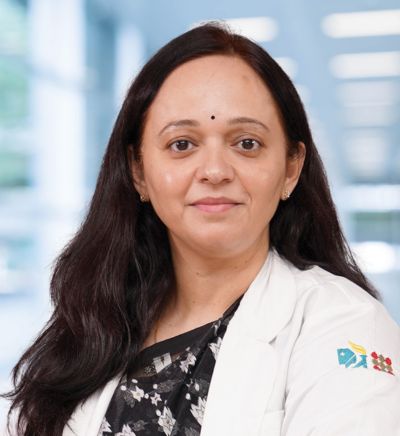
Hysteroscopy Specialists at Apollo Hospitals, Lucknow









Yasal Uyarı:
Bu sayfada verilen bilgiler yalnızca genel bilgilendirme ve eğitim amaçlıdır. Bilgilerin doğru, güvenilir ve düzenli olarak gözden geçirilmesini sağlamak için makul çabalar sarf etsek de, bu bilgiler profesyonel tıbbi tavsiye, teşhis veya tedavinin yerini tutmamalıdır.
Tıbbi bir işlemin uygunluğu, faydaları, riskleri, hazırlığı, iyileşme süreci, olası komplikasyonları ve beklenen sonuçları kişiden kişiye değişebilir. Sağlık uzmanınız, bireysel durumunuza ve tıbbi geçmişinize dayanarak bir işlemin uygun olup olmadığını belirleyecektir.
Herhangi bir tıbbi işlemle ilgili karar vermeden önce lütfen nitelikli bir sağlık uzmanına danışarak kişiselleştirilmiş tavsiye alın.
Tıbbi içeriklerimizin nasıl oluşturulduğu, incelendiği, güncellendiği ve sürdürüldüğü hakkında daha fazla bilgi için lütfen [Editörlük Politikamızı] okuyun.




