


Atherectomy at Apollo Hospitals, Gurugram (Gurgaon)
Yawunikidwa ndi Gulu Lolemba la Apollo · Yawunikidwa komaliza Novembala 2026
Yankho lofulumira
Atherectomy is a catheter-based procedure that removes or breaks down hard plaque inside a narrowed artery, most often in the heart or the legs. A thin catheter carrying a tiny rotating burr, a spinning crown, a cutting blade or a laser is passed from the wrist or groin to the blockage under X-ray guidance. It is generally used when plaque is so calcified that a balloon or stent cannot cross or expand properly, and is usually followed by balloon angioplasty and often a stent.
Mfundo zazikuluzikulu
| Kayendesedwe | Makhalidwe |
| Ipezeka pa | Zipatala za Apollo, Gurugram (Gurgaon) |
| Nthawi za OPD | 9 am ku 4 pm |
| Kusankhidwa | 080 6999 1061 |
mwachidule
Atherectomy is a catheter-based procedure that removes or breaks down hard plaque inside a narrowed artery, most often in the heart or the legs. A thin catheter carrying a tiny rotating burr, a spinning crown, a cutting blade or a laser is passed from the wrist or groin to the blockage under X-ray guidance. It is generally used when plaque is so calcified that a balloon or stent cannot cross or expand properly, and is usually followed by balloon angioplasty and often a stent.
Atherectomy may help selected people with coronary artery disease or peripheral artery disease whose blockages are heavily calcified, very tight or have re-narrowed inside an earlier stent. It is not needed for most angioplasty procedures. The interventional cardiologist decides after reviewing the angiogram, and sometimes imaging from inside the artery, to judge how much calcium is present and whether a balloon alone is likely to open the vessel. Bypass surgery or medicines may be more suitable for some patterns of disease.
Book a consultation at Apollo Hospitals, Gurugram to learn whether atherectomy is suitable for you.
Why is Atherectomy Necessary?
Calcium makes plaque rigid, so a balloon may fail to stretch the artery and a stent may not open fully. A poorly expanded stent is more likely to clot or narrow again, and modifying the plaque first helps the artery to respond to treatment.
Conditions That May Require Atherectomy
Atherectomy is considered in the following conditions when the plaque cannot be treated adequately with balloons alone.
- Heavily calcified coronary artery disease: It is used to prepare rigid, calcified narrowings so that a stent can be delivered and expanded fully.
- Blockages that a balloon cannot cross or open: When a balloon will not pass through the narrowing or fails to expand it, atherectomy may create a channel.
- Peripheral artery disease of the legs: Plaque in the thigh, knee or calf arteries may be removed or reduced to improve blood flow to the leg and foot.
- Re-narrowing inside a stent: Tissue or calcium that has built up within an earlier stent may be treated with laser or mechanical atherectomy in selected cases.
Zizindikiro ndi Zizindikiro Zoyenera Kuziwona
Symptoms depend on whether the narrowed artery supplies the heart or the legs.
- Chest pain or tightness on exertion: Angina that comes on with effort suggests a narrowing in a coronary artery.
- Breathlessness with activity: Reduced blood flow to the heart may show itself as shortness of breath instead of pain.
- Calf, thigh or buttock pain on walking: Cramping that begins after a set distance and eases with rest is typical of peripheral artery disease.
- Foot pain at rest: Burning or aching in the foot at night that improves when the leg hangs down signals severely reduced circulation.
- Sores on the foot or toes that do not heal: Ulcers or dark patches of skin suggest a critical shortage of blood and need urgent assessment.
Pamene Mankhwala Ena Sakukwanira
Medicines, stopping smoking, supervised walking and control of diabetes, blood pressure and cholesterol are the first line of treatment for artery disease. A procedure is considered when symptoms remain limiting, when the heart muscle or the limb is at risk, or during a heart attack. Standard balloons and stents work for most blockages, and atherectomy is added when calcium prevents them from opening the artery properly.
Mitundu ya Atherectomy
Different devices suit different arteries and kinds of plaque.
- Kuchotsa mphuno mozungulira: A diamond-coated burr spinning at high speed grinds calcified plaque into microscopic particles that are carried away in the blood.
- Orbital atherectomy: An off-centre crown rotates in a widening orbit to sand down calcium on the artery wall.
- Laser atherectomy: Pulses of ultraviolet laser energy delivered through a catheter vaporise plaque or tissue inside an artery or stent.
- Directional atherectomy: A small blade shaves plaque from one side of the artery and collects it in the catheter, mainly in leg arteries.
Zofunikira Zamalamulo ndi Zamakhalidwe Abwino ku India
Musanayambe kulandira chithandizo, gulu lachipatala limafotokoza zomwe zikusonyeza, njira zina, ubwino ndi zoopsa zomwe zingachitike, ndipo limapeza chilolezo cholembedwa. Mutha kufunsa mafunso, kufunsa maganizo ena ndikutenga nthawi kuti musankhe.
Funsani gulu la akatswiri a matenda a mtima ku Apollo Hospitals, Gurugram kuti mudziwe ngati pali vuto lililonse.
Risks of Delaying Atherectomy
Delaying treatment of a significant calcified blockage may carry the following risks.
- Matenda amtima: A tight coronary narrowing can block completely and damage the heart muscle.
- Kuwonjezeka kwa angina: Chest pain may become more frequent and occur with less exertion or at rest.
- Shorter walking distance: Leg pain from peripheral artery disease may limit walking further over time.
- Non-healing wounds and gangrene: Severely reduced blood flow to the foot can cause tissue loss.
- Risk of amputation: Advanced limb-threatening disease that is not treated in time may end in loss of toes, the foot or part of the leg.
- Harder procedures later: Calcium tends to increase over time, which can make later treatment more complex.
The urgency of treatment depends on your symptoms and on whether the heart or the limb is under threat.
Ubwino wa Atherectomy
In selected patients with calcified blockages, atherectomy may offer the following.
- Makes stenting possible: Reducing the calcium may allow balloons and stents to reach narrowings that could not otherwise be treated through a catheter.
- Fuller stent expansion: A stent placed after plaque modification is more likely to open evenly against the artery wall.
- Relief of angina or leg pain: Restoring blood flow may ease chest pain or allow longer walking distances.
- Support for wound healing: Improved circulation in the leg may help foot ulcers to heal in suitable patients.
- No open surgery: The procedure is done through a puncture in the wrist or groin under local anaesthesia.
Not every calcified blockage needs atherectomy, and the benefit depends on the artery involved and your general health.
Atherectomy at Apollo Hospitals, Gurugram (Gurgaon)
Why Choose Apollo Hospitals, Gurugram for Atherectomy?
Apollo Hospitals, Gurugram combines specialist assessment with coordinated care for people who need atherectomy.
- Kuwunika kwa akatswiri: An interventional cardiologist studies the angiogram and the degree of calcification to decide whether plaque modification is needed.
- Team review of options: Complex coronary and leg artery disease is discussed with cardiac or vascular surgeons to compare catheter treatment with bypass surgery.
- Planned aftercare: Antiplatelet treatment, risk factor control and review visits are arranged to protect the treated artery.
- Kukonzekera zinthu zosiyanasiyana: Akatswiri ochokera m'madipatimenti oyenerera amakambirana nkhani zovuta pamodzi asanapereke ndondomeko.
- Chithandizo cha munthu payekha: Malangizo amaganizira zizindikiro zanu, zotsatira za mayeso, zaka, thanzi lanu lonse komanso zomwe mumakonda.
- Kulankhulana koganizira odwala: Gulu losamalira odwala limafotokoza za kukonzekera, kuchira komwe akuyembekezera, mankhwala ndi zizindikiro zochenjeza m'mawu osavuta.
- Kupitiliza kwa chisamaliro: Maulendo otsatira amatsatira momwe wodwalayo akuchira ndipo amathandiza kuthana ndi vuto lomwe limayambitsa vutoli pakapita nthawi.
Atherectomy Care for Patients in Gurugram and Delhi NCR
Apollo Hospitals, Gurugram is located on Golf Course Road, Sector 28, Gurugram, Haryana 122009. It offers Atherectomy for patients from Gurugram, the wider Delhi NCR and Haryana, with specialist doctors, nursing and diagnostic teams working together from assessment to follow-up.
How to Reach the Atherectomy Team in Gurugram
- Address: Zipatala za Apollo Gurugram, Msewu wa Gofu, Sector 28, Gurugram, Haryana 122009
- Phone: 0124-6501600 kapena 08069991061
- Sungani pa intaneti: Book a Atherectomy consultation in Gurugram
Pezani Malangizo Opita ku Zipatala za Apollo, Gurugram
Chipatala cha Apollo, Gurugram chili pa msewu wa Golf Course, Sector 28. Tsegulani malo a chipatalacho ndikupeza malangizo pa Google Maps.
Ngati Mukukhala Kunja kwa Gurugram
If you are travelling from elsewhere in Delhi NCR or Haryana, ask the care team how to plan your consultation, tests and follow-up visits for Atherectomy so that you are not making more trips than needed.
Zimene Muyenera Kubweretsa Kukambitsirana Kwanu Koyamba
- Kujambula, malipoti a mayeso ndi zolemba zakale zachipatala zokhudzana ndi vuto lanu
- Mndandanda wa mankhwala omwe muli nawo panopa ndi ziwengo zilizonse
- Chiphaso cha chithunzi ndi zambiri za inshuwaransi, ngati muli nazo
Chisamaliro Chofanana ku Zipatala za Apollo, Gurugram
Pitani ku dipatimenti ya matenda a mtima ku Apollo Hospitals, Gurugram kuti mudziwe zambiri za akatswiri ndi ntchito zomwe zilipo.
Kukonzekera kwa Atherectomy
Kuwunika Zachipatala
Your specialist first confirms the diagnosis and whether atherectomy is the right option.
- Gawani mbiri yanu: Describe chest pain, walking distance and any foot wounds, and mention diabetes, kidney disease, smoking, earlier stents and bleeding problems.
- Pitani ku mayeso: The doctor checks heart sounds, blood pressure, pulses in the legs and feet and the condition of the skin on the feet.
- Kambiranani njira zina: Ask about medicines and exercise therapy, balloon angioplasty with special balloons, shockwave-based calcium treatment and bypass surgery.
Mayeso Asanalandire Chithandizo
These tests define the blockage and check that the procedure can be done safely.
- Coronary or peripheral angiography: Shows where the artery is narrowed, how long the blockage is and how much calcium is visible.
- Imaging from inside the artery: Ultrasound or light-based imaging catheters may be used to measure the depth and extent of calcium.
- Doppler ultrasound and ankle-brachial index: Measure blood flow and pressure in the legs when peripheral artery disease is suspected.
- ECG and echocardiography: Assess heart rhythm and pumping function before a coronary procedure.
- Mayeso a magazi: Check kidney function, blood count, blood sugar and clotting before contrast dye and blood thinners are given.
Mankhwala ndi Ziwengo
Kusintha mankhwala kuyenera kuchitika kokha motsatira malangizo a gulu lothandizira.
- Perekani mndandanda wa mankhwala: Phatikizani mankhwala olembedwa ndi dokotala, insulin, mankhwala ochepetsa magazi, zowonjezera zakudya komanso mankhwala ogulitsidwa kunja kwa ofesi ya dokotala.
- Nenani za ziwengo: Uzani gulu lanu za momwe adachitirapo kale ndi utoto wosiyana, mankhwala, latex kapena mankhwala oletsa ululu.
- Tsatirani malangizo enieni: Mungapemphedwe kusintha mankhwala ochepetsa magazi kapena mankhwala a shuga musanachite opaleshoniyi.
Chakudya ndi Kukonzekera Koyenera
Tsatirani malangizo a chipatala omwe aperekedwa kwa munthu payekha komanso kusala kudya.
- Tsatirani malangizo a kusala kudya: Siyani kudya ndi zakumwa panthawi yomwe mwauzidwa, ngati pakufunika kusala kudya.
- Konzani chithandizo: Pemphani munthu wamkulu wodalirika kuti akutsateni ndi kukuthandizani mukatuluka m'chipatala.
- Konzani nthawi yanu yogona: Bweretsani chizindikiritso, malipoti, zovala zabwino komanso zinthu zofunika kwambiri.
Chilolezo ndi Kuwunika Komaliza
Gululo limamaliza kufufuza chitetezo ndikuyankha mafunso asanayambe kulandira chithandizo.
- Kumvetsetsa dongosolo: Unikaninso zabwino zomwe mukuyembekezera, zolepheretsa, njira zina ndi zovuta zomwe zingachitike.
- Tsimikizani chilolezo: Saina fomu yovomereza pokhapokha mutalandira zambiri zomwe mukumvetsa.
- Nenani za kusintha: Uzani chipatala za malungo, matenda kapena chizindikiro china chilichonse chatsopano musanachite opaleshoni.
Kuchira Pambuyo pa Atherectomy
Nthawi Yomwe Yatha Chithandizo
Kuwunika kumayamba nthawi yomweyo ndondomeko ikatha.
- Kuwunikira: ECG, blood pressure and, after a leg procedure, the pulses and colour of the foot are checked regularly.
- Kusamalira malo obowola: The wrist band or groin dressing is watched for bleeding, and you lie flat for some hours after a groin puncture.
- Overnight stay: Most patients stay in hospital for a night so that the heart or limb circulation can be observed.
Kusamalira Kunyumba
Tsatirani malangizo otulutsidwa omwe aperekedwa pa vuto lanu.
- Mankhwala oletsa magazi kuundana: Take them every day as prescribed, because they keep the treated artery and any stent from clotting.
- Tetezani malo olowera: Avoid heavy lifting, straining and long baths for about a week and keep the area clean.
- Foot care and walking: After a leg procedure, inspect your feet daily, wear well-fitting footwear and build up walking gradually.
Mankhwala ndi Kutsatira
Chisamaliro chopitilira chimathandizira kuchira ndikuwunika zotsatira za chithandizo.
- Imwani mankhwala moyenera: Pitirizani kumwa mankhwala olembedwa ndi dokotala ndipo musamasiye kumwa popanda malangizo.
- Pitani ku maulendo owunikira: Kutsatira kungaphatikizepo kuyezetsa ndi kubwereza mayeso.
- Zizindikiro zotsatizana: Onani kusintha kulikonse kwa zizindikiro zanu ndipo mugawane izi mu ndemanga yanu.
Kubwerera ku Zochita Zachizolowezi
Many people resume light activity within a few days and desk work within about a week after a planned procedure. Driving is usually avoided for about a week, or longer if advised after a heart attack. Avoid heavy lifting and strenuous exercise for one to two weeks. After treatment of a leg artery, regular walking is encouraged once the groin has healed. Recovery is slower when the procedure was done as an emergency or when foot wounds are still healing.
Zizindikiro Zochenjeza Zomwe Zikufunika Chithandizo Chachipatala Mwachangu
Fufuzani thandizo lachipatala mwamsanga ngati pali chilichonse mwa zotsatirazi.
- Chest pain, breathlessness or fainting: Call for emergency help immediately, as the treated coronary artery may need urgent attention.
- Bleeding or a swelling at the puncture site: Press firmly on the area and go to the emergency department straight away.
- A leg or foot that becomes cold, pale, numb or very painful: Seek urgent care, because the artery may have blocked again.
- Fever or redness and discharge at the puncture site: Contact the hospital promptly so that infection can be treated.
- Black stools or blood in urine: Report this to your doctor quickly and do not stop your antiplatelet medicines on your own.
Take the Next Step Towards Atherectomy Care
A specialist consultation can clarify whether atherectomy is right for you and what the alternatives are.
Bweretsani zikalata zotsatirazi ngati zilipo:
- Zolemba zamankhwala: Tengani zolemba zakale za upangiri, chidule cha kutulutsidwa kwa dokotala ndi mankhwala.
- Malipoti a mayeso: Bweretsani ma scan, zotsatira za magazi ndi kafukufuku wina wokhudzana ndi vuto lanu.
- Mndandanda wa mankhwala: Phatikizanipo mlingo wamakono, zowonjezera zakudya ndi ziwengo.
- Tsatanetsatane wa Kuzindikiritsa ndi Kuphimba: Tengani chizindikiritso chovomerezeka, mapepala a inshuwaransi ndi zikalata zotumizira ena.
Book your atherectomy consultation with Apollo Hospitals, Gurugram today.
Frequently Asked Questions About Atherectomy
Is atherectomy the same as angioplasty?
No. Angioplasty uses a balloon to push plaque aside and widen the artery, whereas atherectomy removes or breaks down hard plaque with a burr, blade or laser. The two are usually combined: atherectomy prepares a calcified artery, and a balloon and often a stent are then used to complete the treatment.
What are the risks of atherectomy?
The risks include those of angioplasty, such as bleeding, artery damage, heart attack, kidney strain from contrast dye and re-narrowing. Atherectomy adds a small risk of a tear or perforation of the artery, slow blood flow from plaque debris and a temporary slow heartbeat. The team monitors for these and is prepared to treat them.
How long does an atherectomy procedure take?
It typically takes one to two hours, depending on the artery, the length of the blockage and whether stents are placed. Treatment of several segments or very heavy calcium may take longer. You are usually awake with local anaesthesia and light sedation.
Is atherectomy painful?
Most people feel only the injection of local anaesthetic at the wrist or groin. Brief chest discomfort or a warm sensation may occur while the device is working or when the balloon is inflated. Sedation and pain relief are available, and you should tell the team about any discomfort during the procedure.
Can the blockage come back after atherectomy?
Yes, it can. Arteries may narrow again over months or years, particularly in people with diabetes, kidney disease or continued smoking. Taking antiplatelet and cholesterol-lowering medicines, controlling blood sugar and blood pressure, staying active and attending follow-up all help to lower the chance of recurrence.
Which is the best hospital for Atherectomy in Gurugram?
The right hospital depends on your condition and your doctor's advice. Apollo Hospitals, Gurugram offers specialist assessment, diagnostics and coordinated care for atherectomy. Compare the team's experience, the facilities and the follow-up care on offer before you decide.
How do I book a consultation for Atherectomy at Apollo Hospitals, Gurugram?
Mukhoza kusungitsa malo pa intaneti kudzera pa ulalo wosungitsa malo patsamba lino, kapena imbani 08069991061. Nthawi yogwira ntchito ya OPD ndi 9 koloko m'mawa mpaka 4 koloko masana. Gulu losamalira odwala lidzakutsogolerani kwa katswiri woyenera.
Kodi zipatala za Apollo, Gurugram zili kuti?
Zipatala za Apollo, Gurugram zili pa msewu wa Golf Course, Sector 28, Gurugram, Haryana 122009.
What should I bring to my first consultation for Atherectomy?
Bweretsani ma scan ndi malipoti oyesera okhudzana ndi matenda anu, zolemba zakale zachipatala, mndandanda wa mankhwala omwe muli nawo panopa ndi ziwengo, chiphaso chojambulidwa ndi chithunzi ndi zambiri za inshuwaransi yanu ngati muli nazo.
Can patients from outside Gurugram get Atherectomy care at Apollo Hospitals, Gurugram?
Inde. Odwala ochokera ku Delhi NCR, Haryana ndi madera ena a India akhoza kufunsa gulu la Apollo Hospitals, Gurugram. Gawani malipoti anu mukakonza ulendo wanu kuti gululo likonzekere ulendo wanu.
Chodzikanira pa Zachipatala: Izi ndi za maphunziro wamba ndipo sizilowa m'malo mwa kufunsa dokotala woyenerera. Zisankho za chithandizo zimadalira kuwunika kwa munthu payekha.
Zangowonjezedwa posachedwa


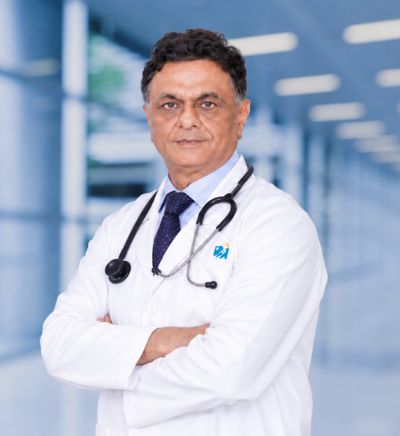
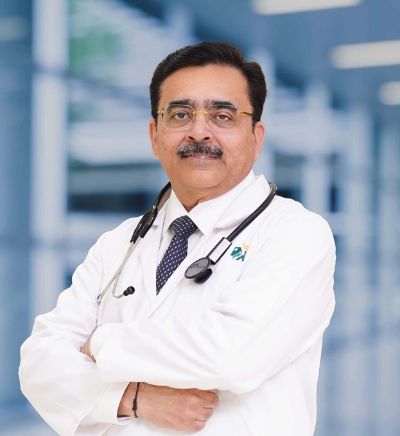
Madokotala Akupezeka ku Gurugram









Chodzikanira:
Zomwe zaperekedwa patsamba lino cholinga chake ndi kupereka chidziwitso ndi maphunziro okha. Ngakhale tikuyesetsa kuonetsetsa kuti chidziwitsocho ndi cholondola, chodalirika, komanso chowunikidwa nthawi zonse, sichiyenera kuonedwa ngati cholowa m'malo mwa upangiri wa akatswiri azachipatala, matenda, kapena chithandizo.
Kuyenerera kwa njira yachipatala, pamodzi ndi ubwino wake, zoopsa zake, kukonzekera, kuchira, mavuto omwe angakhalepo, ndi zotsatira zomwe zingayembekezeredwe, zingasiyane malinga ndi munthu aliyense. Katswiri wanu wazachipatala adzasankha ngati njirayo ndi yoyenera kutengera momwe mulili komanso mbiri yanu yachipatala.
Chonde funsani katswiri wodziwa bwino ntchito zachipatala kuti akupatseni upangiri musanapange chisankho chokhudza njira iliyonse yachipatala.
Kuti mudziwe zambiri za momwe zinthu zathu zachipatala zimapangidwira, kuunikidwanso, kusinthidwa, ndi kusamalidwa, chonde werengani [Ndondomeko Yolemba] yathu.




