


Image


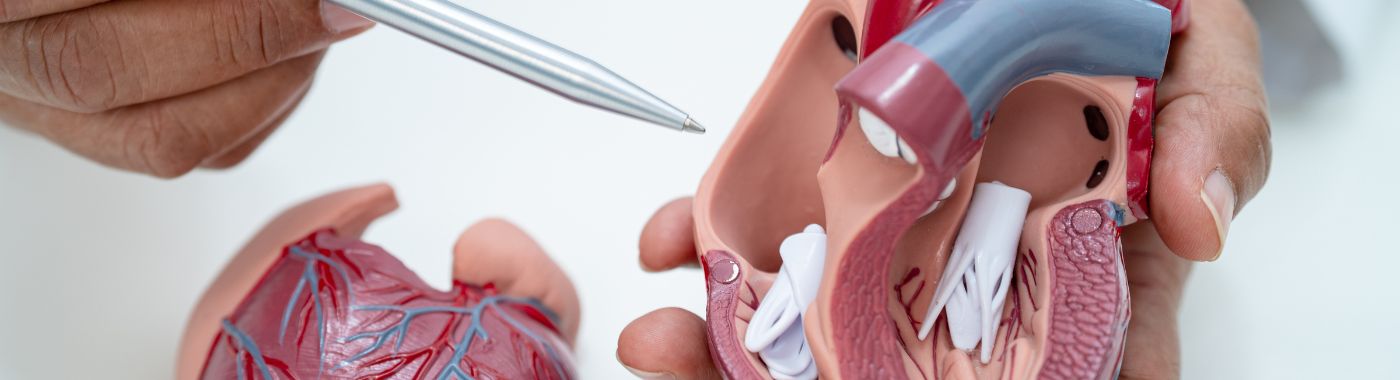
Valvuloplasti Mitral Belon (BMV) ialah prosedur perubatan invasif minimum yang direka untuk merawat stenosis injap mitral, suatu keadaan di mana injap mitral menyempit, menghalang aliran darah dari atrium kiri ke ventrikel kiri jantung. Penyempitan ini boleh menyebabkan pelbagai komplikasi, termasuk kegagalan jantung, aritmia dan toleransi senaman yang berkurangan. Matlamat utama BMV adalah untuk melegakan halangan yang disebabkan oleh injap yang menyempit, sekali gus meningkatkan aliran darah dan mengurangkan gejala.
Semasa prosedur Balloon Mitral Valvuloplasty, tiub nipis dan fleksibel yang dipanggil kateter dimasukkan ke dalam saluran darah, biasanya di pangkal paha, dan diarahkan ke jantung. Sebaik sahaja berada di kedudukannya, belon yang dipasang pada kateter akan dikembungkan di tapak injap mitral. Pengembungan ini meregangkan bukaan injap, membolehkan aliran darah yang lebih baik. Prosedur ini biasanya dilakukan di bawah anestesia tempatan dan ubat pelali, menjadikannya kurang invasif berbanding pilihan pembedahan tradisional.
BMV amat bermanfaat untuk pesakit yang mengalami simptom yang ketara akibat stenosis injap mitral tetapi bukan calon yang sesuai untuk pembedahan jantung terbuka. Ia merupakan pilihan yang diutamakan oleh ramai pesakit kerana ia secara amnya menghasilkan masa pemulihan yang lebih singkat dan komplikasi yang lebih sedikit berbanding intervensi pembedahan.
Valvuloplasti Mitral Belon terutamanya ditunjukkan untuk pesakit yang mengalami stenosis injap mitral, yang boleh disebabkan oleh pelbagai faktor, termasuk demam reumatik, kecacatan jantung kongenital, atau perubahan degeneratif yang berkaitan dengan penuaan. Gejala stenosis injap mitral boleh berbeza-beza dari segi keterukan dan mungkin termasuk:
Simptom-simptom ini timbul kerana jantung terpaksa bekerja lebih keras untuk mengepam darah melalui injap yang sempit, yang membawa kepada peningkatan tekanan di jantung dan paru-paru. Apabila keadaan ini semakin teruk, pesakit mungkin mendapati ia semakin sukar untuk melakukan aktiviti harian atau bersenam.
Valvuloplasti Mitral Belon biasanya disyorkan apabila pesakit menunjukkan simptom stenosis injap mitral yang sederhana hingga teruk, terutamanya apabila penemuan ekokardiografi mengesahkan penyempitan injap yang ketara. Prosedur ini sering dipertimbangkan apabila:
Dalam sesetengah kes, BMV juga boleh dilakukan sebagai langkah paliatif untuk memperbaiki simptom pada pesakit yang tidak dijangka akan terselamat selepas pembedahan jantung terbuka.
Keputusan untuk meneruskan Balloon Mitral Valvuloplasty adalah berdasarkan gabungan gejala klinikal, ujian diagnostik dan kesihatan pesakit secara keseluruhan. Berikut adalah petunjuk utama yang mungkin menjadikan pesakit calon untuk prosedur ini:
Secara ringkasnya, Balloon Mitral Valvuloplasty merupakan prosedur yang berharga untuk pesakit yang mengalami stenosis injap mitral simptomatik. Ia ditunjukkan berdasarkan gabungan simptom klinikal, penemuan ekokardiografi dan kesihatan pesakit secara keseluruhan. Dengan meningkatkan aliran darah melalui injap mitral, BMV dapat meningkatkan kualiti hidup dengan ketara bagi mereka yang terjejas oleh keadaan ini.
Walaupun Valvuloplasti Mitral Belon biasanya dilakukan sebagai teknik tunggal, terdapat variasi dalam pendekatan berdasarkan keperluan khusus pesakit dan anatomi injap mitral. Dua teknik utama termasuk:
Kedua-dua teknik ini bertujuan untuk mencapai hasil yang sama: untuk melegakan halangan yang disebabkan oleh injap mitral yang menyempit dan meningkatkan aliran darah. Pilihan teknik bergantung pada keadaan pesakit individu, pengalaman pasukan perubatan dan anatomi khusus injap mitral.
Kesimpulannya, Balloon Mitral Valvuloplasty merupakan prosedur kritikal untuk menguruskan stenosis injap mitral, menawarkan pilihan yang kurang invasif untuk pesakit yang bergejala dan tidak sesuai untuk intervensi pembedahan. Memahami indikasi dan jenis BMV dapat membantu pesakit membuat keputusan termaklum tentang pilihan rawatan mereka. Dalam bahagian seterusnya artikel ini, kami akan meneroka prosedur secara terperinci, termasuk langkah-langkah yang terlibat, potensi risiko, dan apa yang boleh dijangkakan oleh pesakit semasa pemulihan selepas Balloon Mitral Valvuloplasty.
Walaupun valvuloplasti mitral belon (BMV) boleh menjadi prosedur yang mengubah hidup ramai pesakit yang mengalami stenosis mitral, ia tidak sesuai untuk semua orang. Memahami kontraindikasi adalah penting untuk pesakit dan penyedia penjagaan kesihatan. Berikut adalah beberapa keadaan dan faktor yang mungkin menjadikan pesakit tidak sesuai untuk BMV:
Memahami kontraindikasi ini membantu memastikan BMV dilakukan pada pesakit yang betul, memaksimumkan peluang hasil yang berjaya sambil meminimumkan risiko.
Persediaan untuk valvuloplasti mitral belon merupakan langkah penting dalam memastikan kejayaan prosedur dan keselamatan pesakit. Berikut adalah apa yang boleh dijangkakan oleh pesakit dari segi arahan, ujian dan langkah berjaga-jaga pra-prosedur:
Dengan mengikuti langkah-langkah persediaan ini, pesakit boleh membantu memastikan pengalaman yang lebih lancar semasa valvuloplasti mitral belon mereka.
Memahami proses langkah demi langkah valvuloplasti mitral belon boleh membantu mengurangkan kebimbangan dan menyediakan pesakit untuk apa yang diharapkan. Berikut adalah pecahan prosedur:
Dengan memahami proses langkah demi langkah valvuloplasti mitral belon, pesakit boleh berasa lebih bersedia dan termaklum tentang perjalanan rawatan mereka.
Seperti mana-mana prosedur perubatan, valvuloplasti mitral belon membawa risiko dan komplikasi tertentu. Walaupun ramai pesakit mengalami manfaat yang ketara, adalah penting untuk mengetahui risiko biasa dan jarang berlaku yang berkaitan dengan prosedur ini:
Memahami risiko dan komplikasi ini dapat membantu pesakit membuat keputusan termaklum tentang pilihan rawatan mereka. Adalah penting untuk membincangkan sebarang kebimbangan dengan penyedia penjagaan kesihatan, yang boleh memberikan maklumat peribadi berdasarkan status dan keperluan kesihatan individu.
Pemulihan daripada valvuloplasti mitral belon biasanya cepat, dengan ramai pesakit mengalami peningkatan yang ketara dalam simptom mereka sejurus selepas prosedur. Jangka masa pemulihan yang dijangkakan boleh berbeza-beza berdasarkan keadaan kesihatan individu, tetapi berikut adalah gambaran keseluruhan umum:
Selepas prosedur, pesakit biasanya dipantau di kawasan pemulihan selama beberapa jam. Pemantauan ini memastikan sebarang komplikasi segera dapat ditangani dengan segera. Kebanyakan pesakit boleh dijangka tinggal di hospital selama satu hingga dua hari, bergantung pada kesihatan keseluruhan mereka dan seberapa baik mereka bertindak balas terhadap prosedur tersebut.
Semasa minggu pertama selepas prosedur, pesakit dinasihatkan untuk berehat dan mengelakkan aktiviti berat. Berjalan ringan digalakkan untuk melancarkan peredaran darah, tetapi mengangkat barang berat atau senaman yang kuat harus dielakkan. Kesakitan atau ketidakselesaan di tempat pemasukan kateter adalah perkara biasa, dan ubat penahan sakit yang boleh didapati di kaunter boleh digunakan mengikut keperluan.
Temujanji susulan adalah penting untuk memantau fungsi jantung dan memastikan injap mitral berfungsi dengan baik. Temujanji ini biasanya berlaku dalam tempoh satu hingga dua minggu selepas prosedur. Doktor anda mungkin akan melakukan ekokardiogram untuk menilai keadaan injap dan prestasi keseluruhan jantung anda.
Kebanyakan pesakit boleh kembali kepada aktiviti harian mereka dalam tempoh satu hingga dua minggu. Walau bagaimanapun, adalah penting untuk mendengar badan anda dan berunding dengan penyedia penjagaan kesihatan anda sebelum menyambung semula sebarang aktiviti atau sukan berimpak tinggi. Bagi mereka yang mempunyai pekerjaan yang memerlukan tenaga fizikal, tempoh pemulihan yang lebih lama mungkin diperlukan.
Valvuloplasti mitral belon menawarkan beberapa penambahbaikan kesihatan utama dan hasil kualiti hidup untuk pesakit yang mengalami stenosis injap mitral. Berikut adalah beberapa manfaat utama:
Salah satu manfaat paling segera daripada valvuloplasti mitral belon ialah melegakan simptom yang berkaitan dengan stenosis injap mitral. Pesakit sering melaporkan pengurangan ketara dalam sesak nafas, keletihan dan palpitasi sejurus selepas prosedur. Penambahbaikan ini boleh membawa kepada gaya hidup yang lebih aktif dan peningkatan kesejahteraan keseluruhan.
Prosedur ini berkesan membesarkan injap mitral yang menyempit, membolehkan aliran darah yang lebih baik dari atrium kiri ke ventrikel kiri. Peningkatan fungsi jantung ini boleh menyebabkan penurunan risiko kegagalan jantung dan komplikasi lain yang berkaitan dengan stenosis mitral yang tidak dirawat.
Ramai pesakit mengalami peningkatan yang ketara dalam kualiti hidup mereka selepas valvuloplasti mitral belon. Dengan simptom yang berkurangan, pesakit boleh terlibat dalam aktiviti yang sebelum ini mereka anggap mencabar, seperti berjalan, bersenam dan menyertai acara sosial. Kebebasan baharu ini dapat meningkatkan kesejahteraan emosi dan kepuasan keseluruhan dengan kehidupan dengan ketara.
Sebagai prosedur invasif minimum, valvuloplasti mitral belon biasanya melibatkan kurang kesakitan dan masa pemulihan yang lebih singkat berbanding pilihan pembedahan tradisional. Aspek ini menjadikannya pilihan yang menarik bagi ramai pesakit, terutamanya mereka yang mungkin berisiko lebih tinggi untuk komplikasi daripada pembedahan jantung terbuka.
Walaupun valvuloplasti mitral belon bukanlah penyelesaian kekal dan mungkin memerlukan prosedur susulan pada masa hadapan, ramai pesakit menikmati peningkatan fungsi jantung dan kualiti hidup selama beberapa tahun. Penjagaan dan pemantauan susulan yang kerap dapat membantu menguruskan sebarang potensi masalah yang timbul.
Walaupun valvuloplasti mitral belon merupakan rawatan biasa untuk stenosis injap mitral, pembedahan penggantian injap mitral merupakan satu lagi pilihan yang boleh dipertimbangkan, terutamanya dalam kes yang lebih teruk. Berikut ialah perbandingan kedua-dua prosedur:
| Ciri | Valvuloplasti Mitral Belon | Penggantian Injap Mitral Pembedahan |
|---|---|---|
| Invasif | Invasif minima | Invasif |
| Masa pemulihan | Pendek (1-2 minggu) | Lebih lama (4-6 minggu) |
| Penginapan Hospital | Hari 1-2 | Hari 3-7 |
| Melegakan Gejala | serta-merta | serta-merta |
| Penyelesaian Jangka Panjang | Sementara (mungkin perlu diulang) | Kekal |
| Risiko | Risiko komplikasi yang lebih rendah | Risiko komplikasi yang lebih tinggi |
Kos valvuloplasti mitral belon di India biasanya antara ₹1,00,000 hingga ₹3,00,000. Untuk anggaran yang tepat, hubungi kami hari ini.
Apa yang perlu saya makan selepas valvuloplasti mitral belon?
Selepas prosedur, fokus pada diet yang sihat untuk jantung. Sertakan banyak buah-buahan, sayur-sayuran, bijirin penuh dan protein tanpa lemak. Hadkan garam, gula dan lemak tepu. Kekal terhidrat juga penting. Sentiasa berjumpa doktor untuk cadangan diet yang diperibadikan.
Berapa lama saya akan berada di hospital?
Kebanyakan pesakit tinggal di hospital selama satu hingga dua hari selepas valvuloplasti mitral belon. Pasukan penjagaan kesihatan anda akan memantau pemulihan anda dan memastikan anda stabil sebelum dibenarkan keluar.
Bolehkah saya mengambil ubat biasa saya selepas prosedur?
Anda harus terus mengambil ubat-ubatan yang ditetapkan melainkan jika doktor anda menasihati sebaliknya. Sesetengah pesakit mungkin perlu melaraskan ubat-ubatan mereka, terutamanya ubat pencair darah. Sentiasa ikut arahan doktor anda.
Bilakah saya boleh kembali bekerja?
Kebanyakan pesakit boleh kembali bekerja dalam tempoh satu hingga dua minggu selepas prosedur. Walau bagaimanapun, jika kerja anda melibatkan pengangkatan berat atau aktiviti berat, anda mungkin memerlukan tempoh pemulihan yang lebih lama. Rujuk doktor anda untuk mendapatkan nasihat peribadi.
Adakah terdapat sebarang aktiviti yang harus saya elakkan?
Selepas valvuloplasti mitral belon, elakkan aktiviti berat dan mengangkat barang berat selama sekurang-kurangnya dua minggu. Berjalan ringan digalakkan, tetapi sentiasa dengarkan badan anda dan berunding dengan doktor anda sebelum menyambung semula sebarang aktiviti berimpak tinggi.
Apakah tanda-tanda yang perlu saya perhatikan selepas prosedur?
Berwaspada terhadap sebarang tanda komplikasi, seperti peningkatan sesak nafas, sakit dada, atau bengkak pada kaki. Jika anda mengalami mana-mana gejala ini, hubungi penyedia penjagaan kesihatan anda dengan segera.
Adakah terdapat risiko komplikasi selepas prosedur?
Walaupun valvuloplasti mitral belon secara amnya selamat, terdapat risiko, termasuk pendarahan, jangkitan, atau regurgitasi injap. Doktor anda akan membincangkan risiko ini dengan anda sebelum prosedur.
Berapa kerapkah saya memerlukan temu janji susulan?
Temujanji susulan biasanya dijadualkan dalam tempoh satu hingga dua minggu selepas prosedur. Doktor anda akan menentukan kekerapan lawatan akan datang berdasarkan pemulihan dan fungsi jantung anda.
Bolehkah kanak-kanak menjalani valvuloplasti mitral belon?
Ya, valvuloplasti mitral belon boleh dilakukan pada kanak-kanak dengan stenosis injap mitral. Walau bagaimanapun, keputusan bergantung pada keadaan khusus dan kesihatan keseluruhan kanak-kanak. Rujuk pakar kardiologi pediatrik untuk maklumat lanjut.
Apakah perubahan gaya hidup yang perlu saya pertimbangkan selepas prosedur?
Selepas valvuloplasti mitral belon, pertimbangkan untuk mengamalkan gaya hidup sihat untuk jantung. Ini termasuk senaman yang kerap, diet seimbang, mengekalkan berat badan yang sihat dan mengelakkan merokok. Pemeriksaan berkala dengan doktor anda juga penting.
Berapa lamakah manfaat prosedur ini akan bertahan?
Manfaat valvuloplasti mitral belon boleh bertahan selama beberapa tahun, tetapi sesetengah pesakit mungkin memerlukan prosedur berulang. Penjagaan susulan yang kerap adalah penting untuk memantau fungsi jantung dan menguruskan sebarang masalah yang berpotensi.
Bolehkah saya melakukan perjalanan selepas prosedur?
Kebanyakan pesakit boleh melakukan perjalanan dalam masa beberapa minggu selepas valvuloplasti mitral belon. Walau bagaimanapun, adalah penting untuk berunding dengan doktor anda sebelum membuat sebarang rancangan perjalanan, terutamanya jika anda menaiki pesawat.
Apakah yang perlu saya lakukan jika saya berasa bimbang tentang prosedur?
Adalah perkara biasa untuk berasa cemas sebelum prosedur perubatan. Bincangkan kebimbangan anda dengan penyedia penjagaan kesihatan anda, yang boleh memberikan jaminan dan maklumat untuk membantu mengurangkan kebimbangan anda.
Perlukah saya mengubah diet saya secara kekal?
Mengamalkan diet yang sihat untuk jantung adalah bermanfaat untuk kesihatan jantung jangka panjang. Walaupun anda mungkin tidak perlu membuat perubahan drastik, memberi tumpuan kepada makanan berkhasiat dan mengekalkan diet seimbang adalah penting.
Apakah kadar kejayaan valvuloplasti mitral belon?
Valvuloplasti mitral belon mempunyai kadar kejayaan yang tinggi, dengan ramai pesakit mengalami kelegaan simptom yang ketara dan fungsi jantung yang lebih baik. Doktor anda boleh memberikan maklumat yang lebih khusus berdasarkan kes individu anda.
Bolehkah saya menyertai sukan selepas prosedur?
Aktiviti ringan biasanya boleh disambung semula dalam masa beberapa minggu, tetapi sukan berimpak tinggi harus dielakkan untuk tempoh yang lebih lama. Rujuk doktor anda untuk cadangan peribadi berdasarkan pemulihan anda.
Bagaimana jika simptom saya kembali selepas prosedur?
Jika simptom anda kembali, adalah penting untuk menghubungi penyedia penjagaan kesihatan anda. Mereka mungkin mengesyorkan penilaian lanjut dan membincangkan pilihan rawatan yang berpotensi, termasuk valvuloplasti belon berulang atau intervensi pembedahan.
Adakah terdapat had umur tertentu untuk prosedur ini?
Tiada had umur yang ketat untuk valvuloplasti mitral belon. Keputusan untuk meneruskan prosedur ini bergantung pada kesihatan keseluruhan pesakit, tahap keterukan stenosis mitral, dan faktor individu yang lain.
Bagaimanakah saya boleh membuat persediaan untuk prosedur ini?
Doktor anda akan memberikan arahan khusus tentang cara membuat persediaan untuk valvuloplasti mitral belon. Ini mungkin termasuk berpuasa sebelum prosedur dan membincangkan sebarang ubat yang harus anda elakkan.
Apakah perbezaan antara valvuloplasti mitral belon dan pembedahan jantung terbuka?
Valvuloplasti mitral belon ialah prosedur invasif minimum yang menggunakan belon untuk meluaskan injap mitral, manakala pembedahan jantung terbuka melibatkan penggantian atau pembaikan injap. Pilihan antara kedua-duanya bergantung pada tahap keterukan keadaan dan kesihatan keseluruhan pesakit.
Valvuloplasti mitral belon merupakan prosedur penting untuk pesakit yang mengalami stenosis injap mitral, menawarkan peningkatan yang ketara dalam gejala dan kualiti hidup. Dengan pemulihan yang agak cepat dan pelbagai manfaat, ia berfungsi sebagai pilihan rawatan yang berkesan untuk ramai individu. Jika anda atau orang tersayang mengalami gejala yang berkaitan dengan stenosis injap mitral, adalah penting untuk berbincang dengan profesional perubatan untuk meneroka pilihan anda dan menentukan tindakan terbaik untuk kesihatan anda.

Penafian: Maklumat ini adalah untuk tujuan pendidikan sahaja dan bukan pengganti nasihat perubatan profesional. Sentiasa berunding dengan doktor anda untuk masalah perubatan.


 Hospital Terbaik Berhampiran saya Chennai
Hospital Terbaik Berhampiran saya Bangalore
Hospital Terbaik Berhampiran saya Hyderabad
Hospital Terbaik Berhampiran saya Mumbai
Hospital Terbaik Berhampiran saya Delhi
Hospital Terbaik Berhampiran saya Kolkata
Hospital Terbaik Berhampiran saya Pune
Hospital Terbaik Berhampiran saya Ahmedabad
Hospital Terbaik Berhampiran saya Bhubaneswar
Hospital Terbaik Berhampiran saya Bilaspur
Hospital Terbaik Berhampiran saya Guwahati
Hospital Terbaik Berhampiran saya Indore
Hospital Terbaik Berhampiran saya Kochi
Hospital Terbaik Berhampiran saya Lucknow
Hospital Terbaik Berhampiran saya Madurai
Hospital Terbaik Berhampiran saya Mysore
Hospital Terbaik Berhampiran saya Nashik
Hospital Terbaik Berhampiran saya Noida
Hospital Terbaik Berdekatan saya Rourkela
Hospital Terbaik Berhampiran saya Visakhapatnam
Pakar Kardiologi Berhampiran saya di Chennai
Pakar Kardiologi Berhampiran saya di Bangalore
Pakar Kardiologi Berhampiran saya di Hyderabad
Pakar Kardiologi Berhampiran saya di Mumbai
Pakar Kardiologi Berhampiran saya di Delhi
Pakar Kardiologi Berhampiran saya di Kolkata
Pakar Kardiologi Berhampiran saya di Pune
Pakar Kardiologi Berhampiran saya di Ahmedabad
Pakar Kardiologi Berhampiran saya di Bhubaneswar
Pakar Kardiologi Berhampiran saya di Bilaspur
Pakar Kardiologi Berhampiran saya di Guwahati
Pakar Kardiologi Berhampiran saya di Indore
Pakar Kardiologi Berhampiran saya di Kochi
Pakar Kardiologi Berhampiran saya di Lucknow
Pakar Kardiologi Berhampiran saya di Madurai
Pakar Kardiologi Berhampiran saya di Mysore
Pakar Kardiologi Berhampiran saya di Nashik
Pakar Kardiologi Berhampiran saya di Noida
Pakar Kardiologi Berhampiran saya di Rourkela
Pakar Kardiologi Berhampiran saya di Visakhapatnam
Pakar Neurologi Berhampiran saya di Chennai
Pakar Neurologi Berhampiran saya di Bangalore
Pakar Neurologi Berhampiran saya di Hyderabad
Pakar Neurologi Berhampiran saya di Mumbai
Pakar Neurologi Berhampiran saya di Delhi
Pakar Neurologi Berhampiran saya di Kolkata
Pakar Neurologi Berhampiran saya di Ahmedabad
Pakar Neurologi Berhampiran saya di Bhubaneswar
Pakar Neurologi Berhampiran saya di Bilaspur
Pakar Neurologi Berhampiran saya di Guwahati
Pakar Neurologi Berhampiran saya di Indore
Pakar Neurologi Berhampiran saya di Kochi
Pakar Neurologi Berhampiran saya di Lucknow
Pakar Neurologi Berhampiran saya di Madurai
Pakar Neurologi Berhampiran saya di Mysore
Pakar Neurologi Berhampiran saya di Nashik
Pakar Neurologi Berhampiran saya di Noida
Pakar Neurologi Berhampiran saya di Rourkela
Pakar Neurologi Berhampiran saya di Visakhapatnam
Pakar Ortopedik Berhampiran saya di Chennai
Pakar Ortopedik Berhampiran saya di Bangalore
Pakar Ortopedik Berhampiran saya di Hyderabad
Pakar Ortopedik Berhampiran saya di Mumbai
Pakar Ortopedik Berhampiran saya di Delhi
Pakar Ortopedik Berhampiran saya di Kolkata
Pakar Ortopedik Berhampiran saya di Pune
Pakar Ortopedik Berhampiran saya di Ahmedabad
Pakar Ortopedik Berhampiran saya di Bhubaneswar
Pakar Ortopedik Berhampiran saya di Bilaspur
Pakar Ortopedik Berhampiran saya di Guwahati
Pakar Ortopedik Berhampiran saya di Indore
Pakar Ortopedik Berhampiran saya di Kochi
Pakar Ortopedik Berhampiran saya di Lucknow
Pakar Ortopedik Berhampiran saya di Madurai
Pakar Ortopedik Berhampiran saya di Mysore
Pakar Ortopedik Berhampiran saya di Nashik
Pakar Ortopedik Berhampiran saya di Noida
Pakar Ortopedik Berhampiran saya di Rourkela
Pakar Ortopedik Berhampiran saya di Visakhapatnam
Pakar Onkologi Berhampiran saya di Chennai
Pakar Onkologi Berhampiran saya di Bangalore
Pakar Onkologi Berhampiran saya di Hyderabad
Pakar Onkologi Berhampiran saya di Mumbai
Pakar Onkologi Berhampiran saya di Delhi
Pakar Onkologi Berhampiran saya di Kolkata
Pakar Onkologi Berhampiran saya di Pune
Pakar Onkologi Berhampiran saya di Ahmedabad
Pakar Onkologi Berhampiran saya di Bhubaneswar
Pakar Onkologi Berhampiran saya di Bilaspur
Pakar Onkologi Berhampiran saya di Guwahati
Pakar Onkologi Berhampiran saya di Indore
Pakar Onkologi Berhampiran saya di Kochi
Pakar Onkologi Berhampiran saya di Lucknow
Pakar Onkologi Berhampiran saya di Madurai
Pakar Onkologi Berhampiran saya di Mysore
Pakar Onkologi Berhampiran saya di Nashik
Pakar Onkologi Berhampiran saya di Noida
Pakar Onkologi Berhampiran saya di Rourkela
Pakar Gastroenterologi Berhampiran saya di Chennai
Pakar Gastroenterologi Berhampiran saya di Bangalore
Pakar Gastroenterologi Berhampiran saya di Hyderabad
Pakar Gastroenterologi Berhampiran saya di Mumbai
Pakar Gastroenterologi Berhampiran saya di Delhi
Pakar Gastroenterologi Berhampiran saya di Kolkata
Pakar Gastroenterologi Berhampiran saya di Pune
Pakar Gastroenterologi Berhampiran saya di Ahmedabad
Pakar Gastroenterologi Berhampiran saya di Bhubaneswar
Pakar Gastroenterologi Berhampiran saya di Bilaspur
Pakar Gastroenterologi Berhampiran saya di Guwahati
Pakar Gastroenterologi Berhampiran saya di Indore
Pakar Gastroenterologi Berhampiran saya di Kochi
Pakar Gastroenterologi Berhampiran saya di Lucknow
Pakar Gastroenterologi Berhampiran saya di Madurai
Pakar Gastroenterologi Berhampiran saya di Mysore
Pakar Gastroenterologi Berhampiran saya di Nashik
Pakar Gastroenterologi Berhampiran saya di Noida
Pakar Gastroenterologi Berhampiran saya di Rourkela
Pakar Gastroenterologi Berhampiran saya di Visakhapatnam
Pakar Bedah Pemindahan Berhampiran saya di Chennai
Pakar Bedah Pemindahan Berhampiran saya di Bangalore
Pakar Bedah Pemindahan Berhampiran saya di Hyderabad
Pakar Bedah Pemindahan Berhampiran saya di Mumbai
Pakar Bedah Pemindahan Berhampiran saya di Delhi
Pakar Bedah Pemindahan Berhampiran saya di Kolkata
Pakar Bedah Pemindahan Berhampiran saya di Indore
Pakar Bedah Pemindahan Berhampiran saya di Kochi
Pakar Bedah Pemindahan Berhampiran saya di Lucknow
Pakar Bedah Pemindahan Berhampiran saya di Mysore
Pakar ENT Berhampiran saya di Chennai
Pakar ENT Berhampiran saya di Bangalore
Pakar ENT Berhampiran saya di Hyderabad
Pakar ENT Berhampiran saya di Mumbai
Pakar ENT Berhampiran saya di Delhi
Pakar ENT Berhampiran saya di Kolkata
Pakar ENT Berhampiran saya di Pune
Pakar ENT Berhampiran saya di Ahmedabad
Pakar ENT Berhampiran saya di Bhubaneswar
Pakar ENT Berhampiran saya di Bilaspur
Pakar ENT Berhampiran saya di Guwahati
Pakar ENT Berhampiran saya di Indore
Pakar ENT Berhampiran saya di Kochi
Pakar ENT Berhampiran saya di Lucknow
Pakar ENT Berhampiran saya di Madurai
Pakar ENT Berhampiran saya di Mysore
Pakar ENT Berhampiran saya di Nashik
Pakar ENT Berhampiran saya di Noida
Pakar ENT Berhampiran saya di Rourkela
Pakar ENT Berhampiran saya di Visakhapatnam
Pakar Pulmonologi Berhampiran saya di Chennai
Pakar Pulmonologi Berhampiran saya di Bangalore
Pakar Pulmonologi Berhampiran saya di Hyderabad
Pakar Pulmonologi Berhampiran saya di Mumbai
Pakar Pulmonologi Berhampiran saya di Delhi
Pakar Pulmonologi Berhampiran saya di Kolkata
Pakar Pulmonologi Berhampiran saya di Ahmedabad
Pakar Pulmonologi Berhampiran saya di Bhubaneswar
Pakar Pulmonologi Berhampiran saya di Bilaspur
Pakar Pulmonologi Berhampiran saya di Guwahati
Pakar Pulmonologi Berhampiran saya di Indore
Pakar Pulmonologi Berhampiran saya di Kochi
Pakar Pulmonologi Berhampiran saya di Lucknow
Pakar Pulmonologi Berhampiran saya di Madurai
Pakar Pulmonologi Berhampiran saya di Mysore
Pakar Pulmonologi Berhampiran saya di Nashik
Pakar Pulmonologi Berhampiran saya di Noida
Pakar Pulmonologi Berdekatan saya di Rourkela
Pakar Pulmonologi Berhampiran saya di Visakhapatnam
Doktor Gigi Berhampiran saya di Chennai
Doktor Gigi Berhampiran saya di Bangalore
Doktor Gigi Berhampiran saya di Hyderabad
Doktor Gigi Berhampiran saya di Delhi
Doktor Gigi Berhampiran saya di Kolkata
Doktor Gigi Berhampiran saya di Ahmedabad
Doktor Gigi Berhampiran saya di Bhubaneswar
Doktor Gigi Berhampiran saya di Bilaspur
Doktor Gigi Berhampiran saya di Guwahati
Doktor Gigi Berhampiran saya di Kochi
Doktor Gigi Berhampiran saya di Lucknow
Doktor Gigi Berhampiran saya di Madurai
Doktor Gigi Berhampiran saya di Nashik
Doktor Gigi Berhampiran saya di Noida
Doktor Gigi Berhampiran saya di Rourkela
Doktor Gigi Berhampiran saya di Visakhapatnam
Pakar Pediatrik Berhampiran saya di Chennai
Pakar Pediatrik Berhampiran saya di Bangalore
Pakar Pediatrik Berhampiran saya di Hyderabad
Pakar Pediatrik Berhampiran saya di Mumbai
Pakar Pediatrik Berhampiran saya di Delhi
Pakar Pediatrik Berhampiran saya di Kolkata
Pakar Pediatrik Berhampiran saya di Pune
Pakar Pediatrik Berhampiran saya di Ahmedabad
Pakar Pediatrik Berhampiran saya di Bhubaneswar
Pakar Pediatrik Berhampiran saya di Bilaspur
Pakar Pediatrik Berhampiran saya di Guwahati
Pakar Pediatrik Berhampiran saya di Indore
Pakar Pediatrik Berhampiran saya di Kochi
Pakar Pediatrik Berhampiran saya di Lucknow
Pakar Pediatrik Berhampiran saya di Madurai
Pakar Pediatrik Berhampiran saya di Mysore
Pakar Pediatrik Berhampiran saya di Nashik
Pakar Pediatrik Berhampiran saya di Noida
Pakar Pediatrik Berhampiran saya di Visakhapatnam
Pakar Dermatologi Berhampiran saya di Chennai
Pakar Dermatologi Berhampiran saya di Bangalore
Pakar Dermatologi Berhampiran saya di Hyderabad
Pakar Dermatologi Berhampiran saya di Delhi
Pakar Dermatologi Berhampiran saya di Kolkata
Pakar Dermatologi Berhampiran saya di Ahmedabad
Pakar Dermatologi Berhampiran saya di Bhubaneswar
Pakar Dermatologi Berhampiran saya di Bilaspur
Pakar Dermatologi Berhampiran saya di Guwahati
Pakar Dermatologi Berhampiran saya di Indore
Pakar Dermatologi Berhampiran saya di Kochi
Pakar Dermatologi Berhampiran saya di Lucknow
Pakar Dermatologi Berhampiran saya di Madurai
Pakar Dermatologi Berhampiran saya di Mysore
Pakar Dermatologi Berhampiran saya di Noida
Pakar Dermatologi Berhampiran saya di Visakhapatnam
Pakar Urologi Berhampiran saya di Chennai
Pakar Urologi Berhampiran saya di Bangalore
Pakar Urologi Berhampiran saya di Hyderabad
Pakar Urologi Berhampiran saya di Delhi
Pakar Urologi Berhampiran saya di Kolkata
Pakar Urologi Berhampiran saya di Pune
Pakar Urologi Berhampiran saya di Ahmedabad
Pakar Urologi Berhampiran saya di Bhubaneswar
Pakar Urologi Berhampiran saya di Bilaspur
Pakar Urologi Berhampiran saya di Guwahati
Pakar Urologi Berhampiran saya di Indore
Pakar Urologi Berhampiran saya di Kochi
Pakar Urologi Berhampiran saya di Lucknow
Pakar Urologi Berhampiran saya di Madurai
Pakar Urologi Berhampiran saya di Mysore
Pakar Urologi Berhampiran saya di Nashik
Pakar Urologi Berhampiran saya di Noida
Pakar Urologi Berhampiran saya di Rourkela
Pakar Urologi Berhampiran saya di Visakhapatnam
Pakar Endokrinologi dan Pakar Diabetologi Berhampiran saya di Chennai
Pakar Endokrinologi dan Pakar Diabetologi Berhampiran saya di Bangalore
Pakar Endokrinologi dan Pakar Diabetologi Berhampiran saya di Hyderabad
Pakar Endokrinologi dan Pakar Diabetologi Berhampiran saya di Mumbai
Pakar Endokrinologi dan Pakar Diabetologi Berhampiran saya di Delhi
Pakar Endokrinologi dan Pakar Diabetologi Berhampiran saya di Kolkata
Pakar Endokrinologi dan Pakar Diabetologi Berhampiran saya di Pune
Pakar Endokrinologi dan Pakar Diabetologi Berhampiran saya di Ahmedabad
Pakar Endokrinologi dan Pakar Diabetologi Berhampiran saya di Bhubaneswar
Pakar Endokrinologi dan Pakar Diabetologi Berhampiran saya di Bilaspur
Pakar Endokrinologi dan Pakar Diabetologi Berhampiran saya di Guwahati
Pakar Endokrinologi dan Pakar Diabetologi Berhampiran saya di Indore
Pakar Endokrinologi dan Pakar Diabetologi Berhampiran saya di Kochi
Pakar Endokrinologi dan Pakar Diabetologi Berhampiran saya di Lucknow
Pakar Endokrinologi dan Pakar Diabetologi Berhampiran saya di Madurai
Pakar Endokrinologi dan Pakar Diabetologi Berhampiran saya di Mysore
Pakar Endokrinologi dan Pakar Diabetologi Berhampiran saya di Noida
Pakar Endokrinologi dan Pakar Diabetologi Berhampiran saya di Rourkela
Pakar Endokrinologi dan Pakar Diabetologi Berhampiran saya di Visakhapatnam
Pakar Sakit Puan Berhampiran saya di Chennai
Pakar Sakit Puan Berhampiran saya di Bangalore
Pakar Sakit Puan Berhampiran saya di Hyderabad
Pakar Sakit Puan Berhampiran saya di Mumbai
Pakar Sakit Puan Berhampiran saya di Delhi
Pakar Sakit Puan Berhampiran saya di Kolkata
Pakar Sakit Puan Berhampiran saya di Ahmedabad
Pakar Sakit Puan Berhampiran saya di Bhubaneswar
Pakar Sakit Puan Berhampiran saya di Bilaspur
Pakar Sakit Puan Berhampiran saya di Guwahati
Pakar Sakit Puan Berhampiran saya di Indore
Pakar Sakit Puan Berhampiran saya di Kochi
Pakar Sakit Puan Berhampiran saya di Lucknow
Pakar Sakit Puan Berhampiran saya di Madurai
Pakar Sakit Puan Berhampiran saya di Mysore
Pakar Sakit Puan Berhampiran saya di Nashik
Pakar Sakit Puan Berhampiran saya di Noida
Pakar Sakit Puan Berhampiran saya di Rourkela
Pakar Sakit Puan Berhampiran saya di Visakhapatnam
Doktor Am Berhampiran saya di Chennai
Doktor Am Berhampiran saya di Bangalore
Doktor Am Berhampiran saya di Hyderabad
Doktor Am Berhampiran saya di Mumbai
Doktor Am Berhampiran saya di Delhi
Doktor Am Berhampiran saya di Kolkata
Doktor Am Berhampiran saya di Pune
Doktor Am Berhampiran saya di Ahmedabad
Doktor Am Berhampiran saya di Bhubaneswar
Doktor Am Berhampiran saya di Bilaspur
Doktor Am Berhampiran saya di Guwahati
Doktor Am Berhampiran saya di Indore
Doktor Am Berhampiran saya di Kochi
Doktor Am Berhampiran saya di Lucknow
Doktor Am Berhampiran saya di Madurai
Doktor Am Berhampiran saya di Mysore
Doktor Am Berhampiran saya di Nashik
Doktor Am Berhampiran saya di Noida
Doktor Am Berhampiran saya di Visakhapatnam
Pakar Psikologi Berhampiran saya di Chennai
Pakar Psikologi Berhampiran saya di Bangalore
Pakar Psikologi Berhampiran saya di Hyderabad
Pakar Psikologi Berhampiran saya di Mumbai
Pakar Psikologi Berhampiran saya di Delhi
Pakar Psikologi Berhampiran saya di Kolkata
Pakar Psikologi Berhampiran saya di Ahmedabad
Pakar Psikologi Berhampiran saya di Bhubaneswar
Pakar Psikologi Berhampiran saya di Bilaspur
Pakar Psikologi Berhampiran saya di Guwahati
Pakar Psikologi Berhampiran saya di Indore
Pakar Psikologi Berhampiran saya di Kochi
Pakar Psikologi Berhampiran saya di Lucknow
Pakar Psikologi Berhampiran saya di Madurai
Pakar Psikologi Berhampiran saya di Mysore
Ahli Psikologi Berhampiran saya di Nashik
Pakar Psikologi Berhampiran saya di Noida
Pakar Psikologi Berhampiran saya di Visakhapatnam
Pakar Bedah Am Berhampiran saya di Chennai
Pakar Bedah Am Berhampiran saya di Bangalore
Pakar Bedah Am Berhampiran saya di Hyderabad
Pakar Bedah Am Berhampiran saya di Mumbai
Pakar Bedah Am Berhampiran saya di Delhi
Pakar Bedah Am Berhampiran saya di Kolkata
Pakar Bedah Am Berhampiran saya di Pune
Pakar Bedah Am Berhampiran saya di Ahmedabad
Pakar Bedah Am Berhampiran saya di Bhubaneswar
Pakar Bedah Am Berhampiran saya di Bilaspur
Pakar Bedah Am Berhampiran saya di Guwahati
Pakar Bedah Am Berhampiran saya di Indore
Pakar Bedah Am Berhampiran saya di Lucknow
Pakar Bedah Am Berhampiran saya di Madurai
Pakar Bedah Am Berhampiran saya di Mysore
Pakar Bedah Am Berhampiran saya di Nashik
Pakar Bedah Am Berhampiran saya di Noida
Pakar Bedah Am Berhampiran saya di Rourkela
Hospital Terbaik di Karukutty, Cochin
Hospital Terbaik di Greams Road, Chennai
Hospital Terbaik di Kuvempunagar, Mysore
Hospital Terbaik di Vanagaram, Chennai
Hospital Terbaik di Teynampet, Chennai
Hospital Terbaik di OMR, Chennai
Hospital Kanser Terbaik di Bhat, Gandhinagar, Ahmedabad
Hospital Kanser Terbaik di Electronic City, Bangalore
Hospital Kanser Terbaik di Teynampet, Chennai
Hospital Kanser Terbaik di HSR Layout, Bangalore
Pusat Kanser Proton Terbaik di Chennai
Hospital Kanak-kanak Terbaik di Thousand Lights, Chennai
Hospital Wanita Terbaik di Thousand Lights, Chennai
Hospital Terbaik di Paschim Boragaon, Guwahati
Hospital Terbaik di PH Road, Chennai
Pusat Jantung Terbaik di Thousand Lights, Chennai
Hospital Terbaik di Jubilee Hills, Hyderabad
Hospital Terbaik di Tondiarpet, Chennai
Hospital Terbaik di Kotturpuram, Chennai
Hospital Terbaik di Kovai Road, Karur
Hospital Terbaik di Karapakkam, Chennai
Hospital Terbaik di Arilova, Vizag
Hospital Terbaik di Jalan Kanpur, Lucknow
Hospital Terbaik di Sektor-26, Noida
Hospital Terbaik di Gandhinagar, Ahmedabad
Hospital Terbaik di Aragonda, Andhra Pradesh
Hospital Terbaik di Jalan Bannerghatta, Bangalore
Hospital Terbaik di Unit-15, Bhubaneswar
Hospital Terbaik di Jalan Seepat, Bilaspur
Hospital Terbaik di Ellisbridge, Ahmedabad
Hospital Terbaik di New Delhi
Hospital Terbaik di DRDO, Hyderabad
Hospital Terbaik di GS Road, Guwahati
Hospital Terbaik di Hyderguda, Hyderabad
Hospital Terbaik di Vijay Nagar, Indore
Hospital Terbaik di Jalan Utama Suryaraopeta, Kakinada
Hospital Terbaik di Canal Circular Road, Kolkata
Hospital Terbaik di CBD Belapur, Navi Mumbai
Hospital Terbaik di Panchavati, Nashik
Hospital Terbaik di Secunderabad, Hyderabad
Hospital Terbaik di Seshadripuram, Bangalore
Hospital Terbaik di Waltair Main Road, Visakhapatnam
Hospital Terbaik di Jalan Subhash Nagar, Karimnagar
Hospital Terbaik di Managari, Karaikudi
Hospital Terbaik di Arepally, Warangal
Hospital Terbaik di Koloni Arera, Bhopal
Hospital Terbaik di Jayanagar, Bangalore
Hospital Terbaik di KK Nagar, Madurai
Hospital Terbaik di Ramji Nagar, Nellore
Hospital Terbaik di Sektor-19, Rourkela
Hospital Terbaik di Swargate, Pune
Hospital Kanser Wanita Terbaik di Delhi Selatan
CABG
Terapi Sel T CAR
Cholecystectomy Laparoscopic
Hysterectomy
Pemindahan Ginjal
Lithotripsy Gelombang Kejutan Ekstrakorporeal
Pemindahan Hati
Pemindahan Paru-paru
Arthroscopy Hip
Penggantian Total Hip
Terapi Proton
Penggantian Jumlah Lutut Subvastus Invasif Minima
Penggantian Lutut Penjagaan Harian Cepat
Gastrectomy Sleeve
Pembedahan Lasik
Rhinoplasty
Liposuction
Angiogram koronari
Penggantian Injap Aorta Transkatheter
Pembaikan Injap MitraClip
Pembedahan Jantung Minima Invasif
Pembuangan Kateter
Pembedahan Pembinaan Semula ACL
Penggantian Bahu Terbalik
Ablation Endometrial
Embolisasi Arteri Rahim
Cystectomy ovari
Pembedahan Kanser Payudara
Brachytherapy
Kolonoskopi
Polipektomi
Stimulasi Otak Dalam
Dialisis peritoneal
Biopsi Ginjal
Parathyroidectomy
Pembedahan Cytoreductive
Penggantian Lutut Keseluruhan Seramik
ERCP
Hospital Terbaik Berhampiran saya Chennai
Hospital Terbaik Berhampiran saya Bangalore
Hospital Terbaik Berhampiran saya Hyderabad
Hospital Terbaik Berhampiran saya Mumbai
Hospital Terbaik Berhampiran saya Delhi
Hospital Terbaik Berhampiran saya Kolkata
Hospital Terbaik Berhampiran saya Pune
Hospital Terbaik Berhampiran saya Ahmedabad
Hospital Terbaik Berhampiran saya Bhubaneswar
Hospital Terbaik Berhampiran saya Bilaspur
Hospital Terbaik Berhampiran saya Guwahati
Hospital Terbaik Berhampiran saya Indore
Hospital Terbaik Berhampiran saya Kochi
Hospital Terbaik Berhampiran saya Lucknow
Hospital Terbaik Berhampiran saya Madurai
Hospital Terbaik Berhampiran saya Mysore
Hospital Terbaik Berhampiran saya Nashik
Hospital Terbaik Berhampiran saya Noida
Hospital Terbaik Berdekatan saya Rourkela
Hospital Terbaik Berhampiran saya Visakhapatnam
Pakar Kardiologi Berhampiran saya di Chennai
Pakar Kardiologi Berhampiran saya di Bangalore
Pakar Kardiologi Berhampiran saya di Hyderabad
Pakar Kardiologi Berhampiran saya di Mumbai
Pakar Kardiologi Berhampiran saya di Delhi
Pakar Kardiologi Berhampiran saya di Kolkata
Pakar Kardiologi Berhampiran saya di Pune
Pakar Kardiologi Berhampiran saya di Ahmedabad
Pakar Kardiologi Berhampiran saya di Bhubaneswar
Pakar Kardiologi Berhampiran saya di Bilaspur
Pakar Kardiologi Berhampiran saya di Guwahati
Pakar Kardiologi Berhampiran saya di Indore
Pakar Kardiologi Berhampiran saya di Kochi
Pakar Kardiologi Berhampiran saya di Lucknow
Pakar Kardiologi Berhampiran saya di Madurai
Pakar Kardiologi Berhampiran saya di Mysore
Pakar Kardiologi Berhampiran saya di Nashik
Pakar Kardiologi Berhampiran saya di Noida
Pakar Kardiologi Berhampiran saya di Rourkela
Pakar Kardiologi Berhampiran saya di Visakhapatnam
Pakar Neurologi Berhampiran saya di Chennai
Pakar Neurologi Berhampiran saya di Bangalore
Pakar Neurologi Berhampiran saya di Hyderabad
Pakar Neurologi Berhampiran saya di Mumbai
Pakar Neurologi Berhampiran saya di Delhi
Pakar Neurologi Berhampiran saya di Kolkata
Pakar Neurologi Berhampiran saya di Ahmedabad
Pakar Neurologi Berhampiran saya di Bhubaneswar
Pakar Neurologi Berhampiran saya di Bilaspur
Pakar Neurologi Berhampiran saya di Guwahati
Pakar Neurologi Berhampiran saya di Indore
Pakar Neurologi Berhampiran saya di Kochi
Pakar Neurologi Berhampiran saya di Lucknow
Pakar Neurologi Berhampiran saya di Madurai
Pakar Neurologi Berhampiran saya di Mysore
Pakar Neurologi Berhampiran saya di Nashik
Pakar Neurologi Berhampiran saya di Noida
Pakar Neurologi Berhampiran saya di Rourkela
Pakar Neurologi Berhampiran saya di Visakhapatnam
Pakar Ortopedik Berhampiran saya di Chennai
Pakar Ortopedik Berhampiran saya di Bangalore
Pakar Ortopedik Berhampiran saya di Hyderabad
Pakar Ortopedik Berhampiran saya di Mumbai
Pakar Ortopedik Berhampiran saya di Delhi
Pakar Ortopedik Berhampiran saya di Kolkata
Pakar Ortopedik Berhampiran saya di Pune
Pakar Ortopedik Berhampiran saya di Ahmedabad
Pakar Ortopedik Berhampiran saya di Bhubaneswar
Pakar Ortopedik Berhampiran saya di Bilaspur
Pakar Ortopedik Berhampiran saya di Guwahati
Pakar Ortopedik Berhampiran saya di Indore
Pakar Ortopedik Berhampiran saya di Kochi
Pakar Ortopedik Berhampiran saya di Lucknow
Pakar Ortopedik Berhampiran saya di Madurai
Pakar Ortopedik Berhampiran saya di Mysore
Pakar Ortopedik Berhampiran saya di Nashik
Pakar Ortopedik Berhampiran saya di Noida
Pakar Ortopedik Berhampiran saya di Rourkela
Pakar Ortopedik Berhampiran saya di Visakhapatnam
Pakar Onkologi Berhampiran saya di Chennai
Pakar Onkologi Berhampiran saya di Bangalore
Pakar Onkologi Berhampiran saya di Hyderabad
Pakar Onkologi Berhampiran saya di Mumbai
Pakar Onkologi Berhampiran saya di Delhi
Pakar Onkologi Berhampiran saya di Kolkata
Pakar Onkologi Berhampiran saya di Pune
Pakar Onkologi Berhampiran saya di Ahmedabad
Pakar Onkologi Berhampiran saya di Bhubaneswar
Pakar Onkologi Berhampiran saya di Bilaspur
Pakar Onkologi Berhampiran saya di Guwahati
Pakar Onkologi Berhampiran saya di Indore
Pakar Onkologi Berhampiran saya di Kochi
Pakar Onkologi Berhampiran saya di Lucknow
Pakar Onkologi Berhampiran saya di Madurai
Pakar Onkologi Berhampiran saya di Mysore
Pakar Onkologi Berhampiran saya di Nashik
Pakar Onkologi Berhampiran saya di Noida
Pakar Onkologi Berhampiran saya di Rourkela
Pakar Gastroenterologi Berhampiran saya di Chennai
Pakar Gastroenterologi Berhampiran saya di Bangalore
Pakar Gastroenterologi Berhampiran saya di Hyderabad
Pakar Gastroenterologi Berhampiran saya di Mumbai
Pakar Gastroenterologi Berhampiran saya di Delhi
Pakar Gastroenterologi Berhampiran saya di Kolkata
Pakar Gastroenterologi Berhampiran saya di Pune
Pakar Gastroenterologi Berhampiran saya di Ahmedabad
Pakar Gastroenterologi Berhampiran saya di Bhubaneswar
Pakar Gastroenterologi Berhampiran saya di Bilaspur
Pakar Gastroenterologi Berhampiran saya di Guwahati
Pakar Gastroenterologi Berhampiran saya di Indore
Pakar Gastroenterologi Berhampiran saya di Kochi
Pakar Gastroenterologi Berhampiran saya di Lucknow
Pakar Gastroenterologi Berhampiran saya di Madurai
Pakar Gastroenterologi Berhampiran saya di Mysore
Pakar Gastroenterologi Berhampiran saya di Nashik
Pakar Gastroenterologi Berhampiran saya di Noida
Pakar Gastroenterologi Berhampiran saya di Rourkela
Pakar Gastroenterologi Berhampiran saya di Visakhapatnam
Pakar Bedah Pemindahan Berhampiran saya di Chennai
Pakar Bedah Pemindahan Berhampiran saya di Bangalore
Pakar Bedah Pemindahan Berhampiran saya di Hyderabad
Pakar Bedah Pemindahan Berhampiran saya di Mumbai
Pakar Bedah Pemindahan Berhampiran saya di Delhi
Pakar Bedah Pemindahan Berhampiran saya di Kolkata
Pakar Bedah Pemindahan Berhampiran saya di Indore
Pakar Bedah Pemindahan Berhampiran saya di Kochi
Pakar Bedah Pemindahan Berhampiran saya di Lucknow
Pakar Bedah Pemindahan Berhampiran saya di Mysore
Pakar ENT Berhampiran saya di Chennai
Pakar ENT Berhampiran saya di Bangalore
Pakar ENT Berhampiran saya di Hyderabad
Pakar ENT Berhampiran saya di Mumbai
Pakar ENT Berhampiran saya di Delhi
Pakar ENT Berhampiran saya di Kolkata
Pakar ENT Berhampiran saya di Pune
Pakar ENT Berhampiran saya di Ahmedabad
Pakar ENT Berhampiran saya di Bhubaneswar
Pakar ENT Berhampiran saya di Bilaspur
Pakar ENT Berhampiran saya di Guwahati
Pakar ENT Berhampiran saya di Indore
Pakar ENT Berhampiran saya di Kochi
Pakar ENT Berhampiran saya di Lucknow
Pakar ENT Berhampiran saya di Madurai
Pakar ENT Berhampiran saya di Mysore
Pakar ENT Berhampiran saya di Nashik
Pakar ENT Berhampiran saya di Noida
Pakar ENT Berhampiran saya di Rourkela
Pakar ENT Berhampiran saya di Visakhapatnam
Pakar Pulmonologi Berhampiran saya di Chennai
Pakar Pulmonologi Berhampiran saya di Bangalore
Pakar Pulmonologi Berhampiran saya di Hyderabad
Pakar Pulmonologi Berhampiran saya di Mumbai
Pakar Pulmonologi Berhampiran saya di Delhi
Pakar Pulmonologi Berhampiran saya di Kolkata
Pakar Pulmonologi Berhampiran saya di Ahmedabad
Pakar Pulmonologi Berhampiran saya di Bhubaneswar
Pakar Pulmonologi Berhampiran saya di Bilaspur
Pakar Pulmonologi Berhampiran saya di Guwahati
Pakar Pulmonologi Berhampiran saya di Indore
Pakar Pulmonologi Berhampiran saya di Kochi
Pakar Pulmonologi Berhampiran saya di Lucknow
Pakar Pulmonologi Berhampiran saya di Madurai
Pakar Pulmonologi Berhampiran saya di Mysore
Pakar Pulmonologi Berhampiran saya di Nashik
Pakar Pulmonologi Berhampiran saya di Noida
Pakar Pulmonologi Berdekatan saya di Rourkela
Pakar Pulmonologi Berhampiran saya di Visakhapatnam
Doktor Gigi Berhampiran saya di Chennai
Doktor Gigi Berhampiran saya di Bangalore
Doktor Gigi Berhampiran saya di Hyderabad
Doktor Gigi Berhampiran saya di Delhi
Doktor Gigi Berhampiran saya di Kolkata
Doktor Gigi Berhampiran saya di Ahmedabad
Doktor Gigi Berhampiran saya di Bhubaneswar
Doktor Gigi Berhampiran saya di Bilaspur
Doktor Gigi Berhampiran saya di Guwahati
Doktor Gigi Berhampiran saya di Kochi
Doktor Gigi Berhampiran saya di Lucknow
Doktor Gigi Berhampiran saya di Madurai
Doktor Gigi Berhampiran saya di Nashik
Doktor Gigi Berhampiran saya di Noida
Doktor Gigi Berhampiran saya di Rourkela
Doktor Gigi Berhampiran saya di Visakhapatnam
Pakar Pediatrik Berhampiran saya di Chennai
Pakar Pediatrik Berhampiran saya di Bangalore
Pakar Pediatrik Berhampiran saya di Hyderabad
Pakar Pediatrik Berhampiran saya di Mumbai
Pakar Pediatrik Berhampiran saya di Delhi
Pakar Pediatrik Berhampiran saya di Kolkata
Pakar Pediatrik Berhampiran saya di Pune
Pakar Pediatrik Berhampiran saya di Ahmedabad
Pakar Pediatrik Berhampiran saya di Bhubaneswar
Pakar Pediatrik Berhampiran saya di Bilaspur
Pakar Pediatrik Berhampiran saya di Guwahati
Pakar Pediatrik Berhampiran saya di Indore
Pakar Pediatrik Berhampiran saya di Kochi
Pakar Pediatrik Berhampiran saya di Lucknow
Pakar Pediatrik Berhampiran saya di Madurai
Pakar Pediatrik Berhampiran saya di Mysore
Pakar Pediatrik Berhampiran saya di Nashik
Pakar Pediatrik Berhampiran saya di Noida
Pakar Pediatrik Berhampiran saya di Visakhapatnam
Pakar Dermatologi Berhampiran saya di Chennai
Pakar Dermatologi Berhampiran saya di Bangalore
Pakar Dermatologi Berhampiran saya di Hyderabad
Pakar Dermatologi Berhampiran saya di Delhi
Pakar Dermatologi Berhampiran saya di Kolkata
Pakar Dermatologi Berhampiran saya di Ahmedabad
Pakar Dermatologi Berhampiran saya di Bhubaneswar
Pakar Dermatologi Berhampiran saya di Bilaspur
Pakar Dermatologi Berhampiran saya di Guwahati
Pakar Dermatologi Berhampiran saya di Indore
Pakar Dermatologi Berhampiran saya di Kochi
Pakar Dermatologi Berhampiran saya di Lucknow
Pakar Dermatologi Berhampiran saya di Madurai
Pakar Dermatologi Berhampiran saya di Mysore
Pakar Dermatologi Berhampiran saya di Noida
Pakar Dermatologi Berhampiran saya di Visakhapatnam
Pakar Urologi Berhampiran saya di Chennai
Pakar Urologi Berhampiran saya di Bangalore
Pakar Urologi Berhampiran saya di Hyderabad
Pakar Urologi Berhampiran saya di Delhi
Pakar Urologi Berhampiran saya di Kolkata
Pakar Urologi Berhampiran saya di Pune
Pakar Urologi Berhampiran saya di Ahmedabad
Pakar Urologi Berhampiran saya di Bhubaneswar
Pakar Urologi Berhampiran saya di Bilaspur
Pakar Urologi Berhampiran saya di Guwahati
Pakar Urologi Berhampiran saya di Indore
Pakar Urologi Berhampiran saya di Kochi
Pakar Urologi Berhampiran saya di Lucknow
Pakar Urologi Berhampiran saya di Madurai
Pakar Urologi Berhampiran saya di Mysore
Pakar Urologi Berhampiran saya di Nashik
Pakar Urologi Berhampiran saya di Noida
Pakar Urologi Berhampiran saya di Rourkela
Pakar Urologi Berhampiran saya di Visakhapatnam
Pakar Endokrinologi dan Pakar Diabetologi Berhampiran saya di Chennai
Pakar Endokrinologi dan Pakar Diabetologi Berhampiran saya di Bangalore
Pakar Endokrinologi dan Pakar Diabetologi Berhampiran saya di Hyderabad
Pakar Endokrinologi dan Pakar Diabetologi Berhampiran saya di Mumbai
Pakar Endokrinologi dan Pakar Diabetologi Berhampiran saya di Delhi
Pakar Endokrinologi dan Pakar Diabetologi Berhampiran saya di Kolkata
Pakar Endokrinologi dan Pakar Diabetologi Berhampiran saya di Pune
Pakar Endokrinologi dan Pakar Diabetologi Berhampiran saya di Ahmedabad
Pakar Endokrinologi dan Pakar Diabetologi Berhampiran saya di Bhubaneswar
Pakar Endokrinologi dan Pakar Diabetologi Berhampiran saya di Bilaspur
Pakar Endokrinologi dan Pakar Diabetologi Berhampiran saya di Guwahati
Pakar Endokrinologi dan Pakar Diabetologi Berhampiran saya di Indore
Pakar Endokrinologi dan Pakar Diabetologi Berhampiran saya di Kochi
Pakar Endokrinologi dan Pakar Diabetologi Berhampiran saya di Lucknow
Pakar Endokrinologi dan Pakar Diabetologi Berhampiran saya di Madurai
Pakar Endokrinologi dan Pakar Diabetologi Berhampiran saya di Mysore
Pakar Endokrinologi dan Pakar Diabetologi Berhampiran saya di Noida
Pakar Endokrinologi dan Pakar Diabetologi Berhampiran saya di Rourkela
Pakar Endokrinologi dan Pakar Diabetologi Berhampiran saya di Visakhapatnam
Pakar Sakit Puan Berhampiran saya di Chennai
Pakar Sakit Puan Berhampiran saya di Bangalore
Pakar Sakit Puan Berhampiran saya di Hyderabad
Pakar Sakit Puan Berhampiran saya di Mumbai
Pakar Sakit Puan Berhampiran saya di Delhi
Pakar Sakit Puan Berhampiran saya di Kolkata
Pakar Sakit Puan Berhampiran saya di Ahmedabad
Pakar Sakit Puan Berhampiran saya di Bhubaneswar
Pakar Sakit Puan Berhampiran saya di Bilaspur
Pakar Sakit Puan Berhampiran saya di Guwahati
Pakar Sakit Puan Berhampiran saya di Indore
Pakar Sakit Puan Berhampiran saya di Kochi
Pakar Sakit Puan Berhampiran saya di Lucknow
Pakar Sakit Puan Berhampiran saya di Madurai
Pakar Sakit Puan Berhampiran saya di Mysore
Pakar Sakit Puan Berhampiran saya di Nashik
Pakar Sakit Puan Berhampiran saya di Noida
Pakar Sakit Puan Berhampiran saya di Rourkela
Pakar Sakit Puan Berhampiran saya di Visakhapatnam
Doktor Am Berhampiran saya di Chennai
Doktor Am Berhampiran saya di Bangalore
Doktor Am Berhampiran saya di Hyderabad
Doktor Am Berhampiran saya di Mumbai
Doktor Am Berhampiran saya di Delhi
Doktor Am Berhampiran saya di Kolkata
Doktor Am Berhampiran saya di Pune
Doktor Am Berhampiran saya di Ahmedabad
Doktor Am Berhampiran saya di Bhubaneswar
Doktor Am Berhampiran saya di Bilaspur
Doktor Am Berhampiran saya di Guwahati
Doktor Am Berhampiran saya di Indore
Doktor Am Berhampiran saya di Kochi
Doktor Am Berhampiran saya di Lucknow
Doktor Am Berhampiran saya di Madurai
Doktor Am Berhampiran saya di Mysore
Doktor Am Berhampiran saya di Nashik
Doktor Am Berhampiran saya di Noida
Doktor Am Berhampiran saya di Visakhapatnam
Pakar Psikologi Berhampiran saya di Chennai
Pakar Psikologi Berhampiran saya di Bangalore
Pakar Psikologi Berhampiran saya di Hyderabad
Pakar Psikologi Berhampiran saya di Mumbai
Pakar Psikologi Berhampiran saya di Delhi
Pakar Psikologi Berhampiran saya di Kolkata
Pakar Psikologi Berhampiran saya di Ahmedabad
Pakar Psikologi Berhampiran saya di Bhubaneswar
Pakar Psikologi Berhampiran saya di Bilaspur
Pakar Psikologi Berhampiran saya di Guwahati
Pakar Psikologi Berhampiran saya di Indore
Pakar Psikologi Berhampiran saya di Kochi
Pakar Psikologi Berhampiran saya di Lucknow
Pakar Psikologi Berhampiran saya di Madurai
Pakar Psikologi Berhampiran saya di Mysore
Ahli Psikologi Berhampiran saya di Nashik
Pakar Psikologi Berhampiran saya di Noida
Pakar Psikologi Berhampiran saya di Visakhapatnam
Pakar Bedah Am Berhampiran saya di Chennai
Pakar Bedah Am Berhampiran saya di Bangalore
Pakar Bedah Am Berhampiran saya di Hyderabad
Pakar Bedah Am Berhampiran saya di Mumbai
Pakar Bedah Am Berhampiran saya di Delhi
Pakar Bedah Am Berhampiran saya di Kolkata
Pakar Bedah Am Berhampiran saya di Pune
Pakar Bedah Am Berhampiran saya di Ahmedabad
Pakar Bedah Am Berhampiran saya di Bhubaneswar
Pakar Bedah Am Berhampiran saya di Bilaspur
Pakar Bedah Am Berhampiran saya di Guwahati
Pakar Bedah Am Berhampiran saya di Indore
Pakar Bedah Am Berhampiran saya di Lucknow
Pakar Bedah Am Berhampiran saya di Madurai
Pakar Bedah Am Berhampiran saya di Mysore
Pakar Bedah Am Berhampiran saya di Nashik
Pakar Bedah Am Berhampiran saya di Noida
Pakar Bedah Am Berhampiran saya di Rourkela
Hospital Terbaik di Karukutty, Cochin
Hospital Terbaik di Greams Road, Chennai
Hospital Terbaik di Kuvempunagar, Mysore
Hospital Terbaik di Vanagaram, Chennai
Hospital Terbaik di Teynampet, Chennai
Hospital Terbaik di OMR, Chennai
Hospital Kanser Terbaik di Bhat, Gandhinagar, Ahmedabad
Hospital Kanser Terbaik di Electronic City, Bangalore
Hospital Kanser Terbaik di Teynampet, Chennai
Hospital Kanser Terbaik di HSR Layout, Bangalore
Pusat Kanser Proton Terbaik di Chennai
Hospital Kanak-kanak Terbaik di Thousand Lights, Chennai
Hospital Wanita Terbaik di Thousand Lights, Chennai
Hospital Terbaik di Paschim Boragaon, Guwahati
Hospital Terbaik di PH Road, Chennai
Pusat Jantung Terbaik di Thousand Lights, Chennai
Hospital Terbaik di Jubilee Hills, Hyderabad
Hospital Terbaik di Tondiarpet, Chennai
Hospital Terbaik di Kotturpuram, Chennai
Hospital Terbaik di Kovai Road, Karur
Hospital Terbaik di Karapakkam, Chennai
Hospital Terbaik di Arilova, Vizag
Hospital Terbaik di Jalan Kanpur, Lucknow
Hospital Terbaik di Sektor-26, Noida
Hospital Terbaik di Gandhinagar, Ahmedabad
Hospital Terbaik di Aragonda, Andhra Pradesh
Hospital Terbaik di Jalan Bannerghatta, Bangalore
Hospital Terbaik di Unit-15, Bhubaneswar
Hospital Terbaik di Jalan Seepat, Bilaspur
Hospital Terbaik di Ellisbridge, Ahmedabad
Hospital Terbaik di New Delhi
Hospital Terbaik di DRDO, Hyderabad
Hospital Terbaik di GS Road, Guwahati
Hospital Terbaik di Hyderguda, Hyderabad
Hospital Terbaik di Vijay Nagar, Indore
Hospital Terbaik di Jalan Utama Suryaraopeta, Kakinada
Hospital Terbaik di Canal Circular Road, Kolkata
Hospital Terbaik di CBD Belapur, Navi Mumbai
Hospital Terbaik di Panchavati, Nashik
Hospital Terbaik di Secunderabad, Hyderabad
Hospital Terbaik di Seshadripuram, Bangalore
Hospital Terbaik di Waltair Main Road, Visakhapatnam
Hospital Terbaik di Jalan Subhash Nagar, Karimnagar
Hospital Terbaik di Managari, Karaikudi
Hospital Terbaik di Arepally, Warangal
Hospital Terbaik di Koloni Arera, Bhopal
Hospital Terbaik di Jayanagar, Bangalore
Hospital Terbaik di KK Nagar, Madurai
Hospital Terbaik di Ramji Nagar, Nellore
Hospital Terbaik di Sektor-19, Rourkela
Hospital Terbaik di Swargate, Pune
Hospital Kanser Wanita Terbaik di Delhi Selatan
CABG
Terapi Sel T CAR
Cholecystectomy Laparoscopic
Hysterectomy
Pemindahan Ginjal
Lithotripsy Gelombang Kejutan Ekstrakorporeal
Pemindahan Hati
Pemindahan Paru-paru
Arthroscopy Hip
Penggantian Total Hip
Terapi Proton
Penggantian Jumlah Lutut Subvastus Invasif Minima
Penggantian Lutut Penjagaan Harian Cepat
Gastrectomy Sleeve
Pembedahan Lasik
Rhinoplasty
Liposuction
Angiogram koronari
Penggantian Injap Aorta Transkatheter
Pembaikan Injap MitraClip
Pembedahan Jantung Minima Invasif
Pembuangan Kateter
Pembedahan Pembinaan Semula ACL
Penggantian Bahu Terbalik
Ablation Endometrial
Embolisasi Arteri Rahim
Cystectomy ovari
Pembedahan Kanser Payudara
Brachytherapy
Kolonoskopi
Polipektomi
Stimulasi Otak Dalam
Dialisis peritoneal
Biopsi Ginjal
Parathyroidectomy
Pembedahan Cytoreductive
Penggantian Lutut Keseluruhan Seramik
ERCP


