


Atherectomy at Apollo Hospitals, Gurugram (Gurgaon)
ពិនិត្យដោយក្រុមវិចារណកថា Apollo · ពិនិត្យចុងក្រោយនៅខែវិច្ឆិកា ឆ្នាំ២០២៦
ចម្លើយរហ័ស
Atherectomy is a catheter-based procedure that removes or breaks down hard plaque inside a narrowed artery, most often in the heart or the legs. A thin catheter carrying a tiny rotating burr, a spinning crown, a cutting blade or a laser is passed from the wrist or groin to the blockage under X-ray guidance. It is generally used when plaque is so calcified that a balloon or stent cannot cross or expand properly, and is usually followed by balloon angioplasty and often a stent.
អង្គហេតុសំខាន់ៗ
| និតិវិធី | ការកាត់ស្បូន |
| មាននៅ | មន្ទីរពេទ្យអាប៉ូឡូ ហ្គូរូក្រាម (ហ្គូរហ្គោន) |
| ពេលវេលាសម្រាប់ OPD | 9 ម៉ោងទៅ 4 ម៉ោង |
| ការតែងតាំង | 080 6999 1061 |
ទិដ្ឋភាពទូទៅ
Atherectomy is a catheter-based procedure that removes or breaks down hard plaque inside a narrowed artery, most often in the heart or the legs. A thin catheter carrying a tiny rotating burr, a spinning crown, a cutting blade or a laser is passed from the wrist or groin to the blockage under X-ray guidance. It is generally used when plaque is so calcified that a balloon or stent cannot cross or expand properly, and is usually followed by balloon angioplasty and often a stent.
Atherectomy may help selected people with coronary artery disease or peripheral artery disease whose blockages are heavily calcified, very tight or have re-narrowed inside an earlier stent. It is not needed for most angioplasty procedures. The interventional cardiologist decides after reviewing the angiogram, and sometimes imaging from inside the artery, to judge how much calcium is present and whether a balloon alone is likely to open the vessel. Bypass surgery or medicines may be more suitable for some patterns of disease.
Book a consultation at Apollo Hospitals, Gurugram to learn whether atherectomy is suitable for you.
Why is Atherectomy Necessary?
Calcium makes plaque rigid, so a balloon may fail to stretch the artery and a stent may not open fully. A poorly expanded stent is more likely to clot or narrow again, and modifying the plaque first helps the artery to respond to treatment.
Conditions That May Require Atherectomy
Atherectomy is considered in the following conditions when the plaque cannot be treated adequately with balloons alone.
- Heavily calcified coronary artery disease: It is used to prepare rigid, calcified narrowings so that a stent can be delivered and expanded fully.
- Blockages that a balloon cannot cross or open: When a balloon will not pass through the narrowing or fails to expand it, atherectomy may create a channel.
- Peripheral artery disease of the legs: Plaque in the thigh, knee or calf arteries may be removed or reduced to improve blood flow to the leg and foot.
- Re-narrowing inside a stent: Tissue or calcium that has built up within an earlier stent may be treated with laser or mechanical atherectomy in selected cases.
សញ្ញានិងរោគសញ្ញាដែលត្រូវមើល
Symptoms depend on whether the narrowed artery supplies the heart or the legs.
- Chest pain or tightness on exertion: Angina that comes on with effort suggests a narrowing in a coronary artery.
- ដង្ហើមខ្លីជាមួយនឹងសកម្មភាព៖ Reduced blood flow to the heart may show itself as shortness of breath instead of pain.
- Calf, thigh or buttock pain on walking: Cramping that begins after a set distance and eases with rest is typical of peripheral artery disease.
- Foot pain at rest: Burning or aching in the foot at night that improves when the leg hangs down signals severely reduced circulation.
- Sores on the foot or toes that do not heal: Ulcers or dark patches of skin suggest a critical shortage of blood and need urgent assessment.
នៅពេលដែលការព្យាបាលផ្សេងទៀតលែងគ្រប់គ្រាន់ទៀតហើយ
Medicines, stopping smoking, supervised walking and control of diabetes, blood pressure and cholesterol are the first line of treatment for artery disease. A procedure is considered when symptoms remain limiting, when the heart muscle or the limb is at risk, or during a heart attack. Standard balloons and stents work for most blockages, and atherectomy is added when calcium prevents them from opening the artery properly.
ប្រភេទនៃការវះកាត់យកស្រទាប់អាទែរចេញ
Different devices suit different arteries and kinds of plaque.
- ការវះកាត់បេះដូងបង្វិល៖ A diamond-coated burr spinning at high speed grinds calcified plaque into microscopic particles that are carried away in the blood.
- ការវះកាត់យកសរសៃឈាមចេញតាមរន្ធគូថ៖ An off-centre crown rotates in a widening orbit to sand down calcium on the artery wall.
- ការវះកាត់យកសរសៃឈាមអាទែរចេញដោយឡាស៊ែរ៖ Pulses of ultraviolet laser energy delivered through a catheter vaporise plaque or tissue inside an artery or stent.
- ការវះកាត់តាមទិស៖ A small blade shaves plaque from one side of the artery and collects it in the catheter, mainly in leg arteries.
តម្រូវការផ្នែកច្បាប់ និងសីលធម៌នៅក្នុងប្រទេសឥណ្ឌា
មុនពេលព្យាបាល ក្រុមគ្លីនិកពន្យល់អំពីការចង្អុលបង្ហាញ ជម្រើសផ្សេងៗ អត្ថប្រយោជន៍ដែលរំពឹងទុក និងហានិភ័យ ព្រមទាំងទទួលបានការយល់ព្រមជាលាយលក្ខណ៍អក្សរដោយមានព័ត៌មានគ្រប់គ្រាន់។ អ្នកអាចសួរសំណួរ ស្វែងរកយោបល់ទីពីរ និងចំណាយពេលដើម្បីសម្រេចចិត្ត។
សូមពិគ្រោះជាមួយក្រុមគ្រូពេទ្យបេះដូងនៅមន្ទីរពេទ្យ Apollo ក្នុងទីក្រុង Gurugram សម្រាប់ការវាយតម្លៃជាលក្ខណៈបុគ្គល។
Risks of Delaying Atherectomy
Delaying treatment of a significant calcified blockage may carry the following risks.
- គាំងបេះដូង: A tight coronary narrowing can block completely and damage the heart muscle.
- អាការៈឈឺទ្រូង (angina) កាន់តែធ្ងន់ធ្ងរឡើង៖ Chest pain may become more frequent and occur with less exertion or at rest.
- Shorter walking distance: Leg pain from peripheral artery disease may limit walking further over time.
- Non-healing wounds and gangrene: Severely reduced blood flow to the foot can cause tissue loss.
- Risk of amputation: Advanced limb-threatening disease that is not treated in time may end in loss of toes, the foot or part of the leg.
- Harder procedures later: Calcium tends to increase over time, which can make later treatment more complex.
The urgency of treatment depends on your symptoms and on whether the heart or the limb is under threat.
អត្ថប្រយោជន៍នៃការកាត់ស្បូន
In selected patients with calcified blockages, atherectomy may offer the following.
- Makes stenting possible: Reducing the calcium may allow balloons and stents to reach narrowings that could not otherwise be treated through a catheter.
- Fuller stent expansion: A stent placed after plaque modification is more likely to open evenly against the artery wall.
- Relief of angina or leg pain: Restoring blood flow may ease chest pain or allow longer walking distances.
- Support for wound healing: Improved circulation in the leg may help foot ulcers to heal in suitable patients.
- No open surgery: The procedure is done through a puncture in the wrist or groin under local anaesthesia.
Not every calcified blockage needs atherectomy, and the benefit depends on the artery involved and your general health.
Atherectomy at Apollo Hospitals, Gurugram (Gurgaon)
Why Choose Apollo Hospitals, Gurugram for Atherectomy?
Apollo Hospitals, Gurugram combines specialist assessment with coordinated care for people who need atherectomy.
- ការវាយតម្លៃរបស់អ្នកឯកទេស៖ An interventional cardiologist studies the angiogram and the degree of calcification to decide whether plaque modification is needed.
- Team review of options: Complex coronary and leg artery disease is discussed with cardiac or vascular surgeons to compare catheter treatment with bypass surgery.
- Planned aftercare: Antiplatelet treatment, risk factor control and review visits are arranged to protect the treated artery.
- ការធ្វើផែនការពហុជំនាញ៖ អ្នកឯកទេសមកពីនាយកដ្ឋានពាក់ព័ន្ធពិនិត្យឡើងវិញនូវករណីស្មុគស្មាញជាមួយគ្នា មុនពេលណែនាំផែនការមួយ។
- ការព្យាបាលជាលក្ខណៈបុគ្គល៖ ការណែនាំពិចារណាលើរោគសញ្ញា លទ្ធផលតេស្ត អាយុ សុខភាពទូទៅ និងចំណង់ចំណូលចិត្តរបស់អ្នក។
- ការប្រាស្រ័យទាក់ទងផ្តោតលើអ្នកជំងឺ៖ ក្រុមថែទាំពន្យល់ពីការរៀបចំ ការជាសះស្បើយដែលរំពឹងទុក ថ្នាំពេទ្យ និងសញ្ញាព្រមានជាភាសាសាមញ្ញ។
- ការថែទាំបន្ត៖ ការទៅពិនិត្យតាមដានតាមដានការជាសះស្បើយ និងជួយគ្រប់គ្រងស្ថានភាពមូលដ្ឋានតាមពេលវេលា។
Atherectomy Care for Patients in Gurugram and Delhi NCR
Apollo Hospitals, Gurugram is located on Golf Course Road, Sector 28, Gurugram, Haryana 122009. It offers Atherectomy for patients from Gurugram, the wider Delhi NCR and Haryana, with specialist doctors, nursing and diagnostic teams working together from assessment to follow-up.
How to Reach the Atherectomy Team in Gurugram
- អាស័យដ្ឋាន: មន្ទីរពេទ្យ Apollo ទីក្រុង Gurugram ផ្លូវទីលានវាយកូនហ្គោល វិស័យ 28 ទីក្រុង Gurugram រដ្ឋ Haryana 122009
- ទូរស័ព្ទ: ០១០-៨៤៦០០៨៣៥ ឬ ៨៤៦០០៣៣៩
- កក់តាមអ៊ីនធឺណិត៖ Book a Atherectomy consultation in Gurugram
ទទួលបានទិសដៅទៅកាន់មន្ទីរពេទ្យ Apollo, Gurugram
មន្ទីរពេទ្យ Apollo ក្នុងទីក្រុង Gurugram ស្ថិតនៅលើផ្លូវ Golf Course វិស័យ 28។ សូមបើកទីតាំងមន្ទីរពេទ្យ ហើយទទួលបានទិសដៅនៅលើ Google Maps ។
ប្រសិនបើអ្នករស់នៅខាងក្រៅ Gurugram
If you are travelling from elsewhere in Delhi NCR or Haryana, ask the care team how to plan your consultation, tests and follow-up visits for Atherectomy so that you are not making more trips than needed.
អ្វីដែលត្រូវយកមកជាមួយសម្រាប់ការពិគ្រោះយោបល់លើកដំបូងរបស់អ្នក
- ការស្កេន របាយការណ៍តេស្ត និងកំណត់ត្រាវេជ្ជសាស្ត្រមុនៗដែលទាក់ទងនឹងស្ថានភាពរបស់អ្នក
- បញ្ជីថ្នាំដែលអ្នកកំពុងប្រើ និងអាឡែស៊ីណាមួយ
- រូបថតអត្តសញ្ញាណប័ណ្ណ និងព័ត៌មានលម្អិតអំពីការធានារ៉ាប់រង ប្រសិនបើអ្នកមាន
ការថែទាំពាក់ព័ន្ធនៅមន្ទីរពេទ្យ Apollo ទីក្រុង Gurugram
ស្វែងយល់ពី ផ្នែកជំងឺបេះដូងនៅមន្ទីរពេទ្យ Apollo ក្នុងទីក្រុង Gurugram ដើម្បីស្វែងយល់អំពីអ្នកឯកទេស និងសេវាកម្មដែលមាន។
ការរៀបចំសម្រាប់ការកាត់ស្បូន
ការវាយតម្លៃគ្លីនិក
Your specialist first confirms the diagnosis and whether atherectomy is the right option.
- ចែករំលែកប្រវត្តិរបស់អ្នក៖ Describe chest pain, walking distance and any foot wounds, and mention diabetes, kidney disease, smoking, earlier stents and bleeding problems.
- ចូលរួមការប្រឡង៖ The doctor checks heart sounds, blood pressure, pulses in the legs and feet and the condition of the skin on the feet.
- ពិភាក្សាអំពីជម្រើសជំនួស៖ Ask about medicines and exercise therapy, balloon angioplasty with special balloons, shockwave-based calcium treatment and bypass surgery.
ការធ្វើតេស្តមុនពេលព្យាបាល
These tests define the blockage and check that the procedure can be done safely.
- Coronary or peripheral angiography: Shows where the artery is narrowed, how long the blockage is and how much calcium is visible.
- Imaging from inside the artery: Ultrasound or light-based imaging catheters may be used to measure the depth and extent of calcium.
- Doppler ultrasound and ankle-brachial index: Measure blood flow and pressure in the legs when peripheral artery disease is suspected.
- ការពិនិត្យ ECG និងអេកូបេះដូង៖ Assess heart rhythm and pumping function before a coronary procedure.
- តេស្តឈាម: ពិនិត្យមុខងារតម្រងនោម ចំនួនឈាម ជាតិស្ករក្នុងឈាម និងការកកឈាម មុនពេលផ្តល់ថ្នាំជ្រលក់ពណ៌ និងថ្នាំបន្ថយឈាម។
ថ្នាំ និង អាឡែស៊ី
ការផ្លាស់ប្តូរថ្នាំគួរតែត្រូវបានធ្វើឡើងតែក្រោមដំបូន្មានរបស់ក្រុមព្យាបាលប៉ុណ្ណោះ។
- ផ្តល់បញ្ជីថ្នាំ៖ រួមបញ្ចូលវេជ្ជបញ្ជា អាំងស៊ុយលីន ថ្នាំរំលាយឈាម ថ្នាំបំប៉ន និងថ្នាំដែលអាចទិញដោយមិនចាំបាច់មានវេជ្ជបញ្ជា។
- រាយការណ៍អំពីអាឡែស៊ី៖ ប្រាប់ក្រុមការងារអំពីប្រតិកម្មពីមុនចំពោះថ្នាំជ្រលក់ពណ៌ ថ្នាំ ជ័រ ឬថ្នាំសណ្តំ។
- អនុវត្តតាមការណែនាំជាក់លាក់៖ អ្នកអាចនឹងត្រូវបានស្នើសុំឱ្យកែសម្រួលថ្នាំបញ្ចុះឈាម ឬថ្នាំទឹកនោមផ្អែមមុនពេលធ្វើការវះកាត់។
ម្ហូបអាហារ និងការធ្វើផែនការជាក់ស្តែង
អនុវត្តតាមការណែនាំអំពីការចូលសម្រាកព្យាបាល និងការតមអាហារផ្ទាល់ខ្លួនរបស់មន្ទីរពេទ្យ។
- អនុវត្តតាមការណែនាំអំពីការតមអាហារ៖ ឈប់ញ៉ាំអាហារ និងវត្ថុរាវនៅពេលដែលអ្នកត្រូវបានប្រាប់ ប្រសិនបើចាំបាច់ត្រូវតមអាហារ។
- រៀបចំការគាំទ្រ៖ សូមស្នើសុំមនុស្សពេញវ័យដែលមានទំនួលខុសត្រូវឱ្យអមដំណើរអ្នក និងជួយបន្ទាប់ពីចេញពីមន្ទីរពេទ្យ។
- រៀបចំផែនការស្នាក់នៅរបស់អ្នក៖ យកអត្តសញ្ញាណប័ណ្ណ របាយការណ៍ សម្លៀកបំពាក់ស្រួលៗ និងរបស់របរផ្ទាល់ខ្លួនសំខាន់ៗមកជាមួយ។
ការយល់ព្រម និងការពិនិត្យឡើងវិញចុងក្រោយ
ក្រុមការងារបំពេញការត្រួតពិនិត្យសុវត្ថិភាព និងឆ្លើយសំណួរមុនពេលព្យាបាល។
- យល់ពីផែនការ៖ ពិនិត្យមើលអត្ថប្រយោជន៍ដែលរំពឹងទុក ដែនកំណត់ ជម្រើសផ្សេងៗ និងផលវិបាកដែលអាចកើតមាន។
- បញ្ជាក់ការយល់ព្រម៖ សូមចុះហត្ថលេខាលើទម្រង់យល់ព្រម លុះត្រាតែទទួលបានព័ត៌មានដែលអ្នកយល់។
- រាយការណ៍ការផ្លាស់ប្ដូរ៖ ជូនដំណឹងដល់មន្ទីរពេទ្យអំពីគ្រុនក្តៅ ការឆ្លងមេរោគ ឬរោគសញ្ញាថ្មីណាមួយមុនពេលធ្វើការវះកាត់។
ការងើបឡើងវិញបន្ទាប់ពីការកាត់ស្បូន
ភ្លាមៗបន្ទាប់ពីការព្យាបាល
ការត្រួតពិនិត្យចាប់ផ្តើមភ្លាមៗនៅពេលដែលនីតិវិធីត្រូវបានបញ្ចប់។
- ការត្រួតពិនិត្យ៖ ECG, blood pressure and, after a leg procedure, the pulses and colour of the foot are checked regularly.
- ការថែទាំកន្លែងចាក់៖ The wrist band or groin dressing is watched for bleeding, and you lie flat for some hours after a groin puncture.
- Overnight stay: Most patients stay in hospital for a night so that the heart or limb circulation can be observed.
ថែទាំនៅផ្ទះ
សូមអនុវត្តតាមដំបូន្មានពីការចេញពីមន្ទីរពេទ្យដែលបានផ្តល់ឱ្យសម្រាប់ស្ថានភាពរបស់អ្នក។
- ថ្នាំប្រឆាំងនឹងប្លាកែត៖ Take them every day as prescribed, because they keep the treated artery and any stent from clotting.
- ការពារកន្លែងចូលប្រើ៖ Avoid heavy lifting, straining and long baths for about a week and keep the area clean.
- Foot care and walking: After a leg procedure, inspect your feet daily, wear well-fitting footwear and build up walking gradually.
ថ្នាំពេទ្យ និងការតាមដាន
ការថែទាំជាបន្តបន្ទាប់គាំទ្រដល់ការជាសះស្បើយ និងពិនិត្យមើលលទ្ធផលនៃការព្យាបាល។
- លេបថ្នាំឱ្យបានត្រឹមត្រូវ៖ បន្តប្រើថ្នាំតាមវេជ្ជបញ្ជា ហើយកុំឈប់វាដោយគ្មានការណែនាំ។
- ចូលរួមដំណើរទស្សនកិច្ចពិនិត្យឡើងវិញ៖ ការតាមដានអាចរួមមានការពិនិត្យ និងការធ្វើតេស្តម្តងទៀត។
- រោគសញ្ញាតាមដាន៖ កត់សម្គាល់ការផ្លាស់ប្តូរណាមួយនៅក្នុងរោគសញ្ញារបស់អ្នក ហើយចែករំលែកវានៅពេលពិនិត្យឡើងវិញ។
ការវិលត្រឡប់ទៅរកសកម្មភាពធម្មតាវិញ
Many people resume light activity within a few days and desk work within about a week after a planned procedure. Driving is usually avoided for about a week, or longer if advised after a heart attack. Avoid heavy lifting and strenuous exercise for one to two weeks. After treatment of a leg artery, regular walking is encouraged once the groin has healed. Recovery is slower when the procedure was done as an emergency or when foot wounds are still healing.
សញ្ញាព្រមានដែលត្រូវការការយកចិត្តទុកដាក់ខាងវេជ្ជសាស្ត្រជាបន្ទាន់
សូមស្វែងរកជំនួយពីគ្រូពេទ្យជាបន្ទាន់ ប្រសិនបើមានអាការៈណាមួយដូចខាងក្រោមកើតឡើង។
- Chest pain, breathlessness or fainting: Call for emergency help immediately, as the treated coronary artery may need urgent attention.
- Bleeding or a swelling at the puncture site: Press firmly on the area and go to the emergency department straight away.
- A leg or foot that becomes cold, pale, numb or very painful: Seek urgent care, because the artery may have blocked again.
- Fever or redness and discharge at the puncture site: សូមទាក់ទងមន្ទីរពេទ្យជាបន្ទាន់ ដើម្បីឱ្យអាចព្យាបាលការឆ្លងមេរោគបាន។
- Black stools or blood in urine: Report this to your doctor quickly and do not stop your antiplatelet medicines on your own.
Take the Next Step Towards Atherectomy Care
A specialist consultation can clarify whether atherectomy is right for you and what the alternatives are.
សូមយកឯកសារដូចខាងក្រោមមកជាមួយ នៅពេលដែលមាន៖
- កំណត់ត្រាពេទ្យ: យកកំណត់ត្រាពិគ្រោះយោបល់ពីមុន សេចក្តីសង្ខេបនៃការចេញពីមន្ទីរពេទ្យ និងវេជ្ជបញ្ជាទៅជាមួយផង។
- របាយការណ៍សាកល្បង៖ យកការស្កេន លទ្ធផលឈាម និងការស៊ើបអង្កេតផ្សេងទៀតដែលទាក់ទងនឹងស្ថានភាពរបស់អ្នក។
- បញ្ជីថ្នាំ៖ រួមបញ្ចូលកម្រិតថ្នាំបច្ចុប្បន្ន អាហារបំប៉ន និងអាឡែស៊ី។
- ព័ត៌មានលម្អិតអំពីការកំណត់អត្តសញ្ញាណ និងការគ្របដណ្តប់៖ យកឯកសារបញ្ជាក់អត្តសញ្ញាណ ឯកសារធានារ៉ាប់រង និងឯកសារយោងដែលមានសុពលភាពមកជាមួយ។
Book your atherectomy consultation with Apollo Hospitals, Gurugram today.
Frequently Asked Questions About Atherectomy
Is atherectomy the same as angioplasty?
No. Angioplasty uses a balloon to push plaque aside and widen the artery, whereas atherectomy removes or breaks down hard plaque with a burr, blade or laser. The two are usually combined: atherectomy prepares a calcified artery, and a balloon and often a stent are then used to complete the treatment.
What are the risks of atherectomy?
The risks include those of angioplasty, such as bleeding, artery damage, heart attack, kidney strain from contrast dye and re-narrowing. Atherectomy adds a small risk of a tear or perforation of the artery, slow blood flow from plaque debris and a temporary slow heartbeat. The team monitors for these and is prepared to treat them.
How long does an atherectomy procedure take?
It typically takes one to two hours, depending on the artery, the length of the blockage and whether stents are placed. Treatment of several segments or very heavy calcium may take longer. You are usually awake with local anaesthesia and light sedation.
Is atherectomy painful?
Most people feel only the injection of local anaesthetic at the wrist or groin. Brief chest discomfort or a warm sensation may occur while the device is working or when the balloon is inflated. Sedation and pain relief are available, and you should tell the team about any discomfort during the procedure.
Can the blockage come back after atherectomy?
Yes, it can. Arteries may narrow again over months or years, particularly in people with diabetes, kidney disease or continued smoking. Taking antiplatelet and cholesterol-lowering medicines, controlling blood sugar and blood pressure, staying active and attending follow-up all help to lower the chance of recurrence.
Which is the best hospital for Atherectomy in Gurugram?
The right hospital depends on your condition and your doctor's advice. Apollo Hospitals, Gurugram offers specialist assessment, diagnostics and coordinated care for atherectomy. Compare the team's experience, the facilities and the follow-up care on offer before you decide.
How do I book a consultation for Atherectomy at Apollo Hospitals, Gurugram?
អ្នកអាចកក់តាមអ៊ីនធឺណិតតាមរយៈតំណភ្ជាប់កក់នៅលើទំព័រនេះ ឬទូរស័ព្ទទៅលេខ 08069991061។ ម៉ោងសម្រាកព្យាបាលនៅមន្ទីរពេទ្យគឺចាប់ពីម៉ោង 9 ព្រឹកដល់ម៉ោង 4 រសៀល។ ក្រុមថែទាំនឹងណែនាំអ្នកទៅកាន់អ្នកឯកទេសត្រឹមត្រូវ។
តើមន្ទីរពេទ្យ Apollo ក្នុងទីក្រុង Gurugram ស្ថិតនៅទីណា?
មន្ទីរពេទ្យ Apollo ទីក្រុង Gurugram ស្ថិតនៅលើផ្លូវ Golf Course វិស័យ 28 ទីក្រុង Gurugram រដ្ឋ Haryana 122009។
What should I bring to my first consultation for Atherectomy?
សូមយកឯកសារស្កេន និងរបាយការណ៍តេស្តណាមួយដែលទាក់ទងនឹងស្ថានភាពរបស់អ្នក កំណត់ត្រាវេជ្ជសាស្ត្រពីមុន បញ្ជីថ្នាំ និងអាឡែស៊ីបច្ចុប្បន្នរបស់អ្នក អត្តសញ្ញាណប័ណ្ណដែលមានរូបថត និងព័ត៌មានលម្អិតអំពីការធានារ៉ាប់រងរបស់អ្នក ប្រសិនបើអ្នកមាន។
Can patients from outside Gurugram get Atherectomy care at Apollo Hospitals, Gurugram?
បាទ/ចាស៎។ អ្នកជំងឺមកពី Delhi NCR, Haryana និងតំបន់ផ្សេងទៀតនៃប្រទេសឥណ្ឌាអាចពិគ្រោះជាមួយក្រុមការងារនៅមន្ទីរពេទ្យ Apollo, Gurugram។ សូមចែករំលែករបាយការណ៍របស់អ្នកនៅពេលអ្នកកក់ ដើម្បីឱ្យក្រុមការងារអាចរៀបចំផែនការទស្សនកិច្ចរបស់អ្នក។
ការបដិសេធផ្នែកវេជ្ជសាស្ត្រ៖ ព័ត៌មាននេះគឺសម្រាប់ការអប់រំទូទៅ ហើយមិនជំនួសការពិគ្រោះយោបល់ជាមួយវេជ្ជបណ្ឌិតដែលមានសមត្ថភាពនោះទេ។ ការសម្រេចចិត្តព្យាបាលអាស្រ័យលើការវាយតម្លៃជាលក្ខណៈបុគ្គល។
បានបន្ថែមថ្មីនេះ


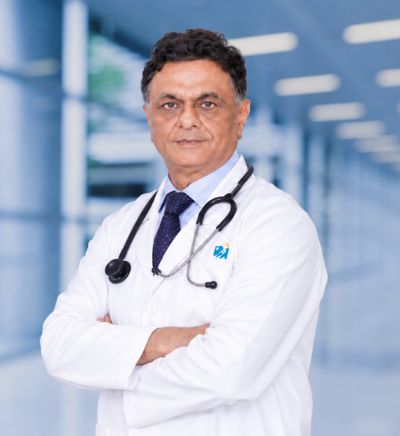
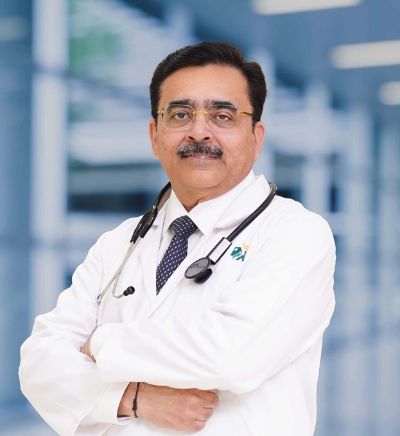
វេជ្ជបណ្ឌិតដែលមាននៅ Gurugram









ការមិនទទួលខុសត្រូវ:
ព័ត៌មានដែលផ្តល់ជូននៅលើទំព័រនេះគឺសម្រាប់គោលបំណងផ្តល់ព័ត៌មាន និងអប់រំទូទៅតែប៉ុណ្ណោះ។ ខណៈពេលដែលយើងខិតខំប្រឹងប្រែងសមហេតុផលដើម្បីធានាថាព័ត៌មាននេះមានភាពត្រឹមត្រូវ អាចទុកចិត្តបាន និងត្រូវបានពិនិត្យឡើងវិញជាប្រចាំ វាមិនគួរត្រូវបានចាត់ទុកថាជាការជំនួសដំបូន្មានផ្នែកវេជ្ជសាស្ត្រ ការធ្វើរោគវិនិច្ឆ័យ ឬការព្យាបាលដែលមានជំនាញវិជ្ជាជីវៈនោះទេ។
ភាពសមស្របនៃនីតិវិធីវេជ្ជសាស្ត្រ រួមជាមួយនឹងអត្ថប្រយោជន៍ ហានិភ័យ ការរៀបចំ ការជាសះស្បើយ ផលវិបាកដែលអាចកើតមាន និងលទ្ធផលដែលរំពឹងទុក អាចប្រែប្រួលពីមនុស្សម្នាក់ទៅមនុស្សម្នាក់។ អ្នកជំនាញថែទាំសុខភាពរបស់អ្នកនឹងកំណត់ថាតើនីតិវិធីមួយសមស្របដែរឬទេ ដោយផ្អែកលើស្ថានភាពបុគ្គល និងប្រវត្តិវេជ្ជសាស្ត្ររបស់អ្នក។
សូមពិគ្រោះជាមួយអ្នកជំនាញថែទាំសុខភាពដែលមានសមត្ថភាពដើម្បីទទួលបានដំបូន្មានផ្ទាល់ខ្លួនមុនពេលធ្វើការសម្រេចចិត្តទាក់ទងនឹងនីតិវិធីវេជ្ជសាស្ត្រណាមួយ។
សម្រាប់ព័ត៌មានបន្ថែមអំពីរបៀបដែលខ្លឹមសារវេជ្ជសាស្ត្ររបស់យើងត្រូវបានបង្កើត ពិនិត្យ ធ្វើបច្ចុប្បន្នភាព និងថែទាំ សូមអាន [គោលការណ៍វិចារណកថា] របស់យើង ។




