


アポロ編集チームによるレビュー
素早い回答
Lymphadenectomy, also called lymph node dissection, is surgery to remove a group of lymph nodes from one region of the body, usually as part of cancer treatment. It shows how far a cancer has spread and removes nodes that contain or may contain cancer. The operation is named after the region treated, such as the neck, armpit, chest, abdomen, pelvis or groin, and is often done together with removal of the main tumour. The side effects depend on the region, and the most important long-term one is swelling called lymphoedema.
| 主な事実 | Details |
|---|---|
| それは何ですか | Surgical removal of a group of lymph nodes from one body region |
| 主目的 | To stage cancer accurately and to remove nodes involved by cancer |
| 共通領域 | Neck, armpit, chest, abdomen, pelvis and groin |
| 麻酔 | General anaesthesia in most cases |
| アプローチ | Open, laparoscopic (keyhole) or robot-assisted, depending on the region |
| 入院 | From one day to a week or more, depending on the main operation |
| Main long-term risk | Lymphoedema of the arm, leg, neck or genital area, depending on the site |
| 誰がそれを実行するか | Surgical oncologist or an organ-specific cancer surgeon |
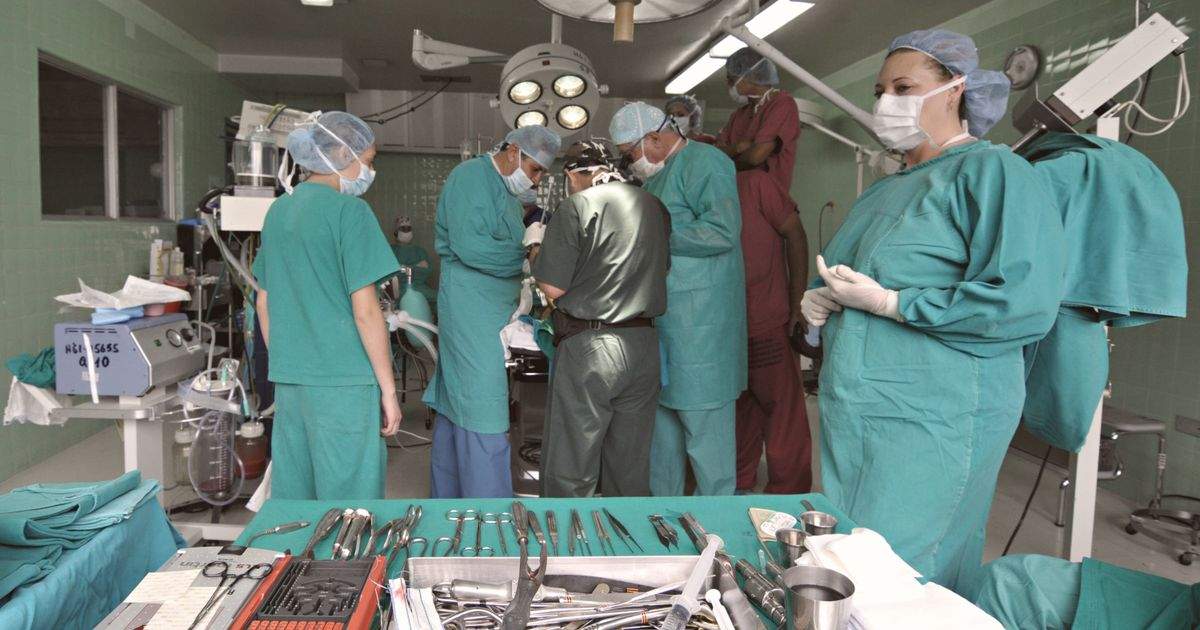
What is lymphadenectomy?
The lymphatic system is a network of fine channels and small bean-shaped glands called lymph nodes. It carries a clear fluid called lymph from the tissues back to the bloodstream and helps the body fight infection. Each organ drains to its own nearby group of nodes. Cancer cells that break away from a tumour often travel along these channels and settle first in those nodes.
In a lymphadenectomy the surgeon removes the nodes that drain the cancer, together with the fatty tissue around them, in one block. A pathologist examines every node under the microscope. The report states how many nodes were removed and how many contain cancer, which is a key part of the cancer stage.
Other names for lymphadenectomy
- リンパ節郭清
- Lymph node removal or lymph node clearance
- 局所リンパ節郭清
- Nodal dissection
- Region names such as neck dissection, axillary dissection, pelvic lymph node dissection, retroperitoneal lymph node dissection (RPLND) and inguinal (groin) dissection
Why is lymphadenectomy done?
- 演出: Knowing whether nodes are involved, and how many, helps the team decide whether treatments such as 化学療法, radiotherapy, ターゲット療法 or 免疫療法 are needed after surgery.
- 治療: Removing nodes that contain cancer lowers the chance of the disease returning in that region and, in some cancers, improves the chance of cure.
- 症状の緩和: Occasionally, enlarged nodes that cause pain or pressure are removed for comfort.
Lymphadenectomy is used for solid tumours. It is generally not a treatment for リンパ腫, a cancer that starts in the lymphatic system itself, where a single node is usually removed only for diagnosis and treatment is mainly with medicines.
Types of lymphadenectomy by body region
| 地域 | Usual name | Cancers where it is commonly used | Side effects specific to the region |
|---|---|---|---|
| ネック | 頸部郭清術 | Mouth, throat and voice box cancers, 甲状腺癌, skin cancers of the head and neck | Shoulder stiffness or weakness, neck numbness, leakage of lymph fluid |
| 脇の下 | 腋窩リンパ節郭清 | 乳癌, melanoma of the arm or trunk | Arm lymphoedema, numbness of the inner arm, shoulder stiffness |
| 胸 | Mediastinal lymph node dissection | 肺癌, cancer of the food pipe | Hoarse voice, leakage of lymph fluid into the chest |
| Upper abdomen and bowel | Regional or D2 dissection, mesenteric dissection | 胃癌, pancreatic cancer, 大腸癌 and rectal cancer | Usually few beyond those of the main operation |
| Back of the abdomen | 後腹膜リンパ節郭清 | 精巣腫瘍, some kidney and gynaecological cancers | Change in ejaculation that can affect fertility, lymph fluid collection |
| 骨盤 | 骨盤リンパ節郭清 | 前立腺, bladder, 子宮頸部 (NAIST) と 子宮内膜 癌 | Lymph fluid collection (lymphocele), leg swelling |
| 股間 | Inguinal or ilio-inguinal dissection | 陰茎がん, 外陰がん, melanoma of the leg | Slow wound healing, wound infection, leg lymphoedema |
How much is removed
- センチネルリンパ節生検: Only the first one to a few nodes that drain the tumour are found with a dye or tracer and removed. If they are clear, a full dissection can often be avoided. It is standard in early breast cancer and melanoma and is used in some other cancers.
- Selective or limited dissection: Only the node groups most likely to be involved are removed, and nearby nerves, muscles and vessels are kept.
- Complete or radical dissection: All node groups in the region are removed. This is used when nodes are clearly involved.
Open and keyhole approaches
Neck, armpit and groin dissections are usually open operations. Nodes in the chest, abdomen and pelvis can often be removed by keyhole or robot-assisted surgery through small cuts, as part of the main cancer operation. The choice depends on the cancer, your earlier surgery and the surgeon's judgement.
適任者は誰で、適任でない可能性のある者は誰でしょうか?
Lymphadenectomy may be advised if you have a solid cancer in which node removal is a standard part of treatment, if scans or a needle test show cancer in regional nodes, or if a sentinel node contains cancer and further clearance is expected to help.
次のような場合は推奨されない可能性があります。
- The cancer is very early and the risk of node spread is low
- A sentinel node biopsy has shown clear nodes
- The cancer has already spread widely, so that removing regional nodes would add risk without benefit
- Radiotherapy or medicines can treat the nodes equally well with fewer side effects
- Your general health makes a longer operation unsafe
準備方法
テスト
- Scans to map the tumour and nodes, such as an 超音波 CTスキャン、 MRI検査 または PET-CTスキャン
- 針 生検 of a suspicious node in some cases
- Blood tests, heart and lung checks, and a pre-anaesthetic assessment
話し合うべき薬
Give your doctor a full list of your medicines and supplements. Blood thinners and some diabetes medicines may need to be paused or adjusted. Do not stop anything without advice.
当日に
- Follow the fasting instructions you are given
- Stop smoking as early as you can before surgery, as it slows healing
- Men having retroperitoneal surgery who wish to have children can ask about sperm banking beforehand
- Arrange for someone to accompany you home
How is lymphadenectomy performed?
- 麻酔: You receive general anaesthesia and are positioned according to the region to be operated on.
- アクセス: The surgeon makes an open incision over the region or places small ports for keyhole or robot-assisted instruments.
- Identifying structures: Major blood vessels and nerves that run through the node-bearing tissue are identified and protected.
- Removing the nodes: The fatty tissue containing the nodes is separated and removed in one piece. Small lymph channels and vessels are sealed or tied.
- Main tumour surgery: When planned, the main tumour is removed in the same operation, before or after the nodes.
- ドレイン: A soft tube is often left in place to carry away fluid for a few days.
- 閉鎖: The wound is closed and dressed, and the tissue is sent to the laboratory.
その後はどうなるのでしょうか?
You are monitored in the recovery area and then moved to the ward. Pain relief is given regularly. You are encouraged to sit up and walk early to lower the risk of blood clots and chest infection. If you have a drain, nurses measure the fluid each day, and it is removed when the amount falls. The pathology report is usually ready within one to two weeks and is discussed at a follow-up visit, when further treatment is planned.
リスクと合併症
より一般的な
- Fluid collecting under the wound (seroma) or in the pelvis (lymphocele)
- Numbness or tingling of the skin near the scar
- Stiffness of the nearby shoulder or hip
- Wound infection or slow healing, especially in the groin
- Lymphoedema: swelling of the arm, leg, neck, breast or genital area that can begin months or years later
あまり一般的ではない
- Bleeding that needs a return to theatre
- Injury to a nearby nerve, causing weakness, for example of the shoulder after neck surgery
- Leakage of milky lymph fluid (chyle leak) after neck, chest or abdominal dissections
- Dry or backward ejaculation after retroperitoneal dissection. Nerve-sparing techniques reduce this risk.
- Blood clots in the legs (深部静脈血栓症) or lungs, and the general risks of anaesthesia
The risk of lymphoedema is higher when more nodes are removed, when the same area also receives radiotherapy, and in people who are overweight. It cannot always be prevented, but early treatment usually keeps it under control.
結果:効果はどの程度あるのか?
Lymphadenectomy gives the most accurate information available about node involvement, and this guides the rest of the treatment. Its effect on cure differs between cancers. In some, such as testicular cancer and cancers of the head and neck, removing involved nodes is an established part of curative treatment. In others, such as early breast cancer and melanoma, research has shown that routine complete dissection after limited sentinel node involvement does not always improve survival, so it is now used more selectively. Your surgeon can explain what is known for your type of cancer.
正当な補償
- 入院期間: One to three days after neck, armpit or groin dissection alone. Longer when it is part of a major chest or abdominal operation.
- 最初の2週間: Wound and drain care, short walks and the exercises taught by the physiotherapist.
- Two to six weeks: Gradual return to daily activities and light work. Avoid heavy lifting until your surgeon agrees.
- 長期間: Follow-up visits, any further cancer treatment, and regular checks for swelling.
いつ医療支援を求めるべきか
- 発熱または悪寒
- Redness, warmth, increasing pain or discharge at the wound
- A sudden increase in drain fluid, or milky or bright red fluid
- New swelling, heaviness or tightness of a limb
- A red, hot area of skin on the limb, which may be 蜂巣炎
- ふくらはぎの痛み、胸の痛み、または息切れ
Life after lymphadenectomy
- アクティブな状態を保つ: Regular exercise helps lymph flow and joint movement. Build up gradually.
- 皮膚を保護する: Keep the skin of the affected limb clean and moisturised, and treat cuts, insect bites and fungal infections early.
- 健康的な体重を維持する: This lowers the risk of lymphoedema.
- Report swelling early: Compression garments, bandaging, special massage and exercise work better when started early. For selected people with persistent swelling, lymphoedema surgery オプションの場合があります。
- フォローアップの予約を守ってください。 These check for recurrence and for late effects of treatment.
公式サイト限定
- Accurate staging, so that further treatment is neither too little nor too much
- Removal of cancer in the regional nodes
- Lower chance of the cancer returning in that region
- In some cancers, a better chance of cure
What is the cost of lymphadenectomy in India?
コストは以下によって異なります。
- The body region and the extent of the dissection
- Whether it is combined with removal of the main tumour
- 開腹手術、腹腔鏡手術、またはロボット支援手術
- Scans, pathology and other tests
- Room category, length of stay and any intensive care needed
- Physiotherapy, compression garments and follow-up
費用は個人によって異なります。正確な料金については病院にお問い合わせください。
Health insurance usually covers medically necessary cancer surgery, but check the terms of your policy with your insurer.
Why choose Apollo Hospitals for lymphadenectomy?
- Surgical oncologists and organ-specific cancer surgeons who perform node dissections in different body regions
- Tumour board discussion, so that surgery, radiotherapy and medical treatment are planned together
- Imaging and pathology services within the hospital network to support staging
- Physiotherapy and rehabilitation support after surgery
- Keyhole and robot-assisted surgery and dedicated lymphoedema services are not offered at every hospital. Availability differs between centres. Please check with the hospital.
To discuss your reports and options, you can book an appointment with a cancer specialist アポロ病院にて。
関連する読書
Questions to ask your doctor about lymphadenectomy
- Which group of lymph nodes do you plan to remove, and why?
- Is a sentinel node biopsy an option in my case?
- Will the nodes be removed in the same operation as the main tumour?
- Will the surgery be open, keyhole or robot-assisted?
- What side effects are specific to the region being operated on?
- What is my risk of lymphoedema, and how can I lower it?
- When will the pathology report be ready, and how could it change my treatment?
- いつ仕事や通常の活動に復帰できますか?
よくあるご質問
1. Are lymphadenectomy and lymph node dissection the same thing?
Yes. Both terms mean surgical removal of a group of lymph nodes from one region of the body.
2. How is it different from a lymph node biopsy?
A biopsy removes one node, or a sample of it, to make a diagnosis. A lymphadenectomy removes the whole group of nodes in a region to stage and treat a known cancer.
3. How many lymph nodes are removed?
It depends on the region and on the person. The surgeon removes the node-bearing tissue, and the pathologist counts the nodes afterwards. For some cancers there is a minimum number that should be examined for accurate staging.
4. Can I live normally without these lymph nodes?
Yes. The body has hundreds of lymph nodes, and the remaining ones continue to work. The main effect of removing a group is on fluid drainage from that region, which is why swelling can occur.
5. Does removing lymph nodes weaken immunity?
Removing one regional group does not noticeably weaken the body's overall defence against infection. The skin of the affected limb can be more prone to local infection, so skin care matters.
6. Does a positive lymph node mean the cancer cannot be cured?
No. Many cancers with node involvement are treated with the aim of cure, usually by combining surgery with other treatments. Node involvement does mean the stage is higher, and your doctor will explain what that means for you.
7. What is lymphoedema and when does it appear?
Lymphoedema is long-term swelling caused by a build-up of lymph fluid after nodes are removed or irradiated. It can appear within months or many years later. Early treatment gives the best control.
8.手術は痛みを伴いますか?
You will be asleep during surgery. Afterwards, pain is usually moderate and is managed with regular pain relief. Numbness near the scar is common and may be lasting.
9. 手術にはどのくらい時間がかかりますか?
It ranges from about an hour for a limited dissection to several hours when it is part of a larger cancer operation. Your surgeon can give an estimate for your case.
10. Will I have a drain?
Often, yes, particularly after neck, armpit and groin dissections. It stays for a few days to about two weeks, until the fluid reduces.
11. Can lymph nodes be removed by keyhole or robotic surgery?
Nodes in the chest, abdomen and pelvis are often removed this way as part of the main operation. Neck, armpit and groin dissections are usually open. Not every centre offers every approach.
12. Will I need more treatment after lymphadenectomy?
That depends on the pathology report. If nodes contain cancer, chemotherapy, radiotherapy or other treatment is often advised.
13. Do lymph nodes grow back?
No. Removed nodes do not regrow, but nearby lymph channels can take over some of the drainage with time.
14. Which doctor performs lymphadenectomy?
A surgical oncologist or a cancer surgeon who specialises in the organ involved, such as a head and neck, breast, thoracic, gastrointestinal, urological or gynaecological cancer surgeon.
結論
Lymphadenectomy is a standard part of surgery for many solid cancers. It tells the team how far the disease has spread and removes involved nodes, but it carries region-specific side effects and a lasting risk of lymphoedema. Surgeons now remove fewer nodes when it is safe to do so. Ask your surgeon which nodes will be removed, why, and how the result will shape your treatment.
このページは一般的な情報提供を目的としており、医師の診察に代わるものではありません。治療に関する決定は、あなたの病歴を把握している資格のある専門医と相談の上で行ってください。
最近追加された


アポロ病院の癌専門医




お断り:
このページに掲載されている情報は、一般的な情報提供および教育目的のみを意図したものです。情報の正確性、信頼性、定期的な更新に努めておりますが、専門的な医学的助言、診断、治療に代わるものではありません。
医療処置の適性、その利点、リスク、準備、回復、起こりうる合併症、そして期待される結果は、人によって異なります。担当の医療専門家は、あなたの個々の状態と病歴に基づいて、その処置が適切かどうかを判断します。
医療処置に関する決定を下す前に、必ず資格のある医療専門家にご相談の上、個別の助言を受けてください。
医療コンテンツの作成、レビュー、更新、および維持管理方法の詳細については、[編集方針]をお読みください。




