


Microneurosurgery at Apollo Hospitals, Gurugram (Gurgaon)
Revisionato dal team editoriale di Apollo · Ultimo aggiornamento: novembre 2026
Risposta rapida
Microneurosurgery is surgery on the brain, spinal cord and nerves performed under an operating microscope with very fine instruments. The microscope provides strong magnification and bright light, allowing the surgeon to see tiny blood vessels and nerves clearly and to work between them through a relatively small opening. It is the standard technique for removing many brain and spinal tumours, clipping aneurysms, relieving nerve compression and removing slipped discs.
Fatti salienti
| Procedura | Microneurochirurgia |
| Disponibile a | Apollo Hospitals, Gurugram (Gurgaon) |
| Orari del reparto ambulatoriale | 9 alle 4 pm |
| Appuntamenti | 080 6999 1061 |
Panoramica
Microneurosurgery is surgery on the brain, spinal cord and nerves performed under an operating microscope with very fine instruments. The microscope provides strong magnification and bright light, allowing the surgeon to see tiny blood vessels and nerves clearly and to work between them through a relatively small opening. It is the standard technique for removing many brain and spinal tumours, clipping aneurysms, relieving nerve compression and removing slipped discs.
Microsurgical techniques may help people with brain or spinal cord tumours, aneurysms and vascular malformations, nerve compression syndromes such as trigeminal neuralgia, disc herniation and peripheral nerve injuries. The decision to operate depends on the diagnosis, the size and position of the lesion, the symptoms it causes, your general health and the alternatives, which may include observation, medicines, radiosurgery or endovascular treatment. The surgeon explains what the operation aims to achieve and what risks are specific to the area involved.
Book a consultation at Apollo Hospitals, Gurugram to learn whether microneurosurgery is suitable for you.
Why is Microneurosurgery Necessary?
Structures in the nervous system are delicate and closely packed, and vessels less than a millimetre wide may supply vital areas. Magnification allows the surgeon to treat the problem while handling surrounding tissue as gently as possible.
Conditions That May Require Microneurosurgery
Microneurosurgery may be considered for the following conditions when surgery is indicated.
- Tumori al cervello: Used to remove meningiomas, gliomas, vestibular schwannomas and metastases while aiming to preserve surrounding brain and nerves.
- Brain aneurysms and vascular malformations: Microsurgical clipping of an aneurysm or removal of a malformation may be advised depending on its shape, site and bleeding history.
- Spinal cord and nerve root tumours: Tumours within or beside the spinal cord are separated from it under magnification to relieve pressure.
- Ernia del disco e stenosi spinale: Microdiscectomy or microscopic decompression may be recommended when nerve compression persists despite non-surgical treatment.
- Nerve compression and nerve injury: Microvascular decompression for trigeminal neuralgia and repair or grafting of injured peripheral nerves are carried out with microsurgical technique.
Segni e sintomi a cui prestare attenzione
Symptoms vary with the condition, and commonly include the following.
- Progressive headache: Headache that is steadily worsening or accompanied by vomiting may be linked to a mass inside the skull.
- Convulsioni: New seizures in an adult often lead to a scan that shows a tumour or vascular lesion.
- Debolezza o intorpidimento: Loss of power or feeling in the limbs may come from pressure on the brain, spinal cord or a nerve.
- Hearing loss or facial pain: One-sided hearing loss or sharp facial pain can arise from conditions affecting the cranial nerves.
- Difficulty walking or loss of hand dexterity: Stiff legs, imbalance or clumsy hands may suggest compression of the spinal cord.
- Radiating limb pain: Pain travelling down an arm or leg is typical of a compressed nerve root in the spine.
Quando gli altri trattamenti non sono più sufficienti
Not every lesion needs an operation. Small, symptom-free tumours may be monitored, swelling may be eased with steroids, seizures and nerve pain are treated with medicines, and many disc problems improve with physiotherapy. Surgery is considered when a lesion is growing or causing neurological symptoms, when a diagnosis is required, when an aneurysm or malformation poses a risk of bleeding, or when pain and weakness continue in spite of appropriate non-surgical treatment.
Types of Microneurosurgery
Microsurgical technique is applied across several kinds of operation.
- Microsurgical tumour resection: The tumour is removed piece by piece or in one block through a craniotomy, with careful separation from normal tissue.
- Aneurysm clipping: A small metal clip is placed across the neck of the aneurysm to exclude it from the circulation while keeping normal arteries open.
- Decompressione microvascolare: A blood vessel pressing on a cranial nerve is moved away and cushioned through a small opening behind the ear.
- Spinal microsurgery: Discs, bone spurs or tumours compressing the spinal cord or nerve roots are removed through a limited incision under the microscope.
- Peripheral nerve microsurgery: Injured nerves are released, repaired or bridged with grafts using stitches finer than a human hair.
Requisiti legali ed etici in India
Prima del trattamento, l'équipe medica illustra l'indicazione, le alternative, i benefici attesi e i rischi, e ottiene il consenso informato scritto. È possibile porre domande, chiedere un secondo parere e prendersi il tempo necessario per decidere.
Per una valutazione individuale, si prega di consultare l'équipe di neuroscienze degli Apollo Hospitals di Gurugram.
Risks of Delaying Microneurosurgery
Postponing surgery that has been recommended may carry the following risks.
- Growth of the lesion: A larger tumour may be more firmly attached to vital structures and harder to remove safely.
- Irreversible neurological loss: Prolonged pressure on the brain, spinal cord or nerves can cause deficits that do not recover after later surgery.
- sanguinamento: An aneurysm or vascular malformation may rupture and cause a sudden, serious haemorrhage.
- Aumento della pressione intracranica: Increasing swelling or blocked fluid flow may cause drowsiness and require emergency treatment.
- Poorer nerve recovery: After a nerve injury, the chance of regaining muscle function falls if repair is delayed for many months.
Discuss with your surgeon how soon the operation should take place and what changes in symptoms to watch for meanwhile.
Benefits of Microneurosurgery
For suitable patients, microsurgical technique may offer the following.
- Precise removal or repair: Magnified vision helps the surgeon distinguish abnormal tissue from normal tissue during the operation.
- Protection of small vessels and nerves: Fine structures can be identified and preserved more reliably than with the naked eye.
- Smaller openings: Good light and magnification allow many operations to be done through limited exposures.
- Relief of pressure symptoms: Removing a mass or freeing a nerve may improve pain, weakness or other symptoms in many patients.
- Tissue for diagnosis: The removed tissue is examined in the laboratory to confirm the diagnosis and guide any further treatment.
- Durable treatment in selected conditions: Complete removal of some benign tumours, or secure clipping of an aneurysm, may provide long-lasting control.
The outcome depends on the nature and location of the condition and on each person's health, and cannot be guaranteed.
Microneurosurgery at Apollo Hospitals, Gurugram (Gurgaon)
Why Choose Apollo Hospitals, Gurugram for Microneurosurgery?
Apollo Hospitals, Gurugram combines specialist assessment with coordinated care for people who need microneurosurgery.
- Valutazione specialistica: A neurosurgeon evaluates your symptoms, examination and imaging to decide whether surgery is advisable and what it can realistically achieve.
- Operative planning: The approach, position and any monitoring of nerve function during surgery are planned in advance with the anaesthesia and neurophysiology teams.
- Post-operative care and review: Recovery is supervised by nursing and rehabilitation staff, and the pathology report and further plan are discussed at follow-up.
- Pianificazione multidisciplinare: Gli specialisti dei dipartimenti competenti esaminano insieme i casi complessi prima di raccomandare un piano.
- Trattamento personalizzato: Le raccomandazioni tengono conto dei sintomi, dei risultati degli esami, dell'età, dello stato di salute generale e delle preferenze del paziente.
- Comunicazione incentrata sul paziente: L'équipe medica spiega in modo semplice la preparazione, i tempi di recupero previsti, i farmaci e i segnali di allarme.
- Continuità di cura: Le visite di controllo monitorano il processo di guarigione e aiutano a gestire la patologia di base nel tempo.
Microneurosurgery Care for Patients in Gurugram and Delhi NCR
Apollo Hospitals, Gurugram is located on Golf Course Road, Sector 28, Gurugram, Haryana 122009. It offers Microneurosurgery for patients from Gurugram, the wider Delhi NCR and Haryana, with specialist doctors, nursing and diagnostic teams working together from assessment to follow-up.
How to Reach the Microneurosurgery Team in Gurugram
- Indirizzo: Apollo Hospitals Gurugram, Golf Course Road, Sector 28, Gurugram, Haryana 122009
- Telefono: 0124-6501600 o 08069991061
- Prenota on-line: Book a Microneurosurgery consultation in Gurugram
Ottieni indicazioni stradali per Apollo Hospitals, Gurugram
L'Apollo Hospitals di Gurugram si trova su Golf Course Road, nel Settore 28. Apri la posizione dell'ospedale e ottieni le indicazioni stradali su Google Maps.
Se vivi fuori Gurugram
If you are travelling from elsewhere in Delhi NCR or Haryana, ask the care team how to plan your consultation, tests and follow-up visits for Microneurosurgery so that you are not making more trips than needed.
Cosa portare al primo consulto
- Scansioni, referti di esami e precedenti cartelle cliniche relative alla tua condizione
- Un elenco dei farmaci che stai assumendo e di eventuali allergie.
- Documento d'identità con foto e dettagli assicurativi, se disponibili.
Assistenza correlata presso gli ospedali Apollo di Gurugram
Esplora il reparto di Neuroscienze degli Apollo Hospitals di Gurugram per conoscere gli specialisti e i servizi disponibili.
Preparation for Microneurosurgery
Valutazione clinica
Your specialist first confirms the diagnosis and whether microneurosurgery is the right option.
- Condividi la tua storia: Describe how your symptoms began and changed, previous operations or radiotherapy, other illnesses, allergies and all medicines including blood thinners.
- Presentarsi all'esame: A full neurological examination, sometimes with hearing, vision or nerve conduction tests, records your function before surgery.
- Discutere le alternative: Ask whether observation, radiosurgery, endovascular treatment or an endoscopic approach could be considered instead of microsurgery.
Esami preliminari al trattamento
The following tests are commonly performed before a microneurosurgical operation.
- Risonanza magnetica con mezzo di contrasto: Defines the lesion and its relationship to the brain, spinal cord, nerves and vessels.
- Scansione CT: Shows bone detail, calcification and any recent bleeding, and helps in planning the bone opening.
- Angiografia: CT, MR or catheter angiography maps the blood vessels when the lesion is vascular or lies next to major arteries.
- Nerve conduction and EMG studies: Assess the site and severity of a peripheral nerve problem before repair or release.
- Esami del sangue e valutazione anestesiologica: Check blood count, clotting, kidney function and overall fitness for a long anaesthetic.
Medicinali e allergie
Le modifiche alla terapia farmacologica devono essere apportate solo su consiglio dell'équipe curante.
- Fornire un elenco dei farmaci: Includi farmaci con prescrizione, insulina, anticoagulanti, integratori e medicinali da banco.
- Segnala le allergie: Informate l'équipe medica di eventuali reazioni precedenti al mezzo di contrasto, ai farmaci, al lattice o all'anestesia.
- Seguire le istruzioni specifiche: Prima della procedura, potrebbe esservi richiesto di modificare la terapia con anticoagulanti o farmaci per il diabete.
Alimentazione e pianificazione pratica
Seguite le istruzioni personalizzate dell'ospedale relative al ricovero e al digiuno.
- Attenersi alle indicazioni sul digiuno: Se è necessario il digiuno, interrompete l'assunzione di cibo e liquidi all'orario indicato.
- Organizzare il supporto: Chiedi a un adulto responsabile di accompagnarti e di aiutarti dopo le dimissioni.
- Pianifica il tuo soggiorno: Portate con voi un documento d'identità, i referti, abiti comodi e gli oggetti personali essenziali.
Consenso e revisione finale
Il team effettua controlli di sicurezza e risponde alle domande prima del trattamento.
- Comprendere il piano: Esaminare i benefici attesi, i limiti, le alternative e le possibili complicazioni.
- Conferma il consenso: Firma il modulo di consenso solo dopo aver ricevuto informazioni che hai compreso appieno.
- Segnala modifiche: Informate l'ospedale in caso di febbre, infezioni o qualsiasi nuovo sintomo prima della procedura.
Recovery After Microneurosurgery
Subito dopo il trattamento
Il monitoraggio inizia non appena la procedura è terminata.
- Monitoraggio intensivo: After brain surgery you are usually observed in an intensive care or high-dependency area for the first night.
- Neurological checks and imaging: Staff repeatedly assess your alertness and limb strength, and a scan may be done to check the operated area.
- Pain relief and mobilisation: Pain and nausea are treated, and you are helped out of bed as soon as your condition allows.
Cura a casa
Segui le indicazioni di dimissione fornite in base alla tua situazione.
- Cura delle ferite: Keep the incision clean and dry, avoid scratching it, and return for removal of stitches or clips as advised.
- Farmaci: Take anti-seizure medicines, steroids and pain relief exactly as prescribed, tapering only on medical advice.
- Graded activity and rest: Expect to tire easily at first, balance short walks with rest, and avoid heavy lifting until permitted.
Farmaci e controlli successivi
L'assistenza continuativa favorisce la guarigione e verifica i risultati del trattamento.
- Assumi i farmaci correttamente: Continuate ad assumere i farmaci prescritti e non interrompetene la terapia senza il parere del medico.
- Partecipare alle visite di revisione: Il follow-up può includere esami e test di controllo.
- Sintomi della traccia: Annotate qualsiasi cambiamento nei vostri sintomi e comunicatelo durante la visita di controllo.
Ritorno alle attività abituali
After a microdiscectomy many people resume desk work in two to four weeks, whereas after brain surgery four to eight weeks or longer is common, depending on the condition and any further treatment. Driving after brain surgery is not permitted until your doctor confirms it is safe, and seizure-related restrictions may apply. Begin with walking and increase activity gradually. Strenuous exercise and contact sports should be discussed with your surgeon before you restart them.
Segnali d'allarme che richiedono un'attenzione medica urgente
Consultare immediatamente un medico se si manifesta una qualsiasi delle seguenti condizioni.
- Severe or worsening headache with vomiting: Attend the emergency department promptly, as this may be due to bleeding or swelling.
- New weakness, numbness, confusion or speech difficulty: Seek urgent assessment and do not wait for a routine appointment.
- Crisi: Call for emergency help and let your surgical team know as soon as possible.
- Fever, or a red, swollen or leaking wound: Contact the hospital the same day, particularly if clear fluid is draining.
- Leg swelling, chest pain or breathlessness: Seek emergency care, since these may be signs of a blood clot.
Take the Next Step Towards Microneurosurgery Care
A specialist consultation can clarify whether microneurosurgery is right for you and what the alternatives are.
Se disponibili, si prega di portare con sé i seguenti documenti:
- Cartelle cliniche: Portate con voi le note delle precedenti visite, le lettere di dimissione e le prescrizioni mediche.
- Rapporti di prova: Porta con te esami diagnostici, referti di analisi del sangue e altri esami relativi alla tua condizione.
- Elenco dei medicinali: Indicare le dosi attuali, gli integratori e le allergie.
- Dettagli relativi all'identificazione e alla copertura assicurativa: È necessario portare con sé un documento d'identità valido, i documenti assicurativi e le eventuali cartelle cliniche.
Book your microneurosurgery consultation with Apollo Hospitals, Gurugram today.
Frequently Asked Questions About Microneurosurgery
What is the difference between microneurosurgery and conventional neurosurgery?
Microneurosurgery uses an operating microscope and fine instruments, whereas older conventional techniques relied on the naked eye or simple magnifying loupes. The microscope gives a magnified, brightly lit, three-dimensional view that allows more delicate work through smaller openings. Today most operations on the brain, spinal cord and nerves use microsurgical technique.
What are the risks of microneurosurgery?
The risks depend on the operation and the area involved. General risks include bleeding, infection, seizures, leakage of spinal fluid, blood clots and anaesthetic complications. There is also a risk of new or worsened neurological problems such as weakness, speech or vision difficulty. Your surgeon will explain the likelihood for your particular procedure.
How long does a microneurosurgical operation take?
The duration varies widely. A lumbar microdiscectomy often takes about one to two hours, while removal of a brain tumour or clipping of an aneurysm commonly takes three to six hours and occasionally longer for complex cases. Time for anaesthesia, positioning and waking up is in addition.
Quanto tempo dovrò rimanere in ospedale?
Hospital stay depends on the procedure. After spinal microsurgery many patients go home within one to three days. After brain surgery a stay of about five to seven days is usual, including a period of close observation initially. Some patients need additional time for rehabilitation before they are ready for discharge.
Proverò dolore dopo l'operazione?
Some pain is expected but is usually manageable. Headache and wound soreness after brain surgery tend to ease over one to two weeks and respond to regular pain relief. After spinal surgery, muscle soreness around the incision is common. Tell the nursing team if pain is not controlled so that medicines can be adjusted.
Which is the best hospital for Microneurosurgery in Gurugram?
The right hospital depends on your condition and your doctor's advice. Apollo Hospitals, Gurugram offers specialist assessment, diagnostics and coordinated care for microneurosurgery. Compare the team's experience, the facilities and the follow-up care on offer before you decide.
How do I book a consultation for Microneurosurgery at Apollo Hospitals, Gurugram?
È possibile prenotare online tramite il link di prenotazione presente in questa pagina, oppure chiamando il numero 08069991061. Gli orari di apertura dell'ambulatorio sono dalle 9:00 alle 16:00. Il team di assistenza vi indirizzerà allo specialista più adatto alle vostre esigenze.
Dove si trova l'Apollo Hospitals di Gurugram?
L'ospedale Apollo di Gurugram si trova in Golf Course Road, Sector 28, Gurugram, Haryana 122009.
What should I bring to my first consultation for Microneurosurgery?
Porta con te eventuali esami diagnostici e referti relativi alla tua condizione, la documentazione medica precedente, un elenco dei farmaci che assumi attualmente e delle tue allergie, un documento d'identità con foto e i dati della tua assicurazione sanitaria, se ne possiedi una.
Can patients from outside Gurugram get Microneurosurgery care at Apollo Hospitals, Gurugram?
Sì. I pazienti provenienti da Delhi NCR, Haryana e altre parti dell'India possono consultare l'équipe dell'Apollo Hospitals di Gurugram. Condividete i vostri referti al momento della prenotazione, in modo che l'équipe possa pianificare la vostra visita.
Avvertenza medica: Queste informazioni sono fornite a scopo informativo generale e non sostituiscono il consulto con un medico qualificato. Le decisioni terapeutiche dipendono da una valutazione individuale.
Aggiunto recentemente


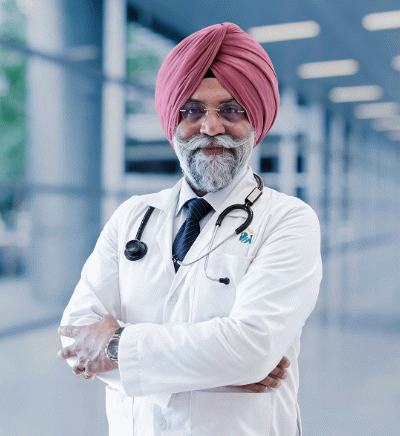
Microneurosurgery Specialists at Apollo Hospitals, Gurugram






Disclaimer:
Le informazioni fornite in questa pagina hanno scopo puramente informativo ed educativo. Pur impegnandoci a garantire che le informazioni siano accurate, affidabili e regolarmente aggiornate, esse non devono essere considerate un sostituto del parere, della diagnosi o del trattamento medico professionale.
L'idoneità di una procedura medica, insieme ai suoi benefici, rischi, preparazione, recupero, potenziali complicazioni e risultati attesi, può variare da persona a persona. Il medico curante determinerà se una procedura è appropriata in base alle condizioni individuali e all'anamnesi del paziente.
Prima di prendere decisioni riguardanti qualsiasi procedura medica, si prega di consultare un professionista sanitario qualificato per un parere personalizzato.
Per ulteriori informazioni su come vengono creati, revisionati, aggiornati e gestiti i nostri contenuti medici, si prega di leggere la nostra [Politica editoriale].




