


Functional Neurosurgery at Apollo Hospitals, Gurugram (Gurgaon)
Revisionato dal team editoriale di Apollo · Ultimo aggiornamento: novembre 2026
Risposta rapida
Functional neurosurgery is the branch of neurosurgery that treats conditions in which the nervous system works abnormally even though its structure may look normal on scans. Rather than removing a mass, the surgeon alters the activity of specific nerve circuits, by implanting a stimulator, making a small precise lesion, relieving pressure on a nerve or delivering medicine to the spinal fluid. It is used for selected patients with movement disorders, epilepsy, chronic pain and severe spasticity.
Fatti salienti
| Procedura | Neurochirurgia funzionale |
| Disponibile a | Apollo Hospitals, Gurugram (Gurgaon) |
| Orari del reparto ambulatoriale | 9 alle 4 pm |
| Appuntamenti | 080 6999 1061 |
Panoramica
Functional neurosurgery is the branch of neurosurgery that treats conditions in which the nervous system works abnormally even though its structure may look normal on scans. Rather than removing a mass, the surgeon alters the activity of specific nerve circuits, by implanting a stimulator, making a small precise lesion, relieving pressure on a nerve or delivering medicine to the spinal fluid. It is used for selected patients with movement disorders, epilepsy, chronic pain and severe spasticity.
Functional procedures may help people with Parkinson's disease, essential tremor, dystonia, drug-resistant epilepsy, trigeminal neuralgia, certain chronic nerve pain conditions and disabling spasticity, when medicines have been tried properly and no longer give adequate control or cause unacceptable side effects. Selection is careful and usually involves a neurologist, neurosurgeon, neuropsychologist and rehabilitation specialists, who confirm the diagnosis, assess the likely response, and weigh the expected improvement in daily function against the risks of surgery.
Book a consultation at Apollo Hospitals, Gurugram to learn whether functional neurosurgery is suitable for you.
Why is Functional Neurosurgery Necessary?
In these conditions, faulty signalling in particular brain, spinal cord or nerve circuits produces tremor, stiffness, seizures or pain. Surgery aims to modify those signals so that symptoms are reduced.
Conditions That May Require Functional Neurosurgery
Functional neurosurgery may be considered for the following conditions in carefully selected patients.
- Morbo di Parkinson: Deep brain stimulation may be advised when symptoms respond to levodopa but fluctuate through the day or are complicated by involuntary movements despite adjusted medicines.
- Essential tremor and dystonia: Considered when tremor or abnormal postures remain disabling for writing, eating or walking after adequate trials of medicines.
- Epilessia farmaco-resistente: Resective surgery, vagus nerve stimulation or other neuromodulation may be options when seizures continue despite two or more suitable anti-seizure medicines.
- Nevralgia del trigemino: Microvascular decompression or a needle-based lesioning procedure may be offered when medicines fail to control the facial pain or are poorly tolerated.
- Chronic neuropathic pain and spasticity: Spinal cord stimulation or an intrathecal pump may be considered for selected patients after comprehensive pain or rehabilitation assessment.
Segni e sintomi a cui prestare attenzione
Symptoms that may lead to referral for a functional neurosurgery opinion include the following.
- Tremor that interferes with daily tasks: Shaking of the hands that makes eating, drinking or writing difficult despite treatment may warrant specialist review.
- Medication wearing off: In Parkinson's disease, periods of stiffness and slowness returning before the next dose are a common reason for assessment.
- Involuntary movements: Twisting, writhing or sustained abnormal postures may be due to dystonia or to long-term medicine effects.
- Seizures despite medicines: Continuing fits after proper trials of anti-seizure drugs suggest that surgical evaluation may be worthwhile.
- Severe facial or nerve pain: Electric-shock facial pain or persistent burning limb pain not controlled by medicines may be suitable for intervention.
- Marked muscle stiffness: Tight, spastic limbs after stroke, spinal injury or cerebral palsy that hinder care or movement may benefit from assessment.
Quando gli altri trattamenti non sono più sufficienti
Medicines, physiotherapy, occupational therapy and, for some conditions, botulinum toxin injections remain the first line of treatment and control symptoms well for many years in most patients. Surgery is considered when the diagnosis is secure, medicines have been tried at adequate doses and combinations, and symptoms still limit work, self-care or safety, or when the doses needed cause side effects such as drowsiness, confusion or involuntary movements. Functional surgery generally controls symptoms and does not cure the underlying disease.
Types of Functional Neurosurgery
Functional neurosurgery includes several kinds of procedure, selected according to the condition.
- Stimolazione cerebrale profonda: Fine electrodes placed in a specific deep brain target are connected to a pulse generator under the skin of the chest, which can be adjusted after surgery.
- Lesioning procedures: A small, precisely placed lesion, such as a thalamotomy or pallidotomy, interrupts an overactive circuit and may suit selected patients.
- Chirurgia dell'epilessia: Removal or disconnection of the area where seizures begin, or implantation of a vagus nerve stimulator when a focus cannot be removed.
- Decompressione microvascolare: A small pad is placed between a blood vessel and the trigeminal or facial nerve at the brainstem to relieve the irritation causing pain or spasm.
- Spinal cord stimulation and intrathecal pumps: An implanted device delivers mild electrical pulses to the spinal cord or medicine into the spinal fluid to reduce pain or spasticity.
Requisiti legali ed etici in India
Before treatment, the clinical team explains the indication, the alternatives, the expected benefits and the risks, and obtains written informed consent. You can ask questions, seek a second opinion and take time to decide.
Per una valutazione individuale, si prega di consultare l'équipe di neuroscienze degli Apollo Hospitals di Gurugram.
Risks of Delaying Functional Neurosurgery
Delaying evaluation when symptoms are no longer controlled may carry the following risks.
- Progressive loss of independence: Uncontrolled tremor, stiffness or pain can steadily reduce the ability to work and manage personal care.
- Falls and injuries: Poor mobility, freezing and seizures raise the risk of falls, fractures and head injury.
- Harm from uncontrolled seizures: Frequent seizures are associated with injury, memory difficulties and, rarely, sudden unexpected death in epilepsy.
- Side effects from escalating medicines: Ever higher doses may cause drowsiness, confusion, hallucinations or involuntary movements.
- Missing the suitable window: Some procedures work well only at certain stages, and advanced disease, frailty or cognitive decline may later rule out surgery.
- Contractures and deformity: Long-standing spasticity or dystonia can cause fixed joint tightness that is harder to reverse.
An early specialist opinion does not commit you to surgery but helps you understand your options at the right time.
Vantaggi della neurochirurgia funzionale
For suitable patients, functional neurosurgery may offer the following.
- Better control of movement symptoms: Tremor, stiffness and slowness may improve, and the day may contain more hours of good mobility.
- Lower medicine requirement: Some patients are able to reduce doses, which may lessen medicine-related side effects.
- Fewer seizures: Selected patients with epilepsy may have a substantial reduction in seizures, and some become seizure-free.
- Relief of severe pain: Procedures for trigeminal neuralgia and selected pain conditions may reduce pain that medicines could not control.
- Terapia regolabile e reversibile: Stimulation settings can be changed over time without further brain surgery, and the device can be switched off if needed.
- Miglioramento della funzionalità quotidiana: Greater ease with eating, dressing, walking and social activity may follow in patients who respond well.
Response varies considerably between individuals and conditions, and realistic goals are agreed with you before any procedure.
Functional Neurosurgery at Apollo Hospitals, Gurugram (Gurgaon)
Why Choose Apollo Hospitals, Gurugram for Functional Neurosurgery?
Apollo Hospitals, Gurugram combines specialist assessment with coordinated care for people who need functional neurosurgery.
- Valutazione specialistica: A neurologist and neurosurgeon confirm the diagnosis, review past treatment and assess which symptoms are likely to respond to surgery.
- Multidisciplinary selection: Findings from imaging, neuropsychology and, where needed, rehabilitation and psychiatry are discussed together before a recommendation is made.
- Programming and follow-up: After implantation, repeated visits are scheduled to adjust device settings and medicines step by step and to monitor progress.
- Pianificazione multidisciplinare: Gli specialisti dei dipartimenti competenti esaminano insieme i casi complessi prima di raccomandare un piano.
- Trattamento personalizzato: Le raccomandazioni tengono conto dei sintomi, dei risultati degli esami, dell'età, dello stato di salute generale e delle preferenze del paziente.
- Comunicazione incentrata sul paziente: L'équipe medica spiega in modo semplice la preparazione, i tempi di recupero previsti, i farmaci e i segnali di allarme.
- Continuità di cura: Le visite di controllo monitorano il processo di guarigione e aiutano a gestire la patologia di base nel tempo.
Functional Neurosurgery Care for Patients in Gurugram and Delhi NCR
Apollo Hospitals, Gurugram is located on Golf Course Road, Sector 28, Gurugram, Haryana 122009. It offers Functional Neurosurgery for patients from Gurugram, the wider Delhi NCR and Haryana, with specialist doctors, nursing and diagnostic teams working together from assessment to follow-up.
How to Reach the Functional Neurosurgery Team in Gurugram
- Indirizzo: Apollo Hospitals Gurugram, Golf Course Road, Sector 28, Gurugram, Haryana 122009
- Telefono: 0124-6501600 o 08069991061
- Prenota on-line: Book a Functional Neurosurgery consultation in Gurugram
Ottieni indicazioni stradali per Apollo Hospitals, Gurugram
L'Apollo Hospitals di Gurugram si trova su Golf Course Road, nel Settore 28. Apri la posizione dell'ospedale e ottieni le indicazioni stradali su Google Maps.
Se vivi fuori Gurugram
If you are travelling from elsewhere in Delhi NCR or Haryana, ask the care team how to plan your consultation, tests and follow-up visits for Functional Neurosurgery so that you are not making more trips than needed.
Cosa portare al primo consulto
- Scansioni, referti di esami e precedenti cartelle cliniche relative alla tua condizione
- Un elenco dei farmaci che stai assumendo e di eventuali allergie.
- Documento d'identità con foto e dettagli assicurativi, se disponibili.
Assistenza correlata presso gli ospedali Apollo di Gurugram
Esplora il reparto di Neuroscienze degli Apollo Hospitals di Gurugram per conoscere gli specialisti e i servizi disponibili.
Preparation for Functional Neurosurgery
Valutazione clinica
Your specialist first confirms the diagnosis and whether functional neurosurgery is the right option.
- Condividi la tua storia: Bring a record of your symptoms through the day, all medicines and doses tried, seizure diaries or videos, and any mood or memory concerns.
- Presentarsi all'esame: You may be examined both off and on medication, or admitted for video EEG monitoring, so the team can measure your symptoms objectively.
- Discutere le alternative: Ask about further medicine adjustments, infusion therapies, injections and rehabilitation, and how they compare with surgery for you.
Esami preliminari al trattamento
Assessment before functional neurosurgery commonly includes the following.
- Risonanza magnetica del cervello: Excludes other causes of symptoms and provides the detailed images used to plan the target.
- Levodopa response test: For Parkinson's disease, compares movement scores off and on medicine to predict the likely benefit of stimulation.
- Monitoraggio video EEG: For epilepsy, records seizures and brain waves together to locate where seizures start.
- Valutazione neuropsicologica: Evaluates memory, thinking and mood, which influence suitability and help in counselling about risks.
- Blood tests and anaesthetic assessment: Confirm that you are fit for the procedure and that clotting is normal.
Medicinali e allergie
Le modifiche alla terapia farmacologica devono essere apportate solo su consiglio dell'équipe curante.
- Fornire un elenco dei farmaci: Includi farmaci con prescrizione, insulina, anticoagulanti, integratori e medicinali da banco.
- Segnala le allergie: Informate l'équipe medica di eventuali reazioni precedenti al mezzo di contrasto, ai farmaci, al lattice o all'anestesia.
- Seguire le istruzioni specifiche: Prima della procedura, potrebbe esservi richiesto di modificare la terapia con anticoagulanti o farmaci per il diabete.
Alimentazione e pianificazione pratica
Seguite le istruzioni personalizzate dell'ospedale relative al ricovero e al digiuno.
- Attenersi alle indicazioni sul digiuno: Se è necessario il digiuno, interrompete l'assunzione di cibo e liquidi all'orario indicato.
- Organizzare il supporto: Chiedi a un adulto responsabile di accompagnarti e di aiutarti dopo le dimissioni.
- Pianifica il tuo soggiorno: Portate con voi un documento d'identità, i referti, abiti comodi e gli oggetti personali essenziali.
Consenso e revisione finale
Il team effettua controlli di sicurezza e risponde alle domande prima del trattamento.
- Comprendere il piano: Esaminare i benefici attesi, i limiti, le alternative e le possibili complicazioni.
- Conferma il consenso: Firma il modulo di consenso solo dopo aver ricevuto informazioni che hai compreso appieno.
- Segnala modifiche: Informate l'ospedale in caso di febbre, infezioni o qualsiasi nuovo sintomo prima della procedura.
Recovery After Functional Neurosurgery
Subito dopo il trattamento
Il monitoraggio inizia non appena la procedura è terminata.
- Monitoraggio neurologico: Alertness, speech, limb movement and wounds are checked regularly, and a scan may confirm electrode position.
- Medicines continued: Your usual medicines are generally continued at first, as stimulation is often switched on and adjusted in later visits.
- Breve degenza ospedaliera: Many patients stay a few days, depending on the procedure and whether it is carried out in one or two stages.
Cura a casa
Segui le indicazioni di dimissione fornite in base alla tua situazione.
- Wound and device site care: Keep the scalp and chest incisions clean and dry and avoid pressing or rubbing over the implanted device.
- Do not change medicines yourself: Doses are adjusted gradually by your neurologist alongside programming, and sudden changes can worsen symptoms.
- Follow device precautions: Carry your device identity card, and inform doctors before any MRI, diathermy or surgery, since special conditions apply.
Farmaci e controlli successivi
L'assistenza continuativa favorisce la guarigione e verifica i risultati del trattamento.
- Assumi i farmaci correttamente: Continuate ad assumere i farmaci prescritti e non interrompetene la terapia senza il parere del medico.
- Partecipare alle visite di revisione: Il follow-up può includere esami e test di controllo.
- Sintomi della traccia: Annotate qualsiasi cambiamento nei vostri sintomi e comunicatelo durante la visita di controllo.
Ritorno alle attività abituali
Light activity is usually possible within one to two weeks, and many people return to desk work in about four to six weeks, depending on the procedure and their condition. Driving is restricted after brain surgery and is governed by seizure status and by rules that apply to your diagnosis, so confirm with your doctor before resuming. Walking is encouraged early, while swimming, contact sports and heavy overhead exercise are discussed individually, particularly when a device has been implanted.
Segnali d'allarme che richiedono un'attenzione medica urgente
Consultare immediatamente un medico se si manifesta una qualsiasi delle seguenti condizioni.
- Redness, swelling or discharge over the device or wounds: Contact the hospital promptly, as infection around an implant needs early treatment.
- Severe headache, confusion or new weakness: Come to the emergency department, since bleeding or swelling must be excluded.
- Sudden return or worsening of symptoms: Inform your team quickly, because the device may have switched off or developed a fault.
- Seizure or a cluster of seizures: Seek emergency help, especially if a seizure lasts more than five minutes.
- Marked change in mood or behaviour: Report low mood, agitation or unusual behaviour to your doctors without delay.
Take the Next Step Towards Functional Neurosurgery Care
A specialist consultation can clarify whether functional neurosurgery is right for you and what the alternatives are.
Se disponibili, si prega di portare con sé i seguenti documenti:
- Cartelle cliniche: Portate con voi le note delle precedenti visite, le lettere di dimissione e le prescrizioni mediche.
- Rapporti di prova: Porta con te esami diagnostici, referti di analisi del sangue e altri esami relativi alla tua condizione.
- Elenco dei medicinali: Indicare le dosi attuali, gli integratori e le allergie.
- Dettagli relativi all'identificazione e alla copertura assicurativa: È necessario portare con sé un documento d'identità valido, i documenti assicurativi e le eventuali cartelle cliniche.
Book your functional neurosurgery consultation with Apollo Hospitals, Gurugram today.
Frequently Asked Questions About Functional Neurosurgery
How do I know if I am a candidate for functional neurosurgery?
You may be a candidate if your diagnosis is clear, medicines have been properly tried, and symptoms still limit daily life. Suitability also depends on general health, memory and mood. A specialist team confirms this through examination, imaging and specific tests such as a levodopa challenge or video EEG before making any recommendation.
Does deep brain stimulation cure Parkinson's disease?
No, deep brain stimulation does not cure Parkinson's disease or stop it from progressing. It may improve tremor, stiffness, slowness and medicine-related fluctuations in suitable patients, often for many years. Symptoms that do not respond to levodopa, such as some balance and speech problems, generally improve less. Medicines are usually still needed.
What are the risks of functional neurosurgery?
Risks vary with the procedure. For implanted devices they include a small risk of bleeding in the brain, infection, and hardware problems such as lead movement or breakage. Stimulation can cause tingling, speech or mood changes that are often adjustable. Epilepsy and decompression operations carry their own specific risks, which your surgeon will explain.
Will I be awake during deep brain stimulation surgery?
It depends on the technique chosen. Some patients are kept awake with local anaesthesia for part of the operation so that the team can test symptoms and side effects while positioning the electrode. Others have the entire procedure under general anaesthesia with imaging guidance. The pulse generator is implanted under general anaesthesia.
How long does the battery of a stimulator last?
Battery life depends on the type of device and the settings used. Non-rechargeable generators commonly last around three to five years and are then replaced through a minor procedure, while rechargeable models can last considerably longer but need regular charging at home. Your team will advise which type suits your needs.
Which is the best hospital for Functional Neurosurgery in Gurugram?
The right hospital depends on your condition and your doctor's advice. Apollo Hospitals, Gurugram offers specialist assessment, diagnostics and coordinated care for functional neurosurgery. Compare the team's experience, the facilities and the follow-up care on offer before you decide.
How do I book a consultation for Functional Neurosurgery at Apollo Hospitals, Gurugram?
You can book online through the booking link on this page, or call 08069991061. OPD timings are 9 am to 4 pm. The care team will guide you to the right specialist.
Dove si trova l'Apollo Hospitals di Gurugram?
L'ospedale Apollo di Gurugram si trova in Golf Course Road, Sector 28, Gurugram, Haryana 122009.
What should I bring to my first consultation for Functional Neurosurgery?
Bring any scans and test reports related to your condition, earlier medical records, a list of your current medicines and allergies, a photo ID and your insurance details if you have them.
Can patients from outside Gurugram get Functional Neurosurgery care at Apollo Hospitals, Gurugram?
Yes. Patients from Delhi NCR, Haryana and other parts of India can consult the team at Apollo Hospitals, Gurugram. Share your reports when you book so the team can plan your visit.
Avvertenza medica: Queste informazioni sono fornite a scopo informativo generale e non sostituiscono il consulto con un medico qualificato. Le decisioni terapeutiche dipendono da una valutazione individuale.
Aggiunto recentemente


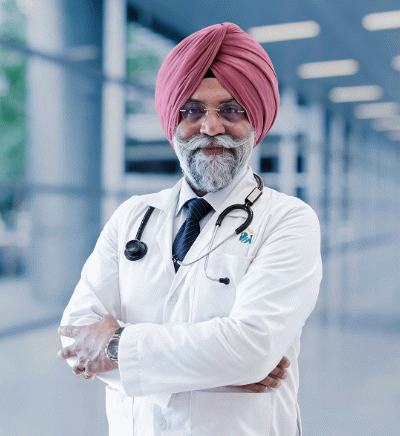
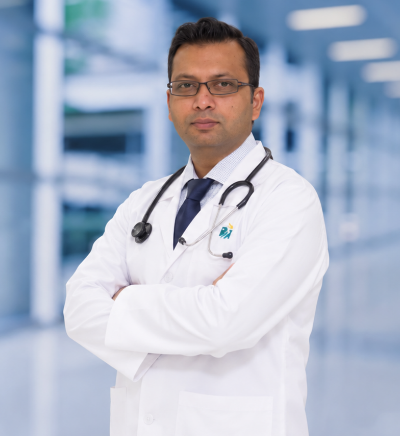
Specialisti in craniotomia presso gli Apollo Hospitals di Gurugram





Disclaimer:
Le informazioni fornite in questa pagina hanno scopo puramente informativo ed educativo. Pur impegnandoci a garantire che le informazioni siano accurate, affidabili e regolarmente aggiornate, esse non devono essere considerate un sostituto del parere, della diagnosi o del trattamento medico professionale.
L'idoneità di una procedura medica, insieme ai suoi benefici, rischi, preparazione, recupero, potenziali complicazioni e risultati attesi, può variare da persona a persona. Il medico curante determinerà se una procedura è appropriata in base alle condizioni individuali e all'anamnesi del paziente.
Prima di prendere decisioni riguardanti qualsiasi procedura medica, si prega di consultare un professionista sanitario qualificato per un parere personalizzato.
Per ulteriori informazioni su come vengono creati, revisionati, aggiornati e gestiti i nostri contenuti medici, si prega di leggere la nostra [Politica editoriale].




