


Examiné par l'équipe éditoriale d'Apollo
Réponse rapide
If someone in Gurugram (Gurgaon) suddenly has a drooping face, a weak arm or slurred speech, call 1066 now or come straight to the emergency department at Apollo Hospitals Gurugram, Golf Course Road, Sector 28. Note the time the symptoms started. The emergency team examines the person at once, arranges a brain scan and calls the stroke specialists.
| Faits marquants | DÉTAILS |
|---|---|
| Emergency and ambulance number | 1066 |
| Téléphone de l'hôpital | 0124-6501600 |
| Emergency department hours | Open 24 hours a day, every day |
| Adresse | Hôpitaux Apollo de Gurugram, Golf Course Road, Secteur 28, Gurugram, Haryana 122002 |
| Appointment or referral | Not needed for emergency care |
| Vérification rapide | Face, Arm, Speech, Time |
| Most useful detail to tell the doctor | The exact time the person was last seen well |
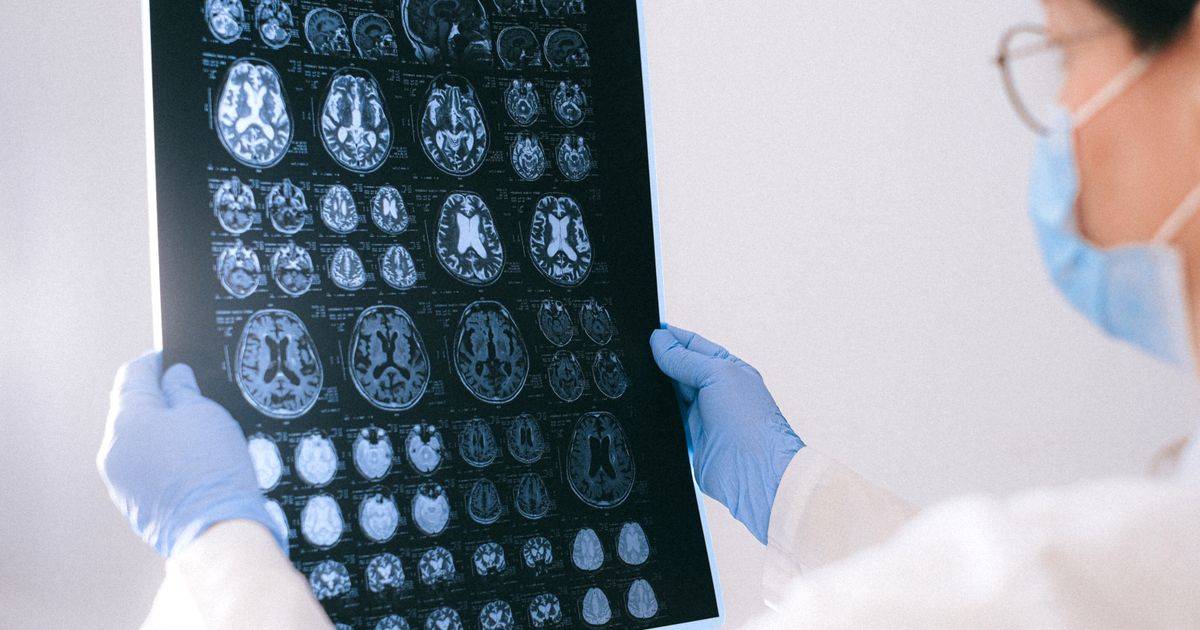
Warning signs of a stroke
A stroke happens when the blood supply to part of the brain is cut off by a clot, or when a blood vessel in the brain bleeds. Brain cells begin to die within minutes. Fast treatment can limit the damage. You can read more on our page on stroke symptoms, causes and treatment.
The face, arm, speech, time check
- Visage. Demandez à la personne de sourire. Est-ce qu'un côté du visage s'affaisse ?
- Bras. Ask them to raise both arms. Does one arm drift down or feel weak?
- Discours. Ask them to repeat a simple sentence. Is the speech slurred, strange or absent?
- Temps. If you see any one of these signs, call 1066 at once and note the time.
Other sudden signs
- Numbness or weakness of the face, arm or leg, usually on one side of the body
- Confusion or trouble understanding what others say
- Perte de vision ou vision floue dans un œil ou dans les deux yeux
- Dizziness, loss of balance or trouble walking
- A sudden, very severe headache with no known cause
A mini-stroke is also an emergency
Sometimes the same symptoms appear and then clear up within minutes or hours. This is called a accident ischémique transitoire (AIT), or mini-stroke. It is a warning that a full stroke may follow, sometimes within days. Do not feel relieved and stay at home. Come to the emergency department the same day, even if the person feels normal again.
Que faire maintenant
- Appelez 1066. Say you suspect a stroke and give your exact location in Gurgaon. An ambulance is the safest way to travel.
- Notez l'heure. Write down when the symptoms started. If you did not see it happen, note when the person was last seen well. The doctors need this to decide which treatments are possible.
- Keep the person safe and still. Help them lie down with the head and shoulders slightly raised.
- If they are drowsy, vomiting or unconscious. Turn them gently onto their side so the mouth can drain, and watch their breathing.
- Restez avec eux. Tell the ambulance team about any change you notice.
- Gather medical details. Carry the list of regular medicines, especially any blood thinner, along with past records and insurance papers if they are close at hand.
Ce qu'il ne faut pas faire
- Do not wait to see if the symptoms pass.
- Do not let the person sleep it off or rest until morning.
- Do not give any medicine unless a doctor or the 1066 operator tells you to.
- Do not give food or drink. Swallowing may be affected and the person could choke.
- Do not let the person drive.
What happens at the emergency department
Le emergency department at Apollo Hospitals Gurugram sees people at any hour without an appointment. A suspected stroke is treated as a priority.
- Triage. Staff check the person on arrival and measure pulse, blood pressure, breathing, oxygen level and blood sugar.
- Évaluation. A doctor checks speech, vision, strength and alertness, and asks when the symptoms began.
- Brain scan. A Scanographie or IRM of the brain shows whether the stroke is caused by a clot or by bleeding.
- Blood tests and ECG. These look for causes and for conditions that affect the choice of treatment.
- Examen par un spécialiste. The emergency doctor involves the neurology and neurosurgery teams, who decide on the treatment.
The emergency team will arrange the tests and treatment needed. For details of a specific test or facility, please check with the hospital.
Treatments that may be needed
Treatment depends on the type of stroke, the time since it started, the scan findings and the person's general health.
Stroke caused by a clot
- Clot-dissolving treatment. A medicine given through a vein can dissolve the clot in some people. This is called thrombolyse. It can only be given within a limited time after the stroke begins, and it is not safe for everyone.
- Élimination du caillot. In selected cases a specialist passes a thin tube through a blood vessel to the brain and pulls the clot out. Read about thrombectomy in Gurugram. This too is possible only within a limited time and only for certain types of blockage.
The doctors decide whether either treatment is suitable after the scan. This is why reaching hospital early, and knowing the start time, matters so much.
Stroke caused by bleeding
A accident vasculaire cérébral hémorragique is treated by controlling blood pressure, reversing the effect of blood thinners where needed and close monitoring. Some people need surgery to relieve pressure on the brain or to repair a blood vessel, such as craniotomie, craniectomie or cerebral aneurysm clipping.
Preventing another stroke
Once the person is stable, doctors look for the cause. If a neck artery is badly narrowed, they may later advise Endartériectomie carotidienne or pose d'un stent de l'artère carotide. Most people also need long-term medicines and control of blood pressure, blood sugar and cholesterol.
After the emergency: admission, recovery and follow-up
People with a stroke are admitted for monitoring, often in intensive care at first.
Rehabilitation starts early. Physiotherapy, speech therapy and occupational therapy help the person relearn movement, speech and daily tasks. Recovery is different for each person and can continue for many months. Some effects may be lasting. Follow-up visits are with the neurosciences department at Apollo Hospitals Gurugram.
How to reach Apollo Hospitals Gurugram
Address: Apollo Hospitals Gurugram, Golf Course Road, Sector 28, Gurugram, Haryana 122002. For an ambulance, call 1066. You can also read about the ambulance service in Gurugram, which has basic life support, advanced life support and cardiac ambulances.
The hospital is on Golf Course Road and serves people from nearby areas of Gurgaon such as DLF Phases 1 to 5, Sushant Lok, MG Road, Sector 56, Sohna Road, South City and Golf Course Extension Road.
Coût et assurance
The cost of stroke care depends on:
- The scans and tests needed
- Whether clot-dissolving treatment, clot removal or surgery is required
- The number of days in intensive care and in the ward
- La catégorie de chambres
- The amount of rehabilitation needed
Les coûts varient d'une personne à l'autre. Veuillez vous renseigner auprès de l'hôpital pour connaître les tarifs exacts.
Emergency treatment does not wait for paperwork. If you have health insurance, share the policy details with the billing desk as soon as you can so that cashless approval can be requested where it applies.
Why choose Apollo Hospitals Gurugram for a stroke emergency
- Emergency department open 24 hours a day, every day, with no appointment or referral needed
- One emergency number, 1066, for help and ambulance
- Ambulance service with basic life support, advanced life support and cardiac ambulances
- A hospital with 460+ beds and 110+ intensive care beds
- 165+ doctors across specialities, including neurosciences and critical care
Availability of specific tests and procedures can change. Please check with the hospital. For planned visits you can book an appointment with a doctor in Gurugram.
Questions à poser au médecin
- What type of stroke was this, and which part of the brain is affected?
- Which treatments are possible now, and what are their risks?
- What caused the stroke?
- What recovery can we expect, and how long may it take?
- What rehabilitation will be needed after discharge?
- How can another stroke be prevented?
FAQ
1. Where should I go for a stroke emergency in Gurgaon?
Call 1066 or go to the nearest emergency department. Apollo Hospitals Gurugram on Golf Course Road, Sector 28 has an emergency department that is open 24 hours a day, every day.
2. What number should I call for a stroke in Gurugram?
Call 1066, the Apollo emergency and ambulance number. The hospital phone number is 0124-6501600.
3. What are the first signs of a stroke?
Sudden drooping of one side of the face, weakness of one arm or leg, and slurred or confused speech. Sudden loss of vision, loss of balance or a severe headache can also be signs.
4. Why is the time of the first symptom so useful?
Some stroke treatments can only be given within a limited time from the start of symptoms. Knowing the time helps the doctors decide quickly what is possible.
5. The symptoms went away after a few minutes. Do we still need to come?
Yes. It may have been a mini-stroke (TIA), which is a warning of a possible full stroke. The person should be assessed in an emergency department the same day.
6. Can I give water or food to someone having a stroke?
No. A stroke can affect swallowing, and food or water may enter the airway. Wait until the hospital team has checked swallowing.
7. Which test confirms a stroke?
A brain scan, usually a CT scan or MRI, along with the doctor's examination. The scan also shows whether the stroke is due to a clot or to bleeding.
8. Can a stroke be fully cured?
Some people recover fully, and others are left with some weakness, speech or memory problems. Early treatment and steady rehabilitation improve the chances, but no result can be promised.
9. Does every stroke patient get clot-dissolving treatment?
No. It suits only some people with a clot-related stroke who arrive in time and have no reasons that make it unsafe. The doctors decide after the scan.
10. Which doctor treats a stroke?
Emergency doctors start the care. Neurologists lead stroke treatment, and neurosurgeons and critical care doctors are involved when needed.
Conclusion
A stroke is an emergency in which minutes matter. Learn the face, arm, speech, time check, note when the symptoms began and call for help at the first sign, even if the symptoms fade. In Gurugram, call 1066 or come to the emergency department at Apollo Hospitals Gurugram on Golf Course Road.
This page is for general information and does not replace advice from your doctor. In an emergency, call 1066 or go to the nearest emergency department.
Récemment Ajouté


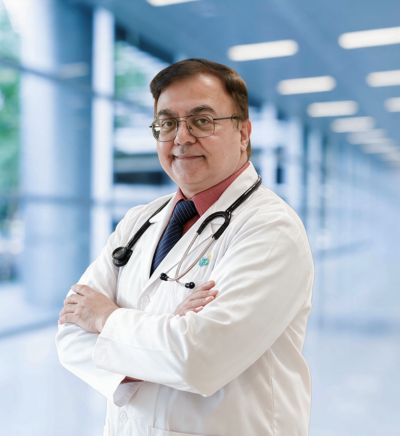
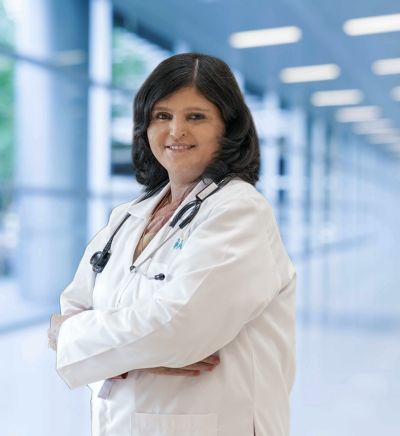
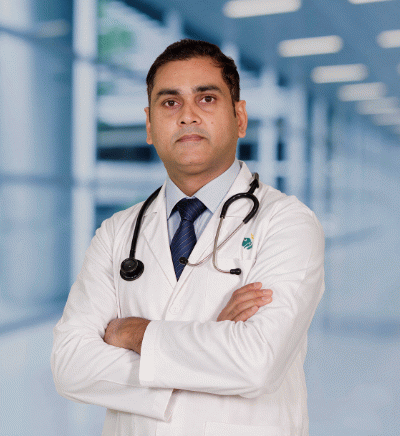
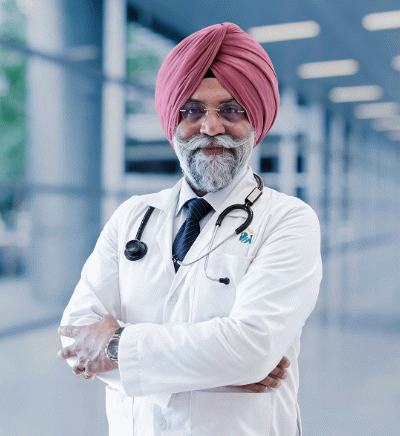
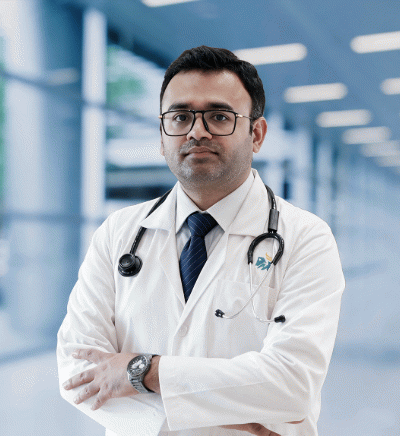
Stroke and brain specialists at Apollo Hospitals Gurugram




Avis de non-responsabilité :
Les informations présentées sur cette page sont fournies à titre informatif et éducatif uniquement. Bien que nous mettions tout en œuvre pour garantir l'exactitude, la fiabilité et la mise à jour régulière de ces informations, elles ne sauraient se substituer à un avis, un diagnostic ou un traitement médical professionnel.
L’opportunité d’une intervention médicale, ainsi que ses avantages, ses risques, sa préparation, sa convalescence, ses complications potentielles et ses résultats attendus, peuvent varier d’une personne à l’autre. Votre professionnel de santé déterminera si une intervention est appropriée en fonction de votre état de santé et de vos antécédents médicaux.
Veuillez consulter un professionnel de la santé qualifié pour obtenir des conseils personnalisés avant de prendre toute décision concernant une intervention médicale.
Pour plus d'informations sur la manière dont notre contenu médical est créé, examiné, mis à jour et maintenu, veuillez lire notre [Politique éditoriale].




