


Réponse directe
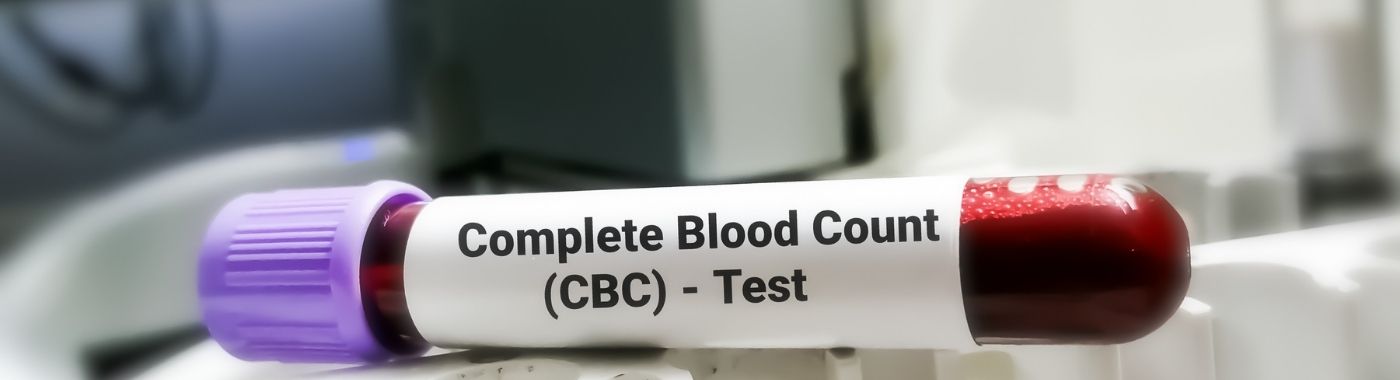
The CBC hemogram is a blood test that counts and measures red blood cells, white blood cells and platelets, along with haemoglobin and red cell indices. The CBC helps assess anaemia, infection, inflammation and bleeding tendency, and monitors treatment. A normal CBC does not exclude serious disease, and abnormal values need interpretation with your symptoms.
Points clés à retenir
- Ce qu'il mesure : haemoglobin, red cell count and indices (MCV, MCH, MCHC, RDW), total and differential white cell count, and platelet count.
- What it suggests, not proves: the CBC points to a pattern, it rarely names a cause on its own.
- Ce qu'il ne peut pas faire : the CBC cannot confirm iron deficiency, thalassaemia trait, vitamin B12 deficiency, clotting-factor disorders or the site of an infection.
- Normal is reassuring, not conclusive: persistent symptoms with a normal CBC still need review.
- India layer: because thalassaemia trait and iron-deficiency anaemia are both common in India, a low MCV on a CBC needs a considered next step rather than automatic iron tablets.
En un coup d'oeil
| Nom du test | Complete Blood Count (CBC), also called hemogram or CBC with differential |
|---|---|
| Échantillon | Venous blood in an EDTA (purple-top) tube; heel or finger prick sometimes used in newborns and infants |
| Demi-Jeûne | Not needed for the CBC alone; fasting may apply if bundled with sugar or lipid tests |
| Il est temps de procéder à la prise de sang. | Usually 2-5 minutes; total visit including registration and waiting is commonly 15-30 minutes |
| Analysis time in the lab | Automated analysers process a sample within minutes; a manual peripheral smear review adds time. Reporting time depends on the individual laboratory's workflow, ask your collection centre. |
| Principales utilisations | Anaemia, infection and inflammation, bleeding or bruising, fatigue, pre-operative assessment, monitoring chemotherapy and other drugs |
| Limitation de la clé | Describes the blood picture; does not identify the underlying cause |
Aussi connu sous le nom
- Hemogram / haemogram
- CBC with differential; CBC and ESR (when ordered together, these are separate tests)
- Blood count test, "blood test for Hb"
- "Khoon ki jaanch" / "HB test" in everyday Indian usage
- TLC and DLC (total and differential leucocyte count), parameters reported within the CBC
- Platelet count, reported within the CBC, often asked for separately during dengue season
What the CBC hemogram is
The CBC hemogram is an automated analysis of a small blood sample that measures the three cell lines produced by the bone marrow.
- Globules rouges: haemoglobin (Hb), packed cell volume or haematocrit, red cell count, MCV (average red cell size), MCH and MCHC (haemoglobin content and concentration), and RDW (variation in red cell size).
- White cells: total count plus the differential, neutrophils, lymphocytes, monocytes, eosinophils and basophils.
- Plaquettes: platelet count, sometimes with mean platelet volume.
Many laboratories add a comment when the analyser flags abnormal cells, and a haematologist or pathologist may then examine a stained frottis de sang périphérique under the microscope. The smear is a separate examination reported alongside the CBC, not part of the automated count.
Why the CBC hemogram is done
- Évaluation des symptômes : tiredness, breathlessness on exertion, palpitations, pallor, dizziness, recurrent fever, unexplained bruising or bleeding, frequent infections.
- Anaemia assessment: to confirm low haemoglobin and describe the red cell size pattern, which guides the next test.
- Infection et inflammation : white cell count and differential patterns support, but do not confirm, a bacterial, viral or parasitic cause.
- Platelet monitoring: in dengue, immune thrombocytopenia, liver disease and before certain procedures.
- Drug monitoring: chemotherapy, immunosuppressants, anti-thyroid drugs, some antibiotics and anti-epileptics can affect blood counts.
- Pre-operative and pre-anaesthetic work-up.
- Soins de grossesse : haemoglobin and platelet monitoring at intervals decided by the treating obstetrician.
- Cancers du sang suspectés : the CBC can raise suspicion of leukaemia or lymphoma; confirmation requires smear review, flow cytometry, bone marrow study or biopsy.
Qui devrait passer ce test
- Anyone with the symptoms listed above, when advised by a clinician.
- Menstruating people with heavy or prolonged periods, and people with known gastrointestinal blood loss or piles.
- Pregnant women, as part of antenatal care.
- Infants, children and adolescents with poor growth, pallor, poor appetite or repeated infections, when advised.
- People on medicines known to affect blood counts, at the interval their prescriber sets.
- People with chronic kidney disease, chronic liver disease, cancer, autoimmune disease, or known thalassaemia or sickle cell disorder.
- Blood donors and pre-surgical patients, as part of screening.
- People with a family history of thalassaemia or other haemoglobinopathy who are planning a pregnancy, usually with additional specific tests.
A CBC is also commonly included in routine health packages. It is a reasonable screening test, but a normal result in a person with no symptoms does not mean no further health checks are needed, and an isolated borderline value in a well person often needs nothing more than a repeat.
What the CBC hemogram cannot detect or exclude
This is the most misunderstood part of the test. The CBC counts cells; it does not explain them.
- It cannot confirm the cause of anaemia. Iron deficiency, thalassaemia trait, anaemia of chronic disease and lead exposure can all produce small red cells. Confirmation needs ferritin and iron studies, haemoglobin electrophoresis or HPLC, and clinical assessment.
- It cannot reliably exclude iron deficiency. Iron stores can be depleted while haemoglobin and MCV remain within the reported range.
- It cannot exclude vitamin B12 or folate deficiency. Neurological B12 deficiency can occur with normal red cell indices, and coexisting iron deficiency can mask large red cells.
- It cannot exclude thalassaemia trait or sickle cell trait. Specific haemoglobin studies are required; a normal CBC is not a screen for carrier status.
- It cannot exclude infection. Many serious infections, including tuberculosis, dengue, typhoid and early sepsis, can occur with a normal white cell count. The CBC does not identify the organism or the site; that needs cultures, specific serology or antigen tests, and imaging.
- It is not a clotting test. A normal platelet count does not exclude haemophilia, von Willebrand disease, platelet function disorders or the effect of blood thinners. PT/INR, APTT and specific factor or platelet-function assays are separate tests.
- Cela ne permet pas d'exclure le cancer. Solid tumours and many lymphomas frequently show a completely normal CBC. Conversely, the CBC cannot diagnose leukaemia on its own.
- It does not assess iron overload, kidney function, liver function, thyroid function or blood sugar.
- It does not distinguish bacterial from viral illness with certainty.
If your symptoms continue despite a normal CBC, go back to your doctor. A negative or normal result describes the sample analysed on that day; it does not rule out disease.
Examens connexes mais différents
| Test | Question à laquelle il répond | How it differs from the CBC |
|---|---|---|
| Frottis sanguin périphérique | What do the cells actually look like? | Manual microscopy; can show abnormal or immature cells, malaria parasites, red cell shape changes. Ordered in addition to, not instead of, the CBC. |
| Haemoglobin alone / "Hb test" | Is haemoglobin low? | Single parameter; gives no white cell, platelet or red cell index information. |
| VS et CRP | Is there inflammation? | Non-specific inflammatory markers; separate tests, often ordered with the CBC but measuring something different. |
| Iron studies and ferritin | Are iron stores low or high? | Confirms iron status, which the CBC only hints at. Ferritin also rises with inflammation and infection. |
| Haemoglobin electrophoresis / HPLC | Is there a haemoglobinopathy or trait? | Identifies abnormal haemoglobins; the CBC cannot. |
| PT/INR, APTT | Is the clotting pathway working? | Measures plasma clotting, not cell counts. |
| Numération des réticulocytes | Is the marrow responding to anaemia? | Usually a separate request, though some analysers report it. |
| Aspiration et biopsie de moelle osseuse | What is happening inside the marrow? | Invasive procedure, reserved for specific indications after CBC and smear findings. |
| Dengue NS1 / IgM, malaria antigen or smear | Which infection is this? | Organism-specific. A falling platelet count suggests but does not diagnose dengue. |
Which test comes first depends on the clinical problem. For unexplained fatigue, the CBC is usually a sensible starting point. For a bleeding tendency with a normal platelet count, coagulation testing leads. For suspected carrier status before marriage or pregnancy, haemoglobin studies are the relevant test, not a CBC alone. For fever with rash in an endemic season, organism-specific tests matter as much as the count.
Comment préparer l'installation
Preparation requirements are set by each laboratory and collection centre. Your unit's written instructions take precedence over any general guidance here.
- Jeûne: generally not required for the CBC alone. Fasting may be requested if the CBC is bundled with fasting glucose or lipids.
- Médicaments et compléments alimentaires : tell the requesting doctor and the phlebotomist about all prescription medicines, iron or vitamin supplements, AYUSH or herbal products, and gym supplements. Do not stop or change any prescribed medicine to "get a cleaner result", speak to the prescriber first.
- Recent transfusion, iron injection or B12 injection: mention it, as these alter the picture.
- Fluides: normal fluid intake makes the vein easier to find. Marked dehydration can make counts appear higher and over-hydration can dilute them.
- Timing Relatif (RT) white cell and other counts vary through the day and after heavy exercise or acute stress; sequential tests are best done at a similar time.
- Vêtements: wear a sleeve that rolls up easily.
Si vous êtes diabétique et suivez un traitement hypoglycémiant
Do not fast for long periods on insulin or sulfonylureas without instructions from your treating doctor, because of the risk of hypoglycaemia. The CBC itself does not require fasting. Carry a glucose source.
Si vous souffrez d'insuffisance cardiaque, d'une IRC avancée ou d'une restriction hydrique
Do not increase your fluid intake to "make the draw easier". Stay within the fluid allowance your doctor or dialysis unit has set. If you are on dialysis, ask whether the sample should be taken before or after a session, as timing affects results.
Pendant la grossesse
No fasting is needed for the CBC. Long waits without food or water are best avoided. Tell the staff if you have fainted during a previous blood test so you can be seated or reclined.
Chez les enfants et les nourrissons
Prolonged fasting is not appropriate for young children. A small volume tube should be used. Tell the staff about any bleeding tendency or previous difficult draw. Heel prick samples in newborns can yield slightly different values from venous samples.
If you take blood thinners or have a bleeding disorder
Inform the phlebotomist so that pressure can be applied for longer after the needle is removed. Do not stop the medicine yourself.
Que se passe-t-il pendant le test et combien de temps dure-t-il ?
- Enregistrement et identification : your details and the request form are verified.
- Positionnement: you sit or lie down; a tourniquet is applied to the upper arm.
- Cleaning and puncture: the skin is cleaned and a sterile needle is inserted into a vein, usually at the inner elbow. In infants, a heel or finger prick may be used.
- Collection: a small volume of blood is drawn into an EDTA tube and gently mixed so it does not clot.
- Ensuite: the needle is removed and pressure applied with cotton or gauze for a minute or two, longer if you bleed easily.
Durée : the needle is usually in the vein for under a minute, and the whole collection takes about 2-5 minutes. Expect roughly 15-30 minutes in the centre overall, depending on queues. Modern analysers complete the count within minutes of the sample reaching the laboratory; when a manual smear review or repeat run is needed, the report takes longer. Ask your collection centre how their reporting works.
No recovery period is needed. You can eat, drive and return to normal activity straight away. Avoid heavy lifting with that arm for a few hours and keep the site clean.
Understanding your CBC report
Read your report against the reference interval printed on that specific report. Reference intervals differ between laboratories, between analysers, and by age, sex, pregnancy status and altitude. Values in an online article should not be used to judge your own report. Only the doctor who requested the test can interpret it in your clinical context.
Red cell parameters
- Haemoglobin and haematocrit: low values indicate anaemia. The CBC quantifies it; it does not explain it. Raised values may reflect dehydration, smoking, chronic lung or heart disease, high altitude living, or a primary marrow disorder.
- VCM : low MCV (microcytic) suggests iron deficiency, thalassaemia trait or anaemia of chronic disease. High MCV (macrocytic) suggests B12 or folate deficiency, alcohol use, thyroid disease or certain marrow conditions. Normal MCV does not exclude either problem, and mixed deficiencies can produce a normal-looking average.
- RDW : a measure of variation in cell size. A raised RDW is often, though not reliably, more suggestive of a nutritional deficiency than of thalassaemia trait. It is a clue, not a diagnosis.
White cell parameters
- Raised total count: may reflect bacterial infection, inflammation, tissue injury, corticosteroid therapy, smoking, recent strenuous exercise, pregnancy or stress. Very high counts with abnormal cells need urgent haematology assessment.
- Low total count: may follow viral infection, certain medicines, autoimmune disease, marrow disorders or hypersplenism. Some healthy people have a constitutionally lower neutrophil count.
- Differential patterns: neutrophil predominance often accompanies bacterial infection; lymphocyte predominance often accompanies viral illness; raised eosinophils may relate to allergy, asthma or parasitic infection, which remains common in parts of India. These are associations, not proof.
La numération plaquettaire
- Faible: causes include dengue and other viral infections, immune thrombocytopenia, drug effects, chronic liver disease with an enlarged spleen, and marrow disorders. Importantly, clumping of platelets in the EDTA tube can produce a falsely low count.
- Haut: commonly a reactive response to infection, inflammation, iron deficiency, bleeding, or removal of the spleen; less often a primary marrow disorder.
Results vary depending on individual clinical circumstances. A single mildly abnormal value in a well person is frequently repeated before anything else is done.
When CBC results can be misleading
Values that can be falsely raised
- Haemoglobin and haematocrit: dehydration, prolonged tourniquet time, a fist-clenching technique during the draw, or sampling in a dehydrated patient.
- Numération plaquettaire : fragmented red cells or other particles miscounted by the analyser.
- White cell count: recent vigorous exercise, acute stress, corticosteroids, pregnancy, smoking, or nucleated red cells being counted as white cells by older analysers.
- VCM : cold agglutinins or red cell clumping; delay before analysis, which causes cell swelling.
Values that can be falsely lowered
- Numération plaquettaire : EDTA-induced platelet clumping (pseudothrombocytopenia), a partly clotted sample, or an under-filled tube. This is a common reason for an alarming platelet report in a well person, and a repeat sample in a citrate tube with smear review usually settles it.
- Hémoglobine: an over-diluted sample, drawing from a limb with an intravenous drip running, or excessive fluid administration.
- All counts: a clotted specimen, incorrect tube, or long transport delays.
Results that are technically correct but easily misread
- Transfusion sanguine récente changes the red cell picture and can mask the underlying pattern.
- Iron or B12 supplements started before testing can normalise indices while the deficiency and its cause remain.
- Coexisting iron deficiency and B12 deficiency can give a deceptively normal MCV.
- Grossesse normally lowers haemoglobin through dilution and mildly raises white cells; pregnancy-specific ranges apply.
- Infection ou inflammation chronique can suppress haemoglobin independently of nutrition.
- High-altitude residence raises normal haemoglobin values.
If a result does not fit how you feel, raise it with your doctor. Repeating the test is often the correct next step.
Risques et sécurité
Venous blood draw in adults
Complications are uncommon and usually minor: brief pain, a small bruise, or tenderness at the puncture site. Fainting or light-headedness can occur, more often in young adults, those who are anxious and those who have not eaten. Tell the staff beforehand if you have fainted during a blood test previously. Local infection and nerve irritation are rare. Bruising is more likely on anticoagulants, antiplatelets or with a bleeding disorder.
Heel or finger prick in infants and young children
Discomfort is brief. Bruising and, rarely, local infection can occur. Repeated heel pricks in newborns can cause local soreness. Sample volumes are kept small in neonates and infants.
Draws from a central line or port
These are performed only by trained staff, and carry a small risk of line infection or blockage. Samples taken from a line running fluids can be diluted and unreliable.
The blood volume taken for a CBC is small and does not itself cause anaemia in an otherwise healthy person, though frequent testing in inpatients and small infants is deliberately limited.
drapeaux rouges
Urgence immédiate
- Bleeding that will not stop, vomiting blood, black tarry stools, or heavy vaginal bleeding with dizziness.
- Breathlessness at rest, chest pain, fainting or confusion with known or suspected severe anaemia.
- Fever with a very low white cell or neutrophil count while on chemotherapy or immunosuppressants, this is treated as a medical emergency.
- Widespread new bruising, blood blisters in the mouth, or bleeding from the gums or nose with a very low platelet count.
- Severe abdominal pain, persistent vomiting, cold clammy skin, drowsiness, or reduced urine output during a dengue-like illness.
- Sudden severe headache or new weakness with a known bleeding or clotting disorder.
Le même jour
- Fever with a falling platelet count during a dengue-prone season, even if you feel reasonably well.
- A markedly abnormal count reported for the first time with a laboratory comment about abnormal or immature cells.
- New bruising, petechiae or gum bleeding without other symptoms.
- Rapidly worsening breathlessness, palpitations or pallor.
- Fever above 38癈 while on chemotherapy, even if you feel well.
Rendez-vous de routine
- Mildly low haemoglobin with tiredness but no acute symptoms.
- A borderline high or low white cell count in a well person.
- A mildly raised platelet count after a recent infection.
- An isolated abnormal index such as MCV or RDW.
- Puncture-site bruising that is not enlarging.
Situations particulières
Grossesse
Haemoglobin normally falls somewhat in pregnancy because plasma volume expands; pregnancy-specific reference intervals apply. The CBC is used to detect anaemia, monitor platelets in conditions such as pre-eclampsia, and guide iron and folate management, all decided by the obstetric team. The CBC is not a prenatal genetic test, and no ultrasound or prenatal sex-determination activity is involved.
Enfants
Normal haemoglobin, white cell and lymphocyte values change substantially from birth through adolescence, so paediatric ranges must be used. A lymphocyte-predominant differential is normal in early childhood. Iron deficiency is common in Indian infants and toddlers; nutritional assessment and further tests are guided by the paediatrician.
Adultes plus âgés
Anaemia in an older adult should not be attributed to age. It often signals blood loss, kidney disease, marrow disorders or nutritional deficiency, and warrants investigation.
Les personnes diabétiques sous traitement médicamenteux
The CBC requires no fasting; avoid unnecessary long fasts. Diabetes-related kidney disease can lower haemoglobin, and the CBC may be monitored alongside kidney tests.
Maladie rénale chronique
Anaemia is common as kidney function declines, largely from reduced erythropoietin. The CBC is used for monitoring, often with iron studies, and timing around dialysis matters.
Vous avez déjà eu un arrêt cardiaque
Anaemia and iron deficiency are common and can worsen symptoms. Diuretic-related changes in fluid balance can shift haemoglobin and haematocrit readings up or down, which is why trends matter more than single values. Do not alter fluid intake or diuretic doses to prepare for the test.
Cancer treatment and immunosuppression
Counts are checked on a schedule set by the treating team to guide chemotherapy timing and detect low neutrophil or platelet counts. Fever with a low neutrophil count is an emergency.
Known thalassaemia or sickle cell disorder
Baseline counts differ from general reference intervals. Interpretation should be against your own previous values and by a clinician familiar with the condition.
The CBC hemogram in the Indian context
- Anaemia is widespread. India's National Family Health Survey-5 (2019-21) reported a high prevalence of anaemia among women of reproductive age, children and adolescent girls, which is why haemoglobin testing is so routine in Indian clinical practice.
- Microcytosis needs care, not reflex iron. Beta-thalassaemia trait and other haemoglobinopathies are common in several Indian communities. A low MCV with a normal or high red cell count can point towards trait rather than iron deficiency. Confirming the cause before long-term iron supplementation matters, and the decision belongs to your doctor.
- Dengue and platelets. During monsoon and post-monsoon months, serial platelet counts are widely ordered. Platelet count alone does not decide treatment, haematocrit trend, warning signs and clinical state matter more, and platelet transfusion is not required merely because the count is low.
- Malaria and other parasitic illness. Low platelets with fever should prompt consideration of malaria; the CBC cannot detect parasites, so a smear or rapid antigen test is needed.
- Anti-tubercular therapy and other drugs. Blood counts are sometimes monitored during treatment for tuberculosis and with other long-term medicines, alongside liver tests as advised.
- Supplements and herbal products. AYUSH preparations, gym supplements and over-the-counter tonics can affect blood and liver parameters. Declare everything you take.
- Nutritional B12 deficiency is frequently seen in predominantly vegetarian diets and may coexist with iron deficiency.
- Confidentialité des données. Laboratory reports are personal health data; handling by hospitals and labs in India is governed by the Digital Personal Data Protection Act, 2023. Ask how your report will be shared and stored.
Coût et assurance en Inde
The CBC hemogram is one of the least expensive laboratory tests available in India. Prices commonly sit in the low hundreds of rupees at standalone collection centres, and vary considerably between cities, laboratories and hospital categories. Indicative figures only, confirm the current price directly with the laboratory before testing.
Qu'est-ce qui change le coût ?
- Type d'établissement : standalone lab, chain diagnostic centre, or tertiary hospital.
- Regroupement : a CBC within a health-check package usually costs less per test than when ordered alone.
- Add-ons: manual peripheral smear review, reticulocyte count, ESR or CRP are billed separately.
- Collecte à domicile : often carries an extra charge.
- Urgence: priority or after-hours processing may be priced higher.
- Accréditation: NABL-accredited laboratories may price differently.
Assurance
- Outpatient diagnostic tests are usually not covered by standard indemnity health insurance unless the policy includes an OPD or health-check benefit.
- When you are admitted, a CBC done as part of inpatient care is generally covered within the admission claim, subject to policy terms.
- Pre-policy medical check-ups and employer wellness programmes frequently include a CBC.
- Government schemes and public hospitals provide the test at subsidised or no cost in many settings.
Mythes et faits
| Mythe | Fait |
|---|---|
| A normal CBC means I am healthy. | The CBC assesses blood cells only. Diabetes, thyroid disease, kidney and liver disease, and most cancers can all coexist with a normal CBC. |
| Low haemoglobin always means I need iron tablets. | Low haemoglobin has many causes. Iron given without establishing the cause can delay diagnosis and is inappropriate in some conditions. Your doctor decides. |
| A high white cell count means a serious infection. | Stress, exercise, smoking, pregnancy and steroids all raise the count. Interpretation depends on the differential and your clinical picture. |
| A low platelet count in dengue means I need a platelet transfusion. | Transfusion is decided on clinical grounds, including bleeding, not on the number alone. |
| I must fast for a CBC. | Fasting is not needed for the CBC itself. It may be required if other tests are bundled with it. |
| The CBC can detect cancer. | The CBC may raise suspicion of some blood cancers, but it cannot diagnose them and it commonly stays normal in solid tumours. |
| The needle takes so much blood it makes you weak. | The volume drawn for a CBC is small and is not a cause of anaemia in a healthy adult. |
| A normal platelet count means my blood clots normally. | Platelet number says nothing about platelet function or clotting factors. Separate tests are required. |
Foire aux questions
What conditions can a CBC hemogram help identify?
The CBC helps identify anaemia, raised or reduced white cell counts, and abnormal platelet counts. These findings support the assessment of infections, inflammation, nutritional deficiency, bleeding tendency and some blood cancers. The CBC indicates a pattern rather than a diagnosis, so additional tests are usually needed to establish the cause.
Do I need to fast before a CBC hemogram?
Fasting is generally not needed for the CBC alone. Fasting instructions arise when the CBC is ordered alongside fasting glucose, insulin or lipid tests. Follow the written instructions from your laboratory. If you take insulin or sulfonylureas, check with your doctor before fasting for any test.
How long does the CBC test take?
The blood collection itself takes roughly two to five minutes, with the needle in the vein for under a minute. Allow about 15 to 30 minutes at the centre including registration. Automated analysers produce results within minutes of the sample arriving, though reporting schedules differ between laboratories.
Can medicines change my CBC results?
Yes. Corticosteroids, chemotherapy, some antibiotics, anti-epileptics, anti-thyroid drugs and immunosuppressants can all affect counts. Iron, vitamin B12 and folate supplements can alter red cell indices. Tell the requesting doctor everything you take, including AYUSH and gym supplements, and never stop a prescribed medicine without asking the prescriber.
What does a low white blood cell count mean?
A low count may follow a recent viral infection, certain medicines, autoimmune disease, an enlarged spleen or a bone marrow disorder. Some healthy people naturally run lower neutrophil counts. A single low value is often repeated before further testing. Fever with a low count during chemotherapy needs emergency assessment.
My platelet count came back very low but I feel fine. What now?
Platelet clumping in the collection tube is a well-recognised cause of a falsely low count. Laboratories often confirm the result on a peripheral smear or a repeat sample in a different tube. Contact your doctor the same day so the result can be verified and genuine causes assessed.
How often should a CBC be repeated?
There is no universal interval. In a well adult, the CBC may be included in a periodic health check. During treatment with chemotherapy or certain long-term medicines, testing can be weekly or monthly. In pregnancy, chronic kidney disease or known anaemia, the treating doctor sets the schedule.
Is the CBC safe for children and during pregnancy?
Blood sampling is routine in both groups and complications are uncommon, usually limited to brief pain or a small bruise. Small-volume tubes are used for infants, and paediatric or pregnancy-specific reference intervals are required for interpretation. Fainting











 Meilleur hôpital près de chez moi à Chennai


