


Аз ҷониби Гурӯҳи таҳририяи Apollo баррасӣ шудааст
Ҷавоби зуд
Lymphadenectomy, also called lymph node dissection, is surgery to remove a group of lymph nodes from one region of the body, usually as part of cancer treatment. It shows how far a cancer has spread and removes nodes that contain or may contain cancer. The operation is named after the region treated, such as the neck, armpit, chest, abdomen, pelvis or groin, and is often done together with removal of the main tumour. The side effects depend on the region, and the most important long-term one is swelling called lymphoedema.
| Далелҳои асосӣ | Cохта шуд |
|---|---|
| Ин чӣ аст | Surgical removal of a group of lymph nodes from one body region |
| Мақсади асосӣ | To stage cancer accurately and to remove nodes involved by cancer |
| Минтақаҳои маъмул | Neck, armpit, chest, abdomen, pelvis and groin |
| Анестезия | General anaesthesia in most cases |
| усул | Open, laparoscopic (keyhole) or robot-assisted, depending on the region |
| Будубоши беморхона | From one day to a week or more, depending on the main operation |
| Хатари асосии дарозмуддат | Lymphoedema of the arm, leg, neck or genital area, depending on the site |
| Кӣ онро иҷро мекунад | Surgical oncologist or an organ-specific cancer surgeon |
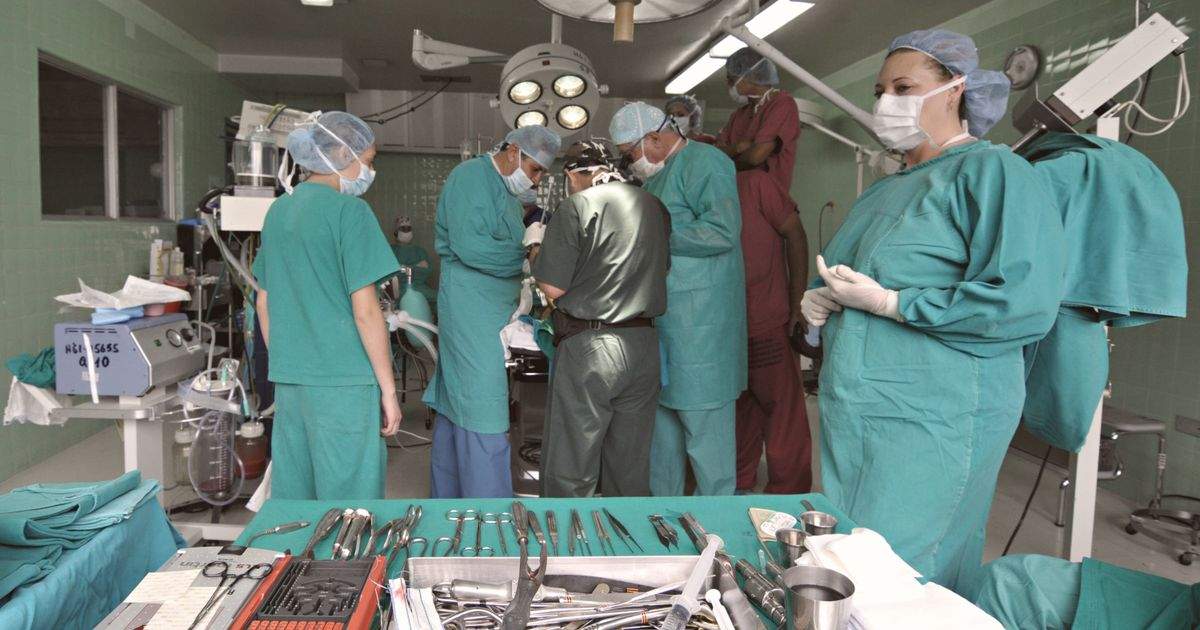
What is lymphadenectomy?
The lymphatic system is a network of fine channels and small bean-shaped glands called lymph nodes. It carries a clear fluid called lymph from the tissues back to the bloodstream and helps the body fight infection. Each organ drains to its own nearby group of nodes. Cancer cells that break away from a tumour often travel along these channels and settle first in those nodes.
In a lymphadenectomy the surgeon removes the nodes that drain the cancer, together with the fatty tissue around them, in one block. A pathologist examines every node under the microscope. The report states how many nodes were removed and how many contain cancer, which is a key part of the cancer stage.
Other names for lymphadenectomy
- Таркиби гиреҳҳои лимфа
- Lymph node removal or lymph node clearance
- Regional lymph node dissection
- Nodal dissection
- Region names such as neck dissection, axillary dissection, pelvic lymph node dissection, retroperitoneal lymph node dissection (RPLND) and inguinal (groin) dissection
Why is lymphadenectomy done?
- Саҳнагузорӣ: Knowing whether nodes are involved, and how many, helps the team decide whether treatments such as химия, радиотерапия, терапияи мақсаднок or immunotherapy are needed after surgery.
- Муолиља: Removing nodes that contain cancer lowers the chance of the disease returning in that region and, in some cancers, improves the chance of cure.
- Бартараф кардани аломатҳо: Occasionally, enlarged nodes that cause pain or pressure are removed for comfort.
Lymphadenectomy is used for solid tumours. It is generally not a treatment for лимфома, a cancer that starts in the lymphatic system itself, where a single node is usually removed only for diagnosis and treatment is mainly with medicines.
Types of lymphadenectomy by body region
| Минтақа | Usual name | Cancers where it is commonly used | Side effects specific to the region |
|---|---|---|---|
| Neck | Дисекцияи гардан | Mouth, throat and voice box cancers, бар зидди бемории саратон, skin cancers of the head and neck | Shoulder stiffness or weakness, neck numbness, leakage of lymph fluid |
| Бағал | Дискекцияи гиреҳи лимфаҳои аксилярӣ | Кафолати нон, melanoma of the arm or trunk | Arm lymphoedema, numbness of the inner arm, shoulder stiffness |
| сандущ | Mediastinal lymph node dissection | Саратони шуш, cancer of the food pipe | Hoarse voice, leakage of lymph fluid into the chest |
| Upper abdomen and bowel | Regional or D2 dissection, mesenteric dissection | Бемории меъда, pancreatic cancer, саратон Колон and rectal cancer | Usually few beyond those of the main operation |
| Back of the abdomen | Таснифи гиреҳҳои лимфавии ретроперитонеалӣ | Вирусҳои тропикӣ, some kidney and gynaecological cancers | Change in ejaculation that can affect fertility, lymph fluid collection |
| Пелисӣ | Дискекцияи гиреҳи лимфаҳои коси хурд | Prostate, bladder, сердаромад ва эндометрия латукӯбҳо | Lymph fluid collection (lymphocele), leg swelling |
| Грин | Inguinal or ilio-inguinal dissection | Саратони ҷинсӣ, саратони vulvar, melanoma of the leg | Slow wound healing, wound infection, leg lymphoedema |
How much is removed
- Биопсияи гиреҳи лимфаҳои сентинелӣ: Only the first one to a few nodes that drain the tumour are found with a dye or tracer and removed. If they are clear, a full dissection can often be avoided. It is standard in early breast cancer and melanoma and is used in some other cancers.
- Selective or limited dissection: Only the node groups most likely to be involved are removed, and nearby nerves, muscles and vessels are kept.
- Complete or radical dissection: All node groups in the region are removed. This is used when nodes are clearly involved.
Open and keyhole approaches
Neck, armpit and groin dissections are usually open operations. Nodes in the chest, abdomen and pelvis can often be removed by keyhole or robot-assisted surgery through small cuts, as part of the main cancer operation. The choice depends on the cancer, your earlier surgery and the surgeon's judgement.
Кӣ мувофиқ аст ва кӣ метавонад мувофиқ набошад?
Lymphadenectomy may be advised if you have a solid cancer in which node removal is a standard part of treatment, if scans or a needle test show cancer in regional nodes, or if a sentinel node contains cancer and further clearance is expected to help.
It may not be advised if:
- The cancer is very early and the risk of node spread is low
- A sentinel node biopsy has shown clear nodes
- The cancer has already spread widely, so that removing regional nodes would add risk without benefit
- Radiotherapy or medicines can treat the nodes equally well with fewer side effects
- Your general health makes a longer operation unsafe
Чӣ гуна бояд тайёр кард
Санҷишҳо
- Scans to map the tumour and nodes, such as an ultrasound, як Сканҳои CT, як MRI ё Скании PET-CT
- Як сӯзан биопси of a suspicious node in some cases
- Blood tests, heart and lung checks, and a pre-anaesthetic assessment
Доруҳо барои муҳокима
Give your doctor a full list of your medicines and supplements. Blood thinners and some diabetes medicines may need to be paused or adjusted. Do not stop anything without advice.
Дар рӯз
- Follow the fasting instructions you are given
- Stop smoking as early as you can before surgery, as it slows healing
- Men having retroperitoneal surgery who wish to have children can ask about sperm banking beforehand
- Arrange for someone to accompany you home
How is lymphadenectomy performed?
- Анестезия: You receive general anaesthesia and are positioned according to the region to be operated on.
- Дастрасӣ: The surgeon makes an open incision over the region or places small ports for keyhole or robot-assisted instruments.
- Identifying structures: Major blood vessels and nerves that run through the node-bearing tissue are identified and protected.
- Хориҷ кардани гиреҳҳо: The fatty tissue containing the nodes is separated and removed in one piece. Small lymph channels and vessels are sealed or tied.
- Main tumour surgery: When planned, the main tumour is removed in the same operation, before or after the nodes.
- Холӣ: A soft tube is often left in place to carry away fluid for a few days.
- Хомӯш: The wound is closed and dressed, and the tissue is sent to the laboratory.
Баъд чӣ мешавад?
You are monitored in the recovery area and then moved to the ward. Pain relief is given regularly. You are encouraged to sit up and walk early to lower the risk of blood clots and chest infection. If you have a drain, nurses measure the fluid each day, and it is removed when the amount falls. The pathology report is usually ready within one to two weeks and is discussed at a follow-up visit, when further treatment is planned.
Хавфҳо ва мушкилот
More маъмул
- Fluid collecting under the wound (seroma) or in the pelvis (lymphocele)
- Numbness or tingling of the skin near the scar
- Stiffness of the nearby shoulder or hip
- Wound infection or slow healing, especially in the groin
- Lymphoedema: swelling of the arm, leg, neck, breast or genital area that can begin months or years later
Камтар маъмул
- Bleeding that needs a return to theatre
- Injury to a nearby nerve, causing weakness, for example of the shoulder after neck surgery
- Leakage of milky lymph fluid (chyle leak) after neck, chest or abdominal dissections
- Dry or backward ejaculation after retroperitoneal dissection. Nerve-sparing techniques reduce this risk.
- Лахташавии хун дар пойҳо (вирусҳо) or lungs, and the general risks of anaesthesia
The risk of lymphoedema is higher when more nodes are removed, when the same area also receives radiotherapy, and in people who are overweight. It cannot always be prevented, but early treatment usually keeps it under control.
Натиҷаҳо: он то чӣ андоза хуб кор мекунад?
Lymphadenectomy gives the most accurate information available about node involvement, and this guides the rest of the treatment. Its effect on cure differs between cancers. In some, such as testicular cancer and cancers of the head and neck, removing involved nodes is an established part of curative treatment. In others, such as early breast cancer and melanoma, research has shown that routine complete dissection after limited sentinel node involvement does not always improve survival, so it is now used more selectively. Your surgeon can explain what is known for your type of cancer.
Барќарорсозии
- Бистарӣ дар беморхона: One to three days after neck, armpit or groin dissection alone. Longer when it is part of a major chest or abdominal operation.
- Ду ҳафтаи аввал: Wound and drain care, short walks and the exercises taught by the physiotherapist.
- Аз ду то шаш ҳафта: Gradual return to daily activities and light work. Avoid heavy lifting until your surgeon agrees.
- Мӯҳлати дарозтар: Follow-up visits, any further cancer treatment, and regular checks for swelling.
Кай ба ёрии тиббӣ муроҷиат кардан лозим аст
- Табларза ё нафаскашӣ
- Redness, warmth, increasing pain or discharge at the wound
- A sudden increase in drain fluid, or milky or bright red fluid
- New swelling, heaviness or tightness of a limb
- A red, hot area of skin on the limb, which may be целлюлит
- Calf pain, chest pain or breathlessness
Life after lymphadenectomy
- Фаъол бошед: Regular exercise helps lymph flow and joint movement. Build up gradually.
- Муҳофизати пӯст: Keep the skin of the affected limb clean and moisturised, and treat cuts, insect bites and fungal infections early.
- Вазифаҳои вазнинро нигоҳ доред: This lowers the risk of lymphoedema.
- Report swelling early: Compression garments, bandaging, special massage and exercise work better when started early. For selected people with persistent swelling, ҷарроҳии лимфедема метавонад вариант бошад.
- Нигоҳ доштани вохӯриҳои минбаъда: These check for recurrence and for late effects of treatment.
Манфиатҳо
- Accurate staging, so that further treatment is neither too little nor too much
- Removal of cancer in the regional nodes
- Lower chance of the cancer returning in that region
- In some cancers, a better chance of cure
What is the cost of lymphadenectomy in India?
Арзиш аз инҳо вобаста аст:
- The body region and the extent of the dissection
- Whether it is combined with removal of the main tumour
- Open, laparoscopic or robot-assisted approach
- Scans, pathology and other tests
- Room category, length of stay and any intensive care needed
- Physiotherapy, compression garments and follow-up
Нархҳо аз як шахс ба шахс фарқ мекунанд. Лутфан, барои нархҳои воқеӣ бо беморхона тамос гиред.
Health insurance usually covers medically necessary cancer surgery, but check the terms of your policy with your insurer.
Why choose Apollo Hospitals for lymphadenectomy?
- Surgical oncologists and organ-specific cancer surgeons who perform node dissections in different body regions
- Tumour board discussion, so that surgery, radiotherapy and medical treatment are planned together
- Imaging and pathology services within the hospital network to support staging
- Physiotherapy and rehabilitation support after surgery
- Keyhole and robot-assisted surgery and dedicated lymphoedema services are not offered at every hospital. Availability differs between centres. Please check with the hospital.
To discuss your reports and options, you can бо мутахассиси саратон вохӯрӣ таъин кунед дар беморхонаҳои Аполлон.
Хониши марбут
- Дискекцияи гиреҳи лимфаҳои аксилярӣ
- Биопсияи гиреҳи лимфаҳои сентинелӣ
- Дисекцияи гардан
- Ҷарроҳии лимфедема
Questions to ask your doctor about lymphadenectomy
- Which group of lymph nodes do you plan to remove, and why?
- Is a sentinel node biopsy an option in my case?
- Will the nodes be removed in the same operation as the main tumour?
- Will the surgery be open, keyhole or robot-assisted?
- What side effects are specific to the region being operated on?
- What is my risk of lymphoedema, and how can I lower it?
- When will the pathology report be ready, and how could it change my treatment?
- Кай ман метавонам ба кор ва фаъолияти муқаррарӣ баргардам?
фуруд
1. Are lymphadenectomy and lymph node dissection the same thing?
Yes. Both terms mean surgical removal of a group of lymph nodes from one region of the body.
2. How is it different from a lymph node biopsy?
A biopsy removes one node, or a sample of it, to make a diagnosis. A lymphadenectomy removes the whole group of nodes in a region to stage and treat a known cancer.
3. Чанд гиреҳи лимфавӣ хориҷ карда мешаванд?
It depends on the region and on the person. The surgeon removes the node-bearing tissue, and the pathologist counts the nodes afterwards. For some cancers there is a minimum number that should be examined for accurate staging.
4. Can I live normally without these lymph nodes?
Yes. The body has hundreds of lymph nodes, and the remaining ones continue to work. The main effect of removing a group is on fluid drainage from that region, which is why swelling can occur.
5. Does removing lymph nodes weaken immunity?
Removing one regional group does not noticeably weaken the body's overall defence against infection. The skin of the affected limb can be more prone to local infection, so skin care matters.
6. Does a positive lymph node mean the cancer cannot be cured?
No. Many cancers with node involvement are treated with the aim of cure, usually by combining surgery with other treatments. Node involvement does mean the stage is higher, and your doctor will explain what that means for you.
7. What is lymphoedema and when does it appear?
Lymphoedema is long-term swelling caused by a build-up of lymph fluid after nodes are removed or irradiated. It can appear within months or many years later. Early treatment gives the best control.
8. Оё ҷарроҳӣ дардовар аст?
You will be asleep during surgery. Afterwards, pain is usually moderate and is managed with regular pain relief. Numbness near the scar is common and may be lasting.
9. Ҷарроҳӣ чӣ қадар вақт мегирад?
It ranges from about an hour for a limited dissection to several hours when it is part of a larger cancer operation. Your surgeon can give an estimate for your case.
10. Will I have a drain?
Often, yes, particularly after neck, armpit and groin dissections. It stays for a few days to about two weeks, until the fluid reduces.
11. Can lymph nodes be removed by keyhole or robotic surgery?
Nodes in the chest, abdomen and pelvis are often removed this way as part of the main operation. Neck, armpit and groin dissections are usually open. Not every centre offers every approach.
12. Will I need more treatment after lymphadenectomy?
That depends on the pathology report. If nodes contain cancer, chemotherapy, radiotherapy or other treatment is often advised.
13. Do lymph nodes grow back?
No. Removed nodes do not regrow, but nearby lymph channels can take over some of the drainage with time.
14. Which doctor performs lymphadenectomy?
A surgical oncologist or a cancer surgeon who specialises in the organ involved, such as a head and neck, breast, thoracic, gastrointestinal, urological or gynaecological cancer surgeon.
хулоса
Lymphadenectomy is a standard part of surgery for many solid cancers. It tells the team how far the disease has spread and removes involved nodes, but it carries region-specific side effects and a lasting risk of lymphoedema. Surgeons now remove fewer nodes when it is safe to do so. Ask your surgeon which nodes will be removed, why, and how the result will shape your treatment.
Ин саҳифа барои маълумоти умумӣ пешбинӣ шудааст ва маслиҳати духтури шуморо иваз намекунад. Қарорҳо дар бораи табобат бояд аз ҷониби мутахассиси соҳибихтисос, ки таърихи тиббии шуморо медонад, қабул карда шаванд.
Ба наздикӣ илова шуд


Мутахассисони саратон дар беморхонаҳои Аполло




Радди:
Маълумоти дар ин саҳифа пешниҳодшуда танҳо барои мақсадҳои умумии иттилоотӣ ва таълимӣ пешбинӣ шудааст. Гарчанде ки мо кӯшишҳои оқилона мекунем, то дақиқ, боэътимод ва мунтазам баррасӣ шудани маълумотро таъмин кунем, онро набояд ивазкунандаи машварати тиббии касбӣ, ташхис ё табобат ҳисобид.
Мувофиқати тартиби тиббӣ, дар баробари манфиатҳо, хатарҳо, омодагӣ, барқароршавӣ, мушкилоти эҳтимолӣ ва натиҷаҳои интизоршаванда, метавонад аз як шахс ба шахс фарқ кунад. Мутахассиси соҳаи тандурустии шумо муайян мекунад, ки оё тартиби мазкур мувофиқ аст ё не.
Пеш аз қабули қарор дар бораи ягон амалиёти тиббӣ, лутфан, барои гирифтани маслиҳати инфиродӣ бо мутахассиси соҳаи тандурустӣ машварат кунед.
Барои гирифтани маълумоти бештар дар бораи чӣ гуна эҷод, баррасӣ, навсозӣ ва нигоҳдории мундариҷаи тиббии мо, лутфан [Сиёсати таҳририя] -и моро мутолиа кунед.




