


Granskad av Apollos redaktion
Snabbt svar
Splenectomy is surgery to remove the spleen, an organ under the left ribs that filters blood and helps fight infection. It is done for a ruptured spleen, certain blood disorders, an enlarged spleen causing problems, and some tumours or cysts. It can be done by open or laparoscopic (keyhole) surgery. People can live without a spleen, but they have a lifelong higher risk of some serious infections, so vaccinations and prompt treatment of fever are essential.
| Nyckelfakta | Detaljer |
|---|---|
| Vad det är | Surgical removal of all, or sometimes part, of the spleen |
| Huvudsakliga skäl | Injury, blood disorders, enlarged spleen, cysts, abscess or tumours |
| Huvudsorter | Öppen och laparoskopisk |
| Anestesi | Allmän bedövning |
| Sjukhusvistelse | About two days to a week, depending on the method and the reason |
| Återhämtning | Around two to six weeks |
| Lifelong care | Vaccinations, quick medical attention for fever, and sometimes preventive antibiotics |
| Utförs av | General, gastrointestinal or trauma surgeon |
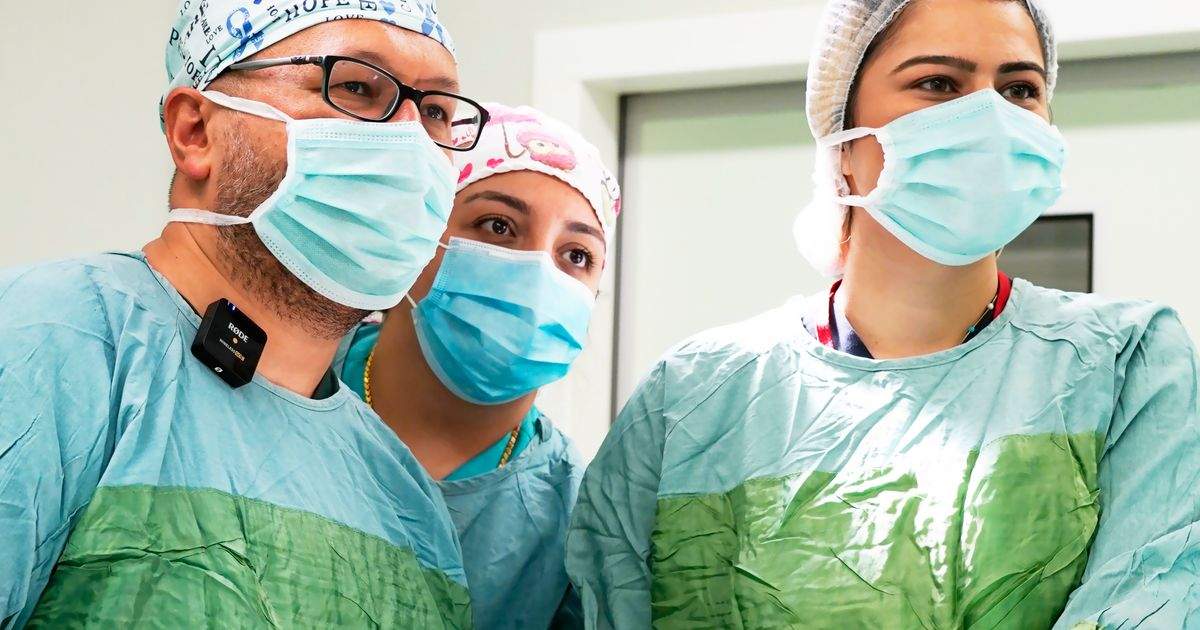
Vad är splenektomi?
The spleen sits in the upper left abdomen, behind the stomach. It removes old blood cells, stores some blood cells and helps the immune system clear certain bacteria from the blood. In a splenectomy, the surgeon ties off the blood vessels to the spleen and removes it. Other organs, mainly the liver, take over much of its filtering work. In selected cases only part of the spleen is removed (partial splenectomy) to keep some of its immune function.
Other names for splenectomy
- Spleen removal surgery
- Spleen operation
- Total splenectomy
- Partial splenectomy
- Keyhole spleen removal
Types of splenectomy
There are two main approaches. Each has its own detailed page.
| Typ | Vad det är | When it is commonly used | Läs mer |
|---|---|---|---|
| Öppet | The spleen is removed through one larger cut in the upper abdomen | Emergencies such as a ruptured spleen with heavy bleeding, a very large spleen, or when keyhole surgery is not safe | Öppen splenektomi |
| laparoskopisk | Keyhole surgery through a few small cuts, using a camera and slim instruments | Most planned operations where the spleen is normal or moderately enlarged | Laparoskopisk splenektomi |
A laparoskopisk operation sometimes has to be changed to an open one during surgery for safety.
Why is splenectomy done?
- Skada: a bruten mjälte with bleeding that cannot be controlled in other ways
- Blodsjukdomar: såsom immun trombocytopeni, ärftlig sfärocytos, and some cases of talassemi or sicklecellanemi, usually when other treatments have not worked
- Enlarged or overactive spleen: splenomegali or hypersplenism causing pain or low blood counts
- Growths and infection: cysts, abscesses, lymfom and other tumours of the spleen
- As part of another operation: for example, some stomach or pancreas surgery
Because the spleen protects against infection, doctors try to save it where possible. Many spleen injuries are now managed without surgery, and many blood disorders are first treated with medicines.
How is splenectomy done in general?
For planned surgery, you will have blood tests such as a slutföra blodräkningen, Och en ultraljud or datortomografi to check the size of the spleen. Vaccinations are ideally given at least two weeks before the operation. Some people need a transfusion of blood or platelets around the time of surgery.
The operation is done under general anestesi. The surgeon frees the spleen from the tissues around it, seals and divides its blood vessels, and removes it. In keyhole surgery the spleen is placed in a bag and taken out through one of the small cuts.
Risks of splenectomy
- Blödning under eller efter operationen
- Infection of the wound, chest or abdomen
- Injury to nearby organs such as the pancreas, stomach or bowel
- Blood clots, including in the veins near the liver and in the legs or lungs
- A rise in platelet count after surgery, which your doctor will monitor
- Hernia at a wound site and reactions to anaesthesia
- The original blood disorder not improving as hoped
Lifelong infection risk and vaccination
This is the most important long-term point. Without a spleen, the body is less able to fight certain bacteria. Infections such as lunginflammation, meningitis and blood poisoning are uncommon, but when they happen they can become severe within hours. The risk is highest in the first few years and in children, but it never fully goes away.
- Have the recommended vaccines: pneumococcal, meningococcal and Hib vaccines, plus a flu vaccine every year. After emergency surgery, they are usually given about two weeks later. Ask about booster doses.
- Some people, especially children, are advised to take a daily preventive antibiotic, or to keep an emergency supply at home.
- Treat any fever as urgent. Go to a doctor or emergency department the same day and say that you have no spleen.
- Carry a card or wear a medical alert stating that your spleen has been removed.
- Get medical advice after an animal bite, and before travel to areas with malaria.
Recovery after splenectomy
After laparoscopic surgery, most people go home in two to three days and return to normal activity in about two to three weeks. After open surgery, the stay is usually up to a week and recovery takes four to six weeks. Walk early, do the breathing exercises you are shown, and avoid heavy lifting until your surgeon clears you.
När ska jag söka medicinsk hjälp
- Fever, chills or shivering, at any time in your life after splenectomy
- Increasing abdominal pain or swelling
- Bleeding, redness or discharge from a wound
- Andfåddhet, bröstsmärtor eller ihållande hosta
- Smärta eller svullnad i ett ben
- Repeated vomiting or inability to eat or drink
What is the cost of splenectomy in India?
Kostnaden beror på flera faktorer:
- Open or laparoscopic method
- Planned or emergency surgery
- The underlying condition and size of the spleen
- Need for blood products or intensive care
- Length of stay, type of room and vaccinations
- Staden och sjukhuset
Kostnaderna varierar från person till person. Vänligen kontrollera med sjukhuset för aktuella priser.
Health insurance usually covers medically necessary spleen surgery. Check your policy terms before admission.
Why choose Apollo Hospitals for splenectomy?
- Surgeons experienced in open and laparoscopic spleen surgery
- Emergency and trauma care with blood bank and intensive care support
- Haematology teams for patients with blood disorders
- Vaccination planning and written advice on infection prevention before discharge
To discuss spleen surgery, you can boka en tid hos en allmänkirurg på Apollosjukhusen.
Questions to ask your doctor about splenectomy
- Is removing my spleen the only option, or can it be saved or partly kept?
- Will the surgery be open or laparoscopic, and why?
- Which vaccines do I need, and when?
- Do I need to take preventive antibiotics, and for how long?
- What should I do if I get a fever?
- How will my blood counts be followed afterwards?
Vanliga frågor
1. Can you live a normal life without a spleen?
Yes. Most people lead a normal, active life after splenectomy. The main difference is a lifelong higher risk of certain serious infections, which is managed with vaccines, awareness and quick treatment of fever.
2. Which vaccines are needed after splenectomy?
Doctors usually recommend pneumococcal, meningococcal and Hib vaccines, along with a yearly flu vaccine. Your doctor will give you a schedule suited to your age and health.
3. Is laparoscopic splenectomy better than open splenectomy?
Keyhole surgery usually means less pain, smaller scars and a faster recovery, so it is preferred for most planned operations. Open surgery is safer in emergencies with heavy bleeding and for very large spleens.
4. Is splenectomy a major surgery?
Yes. It is done under general anaesthesia and involves an organ with a rich blood supply.
5. How long does recovery take after splenectomy?
Around two to three weeks after laparoscopic surgery and four to six weeks after open surgery.
6. Will I need antibiotics for life?
Not everyone does. Daily preventive antibiotics are often advised for children and for the first few years after surgery, and for some adults at higher risk. Many adults are given an emergency supply to start if fever develops.
7. Will splenectomy cure my blood disorder?
It helps many people with conditions such as immune thrombocytopenia and hereditary spherocytosis, but it does not work for everyone. Your haematologist can tell you the likely benefit in your case.
8. Which doctor performs splenectomy?
A general surgeon, gastrointestinal surgeon or trauma surgeon performs splenectomy, often working with a haematologist when the reason is a blood disorder.
Slutsats
Splenectomy can be life-saving after injury and helpful in several blood and spleen conditions. It can be done by open or laparoscopic surgery. The key to staying well afterwards is lifelong protection against infection: keep your vaccinations up to date and never ignore a fever.
Den här sidan är avsedd för allmän information och ersätter inte råd från din läkare. Behandlingsbeslut bör fattas tillsammans med en kvalificerad specialist som känner till din sjukdomshistoria.
Nyligen tillagd


General Surgeons at Apollo Hospitals







Varning:
Informationen på denna sida är endast avsedd för allmän information och utbildning. Vi gör rimliga ansträngningar för att säkerställa att informationen är korrekt, tillförlitlig och regelbundet granskad, men den bör inte betraktas som en ersättning för professionell medicinsk rådgivning, diagnos eller behandling.
Lämpligheten av ett medicinskt ingrepp, tillsammans med dess fördelar, risker, förberedelser, återhämtning, potentiella komplikationer och förväntade resultat, kan variera från person till person. Din vårdgivare kommer att avgöra om ett ingrepp är lämpligt baserat på ditt individuella tillstånd och din sjukdomshistoria.
Rådfråga en kvalificerad sjukvårdspersonal för personlig rådgivning innan du fattar beslut om någon medicinsk behandling.
För mer information om hur vårt medicinska innehåll skapas, granskas, uppdateras och underhålls, vänligen läs vår [Redaktionella policy].




