


Skull Base Surgery at Apollo Hospitals, Gurugram (Gurgaon)
اپولو ايڊيٽوريل ٽيم پاران جائزو ورتو ويو · آخري ڀيرو نومبر 2026 تي جائزو ورتو ويو
تڪڙو جواب
Skull base surgery is a specialised group of operations to treat tumours and other conditions on the underside of the brain, at the bony floor of the skull behind the eyes, nose and ears. Major nerves and blood vessels pass through this area, so the surgeon reaches it either through the nose with an endoscope or through a carefully placed opening in the skull under a microscope. The aim is to remove or reduce the lesion while protecting vision, hearing, facial movement and swallowing.
اهم حقيقتون
| طريقو | ڪوري جو مرڪز جراحي |
| تي موجود آهي | اپولو اسپتالون، گروگرام (گرگائون) |
| او پي ڊي جا وقت | 9 کان ايم اين ايم تائين آهي |
| ملاقاتون | 080 6999 1061 |
خلاصو
Skull base surgery is a specialised group of operations to treat tumours and other conditions on the underside of the brain, at the bony floor of the skull behind the eyes, nose and ears. Major nerves and blood vessels pass through this area, so the surgeon reaches it either through the nose with an endoscope or through a carefully placed opening in the skull under a microscope. The aim is to remove or reduce the lesion while protecting vision, hearing, facial movement and swallowing.
Skull base surgery may help people with pituitary tumours, meningiomas, vestibular schwannomas, chordomas, craniopharyngiomas, certain cancers of the sinuses that extend upwards, and leaks of spinal fluid through the skull base. Because these conditions involve several regions at once, decisions are usually taken by a team that may include neurosurgery, ENT, endocrinology, ophthalmology, radiation oncology and plastic surgery. They consider tumour type, size, growth, symptoms and your general health, and whether surgery, radiosurgery, observation or a combination is most appropriate.
Book a consultation at Apollo Hospitals, Gurugram to learn whether skull base surgery is suitable for you.
Why is Skull Base Surgery Necessary?
Lesions at the base of the skull can press on the nerves for sight, hearing, facial movement and swallowing, on the pituitary gland, or on the brainstem. Surgery aims to relieve this pressure and obtain a diagnosis while limiting harm to those structures.
Conditions That May Require Skull Base Surgery
Skull base surgery may be considered for the following conditions.
- Pituitary adenoma and craniopharyngioma: Surgery is considered when a tumour affects vision, causes hormone excess that medicines cannot control, or continues to grow.
- Skull base meningioma: May be advised for tumours that are enlarging or compressing the optic nerves, brainstem or other cranial nerves.
- ويسٽيبلر شوانوما (صوتي نيوروما): Removal may be recommended for larger tumours pressing on the brainstem, or for growing tumours in selected patients.
- Chordoma and chondrosarcoma: These uncommon tumours of the skull base bone are usually treated with surgery followed by specialised radiotherapy.
- Cerebrospinal fluid leak and encephalocele: Repair is considered when spinal fluid leaks through a defect in the skull base, because of the risk of meningitis.
ڏسڻ لاءِ نشانيون ۽ علامتون
Symptoms depend on which structures are affected and may include the following.
- نظر جو نقصان يا ٻٽي نظر: Gradual loss of side vision, blurring or double vision may occur when a tumour presses on the optic or eye movement nerves.
- Hearing loss, tinnitus or imbalance: One-sided hearing loss with ringing or unsteadiness can be caused by a tumour on the hearing and balance nerve.
- Facial numbness, pain or weakness: Altered feeling or weakness on one side of the face may reflect involvement of the trigeminal or facial nerve.
- هارمونل تبديليون: Menstrual irregularity, reduced libido, unexplained weight change or altered facial and hand features may point to a pituitary problem.
- Difficulty swallowing or hoarse voice: Tumours near the lower cranial nerves can affect swallowing and the voice.
- Clear watery discharge from the nose: Persistent one-sided watery dripping, especially on bending forward, may be a leak of spinal fluid.
جڏهن ٻيا علاج ڪافي نه هوندا آهن
Small, slow-growing tumours that cause no symptoms may be followed with regular MRI, and prolactin-secreting pituitary tumours are usually treated first with medicines. Radiosurgery is an alternative for some small tumours. Surgery is considered when a tumour threatens vision or the brainstem, when it keeps growing, when hormone excess is not controlled by medicines, when a tissue diagnosis is essential, or when a spinal fluid leak does not seal with conservative measures.
Types of Skull Base Surgery
The approach is chosen according to the position and extent of the lesion.
- اينڊو اسڪوپڪ اينڊوناسل سرجري: The surgeon works through the nostrils and sinuses to reach the pituitary region and the central skull base, without an external incision.
- Open transcranial approaches: Openings such as pterional, subfrontal or orbitozygomatic craniotomies give access to tumours at the front and side of the skull base.
- Retrosigmoid and translabyrinthine approaches: Openings behind or through the ear bone are used for vestibular schwannomas and other tumours near the brainstem.
- Combined and staged approaches: Large or complex tumours may need more than one route, sometimes in separate operations, with reconstruction of the skull base.
- Surgery combined with radiation: A planned partial removal followed by radiosurgery or radiotherapy may be chosen to protect nerve function.
هندستان ۾ قانوني ۽ اخلاقي گهرجون
علاج کان اڳ، ڪلينڪل ٽيم اشارن، متبادلن، متوقع فائدن ۽ خطرن جي وضاحت ڪري ٿي، ۽ تحريري باخبر رضامندي حاصل ڪري ٿي. توهان سوال پڇي سگهو ٿا، ٻي راءِ حاصل ڪري سگهو ٿا ۽ فيصلو ڪرڻ لاءِ وقت وٺي سگهو ٿا.
انفرادي تشخيص لاءِ اپولو اسپتال، گروگرام ۾ نيورو سائنسز ٽيم سان صلاح ڪريو.
Risks of Delaying Skull Base Surgery
Delaying evaluation or recommended treatment may carry the following risks.
- Permanent visual loss: Long-standing compression of the optic nerves may cause damage that does not recover after the tumour is removed.
- Loss of hearing or facial function: As tumours enlarge, preserving hearing and facial nerve function during surgery becomes more difficult.
- Brainstem compression: Large tumours can press on the brainstem and block fluid flow, causing imbalance, drowsiness and hydrocephalus.
- Uncontrolled hormone effects: Untreated hormone excess or deficiency can affect the heart, bones, blood sugar and general health.
- گردن جي سوزش: An untreated spinal fluid leak allows bacteria from the nose to reach the coverings of the brain.
- More extensive surgery later: Tumours that grow around arteries and nerves may need a longer, higher-risk operation or cannot be fully removed.
If observation has been advised, keeping to the schedule of scans and eye or hearing tests is essential.
کوپڙي جي بنيادي سرجري جا فائدا
For suitable patients, skull base surgery may offer the following.
- Relief of pressure on nerves: Removing or reducing a tumour may stabilise or improve vision and other nerve functions, particularly when treated early.
- Tumour control: Complete or substantial removal may control the tumour for a long period, sometimes together with radiation.
- Hormonal improvement: Removal of a hormone-producing pituitary tumour may bring hormone levels back towards normal in selected patients.
- صحيح تشخيص: Examination of the tissue confirms the tumour type and guides decisions about further treatment.
- Less invasive access in suitable cases: Endonasal and small targeted approaches may avoid brain retraction and visible scars.
- Repair of fluid leaks: Closing a defect in the skull base may stop the leak and lower the risk of meningitis.
Results vary with tumour type, size and location, and complete removal is not always possible or advisable.
Skull Base Surgery at Apollo Hospitals, Gurugram (Gurgaon)
Why Choose Apollo Hospitals, Gurugram for Skull Base Surgery?
Apollo Hospitals, Gurugram combines specialist assessment with coordinated care for people who need skull base surgery.
- ماهر جائزو: A neurosurgeon reviews your symptoms, imaging and nerve function to define the extent of the lesion and the goals of treatment.
- گھڻ-شعبي جائزو: ENT, endocrinology, ophthalmology and oncology colleagues contribute as required, so that the approach and any additional therapy are agreed together.
- Rehabilitation and long-term follow-up: Support for swallowing, balance, hormones and vision is arranged after surgery, with periodic scans to watch for recurrence.
- گھڻ-شعبي منصوبه بندي: لاڳاپيل کاتن جا ماهر منصوبي جي سفارش ڪرڻ کان اڳ گڏجي پيچيده ڪيسن جو جائزو وٺندا آهن.
- انفرادي علاج: سفارشون توهان جي علامتن، ٽيسٽ جي نتيجن، عمر، مجموعي صحت ۽ ترجيحن تي غور ڪن ٿيون.
- مريض تي ڌيان ڏيندڙ رابطو: سنڀال ٽيم تياري، متوقع بحالي، دوائون ۽ خبرداري جي نشانين کي سادي ٻولي ۾ بيان ڪري ٿي.
- سار سنڀال جو تسلسل: فالو اپ وزٽ بحالي کي ٽريڪ ڪن ٿا ۽ وقت سان گڏ بنيادي حالت کي منظم ڪرڻ ۾ مدد ڪن ٿا.
Skull Base Surgery Care for Patients in Gurugram and Delhi NCR
Apollo Hospitals, Gurugram is located on Golf Course Road, Sector 28, Gurugram, Haryana 122009. It offers Skull Base Surgery for patients from Gurugram, the wider Delhi NCR and Haryana, with specialist doctors, nursing and diagnostic teams working together from assessment to follow-up.
How to Reach the Skull Base Surgery Team in Gurugram
- ائڊريس: اپولو اسپتالون گروگرام، گولف ڪورس روڊ، سيڪٽر 28، گروگرام، هريانا 122009
- فون: 0124-6501600 يا 08069991061
- ڪتاب آن لائن: Book a Skull Base Surgery consultation in Gurugram
اپولو اسپتالون، گروگرام ڏانهن هدايتون حاصل ڪريو
اپولو اسپتالون، گروگرام گولف ڪورس روڊ، سيڪٽر 28 تي آهي. اسپتال جي جڳھ کي کوليو ۽ گوگل ميپس تي هدايتون حاصل ڪريو.
جيڪڏهن توهان گروگرام کان ٻاهر رهندا آهيو
If you are travelling from elsewhere in Delhi NCR or Haryana, ask the care team how to plan your consultation, tests and follow-up visits for Skull Base Surgery so that you are not making more trips than needed.
پهرين صلاح مشوري تي ڇا آڻيو
- توهان جي حالت سان لاڳاپيل اسڪين، ٽيسٽ رپورٽون ۽ اڳوڻي طبي رڪارڊ.
- توهان جي موجوده دوائن ۽ ڪنهن به الرجي جي فهرست
- جيڪڏهن توهان وٽ فوٽو سڃاڻپ ڪارڊ ۽ انشورنس تفصيل آهن ته
گروگرام جي اپولو اسپتالن ۾ لاڳاپيل سنڀال
اپولو اسپتال، گروگرام ۾ نيورو سائنسز ڊپارٽمينٽ کي ڳولهيو ته جيئن موجود ماهرن ۽ خدمتن بابت ڄاڻ حاصل ڪري سگهجي.
Preparation for Skull Base Surgery
ڪلينڪل تشخيص
Your specialist first confirms the diagnosis and whether skull base surgery is the right option.
- پنهنجي تاريخ شيئر ڪريو: Report changes in vision, hearing, smell, swallowing, voice or periods, previous sinus or head surgery, and medicines including blood thinners.
- امتحان ۾ شرڪت: Expect a detailed check of the cranial nerves along with formal vision and hearing tests, and a nasal endoscopy where relevant.
- متبادل تي بحث ڪريو: Ask about monitoring with scans, medicines for hormone-secreting tumours, radiosurgery, and partial removal followed by radiation.
علاج کان اڳ ٽيسٽ
The following tests are commonly arranged before skull base surgery.
- برعڪس سان ايم آر آءِ: Shows the tumour and its relationship to the brain, cranial nerves, pituitary gland and major vessels.
- High-resolution CT of the skull base: Details the bone and sinus anatomy, any bone erosion, and the route for surgery.
- سي ٽي يا ايم آر اينجيوگرافي: Maps the carotid and other arteries when the tumour lies against or surrounds them.
- Hormone profile: Blood tests assess pituitary function so that deficiencies can be corrected before and after surgery.
- Visual field and audiometry tests: Record baseline vision and hearing to guide planning and to measure change afterwards.
دوائون ۽ الرجي
دوائن ۾ تبديليون صرف علاج ڪندڙ ٽيم جي صلاح سان ڪرڻ گهرجن.
- دوائن جي فهرست ڏيو: نسخن جون دوائون، انسولين، رت پتلا ڪندڙ، سپليمنٽس ۽ اوور دي ڪائونٽر دوائون شامل ڪريو.
- الرجي جي رپورٽ ڪريو: ٽيم کي ڪنٽراسٽ ڊائي، دوائن، ليٽڪس يا اينسٿيسيا جي پوئين رد عمل بابت ٻڌايو.
- مخصوص هدايتن تي عمل ڪريو: توهان کي طريقيڪار کان اڳ رت پتلي ڪندڙ يا ذیابيطس جون دوائون ترتيب ڏيڻ لاءِ چيو ويندو.
کاڌو ۽ عملي منصوبه بندي
اسپتال جي ذاتي داخلا ۽ روزي جي هدايتن تي عمل ڪريو.
- روزي جي هدايتن تي عمل ڪريو: جيڪڏهن روزو رکڻ جي ضرورت هجي ته، توهان کي ٻڌايو ويو آهي ته وقت تي کاڌو ۽ پاڻي بند ڪريو.
- سپورٽ ترتيب ڏيو: ڪنهن ذميوار بالغ کي چئو ته هو توهان سان گڏ هجي ۽ ڊسچارج کان پوءِ مدد ڪري.
- پنهنجي رهائش جو منصوبو ٺاهيو: سڃاڻپ ڪارڊ، رپورٽون، آرامده ڪپڙا ۽ ضروري ذاتي شيون پاڻ سان گڏ آڻيو.
رضامندي ۽ آخري جائزو
ٽيم علاج کان اڳ حفاظتي چڪاس مڪمل ڪري ٿي ۽ سوالن جا جواب ڏئي ٿي.
- منصوبي کي سمجھو: متوقع فائدن، حدن، متبادل ۽ ممڪن پيچيدگين جو جائزو وٺو.
- رضامندي جي تصديق ڪريو: توهان جي سمجهه ۾ ايندڙ معلومات حاصل ڪرڻ کان پوءِ ئي رضامندي فارم تي صحيح ڪريو.
- تبديلين جي رپورٽ ڪريو: طريقيڪار کان اڳ اسپتال کي بخار، انفيڪشن يا ڪنهن به نئين علامت بابت آگاهه ڪريو.
Recovery After Skull Base Surgery
علاج کان فوري پوءِ
طريقيڪار ختم ٿيڻ سان ئي نگراني شروع ٿي ويندي آهي.
- شديد سنڀال جي نگراني: Alertness, vision, facial movement, swallowing and vital signs are checked frequently in the first day or two.
- Fluid and hormone monitoring: Urine output, blood salts and hormone levels are measured, particularly after surgery near the pituitary gland.
- Swallowing and nerve function checks: Eating and drinking may begin only after swallowing has been assessed, and eye care is given if blinking is weak.
گهر ۾ سنڀال
پنهنجي صورتحال لاءِ ڏنل خارج ٿيڻ جي صلاح تي عمل ڪريو.
- Avoid straining and nose blowing: After endonasal surgery or leak repair, do not blow your nose, lift heavy weights or strain, and sneeze with the mouth open.
- Take medicines regularly: Hormone replacement, steroids and other prescribed medicines must be taken as directed, and you will be told what to do if you fall ill.
- Protect the eye and attend therapy: Use eye drops and protection if the eyelid does not close fully, and continue balance or swallowing exercises as advised.
دوائون ۽ فالو اپ
جاري سنڀال بحالي ۾ مدد ڪري ٿي ۽ علاج جي نتيجي جي جانچ ڪري ٿي.
- دوائون صحيح طرح وٺو: تجويز ڪيل دوائون جاري رکو ۽ انهن کي صلاح کان سواءِ بند نه ڪريو.
- جائزي جي دورن ۾ شرڪت ڪريو: فالو اپ ۾ امتحان ۽ ٻيهر ٽيسٽ شامل ٿي سگھي ٿي.
- ٽريڪ علامات: پنهنجي علامتن ۾ ڪنهن به تبديلي کي نوٽ ڪريو ۽ ان کي پنهنجي جائزي ۾ شيئر ڪريو.
عام سرگرمين ڏانهن واپسي
Recovery differs greatly with the approach used. After endonasal surgery many people return to light work in about three to six weeks, whereas open skull base operations may need two to three months. Driving should wait until vision, balance and alertness are adequate and your doctor agrees. Start with walking and avoid heavy lifting, bending and strenuous exercise for about six weeks or as advised. Air travel and swimming should be discussed with your surgeon first.
خبردار ڪندڙ نشانيون جن کي فوري طبي ڌيان جي ضرورت آهي
جيڪڏهن هيٺ ڏنل مان ڪا به صورت پيدا ٿئي ته فوري طور تي طبي مدد حاصل ڪريو.
- Clear fluid dripping from the nose or a salty taste in the throat: Call the hospital straight away, because spinal fluid may be escaping through the repair.
- Fever, severe headache and neck stiffness: Seek emergency care immediately, because these may indicate meningitis.
- Sudden loss or worsening of vision: Come to the emergency department without delay for assessment.
- Extreme thirst, very frequent urination or severe weakness: Inform your team the same day, since this may reflect a hormone or salt imbalance.
- Heavy nosebleed, new facial weakness or difficulty swallowing: Seek urgent medical attention rather than waiting for your next visit.
Take the Next Step Towards Skull Base Surgery Care
A specialist consultation can clarify whether skull base surgery is right for you and what the alternatives are.
جڏهن موجود هجي ته هيٺ ڏنل دستاويز کڻي اچو:
- ميڊيڪل رڪارڊ: اڳوڻي صلاح مشوري جا نوٽس، ڊسچارج خلاصا ۽ نسخا پاڻ سان گڏ کڻي وڃو.
- ٽيسٽ رپورٽون: پنهنجي حالت سان لاڳاپيل اسڪين، رت جا نتيجا ۽ ٻيون جاچون پاڻ سان گڏ آڻيو.
- دوائن جي فهرست: موجوده دوائون، سپليمنٽس ۽ الرجي شامل ڪريو.
- سڃاڻپ ۽ ڪوريج جا تفصيل: صحيح سڃاڻپ، انشورنس ڪاغذ ۽ ريفرل دستاويز کڻي وڃو.
Book your skull base surgery consultation with Apollo Hospitals, Gurugram today.
Frequently Asked Questions About Skull Base Surgery
What are the risks of skull base surgery?
The main risks are leakage of spinal fluid, meningitis, bleeding, stroke, and injury to nearby nerves that may affect vision, hearing, facial movement, sensation or swallowing. Hormone and fluid balance problems can follow pituitary surgery. The level of risk depends on the tumour's size, type and position, which your surgeon will discuss in detail.
Can all skull base tumours be removed through the nose?
No, only some can. The endonasal route suits tumours in the midline, such as pituitary adenomas and certain chordomas and meningiomas. Tumours that extend far to the side, wrap around major vessels or lie near the ear usually need an opening in the skull. Some patients need a combination of approaches.
How long does skull base surgery take?
The duration depends on the tumour and approach. Endoscopic pituitary surgery commonly takes two to four hours, while open operations for large meningiomas or vestibular schwannomas may take six to ten hours or more. Complex cases are occasionally divided into two stages. Your surgeon can give an estimate for your operation.
Will I need radiation after skull base surgery?
Not always. Radiation may be advised when part of a tumour is deliberately left behind to protect nerves or vessels, when the tumour type tends to recur, or when it regrows on follow-up scans. Many benign tumours that are fully removed need only regular MRI monitoring. The decision is made after reviewing pathology and post-operative imaging.
How long is recovery after skull base surgery?
Recovery ranges from a few weeks to several months. Hospital stay is often three to five days after endonasal surgery and one to two weeks after open procedures. Tiredness is common for weeks. If nerves were affected, improvement in hearing, facial movement or swallowing may be gradual and may need rehabilitation.
Which is the best hospital for Skull Base Surgery in Gurugram?
The right hospital depends on your condition and your doctor's advice. Apollo Hospitals, Gurugram offers specialist assessment, diagnostics and coordinated care for skull base surgery. Compare the team's experience, the facilities and the follow-up care on offer before you decide.
How do I book a consultation for Skull Base Surgery at Apollo Hospitals, Gurugram?
توهان هن صفحي تي ڏنل بڪنگ لنڪ ذريعي آن لائن بڪ ڪري سگهو ٿا، يا 08069991061 تي ڪال ڪريو. او پي ڊي جا وقت صبح 9 وڳي کان شام 4 وڳي تائين آهن. سنڀال ٽيم توهان کي صحيح ماهر جي رهنمائي ڪندي.
اپولو اسپتالون، گروگرام ڪٿي آهي؟
اپولو اسپتالون، گروگرام گولف ڪورس روڊ، سيڪٽر 28، گروگرام، هريانا 122009 تي آهي.
What should I bring to my first consultation for Skull Base Surgery?
پنهنجي حالت سان لاڳاپيل ڪنهن به اسڪين ۽ ٽيسٽ رپورٽ، اڳوڻي طبي رڪارڊ، پنهنجي موجوده دوائن ۽ الرجي جي فهرست، هڪ فوٽو سڃاڻپ ڪارڊ ۽ جيڪڏهن توهان وٽ انشورنس تفصيل آهن ته اهي پاڻ سان گڏ آڻيو.
Can patients from outside Gurugram get Skull Base Surgery care at Apollo Hospitals, Gurugram?
ها. دهلي اين سي آر، هريانا ۽ هندستان جي ٻين حصن جا مريض گروگرام جي اپولو اسپتالن جي ٽيم سان صلاح ڪري سگهن ٿا. جڏهن توهان بڪنگ ڪريو ته پنهنجون رپورٽون شيئر ڪريو ته جيئن ٽيم توهان جي دوري جي منصوبابندي ڪري سگهي.
طبي دستبرداري: هي معلومات عام تعليم لاءِ آهي ۽ ڪنهن قابل ڊاڪٽر سان صلاح مشوري جي جاءِ نٿي وٺي. علاج جا فيصلا انفرادي تشخيص تي منحصر آهن.
تازا شامل ٿيل


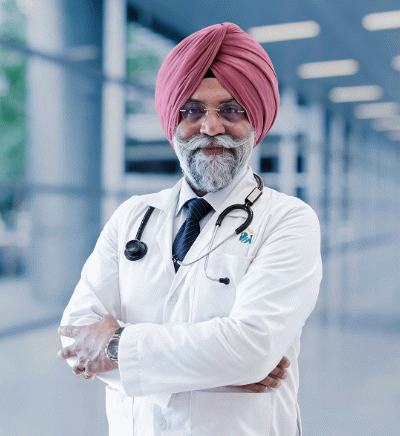
Skull Base Surgery Specialists at Apollo Hospitals, Gurugram






اعلان:
هن صفحي تي ڏنل معلومات صرف عام معلوماتي ۽ تعليمي مقصدن لاءِ آهي. جڏهن ته اسان مناسب ڪوششون ڪريون ٿا ته اها معلومات صحيح، قابل اعتماد، ۽ باقاعدي طور تي نظرثاني ڪئي وڃي، ان کي پيشه ورانه طبي صلاح، تشخيص، يا علاج جو متبادل نه سمجهيو وڃي.
طبي طريقيڪار جي مناسبيت، ان جي فائدن، خطرن، تياري، بحالي، امڪاني پيچيدگين، ۽ متوقع نتيجن سان گڏ، هڪ شخص کان ٻئي شخص ۾ مختلف ٿي سگهن ٿا. توهان جو صحت جي سار سنڀار ڪندڙ پيشه ور اهو طئي ڪندو ته ڇا هڪ طريقيڪار توهان جي انفرادي حالت ۽ طبي تاريخ جي بنياد تي مناسب آهي.
ڪنهن به طبي طريقيڪار بابت فيصلا ڪرڻ کان اڳ مهرباني ڪري ذاتي صلاح لاءِ هڪ قابل صحت جي سار سنڀار ڪندڙ سان صلاح ڪريو.
اسان جي طبي مواد کي ڪيئن ٺاهيو، جائزو ورتو، اپڊيٽ ڪيو، ۽ برقرار رکيو وڃي ٿو، ان بابت وڌيڪ معلومات لاءِ، مهرباني ڪري اسان جي [ايڊٽوريل پاليسي] پڙهو.




