


Microneurosurgery at Apollo Hospitals, Gurugram (Gurgaon)
اپولو ايڊيٽوريل ٽيم پاران جائزو ورتو ويو · آخري ڀيرو نومبر 2026 تي جائزو ورتو ويو
تڪڙو جواب
Microneurosurgery is surgery on the brain, spinal cord and nerves performed under an operating microscope with very fine instruments. The microscope provides strong magnification and bright light, allowing the surgeon to see tiny blood vessels and nerves clearly and to work between them through a relatively small opening. It is the standard technique for removing many brain and spinal tumours, clipping aneurysms, relieving nerve compression and removing slipped discs.
اهم حقيقتون
| طريقو | مائڪرو نيوروسرجري |
| تي موجود آهي | اپولو اسپتالون، گروگرام (گرگائون) |
| او پي ڊي جا وقت | 9 کان ايم اين ايم تائين آهي |
| ملاقاتون | 080 6999 1061 |
خلاصو
Microneurosurgery is surgery on the brain, spinal cord and nerves performed under an operating microscope with very fine instruments. The microscope provides strong magnification and bright light, allowing the surgeon to see tiny blood vessels and nerves clearly and to work between them through a relatively small opening. It is the standard technique for removing many brain and spinal tumours, clipping aneurysms, relieving nerve compression and removing slipped discs.
Microsurgical techniques may help people with brain or spinal cord tumours, aneurysms and vascular malformations, nerve compression syndromes such as trigeminal neuralgia, disc herniation and peripheral nerve injuries. The decision to operate depends on the diagnosis, the size and position of the lesion, the symptoms it causes, your general health and the alternatives, which may include observation, medicines, radiosurgery or endovascular treatment. The surgeon explains what the operation aims to achieve and what risks are specific to the area involved.
Book a consultation at Apollo Hospitals, Gurugram to learn whether microneurosurgery is suitable for you.
Why is Microneurosurgery Necessary?
Structures in the nervous system are delicate and closely packed, and vessels less than a millimetre wide may supply vital areas. Magnification allows the surgeon to treat the problem while handling surrounding tissue as gently as possible.
Conditions That May Require Microneurosurgery
Microneurosurgery may be considered for the following conditions when surgery is indicated.
- دماغي ٽيومر: Used to remove meningiomas, gliomas, vestibular schwannomas and metastases while aiming to preserve surrounding brain and nerves.
- Brain aneurysms and vascular malformations: Microsurgical clipping of an aneurysm or removal of a malformation may be advised depending on its shape, site and bleeding history.
- Spinal cord and nerve root tumours: Tumours within or beside the spinal cord are separated from it under magnification to relieve pressure.
- ڊسڪ هرنيشن ۽ اسپينل اسٽينوسس: Microdiscectomy or microscopic decompression may be recommended when nerve compression persists despite non-surgical treatment.
- Nerve compression and nerve injury: Microvascular decompression for trigeminal neuralgia and repair or grafting of injured peripheral nerves are carried out with microsurgical technique.
ڏسڻ لاءِ نشانيون ۽ علامتون
Symptoms vary with the condition, and commonly include the following.
- Progressive headache: Headache that is steadily worsening or accompanied by vomiting may be linked to a mass inside the skull.
- دورا: New seizures in an adult often lead to a scan that shows a tumour or vascular lesion.
- ڪمزوري يا بي حسي: Loss of power or feeling in the limbs may come from pressure on the brain, spinal cord or a nerve.
- Hearing loss or facial pain: One-sided hearing loss or sharp facial pain can arise from conditions affecting the cranial nerves.
- Difficulty walking or loss of hand dexterity: Stiff legs, imbalance or clumsy hands may suggest compression of the spinal cord.
- Radiating limb pain: Pain travelling down an arm or leg is typical of a compressed nerve root in the spine.
جڏهن ٻيا علاج ڪافي نه هوندا آهن
Not every lesion needs an operation. Small, symptom-free tumours may be monitored, swelling may be eased with steroids, seizures and nerve pain are treated with medicines, and many disc problems improve with physiotherapy. Surgery is considered when a lesion is growing or causing neurological symptoms, when a diagnosis is required, when an aneurysm or malformation poses a risk of bleeding, or when pain and weakness continue in spite of appropriate non-surgical treatment.
Types of Microneurosurgery
Microsurgical technique is applied across several kinds of operation.
- Microsurgical tumour resection: The tumour is removed piece by piece or in one block through a craniotomy, with careful separation from normal tissue.
- Aneurysm clipping: A small metal clip is placed across the neck of the aneurysm to exclude it from the circulation while keeping normal arteries open.
- مائڪرو ويسڪولر ڊيڪمپريشن: A blood vessel pressing on a cranial nerve is moved away and cushioned through a small opening behind the ear.
- Spinal microsurgery: Discs, bone spurs or tumours compressing the spinal cord or nerve roots are removed through a limited incision under the microscope.
- Peripheral nerve microsurgery: Injured nerves are released, repaired or bridged with grafts using stitches finer than a human hair.
هندستان ۾ قانوني ۽ اخلاقي گهرجون
علاج کان اڳ، ڪلينڪل ٽيم اشارن، متبادلن، متوقع فائدن ۽ خطرن جي وضاحت ڪري ٿي، ۽ تحريري باخبر رضامندي حاصل ڪري ٿي. توهان سوال پڇي سگهو ٿا، ٻي راءِ حاصل ڪري سگهو ٿا ۽ فيصلو ڪرڻ لاءِ وقت وٺي سگهو ٿا.
انفرادي تشخيص لاءِ اپولو اسپتال، گروگرام ۾ نيورو سائنسز ٽيم سان صلاح ڪريو.
Risks of Delaying Microneurosurgery
Postponing surgery that has been recommended may carry the following risks.
- Growth of the lesion: A larger tumour may be more firmly attached to vital structures and harder to remove safely.
- Irreversible neurological loss: Prolonged pressure on the brain, spinal cord or nerves can cause deficits that do not recover after later surgery.
- بلندي: An aneurysm or vascular malformation may rupture and cause a sudden, serious haemorrhage.
- اندروني دٻاءُ ۾ اضافو: Increasing swelling or blocked fluid flow may cause drowsiness and require emergency treatment.
- Poorer nerve recovery: After a nerve injury, the chance of regaining muscle function falls if repair is delayed for many months.
Discuss with your surgeon how soon the operation should take place and what changes in symptoms to watch for meanwhile.
Benefits of Microneurosurgery
For suitable patients, microsurgical technique may offer the following.
- Precise removal or repair: Magnified vision helps the surgeon distinguish abnormal tissue from normal tissue during the operation.
- Protection of small vessels and nerves: Fine structures can be identified and preserved more reliably than with the naked eye.
- Smaller openings: Good light and magnification allow many operations to be done through limited exposures.
- Relief of pressure symptoms: Removing a mass or freeing a nerve may improve pain, weakness or other symptoms in many patients.
- Tissue for diagnosis: The removed tissue is examined in the laboratory to confirm the diagnosis and guide any further treatment.
- Durable treatment in selected conditions: Complete removal of some benign tumours, or secure clipping of an aneurysm, may provide long-lasting control.
The outcome depends on the nature and location of the condition and on each person's health, and cannot be guaranteed.
Microneurosurgery at Apollo Hospitals, Gurugram (Gurgaon)
Why Choose Apollo Hospitals, Gurugram for Microneurosurgery?
Apollo Hospitals, Gurugram combines specialist assessment with coordinated care for people who need microneurosurgery.
- ماهر جائزو: A neurosurgeon evaluates your symptoms, examination and imaging to decide whether surgery is advisable and what it can realistically achieve.
- Operative planning: The approach, position and any monitoring of nerve function during surgery are planned in advance with the anaesthesia and neurophysiology teams.
- Post-operative care and review: Recovery is supervised by nursing and rehabilitation staff, and the pathology report and further plan are discussed at follow-up.
- گھڻ-شعبي منصوبه بندي: لاڳاپيل کاتن جا ماهر منصوبي جي سفارش ڪرڻ کان اڳ گڏجي پيچيده ڪيسن جو جائزو وٺندا آهن.
- انفرادي علاج: سفارشون توهان جي علامتن، ٽيسٽ جي نتيجن، عمر، مجموعي صحت ۽ ترجيحن تي غور ڪن ٿيون.
- مريض تي ڌيان ڏيندڙ رابطو: سنڀال ٽيم تياري، متوقع بحالي، دوائون ۽ خبرداري جي نشانين کي سادي ٻولي ۾ بيان ڪري ٿي.
- سار سنڀال جو تسلسل: فالو اپ وزٽ بحالي کي ٽريڪ ڪن ٿا ۽ وقت سان گڏ بنيادي حالت کي منظم ڪرڻ ۾ مدد ڪن ٿا.
Microneurosurgery Care for Patients in Gurugram and Delhi NCR
Apollo Hospitals, Gurugram is located on Golf Course Road, Sector 28, Gurugram, Haryana 122009. It offers Microneurosurgery for patients from Gurugram, the wider Delhi NCR and Haryana, with specialist doctors, nursing and diagnostic teams working together from assessment to follow-up.
How to Reach the Microneurosurgery Team in Gurugram
- ائڊريس: اپولو اسپتالون گروگرام، گولف ڪورس روڊ، سيڪٽر 28، گروگرام، هريانا 122009
- فون: 0124-6501600 يا 08069991061
- ڪتاب آن لائن: Book a Microneurosurgery consultation in Gurugram
اپولو اسپتالون، گروگرام ڏانهن هدايتون حاصل ڪريو
اپولو اسپتالون، گروگرام گولف ڪورس روڊ، سيڪٽر 28 تي آهي. اسپتال جي جڳھ کي کوليو ۽ گوگل ميپس تي هدايتون حاصل ڪريو.
جيڪڏهن توهان گروگرام کان ٻاهر رهندا آهيو
If you are travelling from elsewhere in Delhi NCR or Haryana, ask the care team how to plan your consultation, tests and follow-up visits for Microneurosurgery so that you are not making more trips than needed.
پهرين صلاح مشوري تي ڇا آڻيو
- توهان جي حالت سان لاڳاپيل اسڪين، ٽيسٽ رپورٽون ۽ اڳوڻي طبي رڪارڊ.
- توهان جي موجوده دوائن ۽ ڪنهن به الرجي جي فهرست
- جيڪڏهن توهان وٽ فوٽو سڃاڻپ ڪارڊ ۽ انشورنس تفصيل آهن ته
گروگرام جي اپولو اسپتالن ۾ لاڳاپيل سنڀال
اپولو اسپتال، گروگرام ۾ نيورو سائنسز ڊپارٽمينٽ کي ڳولهيو ته جيئن موجود ماهرن ۽ خدمتن بابت ڄاڻ حاصل ڪري سگهجي.
Preparation for Microneurosurgery
ڪلينڪل تشخيص
Your specialist first confirms the diagnosis and whether microneurosurgery is the right option.
- پنهنجي تاريخ شيئر ڪريو: Describe how your symptoms began and changed, previous operations or radiotherapy, other illnesses, allergies and all medicines including blood thinners.
- امتحان ۾ شرڪت: A full neurological examination, sometimes with hearing, vision or nerve conduction tests, records your function before surgery.
- متبادل تي بحث ڪريو: Ask whether observation, radiosurgery, endovascular treatment or an endoscopic approach could be considered instead of microsurgery.
علاج کان اڳ ٽيسٽ
The following tests are commonly performed before a microneurosurgical operation.
- MRI with contrast: Defines the lesion and its relationship to the brain, spinal cord, nerves and vessels.
- سي ٽي اسڪين: Shows bone detail, calcification and any recent bleeding, and helps in planning the bone opening.
- انجيوگرافي: CT, MR or catheter angiography maps the blood vessels when the lesion is vascular or lies next to major arteries.
- Nerve conduction and EMG studies: Assess the site and severity of a peripheral nerve problem before repair or release.
- رت جا امتحان ۽ بي هوشي جو جائزو: Check blood count, clotting, kidney function and overall fitness for a long anaesthetic.
دوائون ۽ الرجي
دوائن ۾ تبديليون صرف علاج ڪندڙ ٽيم جي صلاح سان ڪرڻ گهرجن.
- دوائن جي فهرست ڏيو: نسخن جون دوائون، انسولين، رت پتلا ڪندڙ، سپليمنٽس ۽ اوور دي ڪائونٽر دوائون شامل ڪريو.
- الرجي جي رپورٽ ڪريو: ٽيم کي ڪنٽراسٽ ڊائي، دوائن، ليٽڪس يا اينسٿيسيا جي پوئين رد عمل بابت ٻڌايو.
- مخصوص هدايتن تي عمل ڪريو: توهان کي طريقيڪار کان اڳ رت پتلي ڪندڙ يا ذیابيطس جون دوائون ترتيب ڏيڻ لاءِ چيو ويندو.
کاڌو ۽ عملي منصوبه بندي
اسپتال جي ذاتي داخلا ۽ روزي جي هدايتن تي عمل ڪريو.
- روزي جي هدايتن تي عمل ڪريو: جيڪڏهن روزو رکڻ جي ضرورت هجي ته، توهان کي ٻڌايو ويو آهي ته وقت تي کاڌو ۽ پاڻي بند ڪريو.
- سپورٽ ترتيب ڏيو: ڪنهن ذميوار بالغ کي چئو ته هو توهان سان گڏ هجي ۽ ڊسچارج کان پوءِ مدد ڪري.
- پنهنجي رهائش جو منصوبو ٺاهيو: سڃاڻپ ڪارڊ، رپورٽون، آرامده ڪپڙا ۽ ضروري ذاتي شيون پاڻ سان گڏ آڻيو.
رضامندي ۽ آخري جائزو
ٽيم علاج کان اڳ حفاظتي چڪاس مڪمل ڪري ٿي ۽ سوالن جا جواب ڏئي ٿي.
- منصوبي کي سمجھو: متوقع فائدن، حدن، متبادل ۽ ممڪن پيچيدگين جو جائزو وٺو.
- رضامندي جي تصديق ڪريو: توهان جي سمجهه ۾ ايندڙ معلومات حاصل ڪرڻ کان پوءِ ئي رضامندي فارم تي صحيح ڪريو.
- تبديلين جي رپورٽ ڪريو: طريقيڪار کان اڳ اسپتال کي بخار، انفيڪشن يا ڪنهن به نئين علامت بابت آگاهه ڪريو.
Recovery After Microneurosurgery
علاج کان فوري پوءِ
طريقيڪار ختم ٿيڻ سان ئي نگراني شروع ٿي ويندي آهي.
- Intensive monitoring: After brain surgery you are usually observed in an intensive care or high-dependency area for the first night.
- Neurological checks and imaging: Staff repeatedly assess your alertness and limb strength, and a scan may be done to check the operated area.
- Pain relief and mobilisation: Pain and nausea are treated, and you are helped out of bed as soon as your condition allows.
گهر ۾ سنڀال
پنهنجي صورتحال لاءِ ڏنل خارج ٿيڻ جي صلاح تي عمل ڪريو.
- زخم جي سنڀال: Keep the incision clean and dry, avoid scratching it, and return for removal of stitches or clips as advised.
- دوائون Take anti-seizure medicines, steroids and pain relief exactly as prescribed, tapering only on medical advice.
- Graded activity and rest: Expect to tire easily at first, balance short walks with rest, and avoid heavy lifting until permitted.
دوائون ۽ فالو اپ
جاري سنڀال بحالي ۾ مدد ڪري ٿي ۽ علاج جي نتيجي جي جانچ ڪري ٿي.
- دوائون صحيح طرح وٺو: تجويز ڪيل دوائون جاري رکو ۽ انهن کي صلاح کان سواءِ بند نه ڪريو.
- جائزي جي دورن ۾ شرڪت ڪريو: فالو اپ ۾ امتحان ۽ ٻيهر ٽيسٽ شامل ٿي سگھي ٿي.
- ٽريڪ علامات: پنهنجي علامتن ۾ ڪنهن به تبديلي کي نوٽ ڪريو ۽ ان کي پنهنجي جائزي ۾ شيئر ڪريو.
عام سرگرمين ڏانهن واپسي
After a microdiscectomy many people resume desk work in two to four weeks, whereas after brain surgery four to eight weeks or longer is common, depending on the condition and any further treatment. Driving after brain surgery is not permitted until your doctor confirms it is safe, and seizure-related restrictions may apply. Begin with walking and increase activity gradually. Strenuous exercise and contact sports should be discussed with your surgeon before you restart them.
خبردار ڪندڙ نشانيون جن کي فوري طبي ڌيان جي ضرورت آهي
جيڪڏهن هيٺ ڏنل مان ڪا به صورت پيدا ٿئي ته فوري طور تي طبي مدد حاصل ڪريو.
- Severe or worsening headache with vomiting: Attend the emergency department promptly, as this may be due to bleeding or swelling.
- New weakness, numbness, confusion or speech difficulty: Seek urgent assessment and do not wait for a routine appointment.
- قبضو: Call for emergency help and let your surgical team know as soon as possible.
- Fever, or a red, swollen or leaking wound: Contact the hospital the same day, particularly if clear fluid is draining.
- Leg swelling, chest pain or breathlessness: Seek emergency care, since these may be signs of a blood clot.
Take the Next Step Towards Microneurosurgery Care
A specialist consultation can clarify whether microneurosurgery is right for you and what the alternatives are.
جڏهن موجود هجي ته هيٺ ڏنل دستاويز کڻي اچو:
- ميڊيڪل رڪارڊ: اڳوڻي صلاح مشوري جا نوٽس، ڊسچارج خلاصا ۽ نسخا پاڻ سان گڏ کڻي وڃو.
- ٽيسٽ رپورٽون: پنهنجي حالت سان لاڳاپيل اسڪين، رت جا نتيجا ۽ ٻيون جاچون پاڻ سان گڏ آڻيو.
- دوائن جي فهرست: موجوده دوائون، سپليمنٽس ۽ الرجي شامل ڪريو.
- سڃاڻپ ۽ ڪوريج جا تفصيل: صحيح سڃاڻپ، انشورنس ڪاغذ ۽ ريفرل دستاويز کڻي وڃو.
Book your microneurosurgery consultation with Apollo Hospitals, Gurugram today.
Frequently Asked Questions About Microneurosurgery
What is the difference between microneurosurgery and conventional neurosurgery?
Microneurosurgery uses an operating microscope and fine instruments, whereas older conventional techniques relied on the naked eye or simple magnifying loupes. The microscope gives a magnified, brightly lit, three-dimensional view that allows more delicate work through smaller openings. Today most operations on the brain, spinal cord and nerves use microsurgical technique.
What are the risks of microneurosurgery?
The risks depend on the operation and the area involved. General risks include bleeding, infection, seizures, leakage of spinal fluid, blood clots and anaesthetic complications. There is also a risk of new or worsened neurological problems such as weakness, speech or vision difficulty. Your surgeon will explain the likelihood for your particular procedure.
How long does a microneurosurgical operation take?
The duration varies widely. A lumbar microdiscectomy often takes about one to two hours, while removal of a brain tumour or clipping of an aneurysm commonly takes three to six hours and occasionally longer for complex cases. Time for anaesthesia, positioning and waking up is in addition.
مان اسپتال ۾ ڪيترو وقت رهندس؟
Hospital stay depends on the procedure. After spinal microsurgery many patients go home within one to three days. After brain surgery a stay of about five to seven days is usual, including a period of close observation initially. Some patients need additional time for rehabilitation before they are ready for discharge.
Will I have pain after the operation?
Some pain is expected but is usually manageable. Headache and wound soreness after brain surgery tend to ease over one to two weeks and respond to regular pain relief. After spinal surgery, muscle soreness around the incision is common. Tell the nursing team if pain is not controlled so that medicines can be adjusted.
Which is the best hospital for Microneurosurgery in Gurugram?
The right hospital depends on your condition and your doctor's advice. Apollo Hospitals, Gurugram offers specialist assessment, diagnostics and coordinated care for microneurosurgery. Compare the team's experience, the facilities and the follow-up care on offer before you decide.
How do I book a consultation for Microneurosurgery at Apollo Hospitals, Gurugram?
توهان هن صفحي تي ڏنل بڪنگ لنڪ ذريعي آن لائن بڪ ڪري سگهو ٿا، يا 08069991061 تي ڪال ڪريو. او پي ڊي جا وقت صبح 9 وڳي کان شام 4 وڳي تائين آهن. سنڀال ٽيم توهان کي صحيح ماهر جي رهنمائي ڪندي.
اپولو اسپتالون، گروگرام ڪٿي آهي؟
اپولو اسپتالون، گروگرام گولف ڪورس روڊ، سيڪٽر 28، گروگرام، هريانا 122009 تي آهي.
What should I bring to my first consultation for Microneurosurgery?
پنهنجي حالت سان لاڳاپيل ڪنهن به اسڪين ۽ ٽيسٽ رپورٽ، اڳوڻي طبي رڪارڊ، پنهنجي موجوده دوائن ۽ الرجي جي فهرست، هڪ فوٽو سڃاڻپ ڪارڊ ۽ جيڪڏهن توهان وٽ انشورنس تفصيل آهن ته اهي پاڻ سان گڏ آڻيو.
Can patients from outside Gurugram get Microneurosurgery care at Apollo Hospitals, Gurugram?
ها. دهلي اين سي آر، هريانا ۽ هندستان جي ٻين حصن جا مريض گروگرام جي اپولو اسپتالن جي ٽيم سان صلاح ڪري سگهن ٿا. جڏهن توهان بڪنگ ڪريو ته پنهنجون رپورٽون شيئر ڪريو ته جيئن ٽيم توهان جي دوري جي منصوبابندي ڪري سگهي.
طبي دستبرداري: هي معلومات عام تعليم لاءِ آهي ۽ ڪنهن قابل ڊاڪٽر سان صلاح مشوري جي جاءِ نٿي وٺي. علاج جا فيصلا انفرادي تشخيص تي منحصر آهن.
تازا شامل ٿيل


Microneurosurgery Specialists at Apollo Hospitals, Gurugram



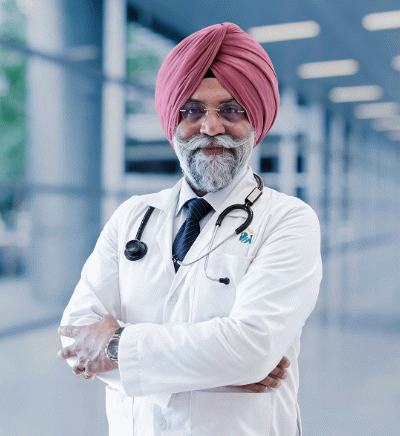



اعلان:
هن صفحي تي ڏنل معلومات صرف عام معلوماتي ۽ تعليمي مقصدن لاءِ آهي. جڏهن ته اسان مناسب ڪوششون ڪريون ٿا ته اها معلومات صحيح، قابل اعتماد، ۽ باقاعدي طور تي نظرثاني ڪئي وڃي، ان کي پيشه ورانه طبي صلاح، تشخيص، يا علاج جو متبادل نه سمجهيو وڃي.
طبي طريقيڪار جي مناسبيت، ان جي فائدن، خطرن، تياري، بحالي، امڪاني پيچيدگين، ۽ متوقع نتيجن سان گڏ، هڪ شخص کان ٻئي شخص ۾ مختلف ٿي سگهن ٿا. توهان جو صحت جي سار سنڀار ڪندڙ پيشه ور اهو طئي ڪندو ته ڇا هڪ طريقيڪار توهان جي انفرادي حالت ۽ طبي تاريخ جي بنياد تي مناسب آهي.
ڪنهن به طبي طريقيڪار بابت فيصلا ڪرڻ کان اڳ مهرباني ڪري ذاتي صلاح لاءِ هڪ قابل صحت جي سار سنڀار ڪندڙ سان صلاح ڪريو.
اسان جي طبي مواد کي ڪيئن ٺاهيو، جائزو ورتو، اپڊيٽ ڪيو، ۽ برقرار رکيو وڃي ٿو، ان بابت وڌيڪ معلومات لاءِ، مهرباني ڪري اسان جي [ايڊٽوريل پاليسي] پڙهو.




