


Arotakehia e te Rōpū Etita Apollo
Whakautu tere
Splenectomy is surgery to remove the spleen, an organ under the left ribs that filters blood and helps fight infection. It is done for a ruptured spleen, certain blood disorders, an enlarged spleen causing problems, and some tumours or cysts. It can be done by open or laparoscopic (keyhole) surgery. People can live without a spleen, but they have a lifelong higher risk of some serious infections, so vaccinations and prompt treatment of fever are essential.
| Nga korero nui | taipitopito |
|---|---|
| He aha te mea | Surgical removal of all, or sometimes part, of the spleen |
| Nga take matua | Injury, blood disorders, enlarged spleen, cysts, abscess or tumours |
| Nga momo matua | Tuwhera me te laparoscopy |
| Anesthesia | Anestheia whānui |
| Noho i te hohipera | About two days to a week, depending on the method and the reason |
| Whakaora | Around two to six weeks |
| Lifelong care | Vaccinations, quick medical attention for fever, and sometimes preventive antibiotics |
| I mahia e | General, gastrointestinal or trauma surgeon |
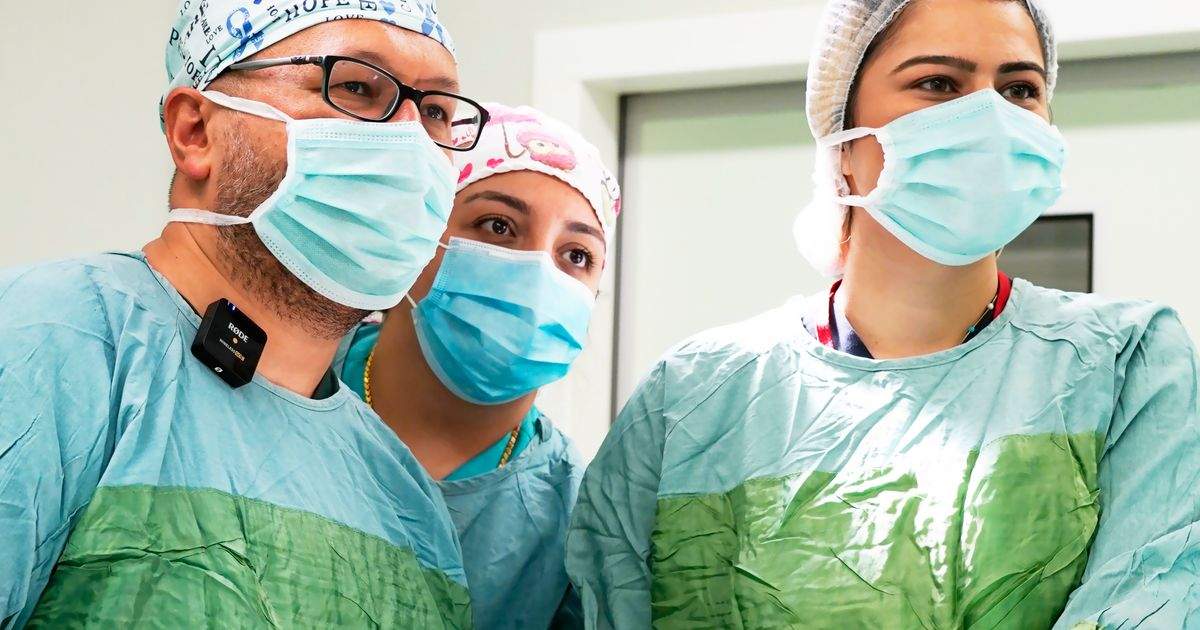
He aha te splenectomy?
The spleen sits in the upper left abdomen, behind the stomach. It removes old blood cells, stores some blood cells and helps the immune system clear certain bacteria from the blood. In a splenectomy, the surgeon ties off the blood vessels to the spleen and removes it. Other organs, mainly the liver, take over much of its filtering work. In selected cases only part of the spleen is removed (partial splenectomy) to keep some of its immune function.
Other names for splenectomy
- Spleen removal surgery
- Spleen operation
- Total splenectomy
- Partial splenectomy
- Keyhole spleen removal
Types of splenectomy
There are two main approaches. Each has its own detailed page.
| momo | He aha te mea | Ina whakamahia whānuitia | Pānuitia atu |
|---|---|---|---|
| tuwhera | The spleen is removed through one larger cut in the upper abdomen | Emergencies such as a ruptured spleen with heavy bleeding, a very large spleen, or when keyhole surgery is not safe | Te tango i te splenectomy tuwhera |
| Laparoscopic | Keyhole surgery through a few small cuts, using a camera and slim instruments | Most planned operations where the spleen is normal or moderately enlarged | Te tango i te splenectomy laparoscopic |
A papahaupōuri operation sometimes has to be changed to an open one during surgery for safety.
Why is splenectomy done?
- whara: a puehu pakaru with bleeding that cannot be controlled in other ways
- Nga mate toto: pērā i te toto toto ārai mate, spherocytosis tuku iho, and some cases of te thalassemia or mate pukupuku, usually when other treatments have not worked
- Enlarged or overactive spleen: splenomegaly or hypersplenism causing pain or low blood counts
- Growths and infection: cysts, abscesses, panui and other tumours of the spleen
- As part of another operation: for example, some stomach or pancreas surgery
Because the spleen protects against infection, doctors try to save it where possible. Many spleen injuries are now managed without surgery, and many blood disorders are first treated with medicines.
How is splenectomy done in general?
For planned surgery, you will have blood tests such as a whakaoti toto, me te ultrasound or CT scan to check the size of the spleen. Vaccinations are ideally given at least two weeks before the operation. Some people need a whakawhiti of blood or platelets around the time of surgery.
Ka whakahaerehia te mahi i raro i te mana o te tikanga whānui anesthesia. The surgeon frees the spleen from the tissues around it, seals and divides its blood vessels, and removes it. In keyhole surgery the spleen is placed in a bag and taken out through one of the small cuts.
Risks of splenectomy
- Te toto i te wā o te pokanga, i muri rānei i te pokanga
- Infection of the wound, chest or abdomen
- Injury to nearby organs such as the pancreas, stomach or bowel
- Blood clots, including in the veins near the liver and in the legs or lungs
- A rise in platelet count after surgery, which your doctor will monitor
- Hernia at a wound site and reactions to anaesthesia
- The original blood disorder not improving as hoped
Lifelong infection risk and vaccination
This is the most important long-term point. Without a spleen, the body is less able to fight certain bacteria. Infections such as pneumonia, meningitis and blood poisoning are uncommon, but when they happen they can become severe within hours. The risk is highest in the first few years and in children, but it never fully goes away.
- Have the recommended vaccines: pneumococcal, meningococcal and Hib vaccines, plus a flu vaccine every year. After emergency surgery, they are usually given about two weeks later. Ask about booster doses.
- Some people, especially children, are advised to take a daily preventive antibiotic, or to keep an emergency supply at home.
- Treat any fever as urgent. Go to a doctor or emergency department the same day and say that you have no spleen.
- Carry a card or wear a medical alert stating that your spleen has been removed.
- Get medical advice after an animal bite, and before travel to areas with malaria.
Recovery after splenectomy
After laparoscopic surgery, most people go home in two to three days and return to normal activity in about two to three weeks. After open surgery, the stay is usually up to a week and recovery takes four to six weeks. Walk early, do the breathing exercises you are shown, and avoid heavy lifting until your surgeon clears you.
Ahea ki te rapu awhina hauora
- Fever, chills or shivering, at any time in your life after splenectomy
- Te whakanui ake i te mamae o te puku, te pupuhi rānei
- Bleeding, redness or discharge from a wound
- Breathlessness, chest pain or a persistent cough
- Te mamae, te pupuhi rānei i te waewae kotahi
- Repeated vomiting or inability to eat or drink
What is the cost of splenectomy in India?
Ko te utu ka whakawhirinaki ki etahi take:
- Open or laparoscopic method
- Pokanga kua whakaritea, kua ohorere rānei
- The underlying condition and size of the spleen
- Need for blood products or intensive care
- Length of stay, type of room and vaccinations
- Te tāone me te hōhipera
He rerekē ngā utu i ia tangata, i ia tangata. Tena koa tirohia ki te hōhipera mō ngā utu tuturu.
Health insurance usually covers medically necessary spleen surgery. Check your policy terms before admission.
Why choose Apollo Hospitals for splenectomy?
- Surgeons experienced in open and laparoscopic spleen surgery
- Emergency and trauma care with blood bank and intensive care support
- Haematology teams for patients with blood disorders
- Vaccination planning and written advice on infection prevention before discharge
To discuss spleen surgery, you can whakaritea he wā hui ki te taote pokanga whānui i nga hohipera Apollo.
Questions to ask your doctor about splenectomy
- Is removing my spleen the only option, or can it be saved or partly kept?
- Will the surgery be open or laparoscopic, and why?
- Which vaccines do I need, and when?
- Do I need to take preventive antibiotics, and for how long?
- What should I do if I get a fever?
- How will my blood counts be followed afterwards?
FAQs
1. Can you live a normal life without a spleen?
Yes. Most people lead a normal, active life after splenectomy. The main difference is a lifelong higher risk of certain serious infections, which is managed with vaccines, awareness and quick treatment of fever.
2. Which vaccines are needed after splenectomy?
Doctors usually recommend pneumococcal, meningococcal and Hib vaccines, along with a yearly flu vaccine. Your doctor will give you a schedule suited to your age and health.
3. Is laparoscopic splenectomy better than open splenectomy?
Keyhole surgery usually means less pain, smaller scars and a faster recovery, so it is preferred for most planned operations. Open surgery is safer in emergencies with heavy bleeding and for very large spleens.
4. Is splenectomy a major surgery?
Yes. It is done under general anaesthesia and involves an organ with a rich blood supply.
5. How long does recovery take after splenectomy?
Around two to three weeks after laparoscopic surgery and four to six weeks after open surgery.
6. Will I need antibiotics for life?
Not everyone does. Daily preventive antibiotics are often advised for children and for the first few years after surgery, and for some adults at higher risk. Many adults are given an emergency supply to start if fever develops.
7. Will splenectomy cure my blood disorder?
It helps many people with conditions such as immune thrombocytopenia and hereditary spherocytosis, but it does not work for everyone. Your haematologist can tell you the likely benefit in your case.
8. Which doctor performs splenectomy?
A general surgeon, gastrointestinal surgeon or trauma surgeon performs splenectomy, often working with a haematologist when the reason is a blood disorder.
Opaniraa
Splenectomy can be life-saving after injury and helpful in several blood and spleen conditions. It can be done by open or laparoscopic surgery. The key to staying well afterwards is lifelong protection against infection: keep your vaccinations up to date and never ignore a fever.
He whārangi whānui tēnei, ehara i te mea hei whakakapi i ngā tohutohu a tō tākuta. Me whakatau ngā whakatau maimoatanga me te tohunga whai tohu e mōhio ana ki tō hītori hauora.
Kua honoa mai nei


Ngā Tākuta Whānui i ngā Hōhipera Apollo







Whakakape:
Ko ngā mōhiohio kei runga i tēnei whārangi he mea whakarite mō ngā kaupapa mōhiohio whānui me ngā kaupapa mātauranga anake. Ahakoa e whakapau kaha ana mātou ki te whakarite kia tika, kia pono, kia arotakehia hoki ngā mōhiohio i ia wā, kaua e kiia he whakakapi mō ngā tohutohu hauora ngaio, te tātaritanga, te maimoatanga rānei.
Tērā pea ka rerekē te tika o tētahi tikanga hauora, me ōna painga, mōrearea, whakaritenga, whakaoranga, raruraru pea, me ngā putanga e tumanakohia ana, i ia tangata, i ia tangata. Mā tō tohunga hauora e whakatau mēnā he tika tētahi tikanga i runga i tō āhua ake me tō hītori hauora.
Tena koa kōrero ki tētahi tohunga hauora whai tohu mō ngā tohutohu whaiaro i mua i te whakatau i tētahi tikanga hauora.
Mō ētahi atu kōrero e pā ana ki te waihanga, te arotake, te whakahou, me te tiaki i ā mātou ihirangi hauora, pānuihia tā mātou [Kaupapahere Etita].




