


Arotakehia e te Rōpū Etita Apollo
Whakautu tere
Nasal polyp surgery removes soft, non-cancerous swellings that block the nose and sinuses. It is done through the nostrils with a thin telescope called an endoscope, so there are no cuts on the face. It is usually advised when nasal sprays and other medical treatment have not given enough relief. Surgery improves breathing and often smell, but polyps can grow back, so most people need to continue nasal sprays and follow up afterwards.
| Nga korero nui | taipitopito |
|---|---|
| He aha te mea | Removal of nasal polyps through the nostrils using an endoscope, often with opening of the blocked sinuses |
| Te take matua | Polyps causing blocked nose, loss of smell or repeated sinus infections despite medical treatment |
| Anesthesia | Usually general anaesthesia. Small single polyps may be removed under local anaesthesia |
| Te wa i tangohia | About 30 minutes to 2 hours, depending on the extent |
| Noho i te hohipera | Tiaki awatea, tiaki pō kotahi rānei |
| Te wa mahi | Around 1 to 2 weeks |
| Herenga matua | Polyps can return. Long term nasal care is usually needed |
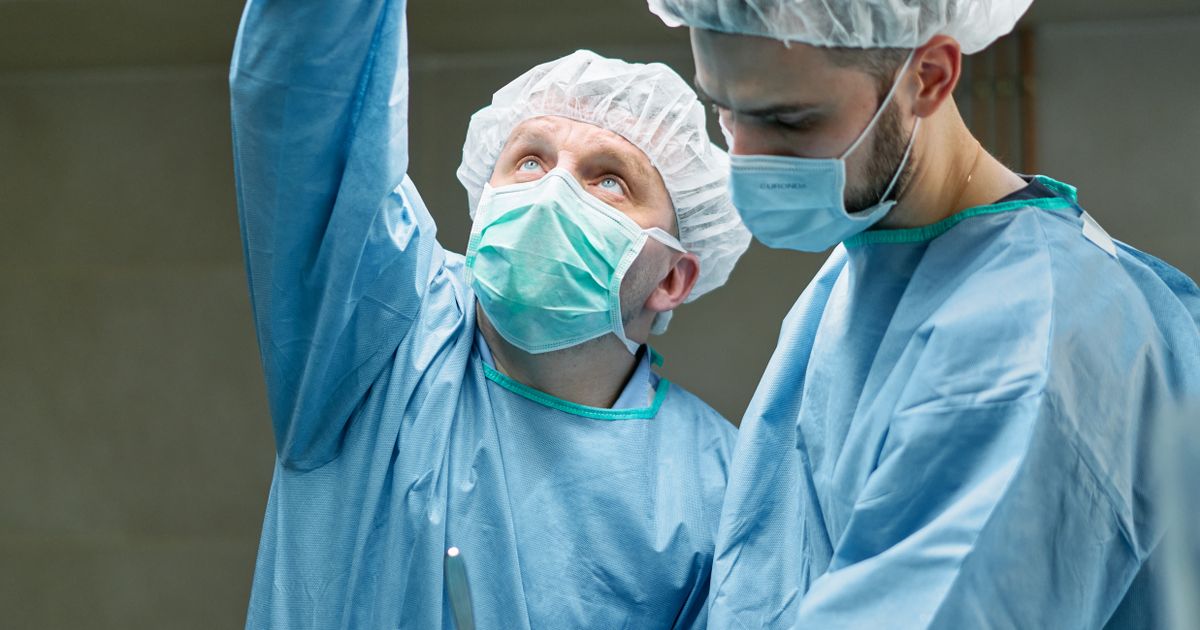
What is nasal polyp surgery?
polyps nasal are soft, painless, grape-like swellings that grow from the lining of the nose and sinuses. They are not cancer. They form when the lining stays inflamed for a long time, a condition doctors call chronic rhinosinusitis with nasal polyps. As they grow they block the nasal passages and the narrow openings through which the sinuses drain.
Nasal polyp surgery removes these swellings. The surgeon passes an endoscope and fine instruments through the nostrils, sees the polyps on a screen and removes them. In most people the surgeon also widens the natural drainage openings of the sinuses in the same operation, so that mucus can drain and nasal sprays and rinses can reach the lining afterwards.
Other names for nasal polyp surgery
- Polypectomy nasal
- Endoscopic nasal polypectomy
- Endoscopic sinus surgery for nasal polyps
- Te tango polyp nasal
- FESS for nasal polyps
Why is nasal polyp surgery done?
Treatment of nasal polyps starts with medicines, not surgery. Steroid nasal sprays or drops, salt water rinses and sometimes a short course of steroid tablets shrink polyps in many people. Surgery is considered when:
- The nose stays blocked despite a proper trial of medical treatment
- Smell and taste are lost or much reduced (anosmia)
- There are repeated or long lasting sinus infections (sinusitis)
- Polyps make huangō uaua ake ki te whakahaere
- Polyps contribute to ngongoro and poor sleep
- A polyp is on one side only or looks unusual, so that tissue must be examined under a microscope to rule out a tumour
- There are signs of a complication, such as pressure on the eye
Polyps are more common in people with asthma, sensitivity to certain painkillers, allergic fungal sinus disease and, in children, Ko te fibrosis tuuturu. Surgery removes the polyps but does not cure the underlying tendency of the lining to become inflamed.
Types of nasal polyp surgery
The choice depends on where the polyps start, how far the sinuses are involved and whether you have had surgery before.
| momo | He aha te mea kua oti | Ina whakamahia |
|---|---|---|
| Simple endoscopic polypectomy | Polyps in the nasal passage are removed with a powered shaver or fine forceps. The sinuses are not opened | A few polyps limited to the nasal passage, or people not fit for longer surgery. Relief may be shorter |
| Polypectomy with endoscopic sinus surgery | Polyps are removed and the blocked sinus openings are widened | The usual operation for polyps arising from the sinuses on both sides |
| Extended or revision sinus surgery | Wider opening of several or all sinuses, sometimes with computer image guidance | Extensive disease, polyps that have returned, or altered anatomy from earlier surgery |
| Removal of an antrochoanal polyp | A single large polyp is removed along with its stalk inside the cheek sinus | A one-sided polyp, seen more often in children and young adults |
How nasal polyp surgery relates to FESS
Pokanga sinus endoscopic mahi (FESS) is the operation that opens the natural drainage pathways of the sinuses. Nasal polyp surgery and FESS are not rival operations. Because most polyps begin inside the sinuses, removing only the part that hangs into the nose often gives short relief. For this reason, polyp removal is commonly done as part of FESS. A simple polypectomy without FESS is kept for selected cases. Te pokanga poihau, which stretches sinus openings with a balloon, does not remove polyps and is generally not suitable when polyps are present. If a bent nasal partition (te wehenga o te septum ihu) blocks access, a heparapara may be added in the same sitting.
Who is suitable for nasal polyp surgery?
You may be suitable if polyps have been confirmed on examination, your symptoms affect daily life, and medical treatment taken correctly for a reasonable period has not worked or cannot be continued. You should also be fit for anaesthesia.
Who may not be suitable, or may need to wait
- People who have not yet had a proper trial of nasal sprays and rinses
- People with poorly controlled asthma, until the chest is stable
- People with an active chest or sinus infection, until it is treated
- People with bleeding disorders or on blood thinners, until a safe plan is made
- People with serious heart or lung disease that makes anaesthesia risky
- People who expect a permanent cure from one operation. Surgery controls the disease but does not remove its cause
How to prepare for nasal polyp surgery
whakamātautau
- Te tirotiro ihu in the clinic to see the polyps
- A CT scan of the sinuses, which gives the surgeon a map of the disease and of nearby structures such as the eyes and skull base
- Ngā whakamātautau toto pērā i te whakaoti toto, and other tests needed for anaesthesia
- An whakamātautau mate pāwera or breathing tests in selected people
Ngā rongoā hei matapaki
- Blood thinners and painkillers that affect bleeding. The doctor will tell you if and when to stop them
- Herbal products and supplements, some of which increase bleeding
- Asthma inhalers, which are usually continued
- A short course of steroid tablets or antibiotics before surgery, which some surgeons prescribe to reduce swelling and bleeding
I te ra
- Do not eat or drink for the period advised before anesthesia
- Stop smoking as early as possible before surgery, as smoking slows healing
- Arrange for an adult to take you home and stay with you the first night
How is nasal polyp surgery performed?
- Whakamaoritanga: You are given general anaesthesia in most cases. Medicine is applied inside the nose to shrink the lining and reduce bleeding.
- Viewing the nose: The surgeon passes an endoscope through the nostril. The picture is shown on a screen. No cuts are made on the face.
- Removing the polyps: Polyps are removed with a powered shaver, which trims and suctions tissue at the same time, or with fine grasping instruments.
- Opening the sinuses: If planned, the thin bony partitions blocking the sinus openings are removed so the sinuses can drain. The lining is preserved as far as possible.
- Sending tissue for testing: Removed tissue is sent to the laboratory, which is routine and especially important for one-sided polyps.
- Controlling bleeding: Bleeding points are sealed. Dissolvable dressings or soft packs may be placed in the nose. Some surgeons use no packing.
- Waking up: You are moved to the recovery area and monitored until fully awake.
What happens after the surgery?
You may go home the same day or stay overnight. The nose feels blocked for the first one to two weeks because of swelling, crusts and dressings. Mild blood-stained discharge for a few days is normal. Pain is usually mild and feels like pressure or a dull headache. If packs were placed, they are removed in a day or two unless they are dissolvable. You will be shown how to rinse the nose with salt water, which usually starts within a day or two and is an important part of healing.
Risks and complications of nasal polyp surgery
Common
- Blocked nose, crusting and blood-stained discharge for one to two weeks
- Minor bleeding (nga waahi)
- Temporary reduction in smell while the lining heals
- Return of polyps over months or years
Pata
- Heavier bleeding that needs packing or a return to the operating room
- Te mate
- Scar bands inside the nose (adhesions) that may need to be divided
- Lasting change in smell
- Watering of the eye from injury to the tear duct
Rare but serious
- Injury to the eye socket, causing bruising around the eye, double vision or, very rarely, loss of vision
- Leak of the fluid that surrounds the brain through the thin bone at the roof of the nose, which may need repair and carries a risk of meningitis
- Risks of general anaesthesia
The sinuses lie close to the eyes and the brain, which is why the CT scan and the surgeon's training matter. Serious complications are rare.
How well does nasal polyp surgery work?
Most people breathe more freely through the nose after surgery, and many notice fewer sinus infections and better sleep. Smell improves in many people, but the return of smell is less predictable than the relief of blockage, particularly if it has been absent for years.
Polyps come back in a sizeable proportion of people over time, and some need another operation. The chance is higher in people with asthma, sensitivity to certain painkillers, allergic fungal sinus disease or polyps that returned after earlier surgery. Using the prescribed nasal spray and rinses regularly after surgery lowers this risk. For severe disease that keeps returning, newer injectable medicines that act on the immune system may be discussed by your specialist.
Recovery after nasal polyp surgery
- Rest at home for the first week. Most people return to desk work in one to two weeks
- Sleep with the head raised on extra pillows for the first few nights
- Do not blow your nose for about a week, or as advised. Sneeze with your mouth open
- Avoid heavy lifting, bending, strenuous exercise and swimming for about two weeks
- Avoid dusty and smoky places
- Rinse the nose with salt water as shown, and use sprays as prescribed
- Attend follow up visits, where the surgeon may gently clean crusts from the nose to prevent scarring
- Ask before flying in the first two weeks
Full healing of the lining takes several weeks.
Ahea ki te rapu awhina hauora
- Steady bright red bleeding that does not stop after 15 to 20 minutes of sitting upright and resting
- Fever, or increasing pain not eased by the prescribed pain relief
- Swelling or bruising around the eye, double vision or any drop in vision
- Clear watery fluid dripping steadily from one nostril, especially on bending forward
- Severe headache, neck stiffness or drowsiness
- Breathing difficulty or worsening asthma
Life after nasal polyp surgery
- Continue the steroid nasal spray and salt water rinses for as long as your doctor advises, often long term
- Keep asthma and rhinitis mate pāwera i raro i te mana whakahaere
- If you have had breathing reactions to certain painkillers, avoid them and tell every doctor you see
- Do not smoke, and avoid irritants such as dust and strong fumes where you can
- Have a check-up once or twice a year, or sooner if blockage or loss of smell returns. Early regrowth can often be treated with medicines
Benefits of nasal polyp surgery
- He māmā ake te manawa mā te ihu
- Better chance of recovering smell and taste
- Fewer sinus infections and less facial pressure
- Better sleep, with less mouth breathing
- Nasal sprays and rinses reach the sinus lining more effectively
- Asthma may become easier to control in some people
- No external cuts or visible scars
What is the cost of nasal polyp surgery in India?
Ko te utu ka whakawhirinaki ki:
- Te tāone me te hōhipera
- Whether a simple polypectomy or full endoscopic sinus surgery is done, and on one side or both
- Whether it is a first operation or revision surgery
- Use of image guidance or added procedures such as septoplasty
- Type of anaesthesia, room category and length of stay
- Tests before surgery, laboratory examination of tissue, medicines and follow up visits
He rerekē ngā utu i ia tangata, i ia tangata. Tena koa tirohia ki te hōhipera mō ngā utu tuturu.
Most health insurance policies cover medically necessary sinus and polyp surgery, subject to policy terms and waiting periods, so confirm with your insurer beforehand.
Why choose Apollo Hospitals for nasal polyp surgery?
- ENT surgeons experienced in endoscopic nose and sinus surgery, including revision cases
- CT imaging and nasal endoscopy to plan surgery for each person
- Anaesthesia teams and, where needed, chest physicians to manage people with asthma around surgery
- Laboratory examination of removed tissue
- Structured follow up to watch for regrowth. Image guidance and other equipment vary. Availability differs between centres. Please check with the hospital.
To discuss your options, you can book an appointment with an ENT surgeon at Apollo Hospitals. You can also find an tohunga ENT near you, including in Delhi, Chennai a Hyderabad.
Pānui e pā ana
- Nasal polyps: what they are and how they are detected
- Pokanga sinus endoscopic mahi (FESS)
- Allergic sinusitis
- Hepetoparai
- Te moe whakaraerae
Questions to ask your doctor about nasal polyp surgery
- Have I had a full enough trial of medical treatment before considering surgery?
- Will you remove only the polyps or open the sinuses as well?
- What does my CT scan show?
- How likely are my polyps to come back?
- Will my sense of smell return?
- Will I have packing in my nose?
- How should my asthma be managed around the operation?
- Which medicines should I stop before surgery?
- What nasal care will I need afterwards, and for how long?
FAQs
1. Is nasal polyp surgery painful?
The operation is done under anaesthesia, so you feel nothing during it. Afterwards most people describe blockage and a dull pressure more than sharp pain. Simple pain relief is usually enough for a few days.
2. How long does nasal polyp surgery take?
A simple polypectomy may take about 30 minutes. Surgery that also opens the sinuses on both sides usually takes one to two hours. Revision surgery can take longer.
3. Will there be any cuts or scars on my face?
No. The surgery is done entirely through the nostrils. Bruising or swelling of the face is not expected, and bruising around the eye should be reported to your surgeon.
4. Can nasal polyps be treated without surgery?
Yes, and this is tried first. Steroid nasal sprays, salt water rinses and short courses of steroid tablets shrink polyps in many people. Surgery is for polyps that do not respond well enough or that need to be examined for another reason.
5. Do nasal polyps come back after surgery?
They can. Regrowth is common over the years, especially in people with asthma or sensitivity to certain painkillers. Regular use of nasal sprays and rinses after surgery reduces the risk and delays regrowth.
6. Is nasal polyp surgery the same as FESS?
Not exactly. FESS opens the sinus drainage pathways. Polyp removal is often one part of a FESS operation because most polyps arise from the sinuses. A simple polypectomy removes polyps from the nasal passage without opening the sinuses.
7. Will my sense of smell come back?
Smell improves in many people once the blockage is cleared and the lining settles, but this cannot be guaranteed. Recovery is less certain if smell has been absent for a long time or polyps return.
8. How long will my nose be blocked after surgery?
Expect blockage for one to two weeks because of swelling and crusts. Salt water rinses and cleaning at follow up visits help. Breathing usually improves steadily after that.
9. Ahea ahau ka hoki mai ki te mahi?
Most people with desk jobs return within one to two weeks. Jobs involving heavy lifting, dust or fumes may need a longer break. Your surgeon will advise based on the extent of surgery.
10. Is the surgery safe for people with asthma?
Yes, provided the asthma is well controlled before surgery. Inhalers are usually continued, and the anaesthetist plans for it. Clearing polyps may also help asthma control in some people.
11. Can children have nasal polyp surgery?
Yes, when needed. Polyps are uncommon in children, so the doctor will also look for an underlying cause such as cystic fibrosis. A single one-sided polyp is the more usual finding in children.
12. Are nasal polyps cancerous?
No. Typical nasal polyps on both sides are not cancer and do not turn into cancer. A growth on one side only, or one that bleeds, can occasionally be something else, which is why removed tissue is examined in the laboratory.
13. Do I need to keep using nasal spray after surgery?
In most cases, yes. Surgery clears the polyps but the lining can still become inflamed. Sprays and rinses keep it calm and are the main way to prevent regrowth.
14. Which doctor performs nasal polyp surgery?
Nasal polyp surgery is performed by an ENT surgeon (otolaryngologist), often one with a special interest in nose and sinus surgery, called a rhinologist. An anaesthetist looks after you during the operation.
Opaniraa
Nasal polyp surgery is an endoscopic operation through the nostrils that clears polyps and, in most cases, opens the blocked sinuses at the same time. It gives good relief of blockage and can improve smell, sleep and sinus infections when medical treatment has not been enough. It does not cure the tendency to form polyps, so regular nasal care and follow up remain part of treatment. An ENT surgeon can examine your nose, review your scan and advise whether surgery is right for you.
He whārangi whānui tēnei, ehara i te mea hei whakakapi i ngā tohutohu a tō tākuta. Me whakatau ngā whakatau maimoatanga me te tohunga whai tohu e mōhio ana ki tō hītori hauora.
Kua honoa mai nei


ENT Surgeons at Apollo Hospitals





Whakakape:
Ko ngā mōhiohio kei runga i tēnei whārangi he mea whakarite mō ngā kaupapa mōhiohio whānui me ngā kaupapa mātauranga anake. Ahakoa e whakapau kaha ana mātou ki te whakarite kia tika, kia pono, kia arotakehia hoki ngā mōhiohio i ia wā, kaua e kiia he whakakapi mō ngā tohutohu hauora ngaio, te tātaritanga, te maimoatanga rānei.
Tērā pea ka rerekē te tika o tētahi tikanga hauora, me ōna painga, mōrearea, whakaritenga, whakaoranga, raruraru pea, me ngā putanga e tumanakohia ana, i ia tangata, i ia tangata. Mā tō tohunga hauora e whakatau mēnā he tika tētahi tikanga i runga i tō āhua ake me tō hītori hauora.
Tena koa kōrero ki tētahi tohunga hauora whai tohu mō ngā tohutohu whaiaro i mua i te whakatau i tētahi tikanga hauora.
Mō ētahi atu kōrero e pā ana ki te waihanga, te arotake, te whakahou, me te tiaki i ā mātou ihirangi hauora, pānuihia tā mātou [Kaupapahere Etita].




