


Recensione a cura del team editoriale di Apollo.
Risposta rapida
If you think someone is having a heart attack in Gurugram (Gurgaon), call 1066 now or come straight to the emergency department at Apollo Hospitals Gurugram, Golf Course Road, Sector 28. Do not wait to see if the pain settles. The emergency team checks the heart at once, starts treatment and calls the heart specialist.
| Fatti salienti | Dettagli |
|---|---|
| Numero di emergenza e ambulanza | 1066 |
| Telefono dell'ospedale | 0124-6501600 |
| Orari del pronto soccorso | Aperto 24 ore su 24, tutti i giorni |
| Indirizzo | Apollo Hospitals Gurugram, Golf Course Road, Sector 28, Gurugram, Haryana 122002 |
| Appuntamento o rinvio | Non necessario per le cure di emergenza |
| Segnale di avvertimento principale | Chest pain, pressure or tightness that lasts more than a few minutes |
| Primi test | ECG (heart tracing) and blood tests, as decided by the emergency doctor |
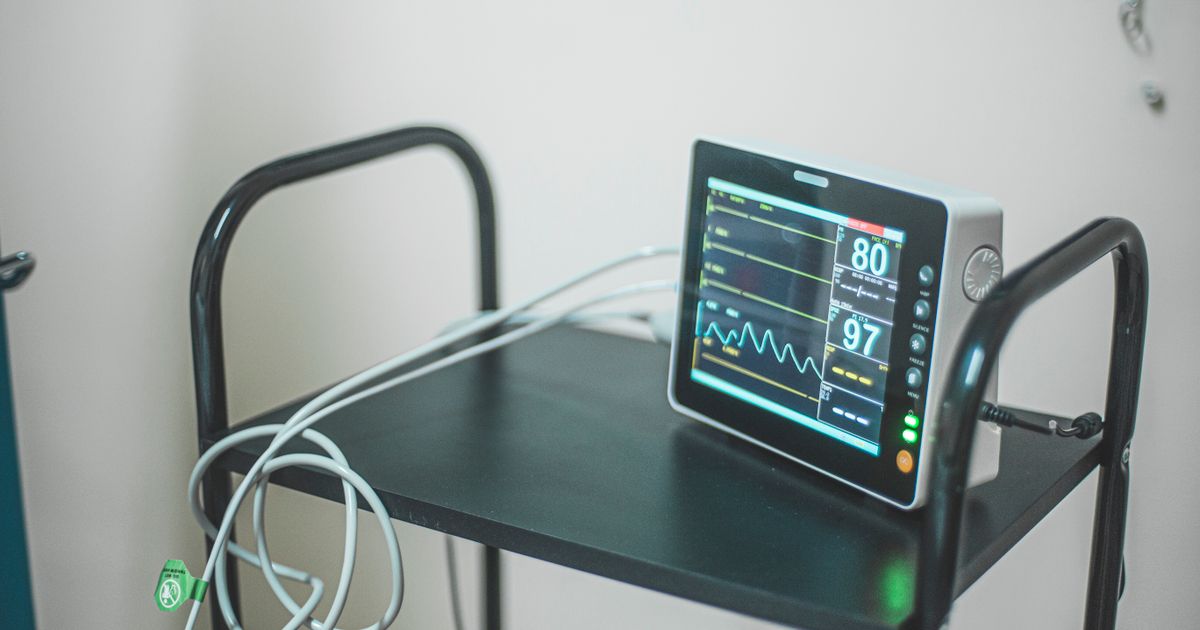
Warning signs of a heart attack
A heart attack happens when the blood supply to part of the heart muscle is blocked. The longer the blockage lasts, the more muscle is damaged. That is why every minute counts. You can read more about the condition on our page on acute heart attack.
I segni comuni sono:
- Pain, pressure, squeezing or heaviness in the centre or left side of the chest
- Pain that spreads to the arm, shoulder, neck, jaw, back or upper stomach
- Fiato corto
- Dolce freddo
- Nausea o vomito
- Feeling light-headed, faint or very weak
Less typical signs in women, older people and people with diabetes
Not every heart attack brings strong chest pain. Women, older people and people with diabetes may have milder or unusual signs. Take these seriously too:
- Unusual tiredness or weakness that comes on suddenly
- Breathlessness without chest pain
- Discomfort that feels like indigestion or gas
- Pain only in the jaw, neck, back or arm
- Sweating, dizziness or nausea with no clear reason
Some heart attacks cause very few symptoms. See our page on attacco cardiaco silenzioso. If you are unsure, treat it as an emergency. It is safer to be checked and sent home than to wait at home.
Cosa fare adesso
- Chiama 1066. Say you suspect a heart attack and give your exact location in Gurgaon. An ambulance is the safest way to travel because care can begin on the way.
- Stop all activity. Help the person sit down and rest in a comfortable position, usually half sitting with the back supported.
- Allentare gli indumenti stretti. Open the collar, belt or anything tight around the chest and waist.
- Stay with the person. Keep them calm and still. Do not let them walk around or climb stairs.
- Keep medical papers ready. Carry the list of regular medicines, old ECGs, discharge summaries and insurance details if they are close at hand.
- If the person collapses. If they do not respond and are not breathing normally, tell the 1066 operator at once. Start chest compressions if you know how, or follow the instructions the operator gives you.
Cosa non fare
- Do not wait to see if the pain goes away.
- Non somministrare alcun farmaco a meno che non sia un medico o l'operatore del 1066 a dirtelo.
- Do not give food or drink.
- Do not let the person drive. Avoid driving them yourself if an ambulance can reach you.
- Non lasciare la persona da sola.
Cosa succede al pronto soccorso
Migliori Pronto soccorso dell'Apollo Hospitals di Gurugram sees people without an appointment, at any hour. Chest pain is treated as a priority.
- Triage. A nurse or doctor checks how serious the problem is as soon as you arrive. Pulse, blood pressure, breathing and oxygen level are measured.
- ECG. An elettrocardiogramma records the electrical activity of the heart.
- Esami del sangue. A test della troponina looks for a protein released by injured heart muscle.
- Altri test. The doctor may ask for a chest X-ray, a heart ultrasound or other tests if they are needed.
- Revisione specialistica. The emergency doctor involves the cardiology team, who decide on the treatment.
- Early treatment. Pain relief, oxygen if needed, and medicines that protect the heart are started as the doctors advise.
L'équipe di emergenza organizzerà gli esami e le cure necessarie. Per informazioni su un esame o una struttura specifica, si prega di contattare l'ospedale.
Trattamenti che potrebbero essere necessari
Treatment depends on the type of heart attack, how long ago it started and your general health. The aim is to restore blood flow to the heart muscle as early as possible.
- Angiogramma coronarico. A angiogramma coronarico uses dye and X-rays to show where the heart arteries are narrowed or blocked.
- Angioplasty and stent. A thin tube is passed through a blood vessel in the wrist or groin to the blocked artery. A small balloon opens it and a stent is usually left in place to keep it open. Read about coronary angioplasty in Gurugram and percutaneous coronary intervention in Gurugram, or the national page on coronary angioplasty and stents.
- Trattamento trombolitico. In some cases medicines are given through a vein to dissolve the clot. This is called trombolisi. It works best when given early and is not suitable for everyone.
- Intervento di bypass. If several arteries are blocked, or angioplasty is not suitable, doctors may advise coronary artery bypass grafting in Gurugram. This is usually planned after the person is stable.
- Heart rhythm devices. A few people need a device later for a slow or dangerous heart rhythm, such as impianto di pacemaker o un defibrillatore cardioverter impiantabile.
The cardiologist will explain which option fits your condition, along with its benefits and risks.
Dopo l'emergenza: ricovero, convalescenza e follow-up.
Most people with a heart attack are admitted for monitoring, often in an intensive care area for the first days. The length of stay depends on the treatment given and how the heart is working.
Before going home you should receive clear advice on medicines, activity, diet, stopping tobacco and warning signs. Many people benefit from a supervised cardiac rehabilitation programme. Follow-up visits are with the cardiology department at Apollo Hospitals Gurugram. Do not stop any heart medicine without asking your doctor.
Come raggiungere gli ospedali Apollo di Gurugram
Indirizzo: Apollo Hospitals Gurugram, Golf Course Road, Sector 28, Gurugram, Haryana 122002. Per chiamare un'ambulanza, comporre il 1066. È inoltre possibile consultare le informazioni sul servizio di ambulanza a Gurugram , che include ambulanze per il supporto vitale di base, il supporto vitale avanzato e ambulanze per emergenze cardiache.
L'ospedale si trova su Golf Course Road e serve le persone provenienti dalle zone limitrofe di Gurgaon, come DLF Phases 1-5, Sushant Lok, MG Road, Sector 56, Sohna Road, South City e Golf Course Extension Road.
Costo e assicurazione
The cost of heart attack care depends on:
- The tests needed
- Whether angioplasty, stents or surgery are required, and how many stents
- Il numero di giorni in terapia intensiva e in reparto
- La categoria della camera
- Other health problems that need treatment
I costi variano da persona a persona. Si prega di contattare l'ospedale per conoscere i prezzi effettivi.
Le cure di emergenza non aspettano le pratiche burocratiche. Se disponi di un'assicurazione sanitaria, comunica i dettagli della polizza all'ufficio fatturazione il prima possibile, in modo che possa essere richiesta l'autorizzazione al pagamento senza contanti, ove applicabile.
Why choose Apollo Hospitals Gurugram for a heart emergency
- Il pronto soccorso è aperto 24 ore su 24, tutti i giorni, senza bisogno di appuntamento o prescrizione medica.
- Un unico numero di emergenza, il 1066, per chiedere aiuto e chiamare l'ambulanza.
- Servizio di ambulanza con supporto vitale di base, supporto vitale avanzato e ambulanze per emergenze cardiache.
- Un ospedale con oltre 460 posti letto e oltre 110 posti letto in terapia intensiva.
- 165+ doctors across specialities, including cardiology and critical care
La disponibilità di specifici test e procedure può variare. Si prega di verificare con l'ospedale. Per le visite programmate è possibile prenotare un appuntamento con un medico a Gurugram.
Domande da porre al medico
- Was this a heart attack, and how much of the heart is affected?
- Which treatment do you advise, and what are the other options?
- What are the risks of the procedure you are suggesting?
- How long will the hospital stay be?
- Which medicines will be needed long term, and why?
- When can normal activity, work and driving start again?
DOMANDE FREQUENTI
1. Where should I go for a heart attack emergency in Gurgaon?
Chiama il 1066 o recati al pronto soccorso più vicino. L'Apollo Hospitals Gurugram, situato su Golf Course Road, nel Settore 28, dispone di un pronto soccorso aperto 24 ore su 24, tutti i giorni.
2. What number should I call for a heart attack in Gurugram?
Chiama il 1066, il numero di emergenza e ambulanza dell'Apollo. Il numero di telefono dell'ospedale è 0124-6501600.
3. Do I need an appointment or referral for emergency care?
No. Come directly to the emergency department. You will be assessed on arrival.
4. How do I know if chest pain is a heart attack or gas?
You cannot be sure at home. Chest pressure or pain that lasts more than a few minutes, or comes with sweating, breathlessness, nausea or pain in the arm or jaw, needs an urgent ECG. Treat it as an emergency.
5. Can a heart attack happen without chest pain?
Yes. Women, older people and people with diabetes may only feel breathless, very tired, sweaty or sick. These signs need urgent attention too.
6. Should I drive the patient to hospital myself?
An ambulance is safer because trained staff can begin care on the way. If no ambulance can reach you quickly, have someone else drive. The person with chest pain must never drive.
7. Which tests are done first for chest pain?
Usually an ECG and blood tests for heart muscle injury. The doctor may add other tests depending on the findings.
8. Is angioplasty always needed after a heart attack?
No. The treatment depends on the type of heart attack, the test results and your overall health. Some people are treated with medicines, some need angioplasty and some need bypass surgery.
9. What should I bring to the emergency department?
If they are within reach, bring a list of current medicines, past medical records, an identity card and insurance details. Do not delay leaving to look for them.
10. Which doctor treats a heart attack?
Emergency doctors start the care, and cardiologists lead the heart treatment. Critical care doctors and cardiac surgeons are involved when needed.
Conclusione
A heart attack is a time-critical emergency. Know the warning signs, including the quieter ones, and act at the first doubt. In Gurugram, call 1066 or come to the emergency department at Apollo Hospitals Gurugram on Golf Course Road. Early care protects heart muscle and saves lives.
Questa pagina fornisce informazioni generali e non sostituisce il parere del medico. In caso di emergenza, chiamare il 1066 o recarsi al pronto soccorso più vicino.
Aggiunto recentemente


Heart and critical care specialists at Apollo Hospitals Gurugram





Disclaimer:
Le informazioni fornite in questa pagina hanno scopo puramente informativo ed educativo. Pur impegnandoci a garantire che le informazioni siano accurate, affidabili e regolarmente aggiornate, esse non devono essere considerate un sostituto del parere, della diagnosi o del trattamento medico professionale.
L'idoneità di una procedura medica, insieme ai suoi benefici, rischi, preparazione, recupero, potenziali complicazioni e risultati attesi, può variare da persona a persona. Il medico curante determinerà se una procedura è appropriata in base alle condizioni individuali e all'anamnesi del paziente.
Prima di prendere decisioni riguardanti qualsiasi procedura medica, si prega di consultare un professionista sanitario qualificato per un parere personalizzato.
Per ulteriori informazioni su come vengono creati, revisionati, aggiornati e gestiti i nostri contenuti medici, si prega di leggere la nostra [Politica editoriale].




