



The Department of Orthopedics at Indraprastha Apollo Hospitals diagnoses and treats disorders of the bones, joints, muscles, ligaments, tendons and spine. Serving adults, older people and children, the department manages conditions ranging from sprains and early arthritis to complex fractures, deformities and spinal disorders.
Patients receive consultation, imaging, non-surgical treatment, surgery and rehabilitation within the same hospital. This means most patients can stay with the same team through each stage of care.
Care follows a multidisciplinary model. Orthopedic surgeons work alongside radiologists, anaesthesiologists, physiotherapists and physicians. A patient's journey runs from diagnosis through treatment, rehabilitation and follow-up, with the plan adjusted as recovery progresses.
Il nostro reparto di ortopedia chirurghi
The team brings together orthopedic surgeons, joint replacement specialists, spine surgeons, sports medicine and arthroscopy specialists, trauma surgeons, musculoskeletal radiologists, physiotherapists and rehabilitation specialists. They manage routine as well as complex cases. Treatment decisions for complex cases are discussed across specialities, so surgery, imaging and rehabilitation are planned together. I nostri specialisti includono:
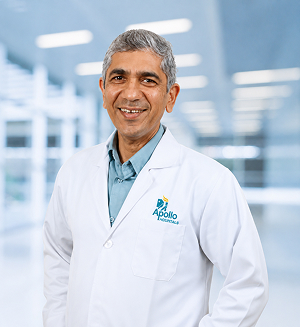


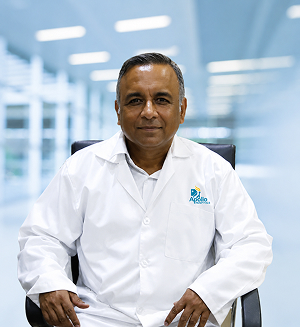
- Condizioni articolari
- Condizioni della colonna vertebrale
- Infortuni sportivi
- Fratture e traumi
- Bone Salute
- Condizioni ortopediche pediatriche

- Artrosi - Gradual wearing of the cartilage that cushions the ends of bones, most often in the knees, hips and hands. It is more common after middle age and with excess weight or previous joint injury. Typical signs include pain on walking or climbing stairs, stiffness after rest and, over time, reduced movement or a bowed leg.
- Rheumatoid and inflammatory arthritis - Conditions in which the immune system inflames the joint lining, often affecting several joints on both sides of the body. Morning stiffness lasting more than half an hour and swollen finger or wrist joints are common features. Orthopedic surgeons work with rheumatologists when joints become damaged.
- Avascular necrosis of the hip - Loss of blood supply to the head of the thigh bone, causing the bone to weaken and collapse. Long-term steroid use and heavy alcohol intake are among the known risk factors. Early stages may cause groin pain, and timely diagnosis widens treatment options.
- Spalla congelata - Thickening and tightening of the shoulder capsule that steadily restricts movement. It is more common in people with diabetes and usually passes through painful, stiff and recovery phases over many months.
- Slipped (herniated) disc - The soft centre of a spinal disc pushes out and may press on a nerve. In the lower back, this can cause sciatica, a pain that shoots down the leg, sometimes with numbness or tingling. Many cases improve with non-surgical care.
- Stenosi spinale - Narrowing of the spinal canal, usually from age-related changes, that compresses nerves. It often causes leg pain or heaviness on walking that eases when sitting or bending forward.
- Scoliosis and spinal deformity- A sideways curve of the spine, often first noticed as uneven shoulders or a rib hump. In children, curves are monitored during growth because some progress.
- Anterior cruciate ligament (ACL) tear - A tear of a key stabilising ligament inside the knee, typically from twisting, sudden stopping or landing awkwardly. People often describe a pop, rapid swelling and a feeling of the knee giving way.
- Meniscus tear - Damage to the C-shaped cartilage pads that act as shock absorbers in the knee. It can cause pain, swelling, catching or locking of the knee.
- Rotator cuff injury - Strain or tear of the group of tendons that hold and move the shoulder. It often causes pain when lifting the arm or lying on the affected side, and weakness overhead.
- Fractures and dislocations - Breaks in bones or joints forced out of position after falls, road accidents or sports. Pain, swelling, deformity and inability to bear weight are common signs. Some fractures heal in a cast, while others need surgical fixation.
- Hip fractures in older adults - Breaks near the top of the thigh bone, usually after a fall in someone with weakened bones. They generally need prompt treatment, as prolonged immobility can lead to complications such as chest infections and blood clots.
- Osteoporosi - Thinning of bone density that makes bones fragile, especially in older women after menopause. It often causes no symptoms until a fracture occurs, commonly in the wrist, spine or hip.
- Bone infections and tumours - Infections of bone (osteomyelitis) and benign or cancerous growths in bone need specialist assessment. Persistent bone pain, especially at night, should be evaluated.
- Clubfoot - A condition present at birth in which the foot turns inward and downward. It is usually treated early in infancy, often with gentle stretching and serial casting.
- Developmental dysplasia of the hip - An improperly formed hip socket in infants and young children. Early detection through newborn examination and imaging allows simpler treatment, such as a harness.
The orthopedic specialist chooses tests based on symptoms and examination findings. Most patients need only one or two of these.
- Raggi X - A quick, painless imaging test that shows bones clearly. It is usually the first investigation for suspected fractures, joint wear or alignment problems. It uses a small, controlled dose of radiation, and standing X-rays may be taken to see how joints carry body weight.
- MRI scan - Uses a strong magnetic field and radio waves, without radiation, to create detailed images of soft tissues. It is particularly useful for ligament and meniscus tears, slipped discs, nerve compression and early bone changes such as avascular necrosis. The scan takes place inside a tunnel-shaped machine, and metal implants or pacemakers are checked for safety beforehand.
- TAC - A series of X-rays combined by a computer into cross-sectional and 3D images. It shows complex fractures, especially of the pelvis, spine and joints, in fine detail and helps surgeons plan operations. The scan itself is quick and painless.
- Ultrasuoni - Uses sound waves from a handheld probe to view muscles, tendons and fluid around joints in real time. It helps assess shoulder tendon problems and can guide needles accurately during injections. It involves no radiation.
- DEXA scan (bone density test) - A low-dose X-ray scan, usually of the hip and lower spine, that measures bone density. It helps diagnose osteoporosis and estimate fracture risk. The patient lies still on a table for a few minutes.
- Nerve conduction study and EMG - Small electrical signals and a fine needle electrode measure how well nerves and muscles are working. These tests help confirm conditions such as carpal tunnel syndrome or nerve compression from the spine. They may cause brief mild discomfort.
- Esami del sangue - Blood tests can check for infection, inflammation, vitamin D and calcium levels, uric acid in gout and markers of inflammatory arthritis. They are also part of routine preparation before surgery.
- Diagnostic arthroscopy - A keyhole procedure in which a small camera is inserted into a joint, under anaesthesia, to look directly at the cartilage and ligaments. It is used when imaging leaves questions unanswered, and problems found can often be treated during the same procedure.
Many bone and joint problems improve without an operation, and surgery is recommended only when it is likely to offer a clear benefit. The hospital offers treatment across this range, from conservative care to complex reconstruction. Treatment plans vary by patient and are decided after consultation.
- Trattamento non chirurgico
- Artroscopia
- Ricostruzione dei legamenti
- Sostituzione delle articolazioni
- Chirurgia della colonna vertebrale
- Fissazione della frattura
- Procedure ortopediche pediatriche
- Reinserimento
- medicinali — pain relievers, anti-inflammatory drugs, and medicines for osteoporosis or inflammatory arthritis where needed.
- Fisioterapia — targeted exercises to build strength, flexibility and balance; often the first treatment for back pain, knee arthritis and many sports injuries.
- Iniezioni — steroid injections to reduce inflammation, and other joint injections for selected patients; image guidance may be used for accuracy.
- Bracing, splints and casts — support or immobilise injured areas while they heal.
- Misure di stile di vita — weight management, activity changes and footwear advice to reduce strain on joints.

Arthroscopy is keyhole surgery performed through small incisions using a camera and fine instruments. Arthroscopy is used to repair meniscus tears, remove loose fragments, treat shoulder instability and repair rotator cuff tears. Smaller incisions generally mean less tissue disruption than open surgery.
A torn ACL does not heal well on its own. Reconstruction replaces it with a graft, usually a tendon taken from the patient's own knee or thigh, placed arthroscopically. Structured rehabilitation over several months is essential before returning to sport.
Joint replacement removes damaged joint surfaces and replaces them with metal, plastic or ceramic components. Knee replacement includes total and, for suitable patients, partial knee replacement. Hip replacement is offered for severe arthritis, avascular necrosis and selected hip fractures. Shoulder replacement and revision surgery for failed implants are also performed. Many patients begin walking with support soon after surgery, guided by the physiotherapy team.
Spinal procedures may include removal of a disc fragment pressing on a nerve (discectomy), widening of a narrowed spinal canal (decompression), joining unstable vertebrae (spinal fusion) and correction of deformity. Minimally invasive techniques are used where suitable.
Fractures that cannot heal in the correct position with a cast are fixed using plates, screws, rods or external frames. Some fractures, particularly in older adults with hip fractures, need surgery promptly to allow early movement.
Children may need casting, bracing or surgery for clubfoot, hip dysplasia, limb deformities or fractures involving growth plates. Treatment is planned to protect future growth.
Physiotherapy begins in hospital and continues after discharge. It focuses on restoring movement, strength and walking ability, and on safe return to work, daily activities and sport.
Each technology below supports surgical planning or recovery; none replaces clinical judgement.
- Sostituzione articolare assistita da robot
- Computer navigation
- Sistemi di artroscopia ad alta definizione
- Intraoperative imaging (C-arm or O-arm)
- Chirurgia spinale minimamente invasiva
- Laminar airflow operating theatres
- Anestesia regionale e blocchi nervosi
helps the surgeon plan and position knee or hip implants according to the patient's anatomy, with the aim of accurate alignment.
tracks instruments and bone positions during surgery to guide implant placement and spinal screw insertion.
give a clear, magnified view inside the joint through small incisions.
provides X-ray or 3D images during surgery to confirm fracture alignment and implant position.
uses smaller incisions and specialised retractors, which may reduce muscle disruption and help earlier mobilisation in suitable patients.
filtered air systems designed to lower infection risk during implant surgery.
improve pain control after surgery, allowing physiotherapy to begin sooner.


Several hospitals in Delhi provide orthopedic services. Indraprastha Apollo Hospitals offers consultation, imaging, non-surgical treatment, joint replacement, arthroscopy, spine surgery, trauma care and rehabilitation within one facility. When comparing options, patients may consider the sub-specialities available, emergency cover, rehabilitation services and follow-up arrangements.
The department treats arthritis, joint pain, slipped discs, spinal stenosis, scoliosis, ligament and meniscus tears, rotator cuff injuries, fractures, osteoporosis, bone infections and tumours, and children's conditions such as clubfoot and hip dysplasia. Each patient is assessed individually, and treatment depends on the condition's type and severity.
Procedures include total and partial joint replacement, revision of earlier implants, arthroscopic ligament reconstruction, minimally invasive spine surgery, complex fracture fixation and pediatric deformity correction. Robotic or navigation-assisted surgery may be used in selected cases. The surgeon recommends a procedure only after assessing whether it is likely to benefit the individual patient.
Useful points to consider include surgeons with sub-speciality experience relevant to your condition, on-site MRI and CT, round-the-clock emergency and trauma care, intensive care support, an in-house physiotherapy team and clear follow-up arrangements. Verified accreditation, transparent cost estimates and insurance support can also help families make an informed decision.
Available tests include X-rays, MRI, CT scans, ultrasound, DEXA bone density scans, nerve conduction studies and blood tests. The specialist chooses tests based on symptoms and examination, so most patients need only a few. Many are quick and non-invasive, while diagnostic arthroscopy is a minor procedure performed under anaesthesia.
Yes, these procedures are offered. Knee and hip replacement are generally considered when arthritis or joint damage causes significant pain and disability despite non-surgical treatment. Arthroscopy is used to diagnose and repair problems inside joints, such as meniscus and ligament injuries. Suitability is decided after clinical examination and imaging.
The emergency department receives fracture and accident cases at all hours, with access to imaging, operating theatres and orthopedic. In a serious accident, call 108 or 112, or 1066 (Apollo Emergency & Ambulance Helpline) rather than moving an injured person who may have a spinal or neck injury.
Many can. Back pain, early arthritis, tendon problems and a number of sports injuries often improve with physiotherapy, medicines, injections, bracing, weight management and activity changes. Surgery is generally considered when symptoms persist despite these measures, when there is nerve compression or instability, or when a fracture cannot heal correctly without fixation.
This varies with the procedure and the patient's health. Arthroscopy is often a day-care or short-stay procedure, while joint replacement and spine surgery usually need a few days in hospital. Recovery can range from a few weeks after keyhole surgery to several months after joint replacement or ligament reconstruction, with physiotherapy guiding progress.
Consider a consultation for joint or back pain lasting more than a few weeks, stiffness that limits daily activities, swelling or instability after an injury, numbness or weakness in the arms or legs, or a fracture that is not healing as expected. Seek emergency care for suspected fractures, deformity after an injury, or sudden loss of bladder or bowel control with back pain.
Physiotherapy usually begins in hospital and continues through outpatient sessions. Patients from Noida, Gurugram, Ghaziabad, Faridabad and neighbouring states such as Haryana, Uttar Pradesh, Rajasthan and Uttarakhand can schedule follow-up visits, and teleconsultation may be available for some reviews. The team can also suggest an exercise programme to continue closer to home.
Most private health insurance policies cover medically necessary orthopedic surgery, subject to policy terms. Cashless processing and acceptance of government schemes such as CGHS or Ayushman Bharat depend on the hospital's current empanelment. The insurance desk can explain eligibility and documentation before a planned procedure.




