


Ndị otu nchịkọta akụkọ Apollo nyochachara ya
Azịza ngwa ngwa
An osteotomy is an operation in which a surgeon cuts a bone and resets it in a better position, shape or length. It is done to correct a deformity, to shift weight away from a worn part of a joint, or to realign the jaws. The bone is held with plates, screws, a rod or a frame while it heals, which usually takes a few months.
| Eziokwu eziokwu | Details |
|---|---|
| Ihe ọ bụ | Surgery to cut and realign a bone |
| Ebe ndị a na-ahụkarị | Shin bone and thigh bone around the knee, pelvis and hip, foot, jaw |
| Ahụhụ | Isi ma ọ bụ ọkpụkpụ azụ |
| Staylọ ọgwụ nọrọ | Usually a few days, depending on the bone |
| Ọgwụgwọ ọkpụkpụ | Often about three months or longer |
| Emere ya | Orthopaedic surgeon; jaw osteotomy by an oral and maxillofacial surgeon |
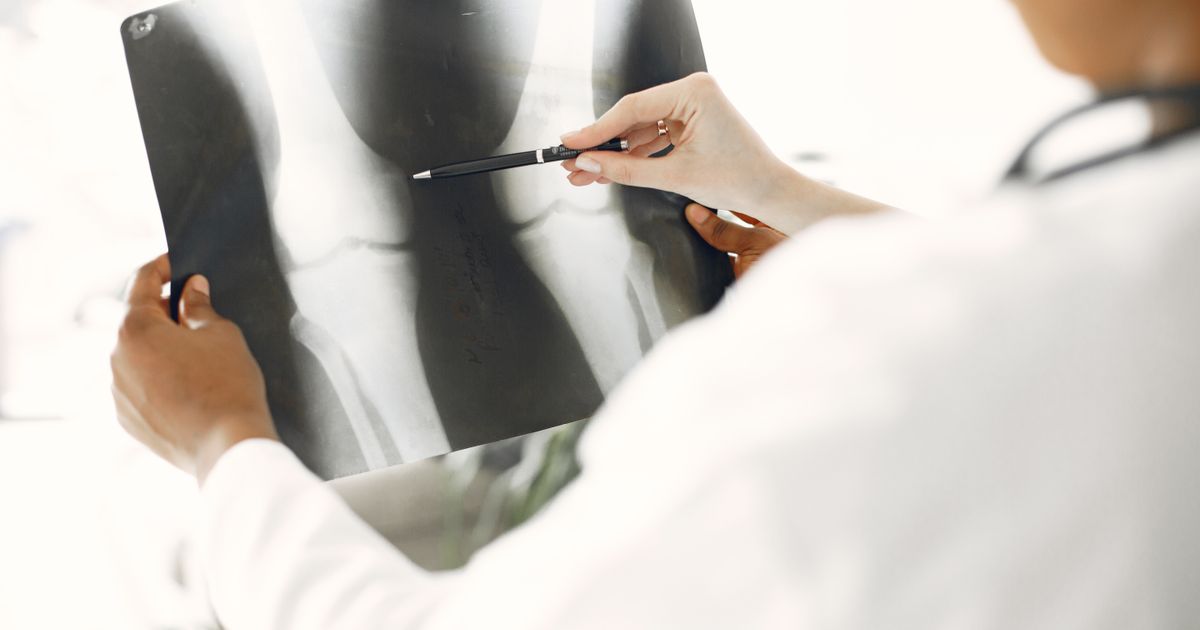
Kedu ihe bụ osteotomy?
The word osteotomy means "cutting of bone". In this operation the surgeon makes a planned cut through a bone, then either opens the cut into a wedge, removes a wedge, or rotates or slides the two parts so that the bone sits in a new position. The new position is fixed with metal implants until the bone joins again, in the same way that a fracture heals.
Other names for osteotomy
- Bone realignment surgery
- Corrective osteotomy
- Ịwa ahụ mgbazi nkwarụ
- Bone cutting surgery
Types of osteotomy
Osteotomy is named after the bone that is cut. Each type has its own page with full details of preparation, steps, risks and recovery.
| ụdị | Ihe ọ bụ | Mgbe eji ya | GỤKWUO |
|---|---|---|---|
| Osteotomy ikpere | Realignment of the bone just above or below the knee | Bow legs or knock knees with wear on one side of the knee | Ọkpụkpụ ikpere maka nhazi adịghị mma |
| High tibial osteotomy (HTO) | A cut in the upper shin bone, the most common knee osteotomy | Bow legs with arthritis on the inner side of the knee, usually in younger, active adults | Ọkpụkpụ ọkpụkpụ tibial dị elu |
| Ọkpụkpụ ọkpụkpụ nke Tibia | A cut at any level of the shin bone | Deformity from birth, growth problems or a fracture that healed in a poor position | Ọkpụkpụ ọkpụkpụ nke Tibia |
| Femur osteotomy | A cut in the thigh bone, near the hip or near the knee | Knock knees, twisted thigh bone, some hip problems | Femur osteotomy |
| Pelvic osteotomy | Cuts around the hip socket to change its angle | A shallow hip socket (hip dysplasia) in children and young adults | Pelvic osteotomy |
| Jaw osteotomy | Cuts in the upper jaw, lower jaw or both to reposition them | Bite problems and jaw imbalance that braces alone cannot correct | Ịwa ahụ Orthognathic |
Osteotomies are also done in the foot, for example for bunions, and in the forearm, hand and spine.
Why is an osteotomy done?
- To unload a worn joint: n'isi osteoarthritis limited to one side of the knee, realigning the leg moves body weight to the healthier side. This can ease pain and may delay the need for knee replacement.
- To correct a deformity: bow legs, knock knees or twisted bones, including those left by rickets or other growth problems.
- To correct a badly healed fracture: a bone that has joined at the wrong angle or with a twist.
- To improve the fit of the hip: in hip dysplasia or after childhood hip conditions such as Ọrịa Perthes.
- To change bone length: as the first step of ogologo ụkwụ.
- To align the jaws: for bite, chewing and facial balance.
Osteotomy is not suitable for everyone. It works best when the joint surface is still in reasonable condition. When arthritis affects the whole joint, a joint replacement such as ngụkọta hip nnọchi is usually the better choice.
How is an osteotomy done?
- Atụmatụ: the surgeon measures the deformity on a full-length X-ray, na mgbe ụfọdụ a CT nyocha, to decide where to cut and how much to correct.
- Anaesthesia: you are given a general or spinal anaesthetic.
- Mkpụcha ọkpụkpụ: through a cut in the skin, the surgeon divides the bone with a fine saw, using X-ray guidance.
- Ndozi: the bone is opened, closed, rotated or shifted to the planned position. A aka ọkpụkpụ may be placed in the gap.
- Ndozi: the bone is held with a plate and screws, a rod inside the bone, or an external frame, and the wound is closed.
What are the risks of an osteotomy?
- Ọtụtụ nkịtị: pain, swelling and stiffness for some weeks; discomfort from the plate or screws, which are sometimes removed later
- Ihe na-adịghị ahụkebe: infection, blood clots in the leg veins, injury to a nerve or blood vessel, slow healing or failure of the bone to join, too much or too little correction, and breakage or loosening of the implant
- Oge n'aga: arthritis may still progress, and some people need a joint replacement in later years
Recovery after an osteotomy
Recovery is slower than after many other bone and joint operations, because the cut bone has to heal. After a leg osteotomy you will usually use crutches or a walker for several weeks and put only part of your weight on the leg until the X-ray shows healing. Physiotherapy begins early to keep the joints moving and the muscles strong. Many people return to desk work within some weeks, while heavy work and sport often take six months or more.
Mgbe ị ga-achọ enyemaka ahụike
- Fever, or redness, warmth or discharge at the wound
- Pain that is getting worse and is not eased by your medicines
- Swelling or pain in the calf
- Mgbu obi ma ọ bụ enweghị ume
- Numbness, tingling or a cold, pale foot or hand
What is the cost of osteotomy in India?
Ọnụ ego ahụ dabere na:
- The bone treated and how complex the correction is
- The implant used (plate, rod or external frame) and any bone graft
- Ogologo oge ọnụnọ ụlọ ọgwụ na ụdị ụlọ
- Scans, tests and planning
- Physiotherapy and walking aids
- Obodo na ụlọ ọgwụ
Ọnụ ego ya dị iche iche site n'otu onye gaa na onye ọzọ. Biko gaa leta ụlọ ọgwụ maka ọnụahịa ya n'ezie.
Health insurance often covers osteotomy done for a medical reason; confirm with your insurer before admission.
Why choose Apollo Hospitals for osteotomy?
- Orthopaedic surgeons experienced in joint preservation and deformity correction
- Careful measurement and planning on imaging before surgery
- Honest advice on whether osteotomy, joint replacement or non-surgical care suits you better
Availability differs between centres. Please check with the hospital. To discuss your options, you can denye oge ị ga-aga hụ dọkịta na-awa ahụ ọkpụkpụ n'ụlọ ọgwụ Apollo.
Questions to ask your doctor about osteotomy
- Why do you advise an osteotomy and not a joint replacement or other treatment?
- Which bone will be cut, and how will it be fixed?
- Ogologo oge ole ka m ga-anọ n'elu ihe ndina?
- When can I return to work, driving and sport?
- Will the plate or screws need to be removed later?
- Ogologo oge ole ka uru ahụ ga-adịru n'okwu m?
Ajụjụ
1. Is an osteotomy a major surgery?
Yes. It involves cutting and fixing a bone under anaesthesia, a hospital stay and a recovery of several months.
2. How long does bone take to heal after an osteotomy?
Many osteotomies show sound healing at around three months, but it can take longer, depending on the bone, your age, your general health and whether you smoke.
3. Is osteotomy better than knee replacement?
Neither is better for everyone. Osteotomy suits younger, active people with damage on one side of the knee and a leg that is out of line. Knee replacement suits people with arthritis across the joint.
4. Can I have a joint replacement later if I need one?
Yes. Many people who have an osteotomy can still have a joint replacement in later years if arthritis progresses.
5. Will I have metal in my body permanently?
Plates, screws and rods can usually stay in place for life. They may be removed after the bone has healed if they cause discomfort.
6. Is osteotomy done in children?
Yes. Children and teenagers may need an osteotomy for limb deformities, hip dysplasia or other growth-related conditions.
7. Is an osteotomy painful?
You will not feel pain during the operation. Pain afterwards is expected for the first days and weeks and is managed with pain relief medicines.
8. Which doctor performs an osteotomy?
Osteotomies of the limbs and pelvis are performed by orthopaedic surgeons. Jaw osteotomy is performed by an oral and maxillofacial surgeon, usually together with an orthodontist.
mmechi
An osteotomy corrects the position of a bone so that a limb, joint or jaw works better, and it keeps your own joint. It needs careful selection, a healing period of months and steady rehabilitation.
Ibe a bụ maka ozi izugbe, ọ naghị anọchi ndụmọdụ sitere n'aka dọkịta gị. Ọ dị mkpa ka ọkachamara ruru eru nke maara akụkọ ahụike gị mee mkpebi ọgwụgwọ.
Na-adịbeghị anya agbakwunyere


Ndị Dọkịta Ọkpụkpụ Aka n'Ụlọ Ọgwụ Apollo




Disclaimer:
Ozi dị na peeji a bụ maka ebumnuche ozi na agụmakwụkwọ naanị. Ọ bụ ezie na anyị na-eme mgbalị ezi uche dị na ya iji hụ na ozi ahụ ziri ezi, a pụrụ ịtụkwasị obi, ma na-enyocha ya mgbe niile, ekwesighi iwere ya dị ka ihe nnọchi anya ndụmọdụ ahụike ọkachamara, nchọpụta, ma ọ bụ ọgwụgwọ.
Ọdịmma nke usoro ọgwụgwọ, tinyere uru ya, ihe egwu ya, nkwadebe ya, mgbake ya, nsogbu ndị nwere ike ime, na ihe ndị a tụrụ anya ya, nwere ike ịdị iche site n'otu onye gaa na onye ọzọ. Ọkachamara ahụike gị ga-ekpebi ma usoro ọgwụgwọ ahụ ọ dabara adaba dabere na ọnọdụ gị na akụkọ ahụike gị.
Biko gakwuru ọkachamara ahụike ruru eru maka ndụmọdụ nkeonwe tupu ịme mkpebi gbasara usoro ọgwụgwọ ọ bụla.
Maka ozi ndị ọzọ gbasara otu esi emepụta, nyochaa, melite, na idobe ọdịnaya ahụike anyị, biko gụọ [Iwu Nchịkọta Akụkọ] anyị.




