


Ndị otu nchịkọta akụkọ Apollo nyochachara ya
Azịza ngwa ngwa
Arthroscopy is keyhole surgery on a joint. The surgeon passes a thin camera and fine instruments through small cuts to look inside the joint and, in most cases, treat the problem at the same sitting. Many people go home the same day, but full recovery depends on which joint is treated and what repair is done.
| Eziokwu eziokwu | Details |
|---|---|
| Ihe ọ bụ | Keyhole (minimally invasive) surgery to examine and treat the inside of a joint |
| Joints treated | Knee, shoulder, hip, ankle, elbow, hand and wrist |
| Ahụhụ | General, spinal or regional nerve block, depending on the joint |
| Staylọ ọgwụ nọrọ | Often a day procedure; some repairs need an overnight stay |
| mgbake | From a few weeks to several months, depending on the repair |
| Emere ya | Orthopaedic surgeon, often with sports medicine or joint training |

Kedu ihe bụ arthroscopy?
Arthroscopy is a way of operating inside a joint without opening it fully. A narrow telescope called an arthroscope, about the width of a pencil, is passed into the joint through a small cut. It carries a light and a camera, and the picture is shown on a screen. Fine instruments are then passed through one or two other small cuts to trim, repair or remove damaged tissue.
Other names for arthroscopy
- Keyhole joint surgery
- Arthroscopic ịwa ahụ
- Joint scope or "scoping" a joint
- Ịwa ahụ nkwonkwo kacha nta na-awakpo nke ukwuu
Ụdị arthroscopy
Arthroscopy is named after the joint that is treated. Each joint has its own page with the details of preparation, steps, risks and recovery.
| ụdị | Ihe ọ bụ | Mgbe eji ya | GỤKWUO |
|---|---|---|---|
| Ikpere ikpere | Keyhole surgery inside the knee, the most common type | Meniscus tears, ligament injuries, loose fragments, cartilage damage | Ikpere ikpere |
| Ubu arthroscopy | Keyhole surgery in the shoulder joint and the space above it | Rotator cuff tears, repeated dislocation, impingement, stiff shoulder | Ubu arthroscopy |
| Hip arthroscopy | Keyhole surgery in the deep ball and socket joint of the hip, done with the leg in traction | Hip impingement, labral tears, loose bodies | Hip arthroscopy na hip arthroscopy for impingement (FAI) |
| Ọkpụkpụ nkwonkwo ụkwụ | Keyhole surgery at the front or back of the ankle | Impingement after sprains, cartilage injuries, loose fragments | Ọkpụkpụ nkwonkwo ụkwụ |
| Ọkpụkpụ arthroscopy | Keyhole surgery in a small joint that lies close to important nerves | Loose bodies, stiffness, some cases of tennis elbow and early arthritis | Ọkpụkpụ arthroscopy |
| Hand and wrist arthroscopy | Keyhole surgery using a very fine scope in the wrist and small hand joints | Wrist ligament and cartilage tears, ganglion cysts, unexplained wrist pain | Hand and wrist arthroscopy |
Arthroscopy is also the method used for many named operations, such as Ntughari ACL in the knee.
Why is arthroscopy done?
Your doctor may suggest arthroscopy when a joint problem has not settled with rest, physiotherapy, medicines or injections, or when an injury is unlikely to heal by itself. Common reasons include:
- A torn cartilage cushion in the knee (see meniscal tears)
- A torn ligament, such as an ACL akwa
- A rotator cuff mmerụ ahụ or a shoulder that keeps dislocating
- Damage to the smooth joint lining (see knee cartilage injury)
- Loose pieces of bone or cartilage that make the joint lock or catch
- An inflamed joint lining, or a joint infection that needs to be washed out
- A stiff joint, such as a ubu oyi that has not improved with other care
Arthroscopy has limits. Washing out or tidying a knee with established osteoarthritis has not been shown to give lasting relief for most people, so it is generally not advised for arthritis alone. You can read more on when arthroscopies are performed.
How is arthroscopy done?
- Ntụle: the surgeon examines the joint and reviews your X-ray na MRI nyocha. You will be asked about your medicines, especially blood thinners, and told when to stop eating and drinking.
- Anaesthesia: you are given a general anaesthetic, a spinal injection or a nerve block so that you feel no pain.
- Mbelata obere: the surgeon makes small cuts around the joint and passes in the camera and instruments.
- Ọgwụgwọ: damaged tissue is trimmed, stitched, anchored or removed as planned.
- mmechi: the fluid is drained, the cuts are closed and a dressing is applied.
Kedu ihe ize ndụ nke arthroscopy?
Serious problems are uncommon, but no operation is free of risk.
- Ọtụtụ nkịtị: swelling, bruising, stiffness and pain around the joint for some days or weeks; a little fluid leaking from the cuts in the first day or two
- Ihe na-adịghị ahụkebe: infection in the joint, bleeding into the joint, a blood clot in the leg veins, injury to a nearby nerve or blood vessel, numbness near the cuts, ongoing stiffness, and reactions to the anaesthetic
- Limits of the result: symptoms may not settle fully, a repair may not heal, and some people need further surgery later
Recovery after arthroscopy
Because the cuts are small, pain and scarring are usually less than after open surgery. The tissue inside the joint still needs time to heal. After a simple trimming procedure, many people return to desk work within one to two weeks. After a repair of a ligament, tendon or cartilage, you may need a sling, brace or crutches for some weeks, and return to sport can take several months. Physiotherapy is a central part of recovery, and the result depends a great deal on doing the exercises as advised.
Mgbe ị ga-achọ enyemaka ahụike
- Ahụ ọkụ ma ọ bụ akpata oyi
- Increasing pain, redness, warmth or swelling in the joint
- Pus or a bad smell from the wound
- Pain or swelling in the calf
- Mgbu obi ma ọ bụ enweghị ume
- New numbness, tingling or colour change in the hand or foot
What is the cost of arthroscopy in India?
The cost differs from person to person. It depends on:
- The joint treated and the type of repair
- Implants used, such as anchors, screws or grafts
- The type of anaesthesia and the time in the operating room
- Day care or overnight stay, and the room category
- Tests, scans, braces and physiotherapy
- Obodo na ụlọ ọgwụ
Ọnụ ego ya dị iche iche site n'otu onye gaa na onye ọzọ. Biko gaa leta ụlọ ọgwụ maka ọnụahịa ya n'ezie.
Many health insurance policies cover arthroscopy when it is medically needed; check with your insurer before admission.
Why choose Apollo Hospitals for arthroscopy?
- Orthopaedic surgeons who perform arthroscopy of different joints as a regular part of their practice
- Physiotherapy and rehabilitation planned from before surgery
- Clear advice on whether surgery is needed, including non-surgical options
Availability differs between centres. Please check with the hospital. To discuss your joint problem, you can denye oge ị ga-aga hụ dọkịta na-awa ahụ ọkpụkpụ n'ụlọ ọgwụ Apollo.
Questions to ask your doctor about arthroscopy
- What exactly is wrong in my joint, and what will you do during the arthroscopy?
- Have I tried all the reasonable non-surgical options?
- What type of anaesthesia will I have?
- Will I go home the same day?
- How long before I can walk, drive, work and play sport?
- What are the chances that I will need more surgery later?
Ajụjụ
1. Is arthroscopy a major surgery?
Arthroscopy is a real operation done under anaesthesia, but it is less invasive than open joint surgery. How big it is depends on what is done inside the joint.
2. Is arthroscopy painful?
You will not feel pain during the operation because of the anaesthetic. Afterwards, soreness and swelling are common for some days and are usually managed with pain relief medicines, ice and rest as advised.
3. How long does arthroscopy take?
Most procedures take between half an hour and two hours. Complex repairs can take longer.
4. Which joint is arthroscopy done on most often?
The knee and the shoulder are the joints most commonly treated.
5. Can arthroscopy cure arthritis?
No. Arthroscopy cannot restore worn joint cartilage, and it is generally not advised for osteoarthritis alone. It may help in selected cases where a loose fragment or a torn structure is causing the joint to lock.
6. Will I need physiotherapy after arthroscopy?
In most cases, yes. Exercises help to bring back movement and strength and protect the repair.
7. How long will I be off work after arthroscopy?
It depends on the joint, the repair and your job. People with desk jobs may return within one to two weeks after a simple procedure. Heavy manual work may need several weeks or months.
8. Which doctor performs arthroscopy?
Arthroscopy is performed by an orthopaedic surgeon. Many have additional training in sports injuries or in a particular joint, such as the shoulder, hip or hand.
mmechi
Arthroscopy lets a surgeon treat many joint problems through small cuts, with less scarring and often a faster early recovery than open surgery. It is not right for every joint problem, and the outcome depends on the condition, the repair and your rehabilitation.
Ibe a bụ maka ozi izugbe, ọ naghị anọchi ndụmọdụ sitere n'aka dọkịta gị. Ọ dị mkpa ka ọkachamara ruru eru nke maara akụkọ ahụike gị mee mkpebi ọgwụgwọ.
Na-adịbeghị anya agbakwunyere


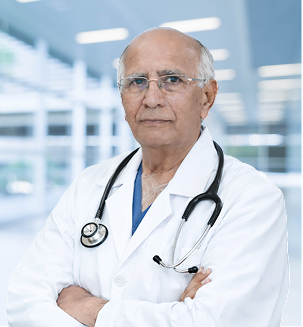
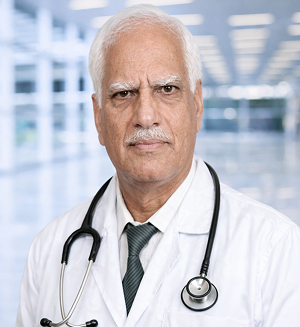
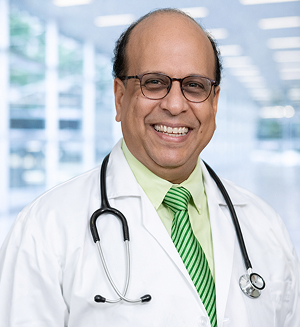
Ndị Dọkịta Ọkpụkpụ Aka n'Ụlọ Ọgwụ Apollo




Disclaimer:
Ozi dị na peeji a bụ maka ebumnuche ozi na agụmakwụkwọ naanị. Ọ bụ ezie na anyị na-eme mgbalị ezi uche dị na ya iji hụ na ozi ahụ ziri ezi, a pụrụ ịtụkwasị obi, ma na-enyocha ya mgbe niile, ekwesighi iwere ya dị ka ihe nnọchi anya ndụmọdụ ahụike ọkachamara, nchọpụta, ma ọ bụ ọgwụgwọ.
Ọdịmma nke usoro ọgwụgwọ, tinyere uru ya, ihe egwu ya, nkwadebe ya, mgbake ya, nsogbu ndị nwere ike ime, na ihe ndị a tụrụ anya ya, nwere ike ịdị iche site n'otu onye gaa na onye ọzọ. Ọkachamara ahụike gị ga-ekpebi ma usoro ọgwụgwọ ahụ ọ dabara adaba dabere na ọnọdụ gị na akụkọ ahụike gị.
Biko gakwuru ọkachamara ahụike ruru eru maka ndụmọdụ nkeonwe tupu ịme mkpebi gbasara usoro ọgwụgwọ ọ bụla.
Maka ozi ndị ọzọ gbasara otu esi emepụta, nyochaa, melite, na idobe ọdịnaya ahụike anyị, biko gụọ [Iwu Nchịkọta Akụkọ] anyị.




