


Akụkọ Apọlọ (1122)
Ihe mmalite ọhụrụ
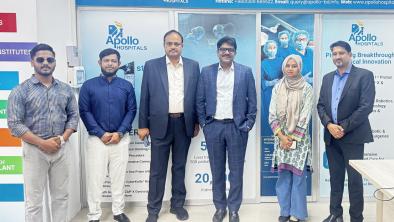
Ụlọ Ọgwụ Apollo Chennai Na-agbasa Ebe Ndị Ọrịa Ga-enweta Ọnụọgụ Ndị Ọrịa n'Ụwa Nile Site na Ebe Ozi Ọhụrụ Na Chattogram, Bangladesh
Apollo Hospitals Chennai has inaugurated a new Information Centre in Chattogram, Bangladesh, reinforcing its commitment to expanding access to high-quality healthcare services for international patients. The centre, located in the Jamal Khan area of the city, was inaugurated by Naveen Varigepalli, CEO of Apollo Hospitals Chennai, along with Dr. Ilankumaran Kaliamoorthy, Regional CEO – Chennai Region, Apollo Hospitals. Mr. MS Guru Prasad, Associate Vice President – International Sales & Marketing, Apollo Hospitals Group, was also present at the ceremony. The facility is designed to serve as a dedicated patient support hub, helping individuals in Bangladesh connect with Apollo’s specialists and advanced medical services in India. Through the centre, patients can access assistance with doctor appointments, second opinions, treatment planning, and visa facilitation — ensuring a seamless pathway to specialised care. Beyond patient services, the centre will also collaborate with local physicians and medical value travel professionals to coordinate care and provide reliable clinical guidance. This integrated approach aims to support patients from the early stages of medical consultation through treatment planning and follow-up. Importantly, the initiative will promote professional knowledge-sharing through Continuing Medical Education (CME) seminars and patient awareness programmes, strengthening clinical collaboration and healthcare education in the region. Dr. Ilankumaran thanked the people of Bangladesh for their continued trust in Apollo Hospitals and reaffirmed the organisation’s commitment to strengthening this relationship while delivering compassionate, high-quality care through collaboration and clinical excellence. Apollo Hospitals has long been a preferred destination for international patients seeking advanced treatments across specialties such as cardiology, oncology, and neurosciences. By establishing this information centre, Apollo Hospitals continues to bridge geographical barriers; bringing trusted medical expertise closer to patients while reinforcing its commitment to accessible, patient-centred healthcare across borders.
Ihe nrite na nkwanye ugwu
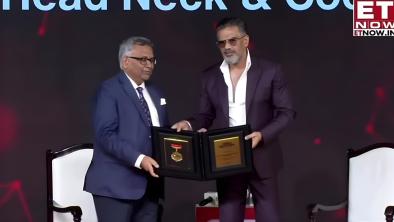
Ụlọọgwụ Apollo Dr. (Prọf.) Ameet Kishore nwetara onyinye dị mma na ET Now Business Conclave & Awards...
At the ET Now Business Conclave & Awards 2026, Dr. (Prof.) Ameet Kishore, Senior Consultant in ENT & Neurotology at Indraprastha Apollo Hospitals, New Delhi, was honoured with the Excellence Award for his outstanding contributions to ENT, Head & Neck surgery, and cochlear implant care. The recognition reflects his long-standing commitment to advancing hearing restoration and patient-centred clinical innovation. With more than 25 years of experience in otorhinolaryngology, Dr. Kishore is widely regarded for his expertise in complex ear surgery, neuro-otology, pediatric ENT, and implantable hearing technologies. Trained in the United Kingdom with fellowships from the Royal College of Surgeons of Edinburgh and the Royal College of Physicians and Surgeons of Glasgow, he has played a pivotal role in bringing advanced global standards of ENT care to India. At Apollo Hospitals, Dr. Kishore established and leads a comprehensive cochlear and hearing implant programme, providing life-changing treatment for children and adults with severe to profound hearing loss. Over the years, the programme has supported more than 1,800 cochlear implant recipients, helping patients regain hearing ability, communication skills, and improved quality of life. Beyond clinical practice, he has contributed extensively to academic research, medical education, and national initiatives in auditory rehabilitation. His work continues to shape the future of hearing healthcare in India, particularly in advancing multidisciplinary approaches for complex auditory disorders. This recognition underscores Apollo Hospitals’ ongoing commitment to clinical excellence, innovation, and patient-focused care, while celebrating the contributions of physicians who continue to transform lives through advanced medical science.
Ihe mmalite ọhụrụ
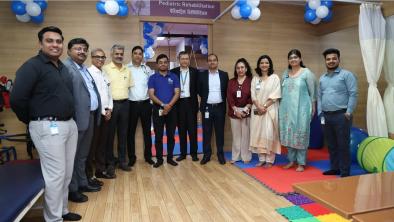
Ụlọ Ọgwụ Apollo Navi Mumbai Na-agbasa Ọrụ Mgbake Ụmụaka site na Ngalaba Mmezi Ụmụaka Ọhụrụ
Apollo Hospitals Navi Mumbai has launched a dedicated Pediatric Rehabilitation Unit, further strengthening its child recovery services and advancing comprehensive care for young patients. The specialised unit is designed to support children recovering from illness, injury, surgery, or developmental conditions through coordinated, multidisciplinary rehabilitation. Pediatric rehabilitation plays a crucial role in helping children regain physical, cognitive, and functional abilities while also supporting their emotional well-being. At Apollo Hospitals Navi Mumbai, the programme brings together a collaborative team of pediatricians, physiotherapists, rehabilitation specialists, nurses, and allied healthcare professionals who work closely to develop personalised recovery plans tailored to each child’s needs. The newly introduced unit combines advanced rehabilitation therapies with a child-friendly clinical environment to address neurological, orthopedic, developmental, and post-surgical rehabilitation requirements. Beyond medical recovery, the focus is on helping children rebuild confidence, independence, and essential life skills that contribute to healthy growth and long-term well-being. Apollo Hospitals Navi Mumbai, a JCI and NABH-accredited tertiary care centre, is recognised for its multidisciplinary expertise and advanced pediatric services. The expansion of specialised rehabilitation care reflects the hospital’s continued commitment to delivering holistic, patient-centred treatment for children and their families. With this initiative, Apollo Hospitals further reinforces its focus on innovation in pediatric healthcare, ensuring that young patients receive comprehensive support to recover, rebuild strength, and achieve their fullest potential.
Ihe mmalite ọhụrụ
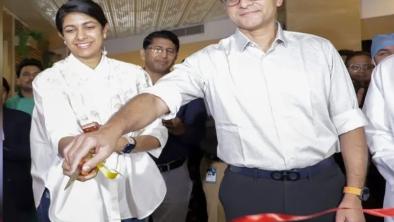
Ụlọ Ọgwụ Apollo Sage ebidola Ụlọ Ọgwụ Ọrịa Imeju na Ịmịnye Ọkpụkpụ na Bhopal
Apollo Sage Hospitals has launched an Advanced Liver Disease & Transplant Clinic in Bhopal, further strengthening its commitment to delivering specialised healthcare in Central India. The new centre builds on the hospital’s advanced liver care services and marks a significant milestone in expanding its capabilities for solid organ transplantation in the region. The clinic was inaugurated in the presence of Ms. Shivani Agrawal, Managing Director of Sage Group; Dr. Abhishek Yadav, Senior Director and Liver Transplantation Lead, Apollo Hospitals; and Mr. Dhananjay Kumar, CEO of Apollo Sage Hospitals, along with the transplant team and clinical specialists. Liver disease remains a growing global health challenge and is recognised as the 11th leading cause of death worldwide. Conditions such as cirrhosis, hepatitis B and C, metabolic dysfunction-associated steatotic liver disease (MASLD), alcohol-related liver disease, and liver cancer increasingly require advanced medical management and, in some cases, transplantation. For patients with severe liver failure who meet established clinical criteria, liver transplantation may be a life-saving treatment option. The new clinic brings together an internationally trained multidisciplinary team of hepatologists, gastroenterologists, GI onco-surgeons, transplant surgeons, and intensivists, providing comprehensive care — from early diagnosis and medical management to advanced surgical interventions such as living and deceased donor liver transplantation. Supported with modern infrastructure and advanced diagnostic technologies, the centre aims to deliver end-to-end liver care for patients in Bhopal and neighbouring regions. By enabling access to specialised expertise locally, Apollo Sage Hospitals is helping reduce the need for patients to travel to metropolitan centres for complex liver treatment while strengthening the region’s capacity for advanced clinical care.

Ihe omimi
Ịkwalite Ịwa Ahụ Ọkpụkpụ Afọ na Ụlọ Ọgwụ Apollo Chennai site na Ịwa Ahụ Ọkpụkpụ GI 100+
Ndị otu ịwa ahụ afọ ime nke ụlọọgwụ Apollo nke Chennai erutela nnukwu ihe dị mkpa n'ịkwalite nlekọta obere ihe mgbochi, ebe e mere ihe karịrị ịwa ahụ GI robot 100 na usoro pancreas na imeju dị mgbagwoju anya karịrị 50. Mmezu ndị a na-egosi ahụmịhe ndị otu ahụ na-eto eto n'ịchịkwa ọnọdụ afọ na imeju dị mgbagwoju anya site na iji usoro robot enyere aka. Usoro ndị dị mkpa gụnyere ịwa ahụ Whipple, ọrụ imeju aka nri, ọrụ ịwa ahụ azụ azụ aka nri, na usoro Frey - nke a na-enye n'ụzọ ziri ezi na nguzozi. Dr. Santhosh Anand, Sr. Consultant – Surgical Gastroenterology & Robotic Surgeon, onye nduzi ya enyerela aka n'iwulite na ịbawanye ikike a. Site n'iji usoro ịwa ahụ robotic da Vinci mee ihe, ndị otu ahụ nwere ike ịrụ ọrụ na ngosipụta, nkenke, na njikwa ka mma. Nke a na-asụgharị ka ọ bụrụ obere mbepụ, mbelata mmerụ ahụ ịwa ahụ, na mgbake ngwa ngwa maka ndị ọrịa. Site na itinye uche siri ike na nsonaazụ, ihe ọhụrụ, na nlekọta lekwasịrị anya na ndị ọrịa, Apollo Hospitals Chennai na-aga n'ihu na-esetịpụ ihe atụ ọhụrụ na ịwa ahụ afọ ime robotic.
Ihe mmalite ọhụrụ
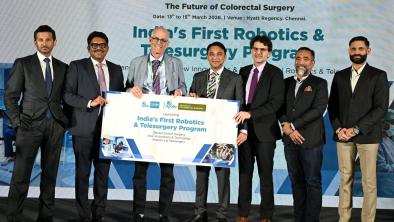
Ụlọ Ọgwụ Apollo Chennai Ewebatala Atụmatụ Robotics & Telesurgery Mbụ nke India
Ụlọọgwụ Apollo Chennai ewepụtala Mmemme Robotics na Telesurgery mbụ nke India site na ntọala nke Apollo Institute of Robotics & Telesurgery (ART), na-eme ka nduzi ya sie ike na mmepụta ihe ọhụrụ nke teknụzụ nyere. Ikpo okwu a na-ejikọta ikpo okwu robotic na njikọ dijitalụ iji mee ka nduzi ịwa ahụ dị anya, ọzụzụ, na mmekorita, na-enyere aka ịgbasa ọkachamara ịwa ahụ pụrụ iche na ụlọọgwụ dị iche iche. E kpughere mmemme a n'oge nnọkọ Apollo International Colorectal Symposium nke isii (AICRS) 2026, nke kpọkọta ndị dọkịta na ndị nchọpụta na-eduga iji kparịta ihe ọhụrụ na-apụta na ịwa ahụ nke na-adịghị emerụ ahụ na nke robot enyere aka. Ụlọ ọrụ ahụ na-achọ ịkwalite ịdị mma ahụike, mmepe nkà, na mgbanwe ihe ọmụma site na ndụmọdụ na usoro mmekorita nke telesurgery nyere. Isi ihe dị mkpa apụta ìhè n'oge mmalite ahụ bụ mmụba nke ịwa ahụ robotic colorectal na Apollo Hospitals Chennai. Dr Venkatesh Munikrishnan na ndị otu ya emechaala ihe karịrị usoro robotic colorectal 1,000, gụnyere otu n'ime usoro kachasị ukwuu nke ịwa ahụ robotic rectal cancer na mpaghara ahụ. Ahụmịhe sara mbara a enyerela aka n'ịhazi Apollo Hospitals Chennai dịka ebe ọkachamara n'ịgwọ ọrịa kansa rectal na ebe ọzụzụ kachasị elu maka ịwa ahụ robotic colorectal dị elu, na-adọta ndị dọkịta na ndị ọrụ ibe si India na mba ụwa niile. Atụmatụ a na-emejukwa usoro ịwa ahụ robotic nke Apollo na-agbasa n'ofe ọkachamara dịka ịwa ahụ afọ, oncology, urology, orthopedics, na sayensị obi. Site na ijikọta ahụmịhe ahụike na teknụzụ dị elu, Apollo Hospitals na-aga n'ihu na-eme ka ọrụ ya sie ike n'ịkpụzi ọdịnihu nke nlekọta ịwa ahụ nke ejikọtara na dijitalụ nke ọma.
Ihe mmalite ọhụrụ
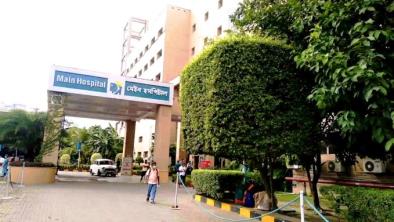
Ụlọ Ọgwụ Apollo ewepụtala ngalaba ọhụrụ maka ọtụtụ ndị ọkachamara na Narendrapur
Ụlọọgwụ Apollo emegheela ụlọọgwụ kachasị ọhụrụ ya, Ụlọọgwụ Apollo, Narendrapur, West Bengal, nke na-egosi nnukwu mgbasawanye nke netwọk ahụike ya na steeti ahụ. Site na akwa 250, ụlọọgwụ ahụ na-achịkọta akụrụngwa ọgbara ọhụrụ na ọrụ ahụike dị elu iji nye nlekọta zuru oke n'ọtụtụ ụdị pụrụ iche. Ụlọọgwụ ahụ nwere ụlọọgwụ asaa na-arụ ọrụ, ICU nwere akwa 55, na ụlọọgwụ Ọkpụkpụ Ọkpụkpụ (BMT) nke oge a, nke na-enye ụlọọgwụ ahụ ohere ijikwa ma usoro ọgwụgwọ oge niile na ọgwụgwọ dị mgbagwoju anya. Ndị ọrịa na-eritekwa uru site na ngalaba pụrụ iche lekwasịrị anya na mkpa ahụike ụfọdụ, ebe ndị dọkịta nwere ahụmahụ na-enye ọgwụgwọ ahaziri ahazi, nke dabere na ihe akaebe. Ebe dị mkpa maka ịnweta ohere ka mma, ụlọọgwụ ahụ na-enye ọrụ agbakwunyere nke gụnyere nlekọta mberede na nlekọta dị oke mkpa, ọkachamara ahụike na ịwa ahụ, na nkwado mmezi. Nchọpụta dị elu, ikike nlekọta siri ike, na ụzọ ọgwụgwọ a haziri ahazi na-eme ka ọgwụgwọ dị n'oge na nke ziri ezi na-ebute nchekwa na nkasi obi nke ndị ọrịa ụzọ. Site na mwepụta nke ngalaba ọhụrụ a, Ụlọọgwụ Apollo na-eme ka usoro ahụike mpaghara sie ike, na-eweta ahụmịhe ahụike ụwa nso na obodo dị na South Kolkata. Ụlọ ọrụ Narendrapur na-egosipụta nkwa Apollo na-aga n'ihu n'inye nlekọta ahụike nke na-ebute ụzọ nye onye ọrịa, nke na-akwalite ihe ọhụrụ, na nke na-elekwasị anya na nsonaazụ.
Ihe mmalite ọhụrụ
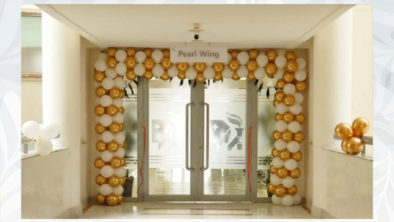
Ụlọ Ọgwụ Apollo Ahmedabad ekpughere nku Pearl
Ụlọọgwụ Apollo Ahmedabad ewebatala Pearl Wing, ebe nlekọta ndị ọrịa e mere nke ọma iji mee ka ahụmịhe ọgwụgwọ dịkwuo mma site na nkasi obi, udo, na nlekọta ọmịiko. N'ịghọta na ọgwụgwọ gafere ọgwụgwọ ahụike, Pearl Wing nwere ọmarịcha mma na oghere ndị na-elekwasị anya na ndị ọrịa nke na-emepụta gburugburu ebe nkwado na obi iru ala maka ndị ọrịa na ezinụlọ ha. Nhazi a na-emesi nkasi obi, nzuzo, na ikuku dị jụụ ike; ihe ndị nwere ike ịkwado ọdịmma onye ọrịa n'ụzọ bara uru n'oge mgbake. Ngalaba ọhụrụ ahụ na-egosipụta nkwa Ụlọọgwụ Apollo na nlekọta ahụike mbụ nke onye ọrịa, ebe a na-agbakwụnye ahụmịhe ahụike dị elu site na oghere ndị na-akwalite obi ike na nsọpụrụ. Site na ijikọta imewe echiche na nlekọta ọmịiko, Ụlọọgwụ Apollo Ahmedabad na-achọ ijide n'aka na ndị ọrịa nwere nkwado n'oge njem ọgwụgwọ na mgbake ha. Pearl Wing na-anọchite anya nkwa ọhụrụ sitere n'aka Ụlọọgwụ Apollo Ahmedabad iji nye nlekọta na gburugburu ebe obibi nke na-akwalite nkasi obi, obi ike, na ọgwụgwọ.
Ọkachamara ụlọ ọgwụ
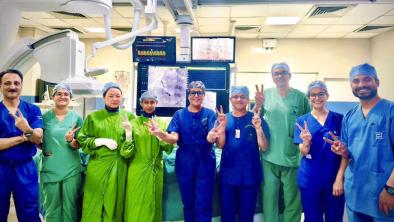
Ndị otu ụlọ ọgwụ Indraprastha Apollo mere ihe mbụ e ji eme pacemaker na-enweghị lead na India site na iji ihe e ji arụ ọrụ...
Ụlọọgwụ Indraprastha Apollo, New Delhi, enwetala nnukwu ihe dị mkpa na electrophysiology obi site n'ịrụ ọrụ pacemaker mbụ na-enweghị lead nke India site na valvụ tricuspid prosthetic metal. Dr Vanita Arora, onye isi ọgwụgwọ - Cardiac Electrophysiology, na ndị otu ya duziri usoro ahụ dị mgbagwoju anya, na-enye ngwọta dị nchebe na nke kacha nta maka ndị ọrịa nwere nsogbu obi siri ike. Dr Vanita Arora (etiti) na ndị otu electrophysiology obi mgbe ha mechara ihe pacemaker mbụ na-enweghị lead nke India site na valvụ tricuspid prosthetic metal. Onye ọrịa ahụ, onye dị afọ 65 nwere akụkọ ihe mere eme nke ọrịa obi, ejirila valvụ tricuspid dochie valvụ tricuspid na mbụ. Mgbe o mechara nwee nsogbu sinus node na ọrịa atrioventricular conduction, achọrọ pacemaker na-adịgide adịgide iji weghachi usoro obi kwụsiri ike. Agbanyeghị, itinye pacemaker nkịtị agaghị ekwe omume, ebe ọ bụ na ịgafe pacing ndu site na valvụ tricuspid mechanical nwere ike imebi prosthesis ma mebie ọrụ valvụ. Iji dozie ihe ịma aka a, ndị otu ahụ tinyere pacemaker nke nwere ụlọ abụọ site na iji usoro dabere na catheter site na akwara dị n'ụkwụ. N'adịghị ka pacemaker ọdịnala, sistemụ ndị na-enweghị lead bụ obere ngwaọrụ, nke nwere onwe ha nke a na-etinye kpọmkwem n'ime obi, na-ewepụ mkpa maka pacing leads na akpa ịwa ahụ. Ụzọ a na-ebelata ihe ize ndụ nke ibute ọrịa, nsogbu ndị metụtara ngwaọrụ, na nnyonye anya na valvụ prosthetic. E ji nlezianya hazie usoro a site na iji map obi dị elu na ọnọdụ ngwaọrụ kpọmkwem iji weghachi ụda obi ma na-echekwa ọrụ nke valvụ prosthetic. Onye ọrịa ahụ gbakere nke ọma ma hapụ ya n'ọnọdụ kwụsiri ike. Ntinye aka a dị mkpa na-egosipụta ọrụ na-agbasa nke teknụzụ pacing enweghị lead na ijikwa nsogbu rhythm obi dị mgbagwoju anya ma na-eme ka nkwa Apollo Hospitals na ịkwalite ihe ọhụrụ na nlekọta obi sikwuo ike.
Ihe nrite na nkwanye ugwu
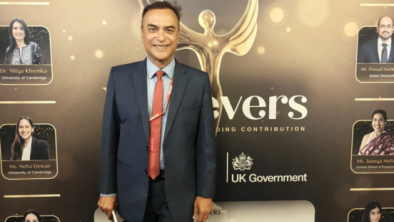
A gọziri Dr Arun Prasad nke Ụlọọgwụ Indraprastha Apollo n'Ụlọ Ndị Nna Ukwu nke UK
Ụlọọgwụ Indraprastha Apollo mere emume dị ebube ka e nyere Dr Arun Prasad, onye ndụmọdụ dị elu - Surgical Gastroenterology, nsọpụrụ na UK House of Lords n'oge emume India-UK Achievers Honors 2026. Dr Prasad natara ihe nrite Sayensị na Mmepụta Ihe ọhụrụ na nnọkọ ndị omeiwu emere na UK Parliament, na-amata onyinye ya na ịkwalite obere ohere ịwa ahụ eriri afọ, bariatric, thoracic, na robot na India. Nkwanye ùgwù a na-eme emume maka ndị mmadụ tinyere aka dị ukwuu na sayensị, ihe ọhụrụ, na mmekorita gafere ókèala n'etiti India na United Kingdom. Nkwanye ugwu a bụ akụkụ nke mmemme njikọ aka India-UK nke ụbọchị atọ, nke kwadokwara ogbako agụmakwụkwọ India-UK. Ihe omume a kpọkọtara ihe karịrị ndị ndu 700 na-anọchite anya ihe karịrị mahadum 350, ụlọ ọrụ, na ngalaba, na-eme ka ọ bụrụ nzukọ agụmakwụkwọ mba ụwa kachasị ukwuu na UK lekwasịrị anya n'iwusi mmekọrịta India-UK ike. Site na ihe karịrị afọ iri atọ nke ahụmịhe ahụike, Dr Prasad arụọla ọrụ ọsụ ụzọ n'ịkwalite usoro ịwa ahụ obere mwakpo na robot, na-eme ka izi ezi ka mma, belata mmerụ ahụ ịwa ahụ, na mgbake ngwa ngwa maka ndị ọrịa. Na mgbakwunye na ọrụ ọgwụgwọ ya, o tinyela aka nke ukwuu n'ịkụziri ndị dọkịta ịwa ahụ na mgbanwe ihe ọmụma mba ụwa, na-eme ka mmekorita zuru ụwa ọnụ sie ike na nlekọta ịwa ahụ nke oge a. N'ịtụgharị uche na nsọpụrụ ahụ, Dr Prasad kwuru, sị, "Ịkpọsa dị ka onye mmeri n'òtù a n'etiti ndị a họpụtara n'ụwa niile bụ ihe dị umeala n'obi nke ukwuu." O gosikwara ekele ya nye ndị nhazi, na-ekwu, sị, "Ekele dịrị Lord Karan Bilimoria, Onyeisi nke Order of the British Empire (CBE) na Osote Lieutenant (DL), Lord Uday Nagaraju, Onye otu UK House of Lords, na National Indian Students and Alumni Union (NISAU UK) maka nnabata a pụrụ iche." Nkwanye ùgwù a na-egosipụta mmetụta zuru ụwa ọnụ nke ndị dọkịta India ma na-eme ka nkwa Apollo Hospitals n'ịkwalite ịdị mma ahụike, ihe ọhụrụ, na ọkachamara a ma ama n'ụwa niile na nlekọta ịwa ahụ dị elu sikwuo ike.
Ihe mmalite ọhụrụ
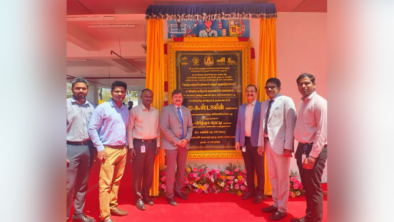
Ụlọ Ọgwụ Apollo Chennai Na-agbasa Nlekọta Ndị Ọrụ Aka n'Akụnụba Obodo Site na Ụlọ Ọgwụ Dialysis Ọhụrụ na Waltax Road, Chennai
Ụlọọgwụ Apollo amụbaala ohere ịnweta nlekọta akụrụ dị mkpa site na mmalite nke Apollo Dialysis Clinic na Waltax Road, na-eme ka ọrụ akụrụ sikwuo ike maka obodo dị na North Chennai na gburugburu ya. E guzobere ebe a na mmekorita ya na Chennai Metropolitan Development Authority (CMDA), Greater Chennai Corporation, na Ngalaba Ahụike, na-egosipụta mgbalị jikọrọ aka iji melite ohere ịnweta ọgwụgwọ na-akwado ndụ. Ọrịa akụrụ na-adịghị ala ala na-aga n'ihu na-arị elu na India, nke a na-ejikọkarị ya na ọnọdụ dịka ọrịa shuga na ọbara mgbali elu. Maka ndị ọrịa chọrọ ọgwụgwọ ogologo oge, ohere ọgwụgwọ dị mma na nke a pụrụ ịtụkwasị obi na-arụ ọrụ dị mkpa n'ịkwado ahụike na ịdị mma nke ndụ. Emebere ụlọọgwụ Waltax Road iji nye ndụmọdụ, ọgwụgwọ, na ọrụ mgbake dialysis n'ebe ndị ọrịa na-anabata, na-enyere ndị mmadụ aka inweta nlekọta mgbe niile nso n'ụlọ. Site na ibelata ibu njem na imeziwanye usoro ọgwụgwọ, ebe a na-akwado ka ndị ọrịa na-agbaso na nsonaazụ ka mma. Atụmatụ a na-egosipụta nkwa siri ike nke ụlọọgwụ Apollo na-eme iji wusie akụrụngwa ahụike dabere na obodo ike ma hụ na nlekọta akụrụ dị elu, nke nwere ọmịiko ka dị maka ndị ọrịa ndị kacha mkpa.
Ihe nrite na nkwanye ugwu
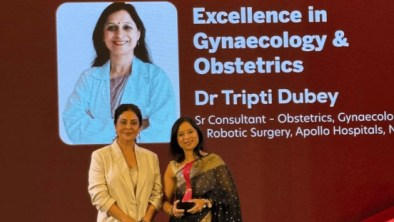
A matara Dr. Tripti Dubey na Femina GameChangers West 2026 maka Ọkacha mma na Gynaecology na Obstetrics
E nyekwara Dr. Tripti Dubey onyinye pụrụ iche na Gynaecology & Obstetrics na Femina GameChangers West 2026, na-amata onyinye pụrụ iche o nyere n'ịkwalite nlekọta ahụike ụmụ nwanyị site na ahụmịhe ahụike, ihe ọhụrụ, na nlekọta ọmịiko. Ikpo okwu Femina GameChangers a ma ama na-eme emume maka ndị mmadụ na-emepụta mmetụta bara uru n'ofe ụlọ ọrụ, gụnyere nlekọta ahụike, azụmaahịa, atụmatụ mmekọrịta mmadụ na ibe ya, na nduzi. Ihe nrite a na-asọpụrụ ndị ọsụ ụzọ bụ ndị ọrụ ha na-akwalite mgbanwe dị mma ma na-esetịpụ ihe atụ ọhụrụ nke ịdị mma n'ọhịa ha. Dr. Dubey, Onye Ndụmọdụ Kasị Elu - Ọkachamara Obstetrics, Gynaecology & Robotic Surgery na Apollo Hospitals Navi Mumbai, bụ onye a ma ama maka nraranye ya na nlekọta dabere na ihe akaebe, nke lekwasịrị anya na ndị ọrịa maka ụmụ nwanyị n'ofe ọkwa niile nke ndụ. Ọkachamara ya gụnyere nyocha mgbochi, nlekọta ọmụmụ nwa, ọgwụgwọ ime ime dị oke egwu, na usoro ụmụ nwanyị na-awakpo obere, na-egosipụta nraranye ya na ahụike ụmụ nwanyị zuru oke. Nkwa a na-egosipụta ọrụ Dr. Dubey dị ka onye ọsụ ụzọ na gynecology na ịmụ nwa, na-egosi otu ịdị mma ahụike, nlekọta ahaziri ahazi, na agụmakwụkwọ ndị ọrịa nwere ike isi melite nsonaazụ ahụike ogologo oge maka ụmụ nwanyị. Ihe nrite a na-egosi mkpa nlekọta pụrụ iche na nke ọmịiko dị, ma na-eme ka ọnọdụ Dr. Dubey dị ka onye isi n'ịkpụzi ọdịnihu nlekọta ahụike ụmụ nwanyị na India sikwuo ike.


 Ụlọ Ọgwụ Kachasị Mma Dị Nso Chennai


