


Ndị otu nchịkọta akụkọ Apollo nyochachara ya
Azịza ngwa ngwa
An exploratory laparotomy is an operation in which a surgeon opens the abdomen through a single cut to look directly at the organs inside, find the cause of a problem and, in most cases, treat it at the same time. It is done when scans and other tests cannot give a clear answer, or in emergencies such as severe injury, internal bleeding, a burst or blocked bowel, or widespread infection in the abdomen.
| Eziokwu eziokwu | Details |
|---|---|
| nzube | To find and treat the cause of a serious abdominal problem |
| Ofdị ịwa ahụ | Open abdominal surgery. Planned or emergency |
| Ahụhụ | Nkụnwụ nkịtị |
| Duration | About 1 to 4 hours, depending on what is found |
| Staylọ ọgwụ nọrọ | Usually 5 to 10 days. Longer after emergency surgery |
| mgbake | About 6 to 8 weeks for routine activity |
| Ọpụrụiche | General surgery, gastrointestinal surgery and trauma surgery |
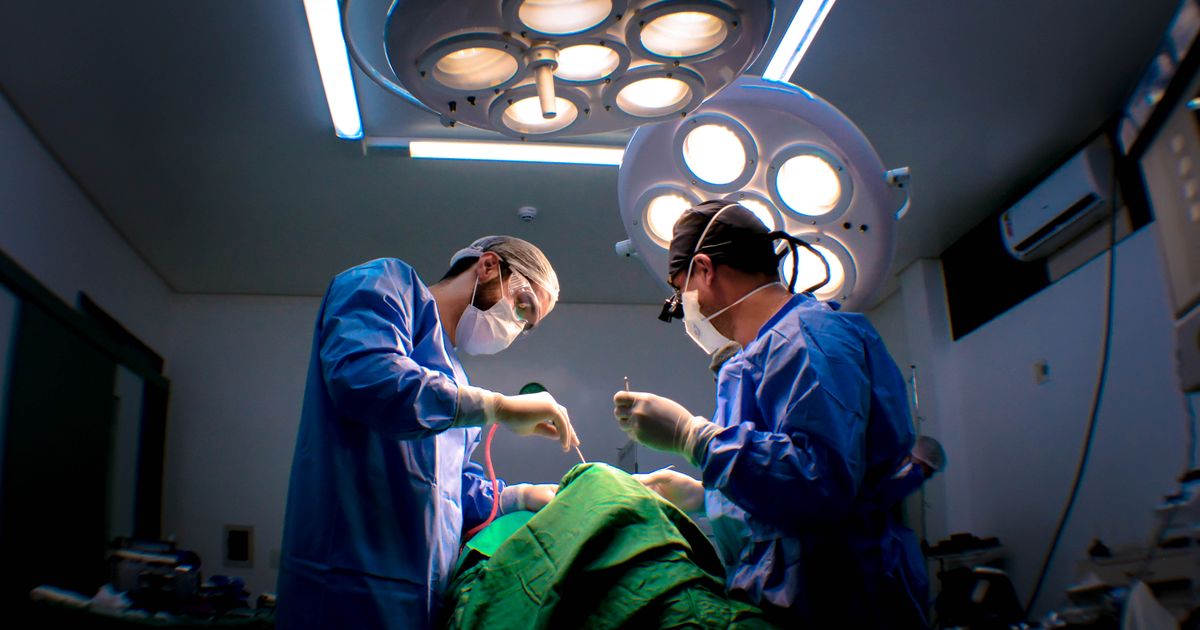
What is an exploratory laparotomy?
The word laparotomy means a surgical cut into the abdominal cavity. The abdomen holds the stomach, small and large intestines, liver, gallbladder, pancreas, spleen, kidneys, bladder and, in women, the womb and ovaries. Problems in any of these can cause similar symptoms, and sometimes even a good scan cannot tell them apart.
In an exploratory laparotomy, the surgeon opens the abdomen and examines the organs one by one in a set order. Once the cause is found, it is dealt with in the same operation wherever possible. This may involve stopping bleeding, repairing a hole, removing a damaged length of bowel, draining infection or taking a tissue sample.
Other names for exploratory laparotomy
- Laparotomy or open abdominal surgery
- Abdominal exploration
- Ex-lap, a short form used by doctors
- Emergency laparotomy, when done urgently
- Staging laparotomy, when done to check how far a cancer has spread
- Trauma laparotomy or damage control laparotomy, after serious injury
Why is an exploratory laparotomy done?
Emergency reasons
- Injury to the abdomen from a road accident, a fall, or a stab or gunshot wound
- Ọbara nke dị n'ime
- A hole (perforation) in the stomach or intestine, for example from an ulcer, a ruptured appendix or typhoid
- Peritonitis, a widespread infection of the lining of the abdomen
- Mgbochi ime ihe that does not settle, or bowel that has twisted or lost its blood supply
- Ihe mgbagwoju anya appendicitis
- A leak, bleeding or infection after an earlier operation
- A strangulated ahihia
- A ruptured ectopic pregnancy or ovarian cyst with heavy bleeding
Planned reasons
- Severe or long-lasting abdominal pain that remains unexplained after tests
- A lump in the abdomen that needs to be examined or removed
- Staging of certain cancers, such as ovarian cancer, and removal of as much tumour as possible
- Dense scar tissue from earlier operations that makes keyhole surgery unsafe
Laparotomy or laparoscopy: which is used when?
Many abdominal problems are now investigated with diagnostic laparoscopy, in which a camera is passed through small cuts. It causes less pain and allows a quicker recovery. A laparotomy is preferred when speed and full access matter more.
| atụmatụ | Exploratory laparotomy | Nchọpụta laparoscopy |
|---|---|---|
| Mgbawa | One long cut | 2 to 4 small cuts |
| View and access | Direct. The surgeon can see and feel all the organs | Through a camera. Some areas are harder to reach |
| Kacha mma maka | Unstable patients, major bleeding, widespread infection, large tumours, heavy scarring | Stable patients, unexplained pain, limited problems |
| Staylọ ọgwụ nọrọ | 5 gaa na 10 ụbọchị | 1 gaa na 3 ụbọchị |
| mgbake | 6 ka 8 izu | 1 ka 2 izu |
A laparoscopy is sometimes converted to a laparotomy during the operation if the surgeon finds that open surgery is safer.
Types of incision
- Midline. A vertical cut down the centre of the abdomen. It is the most common because it is quick and gives access to every part of the abdomen
- Paramedian. A vertical cut to one side of the midline
- Transverse. A side-to-side cut, used more often in children and for some planned operations
- Subcostal. A slanting cut below the ribs, used for the liver, gallbladder or spleen
- Lower transverse (bikini line). A low horizontal cut used for some pelvic operations
Who is at higher risk from a laparotomy?
In an emergency, a laparotomy is often life-saving and goes ahead even when the risk is high. Extra care is needed for:
- Older adults and people who are frail
- People with heart, lung or kidney disease
- People with poorly controlled diabetes
- Ndị nwere nsogbu ọbara ọgbụgba ma ọ bụ ndị na-eri ihe na-ebelata ọbara mgbali elu
- People with severe infection in the bloodstream
- People who are malnourished or very overweight
- Ndị na-ese siga
For a planned operation, these conditions are brought under control first. Where the same information can be obtained by a scan or a keyhole procedure, that is usually chosen instead.
How to prepare for an exploratory laparotomy
Na mberede
There is little time to prepare. The team will give fluids through a drip, pain relief and antibiotics, arrange blood for transfusion, and carry out urgent blood tests and a CT nyocha or ultrasound if your condition allows. A tube may be passed through the nose into the stomach to empty it, and a catheter placed in the bladder.
For a planned operation
- Blood tests, ECG, chest X-ray and scans of the abdomen
- An anaesthesia assessment
- Review of your medicines. Blood thinners and some other medicines are stopped for a few days
- Stopping smoking, ideally some weeks ahead
- Fasting for the number of hours advised
- Bowel preparation, in some cases
- A discussion about the possibility of a stoma, where the bowel is brought out onto the abdomen, if bowel surgery is likely
How is an exploratory laparotomy performed?
- Anaesthesia. You are given general anaesthesia. An epidural or nerve block may be added for pain relief after surgery.
- Incision. The surgeon makes the cut through the skin, fat and muscle layers to enter the abdomen.
- Exploration. Any blood or fluid is removed. The surgeon then checks each organ in turn, including the full length of the intestine.
- Ọgwụgwọ. What is done next depends on the findings. It may include stopping bleeding, closing a perforation, removing diseased bowel and joining the ends, creating a stoma, removing the appendix, spleen or a tumour, releasing scar tissue or taking biopsies.
- Washout. The abdomen is washed with warm sterile fluid, especially when there is infection.
- Ọwa mmiri. Soft tubes may be left in to carry away fluid.
- Mmechi. The muscle layer is stitched firmly and the skin is closed with stitches or staples. In very ill patients the abdomen may be covered temporarily and closed a day or two later.
Gịnị na-eme mgbe a wachara ya ahụ?
- You wake up in the recovery area. People who were seriously ill before surgery are cared for in the intensive care unit
- Pain is controlled with an epidural, a pump you operate yourself or injections, and later with tablets
- You will have a drip, a bladder catheter and possibly a tube in the nose and abdominal drains. These are removed over the next few days
- The bowel is often slow to start working again. You begin with sips of water and move on to liquids and then solid food as it recovers
- You will be helped to sit up and walk within a day. Early movement and breathing exercises lower the risk of chest infection and blood clots
- Injections to prevent clots are usually given while you are in hospital
Risks and complications of exploratory laparotomy
Early
- agba ọbara
- Wound infection, or a collection of pus inside the abdomen
- Slow return of bowel movement
- A leak from a join in the bowel
- The wound opening up
- Ọrịa obi
- Mkpụkọ ọbara n'ụkwụ ma ọ bụ ngụgụ
- Imerụ akụkụ ahụ dị nso
- Heart, kidney or breathing problems, particularly after emergency surgery
mbubreyo
- An incisional hernia, where a bulge develops through the scar
- Scar tissue inside the abdomen (adhesions), which can cause the bowel to block months or years later
- Long-lasting pain or numbness around the scar
The level of risk depends mostly on why the operation was needed, how ill the person was beforehand and their age and general health.
Recovery after an exploratory laparotomy
Izu isii mbụ
- Rest, but walk several times a day
- Support the wound with a pillow or your hands when you cough, sneeze or get out of bed
- Keep the wound clean and dry. Stitches or staples are usually removed after 10 to 14 days
- Eat small, frequent meals and drink plenty of fluids
- Take pain relief regularly so that you can move and breathe deeply
Izu 2 ruo 8
- Increase activity gradually. Tiredness is common and improves week by week
- Do not lift anything heavier than about 5 kg for 6 to 8 weeks, and avoid straining. This protects the muscle repair and lowers the risk of a hernia
- An abdominal binder may be advised for support
- Most people return to desk work in 4 to 6 weeks and to physical work after 8 to 12 weeks
- Driving is usually possible after 4 to 6 weeks, once you can brake hard without pain
Mgbe ị ga-achọ enyemaka ahụike
- Ahụ ọkụ ma ọ bụ akpata oyi
- Redness, swelling, discharge or opening of the wound
- Increasing abdominal pain or swelling
- Repeated vomiting, or no stool or gas for more than 2 to 3 days
- Breathlessness, chest pain, or pain and swelling in one leg
- A new bulge at or near the scar
Life after a laparotomy
- Nri. Return to a normal balanced diet with enough protein and fibre. If part of the bowel was removed, a dietitian will guide you
- Stoma care. If you have a stoma, a specialist nurse will teach you to manage it. Many stomas are temporary and can be reversed later
- Scar care. The scar fades over a year. Protect it from the sun
- Mmega ahụ. Walking is the best early exercise. Core-strengthening exercises can begin after about 3 months with your surgeon's approval
- Weight and smoking. Keeping a healthy weight and not smoking lower the risk of a hernia
- Sochie. Attend your review visits and collect any biopsy results
Benefits of exploratory laparotomy
- Na-enye nchoputa doro anya mgbe ule ndị ọzọ enweghị ike
- Allows treatment in the same operation
- The fastest way to control life-threatening bleeding or infection in the abdomen
- Lets the surgeon inspect and feel every organ
- Possible even when earlier operations have left heavy scarring
What is the cost of an exploratory laparotomy in India?
The cost of an exploratory laparotomy in India depends on:
- Whether it is an emergency or a planned operation
- What is found and what treatment is carried out during the operation
- The length of stay in the intensive care unit and the ward
- Blood transfusion, implants and other materials used
- Tests, scans and medicines
- The type of room, the city and the hospital
Ọnụ ego ya dị iche iche site n'otu onye gaa na onye ọzọ. Biko gaa leta ụlọ ọgwụ maka ọnụahịa ya n'ezie.
Laparotomy is covered by most health insurance policies when it is medically needed. The billing or insurance desk at the Apollo hospital nearest to you can give an estimate.
Why choose Apollo Hospitals for a laparotomy?
- General and gastrointestinal surgeons available round the clock for emergencies
- 24-hour emergency, imaging, blood bank and operating theatre services
- Intensive care units with trained critical care teams
- Keyhole and robotic surgery where a less invasive approach is suitable. Learn about general laparoscopic surgery
- Stoma care, nutrition and physiotherapy support during recovery
Book an appointment with a general surgeon at Apollo Hospitals. You can also find a surgeon in Delhi, Mumbai, Chennai, Hyderabad, Bangalore na Kolkata. In an emergency, go straight to the nearest emergency department.
Ọgụgụ metụtara
Questions to ask your surgeon about a laparotomy
- Why do I need open surgery instead of a keyhole procedure?
- What do you expect to find, and what might you need to do?
- Is there a chance I will need a stoma?
- What are the risks in my case?
- How long will I be in hospital and in intensive care?
- How will my pain be controlled?
- When can I eat, walk, drive and return to work?
- What can I do to lower the risk of a hernia?
Ajụjụ
1. Is an exploratory laparotomy a major surgery?
Yes. It is open surgery on the abdomen under general anaesthesia and needs a hospital stay of several days and a recovery period of 6 to 8 weeks.
2. How long does an exploratory laparotomy take?
Usually 1 to 4 hours. It can be shorter if little is found, or longer if a complex repair is needed.
3. How long is the recovery after a laparotomy?
Most people are in hospital for 5 to 10 days and need 6 to 8 weeks before returning to routine activity. Full strength can take 3 months or more.
4. What is the difference between a laparotomy and a laparoscopy?
A laparotomy uses one long cut to open the abdomen. A laparoscopy uses a camera and instruments passed through small cuts. Laparoscopy has a faster recovery, while laparotomy gives wider access and is preferred in emergencies.
5. Is a laparotomy painful?
There is pain after surgery, but it is managed with epidural or pump-controlled pain relief at first and tablets later. It eases steadily over the first two weeks.
6. How big is the scar after a laparotomy?
It depends on the operation. A midline cut may run from below the breastbone to below the navel. The scar fades over about a year.
7. When can I eat after a laparotomy?
Sips of water are usually allowed within a day. Food is introduced step by step as the bowel starts working, often within 2 to 5 days.
8. What are the common complications?
Wound infection, slow bowel recovery and chest infection are the most common early problems. Hernia at the scar and bowel blockage from scar tissue can occur later.
9. What if nothing abnormal is found?
This is uncommon now that scans are so accurate. If it happens, serious conditions have been ruled out and your doctor will look for other causes of your symptoms.
10. Can a laparotomy be avoided?
Often, yes. CT scans and diagnostic laparoscopy answer many questions without open surgery. A laparotomy is chosen when these are not enough or when the situation is urgent.
11. When can I lift weights or exercise?
Avoid lifting more than about 5 kg for 6 to 8 weeks. Walking can start straight away. Strenuous exercise and abdominal workouts usually wait for 3 months.
12. Will I need a stoma?
Only if part of the bowel has to be removed or rested. Your surgeon will tell you beforehand if it is a possibility. Many stomas are temporary.
13. Is a laparotomy done in children and during pregnancy?
Yes, when it is necessary. Special care is taken with anaesthesia and, in pregnancy, with monitoring of the baby.
14. Which doctor performs an exploratory laparotomy?
A general surgeon, gastrointestinal surgeon or trauma surgeon performs the operation. A gynaecological cancer surgeon performs staging laparotomy for ovarian cancer.
mmechi
An exploratory laparotomy remains one of the most important operations in emergency surgery. When there is internal bleeding, a perforated or blocked bowel or widespread infection, it allows the surgeon to find the problem and fix it without delay. Recovery takes time and patience, and careful aftercare helps prevent hernias and other late problems.
This page is for general information and does not replace advice from your doctor. Treatment decisions should be made with a qualified surgeon who knows your medical history.
Na-adịbeghị anya agbakwunyere


General Surgeons at Apollo Hospitals








 Dị na Sọnde
Disclaimer:
Ozi dị na peeji a bụ maka ebumnuche ozi na agụmakwụkwọ naanị. Ọ bụ ezie na anyị na-eme mgbalị ezi uche dị na ya iji hụ na ozi ahụ ziri ezi, a pụrụ ịtụkwasị obi, ma na-enyocha ya mgbe niile, ekwesighi iwere ya dị ka ihe nnọchi anya ndụmọdụ ahụike ọkachamara, nchọpụta, ma ọ bụ ọgwụgwọ.
Ọdịmma nke usoro ọgwụgwọ, tinyere uru ya, ihe egwu ya, nkwadebe ya, mgbake ya, nsogbu ndị nwere ike ime, na ihe ndị a tụrụ anya ya, nwere ike ịdị iche site n'otu onye gaa na onye ọzọ. Ọkachamara ahụike gị ga-ekpebi ma usoro ọgwụgwọ ahụ ọ dabara adaba dabere na ọnọdụ gị na akụkọ ahụike gị.
Biko gakwuru ọkachamara ahụike ruru eru maka ndụmọdụ nkeonwe tupu ịme mkpebi gbasara usoro ọgwụgwọ ọ bụla.
Maka ozi ndị ọzọ gbasara otu esi emepụta, nyochaa, melite, na idobe ọdịnaya ahụike anyị, biko gụọ [Iwu Nchịkọta Akụkọ] anyị.




