


Ditinjau oleh Tim Editorial Apollo
Jawaban cepat
Bronchoscopy is a test in which a doctor passes a thin tube with a camera through the nose or mouth into the windpipe and the airways of the lungs. It is used to find the cause of lung problems, to take samples, and to treat some airway conditions. It usually takes less than an hour, and most people go home the same day.
| Fakta-fakta kunci | Detail |
|---|---|
| Apa itu | A camera examination of the windpipe and airways |
| Penggunaan utama | Diagnosis, taking samples, clearing or opening airways |
| Instrumen | Flexible bronchoscope in most cases; rigid bronchoscope for some treatments |
| Anestesi | Numbing spray with sedation, or general anaesthesia |
| Waktu yang dibutuhkan | About 20 to 60 minutes; longer for treatments |
| Menginap di rumah sakit | Biasanya prosedur satu hari. |
| Dilakukan oleh | Pulmonologist (chest physician) trained in bronchoscopy |
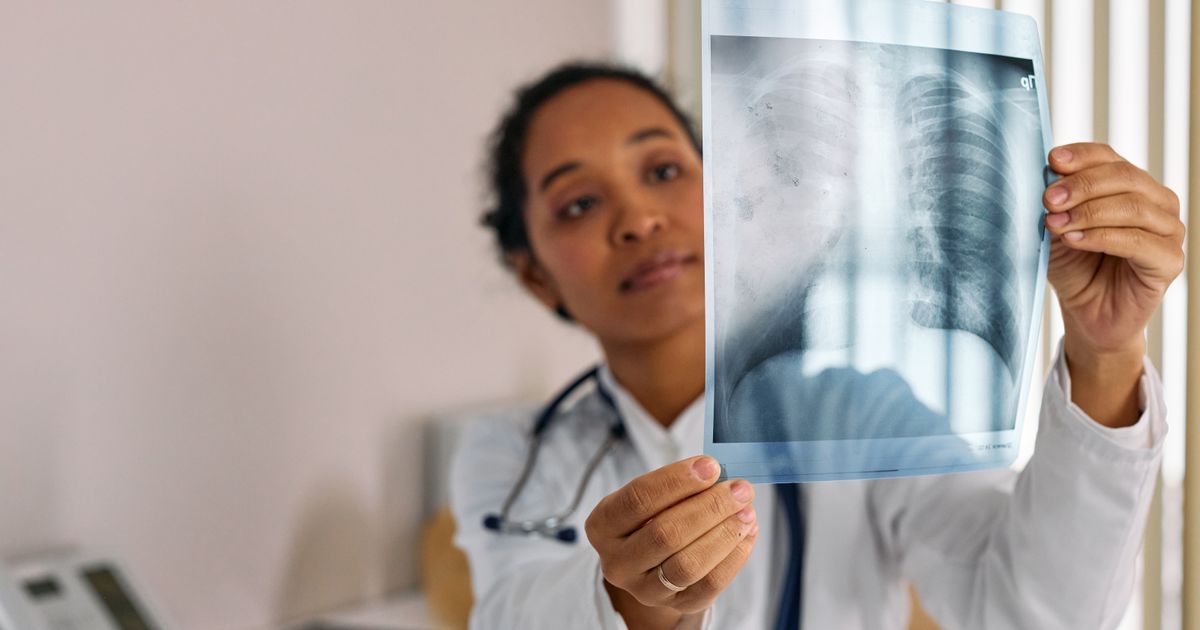
Apa itu bronkoskopi?
A bronchoscope is a thin tube with a light and a camera at its tip. The doctor guides it through the nose or mouth, past the voice box and into the windpipe (trachea) and its branches (bronchi), and watches the picture on a screen. Small tools can be passed through a channel in the tube to collect fluid or tissue or to carry out treatment.
Most bronchoscopies use a flexible bronchoscope, which bends easily and can be used with sedation. A rigid bronchoscope is a straight metal tube used under general anaesthesia when a wider working space is needed, for example to remove a large object or control bleeding.
Other names for bronchoscopy
- Lung endoscopy
- Endoskopi saluran napas
- Bronkoskopi serat optik
- Flexible bronchoscopy or rigid bronchoscopy
Jenis-jenis bronkoskopi
Bronchoscopy is grouped by its purpose. Each type below has its own page with full details.
| Tipe | Apa itu | Saat digunakan | Baca lebih lanjut |
|---|---|---|---|
| Bronkoskopi diagnostik | Looking inside the airways and taking washings, brushings or small biopsies | Unexplained cough, coughing up blood, a shadow on a scan, suspected infection or cancer | Bronkoskopi diagnostik |
| Therapeutic bronchoscopy | Treatment carried out through the bronchoscope | Removing an inhaled object or thick mucus, opening a narrowed airway, placing a stent, controlling bleeding | Therapeutic bronchoscopy |
| Ultrasonografi endobronkial (EBUS) | A bronchoscope with an ultrasound probe that shows structures outside the airway wall and guides a needle | Sampling lymph nodes in the chest, staging lung cancer, checking for conditions such as sarcoidosis or tuberculosis | Ultrasonografi endobronkial (EBUS) |
| Termoplasti bronkial | Controlled heat applied to the airway walls through a bronchoscope | Selected adults with severe asthma that is not controlled with standard treatment; offered only in some centres | Termoplasti bronkial |
Why is bronchoscopy done?
Your doctor may advise bronchoscopy when symptoms, a rontgen dada atau CT scan point to a problem in the airways or lungs that needs a closer look or a sample. Common reasons include:
- A cough that does not settle, or batuk darah
- A lump, shadow or enlarged lymph node on a scan, to check for kanker paru-paru or other causes
- Lung infection that is not improving, such as pneumonia or suspected TB, when sputum tests have not given an answer
- Tersangka sarkoidosis or other inflammatory lung disease
- A collapsed part of the lung caused by a mucus plug or blockage
- An inhaled foreign body, especially in children
- Narrowing of the windpipe (see stenosis trakea)
Bronchoscopy does not reach every part of the lung. For some small or outer lung spots, a needle biopsi through the chest wall or a surgical biopsy may be more suitable.
How is bronchoscopy done?
- Persiapan: you fast for some hours beforehand. Tell your doctor about all your medicines, especially blood thinners, and about allergies, heart disease or breathing difficulty. Blood tests may be done.
- Numbing and sedation: a numbing spray or gel is applied to the nose and throat, and a sedative is given through a vein. Some procedures need general anaesthesia.
- Meneruskan cakupan: the bronchoscope is guided into the airways while your oxygen level, pulse and blood pressure are monitored.
- Samples or treatment: the doctor examines the airways and takes washings, brushings or biopsies, or carries out the planned treatment.
- Pemulihan: you are observed until the sedation wears off. You must not eat or drink until the numbness in your throat has gone, usually after one to two hours.
Apa risiko bronkoskopi?
Bronchoscopy is generally safe, and serious problems are uncommon.
- Lebih umum: sore throat, hoarse voice, cough, mild fever on the same day, and a small amount of blood in the sputum after a biopsy
- Luar biasa: heavier bleeding, a fall in oxygen level, a collapsed lung (pneumothorax) after lung biopsy, chest infection, spasm of the airways, irregular heartbeat and reactions to the sedative
The risk is higher in people with severe lung or heart disease or bleeding problems, and your doctor will weigh this before advising the test.
Recovery after bronchoscopy
Most people go home a few hours after the procedure. Because of the sedative, you should have an adult take you home, and you should not drive, operate machinery or sign important documents for the rest of the day. A sore throat and cough usually settle within a day or two. Normal activities can generally be resumed the next day. Biopsy and culture results may take several days, and some culture tests take weeks; your doctor will tell you when to return for the report.
Kapan harus mencari bantuan medis
- Coughing up more than a few streaks of blood, or bleeding that continues
- Nyeri dada atau sesak napas
- Fever that lasts beyond a day or is high
- Increasing difficulty in swallowing or speaking
What is the cost of bronchoscopy in India?
Biayanya tergantung pada:
- Whether the bronchoscopy is diagnostic or a treatment
- Add-on techniques such as EBUS, and any stent or device used
- Sedasi atau anestesi umum
- Laboratory tests on the samples
- Day care or hospital stay
- Kota dan rumah sakit
Biaya bervariasi dari orang ke orang. Silakan hubungi rumah sakit untuk mengetahui harga sebenarnya.
Health insurance usually covers bronchoscopy that is medically needed; check with your insurer about day care cover.
Why choose Apollo Hospitals for bronchoscopy?
- Pulmonologists trained in diagnostic and interventional bronchoscopy
- Monitoring by trained staff during and after sedation
- Pathology and microbiology laboratories to process samples
- Chest surgery, oncology and intensive care support when needed
Availability differs between centres. Please check with the hospital. To discuss your symptoms or reports, you can buat janji temu dengan dokter spesialis paru-paru di Rumah Sakit Apollo.
Questions to ask your doctor about bronchoscopy
- Why do I need a bronchoscopy, and which type will I have?
- Will I be sedated or have general anaesthesia?
- Obat mana yang harus saya hentikan, dan kapan?
- What samples will be taken?
- Kapan saya akan mendapatkan hasilnya?
- What are the alternatives in my case?
Pertanyaan Umum Demo Slot
1. Is bronchoscopy painful?
It is not usually painful. The throat is numbed and most people are sedated. You may feel pressure or an urge to cough, and a sore throat afterwards.
2. Will I be awake during bronchoscopy?
With a flexible bronchoscopy you are usually sedated and drowsy but breathing by yourself, and many people remember little of it. Rigid bronchoscopy and some longer procedures are done under general anaesthesia.
3. Can I breathe during the procedure?
Yes. The bronchoscope is narrow and leaves room for air to pass around it. Oxygen is given and your oxygen level is watched throughout.
4. How long does bronchoscopy take?
A diagnostic bronchoscopy often takes 20 to 30 minutes. EBUS and treatment procedures can take an hour or more.
5. Can bronchoscopy detect lung cancer?
It can help diagnose many lung cancers by allowing a biopsy of the growth or of nearby lymph nodes. A normal bronchoscopy does not rule out cancer in parts of the lung the scope cannot reach, so other tests may still be needed.
6. Is bronchoscopy safe for children?
Yes, when it is needed. In children it is commonly done to remove an inhaled object or to study airway problems, and it is performed under general anaesthesia by a trained team.
7. When can I eat after bronchoscopy?
You should wait until the numbness in your throat has worn off, usually one to two hours, to avoid choking. Start with sips of water.
8. Which doctor performs bronchoscopy?
Bronchoscopy is performed by a pulmonologist, also called a chest physician or respiratory specialist. Thoracic surgeons and ENT surgeons also perform it in certain situations.
Kesimpulan
Bronchoscopy lets a doctor see inside the airways, collect samples and treat some airway problems without an operation on the chest. It is usually a short day procedure with a low rate of serious problems. Read the page for the type advised for you and discuss the reasons and alternatives with your pulmonologist.
Halaman ini berisi informasi umum dan tidak menggantikan saran dari dokter Anda. Keputusan pengobatan harus dibuat bersama spesialis yang berkualifikasi dan mengetahui riwayat medis Anda.
Baru-baru ini ditambahkan


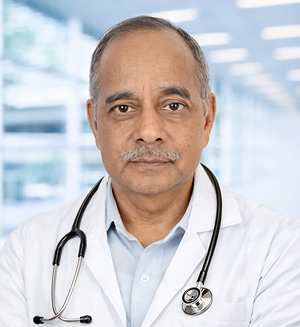
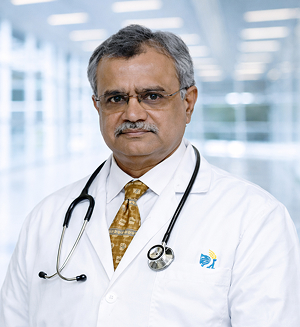
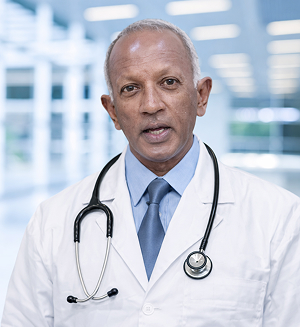
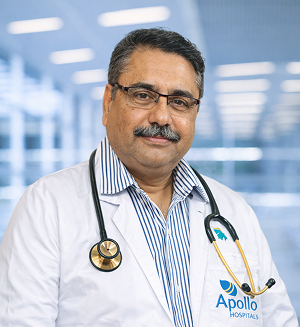
Dokter spesialis paru di Rumah Sakit Apollo




Penolakan:
Informasi yang diberikan pada halaman ini dimaksudkan hanya untuk tujuan informasi umum dan pendidikan. Meskipun kami melakukan upaya yang wajar untuk memastikan bahwa informasi tersebut akurat, dapat diandalkan, dan ditinjau secara berkala, informasi tersebut tidak boleh dianggap sebagai pengganti nasihat, diagnosis, atau pengobatan medis profesional.
Kesesuaian suatu prosedur medis, beserta manfaat, risiko, persiapan, pemulihan, potensi komplikasi, dan hasil yang diharapkan, dapat bervariasi dari orang ke orang. Profesional kesehatan Anda akan menentukan apakah suatu prosedur sesuai berdasarkan kondisi dan riwayat medis individu Anda.
Harap berkonsultasi dengan profesional kesehatan yang berkualifikasi untuk mendapatkan saran yang dipersonalisasi sebelum mengambil keputusan terkait prosedur medis apa pun.
Untuk informasi lebih lanjut mengenai bagaimana konten medis kami dibuat, ditinjau, diperbarui, dan dipelihara, silakan baca [Kebijakan Editorial] kami.




