


Recenzirao urednički tim Apolla
Brzi odgovor
Angiography is a group of imaging tests that show blood vessels. A contrast dye is put into the bloodstream and pictures are taken with X-ray, CT or MRI to reveal narrowing, blockage, bulging or abnormal vessels. Some types need a thin tube (catheter) passed through an artery; others need only an injection in the arm. The right type depends on which part of the body is being examined.
| Ključne činjenice | Detaljnije |
|---|---|
| Što je | Imaging of arteries or veins using contrast dye |
| Glavne metode | Catheter (conventional) angiography, CT angiography, MR angiography |
| Common areas studied | Heart, brain, neck, lungs, kidneys, legs, eyes |
| Anestezija | Numbing injection for catheter tests; none for CT or MR angiography |
| Potrebno vrijeme | From a few minutes for a scan to about an hour for a catheter test |
| Odlazak kući | Usually the same day |
| Main cautions | Contrast allergy, kidney problems, pregnancy, bleeding risk |
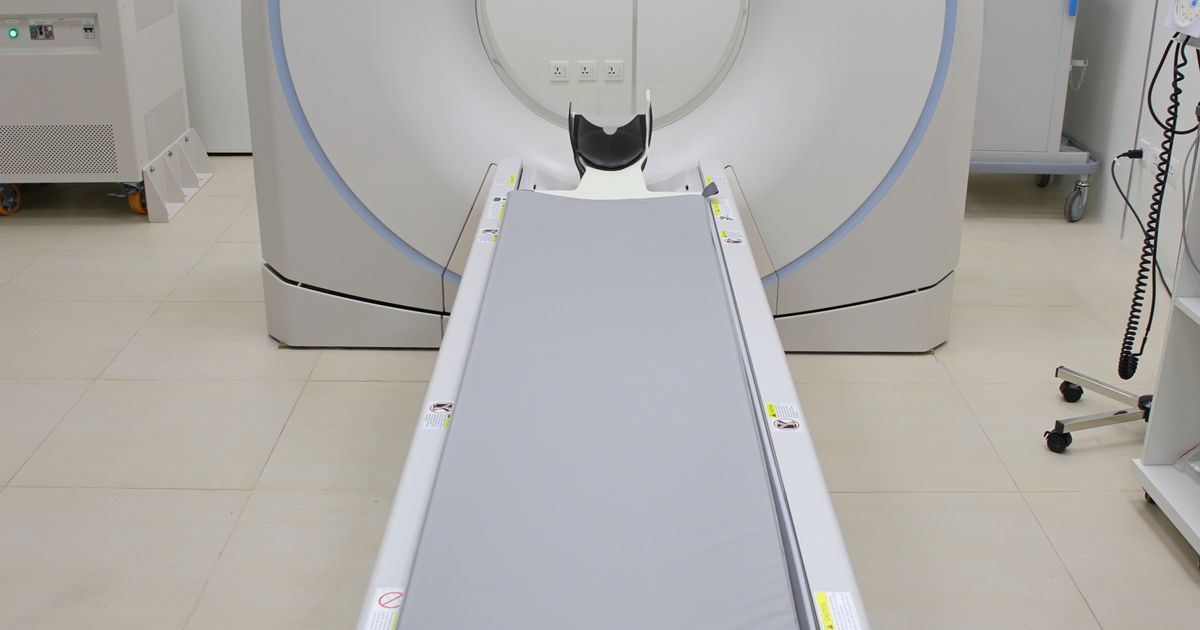
Što je angiografija?
Blood vessels do not show up clearly on ordinary X-rays. In angiography, a contrast dye is injected so that the inside of the vessels stands out. The pictures are called angiograms. See our guide to what an angiogram is and why it is performed.
In catheter angiography, a doctor passes a catheter through an artery at the wrist or groin to the area of interest and injects dye directly while X-ray images are recorded. In CT and MR angiography, the dye is given through a vein in the arm and a scanner builds the pictures, so no catheter is needed.
Other names for angiography
- Angiogram or angio test
- Arteriography (arteries) and venography (veins)
- Digitalna suptrakcijska angiografija (DSA)
- Kateterska angiografija
- CT angiography (CTA) and MR angiography (MRA)
Types of angiography
| Tip | Što je | Kada se koristi | Pročitaj više |
|---|---|---|---|
| Koronarna angiografija | Catheter test showing the arteries that supply the heart | Chest pain, heart attack, abnormal stress test, before heart surgery | Koronarna angiografija, koronarni angiogram |
| CT koronarna angiografija | CT scan of the heart arteries with dye given in an arm vein | Lower to intermediate risk chest pain; checking for early disease | CT koronarna angiogram |
| CT angiografija | CT scan of vessels anywhere in the body | Aorta, lung, kidney, limb and brain vessels; emergencies | How a CT angiogram is performed |
| MR angiografija | MRI-based pictures of vessels, with no X-rays | Brain, neck, kidney and limb vessels; when radiation should be avoided | MRA |
| Cerebralna angiografija | Catheter test of the brain's arteries | Aneurysm, abnormal vessel tangles, stroke assessment | Cerebralni angiogram |
| Karotidna angiografija | Imaging of the neck arteries that supply the brain | Narrowing that may cause stroke or mini-stroke | Karotidna angiografija |
| Periferna angiografija | Imaging of arteries in the legs or arms | Leg pain on walking, non-healing foot wounds, before angioplasty or bypass | Bolest perifernih arterija, peripheral angioplasty and stenting |
| Plućna angiografija | Imaging of the lung arteries, now mostly by CT | Suspected clot in the lung | Plućna embolija |
| Renalna angiografija | Imaging of the kidney arteries | Suspected narrowing causing high blood pressure or kidney damage | Stenoza bubrežne arterije |
| Venografija | Imaging of veins | Clots, blocked or abnormal veins, planning vein procedures | Venografija, venogram |
| Fluoresceinska angiografija | Photographs of the retina after dye is injected in the arm | Diabetic eye disease and other retinal conditions | Fluoresceinska angiografija |
| Limfangiografija | Imaging of lymph vessels | Lymph leaks and swelling | Limfangiografija |
Coronary angiography is usually done as part of kateterizacija srca.
Why is angiography done?
- To find narrowed or blocked arteries caused by ateroskleroza, for example in people with angina
- To look for clots, bulges (aneurysms), tears or abnormal connections between vessels
- To plan surgery, angioplasty or stenting, and to check the result afterwards
A catheter angiogram can sometimes be followed at once by treatment, such as koronarna angioplastika i stentiranje. CT and MR angiography are tests only.
How is angiography done?
Before the test, tell the team about allergies, kidney disease, diabetes medicines, blood thinners and any chance of pregnancy. A kidney blood test is often needed, and you may be asked to fast for a few hours.
- Kateterska angiografija: the skin at the wrist or groin is numbed, a catheter is guided through the artery under X-ray, dye is injected and images are recorded. The catheter is removed and the puncture site is pressed or sealed. You rest for a few hours before going home.
- CT angiografija: a cannula is placed in an arm vein, you lie on the scanner table, and dye is injected while the scan is taken. It takes a few minutes. You may feel a brief warm flush.
- MR angiografija: you lie inside the MRI scanner for longer, and a different type of contrast may or may not be used.
Risks of angiography
Serious problems are uncommon. The risks depend on the type of test and your health.
- Contrast dye: a warm flush or metallic taste is common; allergic reactions are uncommon, and kidney function can worsen in people who already have kidney disease.
- Radijacija: X-ray and CT tests use a controlled dose; MR angiography uses none.
- Catheter tests: bruising or bleeding at the puncture site is the most common problem. Damage to the artery, clots, stroke, heart rhythm disturbance or heart attack are rare.
- MR: may not be possible with some implants or metal in the body.
Recovery after angiography
After CT or MR angiography you can usually return to normal activity straight away. After a catheter test, rest for the day, drink fluids unless told otherwise, avoid heavy lifting for a few days and do not drive for the first day.
Kada potražiti liječničku pomoć
- Bleeding or a growing swelling at the puncture site
- A cold, pale, numb or painful hand or leg
- Bol u prsima ili nedostatak daha
- Weakness of the face or a limb, or trouble speaking
- Rash, itching, facial swelling or wheezing
What is the cost of angiography in India?
Trošak ovisi o:
- The type of angiography and the body area examined
- Whether a catheter, CT or MRI is used
- The amount and type of contrast
- Day care or overnight stay, and room category
- Grad i bolnica
Cijene se razlikuju od osobe do osobe. Molimo provjerite s bolnicom točne cijene.
Why choose Apollo Hospitals for angiography?
- Cardiologists, radiologists, neurologists and vascular specialists who select the type of test suited to your problem
- Catheterisation laboratories, CT and MRI under one roof at many centres
- Dostupnost se razlikuje ovisno o centru. Molimo provjerite s bolnicom.
For heart-related symptoms, zakažite pregled kod kardiologa at Apollo Hospitals, who can advise which test you need.
Questions to ask your doctor about angiography
- Which type of angiography do I need, and why?
- Could a CT or MR angiogram answer the question instead of a catheter test?
- Should I stop or change any medicines beforehand?
- Is the contrast dye safe for my kidneys?
- Might treatment such as angioplasty be done at the same time?
- Kada ću dobiti rezultate?
Pitanja i odgovori
1. What is the difference between angiography and angiogram?
Angiography is the name of the test. An angiogram is the picture it produces. People often use the two words to mean the same thing.
2. Is angiography the same as angioplasty?
No. Angiography is a test that shows the vessels. Angioplasty is a treatment in which a narrowed vessel is widened with a balloon, often with a stent.
3. Is angiography painful?
The numbing injection or cannula stings briefly. The dye can cause a short warm feeling. Most people do not find the test painful.
4. How long does angiography take?
A CT angiogram takes a few minutes of scanning. A catheter angiogram usually takes about half an hour to an hour, followed by a few hours of rest.
5. Is CT angiography as good as catheter angiography?
CT angiography is very good at ruling out disease and avoids a catheter. Catheter angiography gives the finest detail and allows treatment in the same sitting.
6. Can I have angiography if I have kidney disease or a dye allergy?
Often yes, with precautions such as extra fluids, a smaller amount of dye or protective medicines, or by choosing a different test. Tell your doctor beforehand.
7. Do I need to stay in hospital?
Most angiography is done as a day procedure. You may stay overnight if treatment is carried out at the same time or if you need observation.
8. Which doctor performs angiography?
Cardiologists perform coronary angiography. Interventional radiologists, neuro-interventional specialists and vascular surgeons perform angiography of other areas, and radiologists report CT and MR angiograms.
Zaključak
Angiography covers several tests that show blood vessels in different parts of the body, from quick CT scans to catheter studies that can lead directly to treatment. Use the links above to read about each test, and discuss the choice with your doctor.
Ova stranica služi za opće informacije i ne zamjenjuje savjet vašeg liječnika. Odluke o liječenju treba donijeti kvalificirani stručnjak koji poznaje vašu medicinsku povijest.
Nedavno dodano


Specijalisti za srce u bolnicama Apollo








Disclaimer:
Informacije navedene na ovoj stranici namijenjene su isključivo u opće informativne i obrazovne svrhe. Iako ulažemo razumne napore kako bismo osigurali da su informacije točne, pouzdane i redovito pregledavane, ne bi se trebale smatrati zamjenom za stručni medicinski savjet, dijagnozu ili liječenje.
Prikladnost medicinskog postupka, zajedno s njegovim prednostima, rizicima, pripremom, oporavkom, potencijalnim komplikacijama i očekivanim ishodima, može varirati od osobe do osobe. Vaš zdravstveni djelatnik će utvrditi je li postupak prikladan na temelju vašeg individualnog stanja i medicinske povijesti.
Prije donošenja odluka o bilo kojem medicinskom postupku, obratite se kvalificiranom zdravstvenom djelatniku za personalizirani savjet.
Za više informacija o tome kako se naš medicinski sadržaj stvara, pregledava, ažurira i održava, pročitajte naša [Urednička pravila].




